
Bile Duct Blockages Can Raise CA 19-9 Without Cancer
Yes — a blocked bile duct can send CA 19-9 soaring, sometimes into the thousands, without a single cancer cell anywhere in the body. CA 19-9 is best known as a marker doctors track for pancreatic cancer, so seeing a wildly abnormal number on a lab report can feel like the floor dropping out. But CA 19-9 isn't produced only by tumors — it's made by the healthy cells that line your bile ducts and pancreas, and those cells respond to a physical traffic jam the same way they'd respond to a tumor: by making more of the protein and losing the normal route to clear it out. A blocked bile duct, whatever the cause, can trigger exactly that response. Here's what's actually happening inside the body when this occurs, and how doctors work out whether a blockage — not cancer — is the real explanation.
Curious what your own lab results are really telling you? Upload them and get a complete, plain-language breakdown in under 15 minutes.
Analyze My ResultsWhat CA 19-9 Actually Measures
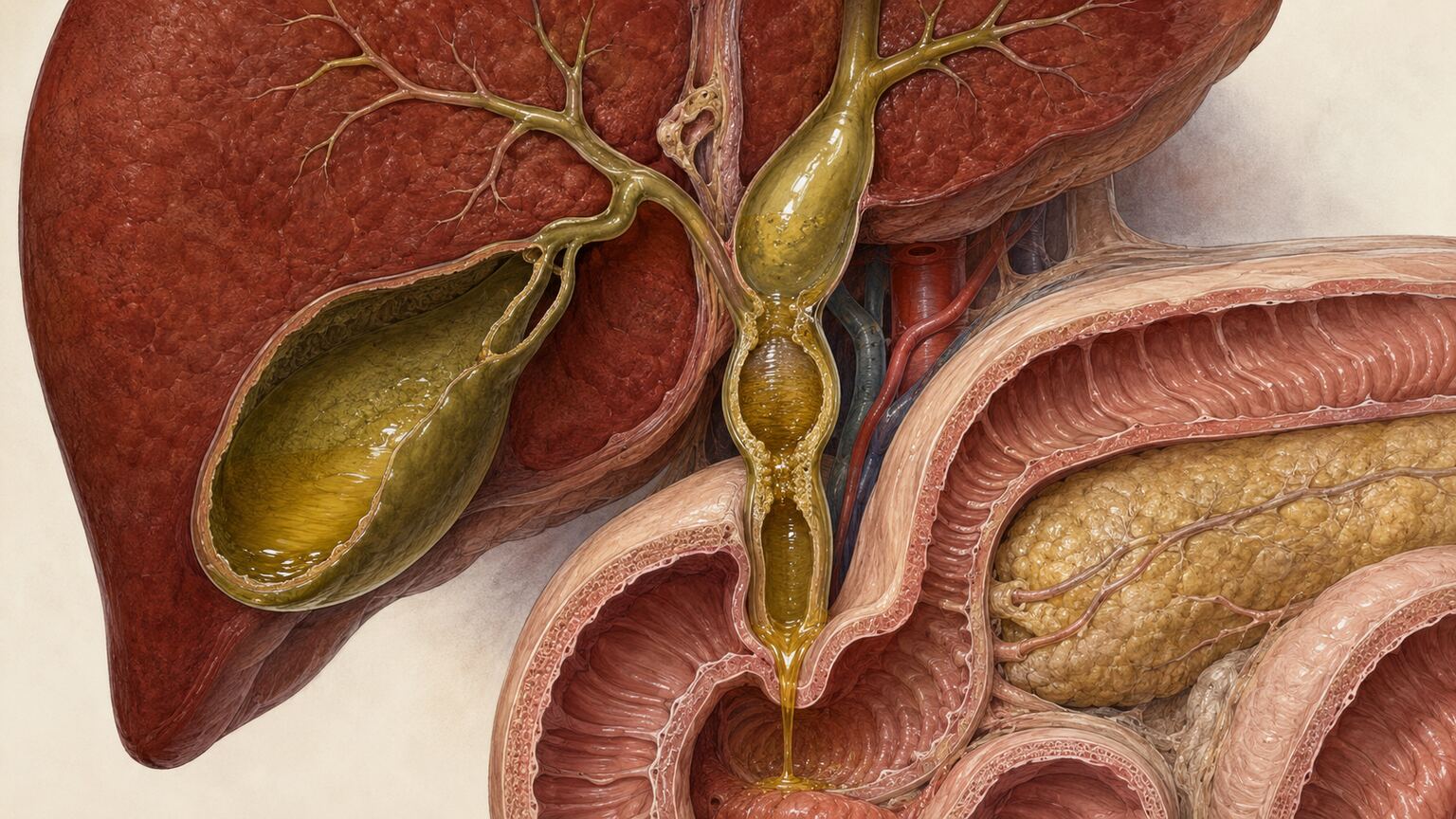
CA 19-9 stands for carbohydrate antigen 19-9 — a sugar-based molecule that sits on the surface of certain cells and gets shed into the bloodstream in small amounts as part of normal, everyday cell turnover. It's produced mainly by the cells lining the pancreatic duct, the bile ducts, and parts of the stomach and intestinal lining. Doctors use it as a "tumor marker" because pancreatic cancer cells tend to churn out far more of it than healthy tissue does, so a very high number can be a useful clue. But the key word is clue, not proof. CA 19-9 was never designed to be cancer-specific — it's simply a byproduct of duct-lining cells, and anything that irritates, inflames, or blocks those ducts can push the number up, cancer or not. Under normal circumstances, a small amount of CA 19-9 is also cleared from the body through bile, the digestive fluid the liver produces and the bile ducts carry into the intestine. That detail matters more than it sounds like it should, because it's central to why a blockage changes the picture so dramatically.
How a Blockage Physically Raises the Number
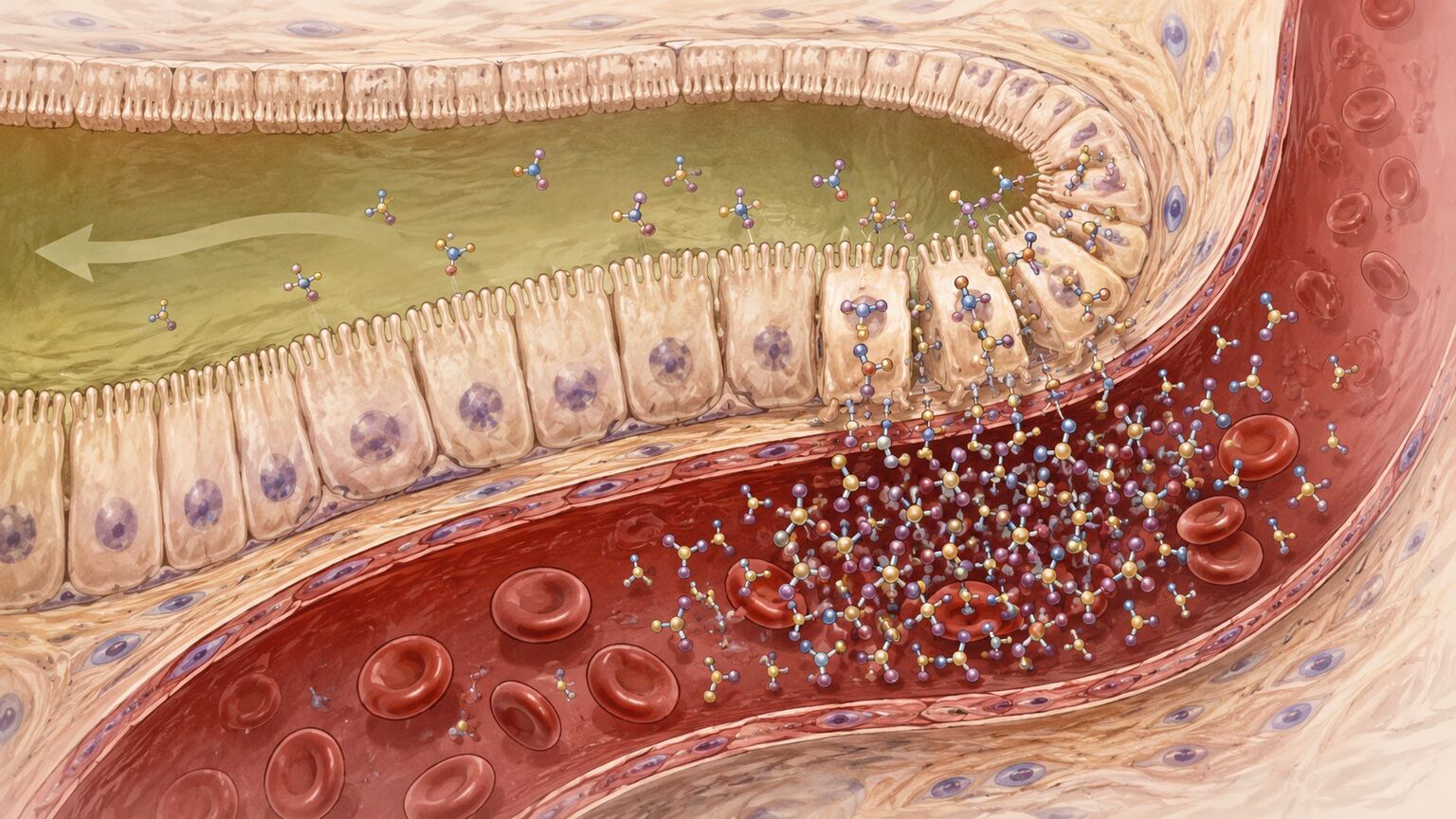
When something narrows or blocks a bile duct, two separate things happen at once, and both push CA 19-9 higher. First, the duct lining upstream of the blockage becomes irritated and under pressure — bile that can't drain builds up behind the obstruction, stretching the duct and inflaming the cells that make CA 19-9. Irritated, stressed duct cells respond by producing more of the antigen, not less, in much the same way irritated skin produces more inflammatory signals. Second, and just as important, the normal exit route disappears. Some of the CA 19-9 your body makes is ordinarily carried out of the bloodstream and into the intestine along with bile. When bile flow is blocked, that clearance pathway is cut off, so the antigen that would normally leave the body instead accumulates in the blood. Picture a highway on-ramp that's been closed: cars that would normally merge and clear out now just pile up on the shoulder. The lab draws blood, measures whatever antigen happens to be circulating at that moment, and reports back a number that reflects both extra production and blocked drainage — not the presence of a tumor.

This is also why a blocked bile duct so often comes with visible warning signs long before anyone thinks to order a tumor marker at all. Bile that can't drain properly backs up into the bloodstream and deposits a yellow pigment called bilirubin into the skin and the whites of the eyes — the jaundice that sends many people to a doctor in the first place. Dark urine, unusually pale or clay-colored stools, and itchy skin often show up alongside it, since all of them trace back to the same underlying problem: bile that has nowhere to go. If a very high CA 19-9 result is paired with any of these signs, a blocked duct — not a tumor — is usually the first and most likely explanation a doctor will investigate.
How High Can It Go From a Blockage Alone?
The normal reference range for CA 19-9 is typically well under 37 U/mL, and even in confirmed pancreatic cancer, results in the low hundreds are common. What surprises a lot of people is that a benign, non-cancerous blockage — a stone, a stricture, inflammation — can push CA 19-9 into the thousands, occasionally even higher than the numbers seen in some genuine cancers. Case reports and clinical studies on obstructive jaundice have repeatedly documented CA 19-9 levels in this extreme range in patients who turned out, after the blockage was treated, to have no cancer at all. This is precisely why an isolated CA 19-9 result, however alarming it looks on paper, is never read in isolation by an experienced clinician. The number by itself cannot distinguish "a duct under severe pressure" from "a tumor" — it just reflects that ductal cells are under stress and that clearance has been disrupted, and a benign blockage can disrupt both just as forcefully as cancer can.
What Actually Causes This Kind of Blockage
A blocked bile duct isn't one single condition — it's a physical description that fits several different underlying problems, most of which have nothing to do with malignancy. A gallstone that has migrated out of the gallbladder and lodged in the common bile duct, a condition called choledocholithiasis, is one of the most frequent culprits and can cause exactly this pattern of jaundice and a sharply elevated CA 19-9. Scar tissue from a prior gallbladder surgery or a past bout of pancreatitis can gradually narrow the duct into a benign stricture. Primary sclerosing cholangitis, a chronic inflammatory condition of the bile ducts, causes multiple areas of narrowing along the biliary tree over time. Chronic pancreatitis can also physically compress the portion of the bile duct that runs through the pancreas. Every one of these causes shares the same end result — bile that can't flow normally — and every one of them can drive CA 19-9 upward through the exact mechanism described above, entirely independent of any tumor.
How Doctors Tell a Blockage Apart From Cancer
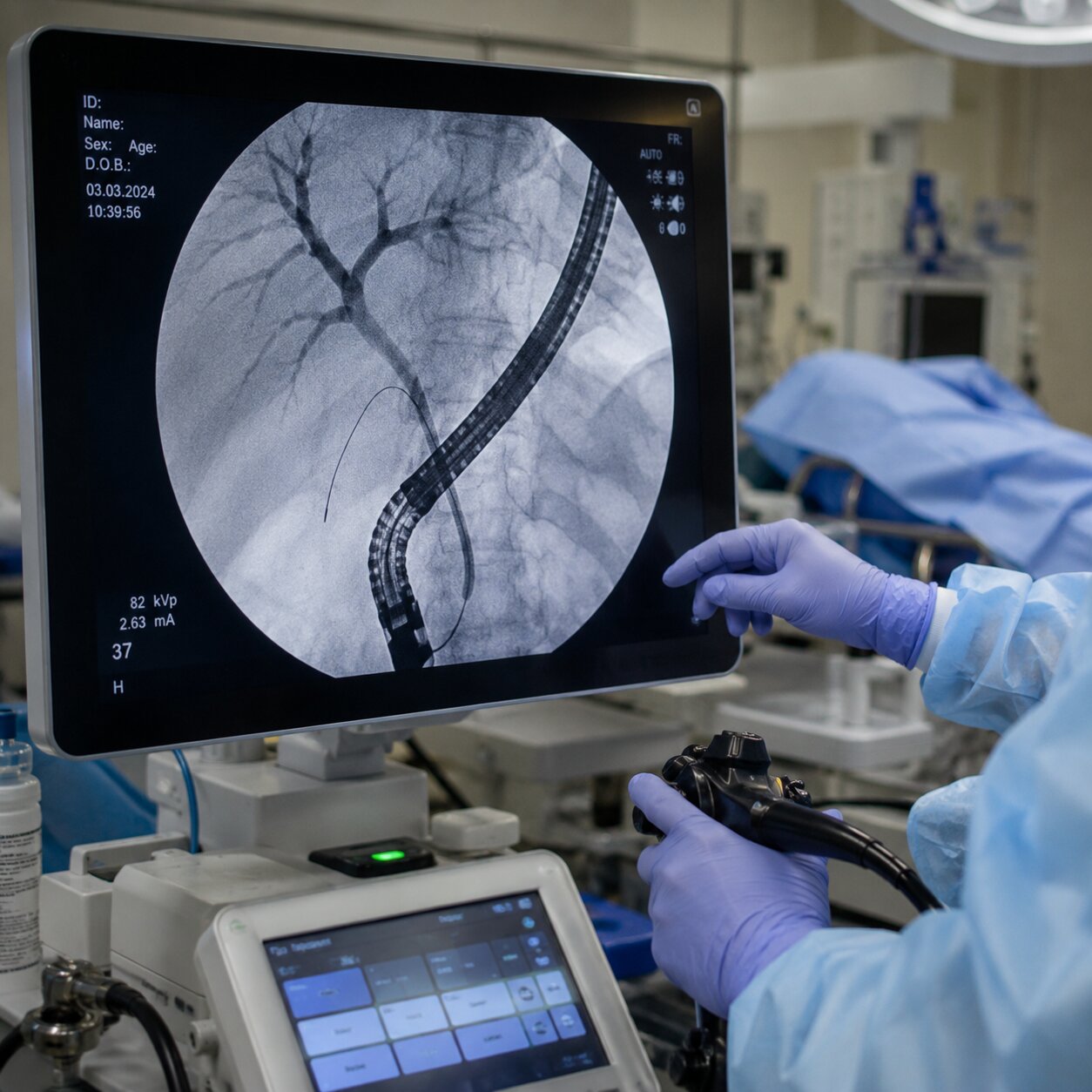
Because the number alone can't settle the question, clinicians lean on a combination of imaging and pattern-watching rather than the CA 19-9 result by itself. Ultrasound is usually the first step, since it can often show a dilated duct and sometimes the stone or narrowing responsible for it. When more detail is needed, an MRCP — a specialized MRI that maps the bile ducts and pancreatic duct in detail without any invasive procedure — can usually identify a stone, stricture, or mass and show exactly where the blockage sits. If treatment is needed, an ERCP allows a doctor to pass a scope down to the point of blockage, take a closer look, and often relieve the obstruction in the same procedure by removing a stone or placing a small stent to hold the duct open. Bilirubin and liver enzyme results are read alongside CA 19-9 as well, since they tend to rise and fall together when the cause is a mechanical blockage rather than a tumor growing independently of bile flow.
Why Retesting After Treatment Matters So Much
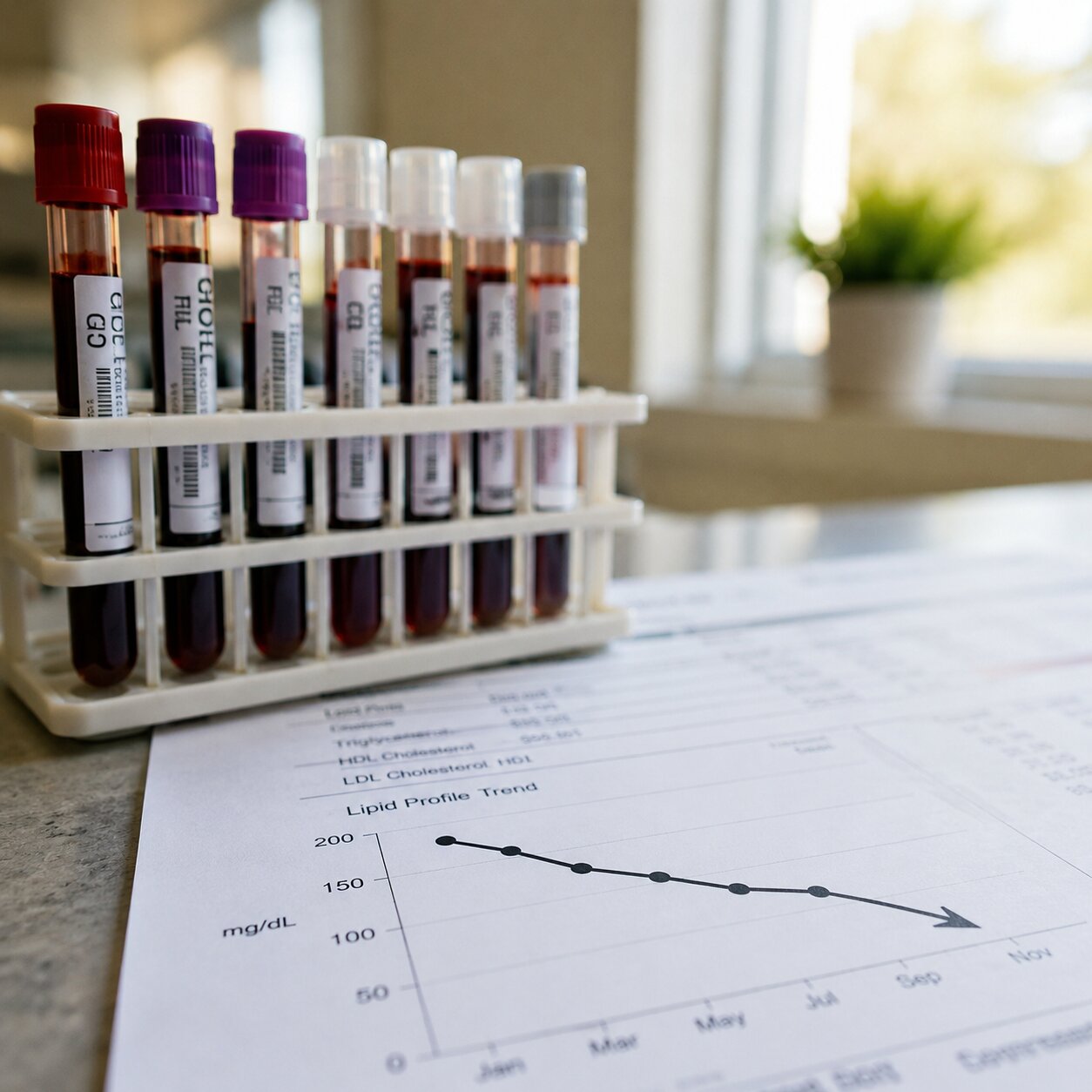
The single most useful piece of information in this entire picture often isn't the first CA 19-9 result — it's the second one. Once a blockage is relieved, whether by removing a stone, placing a stent, or surgically correcting a stricture, bile flow returns to normal and the antigen that had been accumulating finally has a way out again. In a genuinely benign case, CA 19-9 typically falls substantially within one to a few weeks, often dropping by more than half and continuing to decline toward the normal range as the ducts fully recover. This decline is reassuring precisely because it mirrors the mechanism that caused the rise in the first place — remove the traffic jam, and the backup clears. If CA 19-9 stays stubbornly high, keeps climbing despite a clear and open duct, or the imaging shows a mass rather than a stone or simple stricture, that combination points doctors toward a more thorough cancer workup. The retest, done a few weeks after treatment, is often what turns an alarming single number into a clear answer.
Frequently Asked Questions
Can CA 19-9 really be sky-high without any cancer at all?
Yes. Documented cases of benign bile duct obstruction — from gallstones, strictures, or inflammatory conditions like primary sclerosing cholangitis — have shown CA 19-9 levels in the thousands, well above what's typically seen even in confirmed pancreatic cancer. The number reflects duct pressure and blocked clearance, not malignancy specifically.
How long does it take for CA 19-9 to normalize after a blockage is treated?
Once bile flow is restored, most people see a substantial drop within one to a few weeks, with levels continuing to fall toward normal as the duct fully recovers. Doctors typically recheck the number a few weeks after treatment specifically to confirm this expected decline.
Does a very high CA 19-9 number automatically mean I need a cancer workup?
Not automatically. A high result in the setting of a clearly identified blockage — a stone, stricture, or inflamed duct on imaging — is usually treated first, with CA 19-9 rechecked afterward. Further cancer workup becomes the priority when levels stay high or keep rising despite a duct that imaging shows is open and clear.
Conclusion
A dramatically elevated CA 19-9 result is unsettling to see, but it isn't a diagnosis by itself — it's a signal that something is placing real pressure on the bile ducts or pancreas, and a physical blockage is one of the most common and most treatable reasons that happens. The same mechanism that makes CA 19-9 useful for tracking pancreatic cancer also makes it sensitive to something as ordinary as a lodged gallstone or a narrowed duct from old scar tissue. What separates a benign blockage from cancer isn't the initial number, but the fuller picture: imaging that shows what's actually causing the obstruction, symptoms like jaundice that point toward a mechanical cause, and — most tellingly — whether the number falls back down once that blockage is relieved. Anyone facing a high CA 19-9 result deserves that full picture before assuming the worst, and a healthcare provider is the right person to walk through what the number means in the context of their own imaging and symptoms.
Still Not Sure What Your Results Mean?
Upload your labs and get a complete, visual, plain-language interpretation of every biomarker — delivered to your inbox in under 15 minutes.
Get My ReportThis article is for educational purposes only and does not constitute medical advice. Always consult your healthcare provider regarding your specific lab results.