
Why Do Gallstones Sometimes Raise CA 19-9 Levels?
Most people with gallstones never find out they have them, and most of those stones never touch a CA 19-9 result at all. So if you've been told a gallstone is behind an elevated number, it's fair to wonder why this particular stone did something the vast majority never do. The short answer is that it isn't really about the stone itself — it's about exactly where that stone happens to sit. A gallstone resting quietly inside the gallbladder is essentially invisible to this blood test. A gallstone that migrates into the wrong spot and starts blocking the flow of bile is a completely different story, and research has actually measured just how dramatic that difference can be: nearly half of people with a stone lodged in the common bile duct show an elevated CA 19-9, and roughly one in nine of them reach levels above 1,000 U/mL — a number that, seen in isolation, looks like exactly the kind of result that belongs to advanced cancer. This article goes deep into that specific mechanism: why location matters more than the stone itself, how high this can realistically climb, and why the number so reliably falls back to normal once the blockage is cleared.
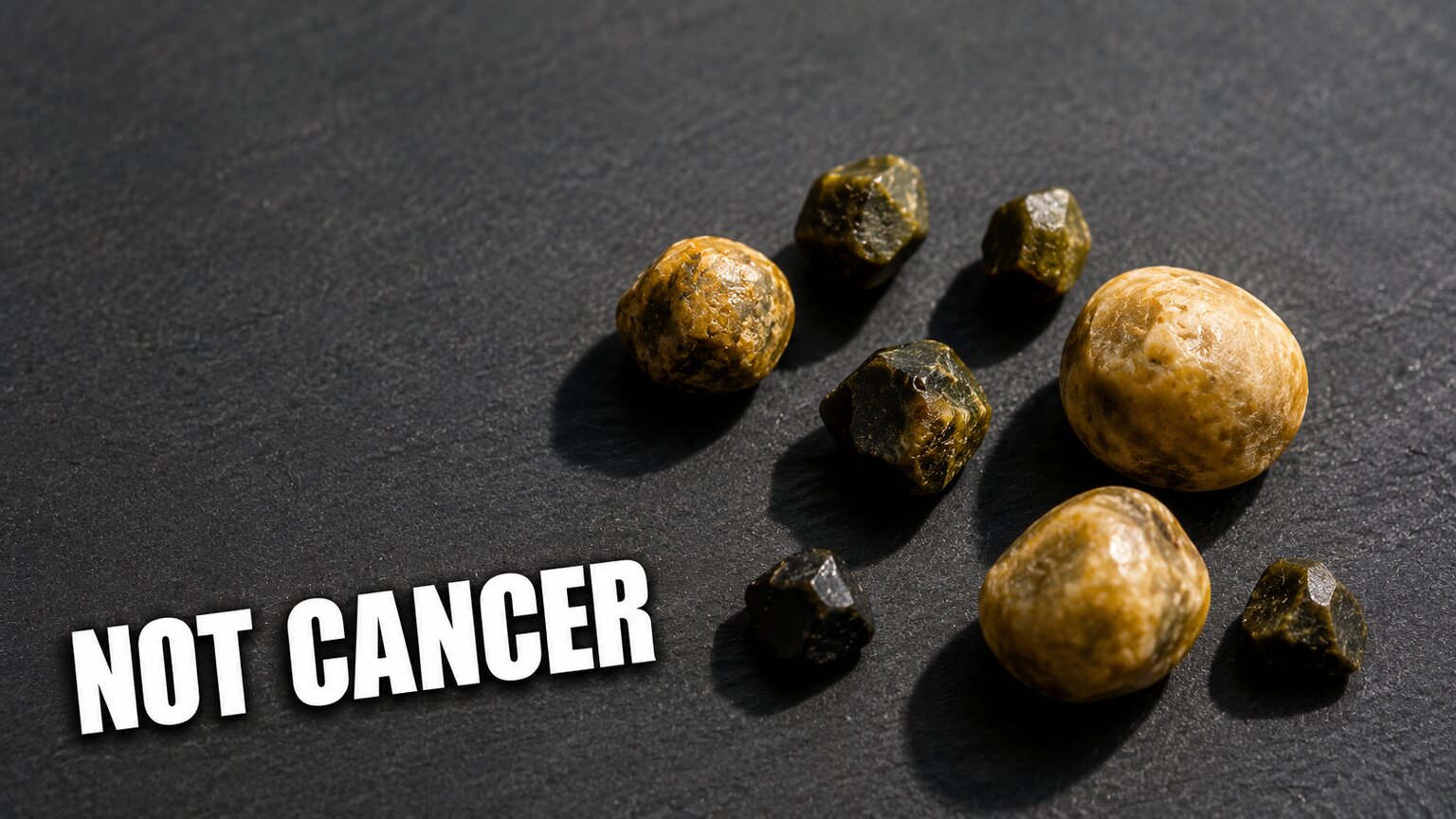
Curious what the rest of your bloodwork is telling you? Upload your results and get a complete, plain-language breakdown in under 15 minutes.
Analyze My ResultsNot All Gallstones Do This — Location Is Everything
Somewhere around 10 to 15% of adults have gallstones at some point, and the overwhelming majority of them live out their entire lives never knowing it. Stones that stay put inside the gallbladder itself — the small pear-shaped organ tucked beneath the liver — have essentially no effect on CA 19-9, because the gallbladder is a storage pouch, not a drainage channel. The problem starts when a stone leaves that pouch and travels into the cystic duct or the common bile duct, the narrow tubes responsible for carrying bile from the liver and gallbladder down into the small intestine. Only about 2% of people with gallstones develop a complication severe enough to cause symptoms in any given year, and it's specifically within that smaller group — the ones where a stone has migrated into the duct system itself — that CA 19-9 elevation becomes a real possibility. This is why two people can both have "gallstones" on an ultrasound report and have completely different CA 19-9 results: what matters isn't the diagnosis on paper, it's the stone's specific physical location at the moment blood was drawn.
It's also worth knowing that gallstones themselves aren't all made of the same material, since the type can influence how and where a stone tends to cause trouble. The large majority are cholesterol stones, forming when bile carries more cholesterol than the available bile salts can keep dissolved, with risk climbing for women, with age, with obesity, and with a family history of gallstones. A smaller share are pigment stones, made instead from bilirubin-based material, and these tend to form in the context of chronic blood disorders like sickle cell disease, long-term liver conditions, or bacterial infection within the bile ducts themselves — and pigment stones, particularly the brown variety, are somewhat more likely to form directly within the ducts rather than starting in the gallbladder and migrating there later. The composition doesn't change the core mechanism described throughout this article, but it does help explain why some people develop duct-blocking stones seemingly out of nowhere, without ever having a classic gallbladder-stone history first.
The Real Mechanism: It's About Obstruction, Not the Stones Themselves
The cells lining your bile ducts produce a steady, low-level amount of CA 19-9 as part of completely normal, everyday function, and under ordinary circumstances almost all of it drains harmlessly into the intestine along with bile. A stone sitting in the common bile duct changes that picture by physically narrowing or fully blocking that drainage channel. Bile backs up behind the obstruction, pressure builds throughout the duct system, and CA 19-9 that would normally have exited through the gut instead gets forced back into the bloodstream in far larger quantities than usual. Research bears this out directly: one study of patients with confirmed common bile duct stones found that CA 19-9 levels correlated closely with markers of obstruction and cholestasis — alkaline phosphatase, gamma-glutamyl transferase, and bilirubin — but did not correlate with how many stones were present or how large they were. In other words, a single small stone causing a complete blockage will raise CA 19-9 far more than several larger stones sitting somewhere that doesn't obstruct flow. It's the traffic jam that matters, not the size of the vehicle causing it.
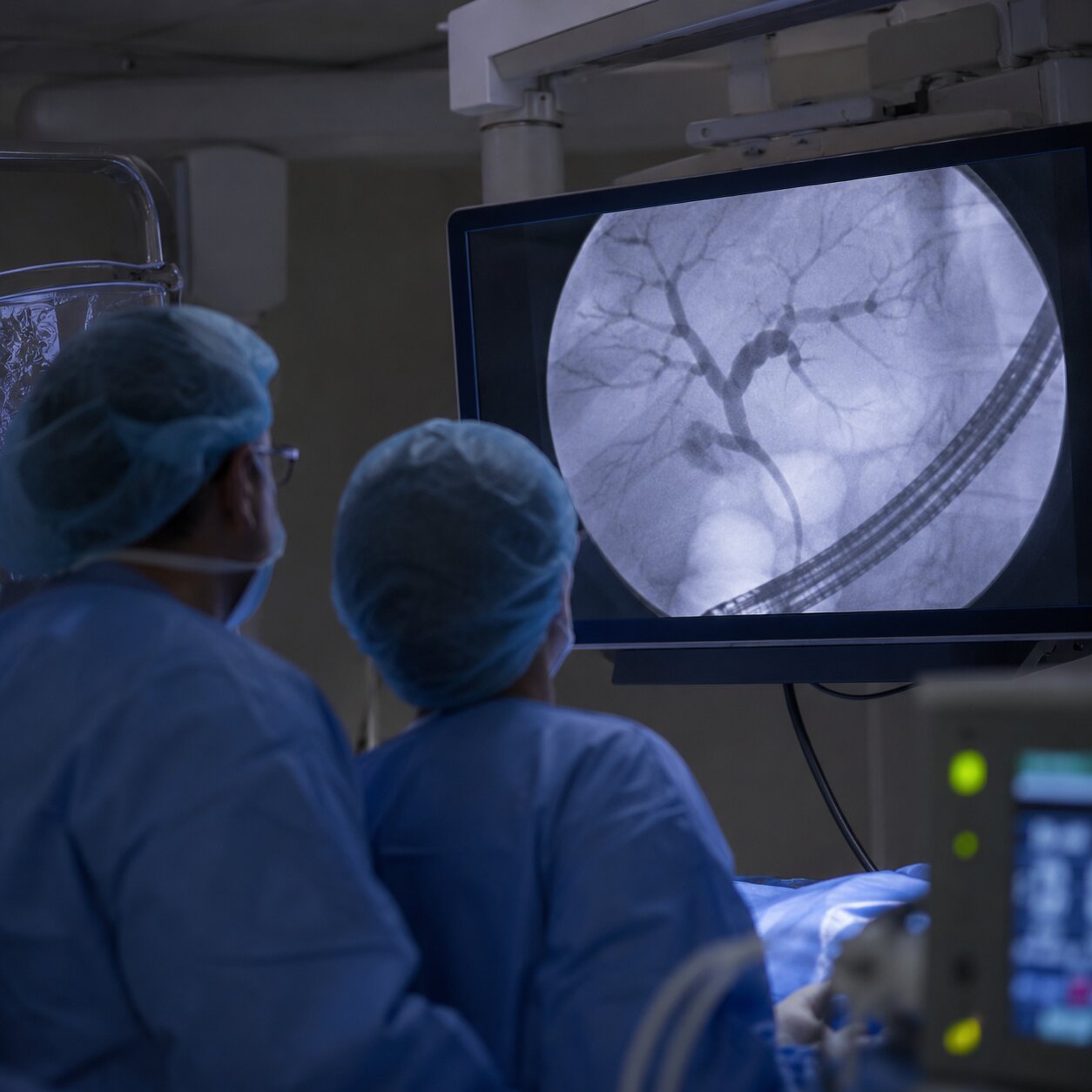
This is also why the specific procedure used to treat these stones — endoscopic retrograde cholangiopancreatography, usually shortened to ERCP — is so effective at resolving the lab abnormality along with the physical blockage. During an ERCP, a gastroenterologist passes a thin, flexible scope down through the stomach to the point where the bile duct empties into the intestine, then uses specialized tools threaded through that scope to locate the stone, widen the duct opening, and pull the stone out or guide it through into the intestine. Once that physical passageway reopens, the back-pressure that was driving CA 19-9 into the bloodstream disappears essentially overnight, which is exactly why post-treatment CA 19-9 trends are one of the more satisfying patterns to watch in this entire category of cases.
How High Can It Actually Go? Real Numbers From Gallstone Cases
The numbers involved here genuinely surprise people who assume any CA 19-9 result in the hundreds or thousands must point toward cancer. A study specifically examining CA 19-9 in patients with confirmed common bile duct stones found that 46% had some degree of elevation, and 11% of the entire group — not just the elevated subset — had levels above 1,000 U/mL, a threshold many people assume is reserved almost exclusively for advanced malignancy. Individual case reports have documented even more extreme examples: one published case described a common bile duct stone producing a CA 19-9 level so high it was reported simply as "extremely increased," well beyond 1,000 U/mL, in a patient with no cancer anywhere in the body. These aren't edge cases dredged up to make a point — they're a well-documented, recognized pattern in the medical literature specifically because gallstone-related obstruction is one of the classic, teachable examples of how misleading CA 19-9 can be when read without the full clinical picture.
This is exactly why an isolated number, no matter how high, can never stand in for a diagnosis on its own. A CA 19-9 in the thousands from a blocked bile duct and a CA 19-9 in the thousands from advanced pancreatic cancer can look completely identical on a lab printout, yet describe two entirely different situations — one resolved within days by removing a stone, the other requiring an entirely different kind of care. The number by itself simply cannot make that distinction; only imaging, the overall clinical picture, and — critically — what happens to the number after the obstruction is addressed can. That last part is precisely why doctors so consistently reach for a follow-up test rather than reacting to a single alarming value in isolation.
Mirizzi Syndrome — When a Stone Squeezes the Duct From Outside
One particularly striking variation on this theme is a condition called Mirizzi syndrome, and it's worth understanding on its own because it produces some of the most dramatic CA 19-9 elevations tied to gallstones specifically. Instead of a stone traveling into the common bile duct and blocking it from within, Mirizzi syndrome happens when a stone becomes lodged in the cystic duct or the neck of the gallbladder — right next door to the common hepatic duct, which runs alongside it in very close anatomical proximity. A large stone sitting in that tight space, especially alongside the inflammation and swelling it triggers, can physically compress the adjacent duct from the outside, producing the same bile backup and obstruction as a stone sitting directly inside the duct, without ever actually being inside it. One published case described a patient with Mirizzi syndrome and a CA 19-9 level of 1,320 U/mL, initially raising serious concern for a bile duct cancer called cholangiocarcinoma — a concern that resolved entirely once surgery confirmed a gallstone was the actual cause, and the level fell rapidly back to normal afterward. Mirizzi syndrome is specifically flagged in medical literature as a condition that can convincingly mimic cancer on both imaging and bloodwork, which is exactly why it tends to come up whenever doctors discuss benign causes of a strikingly high CA 19-9.
What makes Mirizzi syndrome such a convincing impersonator is that the compression it causes doesn't just raise a lab value — it can also produce a narrowed, irregular-looking segment on imaging that superficially resembles a tumor pressing on the duct from the outside, which is precisely what a cancer arising near the bile ducts might look like on the same scan. Surgeons and radiologists specifically train to recognize this pattern, since operating on someone with suspected cancer is a very different plan, with a very different set of risks, than operating on someone with a gallstone complication, even though both can arrive with an eerily similar-looking scan and an alarmingly high CA 19-9 in hand.
How Doctors Confirm It's the Stone, Not Something Else
Given how convincingly a gallstone can mimic more serious causes of an elevated CA 19-9, confirming the diagnosis relies on imaging that can actually see the duct system directly, not on the blood test alone. Magnetic resonance cholangiopancreatography, or MRCP, is a non-invasive MRI-based scan built specifically to visualize the bile and pancreatic ducts in detail, and it performs impressively well for this exact purpose — pooled analyses of MRCP's accuracy for detecting bile duct stones report sensitivity around 92% and specificity around 97%, meaning it correctly identifies the vast majority of true stones while rarely raising a false alarm. In situations where MRCP results are ambiguous or a closer look is needed, endoscopic ultrasound offers another option, using a scope with an ultrasound probe at its tip positioned right next to the duct system from inside the digestive tract, giving an extremely close, detailed view. Together, these tools let a physician see the actual stone sitting in the actual location responsible for the obstruction, turning "CA 19-9 is elevated, and there happens to be a gallstone" into a confirmed, specific, mechanical explanation rather than an assumption.
Cholangitis — When Infection Joins the Obstruction
A blocked bile duct doesn't just back up bile — it also creates a stagnant environment where bacteria can multiply, and when that happens, the result is acute cholangitis, an infection of the bile duct system that ranks among the more urgent complications a gallstone can cause. Cholangitis classically produces a recognizable pattern of fever, jaundice, and upper abdominal pain together, sometimes called Charcot's triad, and it tends to push CA 19-9 even higher than obstruction from a stone alone, since active infection and inflammation compound the same back-pressure mechanism already at work. This combination — a stone causing obstruction, plus the infection that obstruction invites — is part of why research has found CA 19-9 correlating with the overall severity of biliary blockage rather than behaving as a simple yes-or-no marker of stones being present. Because cholangitis can progress quickly and become genuinely dangerous, it's treated as a medical priority independent of what the CA 19-9 number reads, with antibiotics and drainage of the blocked duct taking precedence over interpreting the lab value itself.
In more severe cases, that classic triad of fever, jaundice, and abdominal pain can progress to what's sometimes called Reynolds' pentad, adding confusion and low blood pressure to the picture — a combination that signals the infection has advanced toward sepsis and needs immediate hospital-level intervention. This is worth mentioning not to be alarming, but because it underscores an important point about how CA 19-9 fits into this entire situation: it is never the number driving the urgency. A patient arriving with signs of cholangitis gets treated based on their symptoms and vital signs first, with drainage of the infected, obstructed duct — often via the same ERCP procedure used for straightforward stone removal — happening as quickly as it safely can, while the CA 19-9 result, whatever it turns out to be, is simply one more data point reviewed afterward rather than something that changes how urgently the underlying infection gets addressed.
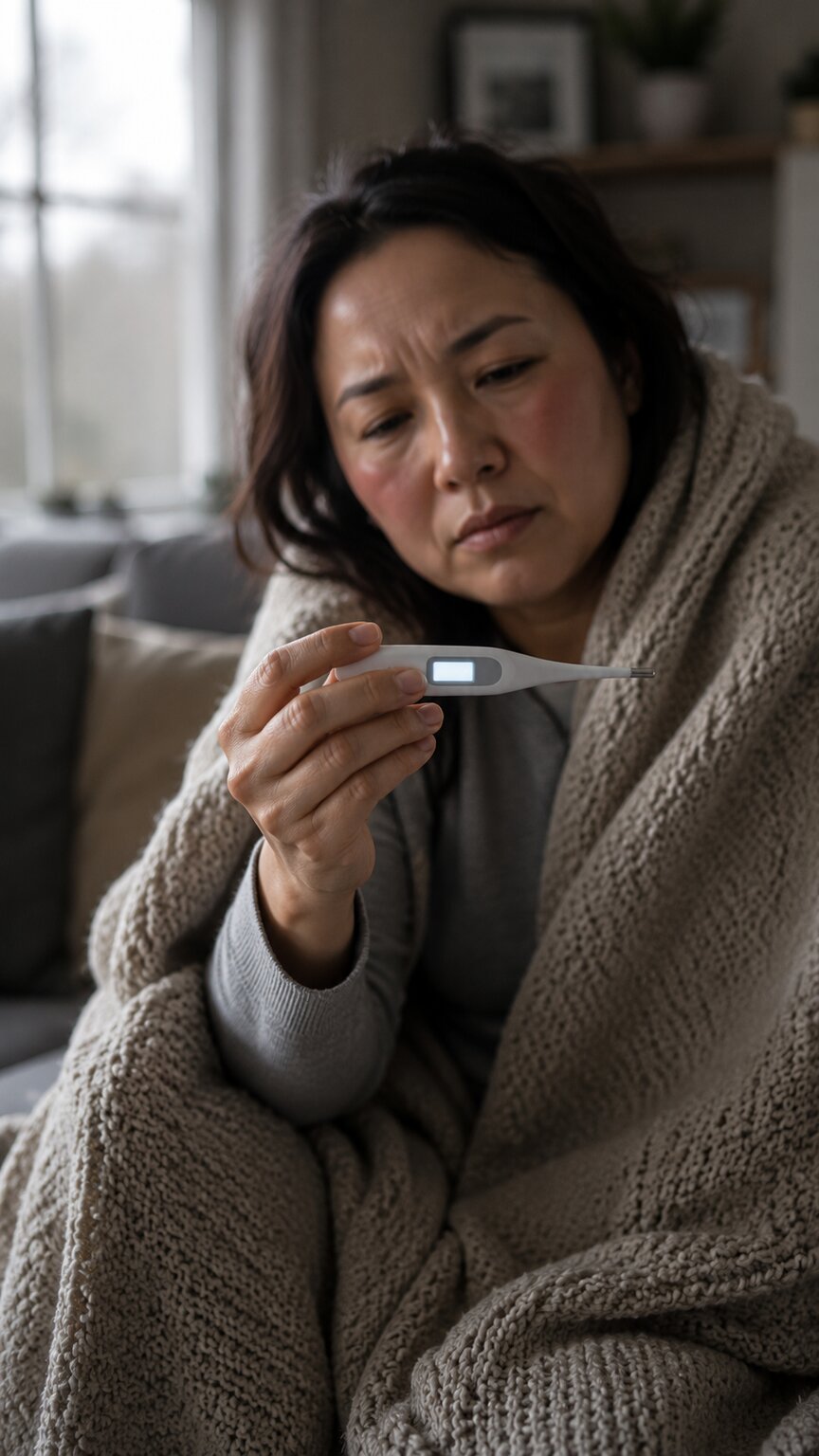
Recognizing this triad matters well beyond the lab report itself. Someone who develops fever and worsening abdominal discomfort alongside jaundice — especially with a known history of gallstones — is describing a pattern doctors are trained to treat as a same-day concern, not something to monitor and revisit at a routine follow-up. If a CA 19-9 test happens to be drawn during an episode like this, a strikingly high number is genuinely expected, and it typically settles quickly once the underlying infection and obstruction are treated, generally within days rather than weeks.
Who's More Likely to Develop This Specific Complication
Not everyone with gallstones carries the same odds of a stone eventually migrating into the duct system, and a handful of well-established risk factors shift that likelihood meaningfully. Older age is one of the clearest — the ducts and the muscular valve that normally regulates bile flow into the intestine both change gradually over a lifetime, and duct stones become proportionally more common in older adults compared with the general population of gallstone carriers, who skew younger overall. A wider-than-average common bile duct, sometimes present as an anatomical variation on its own and sometimes a consequence of a duct having stretched around a stone for months or years, also makes it easier for additional stones to enter and linger there rather than pass through harmlessly. People who have had a prior cholecystectomy are not immune either — stones can still form or persist within the duct system itself even after the gallbladder that originally produced them is gone, which is part of why new abdominal pain or jaundice after gallbladder surgery still prompts a duct-focused workup rather than being dismissed simply because "the gallbladder's already out."
None of these risk factors are things you can control after the fact, and knowing them isn't about assigning blame for a stone that already exists — it's genuinely just useful context for understanding why a doctor might move more quickly toward duct-specific imaging in one person's workup than another's, even when both start with the same basic finding of "gallstones" on an initial ultrasound.
Other Gallstone-Related Situations That Can Do the Same Thing
Beyond straightforward duct obstruction and Mirizzi syndrome, a couple of rarer gallstone-related scenarios have also been documented as CA 19-9 elevators in the medical literature, and they're worth a brief mention for completeness. Gallbladder perforation — a rupture of the gallbladder wall, occasionally triggered by a long-standing stone causing pressure and inflammation severe enough to weaken the tissue — has been reported as an unusual but real cause of elevated CA 19-9, presumably through a combination of local inflammation and disrupted bile flow. Porcelain gallbladder, a condition where the gallbladder wall becomes calcified after years of chronic irritation, often from long-term stone presence, has similarly been documented producing high CA 19-9 readings in case reports, even though it's a structural, calcification-driven process rather than a classic obstruction. Neither of these is common, but both reinforce the same underlying theme running through this entire article: it's chronic irritation, inflammation, and disrupted bile flow — not the mere presence of a stone — that drives this particular blood marker upward.
Gallstone pancreatitis is worth naming here too, since it sits at the intersection of two of the topics this site covers separately. When a stone passes through and briefly lodges at the point where the bile duct and the pancreatic duct share a common opening into the intestine, it can trigger inflammation of the pancreas itself, not just the bile ducts — and because that shared opening means a single stone can disrupt both systems at once, CA 19-9 elevation from this scenario can reflect a combination of biliary obstruction and pancreatic inflammation happening together, rather than either cause acting entirely on its own. This is one more reason a single elevated CA 19-9 result is genuinely difficult to interpret from the number alone, and why the imaging and the clinical story around it always end up mattering more than the value by itself.
What Happens to the Number Once the Stone Is Treated
One of the more reassuring, well-documented aspects of gallstone-related CA 19-9 elevation is just how reliably and quickly it resolves once the underlying blockage is fixed. In one published case, a patient's CA 19-9 level, initially above 1,000 U/mL, dropped to 78.62 U/mL within just three days of having the obstructing stone removed via ERCP — a dramatic fall that happened far too fast to be explained by anything except the physical obstruction itself finally being cleared. Similar rapid normalization has been documented after cholecystectomy, the surgical removal of the gallbladder, with one case returning to a fully normal level of 17 U/mL once the gallbladder and its stones were removed. This fast, predictable resolution is itself a diagnostically useful pattern: a CA 19-9 level that falls sharply within days to weeks of treating an obstruction strongly supports a benign, mechanical explanation, while a level that stays stubbornly elevated after the physical blockage has been confirmed as cleared is exactly the situation that prompts a doctor to look further rather than assume the story is finished.
The practical follow-up plan usually looks straightforward: a repeat CA 19-9 draw somewhere between a few days and a few weeks after the stone has been removed or the gallbladder taken out, timed to give the obstruction enough time to fully resolve and any residual inflammation from cholangitis, if present, enough time to settle. A level that lands back within the normal range essentially closes the loop, confirming the mechanical explanation held up exactly as expected. Because this specific cause-and-resolution pattern is so well documented and so consistent across published cases, doctors generally don't feel the need to keep repeating the test indefinitely once that first post-treatment value comes back normal — unlike the ongoing, months-long monitoring used for an actual cancer diagnosis, a resolved gallstone-related elevation is typically treated as a closed chapter rather than something requiring continued surveillance.

When Gallstone-Related CA 19-9 Elevation Does Deserve a Closer Look
None of this means every gallstone-linked elevation can simply be assumed benign without confirmation, and doctors approach it with a specific, structured kind of caution rather than blind reassurance. A CA 19-9 level that stays elevated well after imaging confirms the stone or blockage has been fully cleared is treated as genuinely unexplained and warrants further evaluation, since it no longer fits the mechanical pattern described throughout this article. The same is true when a stone is found but the CA 19-9 elevation seems disproportionate to how significant the obstruction actually appears on imaging, or when someone has other risk factors — a family history of pancreatic cancer, unexplained weight loss, or a pancreatic mass found on the same scan that located the gallstone — that would make relying on the "it's just the stone" explanation premature. In these situations, doctors typically plan a repeat CA 19-9 test after treatment, timed to confirm the number actually falls the way this mechanical explanation predicts it should, precisely because that expected fall is itself part of the diagnostic picture, not just a formality.

If you find yourself in this "worth a closer look" category, it's genuinely useful to write these specific details down before your next appointment rather than trying to keep them straight from memory alone — when the stone was found and treated, what the CA 19-9 level was before and after, and which of the risk factors above, if any, apply to you. Having that timeline in hand turns a vague worry into a specific, answerable clinical question your doctor can actually work with.
Frequently Asked Questions
Do all gallstones raise CA 19-9?
No. Stones that remain inside the gallbladder itself typically have no effect on CA 19-9. It's specifically stones that migrate into the bile duct system and cause obstruction, or that compress a duct from a nearby position as in Mirizzi syndrome, that are associated with elevated levels.
How high can CA 19-9 go from a gallstone alone?
Higher than most people expect. Research on patients with confirmed common bile duct stones found roughly 11% of the entire group had levels above 1,000 U/mL, and individual case reports have documented even more extreme elevations from gallstone-related obstruction alone, with no cancer present.
How quickly does CA 19-9 return to normal after a gallstone is treated?
Often within days. Published cases have documented levels falling from well above 1,000 U/mL to under 100 U/mL within about three days of stone removal, and levels returning fully to normal within a similar timeframe after gallbladder removal, since the physical blockage driving the elevation is resolved almost immediately.
If my CA 19-9 stays high after my gallstone is removed, does that mean cancer?
Not automatically, but it does mean the simple mechanical explanation no longer fully fits, which is exactly why doctors treat a persistently elevated result after confirmed treatment as worth investigating further rather than continuing to attribute it to the stone alone.
Can a stone still cause this even after my gallbladder has already been removed?
Yes. Stones can remain in or later form within the bile duct system itself even without a gallbladder present, since the gallbladder isn't the only source of duct stones. This is why new jaundice or abdominal pain after gallbladder removal still prompts a duct-focused workup rather than being ruled out automatically.
What imaging confirms a gallstone is really the cause of an elevated CA 19-9?
MRCP, a specialized non-invasive MRI scan of the bile and pancreatic ducts, is the most common next step, with reported accuracy around 92% sensitivity and 97% specificity for detecting duct stones. Endoscopic ultrasound may be used for an even closer look when results are unclear.
Conclusion
Gallstones raise CA 19-9 through a specific, well-understood mechanical process — obstructing the flow of bile and forcing a normally low-level protein back into the bloodstream in much larger amounts — and location within the biliary system, not the stone's size or number, is what actually determines whether this happens at all. The numbers involved can look genuinely alarming, climbing into the thousands in a meaningful share of cases, but the same mechanism that explains the rise also explains the resolution: treat the blockage, and the number typically follows it back down within days. If a gallstone has been identified as the explanation for your own elevated result, the most useful next step is simply confirming that expected fall with a follow-up test after treatment, which is exactly the kind of clean, predictable, well-documented pattern this specific cause of CA 19-9 elevation is known for among physicians who see it regularly.
It's also worth holding onto the bigger-picture reassurance here: gallstones are common, duct-related complications are a well-understood and well-treated part of everyday gastroenterology, and the connection to CA 19-9 specifically has been studied closely enough that doctors know exactly what to expect and exactly how to confirm it. A frightening number on a page doesn't have to stay frightening once the mechanism behind it is actually understood — and in this particular case, that mechanism has a clear beginning, a clear cause, and, for the overwhelming majority of people, a clear and complete resolution once the underlying stone is finally, properly, and fully dealt with.
Still Not Sure What Your Results Mean?
Upload your labs and get a complete, visual, plain-language interpretation of every biomarker — delivered to your inbox in under 15 minutes.
Get My ReportThis article is for educational purposes only and does not constitute medical advice. Always consult your healthcare provider regarding your specific lab results.