
Can a Urinary Tract Infection Raise Your PSA Level?
Yes — a urinary tract infection can raise your PSA level, sometimes by a lot, and it has nothing to do with cancer when it does. PSA, short for prostate-specific antigen, is a protein made by the prostate gland, and anything that irritates or inflames that gland or the plumbing right next to it can cause more of it to spill into your bloodstream than usual. A simple bladder infection sitting a few inches away from the prostate can be enough to trigger this. An infection that spreads into the prostate itself — a condition doctors call prostatitis — can push PSA even higher, sometimes into ranges that would otherwise look alarming on paper. The reassuring part is that this kind of PSA spike is usually temporary: treat the infection, give your body time to calm the inflammation down, and the number typically comes back toward its normal baseline within a matter of weeks. Understanding why this happens — and why your doctor may want to retest rather than rush toward a biopsy — can turn a frightening lab result into a much more manageable, and often much less scary, situation.
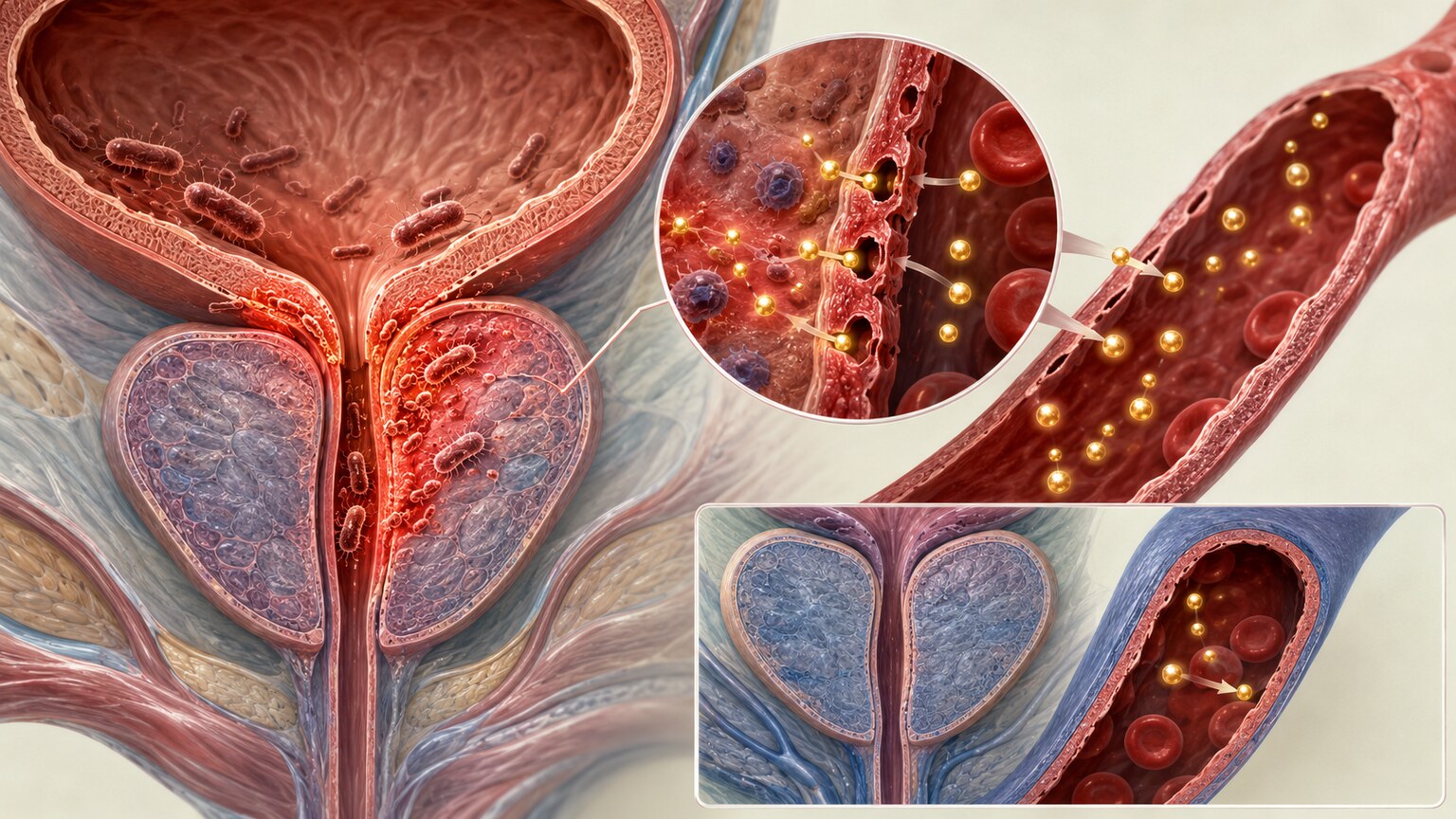
Figure 1. Bacterial inflammation near or inside the prostate increases the leakage of PSA from gland tissue directly into the bloodstream.
Already have a PSA number from a recent test, but not sure if it's actually good or bad for you? Just plug it in and see instantly.
🧮 Try the Free CalculatorWhy an Infection Nowhere Near Your Prostate Can Still Move a Prostate Test
It seems strange at first: a urinary tract infection, or UTI, is typically an infection of the bladder or the urethra — the tube that carries urine out of your body — not the prostate itself. So why would an infection in one place move a blood marker that's supposed to reflect what's happening in a completely different gland? The answer comes down to plumbing and proximity. In men, the urethra doesn't just pass near the prostate — it runs directly through the middle of it, like a straw pushed through the center of a donut. The prostate gland wraps entirely around that first section of the urethra just below the bladder. That means any infection or irritation traveling up the urethra, or sitting in the bladder just above it, is often only a few millimeters away from prostate tissue, separated by nothing more than a thin lining of cells.
PSA itself works a lot like a filter that's supposed to stay mostly on one side of a barrier. Under normal, healthy conditions, the prostate's internal architecture — its ducts, its glandular cells, the tight junctions holding those cells together — keeps the vast majority of the PSA it produces contained within the gland and the reproductive tract, where its actual job is to help liquefy semen after ejaculation. Only a small, steady trickle normally escapes into the surrounding blood vessels, which is the trickle a standard PSA blood test is built to detect. Inflammation breaks down that containment. Think of the prostate's tissue barrier the way you'd think of a screen door: intact, it keeps things where they belong; but let heat, moisture, or pressure warp its frame — the way infection does to tissue — and gaps start to open where nothing should be getting through. Infection triggers your immune system to flood the area with white blood cells, chemical signaling molecules, and extra blood flow, all of which increase the permeability of the tissue immediately around the infection site. Some of that surge affects prostate tissue directly if the infection has reached it, and even when it hasn't fully invaded the gland, the inflammation next door can still be enough to loosen the barrier and let more PSA than usual leak into circulation.
This is also why doctors don't treat PSA as a cancer-only number, even though it's most famous for its role in prostate cancer screening. PSA is described in medical literature as "organ-specific," not "disease-specific" — it tells you the prostate is involved in something, but the number alone can't tell you whether that something is cancer, benign overgrowth, or infection-driven inflammation. A UTI is simply one of several everyday, non-cancerous events capable of nudging that number upward, and because it's common, treatable, and usually resolves completely, it's one of the first things a careful doctor rules out before reading too much into an unexpectedly high result.
It also helps to understand roughly how common this scenario actually is, because "a UTI moved my PSA" can sound like a rare, almost freakish coincidence when in reality it's a well-recognized and fairly frequent occurrence in clinical practice. Urinary tract infections are among the most common bacterial infections seen in outpatient medicine, and while they're far more frequent in women, men are far from immune — the risk climbs steadily with age, in large part because an enlarging prostate (a separate, benign process called benign prostatic hyperplasia) can partially block urine flow, letting bacteria linger in the bladder longer than they otherwise would. That means the very group of men most likely to be getting routine PSA screening in the first place — men over fifty — is also a group whose risk of urinary infection and prostatitis is climbing for unrelated anatomical reasons. It's a coincidence of timing, not of biology, but it's exactly why urologists are trained to ask about urinary symptoms as a matter of routine whenever a PSA result comes back higher than expected, rather than treating infection as an exotic long-shot explanation.
UTI vs. Prostatitis: Two Different Problems That Often Get Confused
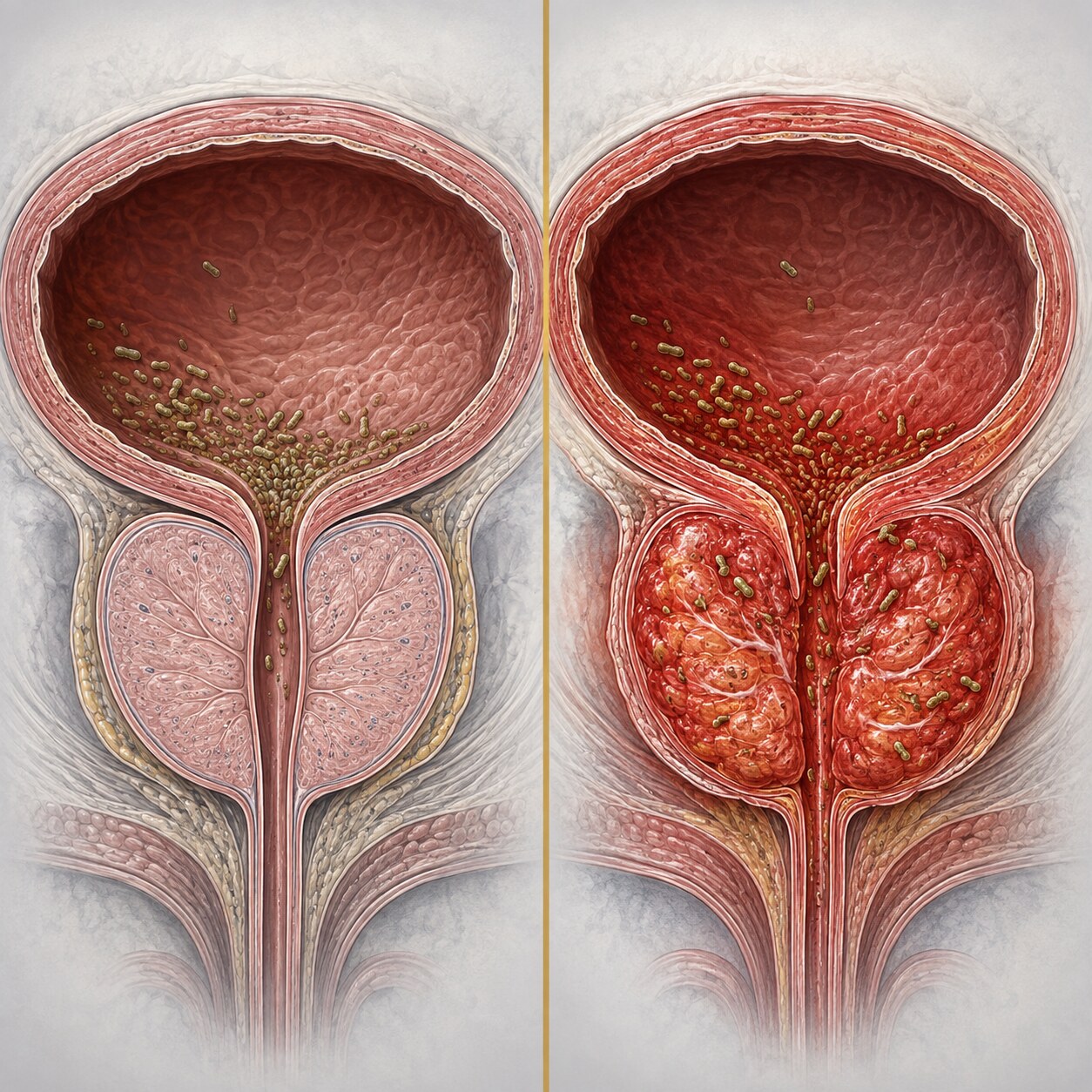
Figure 2. A bladder or urethral infection sits just outside the prostate, while bacterial prostatitis involves the gland tissue directly and tends to raise PSA far more sharply.
These two terms get used almost interchangeably in everyday conversation, but they describe meaningfully different conditions, and the distinction matters for how much your PSA is likely to move. A urinary tract infection, in the strict clinical sense, usually means bacteria have colonized the bladder (cystitis) or the urethra, producing the classic symptoms most people associate with a UTI: burning during urination, a frequent and urgent need to go, cloudy or strong-smelling urine, and sometimes mild lower abdominal discomfort. In women, this is a fairly self-contained event, because the female urethra is short and doesn't pass through a prostate at all.
In men, the picture is different, and it's part of why UTIs are actually far less common in men than in women to begin with — the longer male urethra offers bacteria a longer, harder path to travel, and its route directly through prostate tissue means a "simple" bladder infection has a much shorter distance to spread into the gland itself. When bacteria do reach and infect the prostate, the condition is called bacterial prostatitis rather than a UTI. Acute bacterial prostatitis is the more dramatic version: a sudden, often severe infection that can cause fever, chills, significant pelvic or lower back pain, and a prostate that's noticeably tender and swollen. Chronic bacterial prostatitis is a quieter, more persistent version, with milder symptoms that linger or recur over months.
Here's the part that matters most for PSA specifically: because bacterial prostatitis involves the prostate directly, rather than tissue sitting nearby, it tends to produce a far larger and more dramatic PSA elevation than a straightforward bladder UTI does. Research following men with acute bacterial prostatitis has documented PSA levels rising to ten, twenty, even more than fifty times a person's normal baseline in some cases — numbers that, taken completely out of context, would understandably alarm anyone unfamiliar with what infection alone can do to this particular blood test. A bladder infection that never reaches the prostate tends to produce a more modest bump, if it moves PSA at all, since the inflammatory spillover has to travel further and diffuse more before it reaches gland tissue. In practice, when a man shows up with both a strikingly high PSA and classic UTI symptoms, doctors are often specifically checking for signs that the infection has crossed over into the prostate, because that crossover is what's really driving the number.
There's a related, quieter condition worth knowing about too: chronic pelvic pain syndrome, sometimes called chronic nonbacterial prostatitis, which produces many of the same symptoms as bacterial prostatitis — pelvic discomfort, urinary changes, discomfort with ejaculation — without any bacteria ever being identified in urine or prostate secretions. Its effect on PSA is generally more modest and less predictable than true bacterial infection, since the driving process is thought to involve nerve sensitivity and pelvic floor muscle tension rather than an active infection triggering the kind of inflammatory cascade that floods PSA into the bloodstream. It's mentioned here mainly so the terminology doesn't get confusing: not every case of prostate-related pelvic discomfort involves bacteria, and not every case that involves bacteria produces identical symptoms, which is exactly why a urine culture, rather than symptoms alone, is what actually confirms whether antibiotics are the right next step.
How Much Can an Infection Push PSA Up — and How Long Does It Take to Come Back Down
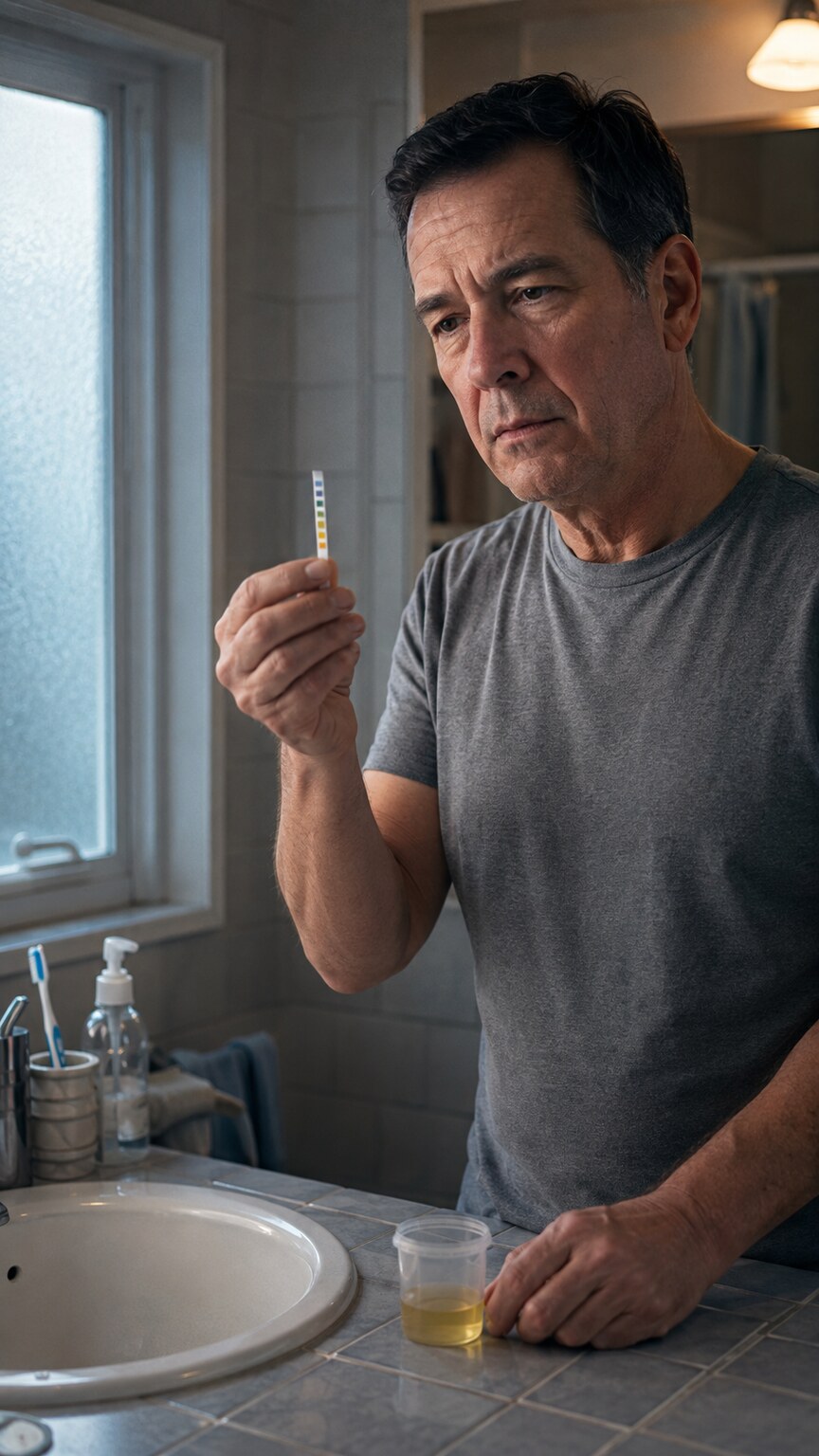
Figure 3. Burning, urgency, or cloudy urine noticed at home is often the first clue that an infection, not cancer, may be behind a rising PSA.
The size of the PSA increase depends heavily on where the infection actually is and how aggressive it is. A mild, uncomplicated bladder infection that stays confined to the bladder lining might barely move PSA at all, or might nudge it up by a point or two — enough to occasionally push someone from a comfortably normal reading into the lower end of the ambiguous "gray zone" doctors watch more closely, without anything close to the extremes seen in prostatitis. Acute bacterial prostatitis is a different story entirely. Because the infection is inside the very tissue that manufactures PSA, and because acute prostatitis triggers such an intense local inflammatory response — swelling, elevated blood flow, disrupted glandular architecture — it's not unusual for PSA to spike into double digits, occasionally climbing into a range that would otherwise suggest advanced disease if the infection weren't already known about.
What reassures doctors in this situation isn't just the size of the spike — it's the pattern of what happens next. Cancer-driven PSA elevations tend to climb slowly and steadily over months or years as a tumor grows. Infection-driven spikes behave more like a fever: they rise quickly in response to an acute trigger, and once that trigger is removed with appropriate antibiotic treatment, they come back down. The timeline for that recovery isn't instant, though, and this is a detail that surprises a lot of people. PSA doesn't reset the moment symptoms improve or the moment a course of antibiotics ends. Even after the bacteria themselves are gone, the tissue needs time to heal and the inflammation needs time to fully settle, and PSA — being a byproduct of that tissue's condition, not a direct measure of bacteria — lags behind. Most clinical guidance suggests waiting a minimum of four to six weeks after finishing antibiotic treatment before rechecking PSA, and for a more severe case of acute prostatitis, some urologists prefer to wait as long as two to three months to give the gland a genuinely fair chance to return to its resting state before drawing any conclusions from the number.
This waiting period isn't about caution for its own sake — it reflects something fairly intuitive once it's explained. Imagine spraining your ankle badly enough to need crutches for a week. A week after the sprain, the swelling has gone down substantially, but the ankle still isn't back to its exact pre-injury baseline; it takes a while longer before you'd say it's fully, completely normal again. Prostate tissue recovering from an infection follows a similar arc — visibly better quickly, but not entirely back to its quiet baseline state until real time has passed. Testing PSA too soon after treatment risks catching that "better, but not fully healed" window and misreading it as a persistently abnormal, possibly cancer-related result.
Treatment itself typically involves an antibiotic chosen specifically for how well it penetrates prostate tissue, since not every antibiotic that clears bacteria from urine reaches effective concentrations inside the gland. Fluoroquinolones, such as ciprofloxacin, and trimethoprim-sulfamethoxazole have traditionally been favored for prostatitis specifically because of their ability to cross into prostate tissue at meaningful concentrations, though the exact choice depends on which bacteria a urine culture identifies and local patterns of antibiotic resistance, which is why a culture — not guesswork — usually guides the prescription. Courses of treatment for confirmed bacterial prostatitis also tend to run considerably longer than a typical bladder infection: where an uncomplicated bladder UTI might be treated for three to seven days, acute bacterial prostatitis is commonly treated for two to four weeks, and chronic bacterial prostatitis sometimes for four to six weeks, precisely because prostate tissue is harder for antibiotics to penetrate fully and bacteria tucked into glandular tissue are more likely to survive a shorter course.
Why Doctors Wait and Retest Rather Than Rushing to a Biopsy
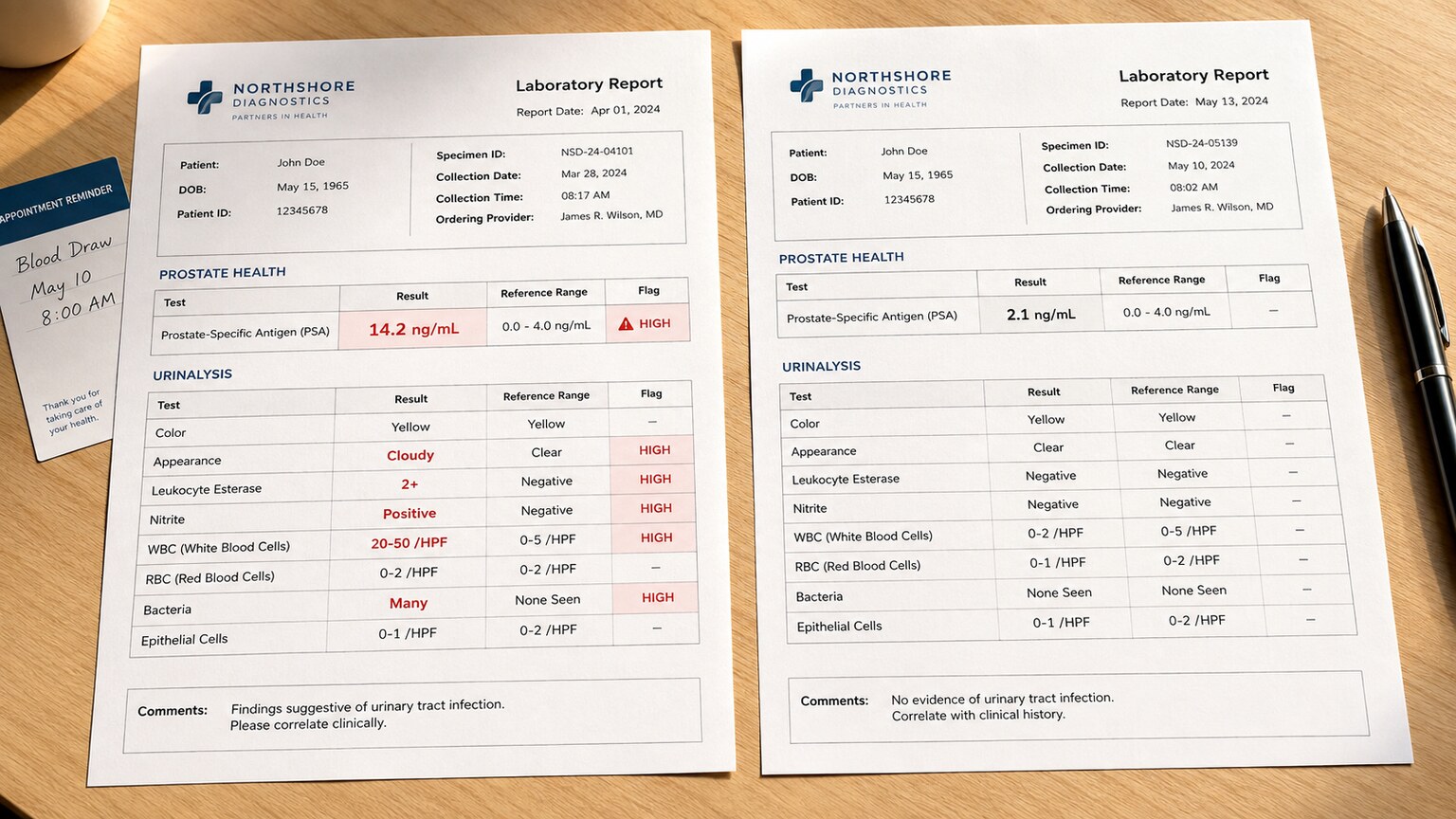
Figure 4. A PSA level that falls sharply after antibiotic treatment and a waiting period strongly supports infection, rather than cancer, as the original cause.
If a urologist sees a very high PSA alongside signs of a urinary infection or prostatitis — fever, pelvic pain, a tender prostate on exam, bacteria visible in a urine culture — the standard approach is not to jump straight to a prostate biopsy. Instead, the usual sequence is: treat the infection with an appropriate course of antibiotics, allow the recommended waiting period to pass, and then repeat the PSA test. If the number drops substantially, often back into a normal or near-normal range, that trajectory itself becomes strong evidence that the infection was the driver all along, and no biopsy may be needed at that point.
This approach exists because a prostate biopsy is not a trivial procedure to undergo unnecessarily. It involves inserting a needle through the wall of the rectum or, less commonly, through the skin between the scrotum and anus, to collect small tissue samples from the prostate — typically twelve or more samples across different areas of the gland. It carries real risks: bleeding, infection (ironically, sometimes introducing the very kind of infection this whole process was trying to rule out), temporary urinary difficulty, and a meaningful amount of anxiety and discomfort in the days surrounding the procedure. Performing a biopsy on a prostate that's actively or recently inflamed from infection also makes the biopsy itself less reliable — inflamed tissue can look concerning under a microscope even when there's no cancer present, occasionally producing confusing or falsely worrying pathology results. For all of these reasons, most clinical guidelines, including those published by major urology associations, specifically recommend treating any identified infection and allowing PSA to be rechecked before deciding whether a biopsy is genuinely warranted, except in situations where other red flags make waiting inadvisable.
It's worth being clear about what "the PSA came back down" does and doesn't prove. A significant drop after treatment is reassuring and consistent with infection having been the cause — but it isn't an absolute, one-hundred-percent guarantee that nothing else is going on, particularly if other risk factors are present, such as a strong family history of prostate cancer or an abnormal finding on a physical exam. It's also possible, though less common, for a PSA elevation to have two overlapping causes at once — an infection layered on top of a separate, ongoing process. This is exactly why the retest, rather than the original number, becomes the more meaningful data point, and why your doctor may still recommend continued monitoring even after a reassuring drop, rather than closing the book on the conversation entirely after just one recheck.
Other Everyday Things That Can Also Raise PSA
Infection is far from the only non-cancerous reason PSA can climb, and it helps to know the broader landscape so a single elevated number doesn't automatically feel like a worst-case scenario. Recent ejaculation, particularly within twenty-four to forty-eight hours of a blood draw, can cause a small, temporary bump, since semen itself carries an extremely high concentration of PSA compared with blood. Vigorous exercise that puts direct, sustained pressure on the perineum — cycling long distances is the classic example — has also been associated with modest, short-lived increases in some studies. A digital rectal exam performed by a doctor shortly before a blood draw, and procedures like urinary catheterization or a recent cystoscopy (a scope passed into the bladder), can mechanically irritate the gland enough to move the number as well. Certain medications work in the opposite direction: drugs like finasteride and dutasteride, commonly prescribed for an enlarged prostate or hair loss, tend to lower PSA by roughly half over time, which is a separate consideration your doctor may factor in if you're taking one of them.
What ties all of these together, infection included, is a simple underlying idea: PSA is a sensitive gauge of prostate tissue activity in general, not a dedicated cancer detector that ignores everything else. That sensitivity is actually part of what makes it useful — it reliably flags that something is happening in or around the prostate — but it also means a single number, drawn at a single moment, always benefits from being read alongside context: your symptoms, your recent activities, your medications, and, when relevant, whether an infection was present and treated before the sample was taken.
Because so many of these influences are avoidable in the short term, many urology practices give patients a short checklist before a scheduled PSA draw: no ejaculation for at least twenty-four to forty-eight hours, no long-distance cycling or similarly strenuous saddle-pressure activity in the day beforehand, and scheduling the blood draw before, not immediately after, a digital rectal exam if one is planned for the same visit. None of these steps are about hiding anything or gaming the result — they're simply about giving your doctor the cleanest, most representative number possible, so that if follow-up is genuinely needed, it's being triggered by something real rather than by an avoidable, temporary blip. A little preparation before a routine blood draw can save weeks of unnecessary back-and-forth later, which is a small trade worth making whenever your schedule allows it.
Symptoms That Point to an Infection Rather Than a Silent PSA Rise
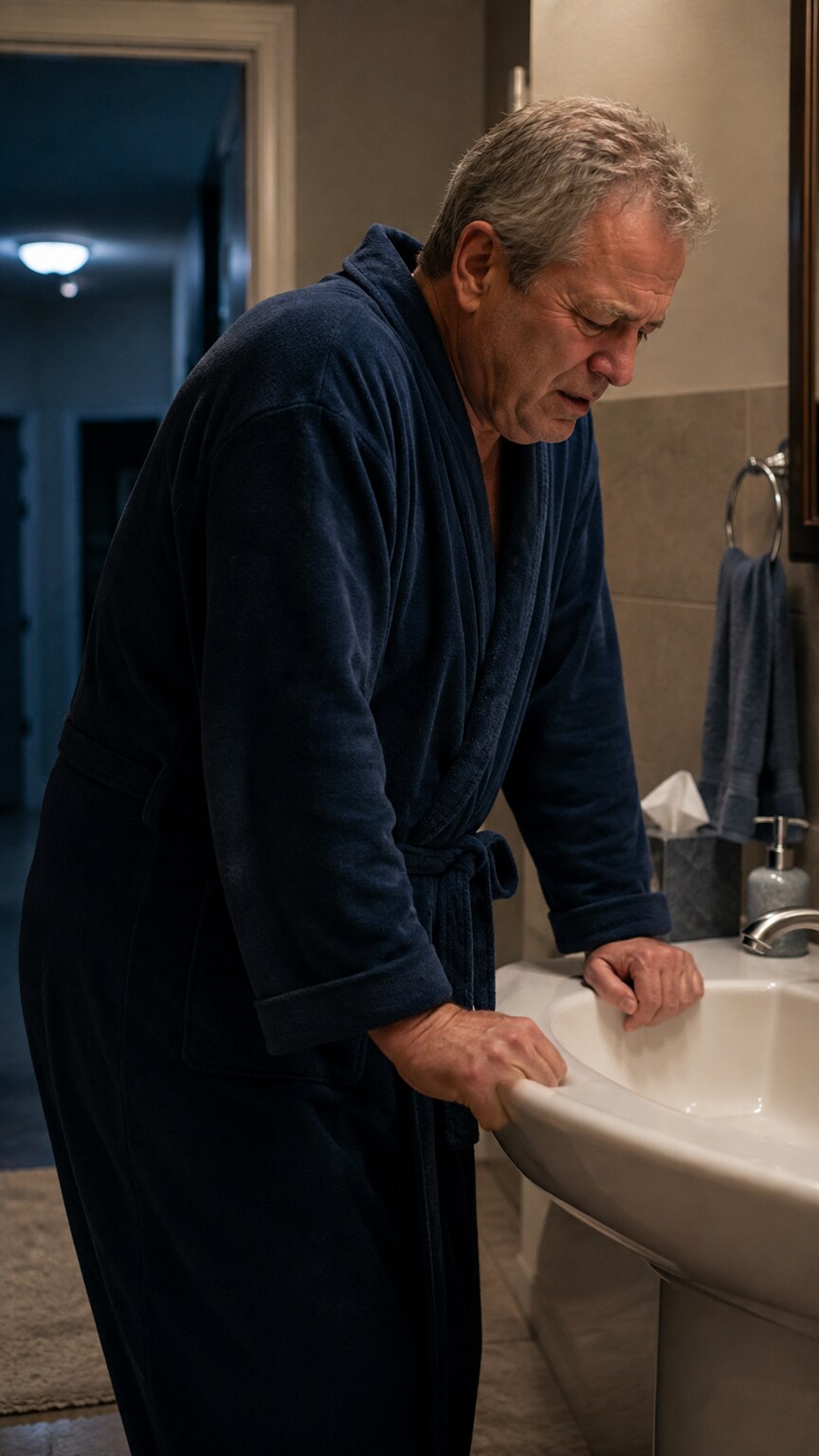
Figure 5. Sudden burning, urgency, and pelvic discomfort are hallmark signs of infection — symptoms that a silently rising PSA from early cancer typically does not produce.
One of the more useful pieces of context available to you, well before any lab work even happens, is simply how you're feeling. Prostate cancer in its earlier, most detectable stages is frequently silent — it often produces no symptoms at all, which is precisely why routine PSA screening exists in the first place: to catch something before the body itself gives any warning. Infection tends to announce itself far more loudly and quickly. A burning sensation during urination, a sudden and urgent need to go far more often than usual, cloudy or strong-smelling urine, discomfort or pressure low in the pelvis, and blood visible in the urine can all point toward a urinary tract infection. When the prostate itself is involved, additional symptoms often join the picture: fever, chills, pain in the lower back or between the legs, general body aches, and a feeling of being acutely unwell rather than just mildly inconvenienced.
None of this is meant as a substitute for an actual medical evaluation — plenty of infections are milder than textbook descriptions, and it's entirely possible to have a real infection with only subtle symptoms. But if a high PSA result arrives at the same time you've also been dealing with several days of burning urination, urgency, or pelvic discomfort, that combination is a meaningful clue worth mentioning to your doctor right away, since it may reasonably shift the conversation toward "let's rule out and treat an infection first" rather than jumping straight to more invasive next steps.
It's worth adding one more layer of nuance here, because it can cut both ways: the absence of symptoms doesn't rule infection out either. Some men with chronic bacterial prostatitis have only mild, easy-to-dismiss symptoms — a bit of urinary hesitancy, occasional discomfort, nothing dramatic enough to prompt a doctor's visit on its own — while still carrying a smoldering, low-grade infection capable of keeping PSA modestly elevated over time. This is part of why a urine culture is often ordered as a routine part of working up an elevated PSA even in men who don't report classic, textbook UTI symptoms; a quiet infection can hide in the same gray zone that ambiguous PSA numbers occupy, and ruling it out is a relatively simple, low-risk step compared with the alternative of moving straight to more invasive testing without checking first.
What to Do If You Have Both UTI Symptoms and a High PSA Right Now

Figure 6. Scheduling a follow-up PSA test after finishing antibiotic treatment, rather than acting on the original number alone, gives a far more accurate picture.
If you're in this exact situation — a PSA result that came back higher than expected, alongside symptoms that sound like a urinary or prostate infection — there's a fairly clear, practical path forward. First, don't try to interpret the number in isolation or assume the worst before you've had a real conversation with a doctor. Mention your symptoms explicitly, even ones that feel embarrassing or minor, since burning, urgency, or pelvic discomfort are exactly the details that help a doctor connect the dots between your PSA and a treatable cause. A urinalysis and urine culture are typically quick, inexpensive tests that can confirm whether bacteria are actually present and identify which antibiotic will work best against them.
If an infection is confirmed, the next steps are usually straightforward: complete the full prescribed course of antibiotics, even after you start feeling better, since stopping early can allow the infection to persist or return. Once treatment is finished, plan on a waiting period — typically four to six weeks at minimum, sometimes longer for a more severe prostatitis case — before your PSA is rechecked. Try to avoid ejaculation and vigorous cycling or similar activity in the day or two before that follow-up blood draw, simply to keep the result as clean as possible from unrelated factors. When the repeat result comes back, look at it together with your doctor as a trend, not a standalone verdict: a sharp drop toward a normal range is reassuring, while a PSA that stays stubbornly high despite resolved infection and adequate healing time is the scenario that reasonably shifts the conversation toward further evaluation, potentially including imaging or a biopsy. Either way, having an infection identified and treated first means that whatever conversation comes next is grounded in a far more accurate, far less confounded number than the one that started all of this.
It's also reasonable to ask your doctor directly, at the time of your original elevated result, whether an infection workup makes sense before anything more invasive is scheduled — you don't have to wait for a provider to raise it first. Bringing a written or mental timeline of your symptoms (when the burning or urgency started, whether it's improving, worsening, or unchanged, and whether you've had similar episodes before) helps a busy clinic visit move efficiently toward the right next test rather than a generic, one-size-fits-all response. If you've had recurrent UTIs or prostatitis episodes in the past, mentioning that history is particularly valuable, since a pattern of recurrence can itself shape both the antibiotic choice and how long your doctor recommends waiting before the follow-up PSA. Keeping your own simple log of dates and symptoms, even just a few notes on your phone, can make this conversation faster and more productive than trying to recall everything from memory in the exam room.
Frequently Asked Questions
How high can PSA go from a urinary tract infection alone?
A mild bladder infection that stays away from the prostate usually causes only a small increase, if any. But when the infection spreads into the prostate itself — acute bacterial prostatitis — PSA has been documented rising into the double digits, and occasionally far higher, purely from infection and inflammation with no cancer involved at all. The exact size of the spike tends to track with how severe and how localized to the gland the infection actually is, which is part of why doctors weigh your symptoms and exam findings alongside the raw number rather than reacting to it in isolation.
How long after treating an infection should I wait before rechecking PSA?
Most clinical guidance recommends waiting at least four to six weeks after finishing antibiotic treatment before retesting, and sometimes longer — up to two or three months — after a more severe case of acute prostatitis. Testing too soon can still catch residual inflammation that hasn't fully resolved, which is why patience at this stage genuinely improves the accuracy of the next result rather than just being an arbitrary rule.
If my PSA drops after antibiotics, does that mean I definitely don't have cancer?
A significant drop is reassuring and consistent with infection having caused the elevation, but it isn't an absolute guarantee, especially if other risk factors are present. Your doctor may still recommend continued monitoring depending on your overall history, exam findings, and how completely the number normalized, particularly if you have a family history of prostate cancer or an abnormal finding on physical exam.
Can a UTI cause a false-positive PSA result that leads to an unnecessary biopsy?
It can if the infection isn't identified and treated before biopsy decisions are made, which is exactly why doctors are trained to ask about UTI symptoms, check a urine sample, and treat any confirmed infection before acting on a single elevated PSA reading, rather than moving straight to biopsy. This step alone prevents a meaningful share of biopsies that would otherwise have been performed on an inflamed, but not cancerous, prostate.
Is bacterial prostatitis the same thing as an enlarged prostate (BPH)?
No. Bacterial prostatitis is an active infection of the prostate gland, typically with a sudden onset and symptoms like fever and pelvic pain. Benign prostatic hyperplasia, or BPH, is a separate, non-infectious enlargement of the prostate that tends to develop gradually with age and is not caused by bacteria at all. Both can raise PSA, but through different mechanisms and on very different timelines — and, notably, BPH is also one of the reasons older men are more prone to the urinary retention that makes infections more likely in the first place.
Should I get a PSA test while I still have active UTI or prostatitis symptoms?
Generally, no — if you already know you have an active infection, most doctors prefer to treat it first and check PSA afterward, since testing during the infection is likely to produce an inflated number that doesn't reflect your true baseline and may prompt unnecessary worry or follow-up. If a PSA test is already scheduled when symptoms appear, it's worth calling ahead to ask whether it makes sense to postpone the draw until after treatment.
Can women get a PSA-related question like this, or is this only relevant to men?
PSA testing is specific to the prostate, a gland only men have, so this particular scenario doesn't apply to women. Women can and do get urinary tract infections, often more frequently than men because of a shorter urethra, but those infections aren't evaluated with a PSA test since there's no prostate gland involved.
Conclusion
A urinary tract infection, and especially an infection that reaches the prostate itself, is a well-documented and genuinely common reason for PSA to rise — sometimes dramatically — without cancer being anywhere in the picture. The prostate's proximity to the urethra, and the way inflammation loosens the tissue barriers that normally keep PSA contained, explain why an infection can move this particular number so effectively. If you've noticed classic UTI symptoms alongside a higher-than-expected PSA, the most useful next step isn't to panic over the raw number — it's to get the infection properly diagnosed and treated, give your body the recommended weeks to heal, and look at the retest result together with a doctor who can place it in the context of your full history. In the overwhelming majority of cases, that second, more accurate number tells a much calmer story than the first one did.
The broader lesson extends well beyond this one scenario: a single lab value, PSA or otherwise, is rarely the whole story on its own. It's a snapshot of your body at one specific moment, shaped by whatever happened to be going on that day — an infection, a recent activity, a medication, or simply normal biological variation — layered on top of whatever longer-term process, if any, is actually worth tracking. Treating that snapshot with appropriate seriousness while also giving it the context it needs is exactly the kind of nuanced reading a good clinician provides, and it's the difference between a number that causes weeks of needless worry and one that gets resolved calmly, correctly, and on a reasonable timeline.
Still Not Sure What Your Results Mean?
Upload your labs and get a complete, visual, plain-language interpretation of every biomarker — delivered to your inbox in under 15 minutes.
Get My ReportThis article is for educational purposes only and does not constitute medical advice. Always consult your healthcare provider regarding your specific lab results.