
Why Did My Doctor Order a BNP Test?
Seeing an unfamiliar test on your lab requisition or after-visit summary is one of the more common reasons people search for answers about their bloodwork, and BNP is a particularly frequent one to trigger that search, since most people have never heard of it before the day it shows up on their own chart. Unlike many routine screening tests ordered as part of an annual physical, BNP is almost always ordered for a specific reason, tied to a specific symptom, exam finding, or clinical situation a doctor is actively trying to sort out. Understanding exactly what those specific triggering situations actually are tells you a genuinely great deal about what your doctor was actively thinking through at that particular visit, even well before the result itself ever comes back. This article walks through the single most common reason BNP gets ordered — sudden, unexplained shortness of breath — and why the test is often as valuable for ruling heart failure out as it is for confirming it, ongoing monitoring of a known heart failure diagnosis, unexplained swelling in the legs or abdomen, pre-operative risk assessment before certain surgeries, fatigue and exercise intolerance that doesn't add up to an obvious explanation, following up a specific finding noticed during a physical exam, why BNP is often ordered alongside imaging like a chest X-ray or echocardiogram rather than by itself, and what a normal result actually rules out with a fair amount of confidence.
The Single Most Common Reason: Sudden, Unexplained Shortness of Breath

Figure 1. BNP helps distinguish whether sudden shortness of breath is being driven by fluid backing up from a strained heart or by a separate lung condition entirely, two very different treatment paths.
By far the most common reason a BNP test gets ordered is acute, unexplained shortness of breath, particularly in an emergency room or urgent care setting. When someone arrives struggling to breathe, doctors face a genuinely difficult diagnostic fork: the breathlessness could be coming from the heart — specifically, fluid backing up into the lungs because the heart isn't pumping efficiently enough — or it could be coming from the lungs themselves, through conditions like pneumonia, COPD, or asthma, which look and feel remarkably similar to a patient in the moment but require an entirely different treatment approach.
This is precisely the exact situation BNP was originally developed and studied to help reliably resolve. Because BNP is released specifically in response to a stretched, strained heart muscle, a low result makes a cardiac cause of the breathlessness genuinely unlikely, while an elevated result points the workup firmly toward the heart. Getting this distinction right quickly matters enormously in an emergency setting, since the standard treatments for a cardiac cause and a lung-only cause don't just differ — some of them can actively make the other condition meaningfully worse if applied to the wrong one, which is exactly why a fast, reliable way to tell the two apart carries such real, immediate clinical value.
Why BNP Is Often More Valuable for Ruling Heart Failure Out
One of the most clinically useful properties of BNP, and a large part of why it gets ordered so often in this exact scenario, is a statistical property doctors call negative predictive value — in plain terms, how confidently a normal result can rule a condition out. BNP has an unusually strong negative predictive value for heart failure: a genuinely normal BNP result in someone with acute shortness of breath makes a cardiac cause of that breathlessness quite unlikely, which lets a doctor confidently redirect the workup toward lung-based causes without needing to wait for a full echocardiogram first.
This is a meaningfully different use of the test than simply confirming a suspected diagnosis, and it's exactly why BNP gets ordered so routinely in emergency settings even when a doctor isn't necessarily expecting heart failure to be the actual answer — a fast, normal result narrows the diagnostic picture almost as effectively as a positive one does, just in the opposite direction, letting the rest of the workup move forward with real, evidence-backed confidence rather than continued, time-consuming uncertainty about where to focus next.
Curious what your own BNP number actually means for your specific situation? Upload your results and get a complete, plain-language breakdown in under 15 minutes.
Analyze My ResultsMonitoring a Known Heart Failure Diagnosis Over Time

Figure 2. Rising BNP over time, alongside worsening leg swelling like this, is one of the signals doctors use to catch a heart failure flare before it progresses to a full hospitalization.
For people already diagnosed with heart failure, BNP isn't ordered just once to establish the diagnosis — it's often checked repeatedly over months or years as part of ongoing management. Tracking BNP over time gives a doctor an objective, numeric signal of how well a person's heart failure is currently being controlled, complementing what a patient reports about their own symptoms, which can be genuinely hard to judge day to day since gradual changes are often harder to notice than sudden ones.
A BNP level that's steadily climbing between visits, even before a patient consciously notices any worsening symptoms themselves, can prompt a doctor to adjust medications proactively, catching a developing flare early and often preventing it from progressing all the way to the point of requiring a full hospitalization. This monitoring use is a completely different reason for ordering the test than the emergency-room scenario described earlier in this article, even though it's technically the exact same blood test being drawn from the same vein — the clinical question actually being asked here is "how is this already-diagnosed, established condition trending over time" rather than "is this brand-new symptom cardiac in origin in the first place."
Unexplained Swelling in the Legs or Abdomen
Swelling, medically referred to as edema, is another genuinely common trigger for a BNP order to be placed, particularly when it develops gradually over time in the legs, ankles, or abdomen without any obvious cause like a recent injury or a long flight beforehand. Because one of the jobs BNP performs is helping the kidneys excrete excess sodium and water, elevated BNP often accompanies the fluid retention seen in heart failure, making it a useful piece of the puzzle when a doctor is trying to figure out whether new swelling reflects a cardiac problem, a kidney or liver issue, or something more localized like a vein problem in the legs.
This scenario is a genuinely good example of how BNP functions less as a single, standalone yes-or-no answer on its own and more as one useful data point that gets weighed carefully alongside a physical exam, a review of other relevant lab values, and sometimes additional imaging, to build toward the single most likely explanation for a symptom that, entirely on its own, could plausibly stem from several genuinely different organ systems at once.
Before Certain Surgeries: Pre-Operative Cardiac Risk Assessment

Figure 3. Before certain higher-risk surgeries, a preoperative BNP check helps anesthesiologists gauge how well the heart is likely to tolerate the physical stress of the procedure itself.
For people undergoing certain higher-risk surgeries, particularly those involving general anesthesia in older adults or people with known cardiovascular risk factors, a BNP test is sometimes ordered as part of pre-operative risk assessment. Surgery and anesthesia place real physical stress on the cardiovascular system, and an elevated baseline BNP going into an operation is associated with a higher risk of cardiac complications during or immediately after the procedure.
This use of the test isn't about diagnosing a new problem — it's about giving the surgical and anesthesia teams a clearer, more complete picture of how much cardiovascular reserve a patient actually has before deciding on the safest approach, sometimes prompting additional monitoring during the procedure itself, a preoperative cardiology consultation, or a more cautious anesthesia plan when the result comes back elevated in someone who otherwise seemed like a straightforward surgical candidate going into the pre-operative visit.
Fatigue and Exercise Intolerance That Doesn't Add Up

Figure 4. New difficulty completing routine activities that used to feel effortless is a common, easy-to-dismiss symptom that can prompt a BNP test to check for an underlying cardiac cause.
Fatigue and reduced exercise tolerance are notoriously nonspecific symptoms in medicine, genuinely capable of stemming from dozens of possible causes ranging from poor sleep to anemia to thyroid problems to simple physical deconditioning over time. When these symptoms develop gradually and don't clearly fit one of the more obvious explanations, particularly in someone with existing cardiovascular risk factors, a BNP test is often added to the workup specifically to check whether an underlying, not-yet-diagnosed cardiac issue could be contributing.
This scenario often plays out rather subtly in real life: someone gradually notices they're more winded than usual simply walking the dog around the block, or need to pause partway up a flight of stairs they used to climb without thinking twice about it, and mentions this almost as a passing aside during an otherwise routine visit. A doctor picking up carefully on that small, easy-to-dismiss detail may order BNP alongside a handful of other relevant tests, precisely because early-stage heart failure can genuinely present with exactly this kind of quiet, gradually creeping fatigue rather than any single dramatic, unmistakable symptom that would otherwise be far harder to overlook.
Following Up a Specific Physical Exam Finding
Sometimes a BNP test gets ordered not because of a symptom the patient reported, but because of something a doctor noticed during a routine physical exam. Jugular venous distension — a visibly bulging, prominent vein in the neck that reflects elevated pressure in the large veins returning blood back to the heart — is one classic, textbook example, since it's a physical sign strongly associated with the same fluid overload that drives BNP upward. An abnormal heart sound detected clearly with a stethoscope, or subtle crackling sounds heard at the base of the lungs suggesting fluid buildup, can prompt this exact same kind of follow-up testing.
This is a genuinely good reminder that a BNP order doesn't always trace back to something a patient consciously noticed or specifically mentioned themselves at that visit — a thorough, careful physical exam can surface real findings a person wasn't even remotely aware of, and BNP becomes one of the fastest, least invasive, and most cost-effective next steps available to help clarify whether that particular exam finding actually reflects something that genuinely needs further cardiac workup.
Why BNP Often Gets Ordered Alongside a Chest X-Ray and Echocardiogram

Figure 5. A chest X-ray showing fluid accumulation in the lungs, read alongside a BNP result, gives doctors two independent signals pointing toward the same underlying explanation.
BNP is rarely the only test ordered when heart failure is genuinely being considered. A chest X-ray can directly show fluid accumulation in the lungs, an enlarged heart silhouette, or other structural clues, while an echocardiogram provides a direct, moving image of the heart's chambers and valves in action, showing exactly how well the heart is pumping in a way no blood test can capture on its own. BNP complements both of these by adding a fast, objective biochemical signal that doesn't require scheduling an imaging appointment or waiting for a radiologist's read.
Ordering BNP alongside imaging isn't redundant in the slightest — each individual test answers a genuinely different, complementary question about what's happening inside the chest. BNP indicates whether the heart is under strain right now; a chest X-ray shows the downstream effect of that strain on the lungs; an echocardiogram shows the heart's actual mechanical function. Together, all three build a far more complete, mutually reinforcing picture than any single test could ever provide entirely on its own, which is exactly why doctors frequently order all three together up front rather than cautiously waiting to see one result before deciding whether to order the next.
What a Normal BNP Result Actually Rules Out
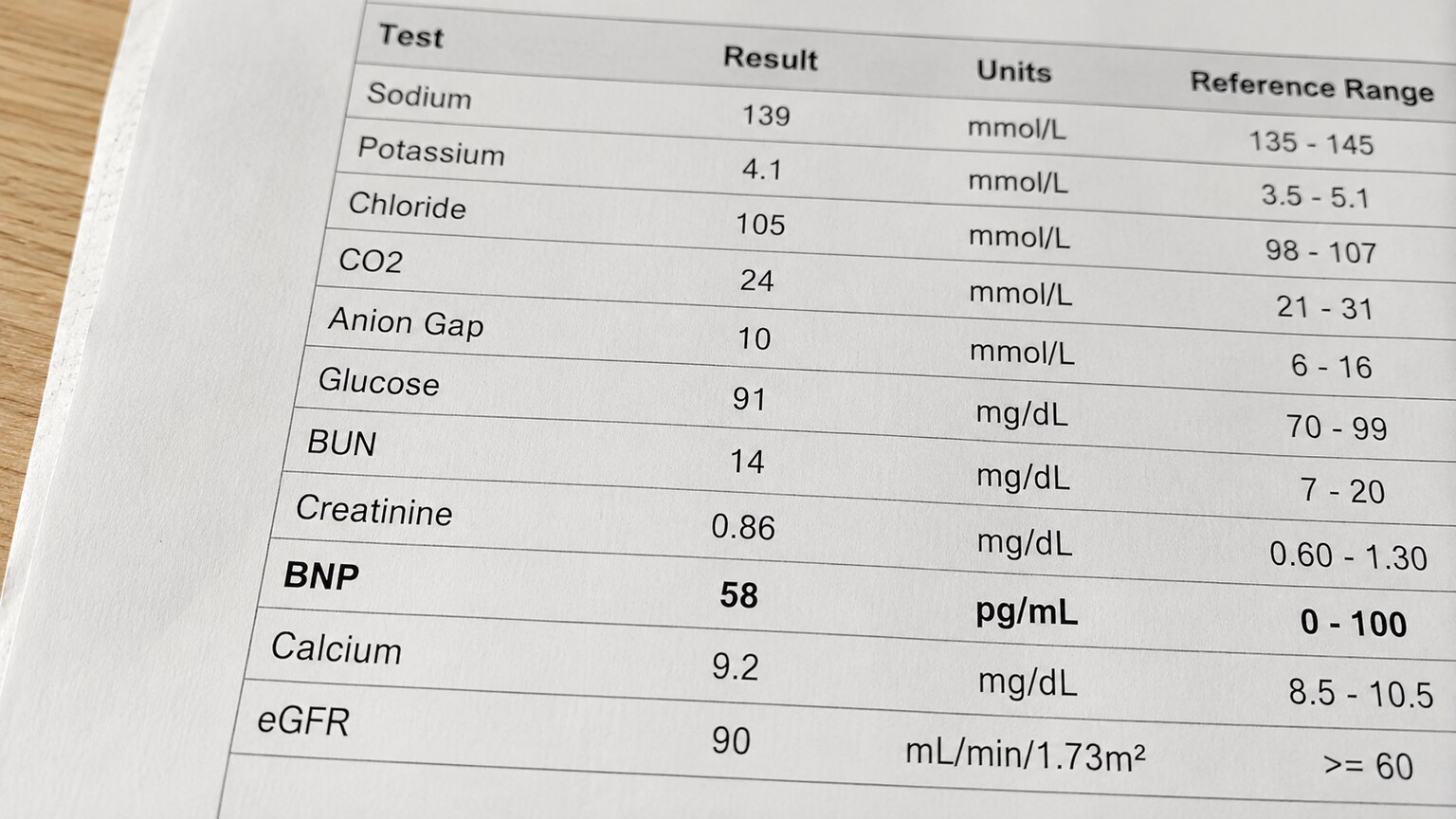
Figure 6. A clearly normal BNP result, in the context of new shortness of breath, makes an underlying cardiac cause meaningfully less likely and helps redirect the workup elsewhere.
Given everything covered above, it's worth being specific about what a normal BNP result actually tells a doctor, since this is often the more common outcome and arguably the more immediately useful one in an acute setting. A clearly normal BNP result in someone presenting with new shortness of breath makes heart failure a meaningfully less likely explanation, allowing the workup to shift confidently toward lung-based causes like pneumonia, COPD, or asthma without losing time investigating the heart further.
A normal result in the context of ongoing monitoring for someone with known heart failure is reassuring in a somewhat different, more personal way, generally suggesting their existing condition is currently well-controlled relative to their own individually established baseline rather than against a generic population-wide cutoff. In both of these settings, a normal result isn't just a passive absence of bad news — it's an active, genuinely useful piece of clinical information that helps a doctor move the entire diagnostic process forward in a specific, confident direction, rather than leaving a real symptom sitting unexplained and unresolved.
Establishing a Baseline in People With Significant Cardiovascular Risk Factors
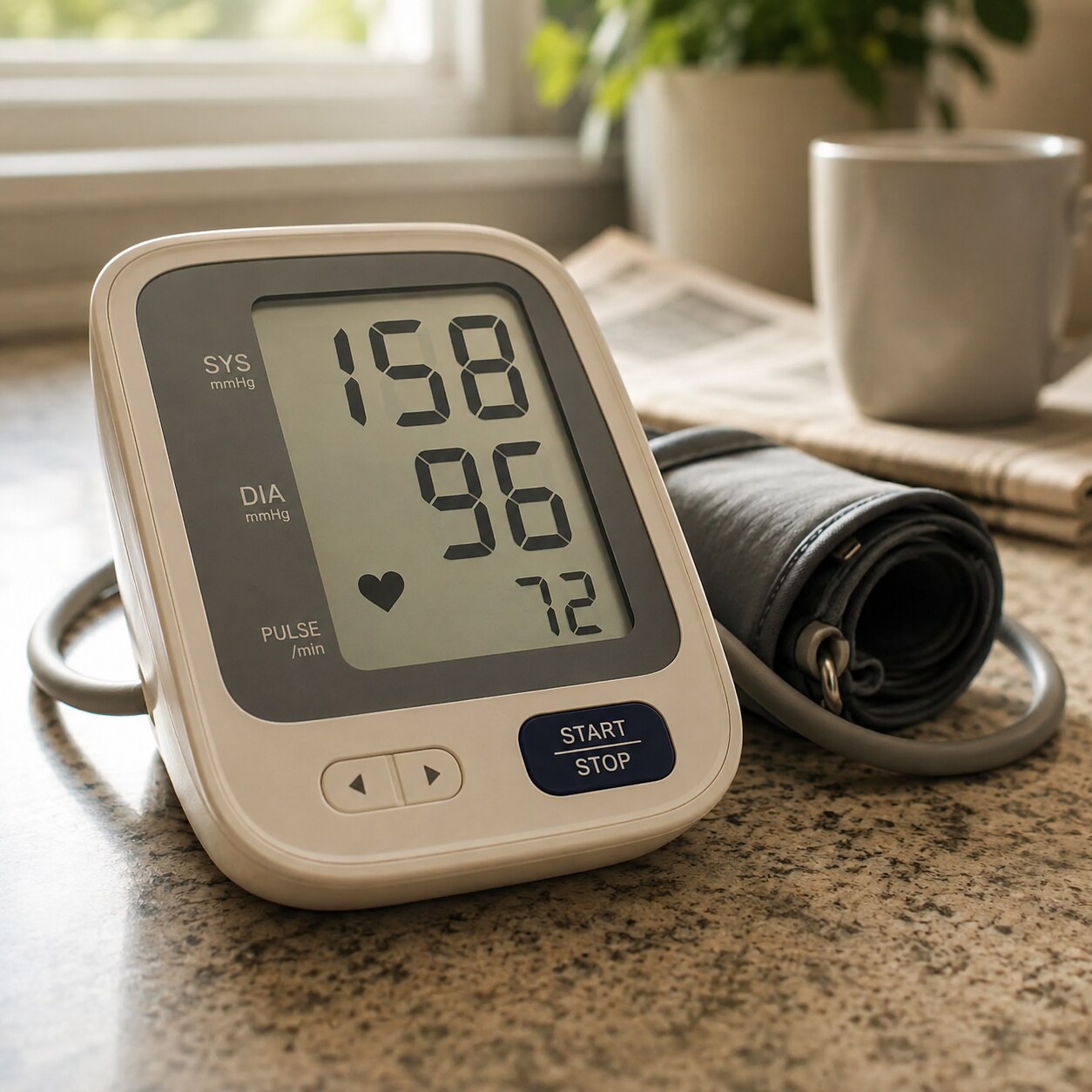
Figure 7. Long-standing, poorly controlled hypertension is one of the most common risk factors that leads a doctor to check a baseline BNP even before any acute symptom has appeared.
Not every BNP order is a response to an active symptom or exam finding at all. In people with long-standing, significant cardiovascular risk factors — poorly controlled high blood pressure over many years, a prior heart attack, longstanding diabetes, or a family history of early heart failure — a doctor may order a baseline BNP simply to have a reference point on file, even when the person feels entirely well at that visit. Establishing this kind of personal baseline gives real, tangible value later on: if that same person eventually does go on to develop symptoms, a doctor can compare the new result directly against their own previously established baseline rather than only against a generic population-wide reference range, making a subtle but genuinely clinically meaningful change over time much easier to actually recognize and act on quickly.
This proactive, baseline-establishing use of the test is genuinely less common than the symptom-driven or monitoring-driven reasons described earlier in this article, but it's a real and increasingly recognized part of how BNP fits into long-term, ongoing cardiovascular risk management, particularly for primary care doctors managing patients who have several distinct risk factors stacked together over a long period of time, sometimes spanning decades of gradually accumulating cardiovascular strain.
Common Misconceptions About Why BNP Gets Ordered
One common misconception is that a BNP test is only ordered when a doctor already strongly suspects heart failure. As covered throughout this article, BNP is frequently ordered specifically to rule heart failure out, particularly in an emergency setting where cardiac and lung causes of breathlessness need to be distinguished quickly, meaning the test's mere presence on an order doesn't necessarily signal a specific suspicion of a serious cardiac problem.
A second misconception is that BNP is a routine, universal screening test everyone eventually gets, similar to cholesterol or blood sugar. In reality, BNP is almost always ordered for a specific, identifiable reason — a symptom, an exam finding, a monitoring schedule for an existing diagnosis, or a pre-operative assessment — rather than as part of a standard annual panel, which is exactly why so many people encounter it for the first time only when one of these specific situations applies to them directly.
A third misconception is that ordering BNP alongside other tests like a chest X-ray or troponin means a doctor suspects multiple separate serious conditions at once. More often, these tests are ordered together precisely because they answer complementary questions about the same underlying concern, working together to build one complete clinical picture rather than each one chasing a separate diagnosis.
A Practical Comparison of the Main Ordering Scenarios
Acute shortness of breath in an emergency or urgent care setting is by far the most time-sensitive reason BNP gets ordered, typically resulted within the hour to help triage between cardiac and lung causes. Ongoing heart failure monitoring is scheduled and routine, tracked over months or years alongside a person's established baseline rather than compared to a single population cutoff. Unexplained swelling is usually ordered in an outpatient setting as one piece of a broader workup that also considers kidney and liver causes. Pre-operative assessment is scheduled well in advance of a planned procedure, feeding into anesthesia planning rather than an immediate treatment decision. Fatigue and exercise intolerance typically prompts a BNP order alongside several other tests rather than in isolation, since the symptom itself is so nonspecific. A physical exam finding can trigger an order even without any symptom the patient has consciously noticed. Baseline risk assessment is the only scenario on this list ordered proactively, before any symptom, finding, or diagnosis exists at all. Recognizing which of these seven distinct scenarios actually applied to your own specific visit is usually the single fastest, most reliable way to understand exactly why BNP appeared on your chart in the very first place.
How the Result Gets Interpreted Differently Depending on Why It Was Ordered
It's worth understanding that the same numeric BNP result can be interpreted somewhat differently depending on which of these scenarios prompted the test in the first place. A result that would be reassuringly normal for someone with no cardiovascular risk factors presenting with an obvious viral illness might prompt more scrutiny in someone with a known history of heart failure, evaluated against their own personal baseline rather than the general population range. Similarly, a result considered mildly elevated in a healthy 30-year-old carries a different weight than the same number in an 80-year-old, since age alone shifts what counts as a meaningfully abnormal result.
This is exactly why the clinical context surrounding a BNP order matters just as much as the raw number itself once the result actually comes back — a doctor isn't simply checking whether a value falls above or below some printed cutoff on a lab report, but rather carefully weighing that value against the specific question the test was originally ordered to help answer, the person's own broader medical history, and, whenever it's available, how that same person's BNP has trended across previous tests over time.
Why Age and Sex Shape How Doctors Weigh an Ordering Decision
A few demographic factors quietly influence how readily a doctor reaches for a BNP order in the first place, worth understanding as part of the full picture of why the test gets requested. Older adults naturally run somewhat higher baseline BNP levels even in the complete absence of heart failure, partly reflecting normal age-related stiffening of the heart muscle over time, which means an elevated result in an older patient carries a somewhat different weight than the identical number in someone considerably younger — and it's part of why age is one of the first pieces of context a doctor considers when a borderline result comes back.
Sex also plays a modest but genuinely well-documented role in this same context: women tend to run slightly higher baseline BNP levels than men on average across most age groups, for reasons not yet fully or completely understood, but generally thought to relate to underlying differences in heart chamber size and ongoing hormonal influences on the cardiovascular system over time. Neither of these two factors changes whether BNP gets ordered in the very first place — the actual triggering symptom or clinical situation is still what genuinely drives that initial ordering decision — but both factors meaningfully shape exactly how a doctor goes on to interpret the resulting number once it comes back, which is worth understanding as part of the full context surrounding your own individual test.
What Happens If the Reason for Ordering Isn't Immediately Obvious to You
Sometimes a patient genuinely isn't sure why a specific test was ordered during a visit, particularly if it was added quickly during a busy emergency room evaluation or folded into a broader panel without much explanation at the time. If a BNP result shows up on an after-visit summary or portal message and the reason isn't clear, it's entirely reasonable, and often genuinely useful, to ask directly — most doctors are glad to explain which of the scenarios described in this article prompted the order, since that context also helps a patient understand what a normal or abnormal result would actually mean for their specific situation.
This kind of direct question is rarely seen as an inconvenience; if anything, it tends to make a follow-up conversation about results more productive, since a patient who understands why a test was ordered is generally better equipped to describe relevant symptoms accurately, recall details a doctor might find clinically useful, and ask more specific, genuinely useful follow-up questions about what comes next in their own particular situation.
Frequently Asked Questions
Does ordering a BNP test mean my doctor thinks I have heart failure?
Not necessarily. BNP is frequently ordered specifically to help rule heart failure out as a cause of symptoms like shortness of breath, not only to confirm a suspected diagnosis, so its presence on an order doesn't automatically signal a strong suspicion of serious heart disease.
Why would BNP be ordered before a surgery I'm having for an unrelated reason?
For certain higher-risk surgeries, particularly in older adults or those with cardiovascular risk factors, BNP helps anesthesia and surgical teams gauge how well the heart is likely to tolerate the physical stress of the procedure, informing the safest possible approach.
Is it normal to get BNP tested repeatedly if I already have heart failure?
Yes, this is a standard, expected part of ongoing heart failure management. Tracking BNP over time gives your doctor an objective signal of how well your condition is currently controlled, alongside your reported symptoms.
Why would BNP be ordered for fatigue instead of a more obvious test?
Fatigue has many possible causes, and BNP is typically added alongside other tests, not instead of them, specifically to check whether an underlying, not-yet-diagnosed cardiac issue could be quietly contributing to symptoms that don't clearly fit another explanation.
Can a physical exam alone lead to a BNP order, even without symptoms I've noticed myself?
Yes. Findings like a visibly distended neck vein, an abnormal heart sound, or crackling lung sounds detected during a routine exam can prompt a BNP order even when the patient hasn't reported any specific symptom themselves.
Why did I get BNP and NT-proBNP tested on different visits?
Different labs and hospital systems use different assays, and the choice sometimes depends on kidney function, since NT-proBNP is affected more by reduced kidney clearance. Seeing a different name on different visits usually just reflects which lab processed each test.
Is a BNP order ever purely precautionary, without any specific concern behind it?
Yes, in people with significant, long-standing cardiovascular risk factors, a doctor may order a baseline BNP proactively, before any symptom appears, specifically to have a personal reference point on file for future comparison.
Does a standardized hospital order set mean my doctor didn't personally decide to order BNP?
Not exactly. Structured order sets for presentations like acute shortness of breath are built on established clinical guidelines and are meant to ensure well-evidenced tests aren't missed, but your treating doctor still reviews and interprets the result directly.
Why BNP and NT-proBNP Get Ordered in Slightly Different Situations
Depending on which lab a hospital or clinic uses, a doctor might order BNP itself or a closely related molecule called NT-proBNP, and it's worth briefly noting why one gets chosen over the other, since this can affect why you see one specific name rather than the other on your own report. The two molecules come from the exact same biological precursor and reliably rise together in direct response to the same underlying cardiac strain, but they actually clear from the body quite differently — BNP is cleared partly through specific cellular receptors scattered throughout the body, while NT-proBNP is cleared almost entirely through the kidneys instead. This particular difference matters most in people with significant, established kidney disease, where NT-proBNP specifically tends to run considerably higher for reasons entirely unrelated to the heart itself, sometimes making plain BNP the preferred laboratory choice specifically because it's meaningfully less affected by reduced kidney function overall.
In an emergency setting where every minute genuinely matters, some hospitals simply prefer whichever specific assay their in-house lab can turn around the fastest, since the underlying clinical question at stake — is this particular episode of shortness of breath cardiac in origin or not — is best served by the quickest reliable answer realistically available at that moment. Neither molecule is inherently "better" across every single situation; the actual choice mostly comes down to a practical combination of the specific clinical scenario at hand, the patient's own current kidney function, and which particular assay a given lab has already validated and keeps readily available in routine, everyday use.
Why This Test Became a Standard Part of Emergency Dyspnea Workups
It's worth understanding a bit of the history behind why BNP became such a routine part of emergency shortness-of-breath evaluations, since it illustrates exactly why the "why was this ordered" question has such a clear, well-established answer today. Before BNP testing became widely available, distinguishing a cardiac cause of acute breathlessness from a lung cause relied heavily on physical exam findings, chest X-ray interpretation, and clinical judgment alone — all useful, but each with real limitations, particularly in patients with overlapping conditions like someone who has both COPD and heart failure at the same time, which is a common and genuinely difficult combination to sort out by exam alone.
Large, well-designed clinical studies conducted in the early 2000s demonstrated that adding a BNP result to the standard emergency workup meaningfully improved diagnostic accuracy, reduced unnecessary hospital admissions, and even shortened the time it took to reach a correct diagnosis and start the right treatment, which is exactly the kind of consistent, reproducible evidence that leads a test to become a standard, routinely ordered part of a specific clinical pathway rather than an occasional, case-by-case decision left up to individual preference. This history is a meaningful part of why BNP now shows up so reliably, and so quickly, in exactly the emergency-room scenario described at the very start of this article — it genuinely earned that now-routine status through carefully demonstrated clinical value over many years of accumulated research, not simply through convenience, longstanding tradition, or clinical habit passed down between generations of physicians.
How Insurance and Ordering Protocols Sometimes Shape the Decision
Beyond the purely clinical reasoning covered throughout this article, it's worth acknowledging that standardized clinical protocols and order sets also play a real role in when BNP actually gets ordered in practice. Many emergency departments and hospital systems use structured order sets for common presentations like "acute shortness of breath," which automatically bundle together a specific group of tests, including BNP, based on established clinical guidelines rather than requiring a physician to individually select each test from scratch during a busy, time-pressured evaluation.
This standardization is generally a genuinely good thing for patients, since it helps ensure a well-evidenced, potentially life-saving test doesn't get accidentally skipped during a hectic, time-pressured emergency visit, but it also explains why BNP sometimes appears on an order even in situations where, on quiet reflection afterward, a treating doctor might not have personally prioritized it quite as highly on a purely individual, case-by-case basis. Understanding that some test orders come from standardized protocols, not only from an individual physician's moment-to-moment judgment, is a useful piece of context for understanding your own chart.
Putting the Full Picture Together
Across every scenario covered in this article, one theme holds consistently: BNP is ordered as a tool for answering a specific clinical question, never as a generic, catch-all screening test. Whether that question is "is this new breathlessness cardiac or pulmonary," "how well-controlled is this person's known heart failure right now," "is this heart strong enough for the physical stress of surgery," or "does this vague fatigue have an underlying cardiac contributor," the test earns its place on an order precisely because it gives a fast, objective, and genuinely useful answer to that specific question.
For anyone looking at a BNP result on their own chart right now, working backward through the scenarios in this article — was there a new symptom, an ongoing diagnosis being monitored, an upcoming surgery, or simply a proactive risk-factor check — is usually the fastest way to understand not just what the number means, but why the test was ordered in the first place, which in turn makes the eventual result far easier to interpret in its proper context.
Conclusion
A BNP test is almost never ordered arbitrarily — it's requested in response to a specific, identifiable trigger, whether that's sudden shortness of breath needing a fast cardiac-versus-lung distinction, ongoing monitoring of an established heart failure diagnosis, unexplained swelling, a pre-operative safety check, gradually worsening fatigue, or a specific finding noticed carefully during a routine physical exam. Understanding which of these situations actually applied to your own visit is usually the fastest way to make sense of why the test appeared on your chart in the first place, and it often tells you just as much about your doctor's underlying reasoning as the result itself eventually will once it comes back.
Still Not Sure What Your Results Mean?
Upload your labs and get a complete, visual, plain-language interpretation of every biomarker — delivered to your inbox in under 15 minutes.
Get My ReportThis article is for educational purposes only and does not constitute medical advice. Always consult your healthcare provider regarding your specific lab results.