
What Does High Homocysteine Mean for Blood Vessel Health?
A high homocysteine result isn't just a number sitting quietly in your bloodstream — it represents an amino acid that, at elevated concentrations, actively corrodes the delicate inner lining of your arteries, jams the machinery your blood vessels use to relax and widen, and tilts your blood toward clotting more readily than it should. Homocysteine is a normal byproduct of how your body processes protein, and in small amounts it's harmless and gets recycled within minutes. But when the recycling system slows down — from a vitamin shortfall, a genetic variant, kidney trouble, or a handful of other causes — homocysteine accumulates, and above a certain threshold it stops being a bystander and starts actively damaging the cells that make up the walls of your arteries and veins. This article walks through exactly what that damage looks like at the cellular level, why it matters for your long-term cardiovascular health, and what the actual research says about whether bringing the number down protects you.
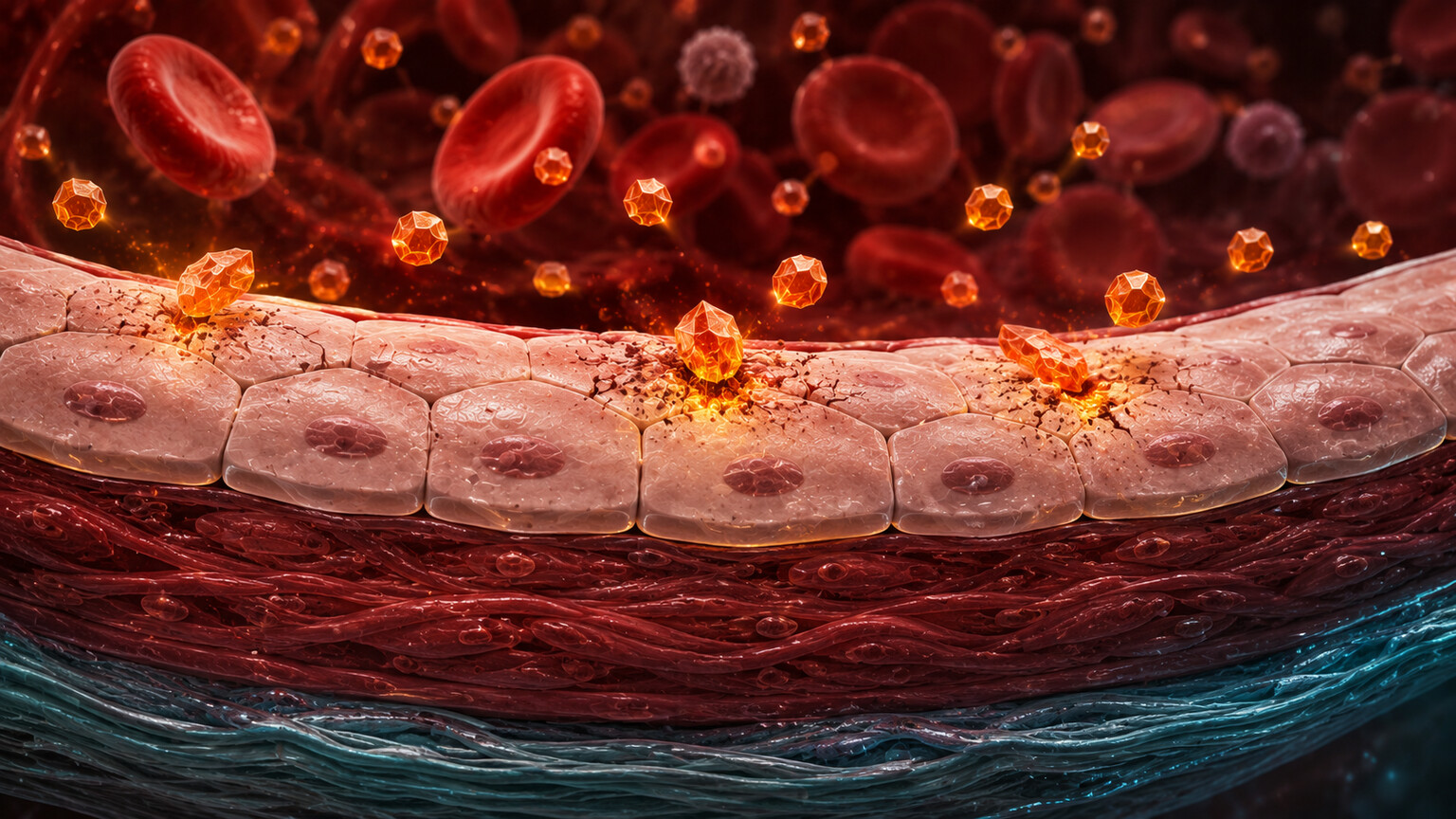
Figure 1. Excess homocysteine molecules circulating in the bloodstream come into direct contact with the single-cell-thick endothelial lining of the artery wall, where they trigger oxidative damage.
What Homocysteine Actually Is, and Why It Ends Up Near Your Blood Vessels
Homocysteine is an amino acid — one of the building blocks your body uses and reuses when it breaks down protein — but it's not one you get directly from food. Instead, it's manufactured internally as an intermediate step whenever your cells process methionine, an amino acid that's abundant in meat, eggs, dairy, and fish. Think of methionine processing like an assembly line: methionine gets converted into a useful compound your cells need for hundreds of chemical reactions, and homocysteine is the leftover scrap material that comes off that line. Under normal circumstances, your body doesn't let that scrap pile up. It immediately recycles homocysteine back into methionine using vitamin B12 and folate as essential tools, or it shunts it down a second pathway using vitamin B6 to convert it into a harmless compound called cystathionine, which eventually becomes the amino acid cysteine.
This recycling happens continuously, in real time, inside nearly every cell in your body — but it happens especially intensively in the liver and kidneys, and it depends entirely on having enough of those B vitamins on hand and functioning enzymes to do the conversion. When any part of that recycling system breaks down — not enough B12 or folate coming in through the diet, a genetic variant in one of the enzymes involved, or kidneys that aren't clearing homocysteine from the blood efficiently — the scrap material doesn't get processed fast enough, and it backs up into general circulation. From there, it travels everywhere your blood goes, including through the roughly 60,000 miles of blood vessels lining every organ in your body. That constant exposure is exactly why elevated homocysteine has become one of the most extensively studied "vascular" biomarkers in modern cardiology, even though it isn't a cholesterol particle or a clotting factor in the traditional sense.
The Endothelium — Your Blood Vessels' Single-Cell-Thick Protective Skin
To understand why homocysteine matters to blood vessel health specifically, it helps to understand what's actually being damaged. The innermost surface of every artery, vein, and capillary in your body is lined by a single, continuous layer of cells called the endothelium — essentially a living skin, only one cell thick, that separates your flowing blood from the deeper muscular and structural layers of the vessel wall. This isn't a passive barrier. The endothelium is one of the most metabolically active tissues in the body: it constantly releases signaling molecules that tell the smooth muscle underneath when to relax and widen the vessel (lowering blood pressure and improving blood flow) or contract and narrow it, it produces substances that keep blood flowing smoothly without clotting, and it acts as a selective gatekeeper for what can pass out of the bloodstream into surrounding tissue.
Homocysteine's cardiovascular damage begins almost entirely at this layer. Because the endothelium sits in direct, constant contact with whatever is circulating in your blood, it's the first tissue exposed to elevated homocysteine levels, and it bears the brunt of the injury. Researchers describe this collection of harmful effects as "endothelial dysfunction" — a state where this normally smooth, reactive, protective lining becomes injured, inflamed, and impaired in its ability to do its job. Endothelial dysfunction isn't unique to homocysteine; it's also an early feature of high blood pressure, diabetes, and smoking-related vascular damage. But homocysteine has been shown, in laboratory and clinical studies alike, to be an independent trigger of this same injury pattern, even in people who don't smoke, don't have diabetes, and have completely normal blood pressure and cholesterol.
How Homocysteine Chokes Off Nitric Oxide, Your Blood Vessels' Relaxation Signal

Figure 2. Reactive oxygen species generated by homocysteine metabolism intercept and neutralize nitric oxide before it can signal the blood vessel to relax.
One of the clearest and most well-documented mechanisms behind homocysteine's vascular damage involves a molecule called nitric oxide — not the same thing as the "laughing gas" used in dentistry, but a tiny, short-lived signaling gas that healthy endothelial cells produce continuously. Nitric oxide's main job is to diffuse into the smooth muscle layer just beneath the endothelium and tell it to relax, which widens the blood vessel, improves blood flow, and helps keep blood pressure in a healthy range. It's one of the most important vasodilators — vessel-widening signals — your body has.
Here's where homocysteine interferes directly: when homocysteine levels are elevated, its own metabolism inside endothelial cells generates byproducts called reactive oxygen species, most notably a molecule called superoxide. Superoxide is highly reactive and, when it encounters nitric oxide, the two react with each other almost instantly, forming a different, far less useful compound and destroying the nitric oxide before it ever gets the chance to signal the vessel to relax. Picture nitric oxide as a radio signal broadcasting a "relax" message to the muscle layer, and homocysteine-generated superoxide as static noise jamming that signal before it arrives. The more homocysteine circulating, the more static, and the weaker and less frequent the "relax" signal becomes. Over time, this state — called impaired endothelium-dependent vasodilation in the research literature — has been demonstrated repeatedly in people with elevated homocysteine, using ultrasound techniques that measure how much a blood vessel widens in response to increased blood flow. People with high homocysteine consistently show a blunted widening response compared to people with normal levels, even before any visible plaque or blockage exists.
This isn't a one-time event, either. Because homocysteine circulates continuously and this oxidative reaction happens wherever it contacts endothelial cells, the jamming of the nitric oxide signal is ongoing, day after day, for as long as homocysteine stays elevated — which is part of why chronically high levels are considered far more concerning than a single elevated lab draw.
Homocysteine and the Clotting Cascade — Tilting the Blood Toward Thrombosis
Beyond disrupting how blood vessels relax, homocysteine also shifts the delicate balance your blood normally maintains between clotting and staying fluid. Healthy blood exists in a constant equilibrium: your body needs the ability to form a clot quickly if a vessel is cut, but it also needs mechanisms actively working to prevent clots from forming inappropriately inside intact, healthy vessels. Elevated homocysteine pushes that equilibrium toward clot formation through several distinct pathways working together.

Figure 3. Reviewing an elevated homocysteine result alongside the B12, folate, and B6-rich foods most directly involved in bringing the level back down.
First, homocysteine has been shown to make platelets — the small cell fragments responsible for the first stage of clot formation — more prone to clumping together, a process called platelet aggregation. Second, it interferes with the normal function of the endothelium's own anti-clotting machinery. Healthy endothelial cells display a protein called thrombomodulin on their surface, which is a critical part of a natural anticoagulant pathway; homocysteine has been shown in laboratory studies to reduce thrombomodulin's activity, effectively weakening one of the body's built-in brakes on clot formation. Third, homocysteine appears to increase the activity of tissue factor, a protein that kicks off the clotting cascade, while simultaneously suppressing the activity of protein C, one of the natural anticoagulant proteins that normally keeps that cascade in check.
Put together, these changes mean that a blood vessel wall exposed to chronically elevated homocysteine isn't just structurally weaker and less able to relax — it's sitting in an environment that's been quietly reprogrammed to favor clot formation over clot prevention. This combination of effects is a major reason why elevated homocysteine has been associated in research not just with heart attack and stroke, but specifically with venous thromboembolism — blood clots that form in the deep veins of the legs and can travel to the lungs.
Curious what the rest of your cardiovascular panel is telling you? Upload your results and get a complete, plain-language breakdown in under 15 minutes.
Analyze My ResultsFrom Injury to Plaque — Homocysteine's Role in Atherosclerosis
The endothelial injury and clotting shift described above don't stay isolated events — over months and years, they feed into the same process that drives most heart attacks and strokes: atherosclerosis, the gradual buildup of fatty, fibrous plaque inside artery walls. Once the endothelium has been damaged and made more porous by chronic homocysteine exposure, LDL cholesterol particles find it easier to slip through the lining and lodge inside the artery wall itself. Once trapped there, LDL is vulnerable to oxidation by the same reactive oxygen species that homocysteine generates, and oxidized LDL is dramatically more inflammatory and more likely to trigger the next stage of plaque formation than LDL that's still circulating normally in the blood.
That next stage involves immune cells called monocytes, which are recruited to the site of endothelial injury, squeeze into the vessel wall, and transform into macrophages that gobble up the oxidized LDL until they become swollen, fat-laden cells known descriptively as foam cells. A growing cluster of foam cells is the earliest visible building block of what eventually becomes a mature atherosclerotic plaque — the same kind of plaque that, if it ruptures, can trigger the sudden clot that causes a heart attack. Separately, homocysteine has also been shown to directly stimulate the proliferation of vascular smooth muscle cells, the cells in the layer beneath the endothelium, causing them to multiply and migrate in a way that thickens the vessel wall and narrows the internal channel available for blood flow — a process that contributes to arterial stiffening independent of classic cholesterol-driven plaque.
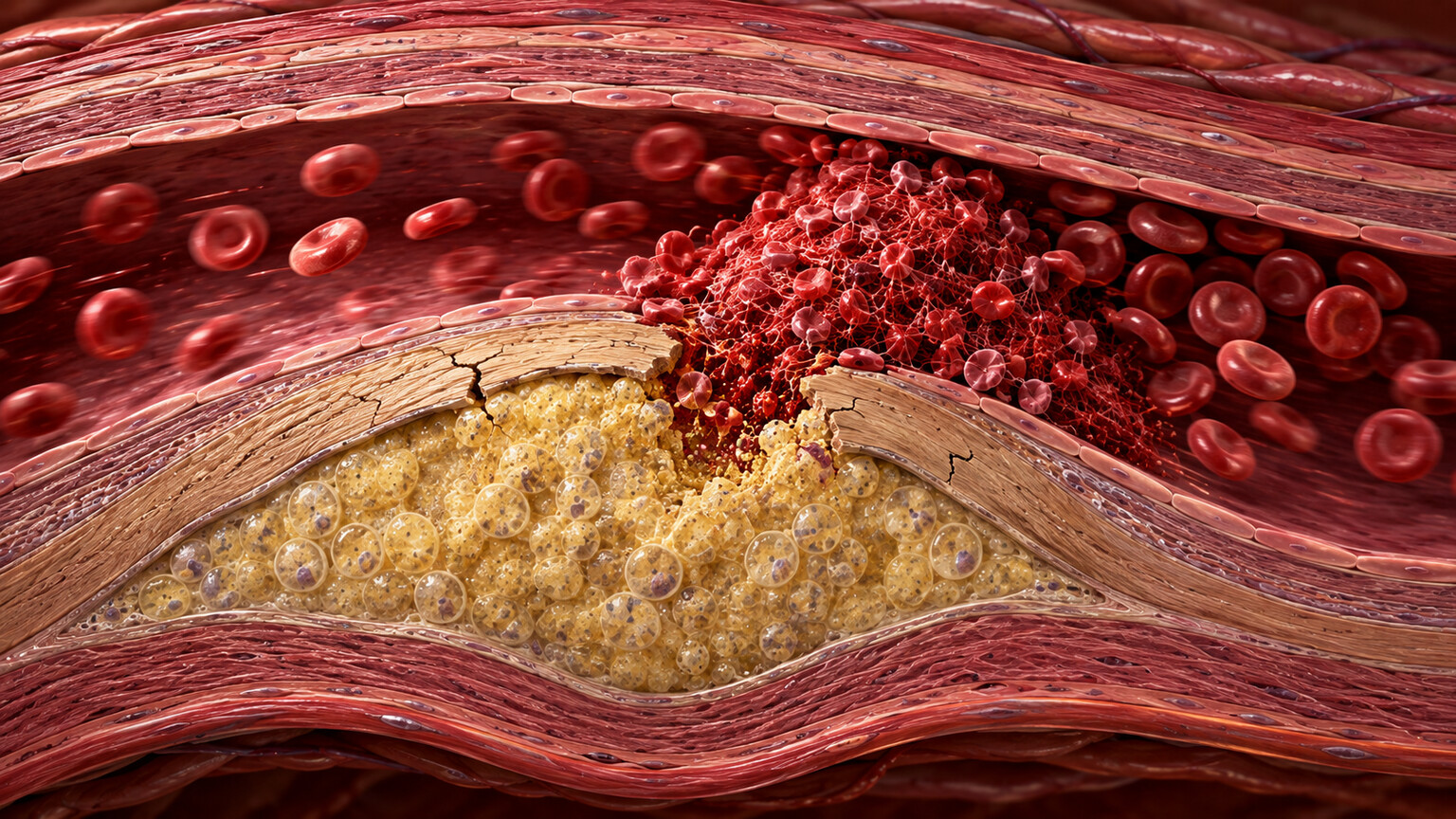
Figure 4. Endothelial injury and oxidized LDL accumulation set the stage for the kind of plaque rupture and clot formation that triggers a heart attack.
Homocysteine also directly interferes with collagen and elastin, the two structural proteins that give artery walls their strength and their ability to stretch and recoil with every heartbeat. Elevated homocysteine has been shown to disrupt the normal cross-linking of collagen fibers and to interfere with elastin synthesis, both of which contribute to arterial stiffening over time — a separate mechanism from plaque buildup, but one that independently raises blood pressure and cardiovascular strain by making arteries less able to absorb the pulse of each heartbeat the way a healthy, elastic vessel would.
Homocysteine and the Brain's Blood Vessels — A Separate but Related Concern
Most of the discussion around homocysteine and vascular health understandably centers on the heart, but the same endothelial injury, oxidative stress, and clotting shift described above happen just as readily inside the small blood vessels that supply the brain. Because brain tissue is extraordinarily sensitive to even brief interruptions in blood flow, researchers have paid particular attention to homocysteine's relationship with both large-vessel stroke — caused by a clot blocking a major artery — and a quieter, more insidious pattern called small vessel disease, in which the brain's tiniest arterioles gradually stiffen and narrow over years. Small vessel disease often produces no dramatic single event; instead, it shows up gradually as subtle changes in processing speed, balance, or memory, and on brain MRI it appears as small areas of damaged white matter that accumulate slowly and silently. Several long-running population studies have found that people with chronically elevated homocysteine accumulate more of these white matter changes over time than people with normal levels, and some research has linked elevated homocysteine to a modestly increased risk of cognitive decline and dementia in later life, independent of traditional risk factors like blood pressure and cholesterol. The proposed mechanism mirrors what happens in the heart's coronary arteries: chronic oxidative injury to the delicate endothelium of small cerebral vessels, combined with impaired nitric oxide signaling, gradually reduces blood flow to brain tissue that depends on a constant, well-regulated supply.
It's worth being careful here, in the same way it's worth being careful about the heart-focused clinical trial data described further below: an association observed across large groups of people in long-term studies is not the same as proof that homocysteine itself, in isolation, causes cognitive decline in any one individual. Age, kidney function, and B-vitamin status all influence both homocysteine levels and brain aging simultaneously, which makes it genuinely difficult to fully separate homocysteine's independent contribution from these overlapping factors. Still, the biological plausibility — the same endothelial and oxidative mechanisms operating in a different vascular bed — is one of the reasons neurologists and cardiologists alike consider homocysteine relevant well beyond the coronary arteries specifically.
How Doctors Actually Test for Homocysteine, and What Can Skew the Result
A homocysteine test is a standard blood draw, typically drawn from a vein in the arm, and unlike some metabolic panels it generally doesn't require fasting beforehand, though some providers still prefer a fasting sample simply to reduce variability. One detail that surprises many patients is how sensitive the result is to how the blood sample itself is handled after it leaves the body: red and white blood cells continue to release homocysteine into the surrounding plasma for a period after the draw if the sample sits at room temperature before being processed, which can artificially inflate the reported number if the lab doesn't separate and chill the plasma quickly. This is a laboratory quality-control issue rather than something a patient needs to manage personally, but it's part of why an isolated, unexpectedly high result is sometimes worth confirming with a repeat test before drawing conclusions, particularly if the number doesn't fit the rest of the clinical picture.
Recent protein intake can also nudge the number upward temporarily, since homocysteine is generated as methionine from dietary protein gets metabolized — a large, protein-heavy meal shortly before the blood draw can produce a mild, transient bump that doesn't reflect a person's true baseline. Similarly, certain medications, acute illness, and even prolonged tourniquet use during the blood draw itself have all been noted in the literature as minor sources of variability. None of these factors typically explain a substantially elevated result on their own, but they're part of why clinicians generally interpret homocysteine in the context of a repeat measurement and the broader clinical picture — B12 and folate levels, kidney function, medication list — rather than reacting to a single number in isolation.
How High Is "High"? Interpreting a Homocysteine Number
Most labs report homocysteine in micromoles per liter (µmol/L), and a commonly used reference range considers levels below roughly 15 µmol/L to be normal, though some labs use a slightly lower cutoff around 10 to 12 µmol/L, and what counts as optimal for vascular health is still debated among researchers. Levels are generally categorized in research as moderate elevation (roughly 15 to 30 µmol/L), intermediate elevation (30 to 100 µmol/L), and severe elevation (above 100 µmol/L, which is rare and usually reflects a significant genetic enzyme deficiency rather than a mild dietary shortfall). The vast majority of people with homocysteine-related cardiovascular concern fall into that moderate category — a level that's technically "elevated" but not dramatically so, and that often produces no symptoms at all, which is exactly why it's typically discovered only through bloodwork rather than through anything the person actually feels.
It's worth being clear that homocysteine is what researchers call a risk marker, not a diagnostic test for any specific disease. A single elevated result doesn't mean a heart attack or stroke is imminent, and plenty of people live with mildly elevated homocysteine for years without any cardiovascular event. What the research consistently shows is a dose-response relationship at the population level — meaning that, on average, higher homocysteine levels track with higher rates of cardiovascular disease across large groups of people — which is different from saying any one individual's specific level predicts their specific future with precision.
What Actually Pushes Homocysteine Up in the First Place
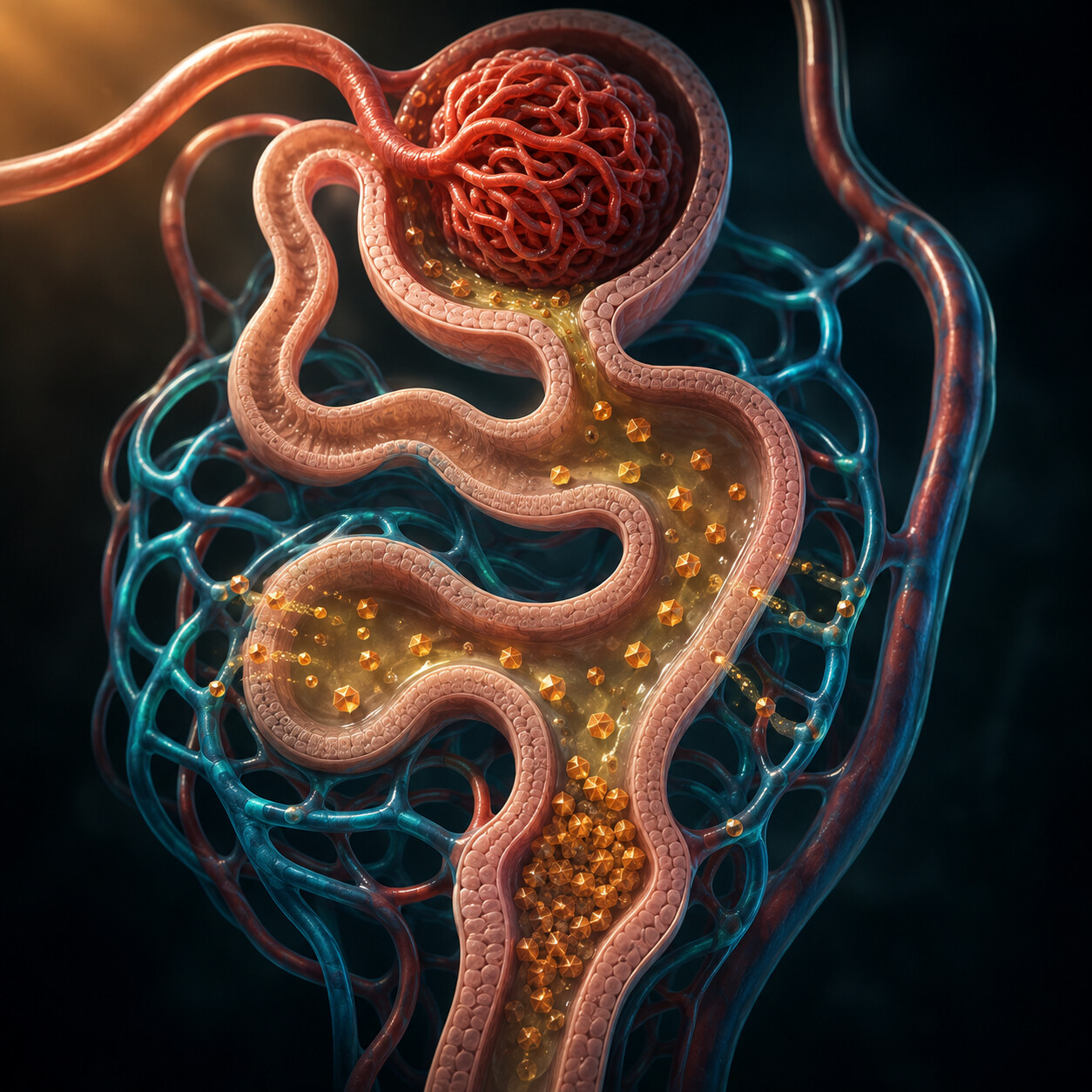
Figure 5. Reduced kidney filtration capacity is one of the most common non-dietary reasons homocysteine accumulates in the bloodstream instead of being cleared.
Because homocysteine's vascular damage depends entirely on it staying elevated over time, understanding what causes that elevation matters just as much as understanding the damage itself. The single most common cause worldwide is a shortfall in vitamin B12, folate, or vitamin B6 — the three nutrients the recycling pathways described earlier depend on. This can come from a diet genuinely low in these nutrients, but more often in developed countries it comes from a problem with absorption: conditions like celiac disease, atrophic gastritis, or the long-term use of medications like metformin and proton pump inhibitors can all reduce how efficiently the gut absorbs B12 specifically, even when someone's diet contains plenty of it.
Kidney function is another major, often underappreciated factor. The kidneys are directly responsible for clearing a meaningful portion of circulating homocysteine, and as kidney filtration capacity declines — whether from chronic kidney disease, diabetes-related kidney damage, or simply the gradual decline in kidney function that comes with aging — homocysteine clearance slows and blood levels rise, independent of vitamin status entirely. This is part of why homocysteine tends to climb steadily with age even in people eating a nutritionally adequate diet. Genetics also plays a well-documented role: variants in a gene called MTHFR, which produces an enzyme essential to the folate recycling pathway, are common in the general population and can meaningfully raise baseline homocysteine, particularly in people whose folate intake is already on the lower end. Beyond nutrition, kidneys, and genetics, several other factors are associated with higher homocysteine: hypothyroidism, certain seizure medications, smoking, heavy alcohol use, and psoriasis have all been linked to elevated levels in research, each through somewhat different mechanisms affecting either production or clearance.
Does Lowering Homocysteine With B Vitamins Actually Protect Your Blood Vessels?
This is, honestly, the most important and most frequently misunderstood question in this entire topic, and the science here is more nuanced than it might seem given everything described above about the biological damage homocysteine causes. It's well established that B12, folate, and B6 supplementation reliably lowers blood homocysteine levels — that part isn't in question. What turned out to be far less clear is whether lowering the number through supplementation actually reduces heart attacks, strokes, or deaths, and this is exactly what several large, well-designed clinical trials set out to test in the 2000s, including the HOPE-2, NORVIT, and VISP trials, each enrolling thousands of participants with either known cardiovascular disease or elevated stroke risk.
The results were, to many researchers' surprise, largely disappointing: across these major trials, B vitamin supplementation consistently and reliably lowered homocysteine levels by 20 to 30 percent or more, yet this reduction did not translate into a significant drop in heart attacks, and results for stroke prevention were mixed, with some trials showing a modest benefit and others showing none. This pattern has led most cardiovascular researchers and professional guidelines to conclude that homocysteine, while clearly a marker associated with vascular damage and clearly involved mechanistically in the biology described throughout this article, may be more of a downstream signal of broader vascular or nutritional dysfunction than an isolated, independently modifiable cause of cardiovascular events — at least when it comes to using vitamin supplementation alone as a treatment strategy in the general population.
Importantly, this doesn't mean addressing an elevated homocysteine level is pointless. Correcting a genuine B12 or folate deficiency remains important for reasons that go well beyond homocysteine and cardiovascular risk alone — deficiencies in these nutrients cause their own serious problems, including nerve damage and a specific type of anemia, regardless of what happens to a homocysteine number. And in people with very high homocysteine from a significant genetic enzyme deficiency (a rare condition called homocystinuria), aggressive treatment does meaningfully reduce a well-documented, very high risk of early blood clots and vascular events. The nuance is specifically about whether modestly elevated homocysteine in an otherwise average person, treated with standard-dose vitamins, changes that person's cardiovascular outcome — and the large trials suggest the answer is, at best, a smaller effect than the biology alone would predict.
One theory researchers have proposed to explain this gap between mechanism and trial outcome is called the "too little, too late" hypothesis: many of the participants in these trials already had established, years-in-the-making cardiovascular disease by the time they enrolled, meaning much of the structural damage to their arteries — stiffened walls, existing plaque — had already occurred and may not be fully reversible just by lowering one circulating marker, even if that marker contributed to the damage in the first place. A related and more recent line of research has looked specifically at whether folic acid fortification of the food supply, which many countries adopted decades ago to prevent birth defects, may have already lowered population-wide homocysteine enough that any additional supplementation in a trial setting has less room to show a measurable benefit. Some newer, more targeted analyses — including studies that specifically excluded participants already taking folic acid-fortified foods, or that focused on populations with genuinely severe elevation rather than mild-to-moderate levels — have found somewhat more encouraging signals for stroke prevention specifically, which is part of why current professional guidelines tend to describe the evidence as "mixed" or "insufficient to recommend routine supplementation for cardiovascular prevention" rather than an outright dismissal of the biology.
Who Tends to Get Tested, and Why the Answer Has Shifted Over Time
Homocysteine testing isn't part of a standard annual physical or a routine cholesterol panel, and that's deliberate — major cardiology guidelines have stopped short of recommending universal screening, largely because of the mixed treatment-trial evidence described above. Where the test does come up regularly is in more targeted situations: someone with a personal or strong family history of early cardiovascular disease — a heart attack or stroke before age 55 in a man or 65 in a woman, particularly with no obvious explanation like smoking, diabetes, or high cholesterol — is a common candidate, since homocysteine represents one more piece of the puzzle when the usual risk factors don't fully account for the event. It also comes up when a patient has experienced an unexplained blood clot, especially a younger patient without an obvious trigger like recent surgery or prolonged immobility, since homocysteine's effect on clotting described earlier makes it a reasonable piece of that workup. Neurologists sometimes order it when evaluating unexplained cognitive changes, and it's a standard part of the workup for anyone with signs or lab findings suggestive of a B12 or folate deficiency, since homocysteine tends to rise before the more classic markers of deficiency (like changes in red blood cell size) become apparent.
People with chronic kidney disease represent another group where testing is more common, not because treating the number is expected to change much on its own, but because kidney disease itself so reliably elevates homocysteine that clinicians managing these patients want the full picture of cardiovascular risk, since people with reduced kidney function already carry a disproportionately high burden of cardiovascular disease from multiple overlapping causes. Pregnant women are occasionally tested as well, since certain pregnancy complications — including preeclampsia and recurrent pregnancy loss — have been statistically associated with elevated homocysteine in research, though, much like the cardiovascular trial data, whether treating the number directly changes those outcomes remains an active area of study rather than settled practice.
For someone without any of these specific risk factors or family history flags, homocysteine testing typically isn't something a primary care provider will order proactively, which is a reasonable reflection of the current evidence rather than an oversight — it's a targeted test for specific clinical questions rather than a general-population screening tool, at least as of current guidelines.
What a High Result Actually Means for What You Do Next
For someone looking at an elevated homocysteine result for the first time, the most useful next step isn't self-treating with a high-dose vitamin supplement bought off a shelf — it's figuring out why the level is elevated in the first place, since the underlying cause changes what actually helps. A healthcare provider will typically start by checking B12, folate, and sometimes vitamin B6 levels directly, along with basic kidney function tests, since correcting an outright deficiency or identifying reduced kidney clearance reframes the entire picture. Someone whose elevated homocysteine turns out to be driven by a genuine B12 deficiency, for instance, needs that deficiency corrected regardless of any debate about cardiovascular trial outcomes, because untreated B12 deficiency carries its own separate, serious risks to the nervous system. Someone whose elevation traces back to reduced kidney function, on the other hand, is dealing with a different underlying problem that vitamin supplementation alone won't fully resolve, and the more relevant conversation becomes about kidney health itself.
Lifestyle factors also matter here in ways that overlap with general cardiovascular health advice: smoking cessation, moderating alcohol intake, and maintaining a diet reasonably rich in leafy greens, legumes, and fortified grains (all good natural folate sources) support healthy homocysteine metabolism as part of a broader pattern rather than as an isolated fix. For most people with a mildly-to-moderately elevated result and no clear deficiency or kidney issue identified, providers often take a broader view: treating homocysteine as one data point alongside blood pressure, LDL cholesterol, blood sugar, and family history, rather than as a single number to chase down in isolation. This reflects exactly the nuance from the research above — homocysteine's biological role in vascular injury is real, but the most effective response to an elevated result is usually addressing the whole cardiovascular risk picture, not fixating on one marker.
Frequently Asked Questions
Does taking B12, folate, and B6 supplements lower cardiovascular risk if my homocysteine is high?
These vitamins reliably lower homocysteine levels themselves, but large clinical trials like HOPE-2 and NORVIT found that lowering homocysteine this way did not consistently reduce heart attacks, and results for stroke were mixed. Correcting a true B12 or folate deficiency is still worthwhile for other health reasons, but it isn't a guaranteed way to reduce cardiovascular events from homocysteine alone.
What homocysteine level starts to matter for blood vessel health?
Most labs flag levels above roughly 15 µmol/L as elevated, though research on vascular risk often looks at levels as low as the mid-teens. The majority of people with homocysteine-related concern fall into a moderate elevation range (roughly 15–30 µmol/L) rather than the severe elevations seen with rare genetic enzyme deficiencies.
Can homocysteine damage blood vessels even if my cholesterol and blood pressure are normal?
Yes. Research using ultrasound measurements of endothelial function has shown impaired blood vessel relaxation in people with elevated homocysteine even when cholesterol, blood pressure, and other standard cardiovascular markers are within normal limits, since homocysteine's oxidative and clotting-related effects operate independently of those other risk factors.
Is elevated homocysteine reversible once it's been high for a while?
The level itself typically falls within weeks once the underlying cause — a vitamin deficiency, a medication effect, or an absorption problem — is identified and corrected. Whether the vascular changes that occurred while it was elevated fully reverse is less clear-cut and likely depends on how long and how severely the level was raised, which is part of why catching and correcting it earlier is generally considered better than waiting.
Conclusion
Elevated homocysteine is far from an inert lab curiosity — it's an amino acid that, once it accumulates beyond what your body's recycling pathways can keep up with, directly injures the endothelial lining of your blood vessels, chokes off the nitric oxide signal those vessels rely on to relax, tilts your blood's clotting balance in the wrong direction, and feeds into the same oxidative and inflammatory processes that build atherosclerotic plaque. At the same time, the honest, complete picture includes an important caveat: while the biology is well established, the largest clinical trials testing whether lowering homocysteine with vitamins actually prevents heart attacks and strokes found a smaller benefit than the mechanism alone would suggest. That combination — real biological damage, but an incompletely proven fix — is exactly why an elevated homocysteine result is worth understanding and discussing with a healthcare provider rather than either ignoring it or assuming a vitamin bottle alone will fully resolve the underlying risk. The most productive way to think about a high homocysteine number is as one thread in a much larger cardiovascular fabric: worth pulling on to see what it's connected to — a missed vitamin, a kidney that's working harder than it used to, a genetic quirk in how your body recycles amino acids — rather than a standalone verdict on the health of your arteries. Treated that way, it becomes exactly what a good lab marker should be: a starting point for a more complete conversation about your blood vessel health, not the end of one.
Still Not Sure What Your Results Mean?
Upload your labs and get a complete, visual, plain-language interpretation of every biomarker — delivered to your inbox in under 15 minutes.
Get My ReportThis article is for educational purposes only and does not constitute medical advice. Always consult your healthcare provider regarding your specific lab results.