
Why Your Body's Homocysteine Recycling System Slows With Age
Homocysteine was never meant to accumulate in the bloodstream — under normal conditions, your body recycles it back into useful molecules almost as fast as everyday amino acid metabolism produces it. What actually changes with age isn't production, it's that recycling system itself, and this article is specifically about why that system loses efficiency over time rather than a general list of what pushes homocysteine up at any age. Atrophic gastritis, a condition that quietly undermines the body's ability to absorb vitamin B12 even when it's plentiful in the diet, is present in roughly every second person aged 70 and older — one of several age-related mechanical failures, spanning digestion, kidney function, and genetics, that this article traces individually, alongside what the actual clinical trial evidence says about correcting each one once it's identified.
What Homocysteine Actually Is
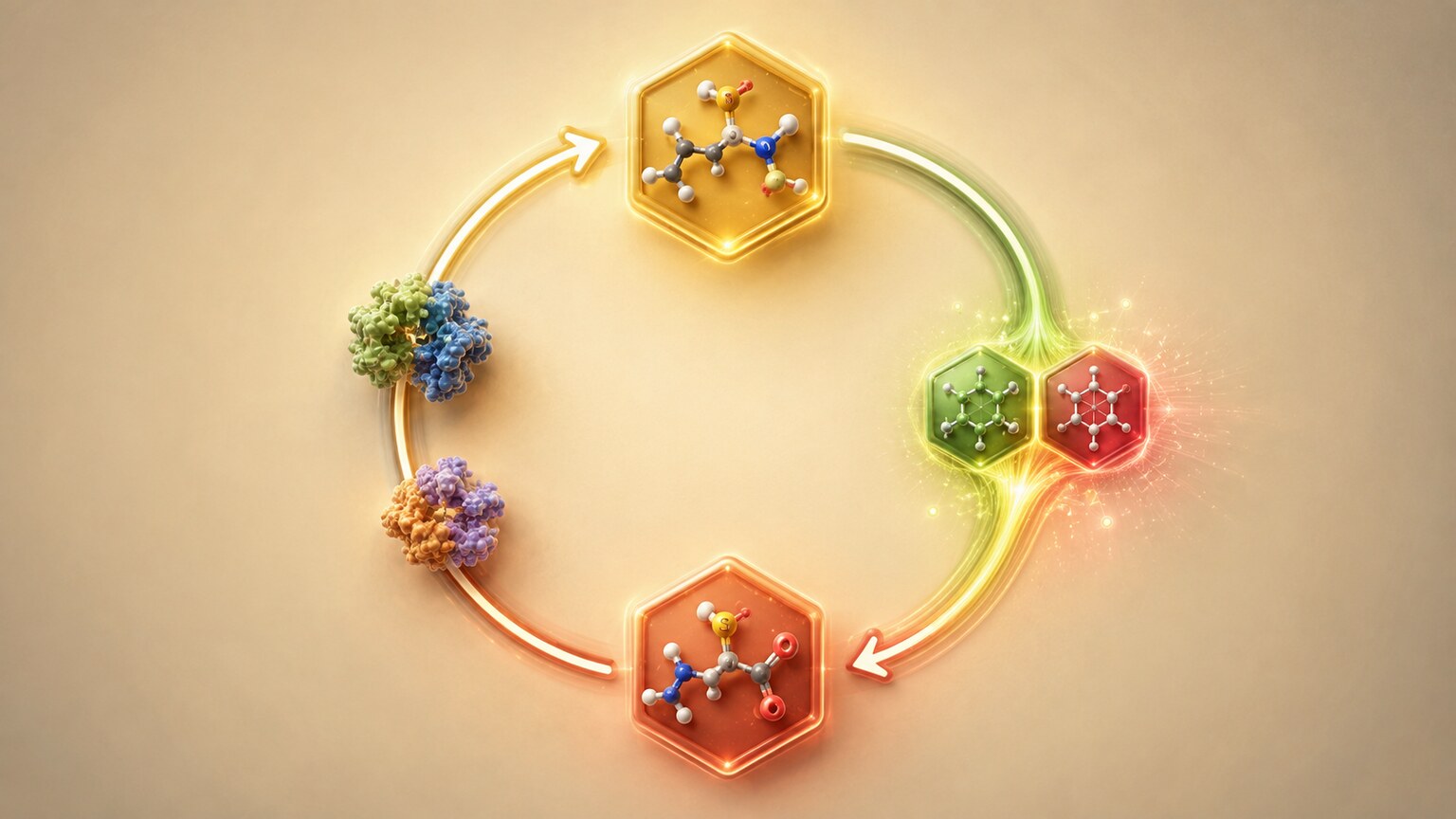
Homocysteine is an amino acid your body produces naturally as an intermediate step in processing methionine, an essential amino acid obtained from protein-rich foods like meat, eggs, and dairy and used throughout the body for countless ordinary cellular functions, including a process called methylation that affects how genes are expressed and how neurotransmitters and other important molecules get built. Under normal circumstances, homocysteine doesn't stick around for long. It's quickly and efficiently recycled through one of two distinct metabolic pathways: it can be converted back into methionine through a process called remethylation, essentially completing a loop and starting the cycle over again, or it can be permanently broken down through a separate process called transsulfuration, which ultimately produces cysteine and glutathione, one of the body's most important natural antioxidants and a molecule involved in protecting cells from oxidative damage. Both of these recycling pathways depend heavily on specific vitamin cofactors to function properly, and this dependency on vitamins is precisely where the age-related story begins. Only about 5% to 10% of the homocysteine actually generated inside your cells ever escapes into the bloodstream in the first place, with the remaining majority processed internally within the very same cells that produced it in the first place — but even that small leaked fraction needs to be cleared by the kidneys, adding a second organ system entirely, wholly separate from vitamin metabolism, to the list of things that need to keep working well for homocysteine to stay within a healthy range throughout life.
The Methylation Cycle: Where Most of the Age-Related Trouble Starts
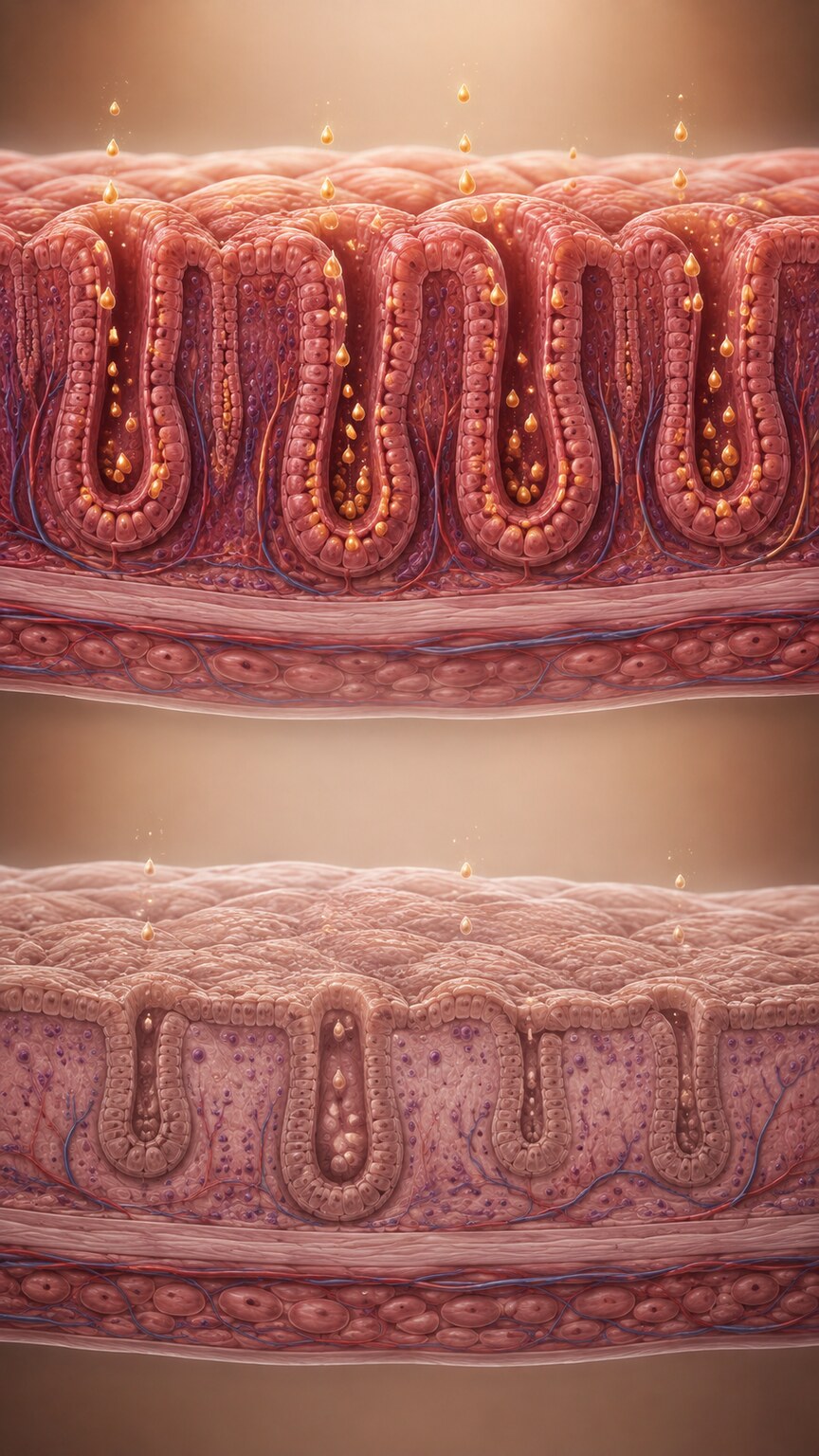
The remethylation pathway, which converts homocysteine back into methionine, depends on two specific B vitamins acting as cofactors: folate, in its active form called 5-methyltetrahydrofolate, and vitamin B12, which is required by the enzyme methionine synthase to actually carry out the conversion, physically transferring a methyl group from folate onto homocysteine in the process. A backup route exists in the liver using betaine, derived from dietary choline, but the folate-and-B12 pathway does the bulk of the work throughout the rest of the body, meaning most tissues throughout the body, from the liver to the brain to the bone marrow, remain heavily dependent on adequate B12 and folate status even when this backup route is functioning normally. When either of these vitamins runs low, remethylation slows down, and homocysteine that would normally be recycled starts accumulating in the blood instead, essentially backing up at exactly the point in the cycle where the vitamin-dependent enzyme was supposed to move it forward. This is exactly what tends to happen with age, and the culprit is often a condition called atrophic gastritis — a gradual thinning of the stomach lining that becomes dramatically more common as people get older, found in only about 7% of younger age groups but in roughly 47.8% of the oldest individuals studied, essentially affecting every second person aged 70 and above, a striking increase across the lifespan for a single, relatively under-discussed digestive condition that rarely produces obvious symptoms on its own until its downstream nutritional effects finally surface. Atrophic gastritis specifically impairs the stomach's ability to secrete intrinsic factor, a protein produced by specialized stomach cells and absolutely required for absorbing vitamin B12 from food once it reaches the small intestine, and it also reduces the stomach acid needed to release B12 from the proteins it's bound to in a normal meal, meaning the vitamin can be present in perfectly adequate amounts in the food itself and still never make it into the bloodstream in usable form. The end result is that even older adults eating a perfectly adequate diet can develop a genuine B12 deficiency purely because their stomach has become less capable of extracting and absorbing the vitamin that's right there on their plate, which is part of why B12 deficiency in this population is sometimes described as a problem of absorption rather than a problem of intake.
Curious what your own homocysteine result and related bloodwork actually mean? Upload your labs and get a complete, plain-language breakdown in under 15 minutes.
Analyze My ResultsWhy B6, B12, and Folate All Matter for This One Number
While B12 and folate handle the remethylation side of homocysteine metabolism, vitamin B6 plays the key cofactor role in the transsulfuration pathway, the route that permanently breaks homocysteine down into cysteine and glutathione rather than recycling it back into methionine, working through an enzyme called cystathionine beta-synthase that requires B6 as an essential cofactor to function at all. A deficiency in any one of these three vitamins — B6, B12, or folate — can independently interrupt homocysteine's normal metabolism and push blood levels upward, and deficiencies frequently overlap in older adults for reasons connected to changes in diet, appetite, and absorption that tend to accumulate with age rather than appearing in isolation from one another. Because all three vitamins converge on the same core metabolic pathway from different angles, each addressing a different enzymatic step along the way, a homocysteine test functions almost like an indirect, integrated readout of a person's overall B-vitamin status, which is part of why doctors find it clinically useful even though it's not, strictly speaking, a vitamin level itself — a single number that reflects the combined adequacy of three separate nutrients working through two separate metabolic pathways.
The Kidney Side of the Equation
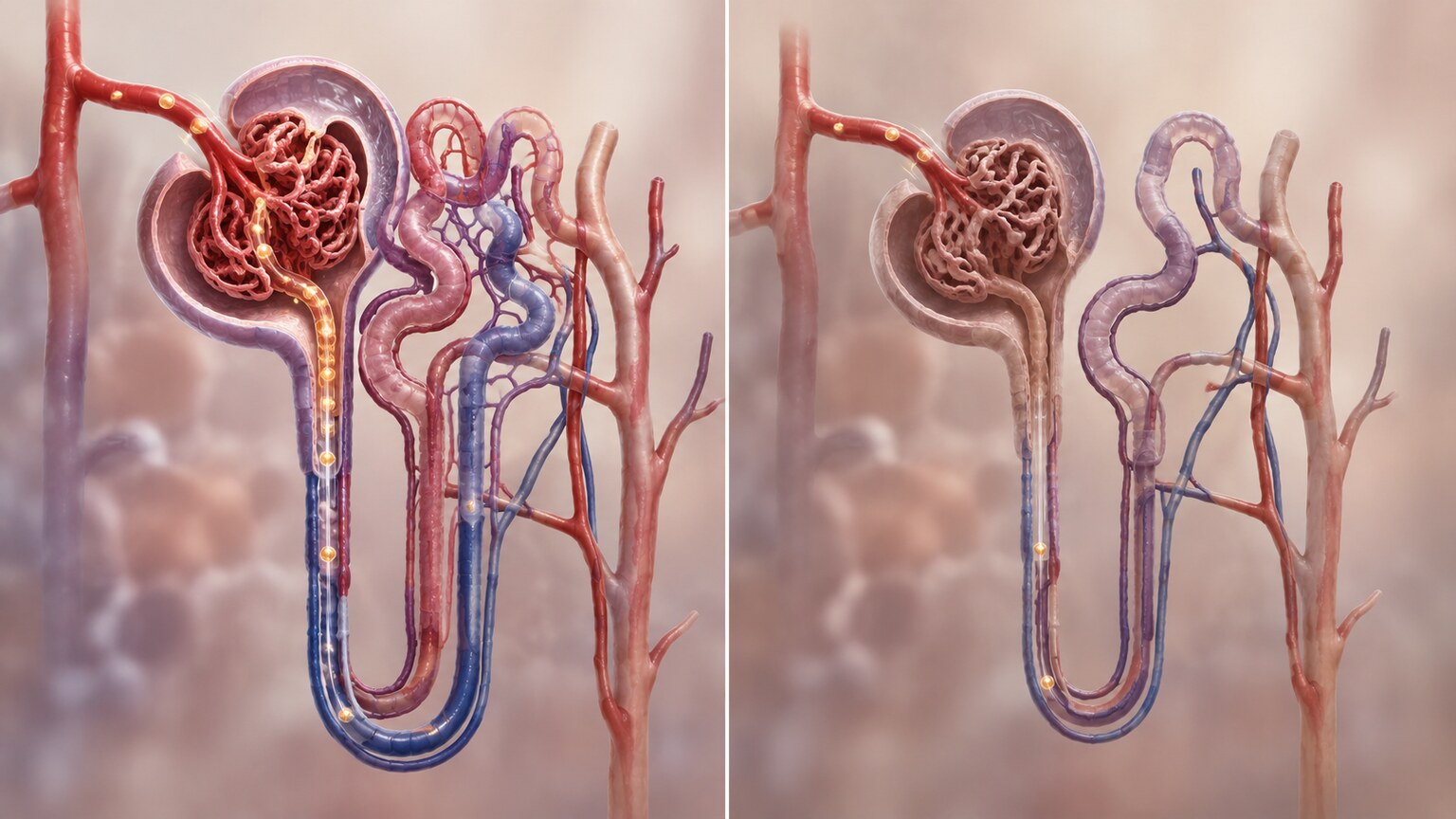
Vitamin availability is only half the story. The kidneys are responsible for clearing the small fraction of homocysteine that escapes cellular recycling and ends up circulating in the bloodstream, and kidney function itself declines gradually and predictably as a normal part of aging, independent of any specific kidney disease, simply as a consequence of the kidneys' filtering units gradually losing some of their functional capacity over decades of ordinary use. As filtering capacity drops, the kidneys become less efficient at clearing homocysteine from the blood, allowing it to accumulate even in someone with perfectly adequate vitamin levels and a fully functional methylation cycle, meaning kidney-related homocysteine elevation can occur completely independently of the vitamin-related mechanisms described above, in someone whose diet and digestive absorption are both functioning entirely normally. This relationship also runs in a genuinely concerning second direction: research has found that elevated homocysteine itself acts as a predictor of accelerated kidney function decline, meaning the relationship between homocysteine and kidney function isn't simply one-way, with the kidneys passively responding to whatever homocysteine level happens to show up. This creates a two-way reinforcing cycle in aging kidneys — declining kidney function raises homocysteine, and elevated homocysteine appears to further accelerate kidney function decline, plausibly through some of the same vascular and oxidative-stress mechanisms known to affect blood vessels throughout the rest of the body — which is part of why chronic kidney disease patients so consistently show significantly elevated homocysteine levels compared to people with normal kidney function, sometimes dramatically so in more advanced stages of kidney disease.
Why This Number Matters So Much for Cardiovascular Health
Elevated homocysteine isn't just a marker doctors track out of academic curiosity — it's recognized as an independent risk factor for cardiovascular disease, meaning it's genuinely associated with heart attack and stroke risk even after carefully accounting for other well-known risk factors like cholesterol and blood pressure in statistical models specifically designed to isolate its independent contribution, suggesting it contributes something genuinely distinct to overall cardiovascular risk rather than simply tracking alongside factors that were already being measured. Researchers have proposed several specific mechanisms behind this association: elevated homocysteine appears to impair normal endothelial function, the inner lining of blood vessels responsible for keeping them relaxed and healthy and regulating blood flow appropriately; it increases oxidative stress throughout the vascular system, generating reactive molecules that can damage the cells lining blood vessel walls and accelerate their normal aging process over time; it promotes vascular inflammation, a process increasingly recognized as central to how arterial plaques actually form and progress; it stimulates unwanted proliferation of vascular smooth muscle cells, a process linked to arterial narrowing over time and a thickening of the vessel wall itself; and it activates coagulation factors, increasing the tendency for blood to clot at exactly the locations where vessel walls have already been damaged by the other mechanisms described above, potentially compounding the overall risk in a way that's greater than any single mechanism acting alone. Because age-related declines in vitamin absorption and kidney function both push homocysteine upward through completely independent mechanisms, and because cardiovascular risk itself climbs with age for many other reasons entirely, elevated homocysteine in an older adult often represents a genuine convergence of several risk factors worth taking seriously rather than dismissing as an incidental finding attributable simply to "getting older."
The Genetic Factor That Can Compound Everything Else
The methylation cycle that homocysteine sits at the center of doesn't just affect this one molecule in isolation — it's also responsible for a wide range of other cellular processes throughout the body, including DNA repair, neurotransmitter synthesis, and the maintenance of the protective myelin sheath around nerve cells, which is part of why untreated B12 deficiency can eventually produce neurological symptoms alongside the more commonly discussed effect on homocysteine and red blood cell production. Beyond age-related vitamin and kidney changes, genetics play a meaningful role in how efficiently any individual person's body handles homocysteine throughout their entire life, and these genetic factors don't disappear or become less relevant with age — if anything, their effects can become more visible once the body's other compensatory systems start to weaken and are no longer able to fully mask an underlying enzymatic inefficiency that was there all along. Certain gene variants affecting the enzymes involved in homocysteine metabolism, including the well-studied MTHFR gene along with several related genes involved in the methylation cycle such as MTR and MTRR, are associated with reduced enzyme efficiency and a higher tendency toward folate deficiency and elevated homocysteine, jointly raising risk when multiple variants are present in the same person rather than acting in isolation from one another. Someone carrying one of these gene variants, often without ever having been formally tested for it or even being aware it exists, may have gotten by for decades on a diet and metabolism that mostly compensated for the underlying inefficiency, eating enough folate and B12 to keep the pathway running adequately despite its reduced baseline efficiency, only to see homocysteine climb more noticeably once age-related declines in B12 absorption or kidney clearance remove some of that compensatory buffer that had quietly been doing extra work all along. This is part of why two people of the same age, eating similar diets, can end up with meaningfully different homocysteine levels — the underlying genetic efficiency of their methylation cycle was never identical to begin with, even before age-related changes entered the picture, meaning genetics essentially set each person's own personal baseline vulnerability well before any of the other factors discussed in this article start to matter.
Dietary Changes That Compound the Problem

Absorption problems aren't the only dietary factor at play — actual intake of B12- and folate-rich foods often declines with age too, compounding the absorption difficulties described above rather than acting as a separate, unrelated cause working through a completely different mechanism. Vitamin B12 is found almost exclusively in animal-based foods like meat, fish, eggs, and dairy, meaning there's no meaningful plant-based dietary source to fall back on if animal product intake drops, unlike several other vitamins where a reduced intake of one food group can often be offset by another, and older adults frequently eat less of these foods than they once did, often for very practical reasons that have nothing to do with a conscious dietary choice: dental problems making meat difficult to chew are one of the most commonly cited causes of reduced meat consumption in older populations, and appetite itself tends to decline gradually with age through changes in hunger-regulating hormones, medication side effects, and a reduced sense of taste and smell, both of which can make previously enjoyable meals feel considerably less appealing than they once did. Research on very elderly populations, including detailed dietary intake studies tracking what people in their eighties and nineties actually eat day to day, has specifically identified reduced food intake, alongside reduced gastrointestinal absorption, as a joint risk factor for both folate and B12 deficiency, meaning the age-related homocysteine story often involves less of these nutrients coming in through the diet at the exact same time that the body has become less capable of absorbing whatever does make it onto the plate. This combination — lower intake stacked directly on top of reduced absorption — helps explain why B12 deficiency in older adults is often more pronounced than either factor would produce entirely on its own, and why addressing just one side of the equation, either diet or absorption, sometimes isn't enough to fully correct the underlying deficiency.
Does Correcting Homocysteine With Supplements Actually Prevent Heart Disease?
Given how strongly elevated homocysteine correlates with cardiovascular risk in observational studies that simply tracked large groups of people over time without intervening, it would be reasonable to assume that simply supplementing with B6, B12, and folate to lower homocysteine back into a normal range should meaningfully reduce a person's risk of heart attack or stroke — and this is exactly the question a number of large randomized controlled trials set out to answer directly. The results turned out to be more nuanced than expected. B vitamin supplementation reliably and significantly lowers homocysteine levels, that part of the equation is well established and consistently reproduced across trials. However, when researchers looked at whether that same supplementation actually reduced cardiovascular events like heart attacks, coronary artery disease, or cardiovascular death, the results across randomized controlled trials were largely inconclusive, with meta-analyses finding a significant protective effect specifically for stroke risk but no clear benefit for overall cardiovascular disease, heart attack, coronary heart disease, or all-cause mortality — a genuinely surprising split in outcomes that researchers are still working to fully explain, given how strong and consistent the observational association between homocysteine and stroke risk specifically appeared to be in the studies conducted before these intervention trials were carried out. This doesn't mean homocysteine itself is unimportant — the underlying association between elevated homocysteine and cardiovascular risk remains well documented across a large body of observational research — but it does suggest that homocysteine may be more of a marker reflecting other underlying problems, like impaired kidney function or broader nutritional status accumulated over years, than a direct, independently modifiable cause of heart disease in its own right, similar to how a fever can reliably signal an infection without the fever itself being the thing that actually needs to be treated. In practical terms, this means correcting a genuine vitamin deficiency identified through an elevated homocysteine result is still worthwhile for its own sake — treating an actual nutrient deficiency has real, well-established benefits independent of cardiovascular outcomes, including improved energy, cognitive function, and blood cell production — but shouldn't be expected to function as a standalone strategy for preventing heart disease on its own.
What a Rising Homocysteine Level Typically Means at Different Ages
In practical terms, a mildly elevated homocysteine level discovered on routine bloodwork in an older adult is common enough that it often prompts a fairly standard, non-alarming workup rather than an urgent one: checking vitamin B12 and folate levels directly, reviewing kidney function through standard markers like creatinine and eGFR, and carefully considering whether diet, absorption, or some combination of both is the more likely driver behind the specific number sitting in front of the doctor. Because B12 deficiency specifically is both common and often correctable with straightforward supplementation — whether through oral high-dose tablets, which can overcome absorption problems through sheer concentration even when intrinsic factor is significantly reduced, or through injections that bypass the digestive absorption process entirely and deliver the vitamin directly into the bloodstream — many cases of age-related homocysteine elevation improve meaningfully within a matter of weeks to months once the underlying vitamin deficiency is identified and addressed directly. Kidney-related elevation is managed somewhat differently, since it reflects declining filtration capacity rather than a nutrient shortfall, and treatment focuses more on managing kidney health broadly, including blood pressure control, appropriate hydration, and avoiding medications or substances that place unnecessary additional stress on already-declining kidney function, than on vitamin repletion alone, though B-vitamin support is often still part of the overall approach given how commonly the two contributing factors overlap in the same person and reinforce each other's effects on the final measured homocysteine value.
How Homocysteine Testing Actually Works
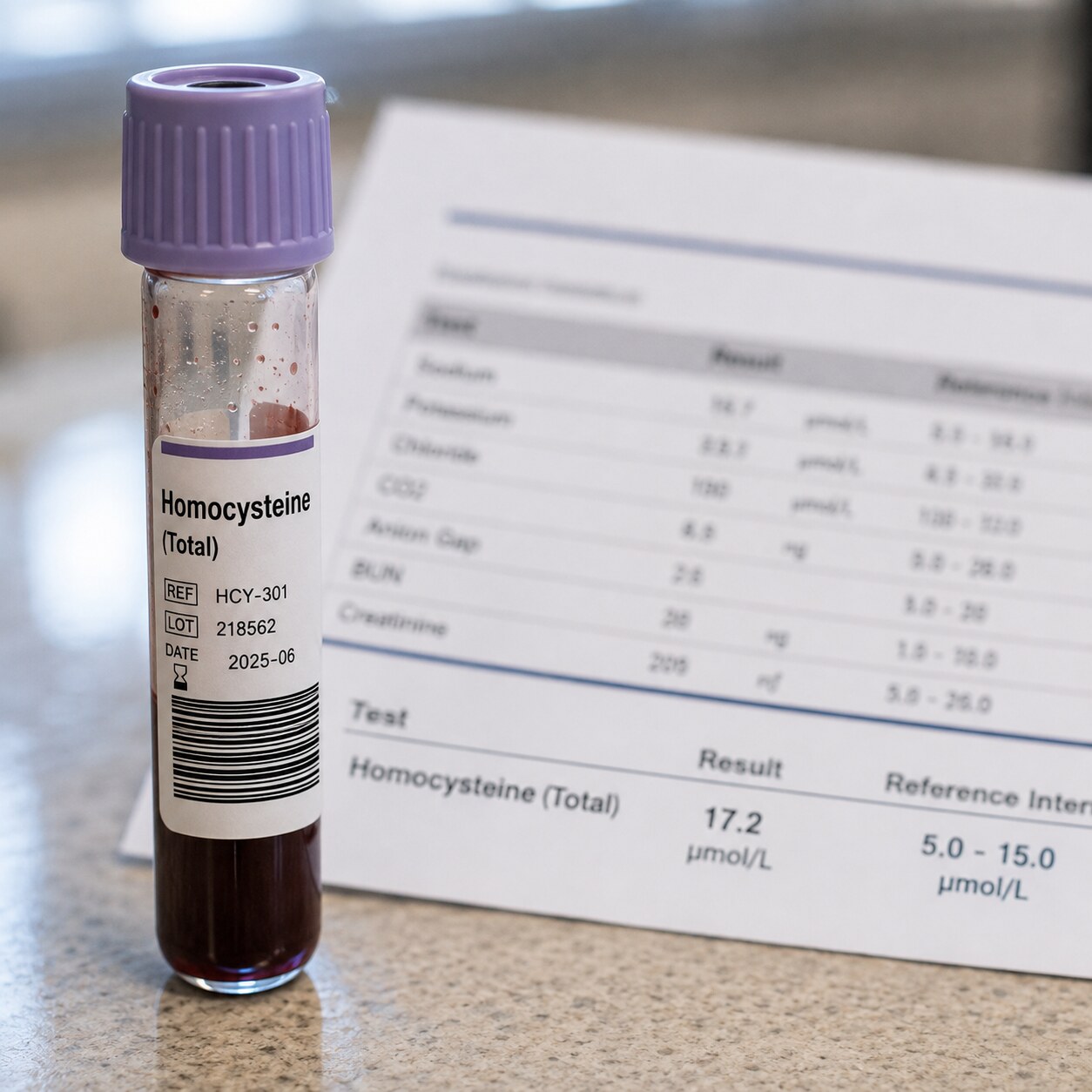
A homocysteine test is a simple blood draw, no different in procedure from most other routine bloodwork, typically requiring a period of fasting beforehand since recent food intake, particularly a protein-rich meal containing methionine, can temporarily raise the measured level and produce a result that doesn't reflect a person's true baseline status. The test measures total plasma homocysteine, capturing the combined pool of the free form circulating in blood along with homocysteine bound to proteins and other small molecules, giving a single comprehensive number rather than several separate fractions that would each need to be interpreted individually and weighed against one another. Reference ranges can vary somewhat from one laboratory to another depending on the exact assay used, but values are generally considered normal below roughly 15 micromoles per liter, with progressively higher values classified as mild, moderate, or severe elevation depending on how far above that threshold the result falls, a tiered classification that helps guide how urgently a workup for the underlying cause actually gets pursued in practice. Because homocysteine reflects the combined influence of vitamin status, kidney function, diet, and genetics all at once, an elevated result on its own doesn't specify which of these several factors is actually responsible — which is exactly why the follow-up testing described earlier in this article, checking B12, folate, and kidney function directly, is such a routine and important next step rather than an optional one. Some labs also offer a specific test for methylmalonic acid, a separate compound that accumulates specifically when B12 is deficient, which can help confirm a B12-related cause even in borderline cases where the B12 level itself sits in an ambiguous, not-clearly-deficient range that would otherwise be difficult to interpret with confidence.
Frequently Asked Questions
Why does homocysteine tend to rise as people get older?
Mainly because of two overlapping age-related changes: reduced vitamin B12 and folate absorption, often due to a stomach condition called atrophic gastritis, and a natural decline in kidney function that reduces the body's ability to clear homocysteine from the blood.
What is atrophic gastritis, and why does it matter for homocysteine?
It's a thinning of the stomach lining that becomes far more common with age, impairing the stomach's ability to produce intrinsic factor and stomach acid, both of which are needed to properly absorb vitamin B12 from food.
Which vitamins are involved in keeping homocysteine levels normal?
Folate and vitamin B12 are needed to recycle homocysteine back into methionine, while vitamin B6 is needed for the separate pathway that permanently breaks it down into cysteine and glutathione.
Why do doctors care about elevated homocysteine specifically?
It's recognized as an independent risk factor for cardiovascular disease, associated with impaired blood vessel function, increased oxidative stress, vascular inflammation, and an increased tendency for blood to clot.
Can genetics affect homocysteine levels independent of age?
Yes. Certain gene variants, including well-studied MTHFR variants, reduce the efficiency of homocysteine-processing enzymes, and their effects can become more noticeable once age-related declines in vitamin absorption or kidney function remove other compensating factors.
Does reduced food intake in older age also contribute to rising homocysteine?
Yes. Many older adults eat less B12- and folate-rich food due to appetite decline or dental issues affecting meat consumption, compounding the reduced absorption caused by conditions like atrophic gastritis.
Does taking B vitamins to lower homocysteine actually prevent heart disease?
B vitamin supplementation reliably lowers homocysteine, but randomized trials have found inconclusive results for preventing overall cardiovascular disease, though a significant protective effect was found specifically for stroke risk.
Do I need to fast before a homocysteine blood test?
Typically yes. Recent food intake, especially a protein-rich meal, can temporarily raise the measured level, so fasting beforehand helps ensure the result reflects a person's true baseline status.
Conclusion
A rising homocysteine level with age isn't a mysterious phenomenon — it's the predictable, well-documented consequence of several separate biological systems gradually becoming less efficient at the same time, each contributing its own piece to the final number that eventually shows up on a lab report. Vitamin B12 and folate absorption decline as atrophic gastritis becomes more common with age, slowing the remethylation pathway that would normally recycle homocysteine back into methionine, while a natural decline in kidney filtration capacity reduces the body's ability to clear whatever homocysteine escapes into the bloodstream, working through a completely independent physiological route. Reduced dietary intake of B12- and folate-rich foods, often driven by appetite changes or dental difficulties rather than any deliberate choice, compounds these absorption problems further, and genetic differences in methylation efficiency can compound all of these age-related changes on top of one another, explaining why homocysteine levels vary so much between people of the same age eating broadly similar diets. Understanding these mechanisms turns an unfamiliar lab value into something genuinely actionable, since B12 deficiency in particular is both common in older adults and straightforward to identify and correct once it's recognized as the likely driver — even though, as the research on B-vitamin supplementation trials shows, correcting the number itself isn't a guaranteed shortcut to eliminating cardiovascular risk on its own. Taken together, a homocysteine result in an older adult is best understood not as a single isolated finding, but as a signal worth tracing back carefully to its actual underlying cause among the several genuine, well-documented possibilities this article has laid out.
Still Not Sure What Your Results Mean?
Upload your labs and get a complete, visual, plain-language interpretation of every biomarker — delivered to your inbox in under 15 minutes.
Get My ReportThis article is for educational purposes only and does not constitute medical advice. Always consult your healthcare provider regarding your specific lab results.