
Why Is My Troponin High After Intense Exercise?
If you had blood drawn shortly after a hard run, a triathlon, or any prolonged bout of intense exercise and your troponin came back above the reference range, the most likely explanation isn't a heart attack — it's the exercise itself. A large and growing body of research on marathon runners, cyclists, and other endurance athletes has repeatedly found that vigorous, prolonged exertion can push troponin, a protein normally used to detect heart muscle injury, temporarily above the normal cutoff in people with completely healthy hearts. This is sometimes called "exercise-induced troponin elevation," and in most healthy people it isn't a sign of damage at all — it appears to reflect a different, reversible process related to how hard the heart is working, not death of heart muscle cells. That said, troponin is taken seriously for good reason, and there are specific situations — new chest pain, a first-time abnormal result in someone with heart disease risk factors, or a level that doesn't come back down — where a truly elevated reading deserves a real medical look rather than being waved away as "just exercise." This article walks through what troponin actually is, why hard exercise raises it, what the research shows about how common and how high this gets, and exactly how a doctor tells a benign exercise effect apart from something that needs attention.
What Troponin Actually Is, and Why It's Not Supposed to Be in Your Blood at All
To understand why exercise can raise troponin, it helps to understand what the molecule actually does for a living, because it isn't a waste product or a stress hormone — it's a structural gatekeeper protein that lives deep inside the machinery of every heart muscle cell, called a cardiomyocyte. Think of a heart muscle cell as a tiny engine built almost entirely out of two interlocking proteins, actin and myosin, that slide past each other to produce the contraction you feel as a heartbeat. Left alone, those two proteins would grab onto each other and contract constantly, all the time, which would be useless — a heart has to relax between beats to refill with blood. Troponin's entire job is to sit on that actin filament like a molecular latch, physically blocking myosin from grabbing on until a signal (a sudden rush of calcium into the cell) tells troponin to shift out of the way for a fraction of a second. That shift is what allows one heartbeat to happen; troponin then snaps back to blocking position until the next calcium signal arrives. It repeats this on-off latch action roughly 100,000 times a day for your entire life, and under completely normal, healthy conditions, essentially none of it is supposed to be floating around loose in your bloodstream — it is bound tightly inside the muscle fiber, doing its job, not leaking out.
The reason a troponin blood test exists at all is that this changes the instant heart muscle cells are damaged. When a cardiomyocyte is injured badly enough — classically, when it's starved of oxygen during a heart attack and begins to die — its outer membrane breaks down, and the troponin that had been locked inside leaks out into the surrounding tissue and eventually into the bloodstream, where a blood draw can detect it. Because cardiac troponin (there are two versions doctors test, called troponin I and troponin T) is made almost exclusively by heart muscle and by no other tissue in meaningful amounts, finding it in the blood at all is normally a very specific signal that heart muscle cells, somewhere, have been hurt. This is exactly why troponin replaced older, less specific enzyme tests in emergency rooms starting in the late 1990s — a positive troponin used to mean, with very high confidence, "something has damaged your heart muscle." The modern high-sensitivity troponin assays used in most labs today are so good at detecting tiny amounts of this protein that they can pick up levels that would have been completely invisible to older tests from just a decade or two ago — which, as you'll see below, is part of why exercise-related elevations get flagged so much more often now than they used to.
The two forms doctors actually order, troponin I and troponin T, come from slightly different genes and get measured with different antibody-based assays, but for the purposes of understanding an exercise-related result, they behave similarly enough that the distinction matters more to a lab's equipment choice than to how you should interpret your own number. Both are considered "cardiac-specific" because the versions of these proteins made in skeletal muscle (the muscles in your arms, legs, and back) are structurally different enough that standard assays essentially can't confuse the two — a sore, overworked leg muscle after a hard leg day at the gym will not, on its own, raise cardiac troponin, even though it very much will raise other, less specific muscle-injury markers like creatine kinase. That specificity is precisely why an elevated cardiac troponin after a hard workout points doctors back toward the heart rather than toward general muscle soreness, and why the phenomenon discussed in this article is genuinely about the heart's own cells, not an artifact of sore quads or a strained back.
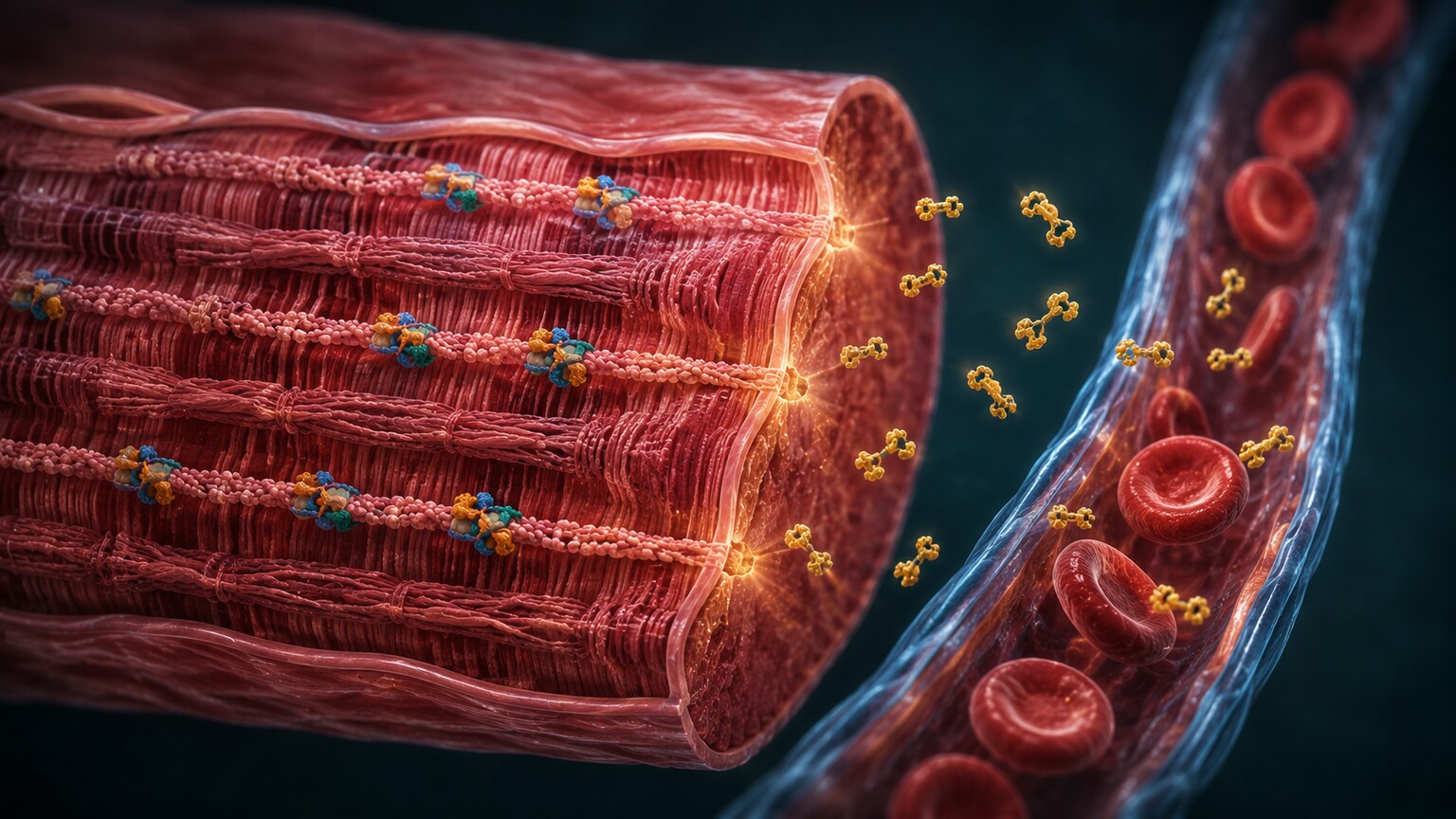
Figure 1. Cardiac troponin normally stays bound inside the heart muscle cell's contractile filaments; it only appears in blood once it crosses the cell's outer membrane.
Exercise-Induced Troponin Rise vs. a Heart Attack: What's Actually Different
The most important distinction to understand is that "troponin in the blood" and "heart attack" are not the same thing, even though the second is what the test was originally built to catch. A heart attack causes troponin release through cell death (necrosis): the oxygen supply to a section of heart muscle is cut off, usually by a blocked artery, the cells in that region die, and their contents — troponin included — spill out permanently, because a dead cell cannot reabsorb anything. That's an irreversible, one-way event, and it shows a very characteristic pattern on repeat blood draws: troponin rises over several hours, peaks, and then declines slowly over days as the body clears it, all while the person typically has other signs — chest pain, shortness of breath, ECG changes — pointing to the same event.
Exercise-induced troponin elevation appears to work through an entirely different door. The leading scientific explanation is that intense, prolonged exertion increases the permeability of the cardiomyocyte's outer membrane — essentially, the membrane becomes temporarily "leakier" than usual, letting small amounts of free troponin that exist loose in the cell's cytoplasm (as opposed to the much larger pool bound into the contractile machinery) slip out into the bloodstream, without the cell actually dying. Researchers have proposed a few mechanisms for why the membrane gets leakier under this kind of physical stress, covered in more detail further down, but the practical upshot is the same: no cell death, no permanent injury, and — critically — a pattern that behaves completely differently on follow-up testing. Levels that rise after a hard endurance event typically peak within a few hours of finishing and return to a normal baseline within roughly 24 to 72 hours, even without any treatment at all, simply because the underlying stress (the workout) has stopped and the membrane returns to its normal, tighter state.
A Brief History: Why This Wasn't Noticed Until Fairly Recently
If exercise has always caused this effect, a reasonable question is why it's only become a well-known talking point in cardiology over the past fifteen to twenty years rather than showing up in medical textbooks decades ago. The answer has less to do with human physiology changing and everything to do with how much better the test itself has gotten. Troponin assays used in the 1990s and early 2000s, while genuinely groundbreaking compared to what came before, could only reliably detect fairly large amounts of the protein — enough to catch a real heart attack, but nowhere near sensitive enough to pick up the much smaller amounts released by a stressed but uninjured heart muscle cell during exercise. Starting around the early 2010s, labs began widely adopting what are called high-sensitivity troponin assays, engineered to detect concentrations roughly ten to one hundred times lower than the older generation of tests could see.
That leap in sensitivity was a genuine advance for diagnosing real heart attacks earlier and more confidently, but it came with a side effect: it also started picking up the small, physiological troponin release from things that were never dangerous in the first place, including hard exercise, and, as it turns out, several other non-cardiac situations covered in a related article below. Older assays essentially couldn't see exercise-induced elevation because the amounts involved were below their detection floor; it isn't that marathon runners in the 1980s had different hearts than marathon runners today; it's that nobody's test could have caught this before. This is worth knowing because it reframes the whole phenomenon correctly: a high-sensitivity troponin assay finding a small amount of protein after a marathon isn't the test being oversensitive or wrong — it's the test doing exactly what it was engineered to do, and it's up to clinical judgment, not the number alone, to sort out what that finding actually means in context.
What the Research Actually Shows in Endurance Athletes
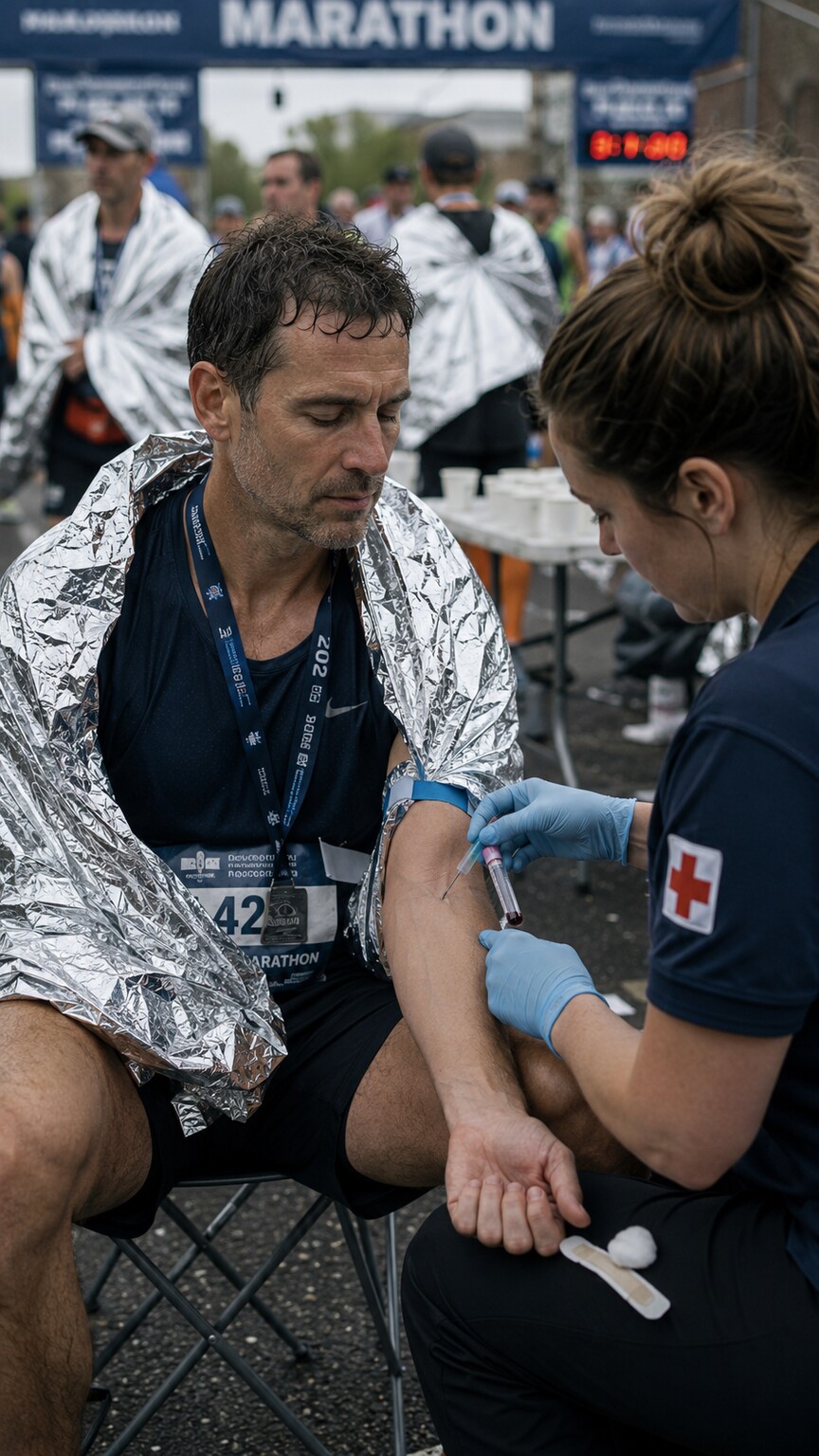
Figure 2. Post-race blood draws from marathon finishers are where much of the research on exercise-induced troponin elevation comes from.
This isn't a fringe finding or a single odd study — it's one of the more consistently replicated observations in sports cardiology over the past two decades. Studies drawing blood from marathon and ultramarathon finishers within an hour or two of crossing the line have repeatedly found that a substantial share of otherwise healthy runners — commonly cited figures range from roughly 30% to as high as 50% or more in some ultra-endurance cohorts — show troponin above the standard reference cutoff, despite having no chest pain, no heart attack, and no detectable heart damage on further testing like echocardiograms. The effect isn't unique to running either; it's been documented after cycling events, triathlons, and even in recreational athletes completing a single very demanding training session, though the highest and most frequent elevations tend to show up in the longest, most grueling endurance events.
What makes this genuinely interesting from a physiology standpoint is what doesn't predict it well. You might assume that the least-trained, least-fit participants would be the ones whose hearts show the most "strain," but the data doesn't consistently support that. Instead, the strongest predictors tend to be the duration and intensity of the specific event itself — how long and how hard the heart worked that day — rather than someone's overall fitness level or training history. A well-trained, experienced marathoner running their tenth race can show just as much of a troponin rise as a first-timer, because both hearts are being asked to sustain a high output for hours on end, and it's that sustained workload, not fitness level, that appears to drive the membrane changes behind the release. This is part of why sports cardiologists generally view the phenomenon as an expected physiological response to a genuinely demanding workload rather than evidence that endurance exercise is secretly harming the heart in healthy people.
Why Hard Exercise Causes This: The Leading Theories
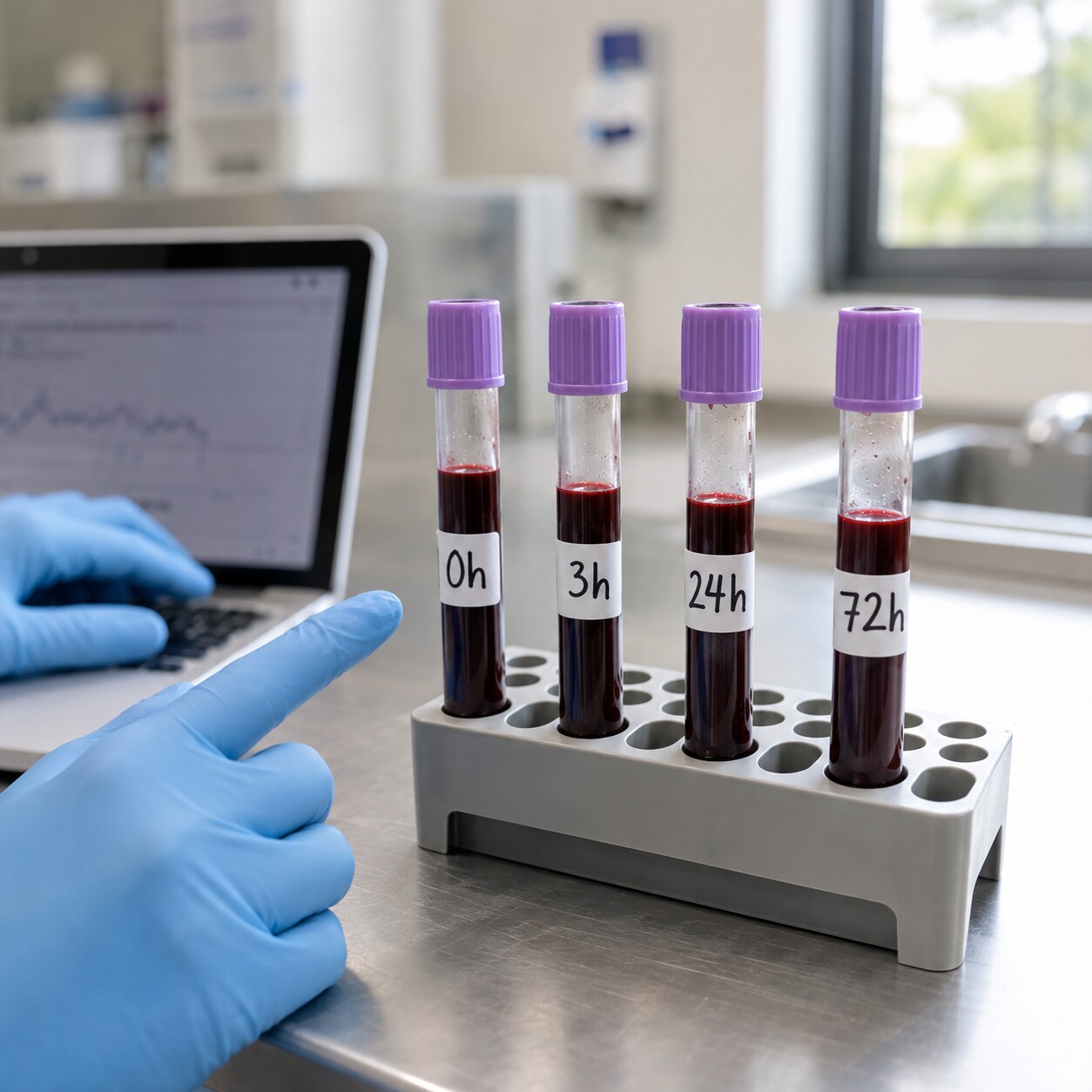
Figure 3. Serial blood draws taken hours apart are what allow doctors to see a rise-and-fall pattern rather than relying on a single number.
No single mechanism has been proven beyond doubt, and this remains an active area of cardiology research, but several physiologically plausible explanations have gained the most support, and they likely act together rather than one being solely responsible. The first is mechanical: during sustained, intense exercise, the volume of blood returning to and being pumped by the heart increases dramatically, stretching the walls of the heart's chambers — particularly the right ventricle, which handles a large increase in workload during endurance efforts — more than they experience at rest. This repeated stretching may physically increase the permeability of the muscle cell membrane in a way that's temporary and doesn't kill the cell, similar to how skeletal muscle fibers become "leaky" and release their own damage markers, like creatine kinase, after an unusually hard workout, without the muscle actually being destroyed.
A second theory points to the surge of catecholamines — adrenaline and related stress hormones — that flood the bloodstream during intense exertion, which are known to have direct effects on cell membrane behavior and could plausibly increase permeability on their own. A third, more debated possibility involves brief, localized reductions in blood flow to small regions of heart muscle during maximal effort (sometimes described as transient subclinical ischemia), particularly in extremely long events, though this remains harder to prove directly without invasive testing and isn't considered necessary to explain most of what's observed in shorter, though still demanding, events. What all three theories share is the same underlying idea: this is the heart's cell membranes responding to an intense but ultimately survivable physiological load, not muscle tissue actually dying the way it does in a true infarction.
A useful, if imperfect, way to picture the difference is to think of the cell membrane less like a solid brick wall and more like a tightly woven window screen. Under normal conditions, that screen keeps everything on the correct side — nothing meaningful gets through in either direction. Push hard enough against a window screen, though — stretch it, vibrate it, put it under sustained mechanical load — and its weave can loosen just enough to let small particles slip through the gaps without the screen itself tearing or breaking. That's closer to what's thought to happen during intense exercise: the "screen" strains and loosens temporarily under load, letting some of the small, loose troponin inside leak out, and then it tightens back up once the load is removed. A heart attack, by contrast, is the screen actually being torn open — a permanent breach, not a temporary loosening — which is why the two situations, despite both technically involving "troponin escaping the cell," behave so differently afterward.
How High Does It Actually Go, and Who Sees This Most
The degree of elevation seen after exercise is generally modest to moderate compared with the dramatic, many-fold-above-normal spikes typically seen in an actual heart attack, though there is real variability, and some endurance athletes — particularly ultramarathoners and long-distance triathletes — have been documented with levels several times above the standard reference cutoff purely from the event itself. Studies have found the degree of rise correlates most closely with how long and how intensely someone exercised: a 5K run rarely produces a meaningful change, a marathon frequently does, and events lasting many hours, like ultramarathons and full-length triathlons, tend to produce the largest and most frequent elevations of the group. Age doesn't appear to protect against this — masters-level and older endurance athletes show the effect just as readily as younger competitors — and it has been documented in people with no cardiovascular risk factors whatsoever, underscoring that it reflects the exercise itself rather than any pre-existing weakness in the heart.
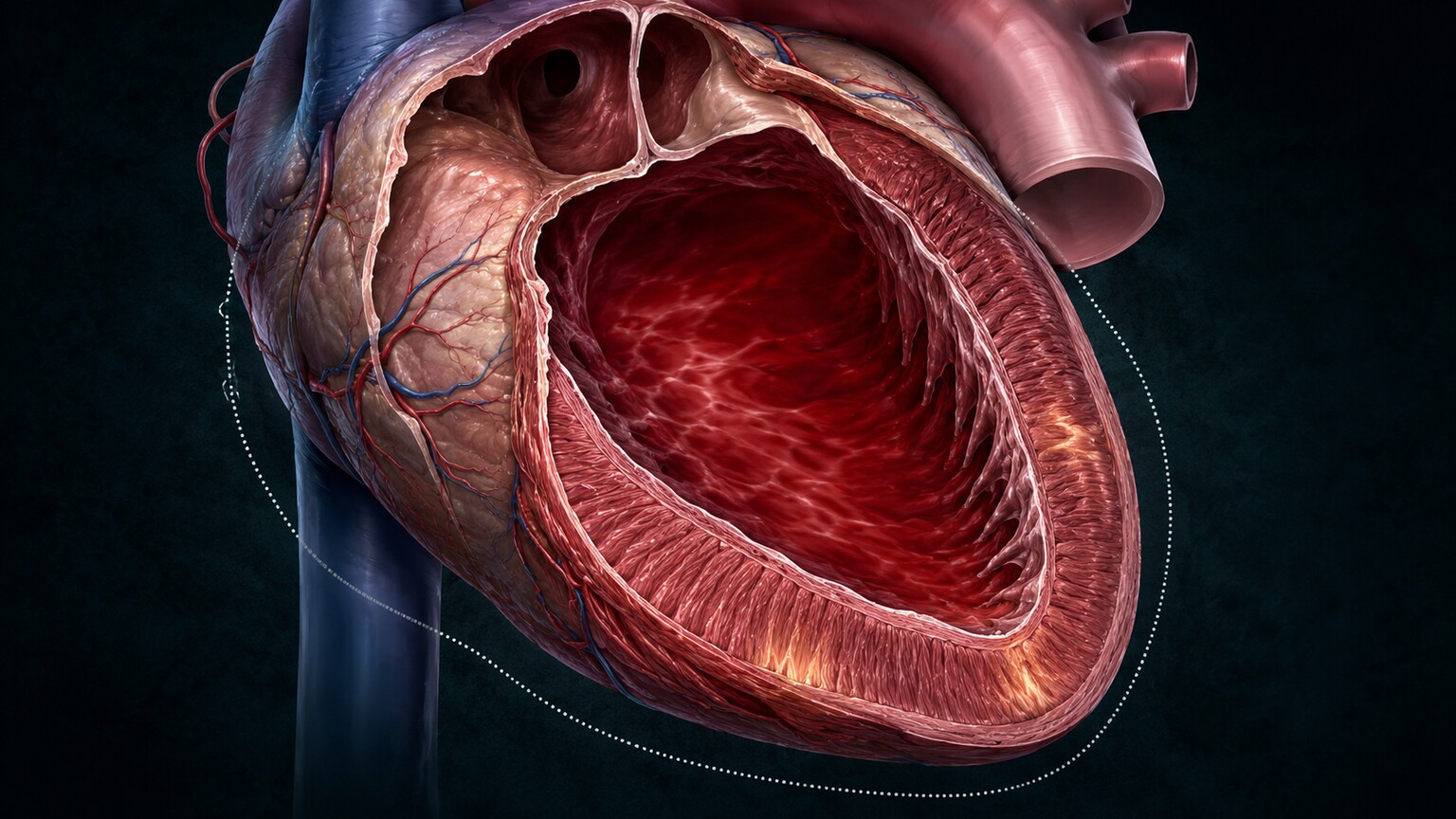
Figure 4. Sustained high blood flow during endurance events stretches the ventricular wall more than it experiences at rest, one of the leading proposed triggers for membrane permeability changes.
It's also worth knowing that not everyone who exercises hard shows this effect, and researchers haven't fully explained why some people's hearts release measurable troponin under a given workload while others, doing the exact same event, don't. Hydration status, ambient temperature, altitude, and even genetic differences in how quickly the body clears troponin from circulation have all been floated as partial explanations, but none fully account for the variability seen between individuals. What's clear from the aggregate data across many studies is that the phenomenon is common enough, and benign enough in the absence of other findings, that most sports cardiology guidance now treats an isolated post-exercise troponin rise in an asymptomatic person as an expected physiological finding rather than an automatic reason for alarm or further invasive testing.
To put some real numbers on this: studies drawing blood from finishers of major city marathons have reported average post-race troponin concentrations several times higher than pre-race baseline values, with a meaningful subset of runners crossing above the standard diagnostic cutoff used to flag a possible heart attack in an emergency room setting. Ultramarathon and multi-day endurance event studies have, in some cases, reported even larger relative increases, consistent with the idea that total duration and cumulative cardiac workload — not just peak intensity in a single moment — drives how much troponin gets released. Importantly, in essentially all of these studies, follow-up testing in the days afterward showed levels returning toward baseline, and cardiac imaging in the subsets of runners who underwent it did not reveal new areas of damaged or non-functioning heart muscle, reinforcing the interpretation that this is a release-without-injury phenomenon rather than a large number of undiagnosed heart attacks quietly happening at the finish line of every major marathon.
Curious what the rest of your cardiac panel is telling you? Upload your results and get a complete, plain-language breakdown in under 15 minutes.
Analyze My ResultsRed Flags That Mean This Isn't Just Exercise

Figure 5. New or ongoing chest discomfort after exercise is one of the signs that shifts an elevated troponin from expected to worth investigating.
None of the above should be read as "troponin elevation after exercise can never mean anything." A handful of specific situations genuinely do change the calculation and deserve a real conversation with a doctor rather than an assumption that it's benign. The clearest one is symptoms: chest pain, pressure, or tightness that started during or after the exercise and didn't resolve with rest, along with shortness of breath that feels disproportionate to the effort, lightheadedness, or a sensation of the heart racing or skipping irregularly well after the workout has stopped. Exercise-induced troponin elevation in the research studies described above was, by definition, found in people who felt fine — the presence of real symptoms moves the situation into a different category entirely, regardless of how "expected" a benign rise might otherwise be.
A second flag is a troponin level that stays elevated, or keeps rising, on a repeat blood draw taken a day or more later, since the defining feature of the benign exercise effect is that it comes back down within roughly one to three days without any intervention. A level that's still high — or higher — well after that window has passed no longer fits the expected pattern and needs to be explained some other way. A third is personal context: someone with known coronary artery disease, a prior heart attack, uncontrolled high blood pressure, diabetes, or a strong family history of early cardiac events is generally held to a lower threshold for follow-up, since an elevated troponin in that setting carries a meaningfully different pre-test likelihood of representing something real, even if the exercise itself was similar to what a lower-risk person just did. Age matters here too — an unexplained elevation in someone over 50 or 60, particularly with any of the risk factors above, is treated with more caution than the same finding in a 28-year-old marathon rookie with no other history.
How Doctors Tell the Difference
When a troponin result comes back elevated in the setting of recent intense exercise, doctors don't rely on the number in isolation — they build a picture from several pieces of information considered together, and this is exactly the process that separates a benign exercise effect from something that needs treatment. The single most useful tool is the serial troponin trend: drawing a second sample a few hours after the first and watching what the number does. A true cardiac injury shows a rise-and-fall pattern that unfolds over many hours to days and correlates with an actual clinical event; an exercise effect, checked again the next day or two later, has typically already dropped substantially or returned to normal, because the physiological trigger — the workout — is over.
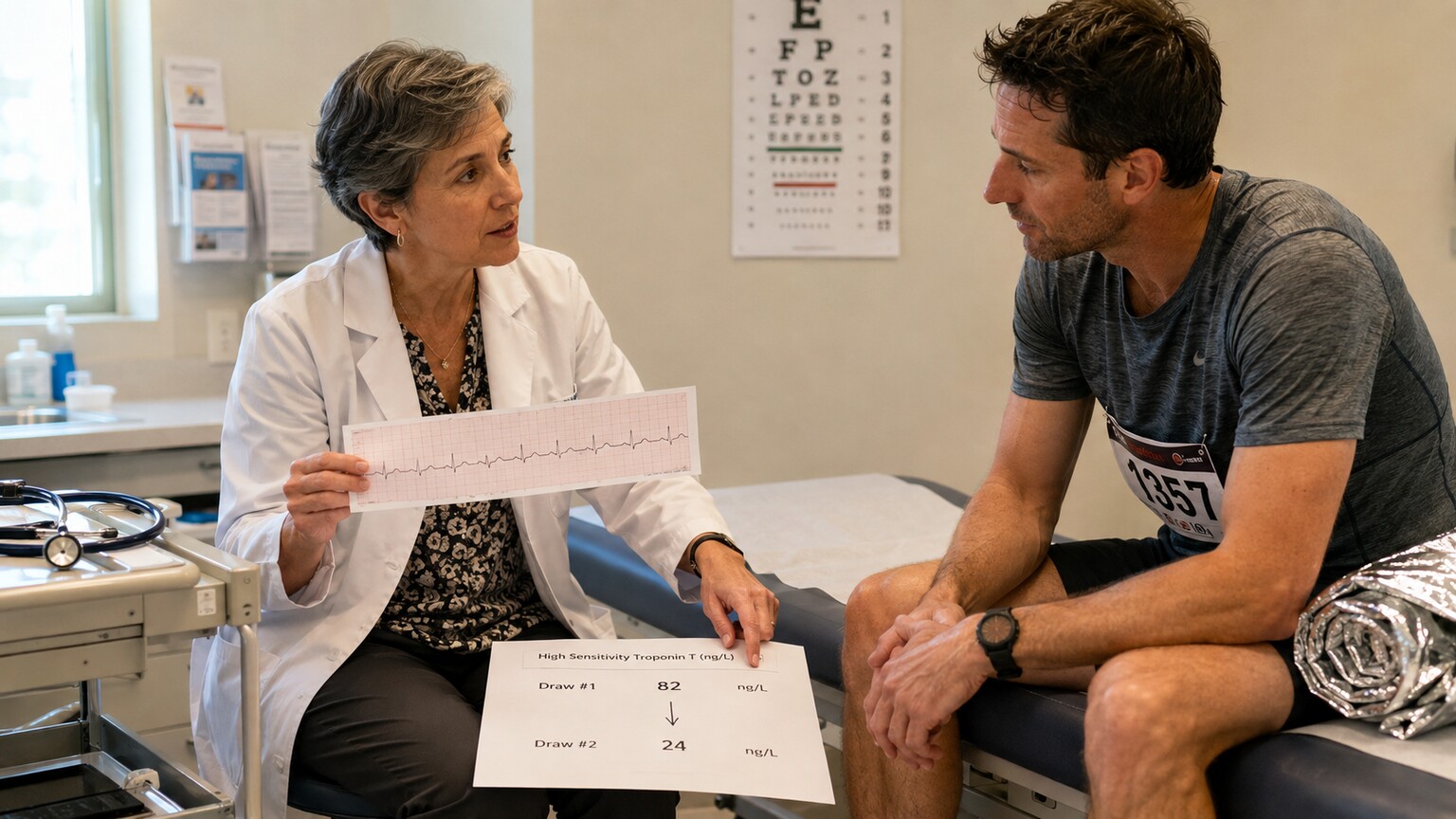
Figure 6. A downward trend between two troponin draws, taken together with a normal ECG and no symptoms, is the pattern most consistent with a benign exercise effect.
Alongside the trend, a doctor will typically look at an electrocardiogram (ECG), a quick recording of the heart's electrical activity, checking for the specific patterns that show up during an actual heart attack, which an exercise-related elevation should not produce. Symptoms are cross-checked carefully against the timeline — did anything hurt, and when, exactly, relative to the workout and the blood draw. In select cases, particularly when the picture is ambiguous or risk factors are present, an echocardiogram (an ultrasound of the heart) can directly visualize whether any region of heart muscle is contracting weakly, which would suggest actual injury rather than a membrane-permeability effect with no structural consequence. Taken together — a level that's falling rather than rising, a normal ECG, no symptoms, and a clear context of recent intense exertion — this combination is what allows a physician to comfortably attribute an elevated troponin to exercise rather than to a cardiac event, usually without needing anything more invasive than a repeat blood draw.
Emergency departments have actually formalized a version of this trend-based thinking into standard protocols, commonly called 0-hour/1-hour or 0-hour/3-hour rule-out pathways, originally designed to quickly clear chest-pain patients who are not having a heart attack rather than to specifically address exercise. These protocols work by drawing troponin at the time a patient arrives and again a short time later, then applying validated thresholds for how much change between the two draws is considered safe versus concerning — a small, non-rising, or falling change strongly argues against an acute cardiac event, while a large rise strongly argues for one. The same logic, even if applied less formally, is exactly what's happening when a doctor orders a repeat troponin on someone who just finished a marathon: it's the change over time, interpreted against a validated pattern, that carries the diagnostic weight, far more than any single isolated number ever could on its own.
What to Actually Do If This Happens to You
If you've had blood work done shortly after a hard workout and troponin came back flagged, the first and most useful thing to do is resist the urge to either panic or dismiss it entirely, and instead give your doctor the full context: what the exercise was, how long ago it ended relative to the blood draw, and whether you had any symptoms at all during or afterward. That context changes the interpretation enormously — a troponin drawn two hours after finishing a marathon, with zero chest pain, is a very different clinical situation than the same number drawn in someone who felt sudden chest pressure at rest three days later. If your doctor recommends a repeat draw to check the trend, it's worth doing, since that single follow-up test is often what turns an ambiguous single number into a clear, reassuring picture — or, less commonly, into a signal that something does warrant further evaluation. If you do have new or unusual chest pain, unexpected shortness of breath, or a fainting or near-fainting episode around a workout, that's worth treating as urgent regardless of how fit you are or how "normal" it might otherwise feel to push hard in training — fitness is not a guarantee against every possible cardiac event, even if it substantially lowers the overall risk over a lifetime.
What This Means If You're a Serious Endurance Athlete
For people who train seriously — marathoners, triathletes, competitive cyclists, ultramarathoners — this phenomenon has a few practical implications worth knowing before it ever shows up on a lab report. First, if you're getting routine bloodwork done as part of a general checkup or an athletic physical, it's worth mentioning your training schedule to whoever orders the panel, and ideally scheduling the draw on a day that isn't immediately after your longest or hardest session of the week. This isn't about hiding information from a doctor; it's about giving them an accurate baseline to compare against later, rather than a number that reflects yesterday's twenty-mile training run instead of your resting cardiovascular status.
Second, if you've had a documented benign exercise-related elevation before — say, after a previous marathon, with a normal ECG and no symptoms, that resolved on repeat testing — it's genuinely useful to keep that result on record and mention it if a similar situation comes up again. Having a prior, well-characterized instance of "my troponin does this after long races, and it always resolves within two days with no other findings" gives a future doctor valuable context, potentially saving you from a repeat round of unnecessary testing or worry the next time it happens. Third, this pattern is not a reason to change your training or stop competing — the researchers who've spent the most time studying this in marathon and ultramarathon populations have generally concluded that it reflects a normal physiological response to a genuinely demanding workload, not early evidence of harm, and it hasn't been shown to predict future cardiac problems in people without other risk factors. The exception, as covered above, is always symptoms: training through genuine chest pain or unusual shortness of breath is a different situation entirely from an incidental lab finding in someone who otherwise feels completely fine.
Frequently Asked Questions
How soon after exercise does troponin rise, and how long until it's back to normal?
In most studies, troponin begins rising within the first couple of hours after intense, prolonged exercise, often peaking somewhere in the first two to eight hours post-exertion. It then typically declines back toward baseline within roughly 24 to 72 hours, without any treatment, since the trigger — the workout itself — has already ended.
Does this mean endurance exercise is bad for my heart?
No — the current evidence doesn't support that conclusion. Most cardiologists interpret exercise-induced troponin elevation as an expected physiological response to a genuinely demanding workload in an otherwise healthy heart, not as evidence of ongoing harm. Regular moderate-to-vigorous exercise remains strongly associated with better long-term cardiovascular health overall.
Should I avoid getting blood tests done right after a hard workout?
If your test is specifically checking troponin, or a broader panel that includes it, it's reasonable to wait at least a day or two after an unusually intense session if the test can be scheduled flexibly, simply to avoid an elevated result that then needs explaining. If the test is urgent or symptom-driven, timing shouldn't be a barrier — just make sure whoever orders or reviews it knows about the recent exercise.
Is exercise-induced troponin elevation more common in beginners or experienced athletes?
Research hasn't found a clear advantage either way. The strongest predictor identified so far is the duration and intensity of that specific bout of exercise, not someone's overall training history or fitness level — an experienced marathoner and a first-time finisher can show a similar rise after the same race.
What symptoms should make me seek care even if I just finished a hard workout?
Chest pain or pressure that doesn't ease with rest, shortness of breath that feels out of proportion to the effort, lightheadedness, fainting, or a sense of your heart racing or skipping beats well after you've stopped exercising are all reasons to seek medical attention rather than assuming it's simply exercise-related.
Can wearable heart-rate data or an at-home ECG rule out a problem instead of a blood test?
Not on its own. Consumer devices can flag an irregular rhythm and are genuinely useful for that, but they can't detect the specific membrane-level changes a troponin test measures, and they can't distinguish a benign exercise effect from actual injury. If a troponin result is flagged, a doctor still needs the lab trend, a clinical ECG, and your symptom history together to interpret it properly.
Conclusion
A high troponin result after intense exercise is one of the more well-documented "false alarms" in modern cardiology — not because the test is wrong, but because hard, sustained exertion appears to genuinely, if temporarily, make heart muscle cell membranes leakier without actually killing any heart tissue. Marathon and endurance-sport research has shown this happens in a large share of otherwise healthy athletes, tends to track with how long and how hard the effort was rather than with fitness level, and reliably resolves within a couple of days on its own. The exceptions that matter are real ones, though: symptoms during or after the exercise, a level that doesn't come back down on repeat testing, or a personal history that raises baseline cardiac risk all shift an isolated elevated number from "expected" to "worth a closer look." If you're ever unsure which situation you're in, that's exactly the kind of judgment call a doctor is positioned to make once they have the full picture — the exercise history, the symptoms (or lack of them), and, ideally, a second data point from a repeat blood draw.
It's also worth remembering that this whole conversation only became possible because lab testing got dramatically more sensitive, not because hearts started behaving differently. The same high-sensitivity technology that occasionally flags a healthy marathoner's post-race blood work is, on balance, an enormous net positive for cardiac care — it lets emergency rooms rule a heart attack in or out faster and more confidently than ever before, and it catches genuinely dangerous events earlier than the previous generation of tests ever could. An exercise-related elevation is best understood as a side effect of that improved sensitivity rather than a flaw in it, and knowing that context is often the single most reassuring piece of information a runner, cyclist, or triathlete can walk away with after an unexpectedly flagged lab result.
Still Not Sure What Your Results Mean?
Upload your labs and get a complete, visual, plain-language interpretation of every biomarker — delivered to your inbox in under 15 minutes.
Get My ReportThis article is for educational purposes only and does not constitute medical advice. Always consult your healthcare provider regarding your specific lab results.