
What Does a Low Fibrinogen Level Indicate?
Most everyday conversations about clotting problems tend to focus heavily on the clotting factors that act like a long chain of dominoes, each one triggering the next in sequence until a finished clot eventually forms. Fibrinogen is different — it isn't a trigger in that chain at all. It's the actual raw material the final clot is physically built out of, the protein that gets converted, at the very last step of the whole process, into the fibrous mesh that holds a clot together. When fibrinogen runs low, it doesn't just slow down clotting the way a missing trigger further up the chain might — it can mean there simply isn't enough building material left to construct a stable clot at all, no matter how well every other step in the process is working. This article explains what fibrinogen actually is, the specific and quite different situations that can drive it down, and what a low result genuinely means for bleeding risk.
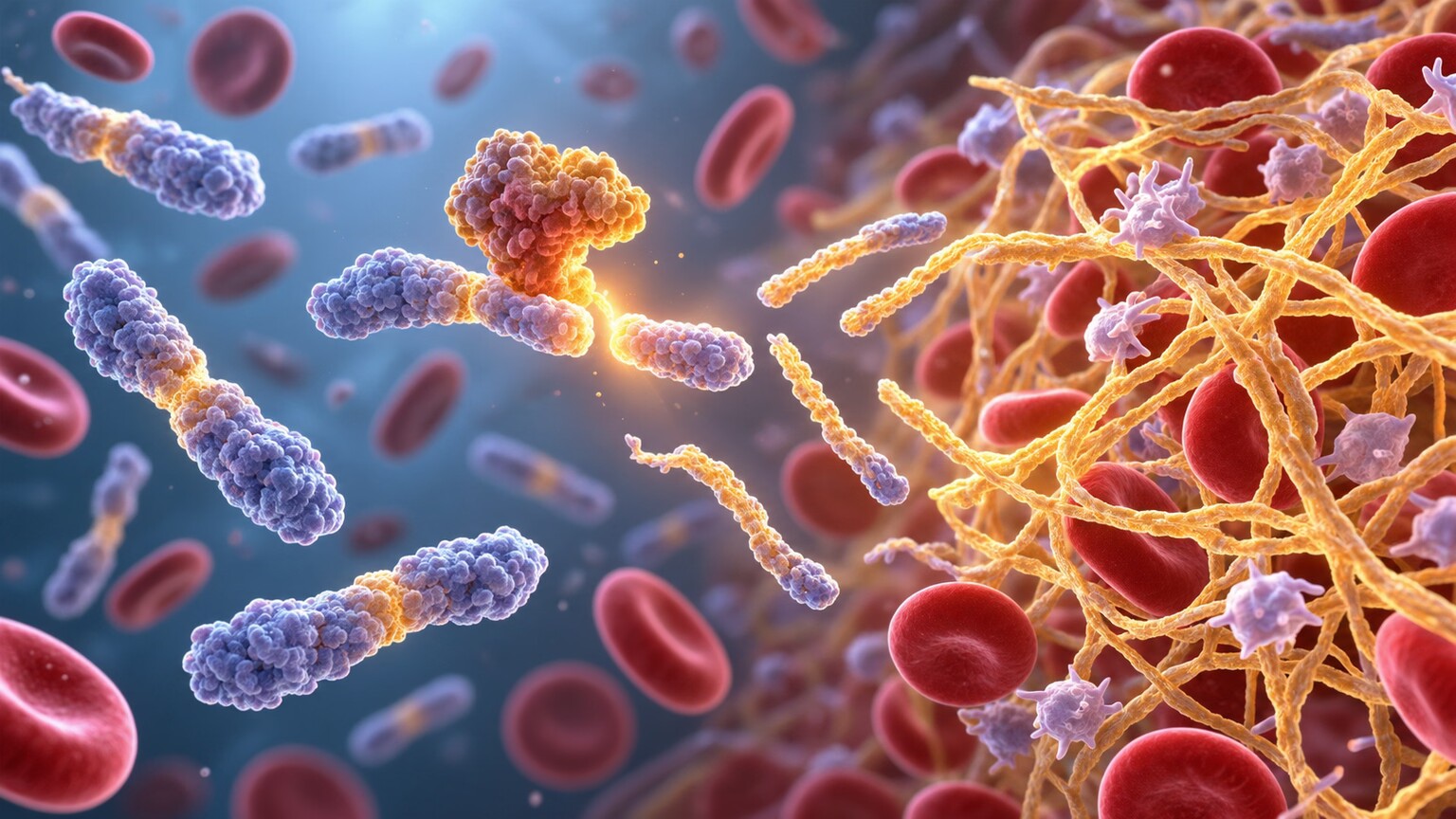
Figure 1. Fibrinogen circulates dissolved in the blood until the final step of clotting converts it into fibrin, a fibrous protein that weaves into a mesh and physically holds a clot together.
What Fibrinogen Actually Is, and Why It's Different From Other Clotting Factors
Fibrinogen, also commonly called clotting factor I, is a protein manufactured by the liver and steadily released into general circulation in large, consistent quantities, circulating quietly in the background until it's genuinely needed somewhere. When an injury happens, a cascade of clotting factors activates in sequence, and the very last step of that cascade is an enzyme called thrombin cutting fibrinogen into a different form called fibrin. Unlike fibrinogen, which stays dissolved in blood, fibrin strands link together into a dense, woven mesh that traps platelets and blood cells, physically forming the structural scaffold of a stable clot.
This distinction matters enormously for understanding what a low fibrinogen level means. Most other clotting factors act as triggers or amplifiers earlier in the cascade — if one of them is missing or malfunctioning, the whole sequence can stall before it even reaches the final step. Fibrinogen, by contrast, is the actual construction material for the finished product. A body can have every earlier step of the clotting cascade working perfectly and still be unable to form a solid, stable clot if there simply isn't enough fibrinogen available to convert into fibrin at the end of the line.
A useful analogy is to think of the clotting cascade as an assembly line building a house. Most of the earlier clotting factors function like the foremen and inspectors who trigger each stage of construction in the correct sequence — if one of them fails to show up, the whole project can stall. Fibrinogen is the lumber itself, the physical material the house is actually built from. Even a perfectly managed, perfectly sequenced construction process produces nothing if the lumber never arrives, or if there simply isn't enough of it delivered to the site. This is exactly why fibrinogen holds such a distinct, almost irreplaceable role among all clotting factors — it's the one ingredient nothing else in the cascade can ever substitute for.
Fibrinogen also normally circulates in the blood at a considerably higher baseline concentration than most other clotting factors, typically found somewhere in the range of 200 to 400 milligrams per deciliter, reflecting just how much raw material the body normally keeps on reserve for this final construction step. This relatively large baseline reserve is part of why fibrinogen doesn't usually drop to dangerously low levels from minor, everyday causes — it generally takes a fairly significant disruption, whether from reduced production, rapid consumption, or substantial dilution, to push it down far enough to genuinely threaten a person's ability to form a stable clot.
Liver Disease: When Production Itself Slows Down
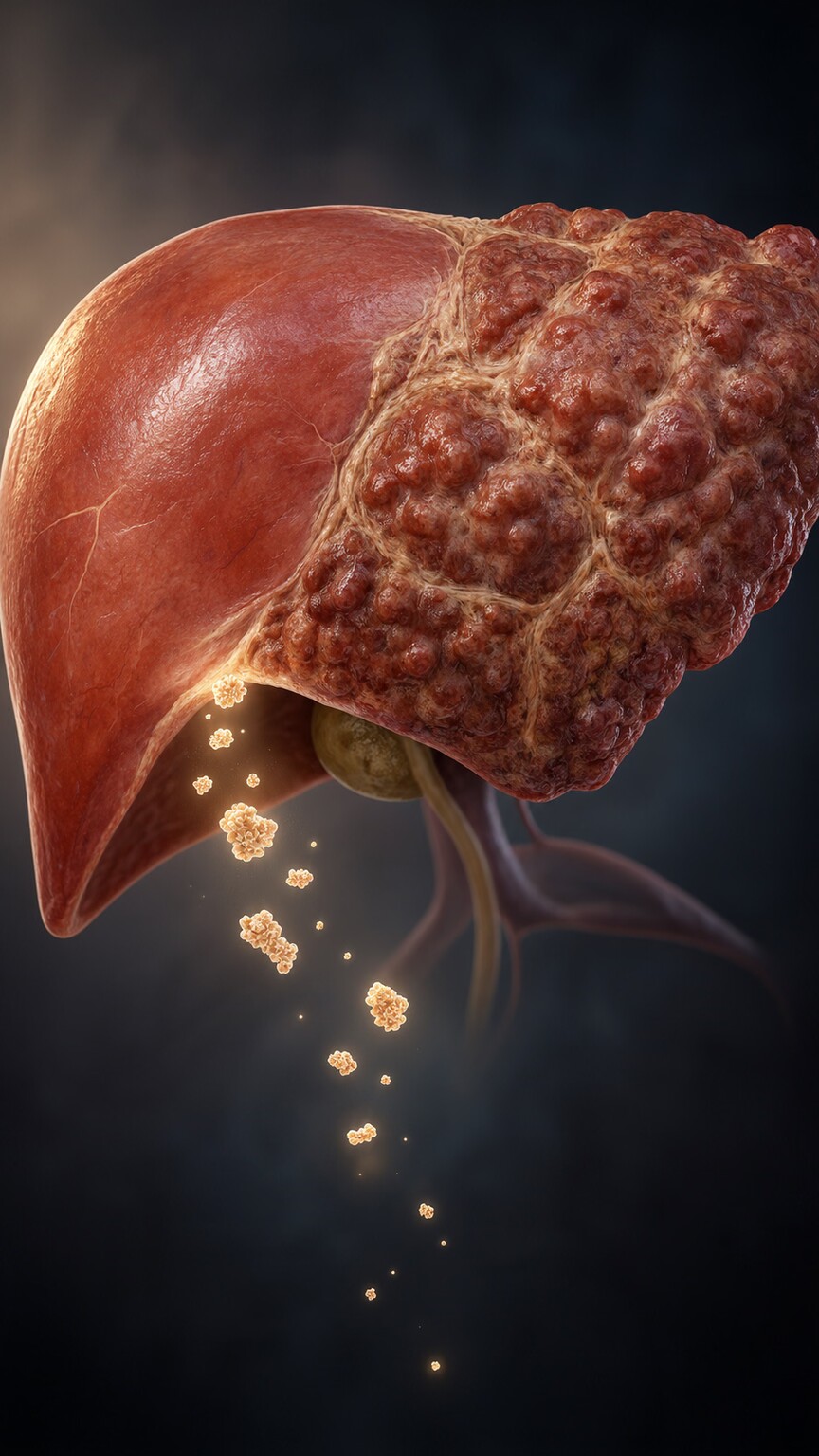
Figure 2. Because fibrinogen is manufactured almost entirely in the liver, significant liver damage from cirrhosis or acute liver failure directly reduces how much fibrinogen the body can produce.
Because fibrinogen is produced almost entirely and exclusively within the liver itself, any condition that significantly damages liver tissue can meaningfully reduce the total amount of fibrinogen the body is actually able to manufacture in the first place, independent of anything else happening elsewhere in the bloodstream at that same time. In advanced cirrhosis, enough functioning liver tissue has typically been replaced by scar tissue that fibrinogen production, along with several other clotting factors made in the liver, meaningfully declines. Acute liver failure can produce an even sharper, faster drop, since the liver's synthetic capacity can fall dramatically within days when a large portion of liver cells are acutely injured or dying.
This particular cause of low fibrinogen tends to develop gradually in chronic liver disease, tracking fairly closely with how advanced the underlying liver damage has become, which is why fibrinogen is sometimes included as one supporting piece of evidence when assessing how well a damaged liver's synthetic function is currently holding up, alongside other liver-produced proteins like albumin.
It's worth understanding why liver disease affects fibrinogen specifically rather than assuming it's simply one more random casualty of a failing organ. The liver's hepatocyte cells contain the specific genetic machinery needed to assemble fibrinogen's three separate protein chains and combine them into the final, functional molecule. As cirrhosis progressively replaces healthy hepatocyte tissue with non-functional scar tissue, there are simply fewer working cellular factories left to carry out this fairly complex assembly process, and fibrinogen output declines roughly in proportion to how much functional liver tissue remains.
This slow, gradual, disease-severity-linked decline stands in genuinely useful contrast to the much faster, more abrupt drops seen in DIC or massive hemorrhage, discussed in greater detail further below. A cirrhosis patient's fibrinogen level, checked at two visits several months apart, might show only a modest change, reflecting the typically slow pace at which chronic liver disease progresses. A fibrinogen level that's instead falling sharply over hours in someone with known liver disease is a signal that something else — an acute complication layered on top of their chronic condition, rather than the chronic disease itself — deserves urgent investigation.
Acute liver failure deserves its own specific mention here, since it produces a meaningfully different pattern than chronic cirrhosis despite sharing the same basic mechanism of reduced synthetic capacity. Because acute liver failure can destroy a large proportion of functioning liver tissue within days, rather than years, fibrinogen and other liver-produced clotting factors can fall dramatically fast, which is one of several reasons acute liver failure is managed as a genuine medical emergency requiring intensive monitoring, often including specialized liver transplant evaluation when the underlying cause and severity warrant it.
Curious what your coagulation panel or the rest of your labs are really telling you? Upload your results and get a complete, plain-language breakdown in under 15 minutes.
Analyze My ResultsDisseminated Intravascular Coagulation: When Fibrinogen Gets Used Up Faster Than It's Made
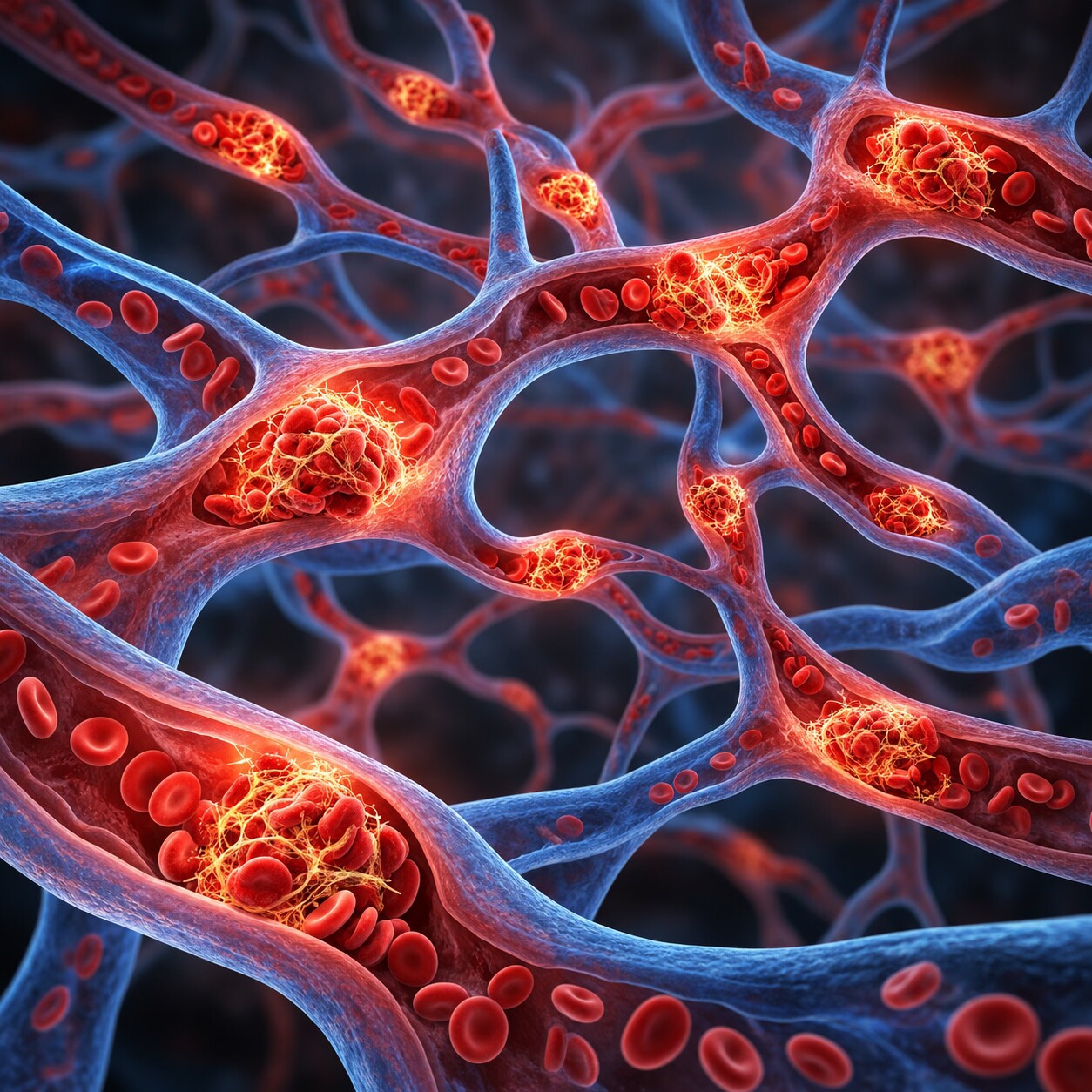
Figure 3. In disseminated intravascular coagulation, clotting is triggered simultaneously throughout the bloodstream, rapidly consuming fibrinogen and other clotting factors faster than the liver can replace them.
By far the single most dramatic and clinically urgent cause of a truly very low fibrinogen level is a critical condition called disseminated intravascular coagulation, or DIC, where the body's clotting system becomes activated everywhere in the bloodstream at once, rather than being confined to the site of an actual injury. This widespread, inappropriate clotting activity consumes fibrinogen, platelets, and several other clotting factors at a rate the liver simply cannot keep pace with, and the paradoxical result is that a body forming clots throughout its small blood vessels simultaneously runs out of the raw materials needed to form a normal, functional clot anywhere else, leading to serious bleeding at the same time widespread clotting is occurring.
DIC itself is always triggered by something else — severe infection and sepsis, major trauma, certain cancers, complications of pregnancy, and severe tissue injury from burns or crush injuries are among its most common triggers — meaning DIC is essentially never a standalone diagnosis but rather a serious complication layered on top of another critical illness. A fibrinogen level that's dropping in the setting of a critically ill patient is one of several lab findings doctors watch closely as part of recognizing DIC early, since the rate of decline often matters as much as the absolute number itself.
The specific mechanism behind DIC's fibrinogen consumption is genuinely worth understanding in a bit more depth here, since it clearly explains why this particular condition is so uniquely dangerous compared to every other cause of low fibrinogen. Under normal circumstances, clotting activates locally, precisely at a site of injury, with the rest of the bloodstream staying calm and unclotted. In DIC, whatever triggering illness is present — most often overwhelming infection or extensive tissue damage — releases substances into the bloodstream that activate clotting broadly and indiscriminately, essentially tricking the entire vascular system into behaving as though it's injured everywhere at once. Thrombin, the enzyme that converts fibrinogen into fibrin, becomes active throughout the circulation rather than at one contained site, and fibrinogen gets consumed correspondingly everywhere at once rather than being spent locally where it's actually needed.
This widespread, simultaneous clot formation has two devastating downstream consequences that together explain why DIC is treated as a genuine medical emergency. First, the countless tiny clots forming throughout small blood vessels can block blood flow to vital organs, contributing to organ damage and failure. Second, and somewhat paradoxically, the same patient is simultaneously at high risk of serious bleeding, precisely because so much fibrinogen and so many platelets have already been consumed by all that inappropriate clotting that there's genuinely not enough left to form a normal clot anywhere blood is actually escaping the vessels, whether from an IV site, a surgical wound, or internally. This combination of simultaneous clotting and bleeding, occurring in the same patient at the same time, is part of what makes DIC so clinically distinctive and so dangerous.
Recognizing DIC early relies on tracking a pattern across several lab values together rather than looking at fibrinogen alone: a falling platelet count, prolonged PT and aPTT (the clotting-time tests covered in more detail elsewhere on this site), a rising D-dimer reflecting the breakdown products of all that inappropriate clotting, and a falling fibrinogen level, all trending in the wrong direction together over a period of hours. No single one of these values confirms DIC on its own, but the combined pattern, especially when it's actively worsening, is what prompts the aggressive, coordinated treatment response DIC requires.
Massive Bleeding and Transfusion: A Dilutional Cause Unrelated to Production or Consumption
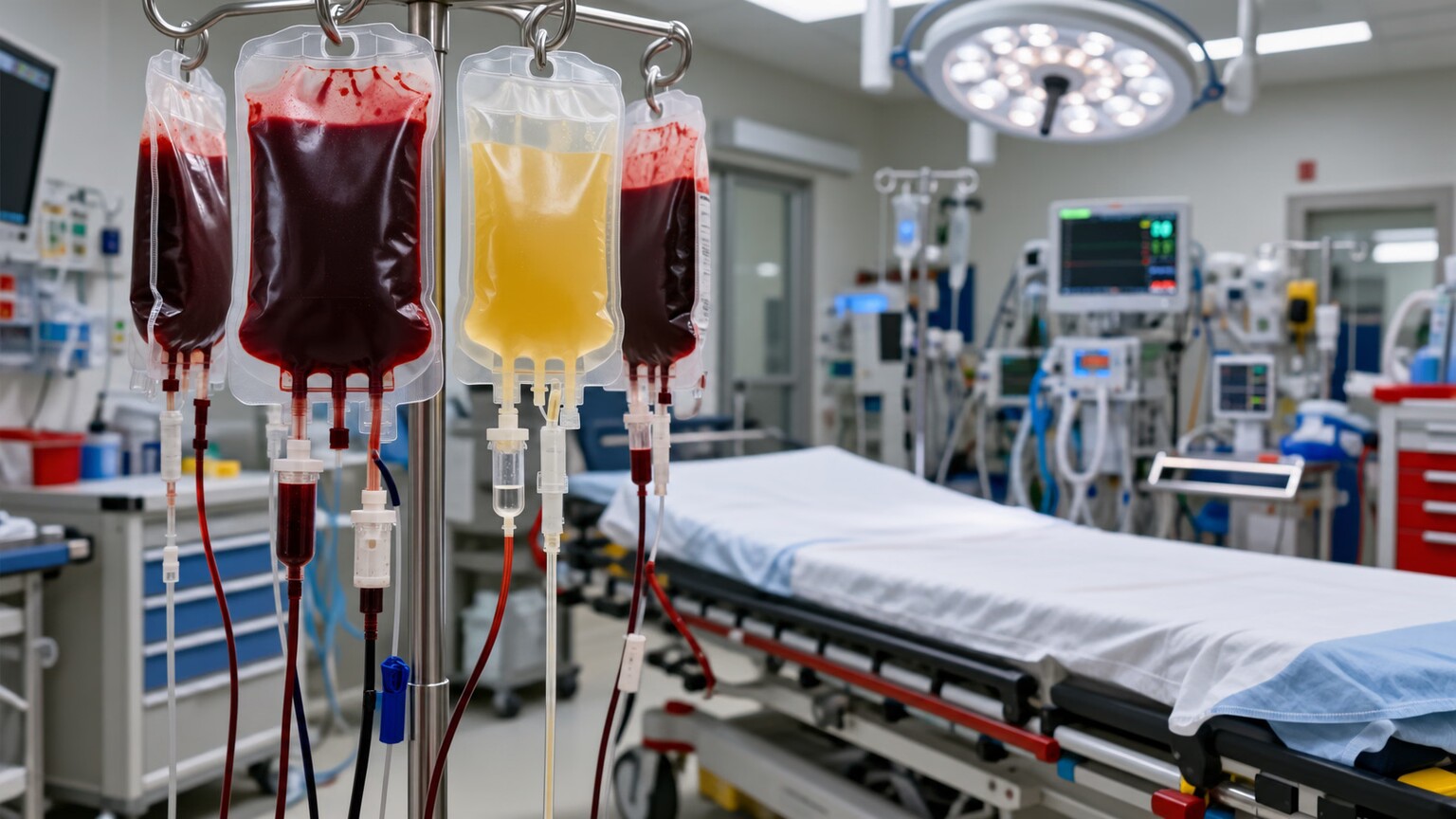
Figure 4. Replacing massive blood loss with large volumes of red blood cells and fluids can dilute the remaining fibrinogen concentration in circulation, a mechanism distinct from either reduced production or true consumption.
A third, mechanically quite distinct way fibrinogen can drop meaningfully is through sheer physical dilution during severe hemorrhage and the large-volume fluid resuscitation typically used to treat it. Someone experiencing massive blood loss — from major trauma, a severe postpartum hemorrhage, or extensive surgical bleeding — loses fibrinogen directly along with the blood itself, and the large volumes of intravenous fluids and red blood cell transfusions given to stabilize blood pressure and oxygen delivery further dilute whatever fibrinogen remains in circulation, since these replacement fluids and older units of transfused blood typically don't contain meaningful amounts of fibrinogen themselves.
This is exactly why modern massive transfusion protocols, used in trauma centers and delivery rooms managing severe hemorrhage, deliberately include fibrinogen-containing blood products like cryoprecipitate or fresh frozen plasma alongside red blood cells, rather than transfusing red cells alone — replacing lost volume without also replacing fibrinogen can leave a patient with a dangerously diluted clotting system even after their blood pressure has stabilized, since a body that's technically no longer losing blood volume can still be unable to form a stable clot if its remaining fibrinogen has been diluted too far.
This dilutional pattern has become especially well recognized in the specific context of severe postpartum hemorrhage, since pregnancy itself normally raises fibrinogen well above the typical non-pregnant baseline, as part of the body's natural preparation for the substantial blood loss that occurs during any delivery. This means a fibrinogen level that would look entirely unremarkable, or even reassuringly normal, on a standard non-pregnant reference range can actually represent a significant and dangerous drop for a postpartum patient specifically, since her starting point was considerably higher to begin with. Recognizing this pregnancy-specific baseline is part of why obstetric hemorrhage protocols increasingly treat fibrinogen as an early, sensitive warning sign, checking it well before it would fall low enough to trigger concern under general non-obstetric reference ranges.
Modern trauma medicine as a whole has undergone a genuinely similar shift in thinking over roughly the past couple of decades or so, moving away from an older approach that prioritized replacing lost red blood cells first and clotting factors only as an afterthought, toward a more balanced modern approach that recognizes early, proactive fibrinogen and plasma replacement as being just as important as replacing red cells themselves. This shift followed research showing that trauma patients who received earlier, more balanced replacement of clotting factors alongside red cells had meaningfully better outcomes than those managed under the older red-cell-first approach, since uncontrolled bleeding driven by depleted clotting factors, including fibrinogen, was itself found to be a major, previously underappreciated contributor to preventable trauma deaths.
Congenital Fibrinogen Disorders: Rare Genetic Causes Present From Birth
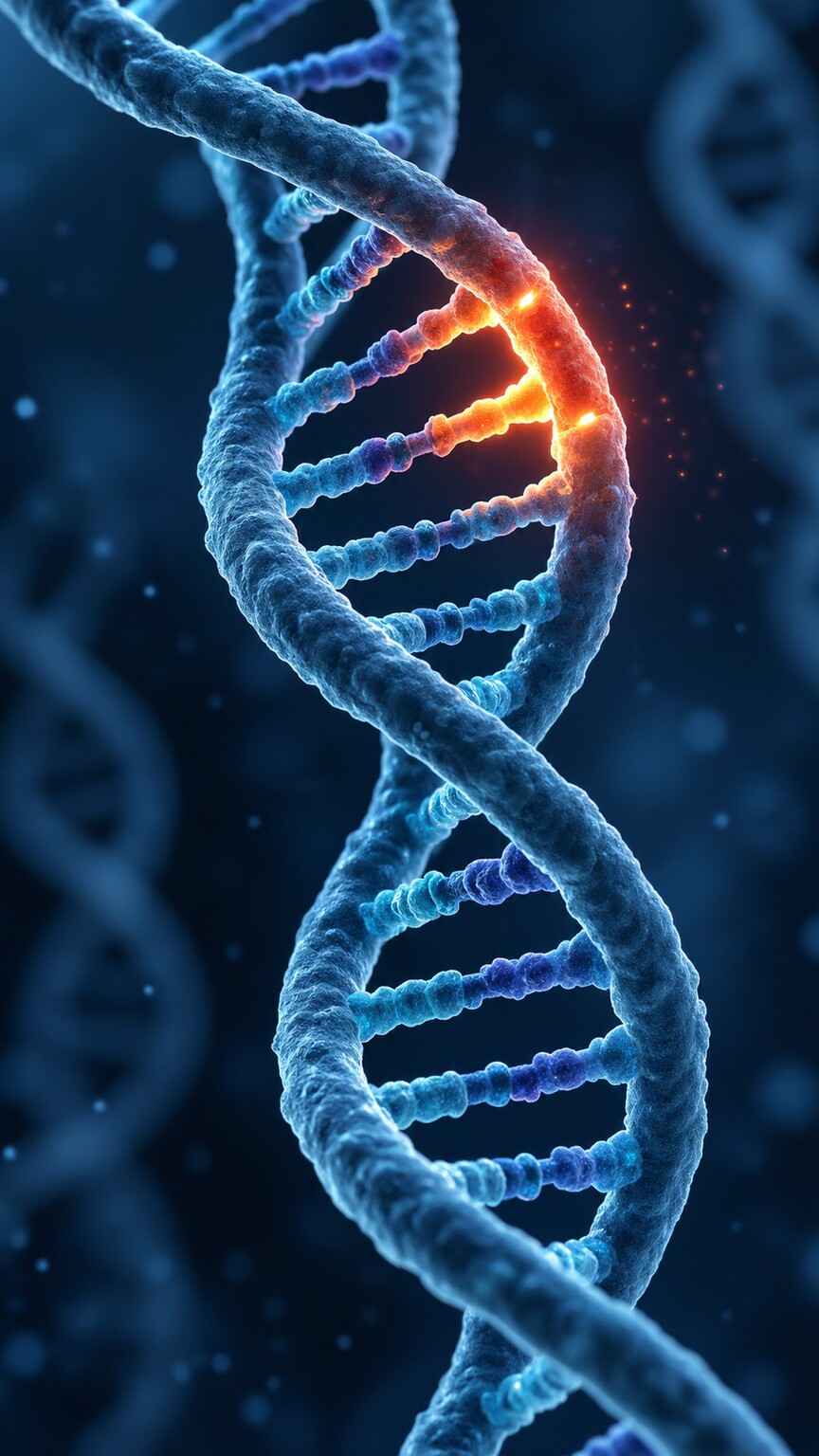
Figure 5. Inherited mutations affecting the genes responsible for manufacturing fibrinogen can cause lifelong congenital fibrinogen deficiencies, present from birth rather than developing later from illness or injury.
Entirely separate from every single cause described so far in this article, a small number of people are simply born with a genuine genetic condition affecting fibrinogen directly from birth onward. Afibrinogenemia, an extremely rare and severe inherited condition, means the body produces essentially no measurable fibrinogen at all, typically diagnosed in infancy or early childhood after unusually severe bleeding from routine events like umbilical cord separation. Hypofibrinogenemia, a milder and more common variant, involves reduced but not absent fibrinogen production, often first identified after unexpectedly heavy bleeding during a dental procedure, surgery, or childbirth in someone who had no prior reason to suspect a bleeding disorder.
A related but mechanistically different congenital condition, dysfibrinogenemia, involves normal or near-normal fibrinogen quantity, but the fibrinogen produced is structurally abnormal and doesn't function correctly when it's time to convert into fibrin. This is an important distinction from the other congenital conditions, since standard fibrinogen tests that simply measure protein quantity can sometimes miss dysfibrinogenemia entirely, requiring a more specific functional test to identify that the fibrinogen present, despite adequate quantity, isn't clotting properly. Interestingly, dysfibrinogenemia can sometimes cause a paradoxical increased clotting risk rather than a bleeding tendency, depending on exactly how the abnormal protein misbehaves.
These congenital fibrinogen disorders are all caused by mutations in one of three specific genes responsible for the three separate protein chains that combine to form a complete fibrinogen molecule. Because a person needs functioning copies of all three genes to produce fully normal fibrinogen, the specific combination of which gene is affected and whether one or both inherited copies carry the mutation determines whether someone ends up with the severe, essentially complete absence of afibrinogenemia, the partial reduction of hypofibrinogenemia, or the structurally-abnormal-but-present pattern of dysfibrinogenemia. This genetic basis also means these conditions run in families, and a confirmed diagnosis in one family member often prompts screening of siblings, parents, or children who might carry the same mutation without yet having experienced a bleeding event severe enough to have been noticed.
Diagnosis of these specific congenital conditions typically involves carefully comparing two related but genuinely distinct laboratory measurements taken together: a standard fibrinogen antigen test, which measures how much fibrinogen protein is actually present regardless of whether it functions correctly, and a fibrinogen activity or functional test, which measures how well that fibrinogen actually performs its clotting job. In afibrinogenemia and hypofibrinogenemia, both the antigen and activity measurements are reduced roughly proportionally, since there's simply less normal fibrinogen present. In dysfibrinogenemia, the antigen level often comes back normal while the activity level comes back reduced, since the quantity of protein present is normal but its function is impaired — a mismatch between these two results is often the specific clue that first points toward this particular diagnosis rather than one of the quantity-based deficiencies.
Thrombolytic Therapy: When Low Fibrinogen Is the Intended Effect of Treatment
Not every single case of low fibrinogen represents a genuine problem needing correction on its own — sometimes it's actually the deliberate, fully expected effect of a necessary, carefully chosen treatment already underway. Thrombolytic medications, often called clot-busting drugs, are given in emergencies like an acute stroke or a large pulmonary embolism specifically to dissolve a life-threatening clot quickly. These medications work by activating the body's own clot-dissolving system, and one direct, well-known side effect of that mechanism is a temporary drop in circulating fibrinogen, since the same enzymatic activity dissolving the target clot also breaks down fibrinogen circulating elsewhere in the blood.
This expected drop is specifically why fibrinogen levels are closely monitored during and immediately after thrombolytic treatment, since a level that falls too low raises the risk of dangerous bleeding as an unwanted side effect of otherwise necessary, lifesaving treatment. Medical teams weigh this bleeding risk carefully against the clear benefit of dissolving a clot that could otherwise cause permanent damage or death, and fibrinogen monitoring is one of the practical tools used to keep that balance from tipping too far in the wrong direction.
The specific mechanism behind this effect involves an enzyme called plasmin, which thrombolytic drugs work by activating. Plasmin's job under normal circumstances is to gradually break down clots once they're no longer needed, as part of the body's own natural clot-clearing system operating on a slow, controlled timescale. Thrombolytic medications essentially force this same system into overdrive, generating far more active plasmin far faster than the body would ever produce on its own, specifically to dissolve a dangerous clot quickly. The downside of this forced activation is that plasmin isn't perfectly selective — it breaks down fibrinogen circulating freely in the blood at the same time it's dissolving the target clot, producing the temporary, treatment-related fibrinogen drop described here.
Different thrombolytic medications and different clinical situations carry somewhat different degrees of this effect, and the specific monitoring protocol used often depends on which medication was given and for what indication. A patient receiving thrombolytic therapy for an acute ischemic stroke, where treatment is typically given as a single defined dose over a short, carefully controlled window, is monitored somewhat differently than a patient receiving a more prolonged thrombolytic infusion for an extensive deep vein clot, where the drug remains active in the body over a longer period and the cumulative fibrinogen-lowering effect can be more pronounced.
What Low Fibrinogen Actually Feels Like: Symptoms and Bleeding Risk
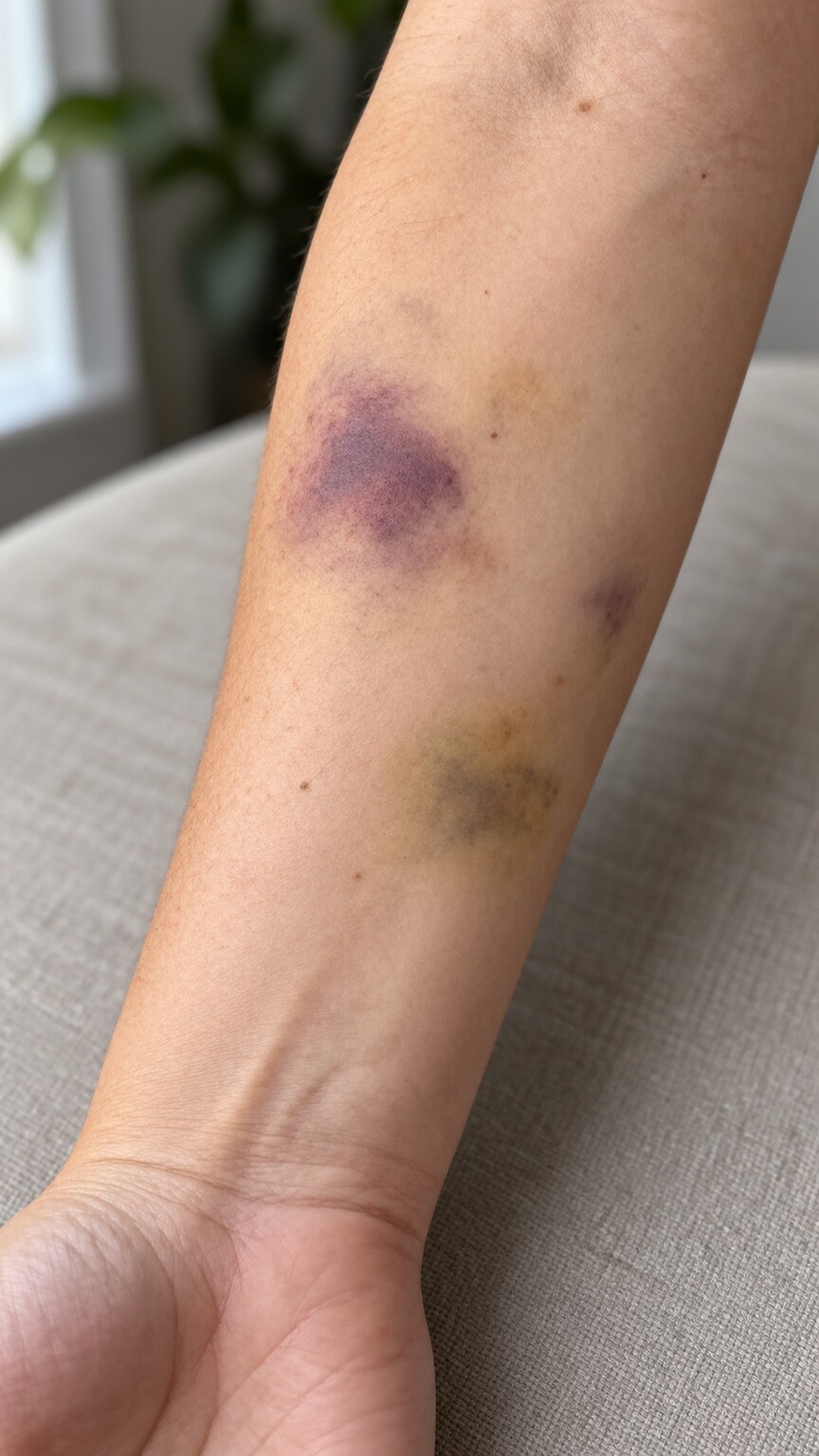
Figure 6. Because fibrinogen is required to build a stable clot, low levels commonly present as easy bruising, prolonged bleeding from small cuts, or unusually heavy menstrual bleeding.
Mild to moderate fibrinogen reduction often produces subtle, easy-to-overlook symptoms: bruising more easily than usual, minor cuts that bleed longer than expected before finally stopping, nosebleeds that seem to happen more often or take longer to resolve, or, in women, unusually heavy menstrual periods. These symptoms overlap substantially with several other bleeding-related conditions, which is exactly why a specific fibrinogen level, rather than symptoms alone, is needed to identify this particular cause.
It's worth noting that these milder symptoms are considerably more likely to be the presenting sign of a congenital fibrinogen disorder, discovered gradually over years of unexplained easy bruising or heavier-than-average bleeding, than they are to reflect the acute causes of low fibrinogen covered elsewhere in this article. Acute causes like DIC or major hemorrhage typically announce themselves through the underlying critical illness or injury itself, well before subtle bruising patterns would ever have time to be noticed or investigated on their own.
More severe fibrinogen deficiency, whether from a large acute drop in DIC or massive hemorrhage, or from more pronounced congenital forms, can produce far more serious bleeding: significant bleeding after minor trauma, spontaneous bleeding into joints or muscles without any clear triggering injury, or, in the most severe congenital cases, life-threatening bleeding from the umbilical cord stump in newborns. The severity of bleeding risk correlates fairly closely with how low the fibrinogen level actually is, which is why a specific numeric threshold, rather than a simple normal-versus-abnormal cutoff, guides decisions about when treatment to raise fibrinogen becomes necessary.
Clinical treatment guidelines generally identify a fibrinogen level below roughly 100 milligrams per deciliter as the specific threshold where genuine active bleeding risk becomes significant enough to warrant real replacement therapy in most acute clinical settings, though this threshold is adjusted upward in specific high-risk situations, such as active surgical bleeding or obstetric hemorrhage, where clinicians often intervene at a somewhat higher level rather than waiting for it to fall further. This numeric threshold approach reflects research showing that bleeding complications become substantially more common and more severe below this particular range, giving clinical teams a concrete, evidence-based number to guide otherwise difficult, judgment-dependent decisions about when to give blood products during an active bleeding emergency.
It's worth noting that the relationship between fibrinogen level and bleeding risk isn't perfectly linear or identical for every patient — someone's overall clinical context matters considerably in how a given number gets interpreted. A moderately low fibrinogen level in a stable patient with no active bleeding and no planned procedure carries meaningfully less urgency than the same exact number in a patient actively bleeding from a surgical site or about to undergo an invasive procedure, which is why the same laboratory value can prompt very different responses depending entirely on what else is happening clinically at that moment.
How Low Fibrinogen Is Actually Treated
Treatment for low fibrinogen depends entirely and specifically on identifying and addressing the true underlying cause behind it, since the exact same lab result can genuinely call for completely different responses depending on what's actually driving it in that particular patient. In liver disease, management generally focuses on the underlying liver condition itself, with fibrinogen replacement reserved for situations involving active bleeding or an upcoming procedure that carries meaningful bleeding risk. In DIC, treating the triggering illness — the infection, the trauma, the underlying cancer — is the actual priority, since fibrinogen and platelet replacement alone can't resolve DIC if the underlying driver keeps consuming clotting factors as fast as they're replaced.
When fibrinogen does need to be directly replaced, the two most common blood products used are cryoprecipitate, a concentrated fibrinogen-rich blood product derived from plasma, and purified fibrinogen concentrate, a more targeted product increasingly used in major trauma centers and delivery units managing severe hemorrhage. Both approaches aim to quickly restore fibrinogen to a level considered safe enough to support stable clot formation, buying time for the underlying cause to be addressed or for the body's own production to catch back up.
Cryoprecipitate itself has genuinely been the traditional mainstay of fibrinogen replacement therapy for many decades now, prepared by slowly thawing frozen plasma and collecting the concentrated protein residue that separates out during that process. It contains fibrinogen along with several other useful clotting proteins, making it a broadly effective option, though it requires blood-bank processing time and careful blood-type matching before it can be given. Purified fibrinogen concentrate, a newer and increasingly favored alternative in many centers, offers a more standardized, precisely dosed product that can often be prepared and administered faster, without needing to be matched to a patient's specific blood type in the same way, which matters considerably in a genuine time-sensitive bleeding emergency where every extra minute of preparation carries real consequences.
For congenital fibrinogen disorders specifically, ongoing long-term management looks noticeably different from the acute-crisis scenarios already described elsewhere throughout this article. People with known afibrinogenemia or significant hypofibrinogenemia often receive prophylactic, scheduled fibrinogen replacement before planned procedures like surgery or childbirth, rather than waiting for a bleeding emergency to develop, since their baseline risk is already well understood and predictable. Some individuals with more severe forms also receive regular, ongoing prophylactic infusions on a set schedule, similar in concept to how other inherited clotting factor deficiencies like hemophilia are sometimes managed, aiming to prevent bleeding episodes before they happen rather than only treating them after the fact.
A Worked Example: The Same Low Number, Three Different Stories
Consider three genuinely different patients who all happen to show up with the exact same moderately low fibrinogen level appearing on a routine blood test. The first is a 55-year-old with long-standing, well-known cirrhosis coming in for a completely routine follow-up appointment, feeling entirely well overall, with absolutely no active bleeding of any kind whatsoever. Here, the low fibrinogen is simply interpreted as one more marker reflecting how far the underlying liver disease has progressed, tracked alongside other liver function tests without any immediate treatment directed at the fibrinogen number itself.
The second is a patient currently in the intensive care unit, being actively treated for severe sepsis, whose fibrinogen has been dropping quite rapidly over the past several hours alongside a steadily falling platelet count and noticeably worsening clotting times. Here, the same fibrinogen number is a piece of a much more urgent puzzle, strongly suggesting DIC has developed as a complication of the underlying infection, triggering an entirely different, much more aggressive treatment response focused on the sepsis itself alongside close monitoring and likely blood product support.
The third is a woman in active labor experiencing a sudden, severe postpartum hemorrhage, whose fibrinogen has dropped to that same level within the past thirty minutes due to a combination of active blood loss and the large-volume fluid resuscitation already underway. Here, the low fibrinogen is treated as an emergency requiring immediate cryoprecipitate or fibrinogen concentrate, since a fibrinogen level this low during active hemorrhage directly increases the risk that bleeding will continue despite every other effort to control it. Three identical lab numbers, three entirely different clinical stories, and three completely different appropriate responses.
What ties these three scenarios together is the same underlying principle repeated throughout this article: fibrinogen is only ever meaningfully interpreted alongside the full clinical context surrounding it, never as an isolated number viewed on its own. A patient's overall trajectory, the speed of any change, the presence or absence of active bleeding, and the underlying condition already known to be present all shape what a given fibrinogen result actually means and what, if anything, needs to happen next in response to it.
Frequently Asked Questions
Is low fibrinogen the same thing as having too few platelets?
No. Platelets and fibrinogen both contribute to clotting but play different roles — platelets form an initial plug, while fibrinogen converts into fibrin to build the structural mesh that stabilizes the clot. Low levels of either can impair clotting, but they're measured and interpreted separately.
Can low fibrinogen be caused by something other than a serious illness?
Yes. A congenital fibrinogen disorder can be present from birth without any other illness, and thrombolytic medications given for a stroke or blood clot intentionally and temporarily lower fibrinogen as part of how they work.
Why does fibrinogen drop during massive blood transfusion?
Large-volume blood loss removes fibrinogen directly, and the fluids and red blood cells used to replace lost volume generally don't contain meaningful fibrinogen themselves, diluting whatever remains in circulation.
How is low fibrinogen actually treated?
Treatment targets the underlying cause first. When fibrinogen needs to be directly replaced, cryoprecipitate or purified fibrinogen concentrate are the two blood products most commonly used to quickly restore safer levels.
Is dysfibrinogenemia the same as having low fibrinogen?
Not exactly. Dysfibrinogenemia involves normal fibrinogen quantity that functions abnormally, whereas hypofibrinogenemia and afibrinogenemia involve reduced or absent quantity. Standard tests measuring only amount can sometimes miss dysfibrinogenemia entirely.
Conclusion
Fibrinogen occupies a genuinely unique position in the clotting system — not a trigger further up the cascade, but the literal raw material the final clot is built from. A low level can trace back to several very different situations: reduced production from liver disease, rapid consumption during DIC, dilution from massive blood loss and transfusion, a rare inherited disorder present from birth, or the deliberate, expected effect of clot-dissolving medication. The number alone rarely tells the whole story — it's the surrounding clinical picture, and how quickly that number is moving, that determines whether a low fibrinogen level calls for urgent action or simply ongoing awareness.
Perhaps the single most useful habit to take away from all of this is to always ask not just "how low is it" but "how fast did it get there, and what else is happening at the same time." A fibrinogen level drifting down slowly over months in someone with known chronic liver disease tells a fundamentally different story than the same number appearing within hours in a critically ill or actively bleeding patient — and recognizing that difference is exactly what separates a routine finding worth simply tracking from one that genuinely demands an urgent response.
Still Not Sure What Your Results Mean?
Upload your labs and get a complete, visual, plain-language interpretation of every biomarker — delivered to your inbox in under 15 minutes.
Get My ReportThis article is for educational purposes only and does not constitute medical advice. Always consult your healthcare provider regarding your specific lab results.