
Your Platelet Count Can Reveal More Than Bleeding Risk
When most people hear "platelet count," they think of one thing: whether their blood can clot properly. Too few platelets, and you bruise or bleed too easily. Too many, and you might clot when you shouldn't. That framing isn't wrong, but it's incomplete — badly incomplete, in fact, given how much information this single number can carry about what's happening elsewhere in your body. Platelets are made in your bone marrow and respond, often within hours, to signals from your immune system, your iron stores, your liver, your spleen, and even tumors you don't yet know you have. A platelet count that's higher or lower than expected is frequently your bone marrow reacting to something else entirely — inflammation, infection, blood loss, a nutrient deficiency, a medication, or, less commonly, a primary problem with the marrow itself. This article walks through everything a platelet count can actually be telling you, well beyond the simple clotting-versus-bleeding framework most people default to, and how doctors read this number alongside the rest of your complete blood count (CBC) to figure out what's really going on.
Curious what the rest of your CBC is telling you? Upload your results and get a complete, plain-language breakdown in under 15 minutes.
Analyze My ResultsWhat Platelets Actually Are and Why the Body Makes Them
Platelets, also called thrombocytes, are tiny cell fragments that circulate in your blood in far greater numbers than you might expect — a normal platelet count typically falls somewhere between 150,000 and 450,000 per microliter of blood, meaning billions of them are constantly moving through your bloodstream at any given moment. Unlike red blood cells or white blood cells, platelets aren't whole cells with a nucleus; they're small pieces budded off from an enormous parent cell in the bone marrow called a megakaryocyte, each megakaryocyte capable of shedding thousands of individual platelets into circulation. Their primary and most famous job is hemostasis — the process of stopping bleeding. When a blood vessel is injured, platelets rush to the site, stick to the exposed tissue and to each other, and form a temporary plug while the body's clotting factors build a more durable, reinforced clot on top of it. That's the function most people learn about, and it's the reason platelet counts get checked before surgery, during pregnancy, and whenever unexplained bruising or bleeding shows up. But platelets do far more than plug holes. They release growth factors that help tissue repair itself, they interact directly with the immune system by capturing pathogens and signaling to white blood cells, and — critically for this article — how many of them your bone marrow is producing at any given time is under constant, dynamic regulation by hormones and signaling molecules that respond to almost everything else going on in your body. That responsiveness is exactly what makes the platelet count such a useful, if often overlooked, diagnostic clue.
The Two Directions, and Why "Normal" Isn't Always Reassuring
A platelet count can move in one of two directions away from normal: thrombocytosis, when the count climbs above roughly 450,000 per microliter, or thrombocytopenia, when it falls below about 150,000. Both directions get immediate attention when they're dramatic — a platelet count low enough to cause spontaneous bruising, or high enough to raise real clotting concerns, will always prompt further workup. But the more common, more subtle scenario is a platelet count that sits just outside the reference range, or even one that stays technically "normal" but has shifted meaningfully from a person's own baseline over time. Both of those quieter patterns are exactly where platelets stop being a simple clotting number and start becoming a window into something else. A rising platelet count in someone who was previously stable, for instance, is one of the more common early clues that points doctors toward inflammation, blood loss, or, in some cases, an underlying malignancy — long before that person has any bleeding or clotting symptoms at all.
Reactive Thrombocytosis: When Something Else Is Driving the Number Up
The overwhelming majority of elevated platelet counts are what's called reactive (or secondary) thrombocytosis — meaning the bone marrow is behaving completely normally, but it's responding to a signal coming from somewhere else in the body. The main driver of this response is a signaling protein called interleukin-6 (IL-6), which your immune system releases during inflammation of almost any kind — an infection, a flare of an autoimmune condition like rheumatoid arthritis or inflammatory bowel disease, a recent surgery, a broken bone, or even a bad case of the flu. IL-6 travels to the liver and stimulates it to produce a hormone called thrombopoietin, which is the master regulator of platelet production; more thrombopoietin means megakaryocytes in the bone marrow ramp up platelet output, and within days the platelet count on a blood test climbs. This is precisely why platelet counts are often elevated in someone recovering from surgery, fighting off a stubborn infection, or dealing with a chronic inflammatory disease — the number isn't a problem in itself, it's a byproduct of the underlying inflammatory process, and it typically settles back down once that process resolves.

What makes this useful clinically is that reactive thrombocytosis rarely happens in isolation — it tends to show up alongside other clues on the same CBC and metabolic panel that help confirm what's driving it. A high platelet count paired with an elevated white blood cell count and fever points toward infection. The same elevated platelet count paired with a high C-reactive protein or erythrocyte sedimentation rate, both markers of systemic inflammation, points toward an inflammatory or autoimmune process. And a platelet count that climbs gradually over weeks in someone recovering from major surgery or a significant injury is simply the expected trajectory of tissue healing, not a red flag on its own. The context surrounding the number, in other words, usually matters more than the number itself.
Iron Deficiency's Surprisingly Strong Link to High Platelets
One of the more counterintuitive relationships in this whole picture is between iron deficiency and an elevated platelet count. Most people associate iron deficiency purely with anemia — low hemoglobin, fatigue, pale skin — but iron deficiency, with or without anemia, is also one of the more common causes of reactive thrombocytosis, particularly in younger women with heavy menstrual periods and in anyone with chronic, low-grade gastrointestinal blood loss. The exact mechanism isn't fully settled, but the leading explanation involves thrombopoietin again: some research suggests that iron deficiency itself, independent of any inflammation, alters how the liver and bone marrow respond to thrombopoietin signaling, effectively priming megakaryocytes to produce more platelets when iron stores run low. In practical terms, this means a doctor who sees an elevated platelet count together with a low mean corpuscular volume (MCV, a measure of red blood cell size) — a classic pairing in iron deficiency — should think about where that iron is going, especially if there's no obvious infection or inflammation to explain the platelet rise on its own. Unexplained, gradual blood loss from the gastrointestinal tract is one of the more important possibilities to rule out in this specific combination, particularly in adults over 50, since colon cancer can present exactly this way: quietly, through slow blood loss that shows up first as iron deficiency and an elevated platelet count, long before any other symptom appears.
Elevated Platelets as an Early Signal Worth Taking Seriously
This brings up a broader point that deserves its own section: persistently elevated platelet counts, especially in adults without an obvious infection, recent surgery, or known inflammatory condition, have a well-documented association with underlying cancer. Multiple large studies, including UK-based primary care research involving hundreds of thousands of patients, have found that thrombocytosis discovered on a routine blood test — with no other explanation — is associated with a meaningfully increased short-term risk of being diagnosed with cancer, most commonly of the lung, colon, or ovaries, within the following year. This doesn't mean an elevated platelet count is itself diagnostic of cancer, and the overwhelming majority of people with reactive thrombocytosis have a benign, identifiable, and often self-resolving explanation like infection or iron deficiency. But the association is strong enough that clinical guidelines in several countries now specifically flag unexplained thrombocytosis in adults as a marker that should prompt more attention, not be dismissed as an incidental finding — particularly when it persists on a repeat test rather than resolving on its own.
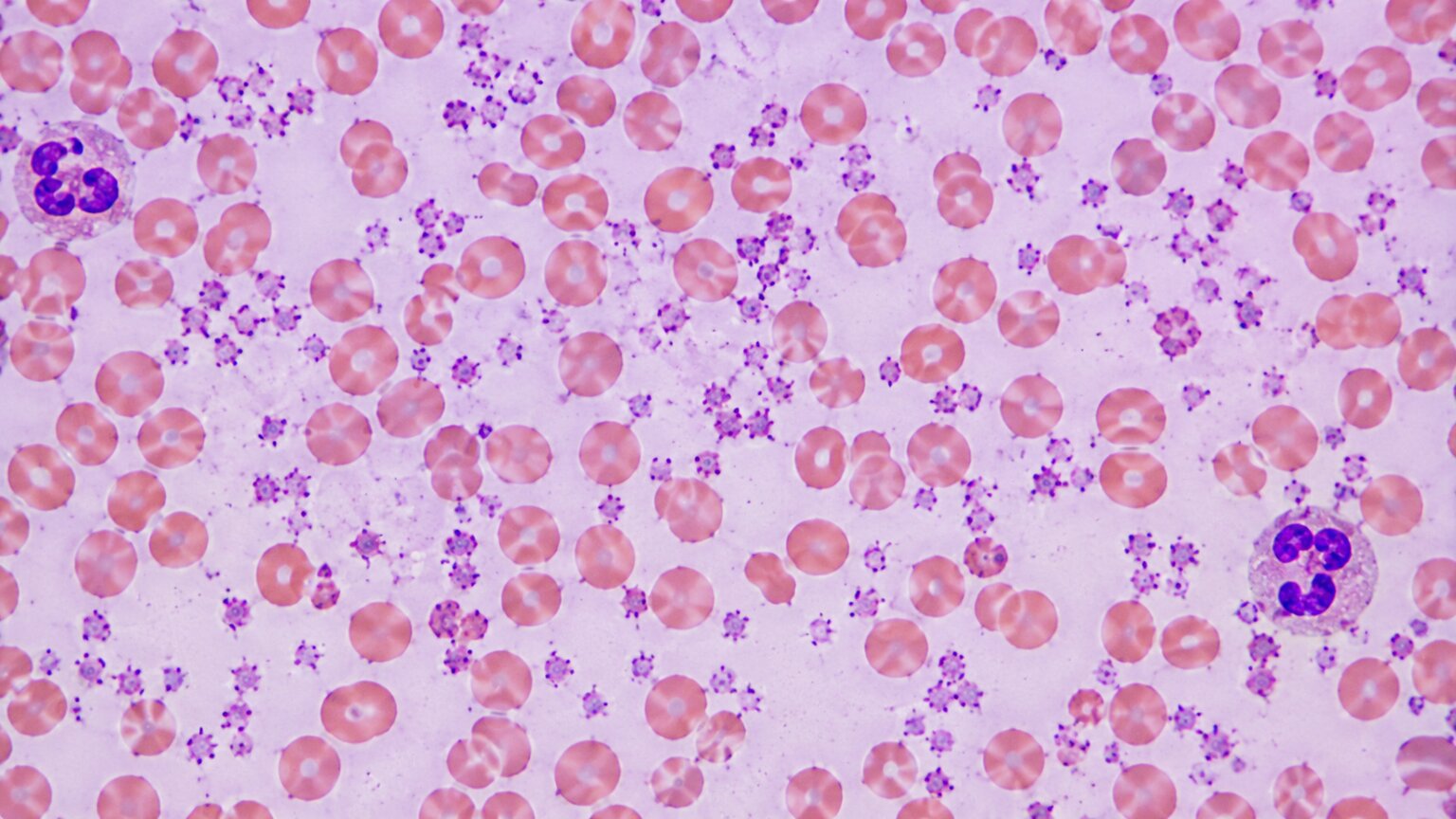
This is exactly the kind of finding a lab report can surface well before symptoms do, and it's part of why an unexplained thrombocytosis found on a routine or unrelated blood draw is worth following up on rather than shrugging off — particularly if it doesn't come back down on a repeat test a few weeks later. Doctors typically manage this by first looking for the common, benign explanations (infection, recent surgery, iron deficiency, inflammatory disease), and only pursuing further workup for malignancy if none of those explain the finding and the platelet count remains elevated over time.
When the Bone Marrow Itself Is the Problem: Essential Thrombocythemia
In a much smaller subset of cases, an elevated platelet count isn't reactive at all — it's coming directly from a primary problem in the bone marrow, most often a condition called essential thrombocythemia (ET), one of a group of disorders known as myeloproliferative neoplasms. In ET, a genetic mutation (most commonly in a gene called JAK2, though CALR and MPL mutations also occur) causes megakaryocytes to overproduce platelets independent of any external signal like thrombopoietin or inflammation — the marrow is essentially producing platelets on autopilot, unresponsive to the normal feedback loops that would otherwise regulate output. This tends to produce platelet counts that are far higher than what's typically seen in reactive thrombocytosis — often well above 600,000 or even 1,000,000 per microliter — and, unlike the reactive form, the count doesn't resolve when an infection clears or surgery heals. ET carries real clinical significance because the platelets it produces, despite being abnormally abundant, don't always function normally; some people with ET are at increased risk of blood clots (particularly in unusual locations like the abdominal veins), while paradoxically, others are at increased bleeding risk because the platelets themselves are qualitatively dysfunctional even though there are more of them. Diagnosing ET typically requires genetic testing for the driver mutations and sometimes a bone marrow biopsy, and it's why a platelet count that stays very high without an obvious reactive cause is taken seriously rather than assumed to be benign by default.
What a High Mean Platelet Volume (MPV) Adds to the Picture
Platelet count is rarely reported alone — most CBC panels also include mean platelet volume (MPV), a measurement of the average size of the platelets themselves. Younger, newly produced platelets tend to be larger than older ones circulating near the end of their roughly 8-to-10-day lifespan, so MPV functions as a rough proxy for how "fresh," and how active, the platelet population is at any given moment. A high MPV often shows up alongside a low platelet count in situations where platelets are being destroyed or consumed faster than normal — the bone marrow responds by pumping out large, young, hyperactive platelets to compensate, so even though the total count is low, the ones present are oversized and eager. This pattern is common in immune thrombocytopenia and in conditions involving increased platelet turnover. On the flip side, research has also linked a persistently elevated MPV, even with a normal platelet count, to increased platelet reactivity and a modestly higher risk of cardiovascular events like heart attack and stroke, since larger, younger platelets tend to be more prone to aggregating and forming clots on damaged or plaque-laden arterial walls. MPV isn't used as a stand-alone screening tool for heart disease, but in someone already being evaluated for cardiovascular risk, a consistently high MPV is one more piece of supporting context clinicians may factor in alongside cholesterol, blood pressure, and other established risk markers.

Taken together, platelet count and MPV form a small but genuinely useful pair of numbers: the count tells you how many platelets are circulating, while MPV offers a hint about how they got that way — whether they're being freshly and urgently produced, sitting at a normal steady state, or aging without being adequately replaced. Neither number is diagnostic in isolation, but together with the rest of the CBC, they narrow the list of explanations considerably.
Low Platelets: Not Just a Bleeding Risk Number
Just as an elevated platelet count can mean far more than "watch for clots," a low platelet count — thrombocytopenia — carries its own broader diagnostic story beyond bruising and bleeding risk. Thrombocytopenia happens for essentially three reasons: the bone marrow isn't producing enough platelets, platelets are being destroyed or consumed faster than the marrow can replace them, or platelets are being pulled out of general circulation and sequestered somewhere else in the body, most often the spleen. Each of these three mechanisms points toward a completely different category of underlying problem, which is exactly why a low platelet count, on its own, prompts doctors to look at the rest of the CBC, the person's medication list, their liver function, and sometimes a physical exam of the abdomen before drawing any conclusions.
Immune Thrombocytopenia: When the Body Attacks Its Own Platelets
Immune thrombocytopenia (ITP) is one of the more well-known causes of a low platelet count, and it illustrates the "destruction" pathway clearly: the immune system mistakenly produces antibodies that tag circulating platelets for destruction, and the spleen — which normally filters aged or damaged blood cells out of circulation — ends up removing large numbers of otherwise healthy platelets simply because they've been marked by these antibodies. ITP can appear seemingly out of nowhere in an otherwise healthy person, sometimes triggered by a recent viral infection, and it can also occur alongside other autoimmune conditions like lupus. What makes ITP diagnostically interesting is that the rest of the CBC — red blood cells, white blood cells — is typically completely normal; it's an isolated drop in platelets, often with a compensatory rise in MPV as the bone marrow scrambles to replace what's being destroyed. Diagnosing ITP is partly a process of exclusion, since there's no single definitive blood test for it — doctors first need to rule out other causes of thrombocytopenia, including medications, other autoimmune diseases, and bone marrow disorders, before settling on ITP as the explanation.

Treatment for ITP depends heavily on how low the platelet count actually is and whether there's active bleeding, ranging from simple observation in mild cases to corticosteroids, intravenous immunoglobulin, or newer targeted therapies in more severe or persistent cases. The condition also illustrates a broader point worth remembering: a low platelet count with an otherwise unremarkable CBC is a very different clinical picture from a low platelet count that shows up alongside abnormal red or white blood cell counts, and that distinction is one of the first things a doctor will look for.
The Liver and Spleen Connection: Sequestration, Not Destruction
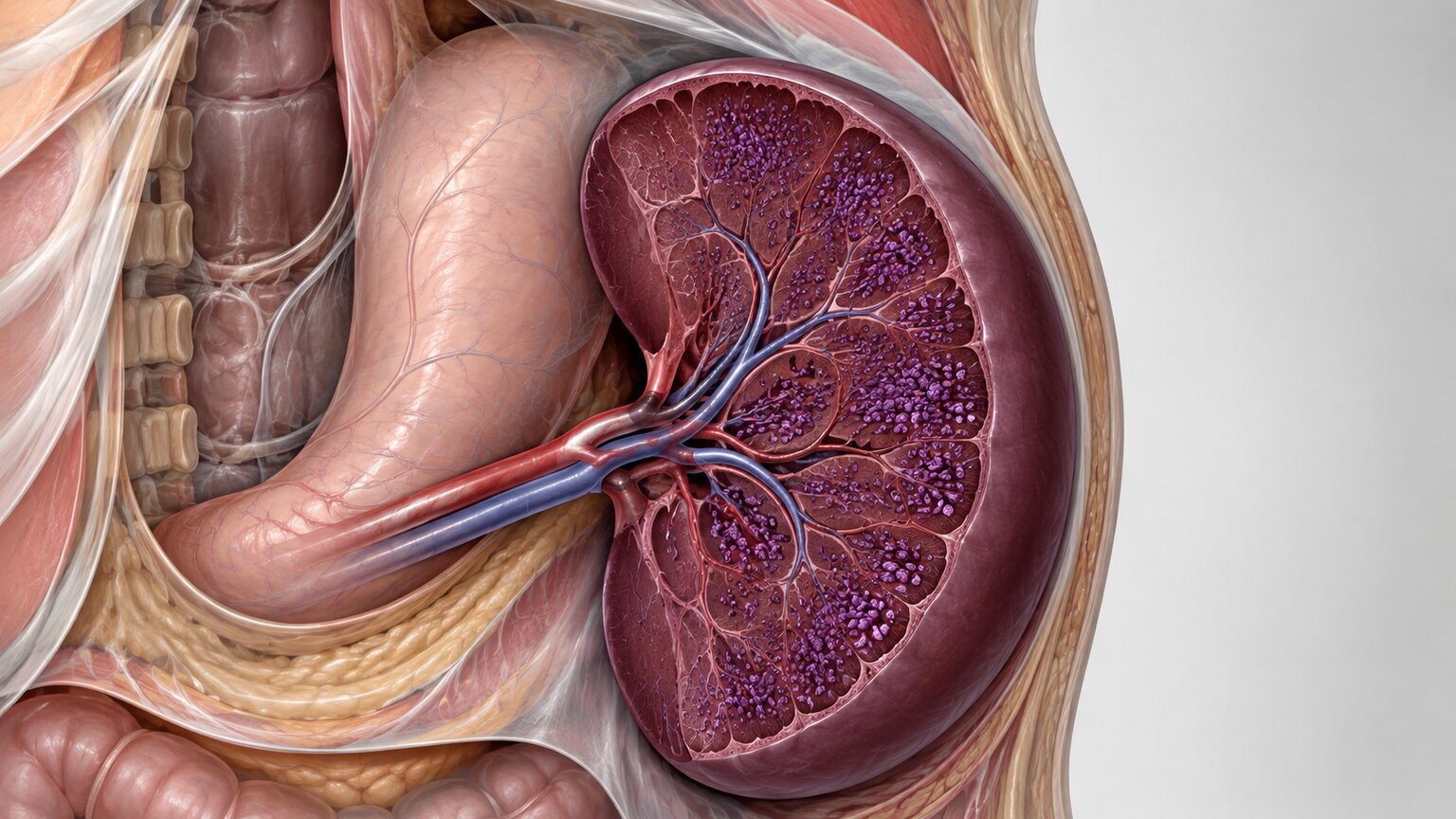
A completely different mechanism behind low platelets involves the spleen physically holding onto more of them than it should. Normally, about a third of the body's platelets are stored in the spleen at any given time, cycling in and out of general circulation. But when the spleen becomes enlarged — a condition called splenomegaly, most commonly caused by chronic liver disease and the resulting increase in pressure in the blood vessels feeding the spleen (portal hypertension) — it can trap a much larger share of the body's total platelet supply, sometimes up to 90%, leaving a smaller pool circulating and available to register on a standard blood count. Crucially, this isn't a production problem or a destruction problem; the platelets aren't gone, they're simply parked in an enlarged spleen instead of circulating where a blood draw would capture them. This is exactly why chronic liver disease, including cirrhosis from any cause, is one of the more common reasons doctors see a persistently low platelet count in an otherwise stable patient, and why an enlarged spleen found on a physical exam or imaging study is one of the first things considered when thrombocytopenia shows up alongside other signs of liver dysfunction, like abnormal liver enzymes or a low albumin level.
Viral Infections and the Temporary Platelet Dip
A short-term drop in platelet count is an extremely common feature of many viral infections, and it's usually nothing to be alarmed about on its own. Viruses like Epstein-Barr virus (the cause of mononucleosis), dengue fever, and, more recently, COVID-19 have all been well documented to cause a temporary decrease in circulating platelets, through a combination of the virus directly affecting bone marrow production, increased platelet consumption during the body's inflammatory response, and sometimes immune-mediated destruction similar in mechanism to ITP. Dengue fever is a particularly notable example, since a sharply falling platelet count is one of the specific markers doctors track to assess severity and the risk of dengue hemorrhagic fever in affected regions. In most viral illnesses, though, the platelet count drops modestly, stays above the threshold where bleeding risk becomes a real concern, and recovers on its own within one to two weeks as the infection resolves — which is why a low platelet count found during an active cold, flu, or other viral illness is generally treated as an expected, temporary finding rather than something requiring separate investigation, unless the drop is severe or persists well after the illness has cleared.

This is also a useful reminder of why a single platelet count, viewed in isolation and without context about what else is going on with a person at the time it was drawn, can be misleading in either direction. A modestly low platelet count during a bout of the flu means something entirely different from the same number showing up on a routine physical in someone who feels completely well — even though the lab report itself might look identical.
Medications That Can Quietly Lower Your Platelet Count
Certain medications are well known to cause drug-induced thrombocytopenia, and this is one of the first things doctors screen for when a low platelet count shows up without an obvious explanation. Heparin, a commonly used blood thinner, can trigger a specific and serious immune reaction called heparin-induced thrombocytopenia (HIT), in which the drug paradoxically increases clotting risk even as the platelet count falls — a dangerous combination that requires immediately stopping the heparin and switching to an alternative anticoagulant. Certain antibiotics (including some sulfa-based drugs), anti-seizure medications, and chemotherapy agents are also recognized causes, generally working through either direct suppression of bone marrow production or an immune reaction similar to ITP, where the drug essentially acts as a trigger that causes antibodies to form against the platelets themselves. Because of this, reviewing a complete and current medication list — including over-the-counter drugs and supplements — is one of the standard early steps whenever an unexplained low platelet count is being investigated, since stopping the responsible medication is often all that's needed for the count to recover.
Pregnancy and Platelet Count: What's Normal and What Isn't
Platelet counts commonly drift downward during pregnancy, and in the majority of cases this is a benign, well-recognized phenomenon called gestational thrombocytopenia, thought to result from a combination of increased blood volume diluting the platelet concentration and increased platelet turnover related to the physiological changes of pregnancy. This typically produces a mild, gradual decline that stays well above the threshold associated with bleeding risk and resolves on its own after delivery, requiring no treatment beyond routine monitoring. However, a more significant or rapidly falling platelet count during pregnancy needs to be distinguished carefully from more serious conditions that can occur specifically in this context, including preeclampsia and its more severe variant, HELLP syndrome (hemolysis, elevated liver enzymes, and low platelets), both of which require prompt medical attention. This is exactly why platelet counts are checked routinely throughout pregnancy — not because a mild drop is expected to be dangerous, but because distinguishing the common, benign pattern from the much rarer, serious one depends on tracking the trend over time alongside blood pressure and other lab markers, not on any single isolated result.
Why Some "Low" Platelet Counts Are a Lab Artifact, Not a Real Problem
Before any low platelet count triggers a wave of concern, it's worth knowing about a surprisingly common and entirely artificial cause: pseudothrombocytopenia, a lab phenomenon in which the platelet count reported on a blood test is falsely low even though the person's actual, physiological platelet count is completely normal. The most frequent cause is a reaction between platelets and EDTA, the anticoagulant used in the purple-top tubes standard blood draws are collected in. In a small percentage of people, EDTA causes platelets to clump together in the tube after the sample is drawn — an effect that has nothing to do with anything happening inside the body, and everything to do with how that particular person's platelets react to that particular chemical once they're outside it. When an automated cell counter processes the sample, it reads those clumps as a much smaller number of larger particles rather than counting each individual platelet, which drags the reported count down, sometimes dramatically, even into a range that would otherwise suggest a medical emergency.
This matters enormously in practice, because a platelet count of, say, 40,000 looks alarming on paper and would normally prompt urgent evaluation for one of the serious causes of thrombocytopenia described earlier in this article. But if that low number is actually due to clumping in the tube rather than a real drop in circulating platelets, treating it as a true emergency would be both unnecessary and potentially harmful, since it could lead to invasive testing or treatment for a problem that doesn't exist. The way labs and clinicians catch this is by examining a blood smear under a microscope — clumped platelets are visually obvious to a trained eye in a way they simply aren't to an automated counter — or by redrawing the sample into a different anticoagulant, such as a sodium citrate tube, which doesn't trigger the same clumping reaction in most people who experience it. If a repeat count using a different collection tube comes back normal, that confirms the original low result was an artifact of the EDTA reaction rather than a genuine platelet problem. This is exactly why an isolated, unexpected low platelet count in someone who feels completely well and has no bruising or bleeding is often followed up with a blood smear review before anyone assumes something is medically wrong — the number on the printed report isn't always the full story, and knowing this particular quirk exists can spare someone a lot of unnecessary worry.
Life Without a Spleen: Why Removal Pushes Platelet Counts Up
The spleen's role in storing roughly a third of the body's circulating platelets, discussed earlier in the context of splenomegaly lowering platelet counts, also explains the opposite scenario: what happens to platelet counts after a splenectomy, the surgical removal of the spleen. Without a spleen to hold onto a reserve pool of platelets and to filter aging ones out of circulation, platelet counts typically rise, sometimes substantially, in the days and weeks following the surgery — a pattern so consistent and well recognized that it's considered an expected, normal physiological response rather than a concerning finding. In many people, this post-splenectomy elevation is temporary and gradually moderates over the following months as the body adjusts, though some people are left with a permanently higher baseline platelet count than they had before the surgery, simply because the storage and filtering function the spleen used to provide is now gone entirely.
People without a spleen — whether from surgical removal after trauma, as part of treating certain blood disorders, or due to conditions that cause the spleen to stop functioning even though it's still physically present — are typically counseled that a platelet count in the high-normal or even mildly elevated range is simply their new normal, not a sign that something new is wrong. This is a useful, concrete example of why a person's own baseline and medical history matter as much as the reference range printed on a lab report: the same platelet number that would prompt a workup for reactive thrombocytosis in someone with an intact spleen might be an entirely expected, unremarkable finding in someone who's had theirs removed.
How Doctors Actually Put an Abnormal Platelet Count Into Context
Given everything above, it should be clear that no single platelet count, high or low, tells a complete story on its own. In practice, doctors interpreting an abnormal result work through a fairly consistent set of questions: Is this a new finding, or has it been trending this way over time? What do the other numbers on the same CBC look like — are red and white blood cells normal, or also affected? Is there a clear, recent explanation like an infection, surgery, or new medication? Are there any symptoms — unusual bruising, bleeding, fatigue, unexplained weight loss, abdominal fullness — that point toward a specific cause? And, particularly for persistent or unexplained thrombocytosis in an adult, is it worth pursuing further evaluation to rule out an underlying malignancy or primary bone marrow disorder? A single abnormal platelet count discovered incidentally, with no other findings and a plausible benign explanation, is usually managed with a simple repeat test in a few weeks to confirm it's resolving. A platelet count that's dramatically abnormal, persistent, or paired with other concerning findings warrants a more thorough workup, which might include additional blood tests, imaging, or referral to a hematologist.
This layered, contextual approach is really the whole point of ordering a CBC in the first place rather than a single isolated test — the panel is designed to be read together, with each value informing how the others should be interpreted. A platelet count sitting alone on a page means comparatively little; the same number, read next to hemoglobin, white blood cell count, MCV, and MPV, along with a person's symptoms and history, becomes genuinely informative.
Frequently Asked Questions
Should I be worried if my platelet count is just slightly outside the normal range?
Usually not on its own. A platelet count just outside the reference range, especially with no symptoms and a plausible recent explanation like a cold or minor injury, is commonly reactive and often normalizes on a repeat test. It becomes more worth investigating if it's significantly abnormal, persistent over multiple tests, or paired with other unusual findings on the same panel.
Can stress or lack of sleep affect my platelet count?
Not directly in a clinically meaningful way for most people. Platelet count is more reliably influenced by inflammation, infection, blood loss, medications, and bone marrow function than by everyday stress or sleep patterns. If your count is abnormal, it's more useful to think about recent illness, injury, medications, or bleeding than lifestyle stress.
Does a high platelet count always mean I'm at risk of a blood clot?
Not necessarily. Reactive thrombocytosis, the most common cause of a high count, doesn't carry the same clotting risk as primary bone marrow disorders like essential thrombocythemia, where platelet function itself can be abnormal. The number alone doesn't determine clotting risk — the underlying cause and the platelets' functional behavior matter more than the count in isolation.
My platelet count came back very low, but I have no bruising or bleeding at all. Could the number be wrong?
It's possible, and worth asking about. A phenomenon called pseudothrombocytopenia, caused by platelets clumping in the collection tube rather than a true drop in circulating platelets, can produce a dramatically low result in someone whose actual platelet count is completely normal. If a low count doesn't match how you feel, ask your provider whether a blood smear review or a redraw in a different tube type is warranted before assuming the number reflects a real problem.
Conclusion
A platelet count is one of the most information-dense numbers on a routine blood test, precisely because platelet production responds so quickly and so specifically to what else is happening in your body. An elevated count can be your bone marrow's honest reaction to inflammation, infection, healing, or iron deficiency — or, less commonly, an early clue pointing toward an underlying malignancy or a primary bone marrow disorder that deserves its own workup. A low count can reflect immune destruction, medication effects, an enlarged spleen quietly holding onto more platelets than it should, a viral illness working its way through your system, a simple lab artifact from clumping in the collection tube, or, in pregnancy, changes that range from completely benign to genuinely urgent. None of these possibilities can be sorted out from the platelet number alone; they depend on the trend over time, the rest of the CBC, your symptoms, your medication list, and your medical history — including details as specific as whether you still have your spleen. If your platelet count has come back outside the normal range, the most useful next step isn't panic — it's context: what else was going on with you when the sample was drawn, and what does the rest of your lab report show alongside it.
Still Not Sure What Your Results Mean?
Upload your labs and get a complete, visual, plain-language interpretation of every biomarker — delivered to your inbox in under 15 minutes.
Get My ReportThis article is for educational purposes only and does not constitute medical advice. Always consult your healthcare provider regarding your specific lab results.