
Understanding the Link Between Cortisol and Sleep
Cortisol and sleep are locked in a two-way relationship, not a one-way cause and effect. Your body is designed to release cortisol in a daily rhythm that naturally rises in the hours before you wake up and falls to its lowest point around bedtime — a pattern that helps set your internal clock. But when sleep is cut short, fragmented, or pushed to irregular hours, that rhythm gets disrupted, and cortisol can start rising at the wrong times, including late at night. That disruption then makes it harder to fall and stay asleep, which disrupts the rhythm further. Understanding this loop is the first step to knowing whether a cortisol number reflects your stress hormone system working normally, or a pattern that's been reshaped by how you've been sleeping.
Why Your Body's Stress Hormone Follows a Daily Clock
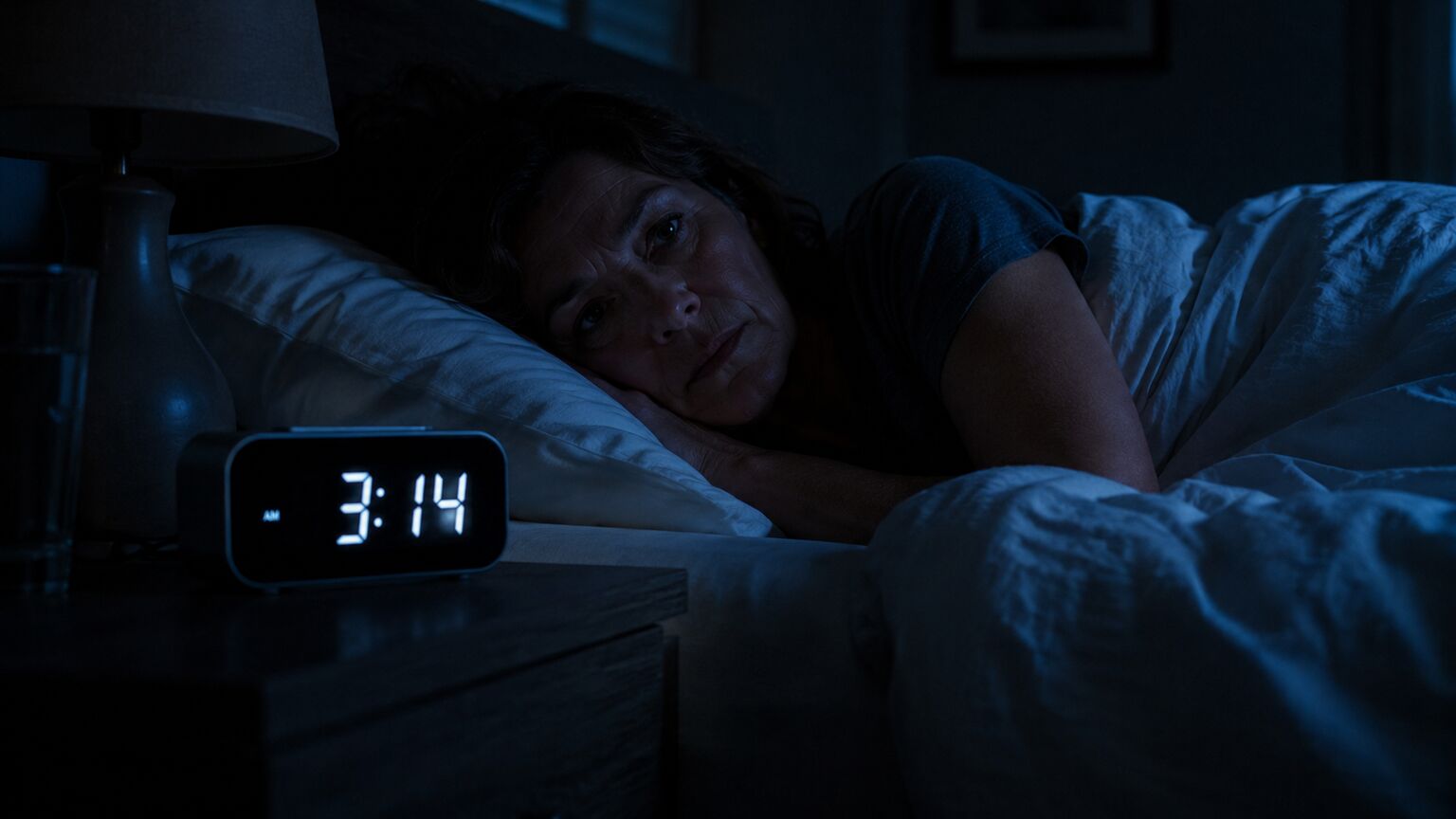
Cortisol isn't just a "stress hormone" that spikes only during emergencies — under normal conditions, it follows a predictable 24-hour rhythm controlled by the hypothalamic-pituitary-adrenal (HPA) axis, the communication loop between your brain and adrenal glands. Levels are typically at their lowest around midnight, begin climbing in the few hours before you wake, and peak sharply within the first 30 to 45 minutes after opening your eyes — a distinct spike known as the cortisol awakening response. From there, cortisol gradually declines throughout the day, reaching its low point again by the time you'd normally go to sleep. This rhythm exists specifically to help regulate your sleep-wake cycle: the overnight low creates favorable conditions for deep sleep, while the morning rise helps promote alertness. When researchers describe a "healthy" cortisol pattern, they're usually describing this curve — not a single number, but a shape across the day.
How Poor Sleep Pushes Your Cortisol in the Wrong Direction
When sleep is shortened, fragmented, or misaligned with your natural rhythm — through insomnia, shift work, jet lag, or simply staying up too late on a regular basis — that cortisol curve doesn't stay flat and normal. Studies on sleep restriction have found that even a few nights of shortened sleep can raise evening cortisol levels, at exactly the point in the day when they're supposed to be near their lowest. Fragmented sleep, where a person wakes repeatedly through the night even briefly, has also been associated with a blunted or delayed morning cortisol response, since the HPA axis relies on continuous, stable sleep architecture to reset properly. In shift workers, whose sleep and wake times are frequently out of sync with daylight, the entire cortisol rhythm can flatten out or shift to match the wrong schedule, making it harder for the body to know when it's "supposed" to feel alert or drowsy.
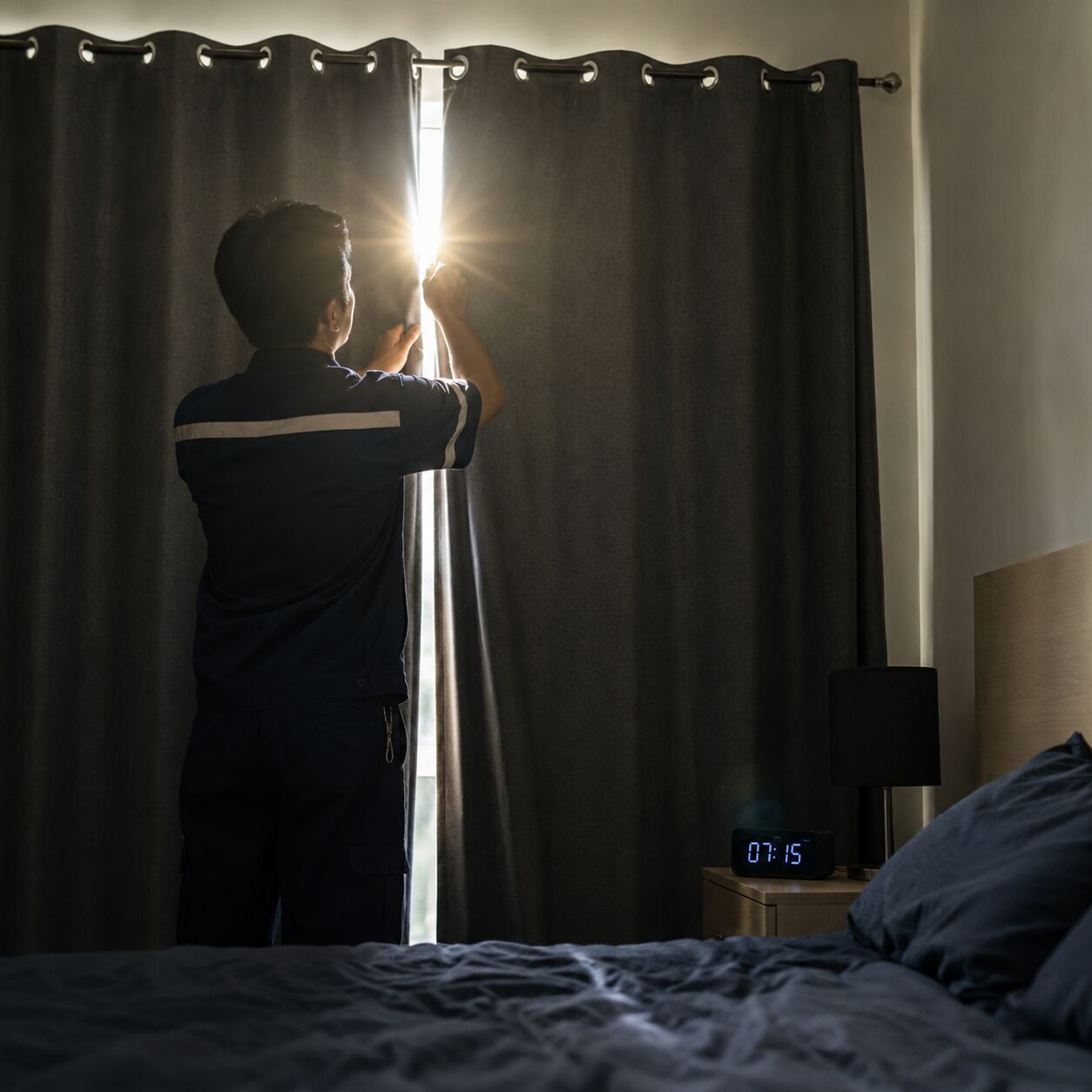
This isn't a small or purely theoretical shift. Because cortisol influences blood sugar regulation, immune activity, and blood pressure throughout the day, a rhythm that's been pushed out of its normal shape by poor sleep can have effects that extend well beyond just feeling tired. It's also part of why someone who has been sleeping badly for weeks may notice they feel simultaneously "wired and exhausted" in the evening — a pattern consistent with cortisol staying elevated at a time it should be winding down.
Curious what your own lab results are really telling you? Upload them and get a complete, plain-language breakdown in under 15 minutes.
Analyze My ResultsHow High Cortisol, in Turn, Makes It Harder to Fall Asleep
The relationship runs the other direction too. Cortisol is part of your body's alerting system, and elevated levels in the evening — whether from stress, disrupted rhythm, or both — work against the physiological changes your body needs to go to sleep, including a drop in core body temperature and a rise in melatonin. People experiencing chronic stress often describe a specific pattern: feeling physically tired but mentally "switched on" at bedtime, lying awake with racing thoughts. This maps closely to what's happening hormonally — cortisol that should be tapering off is instead still active, keeping the nervous system in a more alert state than sleep requires. Over time, this can create a self-reinforcing loop: poor sleep raises evening cortisol, elevated evening cortisol makes it harder to fall asleep, and the resulting sleep loss disrupts the rhythm even further the next day.

Breaking this cycle usually isn't about a single night of good sleep — it typically requires giving the HPA axis several consecutive days of consistent sleep timing to gradually re-establish its normal rhythm, since the system adjusts on a daily cadence rather than resetting instantly.
Why the Time of Day You Test Cortisol Changes What the Number Means
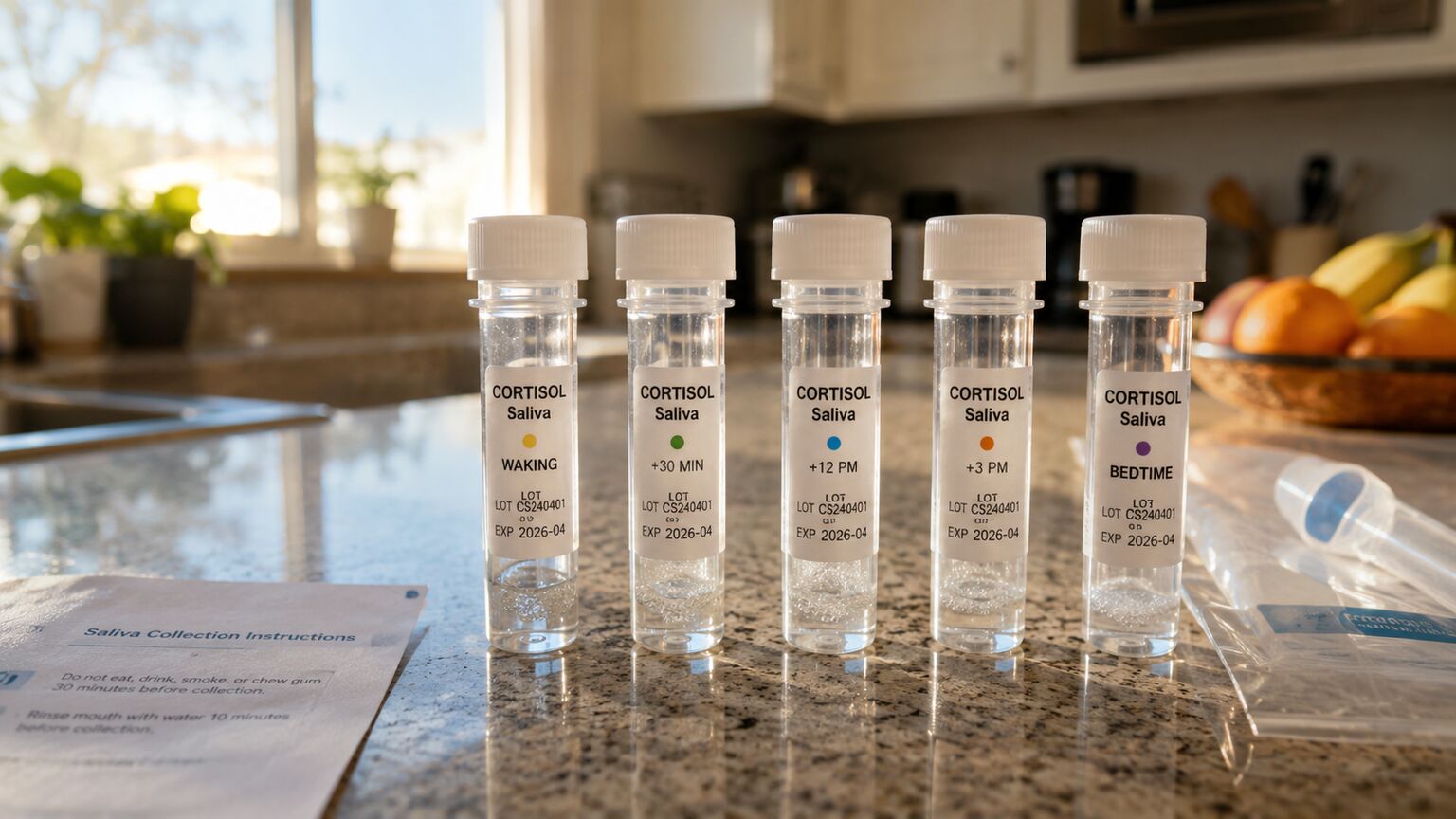
Because cortisol is supposed to change dramatically across 24 hours, a single measurement only makes sense in the context of when it was taken. A morning blood draw is compared against the expected post-waking peak, while an evening or bedtime measurement is compared against the expected low point — the exact same number could be entirely normal at one time of day and clearly abnormal at another. This is why clinicians are specific about testing time, and sometimes request multiple samples across a day, or a saliva-based test that can capture the cortisol awakening response specifically. Someone whose sleep has been irregular for weeks may show a cortisol pattern that looks unusual not because of an underlying adrenal or pituitary problem, but simply because their sleep-driven rhythm has shifted — which is part of why sleep history is a standard question when interpreting cortisol results.
Frequently Asked Questions
Can bad sleep alone raise my cortisol, even without added stress?
Yes. Research on sleep restriction shows that shortened or fragmented sleep can raise evening cortisol levels on its own, independent of any additional psychological stress. The sleep loss itself acts as a physiological stressor to the HPA axis.
If I sleep better, how quickly does my cortisol rhythm normalize?
It's typically gradual rather than immediate. Because the HPA axis resets on a roughly daily cycle, most research points to several consecutive nights of consistent, adequate sleep before the rhythm meaningfully re-establishes itself, rather than a single good night producing an immediate change.
Why did my doctor ask about my sleep schedule before ordering a cortisol test?
Because cortisol results are interpreted against an expected time-of-day curve, an irregular sleep schedule can shift that curve and make results harder to interpret correctly. Knowing your sleep pattern helps a provider judge whether an unusual result reflects a hormonal issue or a rhythm shifted by sleep habits.
Conclusion
Cortisol and sleep shape each other continuously: a healthy sleep pattern supports the normal daily rise and fall of cortisol, while irregular or insufficient sleep can push that rhythm out of place — and a disrupted rhythm can then make quality sleep harder to get. Neither side of this loop tends to improve on its own without addressing the other. Anyone dealing with an unusual cortisol result and a stretch of poor sleep has good reason to look at both together, ideally with a healthcare provider who can weigh the timing of the test alongside the sleep history behind it.
Still Not Sure What Your Results Mean?
Upload your labs and get a complete, visual, plain-language interpretation of every biomarker — delivered to your inbox in under 15 minutes.
Get My ReportThis article is for educational purposes only and does not constitute medical advice. Always consult your healthcare provider regarding your specific lab results.