
Understanding the Different Types of Estrogen Tested
"Estrogen" is a word most people use as if it names one single hormone, but it doesn't — it's an umbrella term covering three genuinely distinct molecules, each with its own structure, its own dominant source in the body, and its own life stage where it takes center stage. Estradiol, estrone, and estriol share a family resemblance in name and in the broad category of things they do, but they are not interchangeable, and a lab report that tests one of them is not automatically telling you anything about the other two. Which specific type gets ordered, and why, depends heavily on your age, your reproductive status, and the exact clinical question your doctor is actually trying to answer — understanding that distinction is what turns a confusing, single-letter-different set of test names into something genuinely easy to follow.
This article walks through what makes each of the three types biologically distinct, why the specific one ordered changes so dramatically across a person's life, and what it actually means when a report shows one, two, or all three at once.
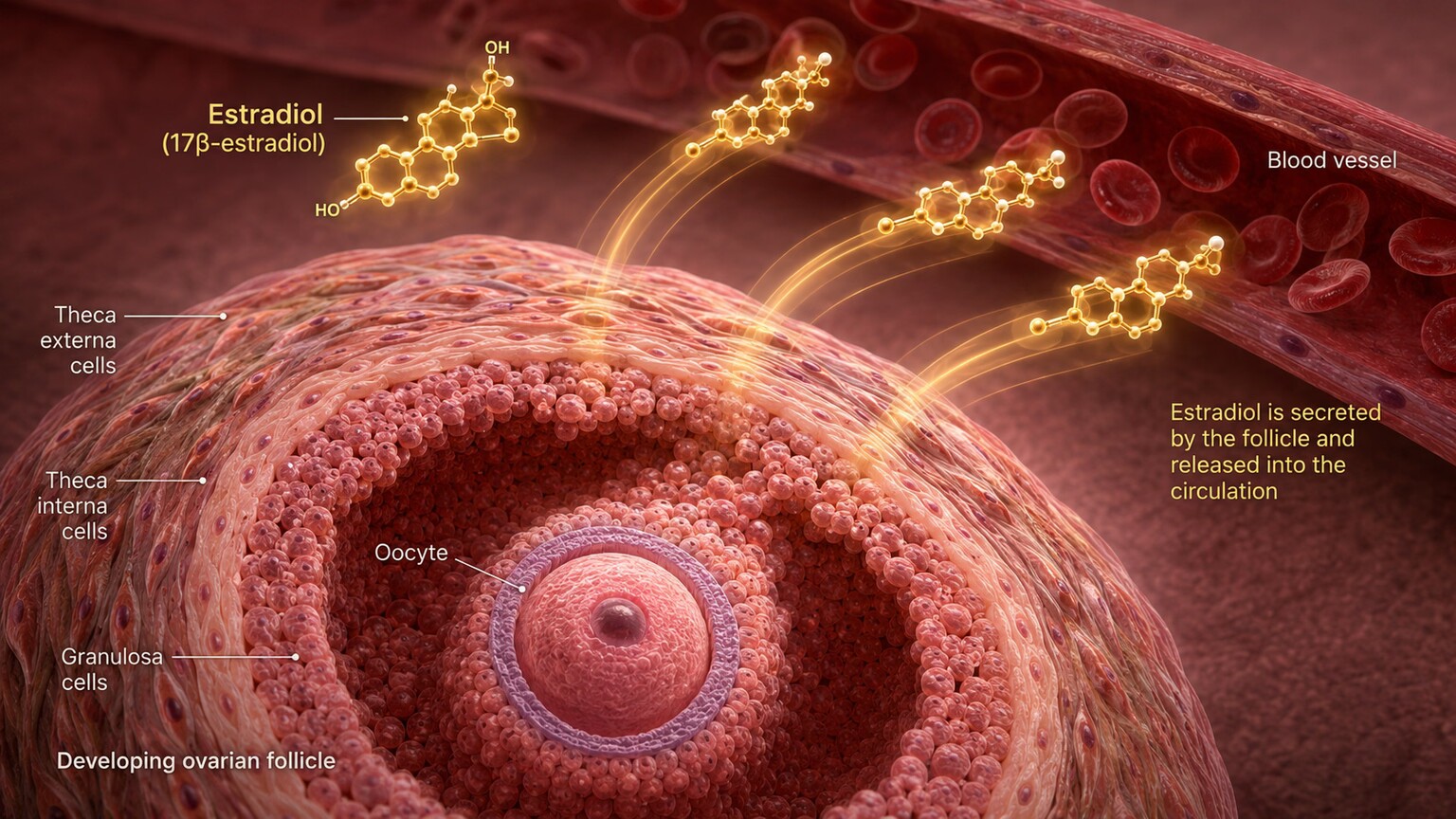
Figure 1. Estradiol (E2) is the most biologically potent of the three estrogen types and the dominant form produced by the ovaries throughout a person's reproductive years.
Estradiol (E2): The Reproductive-Years Powerhouse
Estradiol, often abbreviated E2, is the estrogen type most people are actually thinking of when they use the word generically, and for good reason — it's both the most potent of the three types at the cellular level and the dominant form circulating in the body during the reproductive years, roughly from puberty through the approach of menopause. It's produced primarily by developing follicles in the ovaries, with smaller amounts also produced in body fat tissue and, in men, converted from testosterone through an enzyme called aromatase.
The word "potent" deserves a moment of explanation, since it's doing real work in distinguishing these three molecules from each other. Potency, in this context, refers to how strongly a given amount of the hormone binds to and activates estrogen receptors on target cells throughout the body — not simply how much of it is circulating. Estradiol binds these receptors considerably more strongly than estrone does, and estrone in turn binds more strongly than estriol, which is why relatively small absolute amounts of estradiol can produce effects that would require a much larger quantity of estriol to match. This is part of why simply comparing raw numbers across the three types, without accounting for this underlying potency difference, can be genuinely misleading — a modest estradiol level and a much higher estriol level aren't necessarily producing comparable biological effects, since the two molecules aren't equally effective at activating the same receptors in the first place.
Because estradiol is the primary driver of the menstrual cycle, it's the specific estrogen type ordered for the vast majority of everyday hormone testing in premenopausal women — investigating irregular periods, fertility concerns, or symptoms suggestive of a hormonal imbalance. It's also the type most commonly checked in men when elevated estrogen is suspected, since it's the biologically active form responsible for the symptoms — breast tissue changes, mood effects — that typically prompt that specific workup in the first place.
Within the menstrual cycle itself, estradiol doesn't sit at one constant level — it rises and falls in a predictable pattern that a doctor reading a result needs to know the timing of in order to interpret it correctly. Levels start relatively low in the early follicular phase, climb steadily as a dominant follicle matures, then surge sharply just before ovulation, triggering the release of an egg, before dropping and then rising again more modestly during the luteal phase that follows. This means the exact same estradiol number can be completely normal at one point in the cycle and clearly abnormal at another, which is why fertility-related estradiol testing is almost always ordered for a specific cycle day rather than whenever happens to be convenient — a detail that echoes the broader theme of timing mattering for hormone interpretation covered in more depth elsewhere on this site.
Estradiol's reach extends well beyond the reproductive system itself, which is worth knowing since it explains why estradiol testing sometimes gets ordered for reasons that don't initially sound reproductive at all. Estradiol receptors are present in bone tissue, where the hormone helps maintain bone density, in the cardiovascular system, where it influences cholesterol handling and blood vessel function, and in the brain, where it affects mood regulation and even certain aspects of cognitive function. This broad tissue distribution is part of why declining estradiol around menopause produces such a wide-ranging set of symptoms — hot flashes, mood changes, and accelerated bone density loss are all, at least in part, consequences of estradiol's influence disappearing from tissues well outside the reproductive system.
Estrone (E1): The Estrogen That Takes Over After Menopause
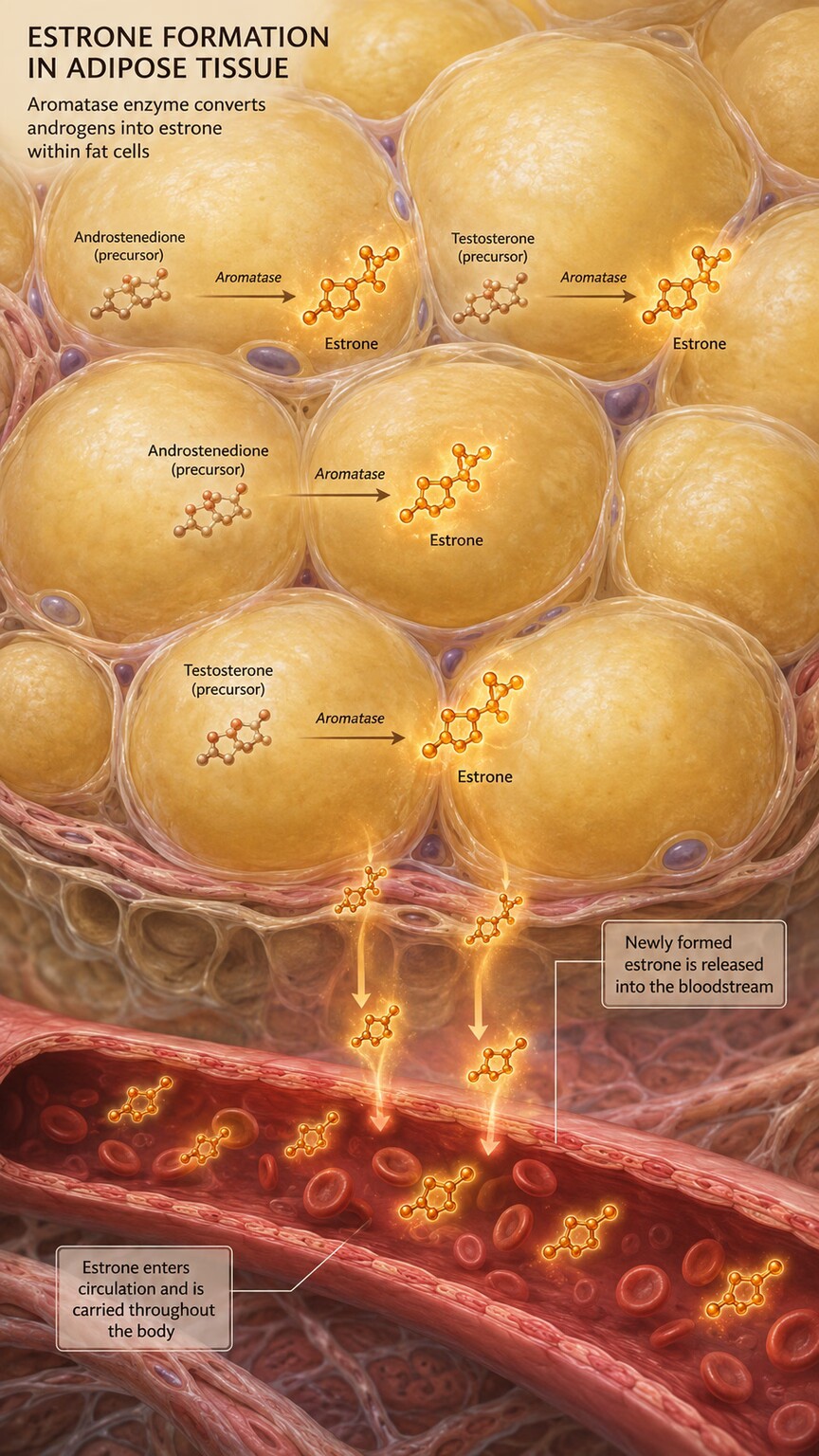
Figure 2. After the ovaries stop producing estradiol at menopause, body fat tissue becomes the primary source of estrogen, converting adrenal precursor hormones into estrone through the enzyme aromatase.
Estrone, abbreviated E1, is a weaker estrogen than estradiol at the cellular level, but it becomes the dominant circulating estrogen type after menopause, once the ovaries have largely stopped producing estradiol. At that point, the body's estrogen supply shifts almost entirely to a different source: fat tissue, which converts a precursor hormone produced by the adrenal glands into estrone through the same aromatase enzyme responsible for estrogen production in men.
This shift in dominant source is exactly why estrone becomes the more clinically relevant estrogen type to check in postmenopausal women, rather than estradiol, which typically runs very low regardless of overall estrogen status once the ovaries have stopped their primary reproductive function. It's also why body fat percentage genuinely matters for postmenopausal estrogen levels in a way it doesn't as directly during the reproductive years — more fat tissue means more aromatase activity, which means more estrone being produced from the same amount of adrenal precursor hormone.
This connection between body fat and estrone production has real clinical implications worth understanding, and it's a genuinely elegant piece of endocrine biology once traced through step by step. Postmenopausal women carrying more body fat tend to have measurably higher estrone levels than leaner postmenopausal women, which sounds counterintuitive at first — more fat producing more of a hormone that's declining overall — but makes complete sense once the underlying aromatase mechanism is understood. This relationship is also part of why obesity is a recognized risk factor for certain estrogen-sensitive conditions specifically in postmenopausal women, since the sustained higher estrone exposure that comes with higher body fat represents a real, measurable difference in lifetime hormone exposure compared to a leaner person of the same age.
Estrone isn't exclusively a postmenopausal concern, though it's most clinically prominent in that context — it circulates at lower but still measurable levels throughout the reproductive years as well, generally running in rough proportion to estradiol during that phase of life. It only becomes the dominant, clinically primary estrogen type once the ovarian estradiol production that would otherwise overshadow it has substantially declined, which is precisely the menopausal transition this section has focused on.
Men also produce estrone throughout life via this same fat-tissue aromatase pathway, running alongside their estradiol production rather than replacing it the way it effectively does in postmenopausal women. In men, estrone typically plays a smaller, less clinically emphasized role than estradiol in routine testing, though it can become more relevant in specific situations involving significant obesity or liver disease, both of which can meaningfully increase aromatase-driven estrone production beyond what's typical.
Curious what the rest of your hormone panel is telling you? Upload your results and get a complete, plain-language breakdown in under 15 minutes.
Analyze My ResultsEstriol (E3): The Pregnancy-Specific Estrogen
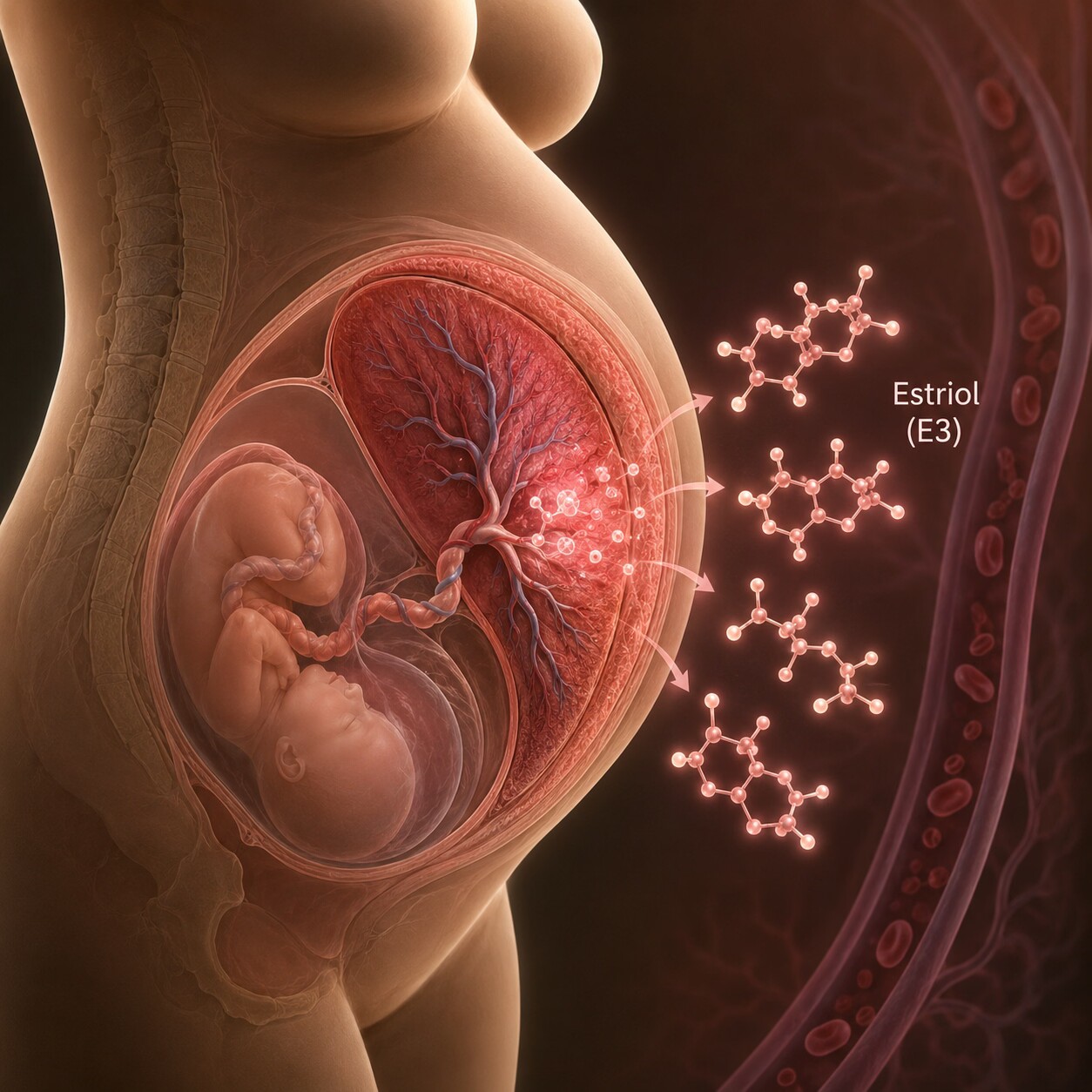
Figure 3. Estriol is produced almost exclusively by the placenta during pregnancy, making it a virtually pregnancy-specific hormone rather than a general marker of estrogen status.
Estriol, abbreviated E3, is the weakest of the three estrogen types and is produced almost exclusively by the placenta during pregnancy, making it, practically speaking, a pregnancy-specific hormone rather than a general marker of estrogen status the way estradiol and estrone are. Outside of pregnancy, estriol circulates at levels so low it's rarely worth measuring at all, which is exactly why it doesn't show up on a standard hormone panel for someone who isn't pregnant.
During pregnancy, estriol serves a genuinely useful clinical purpose: it's one of the components of certain prenatal screening tests, where an unusually low level, considered alongside other markers, can be part of a broader risk assessment for certain chromosomal conditions or placental problems. This is a completely different clinical context from why estradiol or estrone get ordered, which is part of why understanding which specific estrogen type a test is measuring matters so much — the same word, "estrogen," is doing very different diagnostic work depending on which of the three molecules is actually being reported.
The specific screening test that includes estriol is often called a "triple screen" or "quad screen," depending on how many total markers it combines, and it's typically offered during the second trimester of pregnancy. Alongside estriol, this screening panel usually includes alpha-fetoprotein, a protein produced by the developing fetus, and human chorionic gonadotropin, another pregnancy hormone — the combination of all these markers together, rather than any single one in isolation, is what produces a meaningful risk estimate. A low estriol on its own, outside the context of this broader panel, isn't interpreted as a standalone finding requiring immediate concern; it's one data point feeding into a larger statistical risk calculation that also factors in maternal age and other clinical details.
It's worth being clear about what this kind of screening test actually does and doesn't tell an expectant parent, since it's a source of real anxiety when misunderstood: a screening test like this one estimates probability, not certainty, and an unusual result prompts further, more definitive testing rather than serving as a diagnosis on its own. Understanding that estriol's role here is genuinely narrow and specific — a pregnancy-screening component, not a general marker of pregnancy health or estrogen status broadly — helps put any single unusual result into its correct, appropriately limited context rather than a more alarming one.
Estriol levels also rise steadily and substantially across a healthy pregnancy, generally increasing week over week as the placenta grows and matures, which is part of why the specific gestational week at the time of testing matters so much for correctly interpreting any given estriol result — the same absolute number can be entirely appropriate at one point in pregnancy and genuinely unusual at another, echoing the timing-sensitivity theme that recurs throughout this article's discussion of estradiol's cycle-dependent pattern as well.
Why Doctors Order Different Panels for Different Life Stages
Once the distinct roles of these three types are clear, the logic behind which one gets ordered for a given patient becomes straightforward rather than arbitrary. A premenopausal woman investigating irregular cycles or fertility concerns almost always gets estradiol specifically, since it's the type actually driving the process being investigated. A postmenopausal woman being evaluated for symptoms or monitored on hormone therapy is more likely to have estrone checked alongside or instead of estradiol, since estrone better reflects her actual current hormonal status. A pregnant patient undergoing certain prenatal screening protocols may have estriol specifically measured as one piece of a broader risk assessment panel, entirely separate from any general estrogen status question.
Fertility specialists represent one more context where this life-stage logic plays out with particular precision. During an in vitro fertilization cycle, estradiol is monitored extremely closely, sometimes every day or two, as ovarian stimulation medications are actively used to encourage multiple follicles to develop simultaneously. Here, estradiol isn't just a diagnostic marker being checked once — it's an active, real-time indicator of how the ovaries are responding to treatment, directly guiding medication dose adjustments and helping determine the optimal timing for egg retrieval. This represents the most intensive, frequent use of estrogen testing across any of the contexts covered in this article, and it exists specifically because estradiol's role as the direct product of developing follicles makes it uniquely suited to tracking follicle development in near real time, a job neither estrone nor estriol could serve nearly as well.
Men represent a slightly different case worth mentioning specifically: estradiol remains the primary type checked when investigating elevated estrogen symptoms in men, since it's the biologically active form responsible for those effects, even though the underlying production pathway — aromatase converting testosterone — is mechanistically similar to how postmenopausal women produce estrone from a different starting hormone. The same enzyme, different starting material, different resulting molecule, different clinical context — a good example of how these three types, while related, really do require being thought about separately rather than as interchangeable versions of the same thing.
Perimenopause, the transitional years leading up to menopause itself, deserves its own specific mention because it doesn't fit neatly into either the "premenopausal, check estradiol" or "postmenopausal, check estrone" categories described above. During this transition, ovarian estradiol production becomes genuinely erratic — sometimes surging higher than typical reproductive-years levels before eventually declining, rather than following a smooth, gradual downward slope. This is precisely why perimenopausal hormone testing can feel confusing or contradictory if only a single snapshot is taken: a woman tested during a perimenopausal surge might show an estradiol level that looks entirely normal or even elevated, only for a repeat test months later to show a dramatically different picture, both results genuinely reflecting her actual hormonal state at that specific moment rather than either being a lab error.
Children represent one more context worth a brief mention, since estrogen testing in this population serves an entirely different purpose than anything covered so far. Estradiol testing in children is occasionally used to investigate precocious puberty — puberty beginning unusually early — or, less commonly, delayed puberty, where an unexpectedly low level for a given age might point toward a different underlying cause needing further workup. The reference ranges used for children are, understandably, entirely different from adult ranges and change meaningfully across different stages of childhood development, which is one more illustration of how deeply context-dependent estrogen interpretation is across this hormone's very different roles throughout a person's life.
Total Estrogen vs. Individual Fractions
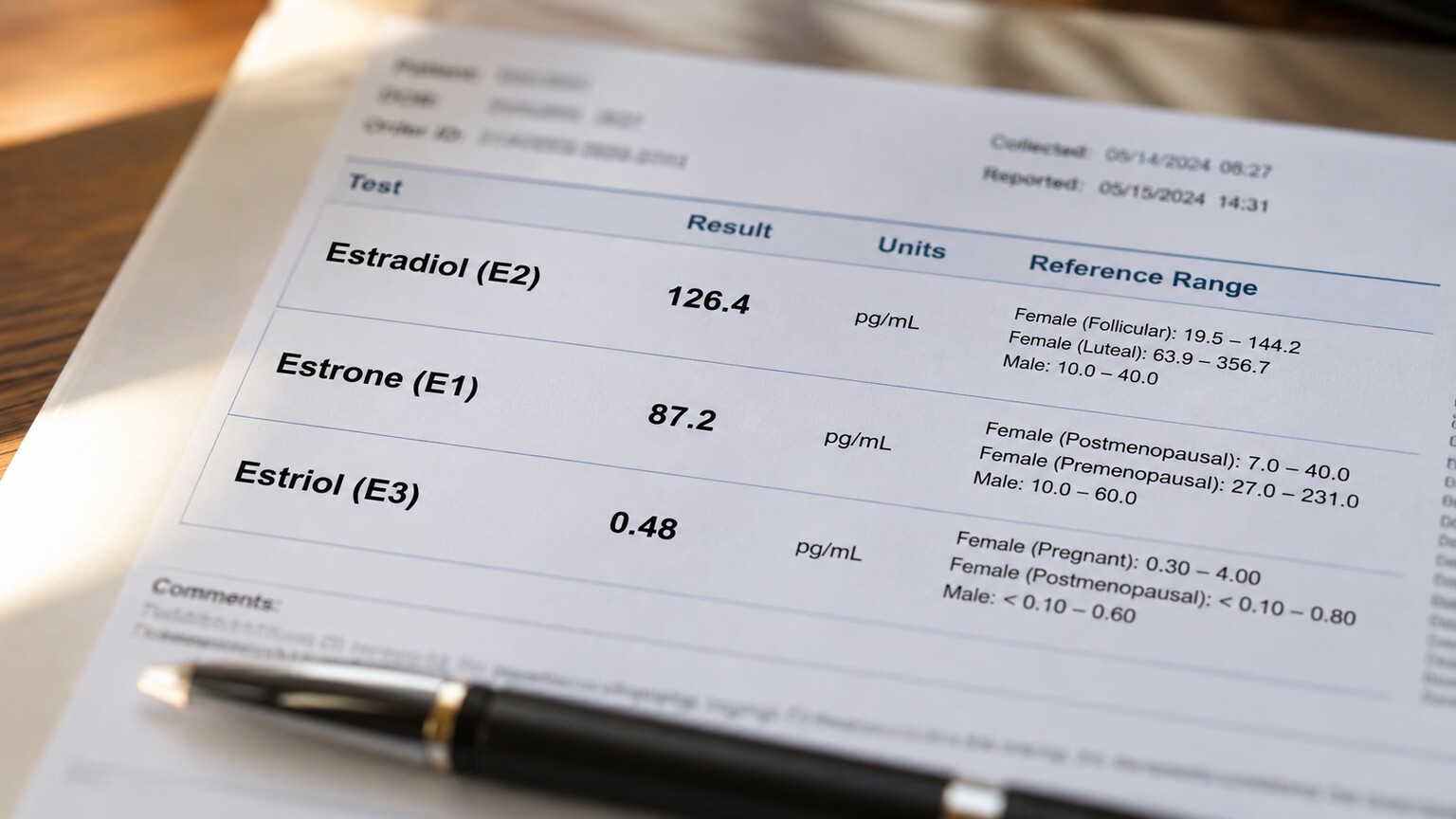
Figure 4. A comprehensive hormone panel lists each estrogen type as its own separate row with its own separate reference range, rather than combining them into one generic "estrogen" number.
Some older or less specific testing methods report a combined "total estrogen" value, essentially adding together whatever estrogen types the assay happens to detect into one number. While this can occasionally be useful as a rough general screen, it loses exactly the information this article has been building toward — whether an abnormal total is being driven by estradiol, estrone, or some combination, each of which points toward a completely different underlying explanation and a completely different next step.
This is exactly why modern, more clinically useful testing increasingly favors reporting each estrogen fraction individually, on its own row, against its own specific reference range, rather than folding everything into one combined number. If your own report shows a single "estrogen" value without breaking it into individual types, and your doctor is trying to work through a genuinely puzzling symptom picture, it's a completely reasonable thing to ask whether a more specific, fractionated panel would actually give a clearer answer than the combined total currently on hand.
There's also a technical measurement consideration worth understanding, since it affects how much confidence to place in a given result, particularly at the low end of the range. Standard immunoassay methods, the most common and widely available way to measure estrogen, can lose accuracy at very low concentrations, which matters specifically for postmenopausal women and men, whose estradiol levels often sit right at the bottom edge of what standard assays can reliably distinguish from zero. For situations where this precision genuinely matters — research settings, or clinical cases where a very precise low-end value changes the treatment decision — a more sensitive method called mass spectrometry is sometimes used instead, since it can reliably measure lower concentrations than standard immunoassays. This is a genuinely useful detail to know if you're ever told your estrogen was "too low to accurately measure" on a standard test, since it may reflect this specific technical limitation rather than an error or something concerning about the result itself.
What to Do If Your Report Only Shows One Type

Figure 5. Selecting which specific estrogen type to test is a deliberate clinical decision based on age, reproductive stage, and the exact question being investigated — not a one-size-fits-all default.
If your own report tested only one estrogen type and you're not sure why that specific one was chosen, it's a genuinely reasonable and specific question to bring to your doctor: "why estradiol and not estrone, given my age and situation?" or the reverse. The answer usually maps directly onto the life-stage logic covered earlier in this article, and hearing it explained in the context of your own specific situation often makes an otherwise cryptic single-letter test name feel considerably more concrete.
It's equally reasonable to ask the opposite question if a broader panel testing multiple estrogen types was ordered and the reasoning isn't clear: what specific question is each individual type meant to answer in your particular case, and how might the results, considered together rather than separately, actually change what happens next in your specific care plan. A doctor who has thought carefully about which specific test to order, for the specific reason described throughout this article, should be able to answer both versions of this question clearly and specifically — and if the answer feels vague or generic, that's itself useful information about how much thought went into the specific test selection in the first place.
It's also worth asking whether your specific symptoms or clinical question might actually be better served by a different type than the one initially ordered — someone in the perimenopausal transition, for instance, sits in a genuinely ambiguous zone where both estradiol and estrone can be clinically informative, and a single-type panel might not capture the full picture as well as a broader one would.
Gender-affirming hormone therapy for transgender women is a context worth mentioning specifically, since it relies heavily on the same estradiol pathway that dominates natural female reproductive-years physiology. Estradiol is typically the primary form administered and monitored in this context, with treatment goals generally aiming to bring circulating estradiol into a range comparable to natural reproductive-years levels. Monitoring bloodwork in this setting follows much the same logic already covered for premenopausal women — estradiol is the relevant, biologically active type to track — though the specific target ranges and monitoring frequency are guided by protocols developed specifically for this treatment context rather than simply borrowed unchanged from menstrual-cycle-related testing.
If you're on hormone replacement therapy, whether for menopausal symptoms or as part of gender-affirming care, understanding which specific estrogen type your particular formulation is designed to raise, and which type your monitoring bloodwork actually measures, is genuinely worth clarifying directly with your prescribing doctor. Different hormone therapy formulations can favor different estrogen types depending on how they're formulated and metabolized, and monitoring the type that doesn't actually reflect what your specific medication is designed to do can produce a confusing, seemingly contradictory result that has more to do with a testing mismatch than anything wrong with your treatment itself.
Finally, if you've had estrogen testing done at different points using different specific tests — say, a total estrogen at one visit and a fractionated estradiol at another — it's worth being cautious about directly comparing those two numbers to each other as if they were tracking the same trend. They may be measuring genuinely different things, and a change between the two results could reflect the difference in what was actually tested rather than a real change in your underlying hormone status. Whenever possible, tracking the exact same specific test, ideally from the same lab using the same assay method, over time gives a far more reliable trend than comparing across different test types or different testing facilities.
How the Three Types Actually Relate to Each Other
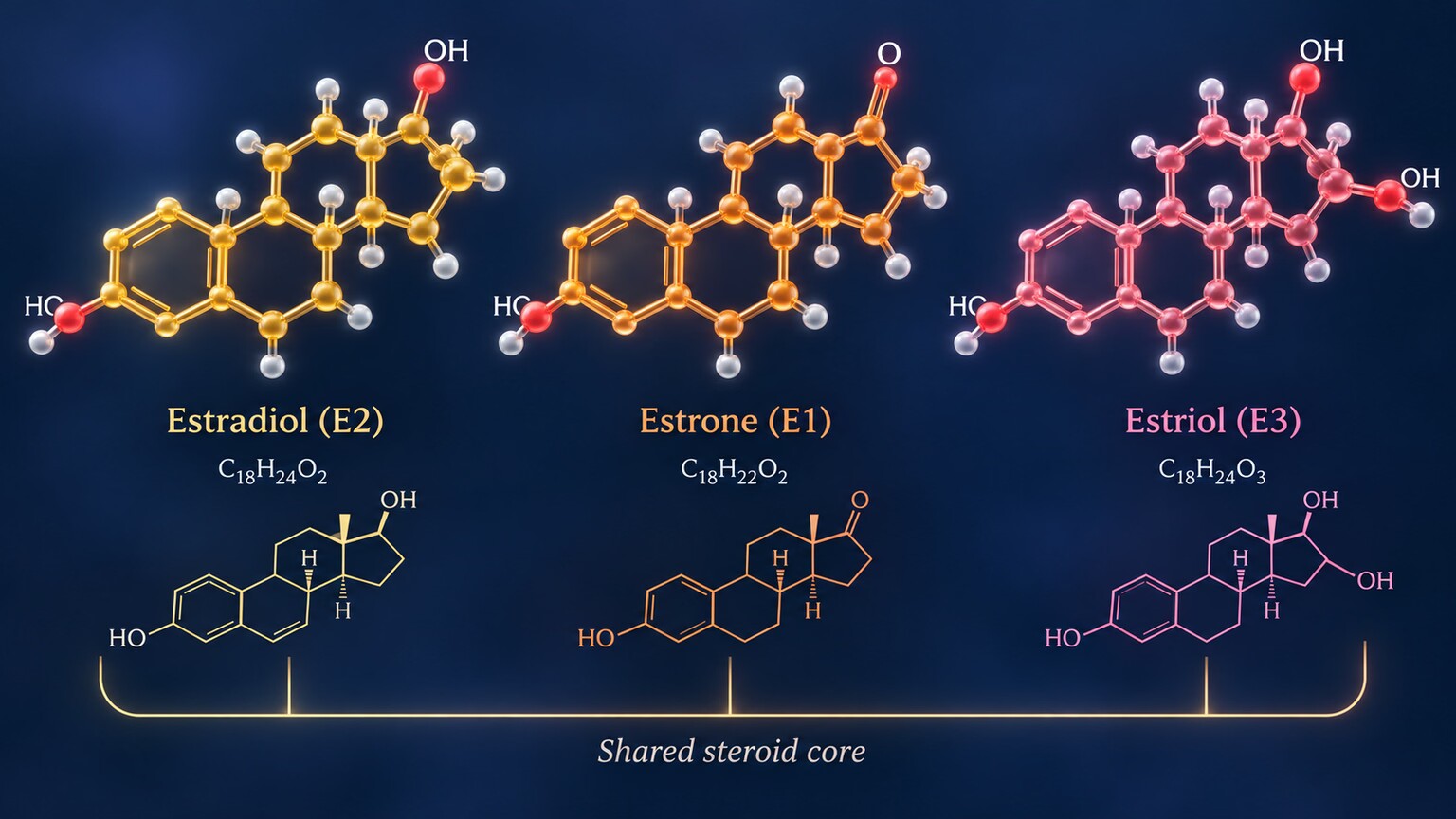
Figure 6. All three estrogen types share the same core steroid ring structure and can convert into one another through specific enzyme reactions, despite having meaningfully different biological potency.
Despite their different roles, these three molecules aren't produced through entirely separate, unrelated pathways — they're chemically interconvertible, meaning the body can and does convert one type into another through specific enzyme reactions. Estradiol can be converted into estrone, and that conversion runs in both directions depending on which enzymes and conditions are present in a given tissue at a given time. Both estradiol and estrone can, in turn, be converted into estriol, primarily during pregnancy when the placental machinery for that specific conversion becomes active.
This interconnected relationship explains a detail that would otherwise seem strange: why measuring one type sometimes still provides indirect information about another, even though this article has emphasized how distinct they are clinically. A very high estrone in a postmenopausal woman, for instance, still says something about the availability of raw material that could, in principle, convert toward estradiol as well, even though estradiol itself typically stays low after menopause because the ovarian production pathway that would otherwise dominate is no longer active. Understanding this conversion relationship is part of why an endocrinologist reading a full hormone panel is doing something more sophisticated than checking each number against its own reference range in isolation — they're reading the relationships between the numbers as one connected system.
The specific enzyme responsible for converting estradiol to estrone, and back again, is called 17-beta-hydroxysteroid dehydrogenase, and different tissues throughout the body express different amounts of this enzyme, meaning the conversion happens at different rates depending on where in the body it's occurring. Liver tissue, fat tissue, and even the lining of the uterus each handle this conversion somewhat differently, which is part of why total-body estrogen status is genuinely more complex than any single blood test, measuring circulating levels in the bloodstream, can fully capture — a substantial amount of estrogen activity happens locally, within specific tissues, using estrogen converted and acting right there rather than reflected in what's circulating and measurable in a blood draw. This is a genuinely important nuance for understanding why a blood test, however well interpreted, is still a proxy for something considerably more complex happening throughout the body's actual tissues.
A Worked Example: Same Symptom, Three Different Explanations
Seeing this reasoning applied to real scenarios makes the distinctions click far better than the abstract descriptions alone. Picture three different people, all reporting the same general complaint — noticeable breast tenderness and bloating. The first is a 32-year-old woman with irregular periods; her workup appropriately centers on estradiol, and an elevated result, considered alongside other reproductive hormones, points toward a hormonal imbalance affecting her cycle specifically, such as polycystic ovary syndrome.
The second is a 58-year-old woman, two years past her final period, on hormone replacement therapy; her workup appropriately centers on estrone rather than estradiol, since estrone better reflects her actual current estrogen exposure, and an elevated result here might prompt a conversation about adjusting her hormone therapy dose rather than investigating a cycle-related imbalance that, at her stage, isn't the relevant mechanism at all. The third is a 45-year-old man with new breast tissue changes; his workup appropriately centers on estradiol as well, but through an entirely different underlying mechanism — aromatase converting his own testosterone, possibly related to increasing body fat, a liver condition, or a medication he's taking.
Three people, an overlapping symptom, three different estrogen types or contexts driving the actual workup, and three genuinely different underlying explanations and treatment paths. None of these three cases could have been correctly worked up using the same single "check estrogen" order — each required the doctor to already understand which specific type mattered for that specific person's age, sex, and reproductive stage before the very first test was even ordered.
Consider a fourth case that ties several of this article's themes together: a 50-year-old woman, roughly a year without a period and presumed postmenopausal, has both estradiol and estrone checked as part of a broader workup for unexplained vaginal bleeding. Her estradiol comes back unexpectedly elevated for someone at her presumed stage, while her estrone is only mildly elevated. This specific pattern — estradiol disproportionately high relative to estrone in a postmenopausal woman — is actually a meaningful clue in itself, since it suggests a source of estradiol production other than the usual postmenopausal aromatase-driven pathway, prompting an evaluation for a possible ovarian or adrenal source actively producing estradiol directly, rather than the diffuse, fat-tissue-driven estrone production that would otherwise be expected at her age. This is a good example of how comparing the relative proportion between two estrogen types, not just each one's absolute value, can itself be a genuinely useful diagnostic clue — echoing the interconversion relationship described earlier in this article, now applied to a real clinical reasoning process.
Bringing a written summary of your current life stage, cycle status, and any relevant medications to an appointment where hormone testing is being discussed can also meaningfully speed up this whole conversation, since much of the reasoning behind which type to order depends on exactly this kind of context, which a doctor otherwise has to reconstruct through questioning during a typically short, time-limited visit. That small amount of preparation tends to pay off in a faster, more precisely targeted answer, and very often a far less confusing, more reassuring one to actually sit with afterward as well.
Frequently Asked Questions
Are estradiol, estrone, and estriol just three names for the same hormone?
No. They're three genuinely different molecules with different potency, different dominant sources in the body, and different life stages where each one matters most clinically. A test for one doesn't tell you anything directly about the levels of the other two.
Why does estrone become more important after menopause?
Because the ovaries largely stop producing estradiol after menopause, and body fat tissue becomes the dominant estrogen source instead, converting an adrenal precursor hormone into estrone. Estrone better reflects a postmenopausal person's actual current estrogen status than estradiol does.
Why is estriol only tested during pregnancy?
Estriol is produced almost exclusively by the placenta, so outside of pregnancy it circulates at levels too low to be clinically meaningful. During pregnancy, it can be part of certain prenatal screening panels assessing broader risk factors.
Which estrogen type is checked in men?
Estradiol is the primary type checked in men when elevated estrogen symptoms are suspected, since it's the biologically active form responsible for those effects, produced through the aromatase enzyme converting testosterone. Estrone is checked less routinely but can become relevant in cases involving significant obesity or liver disease.
Is a combined "total estrogen" test as useful as individual fraction testing?
Generally not as informative. A combined total can't reveal which specific type is driving an abnormal result, while individually reported fractions, each against its own reference range, point toward a much more specific underlying explanation.
Can one estrogen type convert into another inside the body?
Yes. Estradiol, estrone, and estriol are chemically interconvertible through specific enzyme reactions, which is why they're related molecules with a shared underlying structure rather than entirely separate, unrelated hormones.
Why did my estrogen level look normal one month and different the next?
For premenopausal women, this is often explained by normal menstrual cycle timing, since estradiol rises and falls predictably across the cycle. For those in perimenopause, ovarian estradiol production can become genuinely erratic, producing real month-to-month variation that isn't a testing error.
Does estrogen do anything outside the reproductive system?
Yes. Estradiol specifically has receptors throughout bone tissue, the cardiovascular system, and the brain, which is why declining levels around menopause can affect bone density, cholesterol handling, and mood well beyond anything directly related to the menstrual cycle itself.
Conclusion
Understanding that "estrogen" actually means three distinct molecules — estradiol, estrone, and estriol — each with its own dominant source and its own life stage in the spotlight, turns a confusing set of similar-sounding test names into something genuinely logical. Which type gets ordered isn't arbitrary; it's a deliberate choice based on age, reproductive stage, and the exact clinical question being asked. Knowing that distinction is what lets you read your own hormone panel with real understanding, rather than treating every estrogen-related number as if it were measuring the exact same thing, or assuming a change in one specific type automatically implies something meaningful about either of the other two.
The next time you see "estrogen" mentioned on a lab report, in a medication insert, or in casual conversation, it's worth pausing to ask which specific molecule is actually being discussed — estradiol, estrone, or estriol each tell a genuinely different story, and knowing which one you're looking at is the single most useful piece of context for making sense of everything else on the page. That one small habit of asking "which specific type" turns a vague, generic word into precise, actionable information.
Still Not Sure What Your Results Mean?
Upload your labs and get a complete, visual, plain-language interpretation of every biomarker — delivered to your inbox in under 15 minutes.
Get My ReportThis article is for educational purposes only and does not constitute medical advice. Always consult your healthcare provider regarding your specific lab results.