
What Does Low Estrogen Mean in Younger Women?
Low estrogen is a concept most people automatically associate with menopause, a transition happening decades in the future for a woman in her twenties or thirties. So when a lab report shows estrogen sitting well below the expected range in a genuinely young woman, it can feel confusing, even alarming, precisely because it doesn't match the story most people have already absorbed about when and why this hormone drops. The truth is that low estrogen in a younger woman points toward an entirely different set of explanations than the ones behind natural menopause, and identifying the actual cause matters considerably, both for how it's treated and for protecting long-term health, particularly bone health. This article walks through why low estrogen in younger women is fundamentally different from the menopausal transition, hypothalamic amenorrhea driven by stress, exercise, or inadequate caloric intake, primary ovarian insufficiency and what makes it distinct from early menopause, pituitary-related causes, eating disorders' specific hormonal impact, medication and hormonal contraceptive effects, why bone health becomes the single biggest long-term concern when estrogen drops at a young age, how doctors actually distinguish between these different causes, and situations where a lower reading is simply an expected, normal part of the menstrual cycle rather than a genuine problem.
Why Low Estrogen in Younger Women Is a Different Story Than Menopause
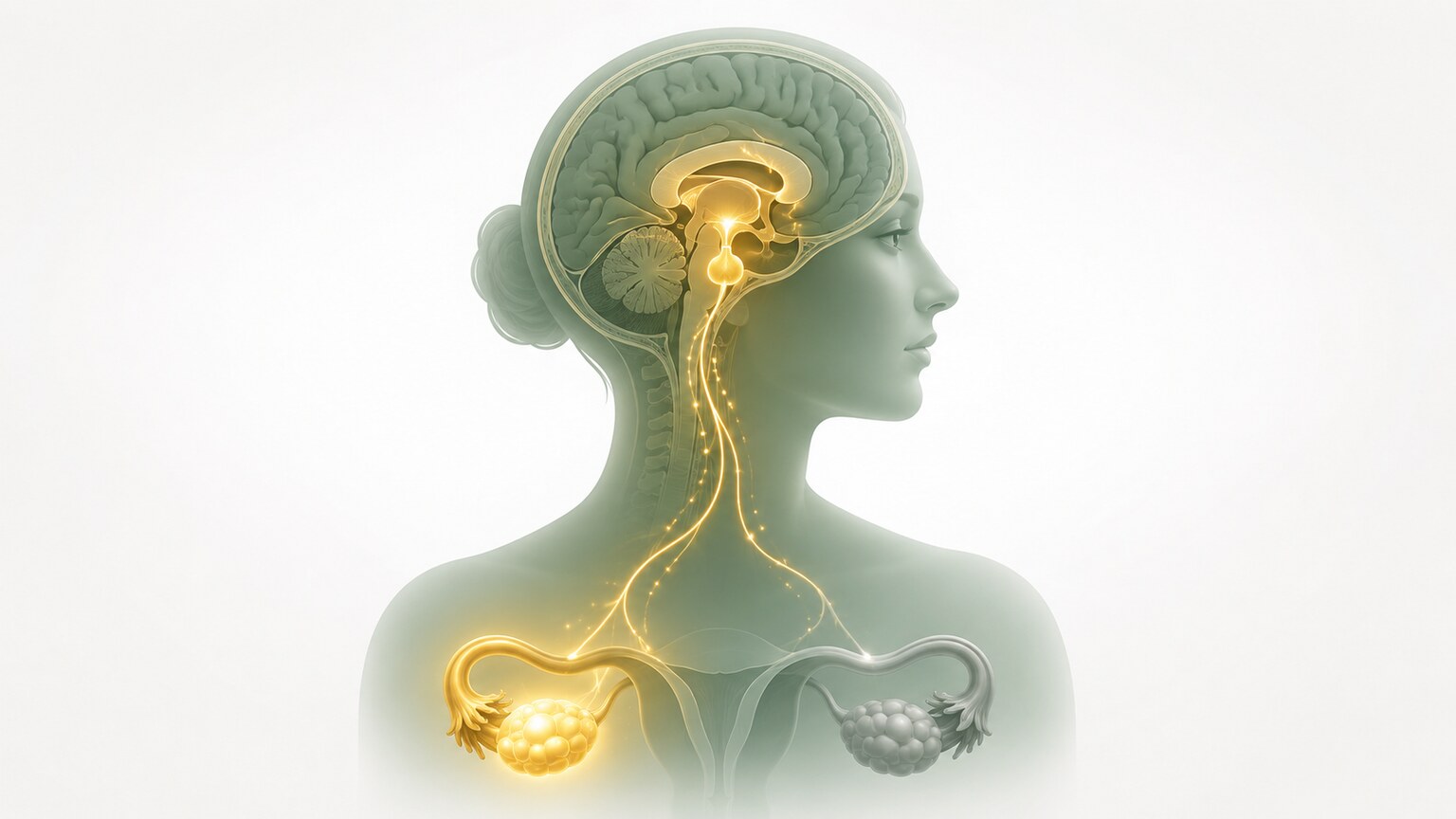
Figure 1. Estrogen production depends on a signaling chain running from the brain's hypothalamus and pituitary gland down to the ovaries — a breakdown anywhere along that chain, not just ovarian aging, can lower estrogen in a younger woman.
Menopause happens because the ovaries have run through their finite lifetime supply of egg-containing follicles, the structures that produce estrogen in response to signals from the brain. It's a natural, expected, permanent biological transition tied directly to age. Low estrogen in a younger woman almost always reflects something entirely different: a disruption somewhere in the signaling chain connecting the brain to the ovaries, rather than the ovaries themselves running out of their natural supply.
That signaling chain starts in a brain region called the hypothalamus, which releases a hormone that tells the pituitary gland to release two further hormones (FSH and LH), which in turn travel to the ovaries and instruct them to produce estrogen and prepare an egg for potential release. A disruption anywhere along this three-part chain — the hypothalamus, the pituitary, or the ovaries themselves — can lower estrogen, and where exactly that disruption occurs changes both the underlying diagnosis and the appropriate treatment considerably, which is why identifying the specific cause, rather than treating "low estrogen" as one single explanation, matters so much in a younger patient.
Hypothalamic Amenorrhea: Stress, Exercise, and Caloric Deficit

Figure 2. The combination of intense exercise, significant psychological stress, and inadequate caloric intake can cause the brain to deliberately suppress the hormonal signal that drives estrogen production.
The single most common cause of low estrogen in young, otherwise healthy women is a condition called hypothalamic amenorrhea, where the brain itself deliberately suppresses the signaling chain described above, essentially pausing reproductive hormone production as a protective response to significant physical or psychological stress. The classic combination behind this condition involves some mix of intense exercise, significant psychological stress, and inadequate caloric intake relative to energy expenditure — a pattern seen frequently in competitive athletes, but genuinely possible in anyone experiencing this same combination of stressors, athlete or not.
The underlying logic, from an evolutionary standpoint, makes biological sense: reproduction requires substantial energy reserves, and a body under significant, sustained stress or energy deficit essentially "decides" that this isn't a safe time to support a pregnancy, temporarily shutting down the hormonal signal that drives ovulation and estrogen production as a protective, adaptive response rather than a malfunction. The genuinely encouraging part of this particular cause is that it's typically reversible — addressing the underlying stress, exercise intensity, or caloric deficit usually allows the signaling chain to resume within a period of months, though this process sometimes benefits from professional guidance rather than happening automatically on its own.
Curious what your own hormone panel actually means for your specific situation? Upload your results and get a complete, plain-language breakdown in under 15 minutes.
Analyze My ResultsPrimary Ovarian Insufficiency: When the Ovaries Themselves Stop Responding Early
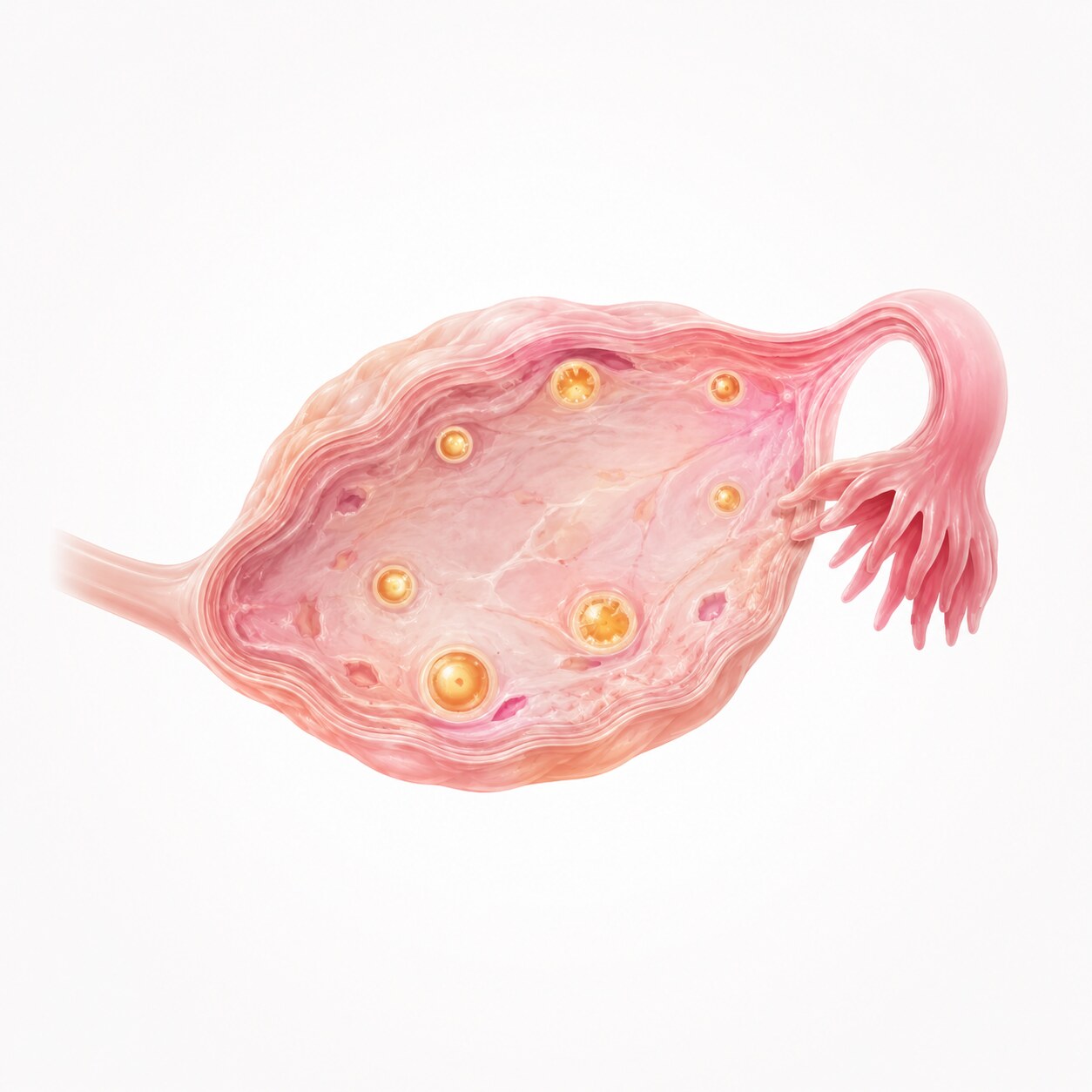
Figure 3. Primary ovarian insufficiency involves the ovaries themselves losing normal function well before the typical age of menopause, often for genetic, autoimmune, or unexplained reasons.
Unlike hypothalamic amenorrhea, where the brain's signal is intact but suppressed, primary ovarian insufficiency (sometimes still called premature ovarian failure) involves the ovaries themselves genuinely losing normal function well before the typical age of menopause, affecting roughly one percent of women before age 40. In this condition, the brain's signaling hormones (FSH specifically) are often elevated, since the brain is essentially "shouting louder" trying to stimulate ovaries that aren't responding normally, while estrogen itself remains low — a distinct hormonal pattern that helps distinguish this cause from hypothalamic amenorrhea, where both the signaling hormones and estrogen tend to run low together.
The underlying reasons for primary ovarian insufficiency include genetic conditions (certain chromosomal variations, including a premutation in the gene associated with Fragile X syndrome, one of the more well-established genetic links), autoimmune conditions where the immune system mistakenly targets ovarian tissue, prior chemotherapy or radiation treatment, and in a meaningful share of cases, no identifiable cause is ever found despite thorough investigation. Unlike hypothalamic amenorrhea, this condition is generally not reversible, meaning treatment focuses on hormone replacement to address symptoms and protect long-term health, particularly bone density, rather than on restoring the ovaries' own natural function.
Pituitary Gland Dysfunction: A Less Common but Important Cause
Since the pituitary gland sits in the middle of the signaling chain described earlier, any condition affecting its normal function can lower estrogen by disrupting the messages it's supposed to send to the ovaries. A pituitary tumor called a prolactinoma is one relatively well-known example: this benign growth causes the pituitary to release excess prolactin, a hormone that directly suppresses the reproductive signaling chain, lowering estrogen as a downstream consequence.
Other pituitary conditions, including certain inherited disorders, prior head trauma, or reduced blood flow to the pituitary following significant blood loss during childbirth, can produce a similar downstream effect on estrogen by disrupting the pituitary's normal hormone output more broadly. These pituitary-related causes are considerably less common than hypothalamic amenorrhea, but they're specifically worth ruling out with appropriate testing precisely because some, like a prolactinoma, have their own distinct, targeted treatment separate from managing low estrogen alone — treating a prolactinoma directly, for instance, often resolves the downstream estrogen deficiency entirely, without needing separate hormone replacement at all.
Symptoms that specifically point toward a pituitary cause rather than one of the other explanations discussed in this article include unexpected milky nipple discharge unrelated to pregnancy or breastfeeding, persistent headaches, or changes in peripheral vision, since a pituitary tumor large enough to affect nearby visual pathways can produce this specific combination alongside the hormonal disruption. None of these symptoms are common, but their presence alongside low estrogen is exactly the kind of detail that shifts a workup toward pituitary imaging sooner rather than later.
Eating Disorders and Their Specific Hormonal Impact

Figure 4. Eating disorders involving inadequate caloric intake represent a specific, clinically important subset of hypothalamic amenorrhea, requiring compassionate screening beyond hormone testing alone.
Eating disorders deserve their own dedicated mention within this article, since they represent a specific, clinically important subset of the hypothalamic amenorrhea mechanism already described, and because the hormonal disruption in these cases exists alongside other, often more urgent health considerations. Conditions like anorexia nervosa or significant, sustained caloric restriction — whether formally diagnosed as an eating disorder or not — trigger the same protective brain-level suppression of reproductive hormones already discussed, since severe energy deficit signals to the body that supporting a pregnancy isn't currently safe.
Because of this connection, a doctor evaluating unexplained low estrogen and absent or irregular periods in a young woman will often gently, non-judgmentally screen for eating patterns and relationship with food as a standard, routine part of the workup, not because low estrogen automatically implies an eating disorder is present, but because this connection is common and clinically significant enough that it needs to be considered directly, with appropriate sensitivity, whenever the broader clinical picture suggests it might be relevant.
Medications and Hormonal Contraceptives
Certain medications can lower estrogen as either an intended effect or a documented side effect. Some hormonal contraceptives, particularly certain progestin-only methods, can suppress the body's own natural estrogen production as part of how they prevent pregnancy, producing a genuinely low estrogen reading that reflects the medication working as designed rather than an underlying problem. Certain medications used for endometriosis or uterine fibroids are specifically designed to lower estrogen therapeutically, as part of their intended treatment mechanism, and would be expected to show a low reading during use.
This is exactly why reviewing current medications, including any hormonal contraceptive method, is one of the very first steps in interpreting an unexpected low estrogen result — a low reading explained entirely by an intentional, appropriate medication effect requires a completely different response than the same low reading found in someone taking no relevant medications at all.
Certain chemotherapy regimens used to treat cancers unrelated to the reproductive system can also lower estrogen as an unintended side effect, either temporarily or permanently depending on the specific drugs and dosage involved. Oncology teams increasingly discuss this possibility upfront with younger patients before treatment begins, including options like fertility preservation, precisely because this connection between certain cancer treatments and long-term estrogen levels is well established and worth planning around in advance whenever the treatment timeline allows for it.
Thyroid Dysfunction's Indirect Connection to Estrogen
Thyroid hormone doesn't cause low estrogen directly, but untreated thyroid dysfunction, particularly an underactive thyroid, can disrupt the same brain-to-ovary signaling chain discussed earlier closely enough that the two conditions frequently get tangled together in a young woman's workup. Significant, untreated hypothyroidism can interfere with ovulation and normal menstrual cycling, and because thyroid hormone and reproductive hormone testing are often ordered together anyway, doctors evaluating unexplained low estrogen will typically check thyroid function as a standard part of ruling out contributing factors, even when the thyroid itself isn't the primary driver.
This is one of several reasons why a single isolated estrogen result rarely tells the complete story on its own: the surrounding hormonal picture, including thyroid function, prolactin, and the pituitary signaling hormones already discussed, is what actually allows a doctor to build an accurate, complete explanation rather than treating one low number in isolation from everything else happening in the body at the same time.
When a Lower Reading Is Actually Expected and Normal

Figure 6. Estrogen naturally rises and falls throughout the menstrual cycle, meaning a reading drawn during the early follicular phase or right before menstruation can look low without reflecting any underlying problem at all.
Not every low estrogen reading in a young woman reflects one of the conditions already discussed. Estrogen naturally fluctuates in a predictable pattern throughout a normal menstrual cycle, starting relatively low during the first few days, rising steadily through the mid-cycle, and dipping again before the next period begins. A blood draw timed to the early follicular phase or the days immediately before menstruation can genuinely show a low number in a woman with an entirely normal, healthy reproductive system, simply because that's where her cycle happened to be on the day of the test — which is exactly why doctors interpreting a borderline result will often ask when the last period started before drawing any conclusions from the number itself.
Estrogen is also expected to run low during breastfeeding, since the hormone responsible for milk production actively suppresses the reproductive signaling chain during this period as a normal, temporary, biologically protective mechanism, not a malfunction requiring evaluation on its own. This is exactly why the date of a woman's last period and her breastfeeding status are among the very first pieces of context a doctor gathers before interpreting an estrogen result as abnormal in the first place — without that context, a completely normal, expected reading can look identical to a genuinely concerning one on paper.
How This Differs From the Confusion Around PCOS

Figure 7. Polycystic ovary syndrome typically involves irregular cycles with estrogen levels that remain normal or even elevated, a genuinely different hormonal pattern from the low-estrogen causes described throughout this article.
Polycystic ovary syndrome (PCOS) is worth addressing directly here because it's one of the most common causes of irregular periods in young women, and irregular or absent periods is a symptom shared with several of the low-estrogen causes already discussed, which can create genuine confusion. The key distinguishing point is that PCOS typically does not involve low estrogen at all — most women with PCOS have normal or even mildly elevated estrogen, alongside an irregular pattern driven by elevated androgens and inconsistent ovulation, a genuinely different hormonal mechanism from anything described in the sections above.
This distinction matters clinically because the two conditions call for different testing priorities and different treatment approaches entirely. A young woman presenting with irregular periods will typically have both possibilities considered together early in the workup, precisely because the symptom overlap is real even though the underlying hormonal pattern, and the appropriate path forward, genuinely diverges once the actual estrogen and androgen levels are known and reviewed alongside the rest of her clinical history.
Why Bone Health Becomes the Biggest Long-Term Concern
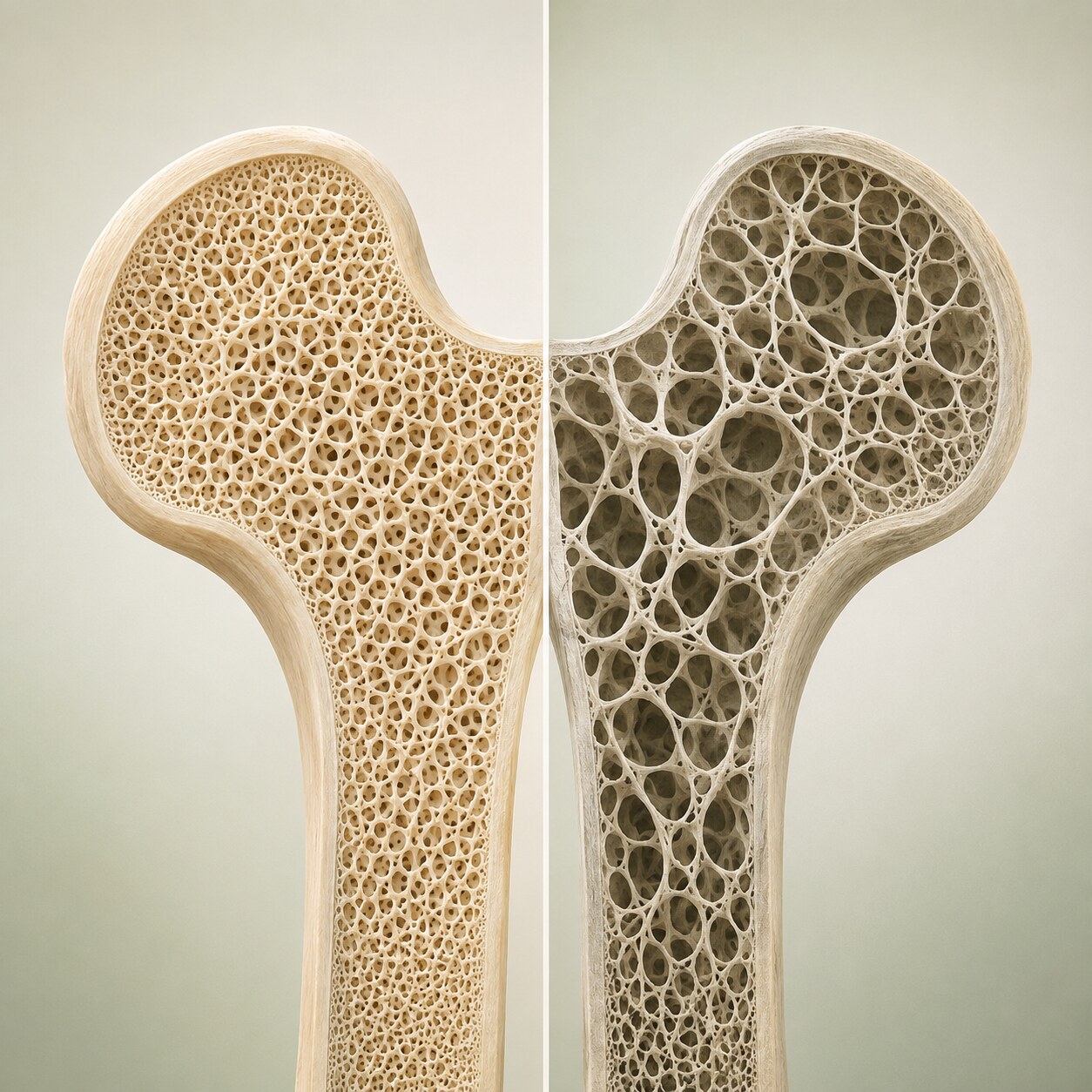
Figure 5. Estrogen plays a direct, essential role in maintaining bone density, meaning prolonged low estrogen at a young age carries a genuine risk of accelerated bone loss during years that should normally be building peak bone mass.
Estrogen isn't only a reproductive hormone — it plays a direct, genuinely essential role in maintaining bone density throughout life by regulating the ongoing balance between bone breakdown and bone rebuilding. This is precisely why prolonged low estrogen at a young age carries a specific, well-documented long-term risk that doesn't apply the same way to natural menopause occurring at the expected age: young adulthood is normally a critical window for building peak bone mass, the maximum bone density a person will ever achieve, which then serves as the foundation protecting against fracture risk for the rest of that person's life.
When estrogen stays low during this critical bone-building window, bone density can decline instead of building appropriately, sometimes producing bone density more typical of a much older woman, a genuinely serious long-term consequence if the underlying cause goes unaddressed for an extended period. This is exactly why doctors take prolonged low estrogen in a young woman seriously even in the complete absence of any symptom that feels urgent in the moment, and why bone density monitoring often becomes part of the ongoing management plan once a cause has been identified and addressed.
How Doctors Actually Distinguish Between These Different Causes
Given how many genuinely distinct explanations can produce the same low estrogen reading, the diagnostic process relies on a combination of the surrounding clinical picture and specific additional testing rather than the estrogen value alone. A detailed history covering exercise habits, recent weight changes, eating patterns, psychological stress, and menstrual history over time provides essential context that the lab value by itself can't capture.
Additional hormone testing — checking FSH and LH levels alongside estrogen — helps distinguish where in the signaling chain the disruption is actually occurring: elevated FSH alongside low estrogen points toward the ovaries themselves (as in primary ovarian insufficiency), while low or inappropriately normal FSH alongside low estrogen points toward a hypothalamic or pituitary-level cause instead. Additional testing, including prolactin levels and, when clinically indicated, imaging of the pituitary gland, helps rule in or rule out the specific causes covered throughout this article, allowing treatment to be genuinely matched to the actual underlying cause rather than applied generically, rather than defaulting to a single generic explanation simply because it's the most statistically common one.
A Practical Comparison of the Main Causes
Because so many distinct mechanisms can converge on the same low estrogen result, it helps to see the main causes laid out side by side, alongside the specific hormonal signature and general outlook that tends to distinguish each one from the others.
Hypothalamic amenorrhea typically shows both FSH/LH and estrogen running low together, is triggered by the combination of stress, exercise, and caloric deficit already discussed, and is generally reversible once the underlying trigger is addressed. Primary ovarian insufficiency shows the opposite signaling pattern — elevated FSH alongside low estrogen, since the brain is working harder to stimulate ovaries that aren't responding — and is generally not reversible, meaning management shifts toward hormone replacement rather than restoring natural cycling. Pituitary dysfunction, including a prolactinoma, often shows elevated prolactin alongside low or low-normal FSH/LH and estrogen, and frequently has its own dedicated, targeted treatment once identified through imaging and additional bloodwork. Eating disorders produce the same hormonal signature as hypothalamic amenorrhea generally, since the underlying mechanism is the same protective brain-level response to inadequate energy availability, but require a broader, more compassionate treatment approach addressing the eating pattern itself alongside the hormonal consequence. Medication-related low estrogen, from certain hormonal contraceptives or endometriosis treatments, resolves predictably once the medication is discontinued or adjusted, and is usually the most straightforward of all these causes to confirm, since the timeline lines up directly with when the medication was started.
Laying these patterns out side by side is exactly the kind of comparison a doctor works through mentally during a workup, cross-referencing the hormonal signature against the surrounding history to narrow down which explanation actually fits a specific person's situation, rather than treating "low estrogen" as a single diagnosis with a single response.
Common Misconceptions About Low Estrogen in Younger Women
One common misconception is that low estrogen automatically means infertility is permanent. In reality, several of the most common causes discussed throughout this article, including hypothalamic amenorrhea, are genuinely reversible once the underlying trigger is identified and addressed, and even primary ovarian insufficiency, while not reversible in terms of restoring natural ovarian function, doesn't automatically rule out every path to pregnancy, since reproductive medicine offers options that don't depend on the ovaries' own estrogen production.
A second common misconception is that only underweight women develop hypothalamic amenorrhea. While significant caloric deficit is one trigger, the condition can also develop in women at a completely normal or even higher body weight when the combination of exercise intensity, psychological stress, and relative energy availability (energy taken in versus energy expended, rather than body weight alone) crosses a certain threshold — meaning body weight alone is not a reliable indicator of who is or isn't at risk for this specific cause.
A third misconception worth addressing directly is that a young woman with low estrogen will always notice obvious symptoms right away. Some women notice missed periods, hot-flash-like sensations, vaginal dryness, or mood changes fairly quickly, but others, particularly those with a gradual onset, may have few noticeable symptoms beyond irregular or absent periods for a considerable stretch of time, which is exactly why the bone health consequences discussed earlier can accumulate silently if the underlying cause goes unaddressed simply because nothing felt urgent enough to prompt an evaluation sooner.
How Doctors Build the Complete Diagnostic Picture
Beyond the initial history and hormone panel already described, doctors often use additional tools to confirm a specific diagnosis once the general category of cause has been narrowed down. For suspected primary ovarian insufficiency, this can include genetic testing to check for chromosomal variations linked to the condition, along with autoimmune antibody testing, since autoimmune involvement is one of the more common identifiable causes. For suspected pituitary involvement, MRI imaging of the pituitary gland itself is typically used to check for a prolactinoma or other structural cause once the bloodwork points in that direction.
Bone density testing, typically a DEXA scan, is frequently added to the workup once a cause involving genuinely prolonged low estrogen has been identified, not to diagnose the underlying hormonal cause itself, but specifically to establish a baseline and monitor the bone health consequences discussed earlier, since catching reduced bone density early allows for a more proactive, protective management approach going forward rather than discovering the consequence only after a fracture has already occurred.
Frequently Asked Questions
Is low estrogen in a young woman always a sign something is seriously wrong?
Not necessarily. Some causes, like hypothalamic amenorrhea related to stress or exercise, are genuinely common and often reversible, though the underlying cause still deserves proper evaluation given the bone health implications of prolonged low estrogen.
Can low estrogen at a young age be reversed?
It depends entirely on the cause. Hypothalamic amenorrhea related to stress, exercise, or caloric intake is often reversible once the underlying trigger is addressed, while primary ovarian insufficiency is generally not reversible and is managed with hormone replacement instead.
Does a single low estrogen reading mean I have primary ovarian insufficiency?
No. Estrogen naturally fluctuates throughout the menstrual cycle, and a single low reading, especially one drawn early in the cycle, isn't diagnostic on its own — a persistent pattern alongside other findings like elevated FSH is what actually supports that specific diagnosis.
Why does low estrogen affect bones so much at a young age specifically?
Young adulthood is normally the critical window for building peak bone mass, the maximum density a person will ever achieve. Low estrogen during this specific window can prevent that peak from being reached, affecting fracture risk for decades afterward.
Can stress alone really lower estrogen enough to stop a period?
Yes. Significant, sustained psychological stress is a recognized trigger for hypothalamic amenorrhea on its own, even without significant exercise or caloric restriction present, because the same brain-level protective mechanism can be activated by stress alone.
Should every young woman with an irregular period get her estrogen tested?
A single irregular cycle usually isn't cause for concern on its own, but periods that are consistently irregular, absent for three or more consecutive months, or accompanied by other symptoms discussed in this article are generally worth discussing with a doctor.
Does low estrogen in a young woman always require hormone replacement therapy?
Not always. When the cause is reversible, such as hypothalamic amenorrhea, addressing the underlying trigger is often the primary treatment. Hormone replacement becomes more central when the cause, like primary ovarian insufficiency, isn't expected to resolve on its own.
How This Differs From Early Perimenopause in the Late Thirties
There's one more distinction worth making, particularly for women in their late thirties rather than their twenties: perimenopause, the hormonal transition leading up to menopause, can genuinely begin earlier than most people expect, sometimes in the late thirties, and it produces a hormonal picture that overlaps somewhat with the causes already described in this article. The key difference is that perimenopause reflects the ovaries' natural, expected reserve gradually declining as part of a normal, age-appropriate process, rather than a disruption in an otherwise well-functioning system.
Distinguishing ordinary early perimenopause from primary ovarian insufficiency in a woman in her late thirties can require closer evaluation, since both can present with irregular cycles and declining estrogen around a similar age range. Generally, primary ovarian insufficiency is considered when this pattern appears meaningfully earlier than the late thirties, or when it's accompanied by the elevated FSH pattern discussed earlier alongside a family history or other risk factors that wouldn't be expected in ordinary perimenopause. This is exactly the kind of nuanced distinction where working directly with a doctor familiar with reproductive endocrinology, rather than making assumptions based on age alone, produces a genuinely more accurate answer.
Why This Distinction Matters for Fertility Planning
For a young woman thinking about future fertility, whether immediately or years down the line, understanding which specific cause is behind a low estrogen finding changes the conversation considerably. Hypothalamic amenorrhea, once resolved by addressing the underlying trigger, generally allows natural ovulation and fertility to return without requiring assisted reproductive technology, though the timeline for that return varies from person to person, sometimes taking several months even after the trigger has been fully addressed, and sometimes benefits from working alongside a reproductive endocrinologist rather than waiting indefinitely on its own.
Primary ovarian insufficiency presents a genuinely different fertility conversation, since the ovaries themselves are no longer responding reliably to hormonal signaling. Some women with this diagnosis do still ovulate intermittently and can conceive naturally, though the odds are considerably lower than in the general population, which is why fertility preservation options and donor egg conception are typically discussed early and directly once this specific diagnosis is confirmed, allowing a young woman to make informed decisions about her own timeline rather than being caught off guard later. Egg freezing, when the diagnosis is caught early enough and ovarian function hasn't declined too far, is sometimes an available option as well, though its success depends heavily on how much functional ovarian reserve remains at the time it's pursued. This is exactly the kind of conversation that benefits from being had proactively, well before fertility becomes an urgent, time-pressured concern, precisely because the options available narrow considerably the longer a clear diagnosis is delayed.
What Symptoms Typically Signal a Genuine Problem
Because a single low reading can reflect normal cycle timing rather than an actual problem, it helps to know which accompanying symptoms tend to shift the picture toward genuine concern. Periods that have stopped entirely for three or more consecutive months, in a woman who isn't pregnant or breastfeeding, is one of the clearest signals worth discussing with a doctor rather than waiting to see if things resolve on their own. Hot-flash-like sensations, night sweats, or vaginal dryness appearing in someone in her twenties or thirties are also symptoms that wouldn't typically be expected at that age and are worth mentioning specifically, since patients sometimes hesitate to bring these up, assuming they must be unrelated to anything hormonal at such a young age.
Noticeable mood changes, sleep disruption, or a persistent decline in libido that coincides with menstrual irregularity can also point toward the hormonal pattern discussed throughout this article, though each of these symptoms individually has many other possible explanations as well. The general principle is that no single symptom on its own is diagnostic, but a cluster of several appearing together, especially alongside a genuinely irregular or absent cycle, is a combination worth bringing to a doctor's attention directly rather than attributing each symptom to something unrelated in isolation.
The Emotional Weight of an Unexpected Diagnosis at a Young Age
It's worth acknowledging directly that receiving a diagnosis like primary ovarian insufficiency, or even the less permanent hypothalamic amenorrhea, in your twenties or early thirties carries a genuine emotional weight that goes beyond the purely physiological explanation. Many young women describe feeling isolated by a diagnosis that friends and peers, and even some healthcare providers less familiar with these specific conditions, associate almost exclusively with much older women, making it harder to find relatable support or information written specifically for their situation.
This emotional dimension is a legitimate, clinically recognized part of the overall picture, not a separate issue from the hormonal one. Many endocrinology and reproductive health practices now routinely incorporate counseling or connect patients with support communities specifically for younger women navigating these diagnoses, recognizing that processing an unexpected finding like this well, with proper support, is genuinely part of managing the condition as a whole, alongside the hormonal and bone-health considerations already discussed throughout this article. Asking a doctor directly about these resources, rather than assuming they don't exist or aren't relevant, is often the simplest way to access this kind of support sooner rather than later.
Putting the Full Picture Together
Taken together, the causes, symptoms, and diagnostic steps covered throughout this article point toward one consistent theme: a low estrogen reading in a young woman is a starting point for investigation, not a complete answer on its own. The same lab value can mean something entirely reversible, like hypothalamic amenorrhea resolving once training intensity or stress is addressed, or something that calls for longer-term hormone management, like primary ovarian insufficiency, and the only way to know which situation actually applies is through the fuller evaluation described here rather than through the number alone.
For anyone navigating this specific situation right now, the most useful next step is usually straightforward: bring the full context to a doctor, including menstrual history, exercise habits, stress levels, current medications, and any symptoms noticed, so the surrounding picture can be built accurately from the start, rather than trying to interpret an isolated lab number without that broader context. That combination of clear information and appropriate follow-up testing is what ultimately turns a confusing, unexpected result into a clear, actionable explanation.
Conclusion
Low estrogen in a younger woman tells a genuinely different story than the same low reading in a woman going through natural menopause — one rooted in a disruption somewhere along the brain-to-ovary signaling chain, whether from stress and energy deficit, primary ovarian insufficiency, pituitary dysfunction, or a specific medication effect, rather than the expected, age-related depletion of ovarian reserve. Identifying which of these specific causes actually applies changes both the treatment approach and the long-term outlook considerably, and given the genuine, well-documented stakes for bone health during these formative years, a low estrogen finding in a young woman is always worth a thorough, properly guided evaluation rather than dismissal or assumption.
Still Not Sure What Your Results Mean?
Upload your labs and get a complete, visual, plain-language interpretation of every biomarker — delivered to your inbox in under 15 minutes.
Get My ReportThis article is for educational purposes only and does not constitute medical advice. Always consult your healthcare provider regarding your specific lab results.