
Why Is My Estradiol Level Elevated?
Estradiol is unusual among hormones in just how much context its "normal" range depends on. The exact same number can be a completely expected midpoint of a healthy menstrual cycle in one person, and a genuine red flag pointing toward a tumor in another — the difference isn't the number itself, it's who's being tested, what phase of life or cycle they're in, and what else is happening in their body at the same time. An elevated estradiol result is never something a lab can meaningfully interpret in isolation; it always needs a story wrapped around it. This article walks through where estradiol actually comes from, why the same gland-and-enzyme system behaves so differently depending on your sex and circumstances, and the full range of things — from something as ordinary as cycle timing to something as significant as a hormone-producing tumor — that can push this particular number upward.
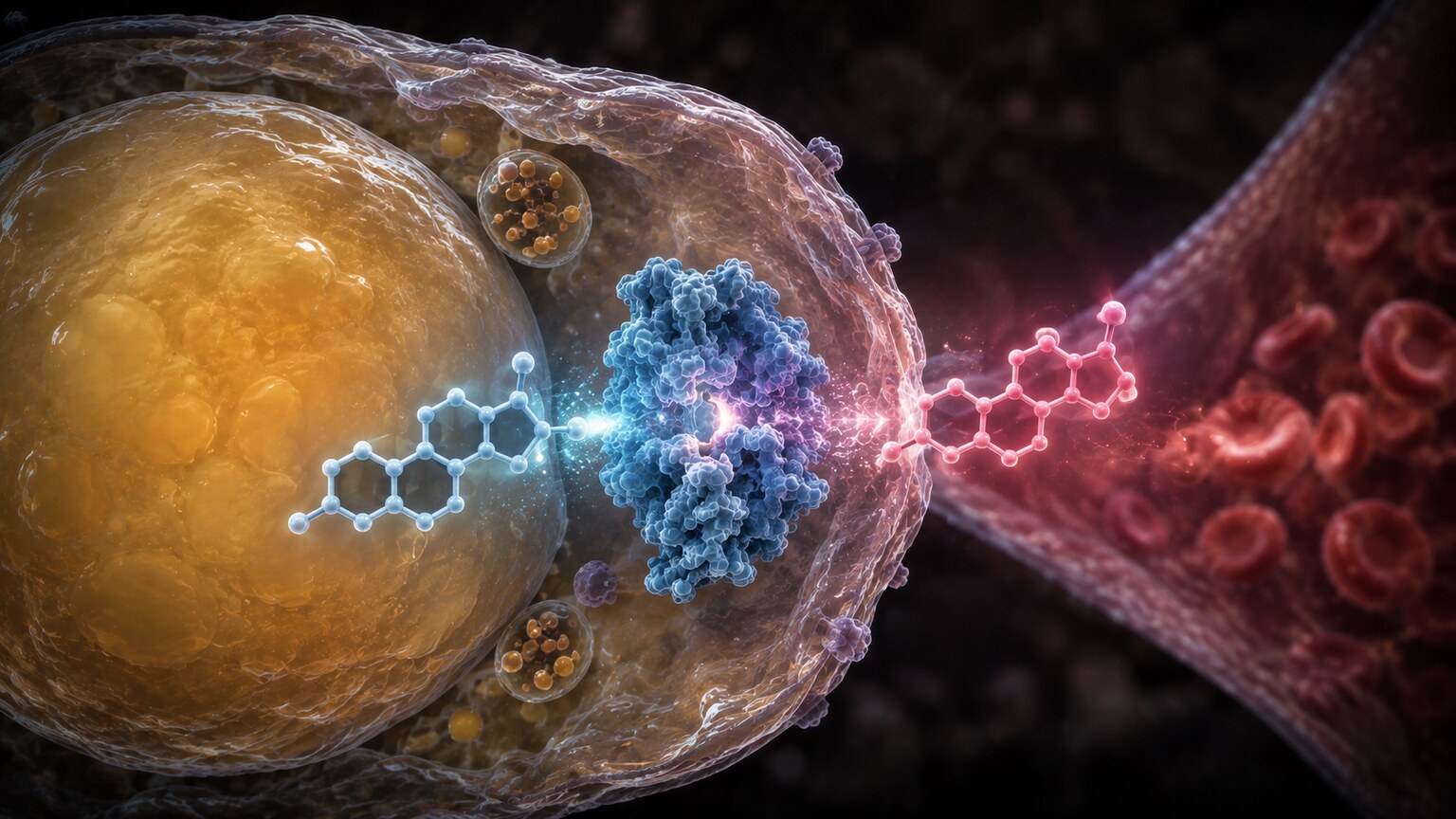
What Estradiol Actually Does in Your Body
Estradiol is the most biologically active and most commonly measured form of estrogen, and it does considerably more than its reputation as "the female reproductive hormone" suggests. In women, it drives the growth and thickening of the uterine lining each cycle, triggers ovulation through a precisely timed surge, and supports breast tissue development. But estradiol's reach extends well beyond reproduction in both sexes: it plays a major role in maintaining bone density by regulating the cells that build and break down bone tissue, it influences cholesterol metabolism and blood vessel function in ways that affect cardiovascular health, and it has measurable effects on mood, cognitive function, and skin and connective tissue quality. Men produce and need estradiol too, in smaller but genuinely essential amounts, for the same bone health and cardiovascular functions, along with a specific role in regulating sperm production. This is exactly why "elevated estradiol" isn't automatically framed as a women's health topic — it's a hormone relevant to, and measured in, both sexes, with genuinely different reference ranges and genuinely different implications for each.
Where Estradiol Actually Comes From
In premenopausal women, the ovaries are the dominant source of estradiol, produced specifically by structures called granulosa cells that surround each developing egg inside an ovarian follicle. As a follicle matures during the first half of the menstrual cycle, its granulosa cells ramp up estradiol production, which is precisely why blood estradiol levels rise and fall in a predictable wave across a normal cycle rather than sitting at one constant number. But the ovaries aren't the only estradiol factory in the body, and this second pathway is genuinely central to understanding elevated results in anyone, regardless of sex. An enzyme called aromatase, present in fat tissue, skin, bone, and the brain, converts testosterone and other androgens directly into estradiol — a process called peripheral aromatization. This pathway matters more than people expect: it's the primary source of estradiol in men, in postmenopausal women whose ovaries have stopped producing significant estrogen, and it becomes an increasingly significant contributor in anyone carrying a substantial amount of body fat, since more fat tissue means more aromatase enzyme actively converting androgens into estrogen throughout the body. The adrenal glands contribute a smaller, steadier supply of precursor hormones that can also be converted through this same aromatase pathway, adding a third, more minor source layered on top of the two dominant ones.
Curious what the rest of your hormone panel is telling you? Upload your results and get a complete, plain-language breakdown in under 15 minutes.
Analyze My ResultsWhy Timing Is Everything for Women Still Cycling
For a premenopausal woman, an "elevated" estradiol result is meaningless without knowing exactly where in the menstrual cycle the blood was drawn, because a healthy cycle is specifically designed to produce a dramatic, entirely normal swing in this hormone. Early in the cycle, during the follicular phase, estradiol starts low and climbs gradually as a dominant follicle matures. In the day or two just before ovulation, estradiol from that maturing follicle peaks sharply — often several times higher than the early-cycle baseline — in a surge that directly triggers the luteinizing hormone spike responsible for releasing the egg. After ovulation, during the luteal phase, estradiol drops from that peak but rises again to a second, more moderate elevation as the structure left behind after ovulation, the corpus luteum, produces both estradiol and progesterone. A result drawn during this normal periovulatory surge, interpreted without knowing the cycle day, can look dramatically "elevated" against a generic reference range while representing textbook-normal physiology. This is exactly why any lab requisition for estradiol in a cycling woman should specify the cycle day the sample was drawn, and why a result that looks alarming out of context often turns out to be entirely expected once that context is added back in.

This is precisely why many fertility clinics and endocrinologists ask patients to track and report their cycle day with real precision, sometimes down to confirming ovulation timing through other means like an LH test strip, before a hormone panel is even scheduled. A result drawn on cycle day 3, meant to reflect a woman's baseline ovarian reserve and function, is interpreted against a completely different reference range than the same test drawn on cycle day 13, right around expected ovulation. Getting this timing wrong is one of the single most common, and most easily avoidable, reasons a hormone panel gets misread as abnormal when it's actually reflecting completely normal cyclical physiology — which is why, if you're ever handed a result that looks unexpectedly high, the very first question worth asking is simply what day of your cycle the blood was actually drawn.
Perimenopause: The Most Unpredictable Window of All
If cycle timing makes interpreting estradiol complicated in a regularly cycling woman, perimenopause — the transitional years leading up to menopause, often spanning four to ten years — makes it considerably more so. As the ovaries gradually become less responsive to the signals that normally regulate them, follicle development becomes erratic rather than following the smooth, predictable pattern of earlier reproductive years. Some cycles during perimenopause involve minimal follicle development and correspondingly low estradiol, while others involve an exaggerated, overcompensating response where the pituitary gland, sensing declining ovarian function, ramps up its stimulating signal and inadvertently triggers an unusually strong follicular response, producing an estradiol level that can spike notably higher than anything typical of a woman's earlier reproductive years. This erratic, unpredictable swinging — sometimes low, sometimes surprisingly high, often within the same few months — is a genuinely normal feature of the perimenopausal transition itself, not a sign that something has gone wrong, and it's part of why a single estradiol measurement during this window is even less useful in isolation than at any other reproductive life stage, and why perimenopausal symptoms like irregular periods, hot flashes, and mood changes are generally diagnosed clinically rather than pinned to any single hormone value.
Postmenopausal Women: A Fundamentally Different Baseline
Once a woman has gone through menopause and her ovaries have substantially stopped producing estradiol through the follicular pathway described earlier, the normal reference range for estradiol drops dramatically — postmenopausal estradiol levels typically sit far below even the lowest point of a healthy premenopausal cycle. This makes "elevated" mean something quite different in this population: a level that would be unremarkably low during active reproductive years can represent a genuinely meaningful elevation after menopause, since essentially all of it is now coming from the peripheral aromatization pathway rather than the ovaries. An elevated result in a postmenopausal woman is taken seriously specifically because the usual, high-volume ovarian source has been removed from the equation, which narrows the list of realistic explanations down mainly to body-fat-driven aromatization, exogenous hormone therapy, impaired liver clearance, or, less commonly, an estrogen-producing tumor — a meaningfully shorter and more specific list than the one relevant to a premenopausal woman, which is part of why postmenopausal bleeding accompanied by an elevated estradiol is evaluated with real urgency, given its association with endometrial changes that need to be ruled out.
Ovarian Causes: Cysts and, Less Commonly, Tumors
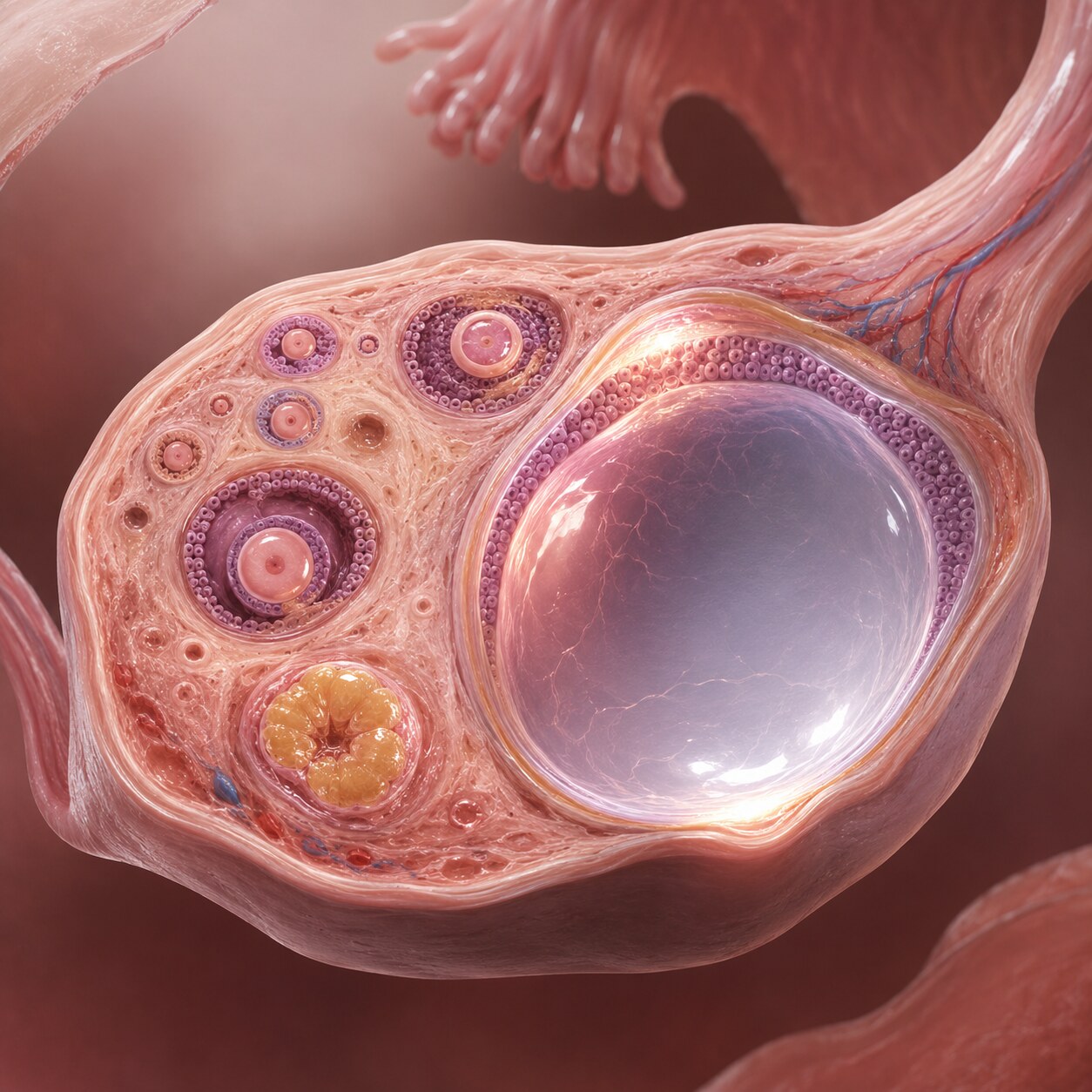
A functional ovarian cyst — most commonly a follicular cyst, which forms when a follicle grows but fails to release its egg or rupture on schedule — can continue producing estradiol well past the point in the cycle when levels should normally be declining. Because the granulosa cells lining that unruptured follicle don't necessarily stop functioning just because ovulation didn't happen on schedule, a follicular cyst can generate a genuinely elevated, sometimes persistently elevated, estradiol reading, occasionally alongside a delayed or irregular period as the normal cycle gets thrown off. These functional cysts are common and frequently resolve on their own within one to three menstrual cycles without any treatment, with estradiol returning to a normal cyclical pattern once the cyst resolves. Less commonly, but importantly, certain ovarian tumors, most notably granulosa cell tumors, actively and persistently secrete estradiol independent of any normal cyclical pattern at all. These tumors are rare, but they're specifically why a markedly elevated estradiol that doesn't fit the expected cyclical pattern, especially one accompanied by irregular bleeding or a pelvic mass found on exam, prompts an ultrasound and further workup rather than being assumed to be a benign cyst by default.
Obesity and the Aromatase Connection
Because fat tissue is itself an active site of aromatase enzyme activity, the amount of body fat someone carries has a direct, measurable relationship with how much testosterone gets converted into estradiol throughout the body, independent of ovarian or testicular hormone production entirely. This effect applies to both sexes, but it plays out differently and carries different clinical significance depending on the underlying hormonal starting point. In premenopausal women, this additional peripheral estrogen production layers on top of already-active ovarian production, and it's one of several factors implicated in the more complex hormonal picture seen in conditions like polycystic ovary syndrome, where obesity, insulin resistance, and altered estrogen and androgen levels frequently occur together. In postmenopausal women, whose ovaries have largely stopped producing estradiol, this peripheral aromatization pathway becomes the dominant source of whatever circulating estrogen remains — which is part of why obesity is a recognized risk factor for certain estrogen-sensitive conditions after menopause, since more body fat means more ongoing peripheral estrogen production at a life stage when estrogen would otherwise be expected to be quite low. In men, this same mechanism is one of the most common, non-tumor explanations for an elevated estradiol result, discussed in more detail in the men-specific section below.
Liver Disease: An Underappreciated Clearance Problem
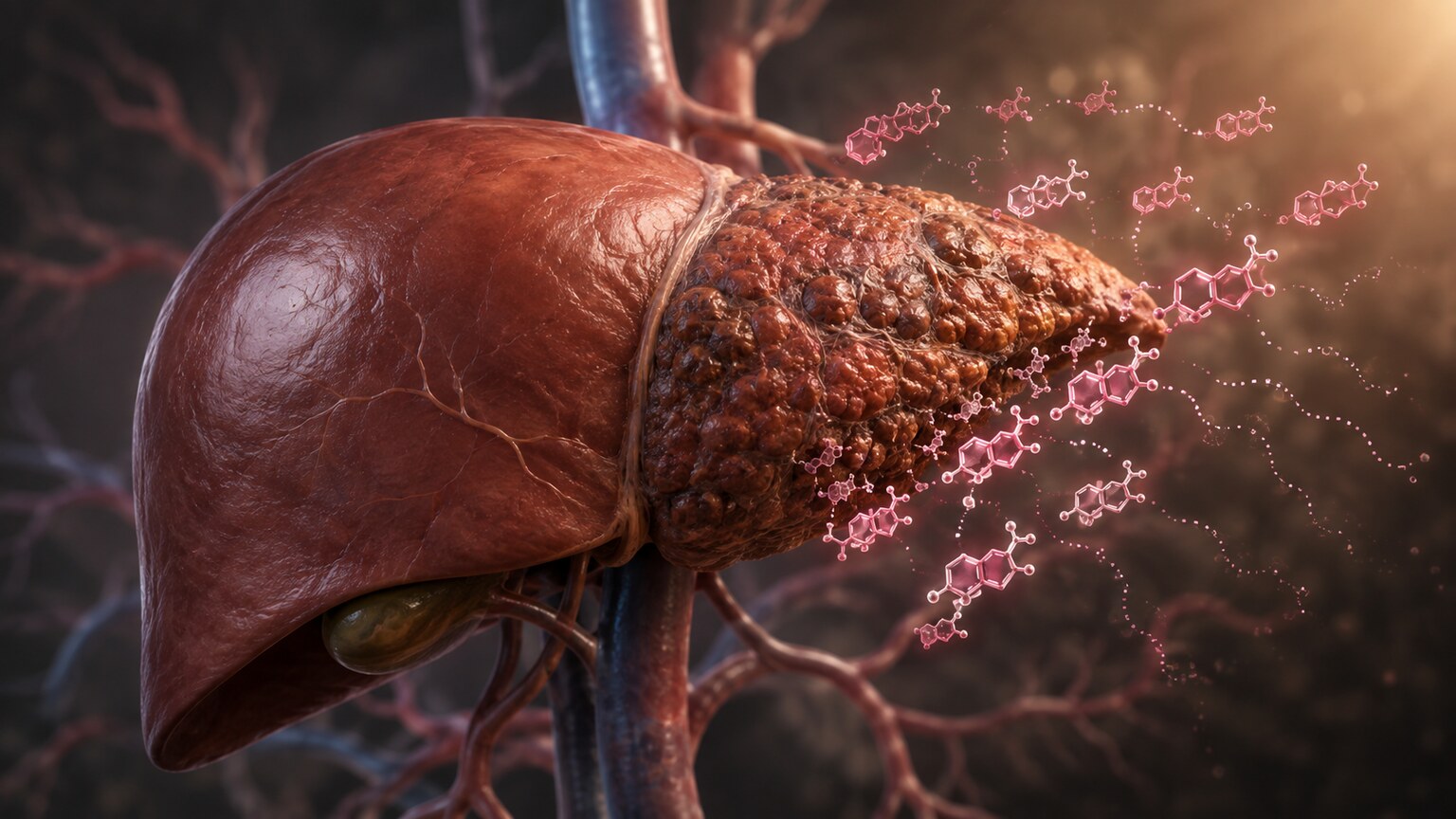
Your liver isn't just a bystander in estrogen metabolism — it's directly responsible for breaking down and clearing circulating estradiol from the bloodstream once it's finished its job, through a multi-step process that ultimately allows the hormone to be excreted from the body. In advanced liver disease, particularly cirrhosis, that clearance process becomes significantly impaired, allowing estradiol to accumulate in the bloodstream at higher-than-expected levels even without any change in how much is actually being produced by the ovaries, testes, or peripheral fat tissue. This mechanism explains a cluster of physical findings that clinicians specifically associate with advanced liver disease: spider angiomas, small web-like clusters of dilated blood vessels visible on the skin, and gynecomastia in men, both thought to result at least partly from this estrogen accumulation effect rather than from a separate, unrelated process. Because liver disease can develop gradually and silently for years before becoming clinically obvious, an unexplained elevated estradiol result, particularly in someone with other risk factors for liver disease like heavy alcohol use or hepatitis, is sometimes what first prompts a doctor to check liver function tests and investigate further.
Medications and Exogenous Estrogen Sources
A wide range of medications and exogenous hormone sources can directly raise measured estradiol, and distinguishing these from an internally-driven cause is usually one of the first, most straightforward steps in any workup. Hormone replacement therapy prescribed for menopausal symptoms, and estrogen-containing birth control pills, patches, rings, and injections, all directly introduce estrogen into the bloodstream, and depending on the specific formulation and how recently a dose was taken, this can meaningfully elevate a measured estradiol level as an entirely expected, intended effect of the medication rather than a sign of an underlying problem. Fertility medications used during ovarian stimulation for treatments like IVF, including gonadotropins and clomiphene, are specifically designed to recruit and mature multiple ovarian follicles simultaneously, and this deliberately produces dramatically elevated estradiol levels as a direct, monitored, and expected part of the treatment protocol — fertility specialists track rising estradiol specifically as a marker of how many follicles are developing and how the ovaries are responding to stimulation. Certain topical and compounded hormone creams, some herbal supplements marketed for menopausal symptoms containing plant-derived compounds with estrogen-like activity, and even certain environmental exposures to compounds that mimic estrogen's activity in the body, have all been documented as less common but genuine contributors to an elevated result. Reviewing a complete list of medications and supplements, not just prescription drugs, is a standard and often highly productive early step whenever an elevated estradiol doesn't have an obvious explanation.
Estradiol in Men: A Different Set of Likely Causes

Men produce estradiol from two sources: a small direct contribution from the testes, and a considerably larger contribution from peripheral aromatization of testosterone in fat tissue, as described earlier. This means the single most common cause of an elevated estradiol in a man isn't a tumor or a rare condition at all — it's simply having a higher percentage of body fat, since more aromatase-active tissue converts more testosterone into estradiol, sometimes producing a pattern of relatively low testosterone alongside relatively elevated estradiol in men with significant obesity. Anabolic steroid use is another notable and increasingly relevant cause, since many anabolic steroids are directly aromatized into estrogen by the same enzyme pathway, and men using these substances, whether for bodybuilding or other purposes, can develop genuinely elevated estradiol along with related symptoms like gynecomastia as a direct, mechanistic consequence. Less commonly, testicular tumors, particularly Leydig cell tumors, can directly secrete estrogen, and certain genetic conditions, most notably Klinefelter syndrome, are associated with an altered testosterone-to-estradiol ratio from a young age due to differences in testicular function. Liver disease, discussed above, and the same medication and supplement causes relevant to women also apply to men. Because the normal reference range for estradiol in men is considerably lower than in premenopausal women, even a modest-looking elevation can represent a meaningfully abnormal finding worth investigating, which is why male-specific reference ranges matter just as much as female cycle-phase-specific ones.
Adrenal Causes
The adrenal glands, small structures sitting atop each kidney, normally produce only a modest amount of the precursor hormones that get converted into estradiol through peripheral aromatization, making them a minor contributor under ordinary circumstances. Certain rare adrenal tumors, however, can disrupt this balance significantly, either by directly producing excess estrogen-precursor hormones or, in some cases, by directly secreting estrogen itself. Adrenal causes of elevated estradiol are considerably less common than ovarian, testicular, or aromatization-related causes, but they're specifically considered when an elevated estradiol appears alongside other signs suggesting broader adrenal hormone dysfunction, such as unusual patterns of androgen excess, unexplained changes in blood pressure, or other features that don't fit neatly into the more common explanations covered elsewhere in this article. When an adrenal cause is suspected, imaging of the adrenal glands themselves, along with a broader panel of adrenal hormone testing, becomes part of the diagnostic workup, since isolated estradiol testing alone can't distinguish an adrenal source from the ovarian, testicular, or peripheral aromatization pathways discussed throughout this article.
Recognizing the Symptoms, Which Differ by Sex

In women, elevated estradiol can produce breast tenderness or swelling, bloating, mood changes, headaches, particularly the kind that seem to track with hormonal shifts, and, importantly, irregular or unusually heavy menstrual bleeding, since sustained high estradiol without adequate opposing progesterone can cause the uterine lining to thicken excessively. In men, the symptom pattern centers heavily around the consequences of an estrogen-to-testosterone imbalance: gynecomastia, the development of breast tissue, is the most recognizable sign, often accompanied by breast tenderness. Reduced libido, difficulty achieving or maintaining an erection, and, in some cases, reduced sperm count and fertility can also occur, since elevated estradiol can suppress the normal hormonal signals that support healthy testosterone production, creating a self-reinforcing pattern in some cases. Neither set of symptoms is exclusive to elevated estradiol alone — many overlap with other hormonal or medical conditions — which is exactly why symptoms are always interpreted alongside the actual lab result and its context rather than used to self-diagnose the underlying cause in isolation.
How Doctors Actually Work Through an Elevated Result
Because the list of potential causes is so broad and so dependent on individual context, a doctor investigating an unexplained elevated estradiol doesn't jump straight to imaging or invasive testing — the workup proceeds in a logical, stepwise order designed to rule out the most common and most easily identified explanations first. The very first step is almost always confirming the basics: exact cycle day for a premenopausal woman, menopausal status, a complete and honest medication and supplement history, and body weight and composition, since several of the most common causes discussed throughout this article are identified through this simple review alone, without needing any further testing. If those basics don't explain the result, additional hormone testing typically follows, including follicle-stimulating hormone (FSH) and luteinizing hormone (LH), which help distinguish an ovarian or testicular source from other causes, along with testosterone, since the ratio between testosterone and estradiol is often more informative than either number considered alone, particularly in men. Liver function tests are a standard, low-effort next step given how commonly impaired clearance contributes to this picture. If these steps still don't explain a significantly elevated or rapidly rising result, imaging becomes the next logical step — pelvic ultrasound for women to evaluate the ovaries and uterine lining, and testicular ultrasound or adrenal imaging for men or in cases where a hormone-producing tumor is genuinely suspected based on the fuller clinical picture.
Aromatase Inhibitors: Treating the Mechanism Directly
Because peripheral aromatization is such a central mechanism throughout this entire topic, it's worth understanding how medicine directly targets it when treatment is actually needed, since it ties the whole discussion back together around one shared enzyme. Aromatase inhibitors, a class of medications that directly block the aromatase enzyme responsible for converting testosterone into estradiol, are best known for their major role in treating certain hormone-receptor-positive breast cancers in postmenopausal women, where reducing circulating estrogen helps slow or prevent the growth of estrogen-sensitive tumor cells. The same medication class is increasingly used, sometimes off-label, in men with obesity-related elevated estradiol and a correspondingly low testosterone-to-estradiol ratio, specifically to interrupt the excess peripheral conversion happening in fat tissue and help restore a more typical hormonal balance. This isn't a treatment reached for casually — aromatase inhibitors reduce estrogen levels significantly and carry their own real considerations, including effects on bone density given estrogen's protective role there, which is exactly why they're prescribed and monitored carefully by a specialist rather than used as a general-purpose fix for a borderline-elevated result. Regular bone density monitoring, typically through periodic DEXA scans, becomes a standard part of long-term care for anyone on extended aromatase inhibitor therapy specifically because of this tradeoff, underscoring that even a targeted, mechanism-based treatment for excess estrogen has to be weighed carefully against estrogen's genuinely essential, protective roles elsewhere in the body — the same essential roles described at the very start of this article. Their existence and mechanism, though, are a genuinely useful way to see the aromatase pathway described throughout this article not just as an abstract biological concept, but as something medicine can and does directly intervene on when the clinical picture calls for it.
Why Two Labs Can Give You Two Different Numbers
It's genuinely possible for the same blood sample, or samples drawn under nearly identical conditions, to produce meaningfully different estradiol results depending on which laboratory technique was used, and understanding why adds an important layer of context before assuming a result is definitively abnormal. Most routine estradiol testing uses a method called immunoassay, which relies on antibodies designed to bind specifically to estradiol and produce a measurable signal proportional to how much is present — a fast, cost-effective, and generally reliable approach at the higher concentrations typical of premenopausal women during much of their cycle. At the lower concentrations typical of postmenopausal women, children, and men, however, standard immunoassays become considerably less precise, since they weren't originally optimized for accurately distinguishing small differences at the low end of the range, and they can also cross-react somewhat with other closely related steroid hormones, introducing a degree of imprecision. A more specific, more accurate method called liquid chromatography-tandem mass spectrometry (LC-MS/MS) physically separates and identifies estradiol based on its precise molecular characteristics rather than relying on antibody binding, offering considerably better accuracy at low concentrations, though it's more expensive and not universally used by every laboratory for routine testing. This is precisely why endocrinology specialists increasingly recommend LC-MS/MS testing specifically when evaluating estradiol in men, children, or postmenopausal women, situations where the levels being measured sit at the low end of the range where standard immunoassay results are least reliable, and why a surprising or borderline result in one of these groups is sometimes worth repeating with the more precise method before drawing any firm conclusions.
PCOS: Why the Full Hormonal Picture Matters More Than Any Single Number
Polycystic ovary syndrome deserves its own closer look, since it's one of the more common conditions where estradiol sits within a genuinely complex web of interrelated hormone changes rather than being cleanly elevated or normal on its own. PCOS involves elevated androgens, irregular or absent ovulation, and, frequently, insulin resistance and higher body weight, all of which interact with the aromatization pathway discussed throughout this article in ways that don't always produce a simply "high" estradiol reading. Because ovulation doesn't occur regularly in many women with PCOS, the normal cyclical pattern of rising and falling estradiol gets disrupted, sometimes producing a pattern of persistently moderate estradiol without the sharp periovulatory peak a regularly cycling woman would show, alongside ongoing peripheral aromatization of the elevated androgens characteristic of the condition. This is exactly why PCOS is diagnosed using a broader combination of clinical findings, ultrasound appearance of the ovaries, and a fuller hormone panel — including androgens, LH, and FSH alongside estradiol — rather than through any single estradiol value, and it's a good illustration of just how much more informative a full hormonal picture is than any one number considered in isolation, a theme that runs through nearly every cause discussed in this article.
What a Single Elevated Result Does and Doesn't Tell You
It's worth stepping back to emphasize something that gets lost easily in a list of possible causes: a single elevated estradiol result, on its own, is rarely enough information to draw any firm conclusion. The same number can represent a completely normal periovulatory surge, an expected response to fertility medication, a side effect of a prescribed hormone therapy, an early sign of a functional ovarian cyst that will resolve without treatment, or, much less commonly, a signal pointing toward a tumor requiring further investigation — and distinguishing between these possibilities depends entirely on the context surrounding the number, not the number itself. This is exactly why a thoughtful clinician resists the urge to react to an isolated result before gathering that context, and it's exactly why this article has spent so much more time walking through mechanisms and context than it has spent on the number itself. Understanding where estradiol comes from, and what specifically influences each of those sources, is what turns an intimidating lab value into something genuinely explainable — and in the process, replaces unnecessary anxiety with a much clearer sense of what questions are actually worth asking next.
Environmental and Lifestyle Contributors Worth Knowing About
Beyond the major medical and physiological causes covered throughout this article, a handful of environmental and lifestyle factors have documented, if generally more modest, effects on circulating estrogen activity. Certain industrial chemicals and compounds found in some plastics, pesticides, and personal care products have estrogen-like activity in the body, loosely grouped under the term xenoestrogens, and while research into their real-world impact on measured blood estradiol in otherwise healthy adults is still evolving and the effect size for most everyday exposure levels appears to be small, they remain an active area of ongoing research, particularly regarding cumulative, long-term exposure. Chronic heavy alcohol use has effects beyond the liver-clearance mechanism discussed earlier — alcohol itself can directly stimulate aromatase activity in some tissue, compounding the clearance-related elevation already described in the liver disease section. Certain plant-derived compounds called phytoestrogens, found in foods like soy, flaxseed, and some legumes, have weak estrogen-like activity, though for most people eating these foods within a normal, varied diet, the measurable effect on blood estradiol appears to be minimal compared to the mechanisms discussed elsewhere in this article — a useful, evidence-based reassurance for anyone who has heard exaggerated claims about soy specifically driving major hormonal disruption. None of these lifestyle and environmental factors typically explain a dramatically or persistently elevated result on their own, but they're reasonable, low-effort topics to mention to a doctor as part of the fuller picture, particularly in a borderline or mildly elevated result without another clear explanation.
Klinefelter Syndrome and Other Congenital Considerations in Men
Klinefelter syndrome, a genetic condition in which a male is born with an extra X chromosome, deserves a bit more detail than its brief mention earlier, since it represents one of the clearer examples of a congenital cause of an altered estradiol-to-testosterone balance in men. The extra genetic material affects testicular development and function from an early age, typically resulting in lower-than-average testosterone production, and because testosterone and estradiol exist in a kind of ongoing balance throughout the body — with a meaningful portion of circulating estradiol in men coming from converting available testosterone — reduced testosterone production alongside continued or relatively preserved peripheral aromatization can shift that ratio meaningfully toward estradiol, even when absolute estradiol levels aren't dramatically elevated in isolation. This condition is frequently diagnosed during a workup for delayed puberty, infertility, or gynecomastia in adolescence or young adulthood, at which point a full hormone panel — not estradiol in isolation — along with genetic testing confirms the diagnosis. It's a useful, if less common, reminder that an unusual estradiol-to-testosterone ratio can have a lifelong congenital origin rather than something that developed recently, which is part of why a thorough personal and developmental history is a genuinely relevant part of working up an unexpected hormonal finding in a younger man.
Frequently Asked Questions
Why does my estradiol result depend so much on what day of my cycle it was drawn?
Estradiol naturally rises and falls dramatically across a normal menstrual cycle, peaking sharply just before ovulation. A result interpreted without knowing the exact cycle day can look abnormally high or low when it's actually reflecting completely normal, expected hormonal physiology.
Can body weight really affect estradiol levels?
Yes. Fat tissue contains an enzyme called aromatase that converts testosterone into estradiol. More body fat means more of this peripheral conversion, which can meaningfully raise estradiol in both men and women independent of ovarian or testicular hormone production.
Is elevated estradiol in men always a sign of something serious?
Not usually. The most common cause in men is simply increased peripheral conversion of testosterone to estradiol related to body fat, rather than a tumor. Less common causes like testicular tumors are specifically considered when other explanations don't fit the full clinical picture.
Why would liver disease raise estradiol levels?
The liver is responsible for breaking down and clearing circulating estradiol. In advanced liver disease like cirrhosis, that clearance process becomes impaired, allowing estradiol to accumulate in the bloodstream even without any increase in actual hormone production.
What tests might a doctor order after finding an elevated estradiol?
A review of cycle timing, medications, and body weight comes first. Additional testing often includes FSH, LH, and testosterone, along with liver function tests, and imaging such as a pelvic or testicular ultrasound if a hormone-producing growth is suspected based on the fuller picture.
Conclusion
Estradiol's meaning shifts dramatically depending on who's being tested, when the sample was drawn, and what else is happening in that person's body — which is exactly why an elevated result is a starting point for a conversation, not a verdict delivered by a single number. Whether the explanation turns out to be a normal cyclical surge, a medication working exactly as intended, the ordinary effect of body composition on peripheral hormone conversion, an impaired liver struggling to clear the hormone efficiently, or, in rarer cases, a hormone-producing growth that genuinely needs treatment, the path to the right answer runs through context and a logical, stepwise workup rather than the number alone. Understanding the handful of pathways that actually produce and clear estradiol in the body is what makes that context legible — and it's exactly the kind of understanding that turns an intimidating lab result into a specific, answerable question worth bringing to a doctor, rather than a number left to sit unexplained.
Still Not Sure What Your Results Mean?
Upload your labs and get a complete, visual, plain-language interpretation of every biomarker — delivered to your inbox in under 15 minutes.
Get My ReportThis article is for educational purposes only and does not constitute medical advice. Always consult your healthcare provider regarding your specific lab results.