
Why Is My Estrogen High in Men?
In men, high estrogen almost always comes down to one of a small handful of causes: too much body fat converting testosterone into estrogen, a liver that isn't clearing estrogen out of the blood the way it should, a medication or substance nudging the balance, or — far less commonly — a tumor producing hormones on its own. Every man's body makes some estrogen; it's not a "female hormone" that has no business being in male blood. What matters is the ratio between estrogen and testosterone, not the mere presence of estrogen at all. When that ratio tips too far toward estrogen, the effects can show up as breast tissue growth, low sex drive, fatigue, or a lab result that suddenly has a man Googling a number he never expected to see flagged. This article walks through exactly why that number climbs, organ by organ and cause by cause, so a flagged estradiol result stops being a mystery and starts being something you can actually act on.
Where Estrogen Actually Comes From in a Man's Body
It surprises a lot of men to learn that their testes produce estrogen directly, not just testosterone. The Leydig cells inside the testes — the same cells responsible for the bulk of testosterone production — also synthesize a small amount of estradiol, the most biologically active form of estrogen, as a normal part of male physiology. But direct testicular production is only a minority contributor. The larger share of a man's circulating estrogen is made somewhere else entirely: in fat tissue, muscle, skin, and the brain, through a chemical conversion process called aromatization, where testosterone itself is transformed into estradiol by an enzyme called aromatase. This single fact reframes almost the entire topic. A man's estrogen level isn't simply "produced" by one gland the way testosterone is produced mainly by the testes — it's substantially manufactured throughout the body from the testosterone he already has, which means anything that increases how much aromatase activity is happening, or how much substrate (testosterone) is available to convert, can push estrogen upward even when the testes themselves are working completely normally.

Figure 1. In men, circulating estradiol comes from three sources: direct testicular production, adrenal precursor hormones, and peripheral aromatization in fat and muscle tissue.
There's also a third, smaller contributor: the adrenal glands, which sit atop the kidneys and produce androgen precursors — weaker hormones like androstenedione — that can themselves be aromatized into estrogen in peripheral tissue, adding one more layer to the pool of raw material available for conversion. Understanding these three sources — testes, adrenal precursors, and peripheral aromatization — is the foundation for everything that follows, because nearly every cause of high estrogen in men traces back to one of these three pathways being disrupted, overactive, or overloaded.
The Aromatase Enzyme: The Real Engine Behind Most Cases
If there's a single villain in the story of high estrogen in men, it's aromatase. This enzyme, found abundantly in fat tissue, is what performs the actual chemical conversion of testosterone into estradiol. The more fat tissue a man carries — particularly visceral fat, the metabolically active fat that surrounds the abdominal organs rather than sitting just under the skin — the more aromatase activity is present in his body, and the more of his own testosterone gets converted into estrogen rather than staying as testosterone. This is not a minor, theoretical effect. Research on obesity and male hormones has consistently found that as body fat percentage rises, estradiol tends to rise right along with it, while free testosterone tends to fall — a double-edged shift that compounds the problem, since falling testosterone means there's proportionally even less of it relative to the growing estrogen. Aromatase activity also naturally increases with age even independent of weight change, which is part of why estrogen-to-testosterone ratios shift gradually over a man's lifetime even in men who stay lean. Certain tissues are simply more aromatase-rich than others, and total body fat mass is the single strongest predictor of how much aromatization is happening at any given time in a man who doesn't have a tumor, liver disease, or medication driving the number instead.
Excess Body Fat: The Single Biggest Driver in Most Men
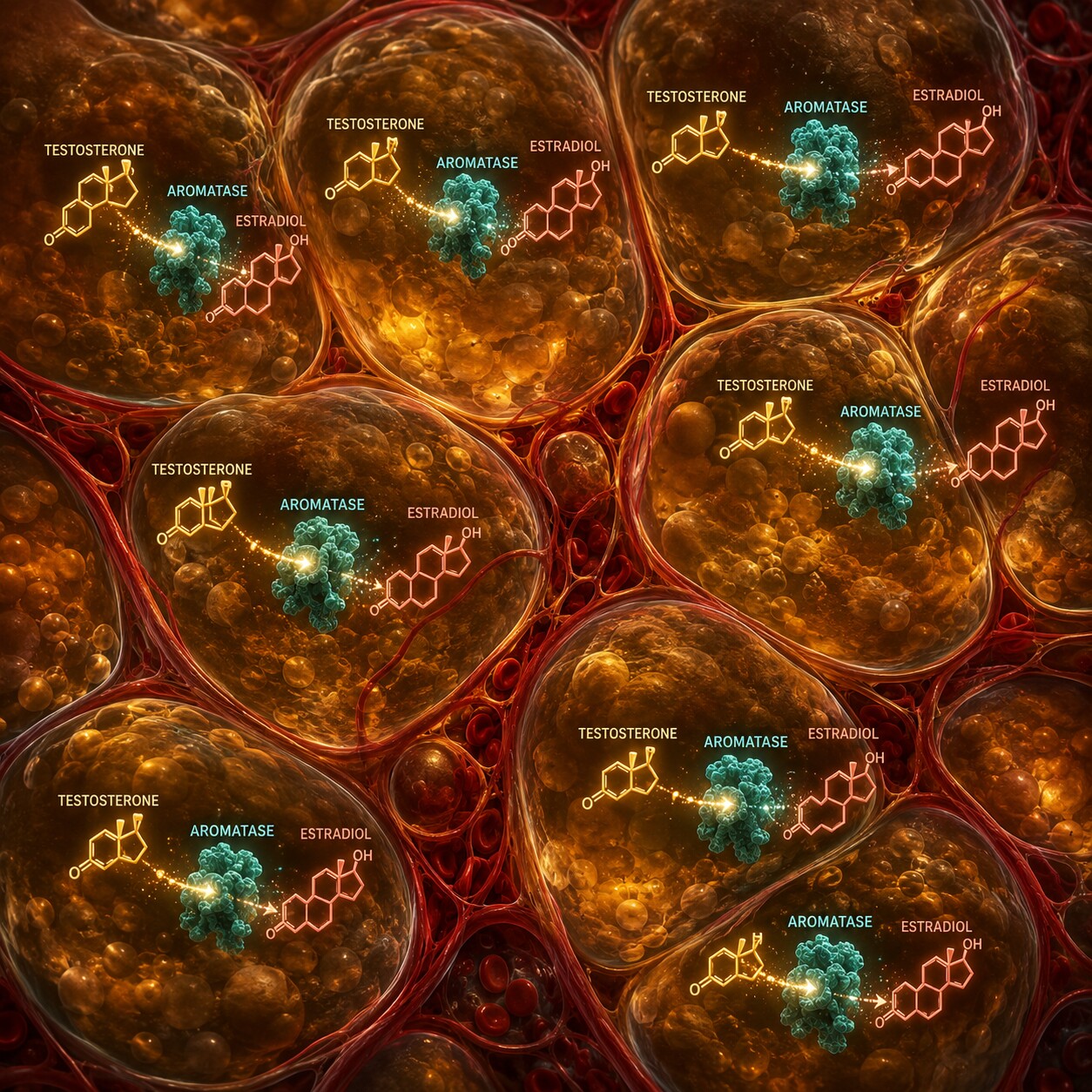
Figure 2. Visceral fat cells are especially rich in aromatase, making abdominal fat the most metabolically active site of testosterone-to-estrogen conversion in men.
Of all the causes covered in this article, excess body fat — specifically abdominal, visceral fat rather than fat carried elsewhere on the body — is by far the most common reason a man's estrogen turns up elevated on a lab report. It's also the cause most within a person's ability to influence. The mechanism is straightforward once you know about aromatase: more fat tissue means more aromatase enzyme, which means more of a man's testosterone gets pulled off and converted into estradiol before it ever gets to do its normal job. This creates something clinicians sometimes describe as a self-reinforcing loop. Higher estrogen and lower free testosterone are both individually associated with increased fat storage, particularly around the midsection, which means the hormonal shift caused by excess fat can, over time, make it easier to gain more fat in exactly the pattern that produces even more aromatase activity. Men with obesity are also more likely to have a related condition called secondary hypogonadism, where the pituitary gland — sensing the elevated estrogen — reduces its signal to the testes to produce testosterone, further shifting the ratio in estrogen's favor. This is why a significant, sustained reduction in visceral fat is one of the most evidence-backed ways to bring an elevated estrogen result back down, and why doctors often address weight and metabolic health first before assuming a more complicated cause is at play.
It's worth being specific about what "excess" means here, because the relationship isn't limited to men who would be described as obese by a general impression. Even a moderate increase in waist circumference, well before reaching a BMI that would prompt an obesity diagnosis, has been associated with measurable shifts in the testosterone-to-estrogen ratio in research on male hormone health. This is part of why a man who feels generally healthy, exercises occasionally, and isn't dramatically overweight can still be surprised by an elevated estradiol result — the visceral fat driving it can be present in amounts that aren't obvious just from looking in a mirror.
Liver Disease: An Underappreciated Clearance Problem
Producing more estrogen is only half of the equation — the body also needs to clear estrogen out of the bloodstream at a normal rate, and that clearance job belongs almost entirely to the liver. The liver metabolizes and inactivates circulating estrogens so they can eventually be excreted from the body. When liver function is impaired — through chronic alcohol use, viral hepatitis, fatty liver disease, or cirrhosis — that clearance process slows down significantly, and estrogen that would normally be broken down and removed instead lingers in circulation at higher-than-normal levels. This is one of the more clinically well-documented causes of elevated estrogen in men and helps explain a symptom pattern that can otherwise seem confusing: men with advanced liver disease frequently develop visible signs of high estrogen, including breast tissue enlargement and spider-like clusters of small blood vessels on the skin, even when nothing about their diet or testicular function has changed. Cirrhosis in particular is associated with a shift toward a more feminized hormonal profile in men, driven by this combination of reduced hepatic clearance and, in more advanced disease, altered production of the proteins that bind and transport sex hormones in the blood.
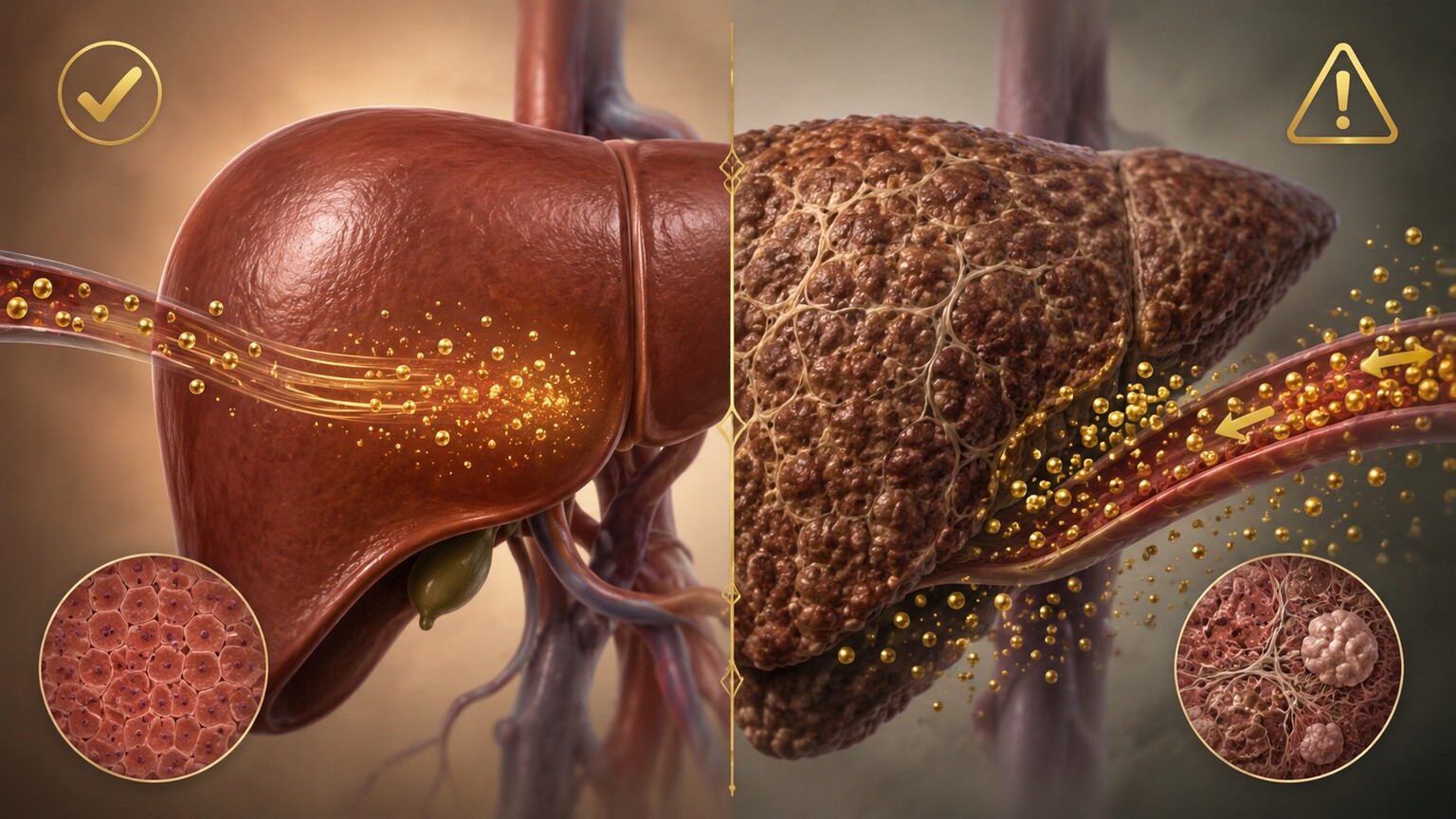
Figure 3. A healthy liver continuously metabolizes circulating estrogen; scarred, cirrhotic liver tissue clears it far more slowly, allowing levels to accumulate.
This is also why doctors evaluating an unexplained high estrogen result in a man will often check basic liver function markers alongside hormone panels — not because liver disease is the most common explanation, but because it's a specific, testable, and treatable one that would otherwise be easy to miss if the workup focused only on the testes and pituitary gland. A man with no history of heavy drinking can still develop liver-related estrogen elevation from other causes of fatty liver disease, which is increasingly common and doesn't always produce obvious symptoms until liver function has been affected for some time.
Curious what your own hormone panel is actually telling you? Upload your results and get a complete, plain-language breakdown in under 15 minutes.
Analyze My ResultsMedications, Substances, and Supplements That Raise Estrogen
A surprising number of common medications and recreational substances can push estrogen upward in men, either by directly containing estrogen-like compounds, by increasing aromatase activity, or by interfering with how the liver processes hormones. Spironolactone, a medication frequently prescribed for high blood pressure, fluid retention, and acne, is one of the better-documented culprits — it not only has some estrogen-like activity of its own but also blocks testosterone's action at the receptor level, which together can produce breast tenderness and enlargement in men taking it regularly. Certain digoxin formulations, used for heart rhythm issues, have similarly been linked to estrogen-related side effects. Regular, heavy marijuana use has been associated with elevated estrogen and reduced testosterone in some research, likely related to cannabinoids' effects on the hypothalamic-pituitary-gonadal axis, the communication pathway that regulates hormone production. Anabolic steroid use — including performance-enhancing testosterone doses far above what the body naturally produces — is a particularly important cause to flag: because so much extra testosterone is suddenly available, aromatase converts a correspondingly large amount of it into estradiol, and this is why gynecomastia is such a well-known side effect among men who use anabolic steroids without also using an aromatase-blocking medication alongside them. Certain antibiotics, some antidepressants, and ulcer medications like cimetidine have also been associated with estrogen-related effects in men, usually at a smaller magnitude than the causes above.
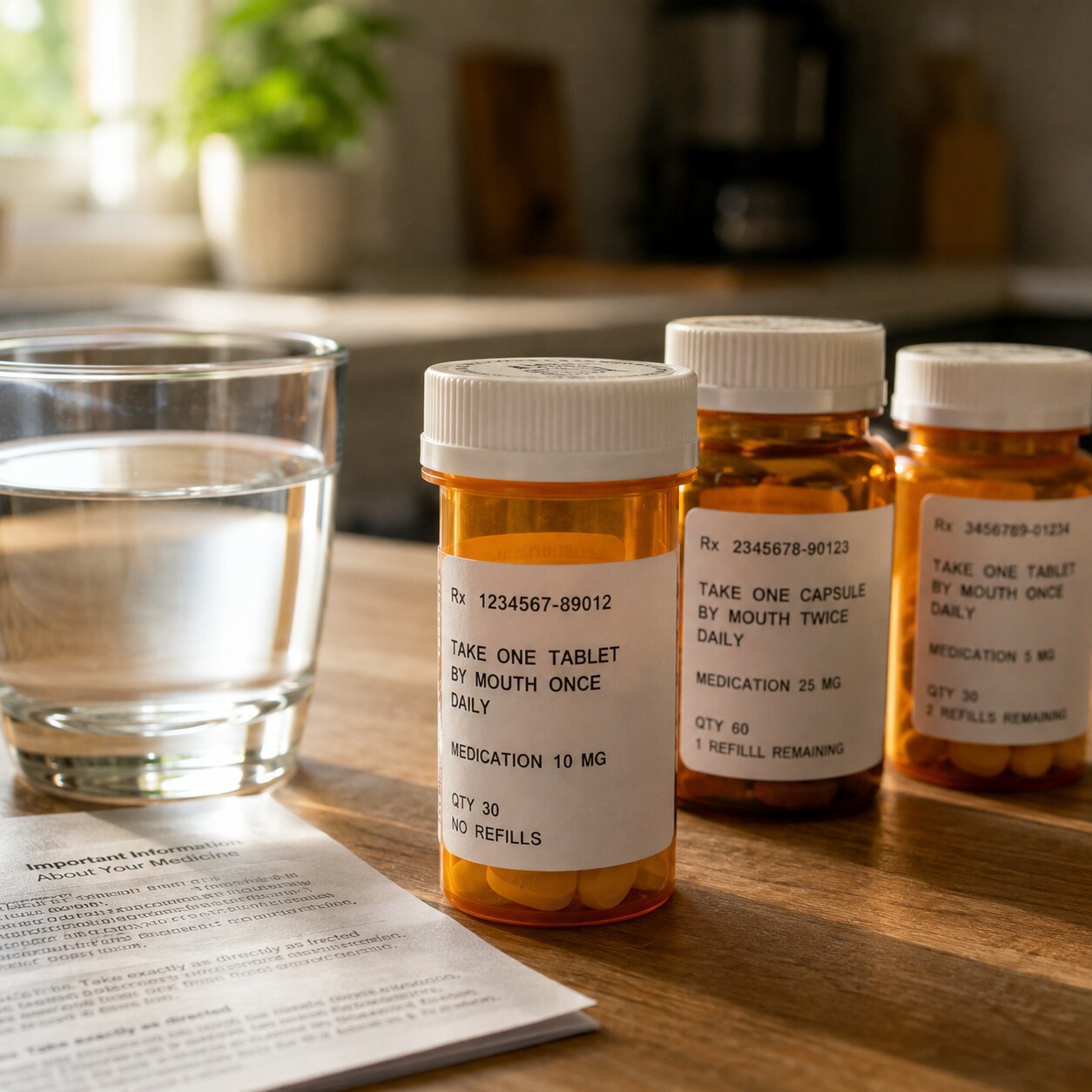
Figure 4. Several widely prescribed medications, including spironolactone, have documented estrogen-related side effects in men through different biological mechanisms.
It's worth being clear that most men taking these medications never develop noticeable symptoms — the effect depends heavily on dose, duration, and individual sensitivity. But if a high estrogen result shows up shortly after starting a new prescription, or coincides with a change in substance use, that timing is one of the first things worth mentioning to a doctor, since it can point directly to a reversible cause rather than something requiring a more extensive workup. Environmental exposure to estrogen-mimicking compounds — sometimes called xenoestrogens, found in certain plastics, some personal care products, and pesticide residues — is a topic of ongoing research interest, though the evidence for how much these contribute to clinically significant elevation in an individual man's blood test remains far less established than the causes above.
SHBG: The Binding Protein That Changes How the Number Should Be Read
Most of a man's testosterone and estrogen don't float freely through the bloodstream — the majority is bound to a transport protein called sex hormone-binding globulin, or SHBG, produced mainly by the liver. Only the small unbound fraction, called "free" testosterone or "free" estradiol, is actually available to act on tissue. This matters enormously for interpreting a lab report, because SHBG levels themselves can shift for reasons that have nothing to do with how much hormone the body is actually producing. Hyperthyroidism, an overactive thyroid, tends to raise SHBG, which can lower free testosterone relative to bound testosterone and, by extension, shift the practical estrogen-to-testosterone balance even if total estradiol on the report looks unremarkable. Hypothyroidism tends to do the opposite, lowering SHBG. Aging itself gradually raises SHBG in most men, independent of thyroid function, which is part of why free testosterone tends to decline with age even faster than total testosterone does. This is why a doctor evaluating a hormone panel doesn't just look at the raw estradiol number in isolation — a "total" estradiol result sitting at the upper edge of normal can represent a very different clinical picture in a man with high SHBG (where more of it is bound and biologically inactive) than in a man with low SHBG (where more of that same total is free and active on tissue). When a total estradiol or total testosterone result doesn't seem to match the symptoms a man is describing, requesting SHBG and a calculated or directly measured free hormone level is often the next logical step, rather than assuming the total number tells the complete story.
Alcohol's Direct Hormonal Effect, Separate From Liver Damage
Liver disease is one well-documented pathway by which alcohol raises estrogen in men, but it isn't the only one, and it's worth separating the two because the direct effect can occur even before any measurable liver damage has developed. Alcohol itself has been shown in research to acutely increase the rate of aromatization, meaning it can nudge more testosterone toward conversion into estradiol independent of any change in liver clearance capacity. Regular, heavy drinking has also been associated with direct testicular toxicity, reducing testosterone production at the source, which — following the ratio principle that runs through this entire article — leaves relatively more estrogen in the mix even without estrogen production itself increasing. Chronic alcohol use additionally disrupts the signaling between the brain and the testes along the same hypothalamic-pituitary-gonadal axis affected by some of the medications and substances discussed earlier. None of this means an occasional drink meaningfully shifts a man's hormone panel — the effect is dose- and frequency-dependent, and the research documenting it generally involves sustained, heavy consumption rather than moderate social drinking. But for a man whose elevated estrogen doesn't have an obvious explanation, a honest accounting of drinking frequency is one of the more useful pieces of history to bring to a doctor's appointment, since it can be relevant well before it shows up as abnormal liver enzymes on a standard panel.
Environmental and Dietary Estrogen-Mimicking Compounds
Beyond what the body produces or fails to clear on its own, a man is also exposed to a range of external compounds that can weakly mimic estrogen's action or otherwise interfere with normal hormone signaling — collectively referred to as xenoestrogens or endocrine-disrupting chemicals. Bisphenol A (BPA), historically used in some plastics and the linings of certain food and beverage cans, is structurally similar enough to estradiol that it can bind weakly to estrogen receptors; regulatory and research bodies have pushed manufacturers toward BPA-free alternatives partly because of this concern. Phthalates, used to make plastics more flexible and found in some personal care products, have been studied for a possible association with lower testosterone in men, which — again, through the ratio effect rather than through directly adding estrogen — can shift the overall hormonal balance. Certain pesticide residues and some compounds used in industrial processes have shown estrogenic activity in laboratory research as well. It's important to be measured about this category of causes: the evidence connecting everyday-level environmental exposure to clinically significant elevation on an individual man's estradiol blood test is far less established and far more actively debated among researchers than the evidence behind body fat, liver function, or medication effects covered earlier in this article. For most men with an elevated result, environmental exposure is not going to be the explanation a doctor lands on — but it remains an active area of research, and reducing exposure where practical (opting for BPA-free containers, for instance) is a low-cost, low-risk step some men choose to take regardless of how large the individual effect turns out to be.
Why Untreated High Estrogen in Men Is Worth Addressing, Not Just Monitoring
Beyond the more immediately noticeable effects like gynecomastia and reduced sex drive, a sustained elevation in the estrogen-to-testosterone ratio carries longer-term considerations worth understanding rather than dismissing. Bone health is a good example of why this topic resists a simple "more estrogen is always bad" framing: estrogen actually plays a protective, essential role in male bone density, and it's primarily low estrogen — not high estrogen — that's associated with bone loss in men, since estrogen (not testosterone alone) is now understood to be a key regulator of bone mineralization in both sexes. The concern with chronically elevated estrogen in men centers more on cardiovascular and metabolic factors, and on the downstream effects of the low testosterone that so often accompanies it — reduced muscle mass, changes in fat distribution, and, in some research, associations with increased cardiovascular risk markers, though the picture here is genuinely complex and still an active area of investigation rather than a settled one. Fertility is one of the clearer downstream concerns: because normal sperm production depends on adequate testosterone signaling within the testes, a hormone ratio persistently skewed toward estrogen can measurably reduce sperm count and quality in men trying to conceive. None of this is meant to be alarming — most men with a mildly elevated result and an identifiable, reversible cause like excess body fat see meaningful improvement once that underlying cause is addressed. The point of understanding the longer-term picture is simply that an elevated estrogen result is worth genuinely following up on rather than filing away as a curiosity, especially when it comes with symptoms rather than showing up as an isolated number on an otherwise unremarkable panel.
Testicular and Adrenal Tumors: Rare, But the Reason for a Full Workup
In the large majority of men, an elevated estrogen result traces back to body fat, liver function, or medications — not a tumor. But hormone-producing tumors are exactly why doctors don't stop the investigation the moment a common explanation seems plausible. Leydig cell tumors and Sertoli cell tumors of the testes, while uncommon, can directly secrete estrogen or estrogen precursors, sometimes producing a testicular mass a man or his doctor can feel on physical exam, alongside the elevated hormone level. Certain tumors elsewhere in the body can secrete a hormone called human chorionic gonadotropin, or hCG — the same hormone measured in pregnancy tests — and because hCG stimulates the testes in a way that can increase both testosterone and estrogen production simultaneously, an hCG-secreting tumor can present with an elevated estrogen result as one of its first detectable signs. Adrenal tumors are a rarer cause still, but some adrenal masses can directly overproduce estrogen or the androgen precursors that get converted into it. This is precisely why a persistent, unexplained elevation in estrogen — particularly one not obviously explained by weight, liver function, or medication use — typically prompts a physical exam of the testes and, depending on findings, imaging studies, rather than simply repeating the blood test and hoping for a different number.
Aging, Hypogonadism, and the Shifting Hormone Ratio
Testosterone production gradually declines with age in most men, typically starting a slow downward drift sometime after the age of 30 to 40. What's less commonly discussed is that estrogen doesn't necessarily follow the same downward path — because a meaningful share of a man's estrogen comes from aromatization rather than direct testicular output, and because aromatase activity tends to increase with age (partly tied to the gradual increase in body fat percentage that often accompanies aging), the net effect for many older men is a shifting ratio: testosterone slowly falling while estrogen holds steady or even rises. This changing ratio, rather than either hormone in isolation, is thought to contribute to some of the physical changes associated with male aging, including changes in body composition, bone density, and sexual function. Primary hypogonadism — a condition where the testes themselves are underperforming, whether from injury, infection, chemotherapy, radiation, or an underlying genetic cause — can produce a similar ratio shift for a different reason: as testosterone production falls, the relative proportion of estrogen in circulation rises even without an outright increase in the number itself, because the two hormones are always being measured and interpreted in relation to one another, not in isolation.
Recognizing the Symptoms: What High Estrogen Actually Feels Like in Men

Figure 5. Firm, sometimes tender glandular tissue directly beneath the nipple — distinct from ordinary fat — is the physical hallmark of gynecomastia caused by an elevated estrogen-to-testosterone ratio.
The most visible and most commonly reported symptom of high estrogen in men is gynecomastia — the development of glandular breast tissue, distinct from ordinary chest fat, that can feel firm or rubbery directly beneath the nipple and is sometimes tender to the touch. This happens because estrogen directly stimulates the growth of breast glandular tissue, a process that occurs in men just as it does in women whenever estrogen exposure is high enough relative to testosterone; the difference is simply that men's baseline ratio normally keeps this tissue from developing. Beyond gynecomastia, men with elevated estrogen frequently report reduced sex drive, difficulty achieving or maintaining erections, and in some cases reduced fertility, since testosterone plays a central role in sperm production and a shifted hormone ratio can interfere with that process. Fatigue, mood changes, and a decrease in muscle mass relative to fat mass are also commonly reported, though these symptoms overlap with many other conditions and aren't specific enough on their own to point to high estrogen without a blood test to confirm it. Because these symptoms develop gradually in most cases — body fat accumulating over years, liver function declining slowly, aging happening one birthday at a time — many men don't connect a change in how they feel to a hormonal cause until a lab result puts a number to what they'd been quietly noticing for a while.
Klinefelter Syndrome and Other Congenital Considerations
Klinefelter syndrome, a genetic condition in which a man is born with an extra X chromosome, is a less common but medically important cause of an elevated estrogen-to-testosterone ratio. The condition affects testicular development from an early age, typically resulting in smaller testes and reduced testosterone production, which — following the same ratio logic described above — leaves relative estrogen levels elevated even when absolute estrogen production isn't dramatically abnormal. Klinefelter syndrome is frequently associated with gynecomastia, tall stature, and reduced fertility, and it's sometimes not diagnosed until adulthood, when a man seeks care for one of these symptoms or an unexplained hormone panel prompts genetic testing. Other, rarer congenital conditions affecting testicular development can produce a similar pattern. While these causes account for only a small fraction of men with elevated estrogen overall, they're an important consideration specifically in younger men whose results can't be explained by body fat, liver function, or medication use, and in men whose gynecomastia developed earlier in life rather than gradually with age.
How Doctors Actually Work Through an Elevated Result
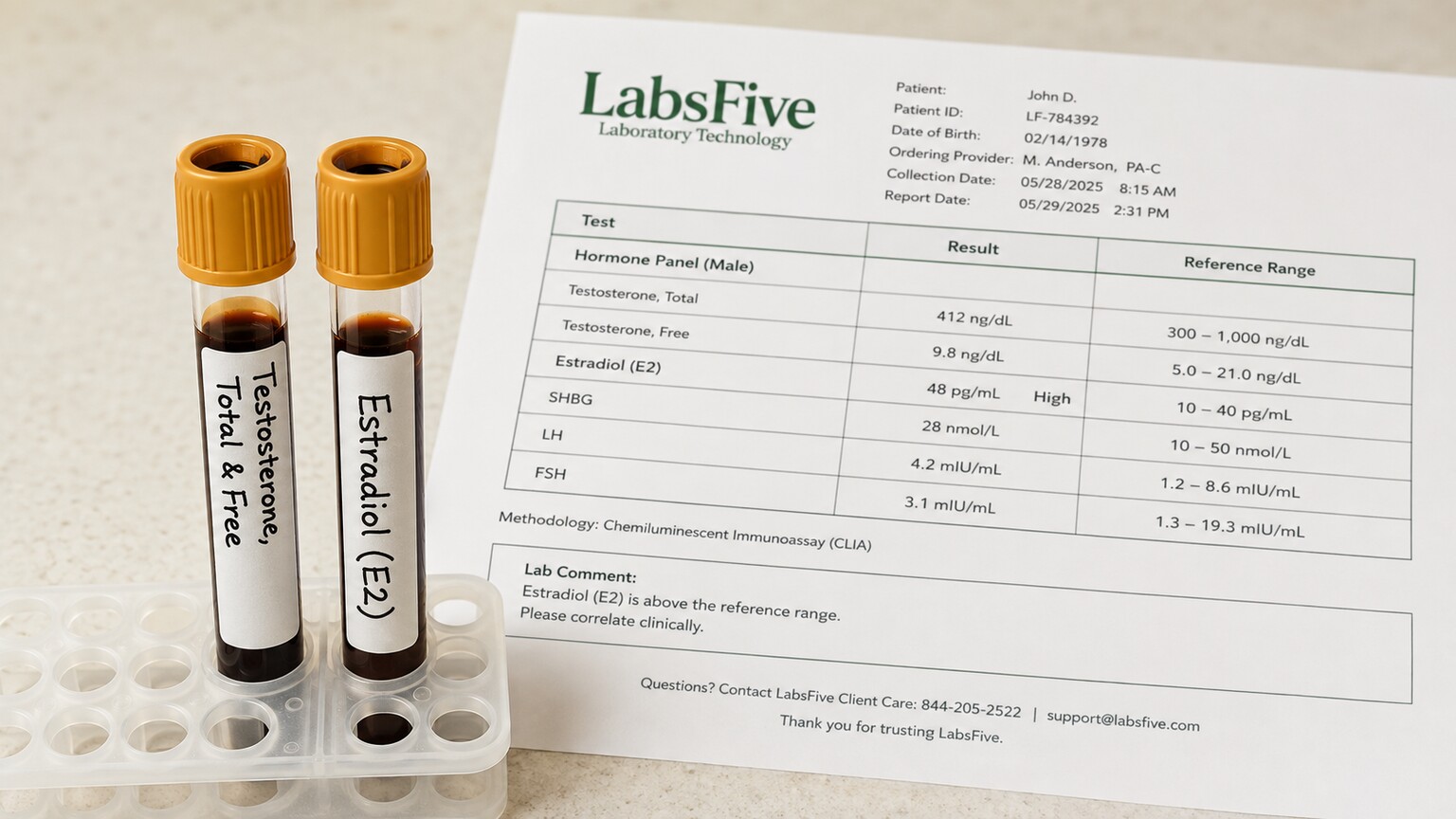
Figure 6. A full hormone workup typically pairs estradiol with total and free testosterone, since the ratio between the two is more clinically meaningful than either value alone.
A single elevated estradiol number rarely tells the full story on its own, which is why a thorough workup almost never stops there. Doctors typically order estradiol alongside total and free testosterone, since — as this article has emphasized throughout — it's the relationship between the two that carries the real clinical meaning, not estrogen in isolation. Luteinizing hormone (LH) and follicle-stimulating hormone (FSH), both produced by the pituitary gland, help distinguish whether a problem originates in the testes themselves (primary hypogonadism, where LH and FSH tend to rise as the pituitary tries harder to stimulate underperforming testes) or in the pituitary/hypothalamus (secondary hypogonadism, where LH and FSH tend to be low or inappropriately normal despite low testosterone). A physical exam checking for testicular masses, breast tissue changes, and signs of liver disease is standard. Depending on what these initial findings suggest, further steps might include liver function tests, an hCG level, or testicular ultrasound imaging. This layered approach exists precisely because, as covered throughout this article, so many different mechanisms — from common and easily addressed to rare and requiring urgent attention — can all produce the same single flagged number on a lab report.
What Can Actually Be Done About It

Figure 7. Sustained reduction of visceral fat through resistance training and diet is one of the most evidence-supported ways to lower excess aromatase-driven estrogen in men.
Because body fat is the most common driver, sustained fat loss — particularly around the midsection — is often the first and most effective intervention for men whose elevated estrogen stems from excess aromatization, and resistance training combined with a calorie-appropriate diet has the added benefit of supporting testosterone at the same time fat loss is reducing aromatase activity. When a specific medication is identified as the likely cause, a doctor may adjust the dose or switch to an alternative, though this should always be done under medical supervision rather than stopped abruptly. When liver disease is the underlying driver, treatment focuses on managing the liver condition itself, since improving liver function tends to improve estrogen clearance as a downstream effect. In cases involving a hormone-producing tumor, treatment is directed at the tumor itself — surgical removal, when appropriate, generally normalizes the hormone levels afterward. For men whose elevated ratio stems primarily from hypogonadism, testosterone therapy is sometimes considered, though this requires careful monitoring, since testosterone therapy itself provides more raw material for aromatization and can, paradoxically, raise estrogen further if not managed properly — which is exactly why self-directed hormone use without medical oversight carries real risk. In select cases where the ratio imbalance is significant and clearly driven by excess aromatization, a doctor may consider a class of medications called aromatase inhibitors, which directly block the enzyme responsible for converting testosterone into estradiol; these are prescribed and monitored carefully, since suppressing estrogen too aggressively carries its own downsides given the protective roles estrogen plays in men's bone and cardiovascular health. In every case, the right next step depends entirely on identifying which of the causes above is actually driving the number, which is why a repeat test alongside the full hormone panel described in the previous section, rather than guesswork, is the appropriate starting point.
Frequently Asked Questions
Is it normal for men to have any estrogen at all?
Yes. Estrogen is not exclusively a female hormone — it plays real roles in men's bone health, brain function, and cardiovascular health. What matters clinically isn't whether estrogen is present, but whether the ratio between estrogen and testosterone stays within the expected male range.
Can losing weight actually lower a high estrogen result?
In many men, yes, particularly when excess visceral fat is the primary driver. Since fat tissue is the main site of aromatase activity outside the testes, sustained reduction in body fat lowers the amount of testosterone being converted into estrogen and often improves the overall hormone ratio over time.
Does gynecomastia always mean estrogen is elevated?
Not always, but it's one of the most common physical signs pointing toward it. Gynecomastia can also occur from a shift in the estrogen-to-testosterone ratio even when estrogen itself is only mildly elevated, since falling testosterone can produce the same relative imbalance without estrogen rising dramatically on its own.
Should every man with high estrogen worry about a tumor?
No. Tumors are one of the least common causes of elevated estrogen in men, well behind body fat, liver function, and medications. That said, a doctor will typically rule out a tumor as part of a thorough workup, especially if the result is significantly elevated or not explained by more common causes.
Why does my doctor also want to check SHBG if my estrogen is high?
Because most circulating testosterone and estrogen are bound to SHBG and biologically inactive, a total estradiol number can be misleading on its own. SHBG can shift with thyroid function and age, so measuring it alongside free hormone levels gives a more accurate picture of what's actually available to act on tissue.
If my estrogen is high, does that mean I should avoid all estrogen and just focus on raising testosterone?
Not exactly. Estrogen has genuinely protective functions in men, including for bone density, so the goal isn't to eliminate it but to correct the ratio between it and testosterone. Addressing the underlying cause — whether that's body fat, a medication, or liver function — tends to restore a healthier balance rather than requiring estrogen to be suppressed outright.
Conclusion
A high estrogen result in a man is rarely random, and it's almost never something that requires guessing. In most cases, it traces back to excess body fat driving aromatase activity, a liver that isn't clearing hormones efficiently, a medication or substance with a known hormonal effect, or the gradual, expected shift in hormone ratios that comes with aging. Less commonly, it points to something that genuinely needs medical attention, like a hormone-producing tumor or an underlying condition like Klinefelter syndrome. The number by itself doesn't tell that story — what tells the story is the fuller picture: testosterone alongside estradiol, a physical exam, and a look at the medications, weight, and liver health that all quietly shape where that number lands. Anyone looking at a flagged estrogen result has a clear, structured path forward: get the fuller hormone panel, have the physical exam, and let those combined findings — not the single number alone — determine what happens next.
Already have an estradiol or testosterone number from a recent test? Upload your full results and see exactly what they mean together, not just in isolation.
Analyze My ResultsStill Not Sure What Your Results Mean?
Upload your labs and get a complete, visual, plain-language interpretation of every biomarker — delivered to your inbox in under 15 minutes.
Get My ReportThis article is for educational purposes only and does not constitute medical advice. Always consult your healthcare provider regarding your specific lab results.