
What Is the Relationship Between Insulin and Thyroid Hormones?
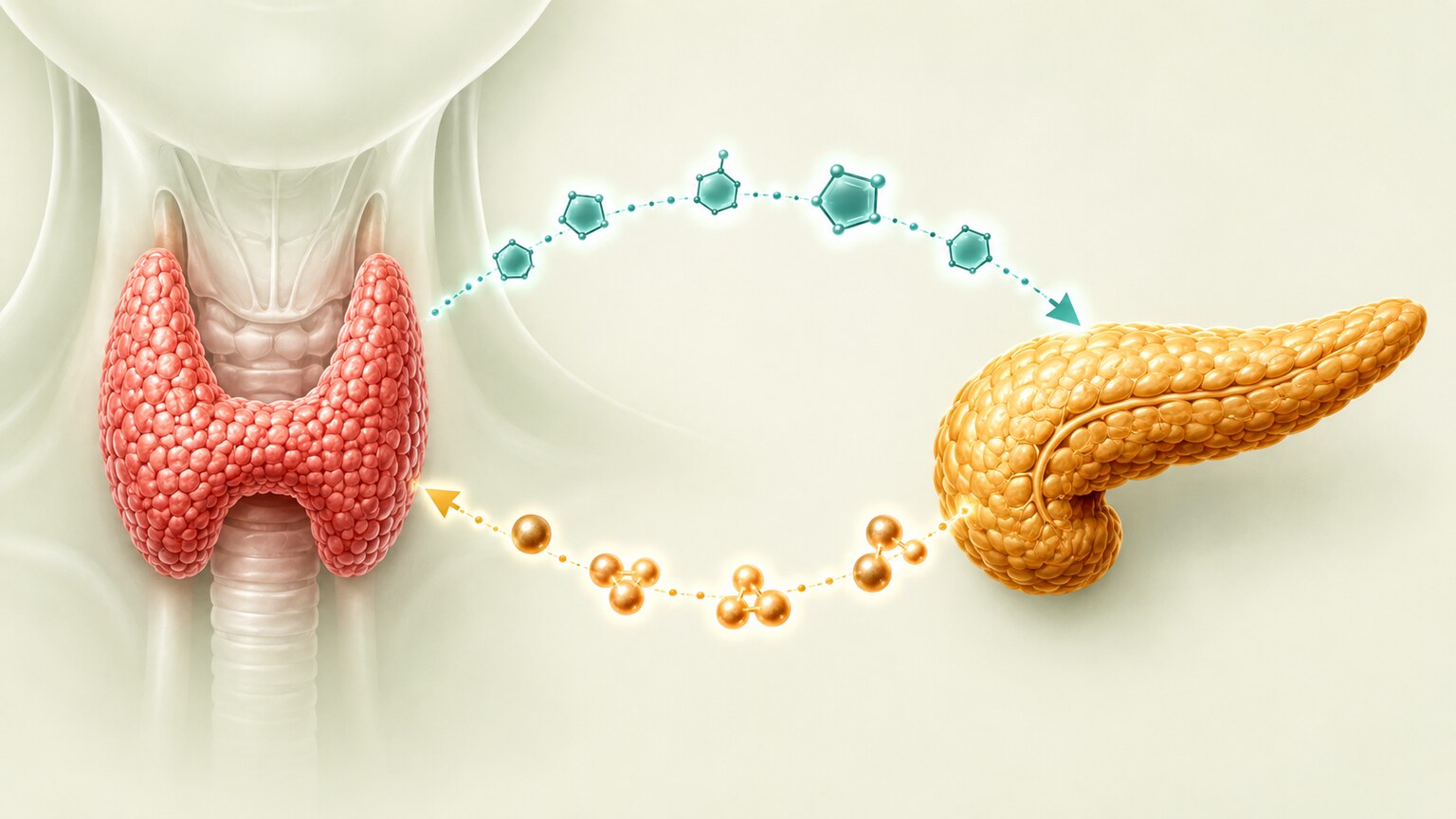
Ask most people what the thyroid and the pancreas have to do with each other, and you'll usually get a blank stare — they seem like two completely separate organs handling two completely separate jobs, tucked in different parts of the body and covered in entirely different sections of a biology textbook. But research has repeatedly found that in subclinical hypothyroidism, thyroid-stimulating hormone (TSH) levels correlate directly with insulin resistance, and the reverse is just as true: chronically high insulin levels can measurably shift how the thyroid itself behaves, sometimes even before a standard thyroid panel shows anything obviously wrong. Neither gland works in isolation. Both sit inside a much larger web of hormonal signaling that constantly cross-talks with itself, and disrupting one side of that web has a documented tendency to eventually disturb the other. This article walks through the real, two-way biological relationship between insulin and thyroid hormones — what each one actually does to the other, mechanism by mechanism, how often the two problems actually show up together in real patients, and why your doctor may look at both together instead of one at a time.
Two Glands, Two Very Different Jobs
Before getting into how these two systems interact, it helps to be clear on what each one does on its own. The thyroid, a small butterfly-shaped gland at the base of your neck, produces two hormones — T4 and its more active form, T3 — that set the pace of essentially every metabolic process in your body, from how fast your heart beats to how quickly your cells burn fuel, to how your body regulates temperature and repairs tissue. Its own output is controlled by a feedback loop running through the brain: the hypothalamus releases a signal that prompts the pituitary gland to release TSH, and TSH in turn tells the thyroid how much T4 and T3 to produce, with the whole system constantly adjusting itself based on how much thyroid hormone is already circulating. The pancreas, meanwhile, produces insulin, a hormone that tells your cells to pull glucose out of the bloodstream and either use it for energy or store it for later, released in direct response to rising blood glucose after a meal. On paper, one governs your metabolic rate and the other governs blood sugar, run by two entirely separate feedback loops. In practice, thyroid hormone directly shapes how your liver, muscle, and fat cells respond to insulin, and insulin, in turn, can influence how the thyroid itself functions and how efficiently its hormone output gets converted into an active form at the tissue level — which is exactly why the two rarely stay fully independent for long once either system starts to drift out of its normal range.
How an Underactive Thyroid Pushes Toward Insulin Resistance
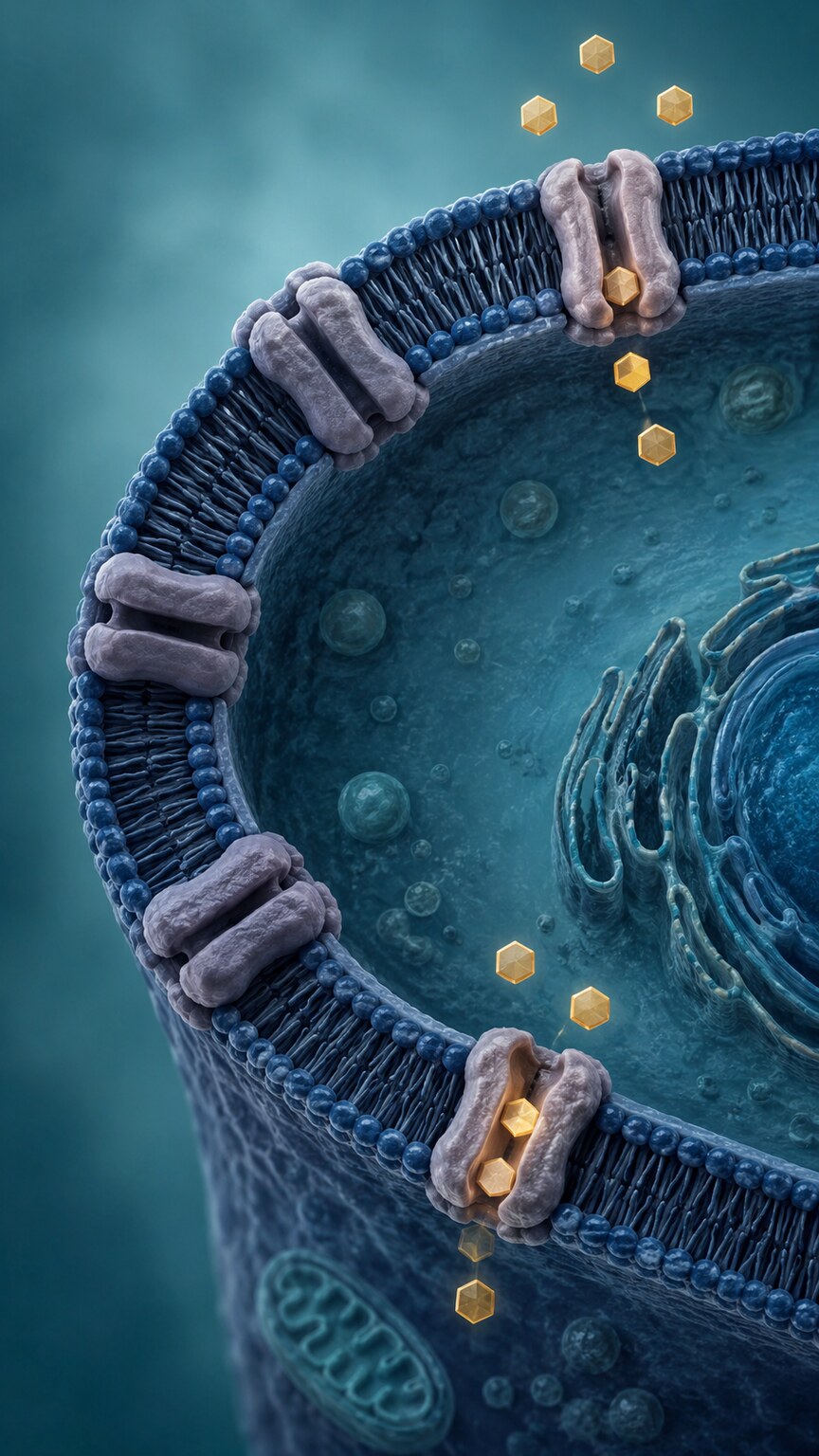
When thyroid hormone production drops, as it does in hypothyroidism, insulin sensitivity tends to drop right alongside it. Multiple studies have found that people with subclinical hypothyroidism — a mildly elevated TSH with T4 still in the normal range — show measurably higher insulin resistance than people with fully normal thyroid function, and the effect scales with how high TSH climbs. Part of the explanation lies at the level of the liver and peripheral tissue, where reduced thyroid hormone signaling changes how efficiently cells respond to insulin's signal to take up glucose. Researchers have also found that TSH itself, independent of T3 and T4, appears to act directly on fat cells: TSH receptors sit on the surface of adipocytes, and when TSH binds to them, it reduces tyrosine phosphorylation of a key insulin-signaling protein called IRS-1, lowers activation of the downstream AKT pathway, and cuts back on GLUT4, the transporter protein cells rely on to physically pull glucose in. Follow-up research identified endoplasmic reticulum stress inside the cell as one mechanism driving this disruption, and separate work has shown TSH can trigger inflammatory signaling in macrophages that further worsens insulin resistance. In short, an underactive thyroid doesn't just slow down your metabolism in a general, hand-wavy sense — it interferes with insulin's signal at a specific, identifiable molecular level, through pathways researchers can trace protein by protein.
Wondering how your own insulin and thyroid results line up? Upload your labs and get a complete, plain-language breakdown in under 15 minutes.
Analyze My ResultsHow an Overactive Thyroid Also Disrupts Insulin — Just Differently
It would be easy to assume that if low thyroid hormone worsens insulin resistance, then high thyroid hormone must automatically improve it, since more thyroid hormone generally means a faster metabolism overall. The actual research shows something more complicated: hyperthyroidism creates its own distinct set of problems for glucose regulation, just through different mechanisms than the ones seen in an underactive thyroid. Excess thyroid hormone increases hepatic glucose output by accelerating gluconeogenesis, meaning the liver manufactures and releases more glucose into the bloodstream than it normally would. At the same time, hyperthyroidism stimulates the pancreas to secrete more insulin, producing a state of hyperinsulinemia, while also speeding up how quickly the body clears and degrades that insulin once it's released. The combined effect — more glucose being pushed out by the liver, more insulin being secreted but broken down faster, and reduced glucose disposal by peripheral tissues — commonly shows up clinically as impaired fasting glucose or worsened blood sugar control in people who already have type 2 diabetes. So while hypothyroidism and hyperthyroidism disrupt insulin sensitivity through largely different pathways, both directions of thyroid dysfunction, whether the thyroid is producing too little hormone or too much, end up working against stable, predictable blood sugar control.
Insulin Resistance Can Also Block the Body's Own Thyroid Hormone Conversion
Most of the thyroid hormone your thyroid gland releases isn't the active form. Your thyroid produces mostly T4, a relatively inactive precursor, and your body relies on a family of enzymes called deiodinases, present in tissues throughout the body, to convert that T4 into T3, the form your cells actually use. This conversion step matters enormously for the insulin story, because insulin resistance itself appears to suppress the activity of type 2 deiodinase, the enzyme responsible for a large share of this conversion in skeletal muscle and fat tissue. Research comparing conversion rates found that people without diabetes converted roughly 77% of their T4 into T3, while people with diabetes converted only about 45%, with a larger share of their T4 instead being shunted into reverse T3, an inactive byproduct that doesn't carry out any of T3's normal metabolic functions. Because this conversion problem happens outside the thyroid gland itself, it doesn't necessarily show up as an abnormal TSH — a person can have a completely normal TSH and T4 on paper while still functioning with meaningfully less active T3 at the tissue level, a state sometimes described as a functional hypothyroid pattern hiding behind normal-looking bloodwork. This is one of the more underappreciated ways insulin resistance and thyroid hormone activity are connected, since it means the thyroid gland itself can be working perfectly fine while insulin resistance elsewhere in the body is still quietly limiting how much active thyroid hormone actually reaches your cells.
How Common Is It to Have Both Conditions at Once?
The overlap between these two conditions shows up clearly in population data, not just in laboratory mechanisms. Studies of people with type 2 diabetes have found thyroid dysfunction in anywhere from about 16% to 33% of patients, compared to roughly 11% in people without diabetes, with subclinical hypothyroidism consistently the most common pattern found. Autoimmune thyroid disease follows a similar trend: one study found thyroid peroxidase antibodies, a marker of autoimmune thyroid attack, in 14.7% of people with type 2 diabetes compared to a much smaller share of the general population, and thyroid autoimmunity overall was found in 12.2% of diabetic patients versus 3.9% of controls. Researchers describe this relationship as mutually reinforcing: insulin resistance appears to contribute to the development of thyroid dysfunction, and thyroid dysfunction in turn worsens insulin resistance, creating a cycle that reinforces itself in both directions once it starts. Patients with both conditions together also tend to show a higher overall rate of additional metabolic complications compared to patients with just one condition alone, which is part of why catching either problem early carries extra weight when the other condition may already be quietly developing alongside it.
The Direct Role of T3 Inside Insulin-Producing Cells
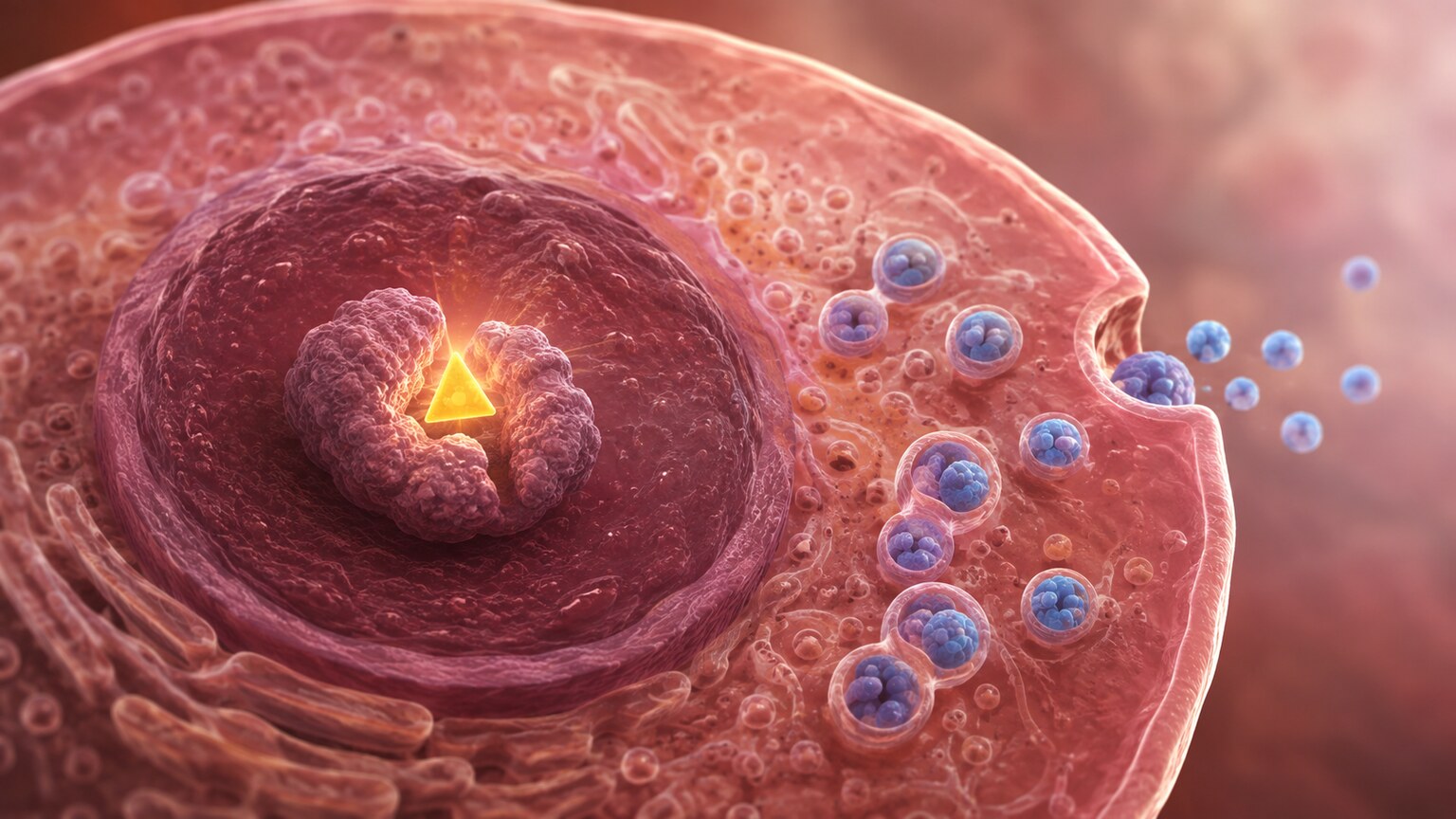
The connection between these two hormone systems goes deeper than tissue-level effects on the liver and fat cells — T3 actually acts directly inside the very cells that make insulin. Pancreatic beta cells, the cells responsible for producing and releasing insulin, contain T3 receptors in their nuclei, meaning thyroid hormone doesn't just act on the tissues insulin targets after it's released, but on the machinery that decides how much insulin gets made and secreted in the first place. When T3 binds to these receptors, it directly regulates the genes involved in insulin's signal transduction pathway and in the beta cell's own insulin secretion process, shaping beta cell development and function from early on. This is a genuinely direct line between thyroid hormone and insulin production, not just an indirect downstream consequence mediated through the liver or fat tissue. Interestingly, research has also found that abnormally high T3 exposure can induce insulin resistance within beta cells themselves by triggering endoplasmic reticulum stress and activating apoptotic pathways — meaning too much T3, not just too little, can impair how well these insulin-producing cells function, which is part of why both an underactive and an overactive thyroid can end up interfering with healthy insulin signaling, just through very different routes at the cellular level.
How High Insulin Feeds Back to Affect the Thyroid
The relationship runs in the other direction too. Chronically elevated insulin, the kind seen in insulin resistance and early type 2 diabetes, has been linked to changes in thyroid tissue growth and thyroid nodule formation, since insulin and insulin-like growth factor share overlapping signaling pathways that can stimulate thyroid cell proliferation. Population studies looking at thyroid function and metabolic markers together have found associations between insulin resistance scores and altered patterns of thyroid hormone sensitivity, even in people whose individual TSH, T3, and T4 values each fall within the normal reference range on their own. This is part of why looking at a single thyroid number in isolation can miss the bigger picture — the relationship between these two systems is genuinely bidirectional, not a one-way street from thyroid to insulin.
The Connection During Pregnancy
This relationship carries particular weight during pregnancy, when both thyroid function and insulin sensitivity naturally shift and are monitored more closely than usual. Studies looking at first-trimester bloodwork have found that lower maternal free T4 is independently associated with higher fasting insulin, greater insulin resistance, and a higher risk of developing gestational diabetes mellitus later in pregnancy. Women who went on to develop gestational diabetes have also been found, on average, to have higher TSH and a higher FT3-to-FT4 ratio earlier in pregnancy compared to women who didn't, suggesting subtle thyroid shifts may already be part of the underlying process well before a gestational diabetes diagnosis is made. Researchers have proposed that reduced FT4 may directly impair insulin sensitivity through the same tissue-level mechanisms described earlier in this article, layered on top of the placental hormone changes and shared risk factors — like excess weight and family history — that independently raise the risk of both conditions during pregnancy. This is part of why thyroid function and glucose tolerance are both routinely screened in prenatal care rather than left to be checked only if symptoms appear.
Why Doctors Often Check Both at Once
Given how tightly these two systems interact, it's common practice for a doctor evaluating unexplained blood sugar problems, unexplained weight changes, or persistent fatigue to order thyroid function tests and insulin-related bloodwork together rather than one at a time. A person with new insulin resistance but no obvious cause like diet, activity level, or weight change may have an underlying thyroid problem contributing to it, and a person with hypothyroidism who isn't responding as expected to treatment may have unaddressed insulin resistance working against their metabolic recovery. Treating one condition while ignoring a coexisting problem in the other system often produces disappointing results — a patient whose levothyroxine dose looks appropriate on paper but who still isn't losing weight or feeling better may be dealing with an insulin resistance problem the thyroid medication alone was never going to fix, and a patient whose diabetes medication is well-optimized but who still reports fatigue and cold intolerance may have a thyroid problem hiding underneath an otherwise reasonable glucose control. This is exactly the scenario this combined-testing approach is designed to catch early, before either condition has had time to meaningfully worsen the other.
Why Weight, Fatigue, and Blood Sugar Complaints So Often Overlap
Patients frequently describe a cluster of complaints that don't fit neatly under either diagnosis alone: persistent tiredness even after adequate sleep, difficulty losing weight despite genuine effort, and blood sugar numbers that seem to resist improvement no matter how carefully diet and medication are managed. Given everything covered so far, this overlap makes more biological sense than it might first appear. Reduced T3 activity from suppressed deiodinase conversion can produce classic hypothyroid-feeling fatigue even when standard thyroid labs look acceptable. Insulin resistance independently produces its own fatigue through unstable blood sugar swings and impaired cellular energy use. When both are present together, as they frequently are, the combined effect can feel considerably worse than either condition would on its own, and treating only one side of the equation — adjusting diabetes medication without addressing an underlying thyroid problem, or treating hypothyroidism without addressing insulin resistance — often leaves a meaningful portion of the original symptoms unresolved.
What This Means If You Have One Condition But Not the Other
Having one of these conditions doesn't guarantee you'll develop the other, but it does raise the odds meaningfully enough that awareness matters. If you've already been diagnosed with hypothyroidism, it's worth knowing that your risk of developing insulin resistance over time is measurably higher than average, particularly if your TSH runs on the higher end even within the "normal" reference range, and that this risk applies even to people who feel their hypothyroidism is well controlled on medication, since standard treatment normalizes TSH without necessarily correcting every downstream metabolic effect that developed before diagnosis. If you already have insulin resistance or type 2 diabetes, it's worth knowing that thyroid dysfunction is more common in that population than in the general public, and that unexplained fatigue or difficulty managing blood sugar despite appropriate treatment can sometimes trace back to an undiagnosed thyroid problem rather than a failure of your diabetes management itself. Neither association means a diagnosis of one condition should trigger alarm about the other, but it does mean that persistent, unexplained symptoms in a person managing one of these conditions are worth mentioning to a doctor rather than assuming they're simply part of the original diagnosis.
The Overlap in Women With PCOS
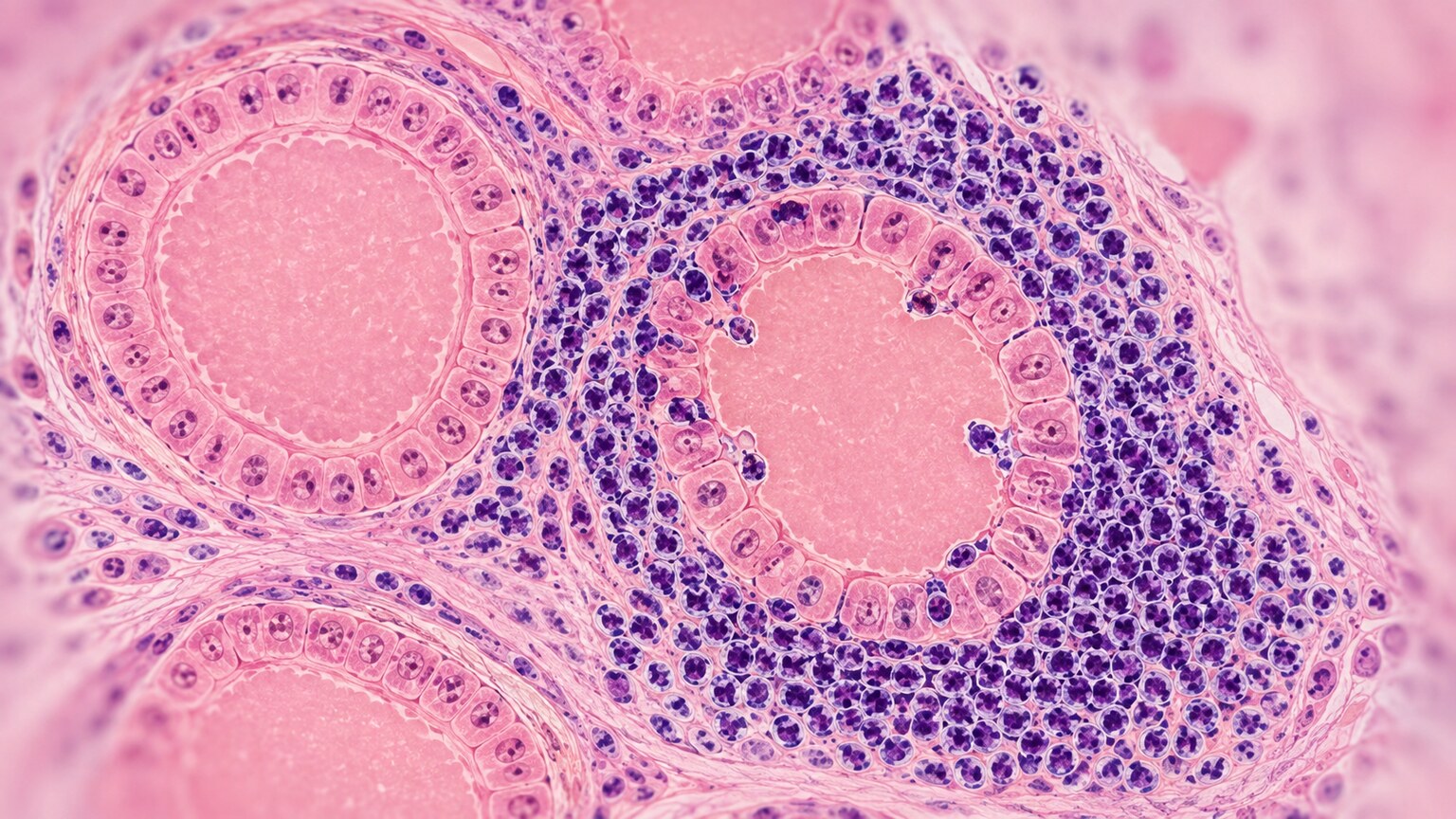
The connection between insulin resistance and thyroid dysfunction shows up with particular clarity in women with polycystic ovary syndrome, a hormonal condition already closely tied to insulin resistance in most of the people who have it. Research has found that Hashimoto's thyroiditis, the autoimmune condition responsible for most hypothyroidism in the United States, occurs in roughly 27% of women with PCOS compared to about 8% in the general population — more than a threefold difference. Within the PCOS population itself, women who also had Hashimoto's thyroiditis showed higher insulin secretion and greater insulin resistance than women with PCOS alone, alongside measurably lower free T4 and higher TSH. Because both conditions independently affect fertility, weight regulation, and metabolic health, clinical guidance increasingly recommends evaluating thyroid function and thyroid autoimmunity specifically in women being managed for PCOS, rather than treating the reproductive and metabolic symptoms in isolation from a possible underlying thyroid component.
How Common Diabetes Medications Can Influence Thyroid Numbers
One more piece of this relationship worth understanding involves the medications frequently used to manage insulin resistance and type 2 diabetes themselves. Metformin, one of the most commonly prescribed medications for insulin resistance, has been shown in multiple studies to lower TSH levels in patients who have insulin resistance alongside thyroid nodules, and to produce a measurable TSH reduction after roughly a year of treatment in patients with type 2 diabetes, even when their thyroid function was normal to begin with. The proposed explanation involves metformin's effects on AMPK signaling and its broader impact on insulin resistance and body weight, both of which appear to indirectly influence TSH secretion. This matters practically for anyone taking both metformin and a thyroid medication like levothyroxine, since a metformin-driven shift in TSH can affect how a levothyroxine dose that was previously well-calibrated performs, which is part of why thyroid levels are typically rechecked periodically in patients managing both conditions together rather than assumed to stay stable indefinitely once dosing is set.
Reading Your Own Labs: What Normal Doesn't Always Tell You
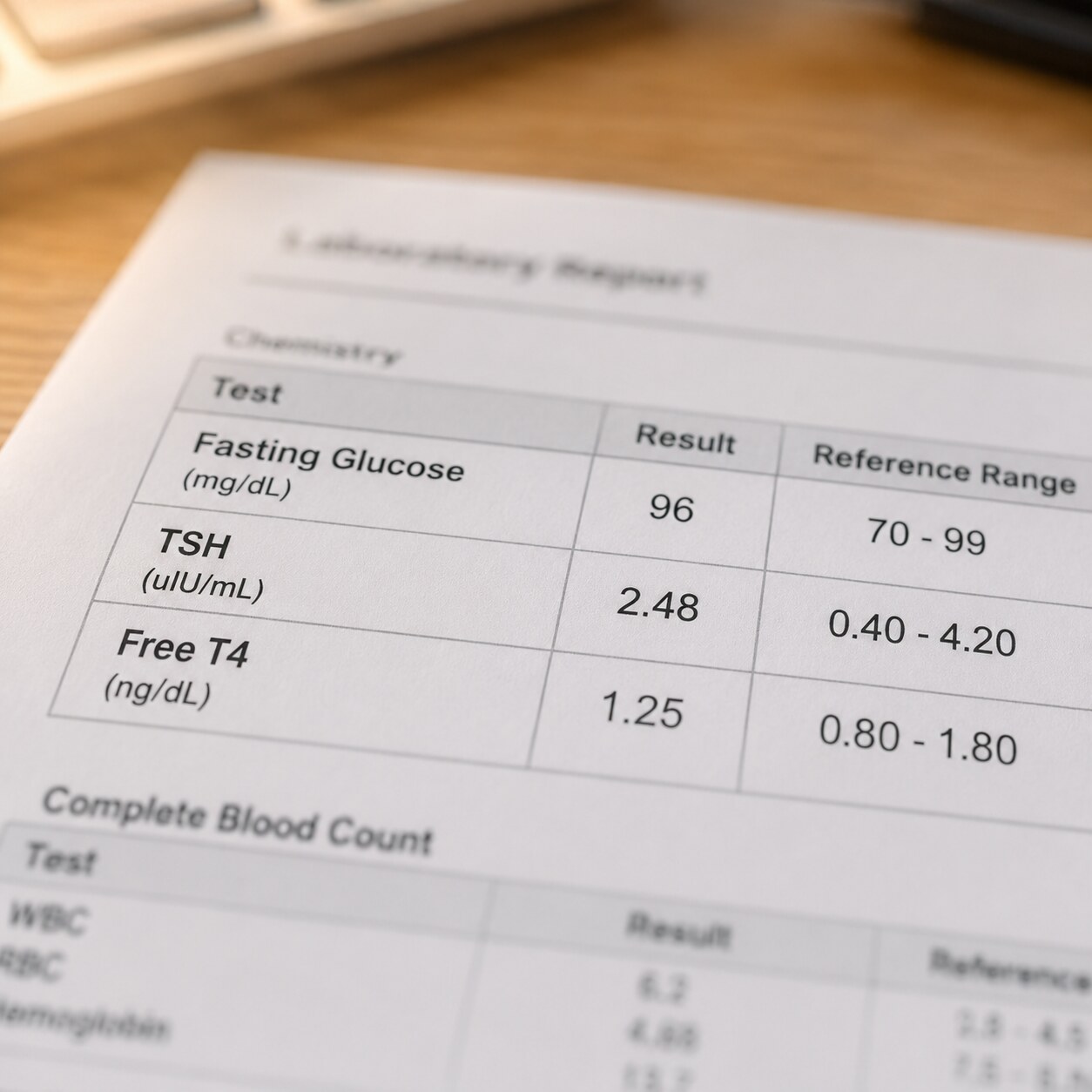
One of the more frustrating experiences patients describe is being told their thyroid panel is "normal" while still feeling symptoms that match hypothyroidism, or being told their fasting glucose is "fine" while still struggling with fatigue and weight gain that feels metabolic in nature. Given everything covered in this article, that frustration often has a real biological basis rather than being purely subjective. A standard thyroid panel typically reports TSH and sometimes free T4, but doesn't always include free T3, the active hormone actually responsible for cellular effects — meaning a genuine reduction in active T3 caused by insulin-resistance-related suppression of deiodinase conversion can be completely invisible on a routine panel that only checks TSH and T4. Similarly, a single fasting glucose reading can look normal for years before insulin resistance progresses far enough to show up as impaired fasting glucose or frank diabetes, even while the underlying insulin resistance has already been influencing thyroid hormone conversion and autoimmune risk for some time. This is exactly the kind of gap that a more complete panel — including free T3, thyroid antibodies, and a fasting insulin level alongside fasting glucose — is designed to close, giving a fuller picture than either system's most basic screening test can provide on its own.
Lifestyle Factors That Influence Both Systems at Once
A handful of everyday factors genuinely move the needle on both insulin sensitivity and thyroid function simultaneously, rather than affecting just one system in isolation. Chronic sleep deprivation raises cortisol and disrupts glucose regulation while also being linked to altered thyroid hormone patterns, since poor sleep has been shown to blunt the normal nighttime TSH pattern and worsen next-day insulin sensitivity in the same study population. Excess visceral fat tissue is metabolically active in its own right, producing inflammatory signals — cytokines like TNF-alpha and IL-6 — that worsen both insulin resistance in muscle and liver tissue and thyroid hormone conversion from T4 to the more active T3, creating a self-reinforcing loop where weight gain worsens both systems and worsened function in both systems makes weight gain harder to reverse. Chronic, low-grade inflammation more broadly has been implicated as a shared driver behind both problems, which is part of why conditions associated with systemic inflammation, from poor sleep to excess visceral fat to untreated autoimmune disease, tend to affect insulin sensitivity and thyroid function together rather than independently. Regular physical activity, on the other hand, reliably improves insulin sensitivity through increased GLUT4 expression in muscle tissue and has been associated with more favorable thyroid hormone profiles in multiple studies, including improved peripheral T4-to-T3 conversion. None of these factors replace medical treatment for a diagnosed thyroid or insulin problem, but they explain part of why the two conditions so often show up together in the same person, and why addressing them together tends to produce better results than addressing either one alone.
Frequently Asked Questions
Can hypothyroidism actually cause insulin resistance?
Research shows a real correlation: in subclinical hypothyroidism, higher TSH levels are directly associated with greater insulin resistance, and TSH itself has been shown to interfere with insulin signaling in fat cells.
Does an overactive thyroid improve insulin sensitivity?
No. Hyperthyroidism creates its own problems for blood sugar control by increasing liver glucose output and accelerating insulin breakdown, often worsening glucose control rather than improving it.
Does high insulin affect the thyroid, or does it only work the other way around?
It works both ways. Chronically elevated insulin has been linked to changes in thyroid tissue growth and altered thyroid hormone sensitivity, even when individual TSH, T3, and T4 values look normal on their own.
Why might a doctor order thyroid and insulin-related tests together?
Because the two systems interact closely enough that an unexplained problem in one can be driven, or worsened, by an undiagnosed problem in the other — checking both at once helps catch that possibility early.
Can lifestyle changes improve both thyroid function and insulin sensitivity together?
Factors like adequate sleep, reduced visceral fat, and regular physical activity have each been associated with more favorable outcomes in both systems, though they don't replace medical treatment for a diagnosed condition.
Can I have insulin resistance from low thyroid hormone activity even with normal TSH and T4?
Yes. Insulin resistance can suppress the deiodinase enzymes responsible for converting T4 into active T3 in body tissue, meaning T3 activity at the cellular level can be reduced even when standard TSH and T4 bloodwork looks entirely normal.
How common is it to have both a thyroid problem and insulin resistance at the same time?
Quite common. Studies of people with type 2 diabetes have found thyroid dysfunction in roughly 16% to 33% of patients, compared to about 11% in people without diabetes, with autoimmune thyroid markers also found more frequently in this group.
Does thyroid function matter for gestational diabetes risk during pregnancy?
Yes. Lower maternal free T4 in early pregnancy has been independently associated with higher fasting insulin, greater insulin resistance, and a higher risk of developing gestational diabetes later on, which is part of why both are screened prenatally.
Conclusion
Insulin and thyroid hormone are often taught as if they belong to two entirely separate chapters of biology, but the research tells a more connected story. An underactive thyroid interferes with insulin's signal at a molecular level inside fat and liver cells; an overactive thyroid disrupts glucose control through a different set of mechanisms entirely; T3 acts directly inside the very cells that produce insulin; and insulin resistance can quietly suppress how efficiently the body converts T4 into active T3, sometimes leaving standard thyroid labs looking deceptively normal. The overlap shows up clearly in real-world data too, from the elevated rates of thyroid dysfunction seen in people with type 2 diabetes to the notably higher prevalence of autoimmune thyroiditis in women with insulin-resistance-driven conditions like PCOS, and even in how common diabetes medications like metformin can shift thyroid numbers enough to matter for anyone managing both conditions at once. The relationship runs in both directions, which is exactly why unexplained problems with one system are increasingly evaluated alongside the other rather than in isolation. Understanding that connection turns two seemingly unrelated lab values into a single, more complete picture of your metabolic health.
Still Not Sure What Your Results Mean?
Upload your labs and get a complete, visual, plain-language interpretation of every biomarker — delivered to your inbox in under 15 minutes.
Get My ReportThis article is for educational purposes only and does not constitute medical advice. Always consult your healthcare provider regarding your specific lab results.