
Why Can High Insulin Affect Testosterone Levels?
Insulin is best known as the hormone that manages blood sugar, but it has a second job that gets far less attention: it directly reaches into the machinery that produces and transports testosterone, and it does so through at least three separate, well-documented mechanisms. Chronically elevated insulin, the kind that develops with insulin resistance long before blood sugar itself becomes abnormal, changes how much of a liver-made carrier protein is available to transport testosterone through your bloodstream, changes how much testosterone your ovaries or testes actually produce in the first place, and changes how much of your existing testosterone gets chemically converted into estrogen inside fat tissue. What makes this genuinely confusing for a lot of people is that these mechanisms don't all push in the same direction — in women, high insulin most often pushes testosterone up, while in men, it just as often pushes it down. This article walks through each of these three mechanisms individually, explains exactly why the same underlying hormone problem produces opposite testosterone effects depending on which body it's happening in, and covers what that means for how your doctor actually reads these two results together.
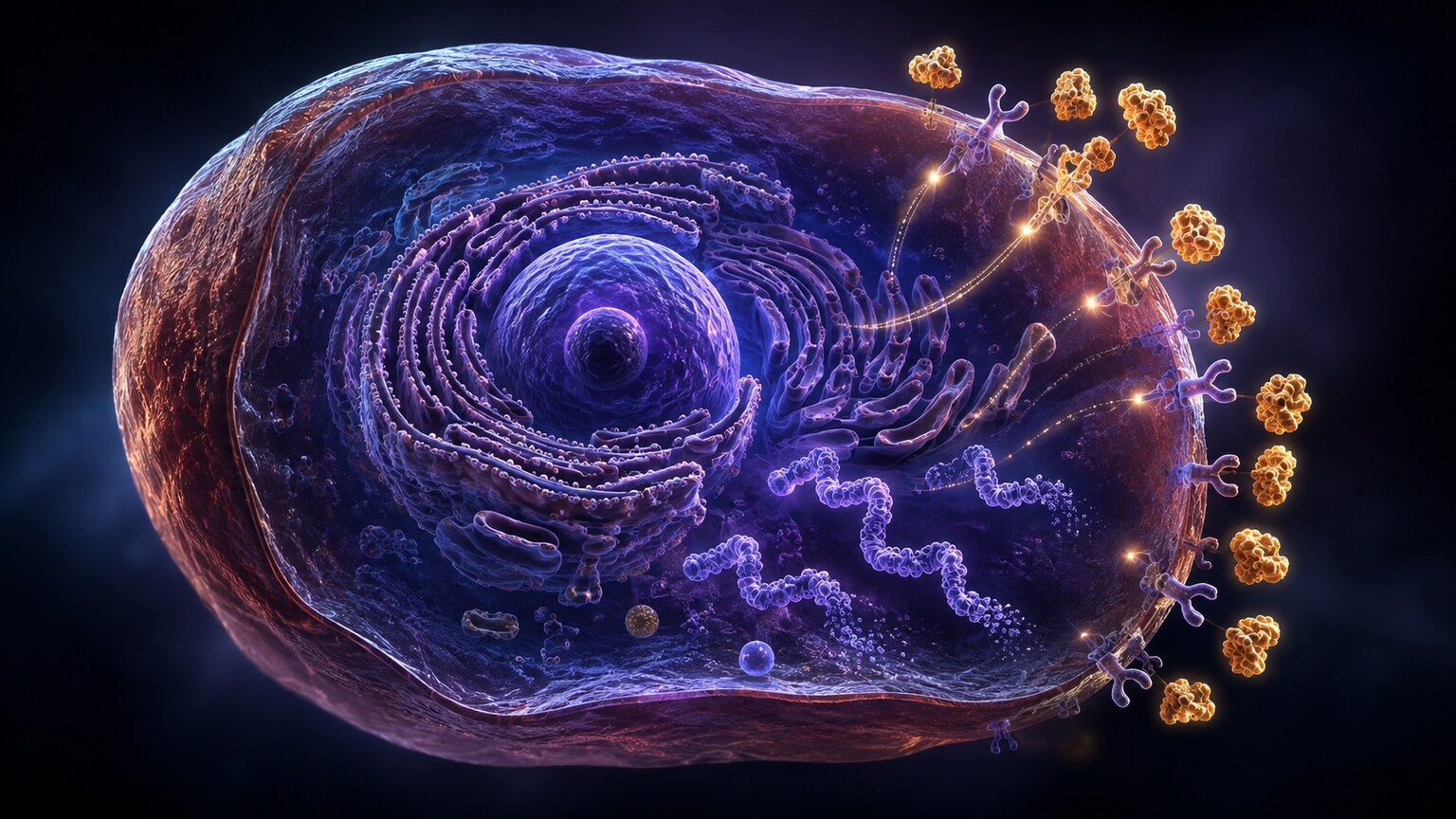
Figure 1. Insulin signals directly to liver cells to reduce their production of sex hormone-binding globulin (SHBG), the carrier protein that normally keeps most circulating testosterone chemically inactive — less SHBG means a larger share of testosterone is left free and biologically active.
Why This Connection Exists at All: Insulin as a Signaling Hormone, Not Just a Fuel Regulator
It helps to start with why insulin would ever touch a reproductive hormone system in the first place. Insulin is often described purely as the hormone that shuttles glucose out of the bloodstream and into cells, but that framing undersells what insulin actually is: a broad signaling molecule with receptors present on a wide range of tissues throughout the body, many of which have nothing to do with blood sugar regulation directly. The liver, the ovaries, and the hypothalamus — three of the exact structures involved in the mechanisms covered in this article — all carry insulin receptors of their own, meaning insulin is capable of directly influencing what these tissues do, independent of its glucose-management role.
Under normal circumstances, with insulin present at typical levels, this cross-talk between insulin and the reproductive hormone system is a minor, background influence. The problems described throughout this article emerge specifically when insulin levels become chronically elevated, as they do with insulin resistance — a state where cells respond less efficiently to insulin's blood-sugar-lowering signal, prompting the pancreas to produce more and more insulin to compensate. That chronically elevated insulin level, even before blood sugar itself becomes abnormal enough to be flagged as prediabetes or diabetes, is what drives the three mechanisms explored below.
This early, silent phase — elevated insulin with still-normal blood sugar — is worth emphasizing because it's exactly the window during which reproductive hormone changes often show up first, sometimes years before a standard glucose or A1C test would ever flag a problem. This is part of why symptoms tied to testosterone or androgen imbalance can, in some cases, be one of the earliest visible signals of developing insulin resistance, well before the condition would otherwise come to clinical attention through routine diabetes screening alone.
Mechanism One: Insulin Suppresses the Liver's Production of SHBG
To understand this first mechanism, you need to know that most of the testosterone circulating in your blood at any given moment isn't actually free to act on your tissues. Somewhere between 60 and 80% of it is bound tightly to a protein called sex hormone-binding globulin, or SHBG, produced by your liver. Testosterone attached to SHBG is essentially locked in a chaperoned state — it's along for the ride in your bloodstream, but it can't bind to receptors and exert its effects until it's released. Only the smaller, unbound fraction — called free testosterone — is actually biologically active.
Insulin has a direct, well-documented suppressive effect on the liver's SHBG production: when insulin levels are chronically elevated, as they are with insulin resistance, the liver produces meaningfully less SHBG than it otherwise would. With fewer SHBG molecules available to bind testosterone, a larger proportion of whatever total testosterone is present ends up in the free, active form instead of the bound, inactive form — even if the total amount of testosterone your body is producing hasn't changed at all. This is a critical point that trips a lot of people up: SHBG suppression doesn't necessarily change your total testosterone number, but it can meaningfully raise your free testosterone, which is often the more clinically relevant number for symptoms.
The relationship between insulin and SHBG is strong enough that SHBG is sometimes used, informally, as an indirect marker of insulin resistance itself, particularly in research settings — a low SHBG in someone without an obvious other explanation is a reasonably reliable sign that insulin levels have likely been chronically elevated, even before a fasting insulin test is specifically ordered to confirm it. This same relationship also explains why SHBG tends to rise again once insulin sensitivity genuinely improves, whether through weight loss, increased physical activity, or medications that specifically target insulin resistance — it's one of the more responsive markers in this entire hormonal picture, often shifting measurably within a matter of months.
Already have a testosterone number from a recent test, but not sure if it's actually good or bad for you? Just plug it in and see instantly.
🧮 Try the Free CalculatorMechanism Two (Primarily in Women): Insulin Directly Stimulates the Ovaries to Overproduce Androgens
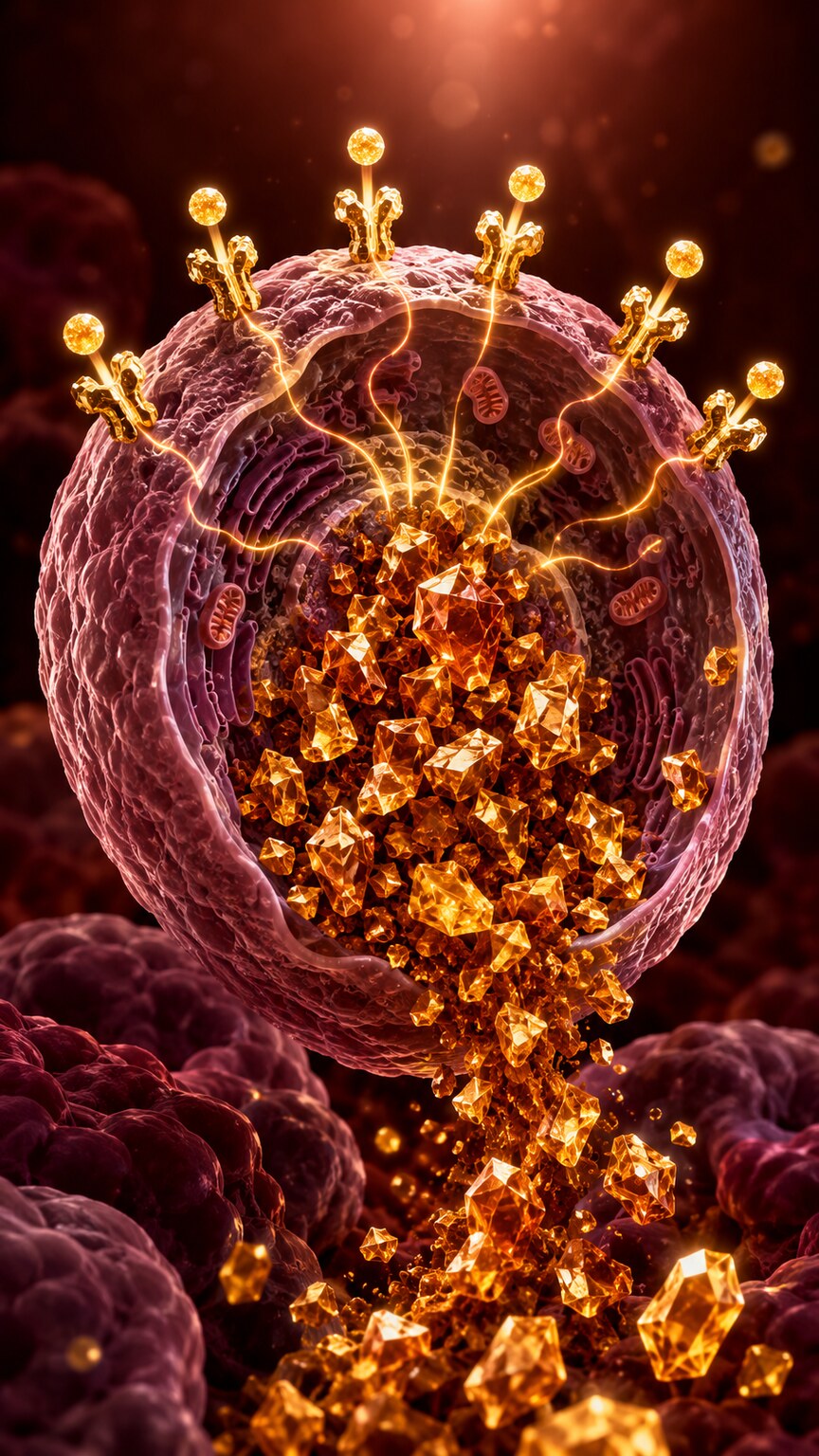
Figure 2. Ovarian theca cells carry their own insulin receptors, and chronically high insulin binding to these receptors directly stimulates the enzymes responsible for androgen production, independent of any signal from the pituitary gland.
The second mechanism is specific to a particular cell type inside the ovary called the theca cell, whose normal job is producing androgens (the hormone category testosterone belongs to) as raw material that neighboring cells then convert into estrogen. Theca cells carry insulin receptors directly on their surface, which means insulin isn't just circulating passively nearby — it's actively binding to these cells and stimulating them. When insulin levels are chronically high, this stimulation pushes theca cells to ramp up androgen production well beyond what the normal reproductive hormone signals from the brain would otherwise call for.
This mechanism is a major reason polycystic ovary syndrome, or PCOS, so frequently involves both insulin resistance and elevated testosterone as a paired finding rather than two coincidental, unrelated problems. Roughly 70% of people with PCOS show measurable insulin resistance, and treatments that specifically improve insulin sensitivity have repeatedly been shown, in clinical studies, to lower androgen levels in tandem — a strong piece of evidence that this isn't just a correlation, but a direct causal pathway running from the insulin receptor on the theca cell straight to the androgen output itself.
There's an additional layer to this mechanism worth understanding: insulin doesn't only act directly on theca cells, it also amplifies the effect of luteinizing hormone, the pituitary signal that normally drives androgen production in the first place. Elevated insulin appears to make theca cells more sensitive to luteinizing hormone's signal, meaning the same amount of luteinizing hormone produces a larger androgen output than it would in someone with normal insulin levels. This synergy between insulin and luteinizing hormone is part of why PCOS so often involves not just elevated insulin and elevated androgens individually, but a specific pattern of disrupted ovulation as well, since the excess androgen output itself interferes with the normal maturation of ovarian follicles.
Mechanism Three (Primarily in Men): Fat Tissue Converts Testosterone Into Estrogen at a Higher Rate
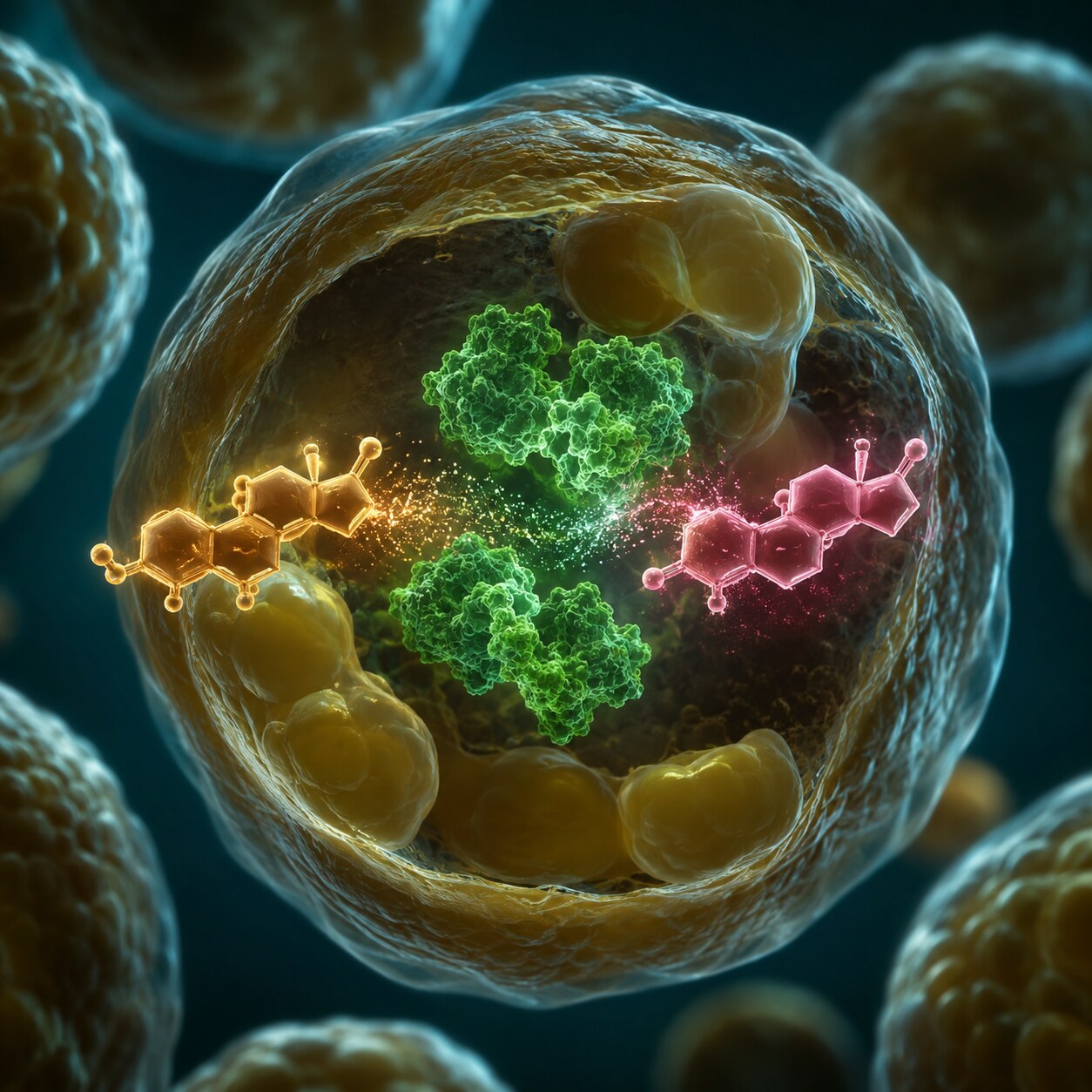
Figure 3. Adipose tissue contains an enzyme called aromatase that converts testosterone into estradiol, a form of estrogen — since insulin resistance is closely tied to excess body fat, particularly visceral fat, more fat tissue means more of this conversion happening continuously.
The third mechanism runs almost entirely in the opposite direction, and it's the main reason men with chronically high insulin frequently see falling, not rising, testosterone. Fat tissue isn't just inert storage — it's hormonally active, and it contains an enzyme called aromatase that converts testosterone into estradiol, a form of estrogen. The more fat tissue a person carries, particularly visceral fat around the abdominal organs, the more total aromatase activity is running continuously in the background, steadily converting a portion of circulating testosterone into estrogen instead.
Because insulin resistance and excess body fat are so tightly intertwined — insulin resistance both contributes to fat accumulation and is worsened by it, in a self-reinforcing cycle — men with chronic high insulin very often carry more of this aromatase-rich tissue, meaning more of their testosterone gets converted away before it can circulate and act on target tissues. On top of this direct conversion effect, the resulting rise in estrogen also feeds back to suppress the brain's signal to the testes to produce testosterone in the first place, described in more detail in the next section, compounding the overall drop.
This particular pathway has a name in the clinical literature: some researchers describe it as a self-reinforcing cycle specifically because low testosterone itself tends to promote further fat accumulation, particularly visceral fat, which in turn increases aromatase activity even further, converting still more testosterone into estrogen. Breaking into this cycle at any point — through weight loss, improved insulin sensitivity, or in some cases medically supervised testosterone therapy — can help interrupt the reinforcing loop, though which entry point makes the most sense depends heavily on an individual's specific lab pattern and overall health picture, which is exactly the kind of judgment call a doctor is positioned to make after reviewing the full set of relevant hormone levels together.
It's also worth noting that aromatase activity isn't distributed evenly across all fat tissue — visceral fat, the fat stored around and between abdominal organs, carries meaningfully higher aromatase activity than subcutaneous fat stored just under the skin elsewhere on the body. This is part of why waist circumference and abdominal fat specifically, rather than overall body weight alone, tend to correlate most strongly with this particular testosterone-lowering mechanism in men — two men at an identical total body weight, but with different fat distribution patterns, can have meaningfully different degrees of this aromatization effect happening internally.
Why the Brain's Own Signal Gets Suppressed Too
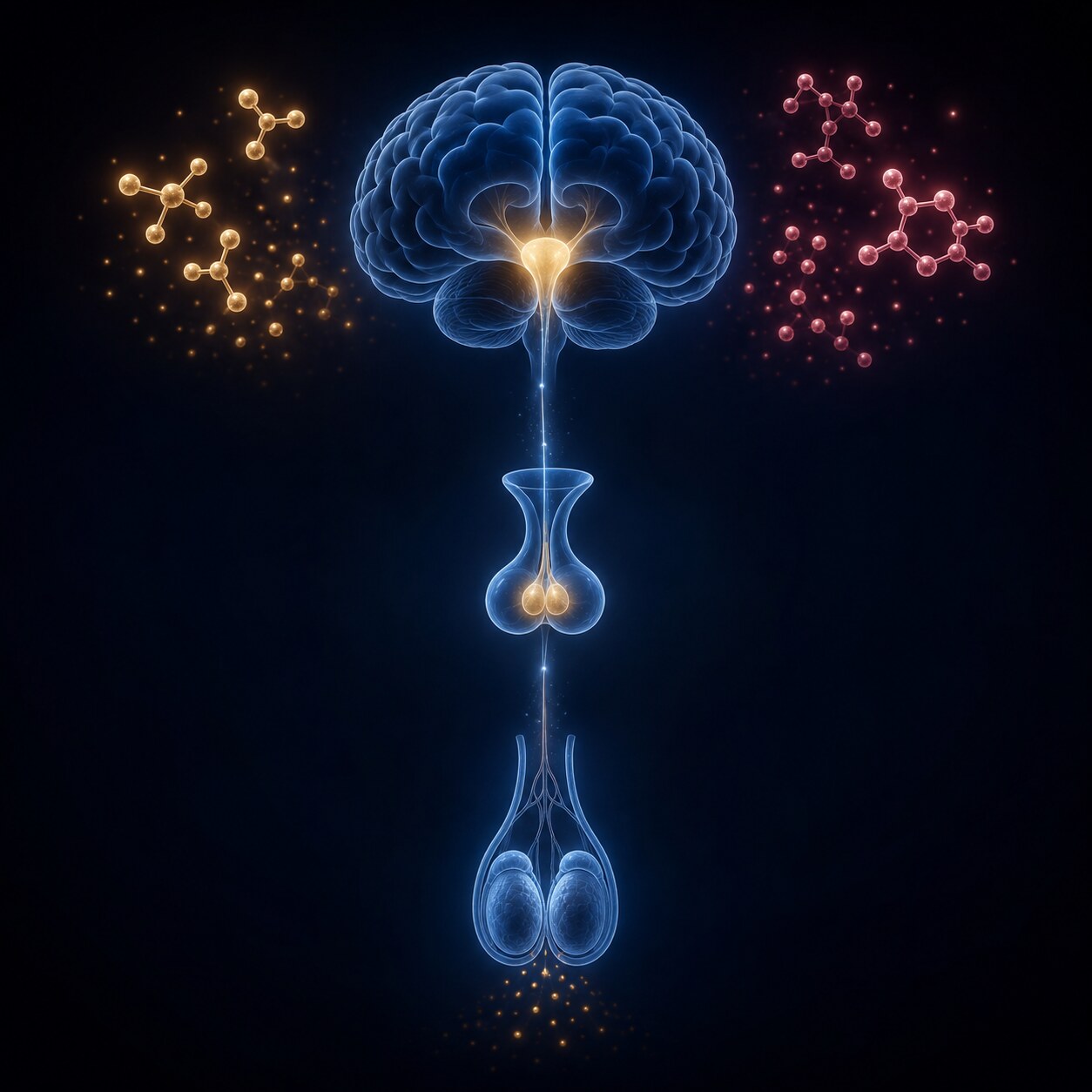
Figure 4. The hypothalamic-pituitary-gonadal axis, the brain's signaling chain that normally drives testosterone production, can itself become blunted by chronically elevated insulin and the estrogen it generates through aromatization — layering a fourth suppressive effect on top of the other mechanisms.
Testosterone production doesn't happen in isolation — it's driven by a signaling chain called the hypothalamic-pituitary-gonadal axis, where the hypothalamus releases a hormone that tells the pituitary gland to release a second hormone, which then travels to the testes or ovaries and tells them how much sex hormone to produce. Chronically elevated insulin, along with the elevated estrogen it generates through the aromatization process described above, can blunt this signaling chain at multiple points, particularly in men, resulting in the pituitary sending a weaker "produce more testosterone" signal than it normally would.
This means the drop in male testosterone tied to insulin resistance isn't purely a matter of more testosterone being converted away by fat tissue — it's compounded by the testes themselves receiving less encouragement to produce testosterone in the first place, a combined effect that's part of why obesity and metabolic syndrome are now recognized as some of the most common reversible causes of low testosterone in men, distinct from age-related decline or a primary problem with the testes themselves.
Why the Same Root Problem Produces Opposite Testosterone Trends
Putting the three main mechanisms together explains the apparent contradiction at the center of this topic. In women, mechanisms one and two both tend to push in the same direction — less SHBG frees up more active testosterone, and directly stimulated ovarian theca cells produce more androgen to begin with — so the combined effect of chronic high insulin is very often a net rise in measurable testosterone, both total and free. In men, mechanism one still applies (less SHBG, more free fraction of whatever testosterone remains), but it's typically overwhelmed by mechanism three's much larger effect: more testosterone being actively converted into estrogen by aromatase-rich fat tissue, compounded further by a blunted brain signal. The net result in men is usually a fall in both total and free testosterone, even though the exact same starting hormone problem, high insulin, is driving it.
This is the central, practical reason this single question — "why does high insulin affect testosterone" — doesn't have one universal answer. The honest answer always depends on which of these mechanisms dominates in a given person's physiology, which is substantially influenced by sex, but also by individual differences in body fat distribution and genetics.
It's also worth noting that these mechanisms aren't perfectly sex-exclusive in a strict biological sense — they're simply more clinically prominent in one sex than the other because of underlying anatomical and hormonal differences. Women do have some aromatase-driven conversion of testosterone to estrogen occurring in their own fat tissue, and men's testes do carry some insulin-receptor-mediated stimulation similar to what happens in ovarian theca cells, but the relative magnitude of each pathway differs enough between the sexes that one mechanism reliably dominates the overall clinical picture in each case. This is why the general pattern described in this article — testosterone tending to rise in women and fall in men with chronic high insulin — holds true across the large majority of cases, even though the underlying biology isn't absolutely, categorically separate between the sexes.
What This Looks Like on an Actual Lab Report
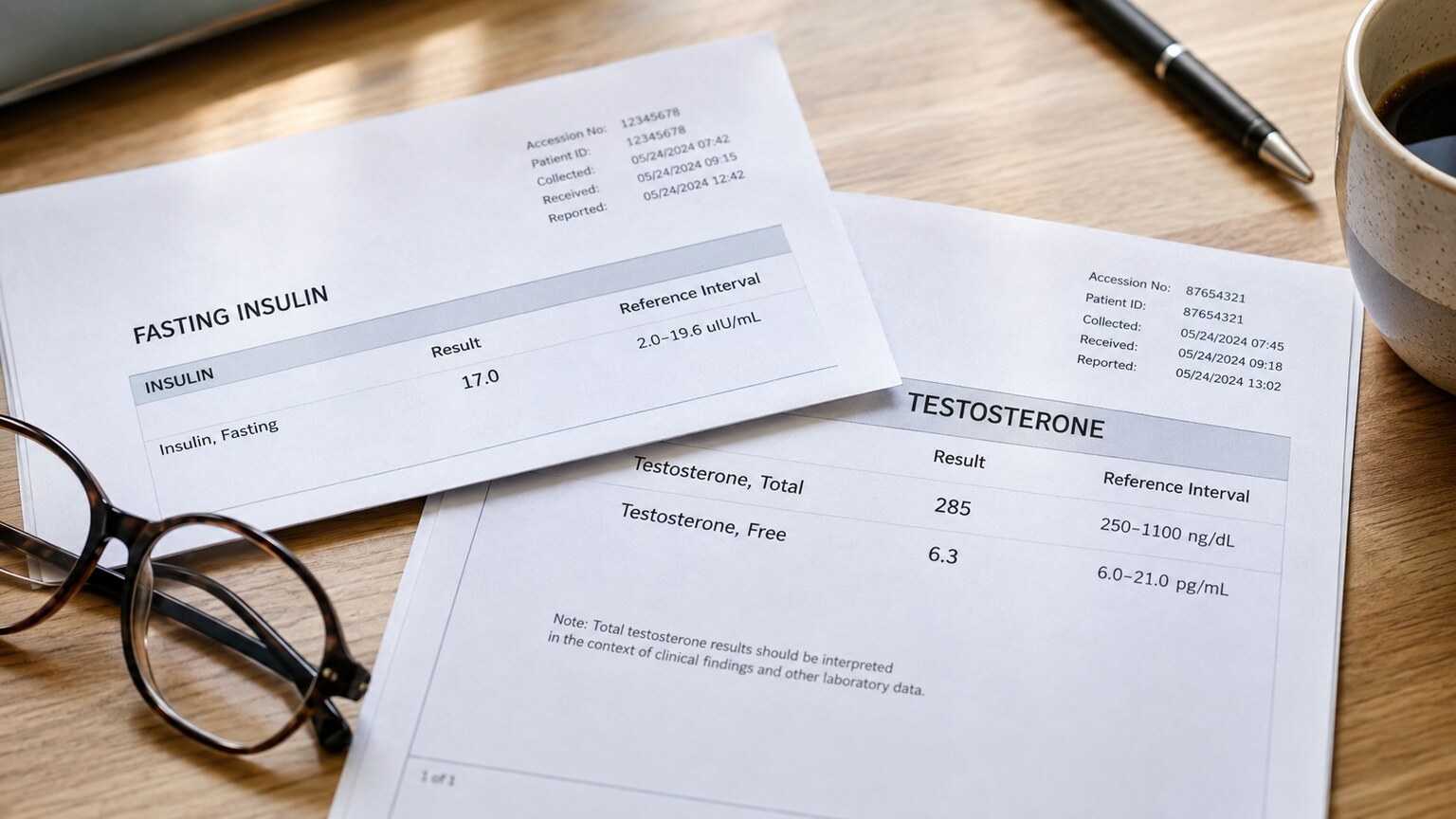
Figure 5. Because insulin and testosterone influence each other through several distinct pathways, providers increasingly review both results together rather than in isolation, since a normal-looking testosterone number can mean something different depending on what the accompanying insulin and SHBG values show.
In practice, this means a doctor reviewing both an insulin panel and a testosterone panel side by side is looking for a specific pattern, not just two isolated numbers. In a woman with elevated insulin, a high total testosterone alongside a low SHBG is a classic combination consistent with the ovarian and liver mechanisms described above, and is one of the diagnostic clues used when evaluating for PCOS. In a man with elevated insulin, a low total testosterone alongside a normal or even elevated estradiol is the pattern consistent with excess aromatization, and often prompts a conversation about weight, metabolic health, and insulin resistance specifically, rather than jumping straight to testosterone replacement therapy as a first step.
SHBG itself is often ordered alongside both hormones specifically because of mechanism one — since SHBG determines what fraction of total testosterone is actually free and active, a total testosterone number without an accompanying SHBG (or a directly measured free testosterone) can genuinely be misleading in either direction, understating a true free-testosterone excess in a woman or understating a true free-testosterone deficit in a man.
Timing also matters when these tests are drawn, and it's a detail that's easy to overlook. Testosterone follows a daily rhythm, generally peaking in the early morning and declining through the day in both men and women, though the effect is more clinically emphasized in men, where morning testing is the standard recommendation for an accurate baseline reading. Insulin, by contrast, is typically measured after an overnight fast specifically because eating triggers a temporary insulin spike that would otherwise make a random, non-fasting sample difficult to interpret. When both tests are ordered together, a fasting morning blood draw satisfies the ideal timing conditions for both hormones simultaneously, which is part of why providers frequently request this specific combination rather than testing each hormone separately on its own schedule.
Why Body Composition Is Often the More Useful Number to Track Over Time

Figure 6. Because aromatase activity scales directly with the amount of fat tissue present, particularly visceral fat, changes in body composition over time are often a more direct lever on this specific mechanism than any single hormone medication targeting testosterone or insulin in isolation.
Because mechanism three depends specifically on the amount of aromatase-rich fat tissue present, and because insulin resistance and excess visceral fat tend to move together, tracking body composition over time — not just a single testosterone or insulin number — often gives a more complete picture of whether this whole system is improving or worsening. This is part of why lifestyle interventions targeting insulin sensitivity and visceral fat specifically (rather than testosterone directly) are frequently the first-line approach in men whose low testosterone is linked to metabolic dysfunction rather than a primary problem with the testes themselves, and studies following men through structured weight loss have repeatedly documented meaningful testosterone increases as visceral fat and insulin resistance improve together.
Waist circumference specifically, measured with a simple tape measure at the level of the navel, is a more direct proxy for visceral fat than body weight or even overall BMI, since two people at the same weight can carry very different proportions of visceral versus subcutaneous fat. Some clinicians specifically track waist circumference alongside testosterone and insulin over time for exactly this reason — it's a low-cost, easily repeatable measurement that tracks reasonably well with the specific fat compartment driving the aromatization mechanism, offering a practical way to monitor progress between lab draws without needing more expensive body-composition imaging.
Why Age Adds Another Layer to This Picture in Men
Age interacts with this entire system in a way that's worth calling out specifically, since it can make the insulin-testosterone connection harder to untangle in older men. Testosterone naturally declines gradually with age, roughly 1 to 2% per year starting in a man's thirties, independent of any insulin-related mechanism at all. This means an older man with both age-related decline and insulin-resistance-driven aromatization happening simultaneously can end up with a testosterone level considerably lower than either factor would produce on its own, since the two effects compound rather than existing in isolation from one another.
This overlap is part of why a doctor evaluating low testosterone in an older man typically wants to know about metabolic health specifically, not just age alone, since the aromatization- and insulin-resistance-driven component of the decline is often the more modifiable piece of the puzzle. Age-related decline itself has no direct treatment beyond hormone replacement therapy, but the insulin-resistance-driven component can genuinely be improved through lifestyle changes targeting weight and metabolic health, which is exactly why distinguishing between the two contributing causes matters for deciding on a treatment approach.
In practice, this distinction is rarely a clean either-or split — most older men with low testosterone and insulin resistance are dealing with some combination of both contributing factors simultaneously, in varying proportions. A useful, if imperfect, way some clinicians think about it is to ask how much of the decline would be expected from age alone at a given point in life, and treat anything beyond that expected baseline as the more likely signature of the metabolic component, worth investigating and addressing on its own terms rather than attributing the entire picture to age by default.
How This Plays Out Differently in Adolescents and Young Adults With Obesity
This same set of mechanisms is increasingly recognized in adolescents and young adults with obesity and early insulin resistance, a population where it wasn't traditionally a major focus of attention. In boys and young men with obesity-related insulin resistance, the same aromatization and hypothalamic-pituitary-gonadal suppression mechanisms described above can lower testosterone during a developmental period when normal testosterone levels are particularly important for bone density, muscle development, and reproductive maturation. In girls and young women with obesity-related insulin resistance, the same ovarian-stimulation mechanism can contribute to early signs of androgen excess, including irregular periods and acne, sometimes appearing years before a formal PCOS diagnosis would typically be considered.
This is one of the more clinically important reasons metabolic health in adolescence has received increasing attention in recent years beyond simply monitoring blood sugar and weight — the same insulin-driven mechanisms covered throughout this article don't wait until adulthood to start affecting reproductive hormone regulation, and catching this connection earlier gives more time for lifestyle-based interventions to meaningfully change the trajectory before either testosterone deficiency in young men or androgen excess in young women becomes more deeply entrenched.
Puberty itself adds a further layer of complexity to this picture, since it's a period already marked by substantial, rapidly shifting hormone levels and, in many adolescents, a degree of temporary insulin resistance that occurs as a completely normal part of pubertal development, independent of body weight. This normal pubertal insulin resistance typically resolves on its own by late adolescence, but in someone who also carries excess body fat, it can layer on top of and amplify the same obesity-driven mechanisms described above, making it genuinely difficult in some cases to distinguish a temporary, self-resolving pubertal pattern from a persistent, obesity-related one without follow-up testing over time.
What Treatments Actually Target Each Mechanism
Given that these are three genuinely distinct biological mechanisms, it makes sense that different treatment approaches tend to target different pieces of this puzzle rather than one single intervention fixing everything at once. Medications that directly improve insulin sensitivity, most commonly metformin, have been studied specifically for their effect on reducing the ovarian overstimulation mechanism in women with PCOS, with numerous clinical trials documenting measurable reductions in androgen levels alongside improved insulin sensitivity. These same medications don't directly address the aromatization mechanism in men, since that pathway depends more directly on the amount of aromatase-rich fat tissue present than on insulin signaling to the ovary specifically.
For men, weight loss and reduction of visceral fat specifically has repeatedly been shown, across multiple longitudinal studies following men through structured weight-loss programs, to produce measurable increases in testosterone, generally proportional to how much visceral fat was lost. In some cases, medications originally developed for insulin resistance and weight management have shown a secondary benefit of raising testosterone in men with obesity-related low testosterone, likely by improving insulin sensitivity and reducing fat mass together rather than through any direct action on the testes themselves.
Testosterone replacement therapy is sometimes used directly in men with clinically low testosterone and significant symptoms, but it's generally considered alongside, rather than instead of, addressing the underlying insulin resistance and excess fat tissue driving the low levels in the first place, partly because replacement therapy alone doesn't address the metabolic dysfunction that will likely continue affecting other aspects of health regardless of the testosterone number itself.
There's an additional nuance worth mentioning here specifically because it surprises a lot of men starting testosterone therapy: since aromatase continues converting testosterone into estrogen regardless of where the testosterone came from, supplementing testosterone directly, without addressing the underlying excess fat tissue, can sometimes raise estradiol alongside testosterone more than expected, occasionally requiring a specific aromatase-inhibiting medication to manage the resulting estrogen levels. This is one more reason many providers prefer to address the underlying metabolic and body-composition drivers first, or at least concurrently, rather than treating testosterone replacement as a standalone fix disconnected from the rest of this hormonal picture.
Frequently Asked Questions
Why did my testosterone come back high, but my friend's came back low, when we both have insulin resistance?
This is expected if you're different sexes, and can even happen within the same sex due to individual differences in body fat distribution. In women, insulin resistance tends to raise testosterone through direct ovarian stimulation and reduced SHBG. In men, it tends to lower testosterone, primarily because more fat tissue means more testosterone being converted into estrogen by aromatase.
What is SHBG, and why does my doctor want it tested alongside testosterone?
SHBG (sex hormone-binding globulin) is a liver-made protein that binds most circulating testosterone, keeping it biologically inactive. Insulin suppresses SHBG production, so testing it alongside total testosterone reveals how much of your testosterone is actually free and active — information a total testosterone number alone can't provide.
If I lower my insulin resistance, will my testosterone go back to normal?
Often, at least partially. Since these mechanisms are directly driven by chronically elevated insulin and excess fat tissue, improving insulin sensitivity and reducing visceral fat has been shown in multiple studies to shift testosterone (and androgen levels in women) back toward typical ranges, though the degree of improvement varies by individual.
Does this mean everyone with PCOS or low testosterone has high insulin?
No. These are common, well-documented mechanisms, but not universal ones — PCOS and low testosterone both have other possible causes unrelated to insulin. This is exactly why doctors test insulin alongside these hormones rather than assuming the connection applies to every individual case.
Is fasting insulin or A1C a better test to catch this connection early?
Fasting insulin tends to rise earlier than A1C, since insulin resistance can develop years before blood sugar itself becomes abnormal enough to affect A1C. This is one reason a fasting insulin test is sometimes ordered specifically when a testosterone or androgen-related concern comes up, even in someone whose blood sugar and A1C both still look completely normal.
Can this connection happen even if my weight is considered normal?
Yes. Insulin resistance can develop in people at a normal body weight, sometimes referred to as "metabolically obese, normal weight," particularly when visceral fat is disproportionately high relative to overall body size. Both the ovarian-stimulation and aromatization mechanisms depend more on insulin resistance and visceral fat specifically than on body weight or BMI as a whole number.
Why does my doctor want to check estradiol if my concern is about testosterone?
Estradiol reflects how much of your testosterone is being converted by aromatase, particularly relevant in men. A normal testosterone alongside an elevated estradiol can still indicate this conversion pathway is active, and the ratio between the two hormones sometimes provides more useful information than either number reviewed alone.
Why This Matters Beyond the Hormone Numbers Themselves
It's worth stepping back and considering why this connection is clinically important beyond simply explaining a confusing lab result. In women, the elevated androgens driven by this pathway aren't just a number on a page — they're frequently tied to real, tangible symptoms including acne, excess facial or body hair growth, scalp hair thinning, and irregular or absent menstrual cycles, all of which can meaningfully affect quality of life and, in the case of irregular ovulation, fertility. Understanding that these symptoms may be rooted in an underlying insulin problem, rather than being an isolated cosmetic or reproductive issue, opens up a broader set of treatment options beyond addressing each symptom individually.
In men, the testosterone decline driven by this pathway is similarly tied to real symptoms — reduced energy, reduced muscle mass, lower libido, and mood changes are all commonly reported alongside low testosterone, and men experiencing these symptoms sometimes go through extensive individual symptom workups without anyone connecting the dots back to an underlying metabolic cause. Recognizing the insulin-driven mechanism reframes the conversation from "how do we raise testosterone" to "why is testosterone being suppressed in the first place," which can meaningfully change the treatment approach a doctor recommends.
This reframing also matters because it shifts the timeline of expected improvement. A treatment that directly targets testosterone, like replacement therapy, can produce a fairly quick change in the lab number itself. A treatment that targets the underlying insulin resistance and visceral fat, by contrast, works on a slower timeline — often months rather than weeks — but has the advantage of addressing a root cause that, left unaddressed, tends to keep exerting the same suppressive or stimulatory pressure on testosterone regardless of any short-term hormone-level intervention layered on top of it.
None of this is meant to suggest that lifestyle change alone is always sufficient, or that hormone-directed treatments are never appropriate — for many people, some combination of both approaches, tailored to individual symptoms, severity, and preferences, ends up being the most realistic and effective path forward. The value of understanding the underlying mechanism isn't to dictate one specific treatment path, but to make the conversation with your doctor a more informed one, where you understand why a particular recommendation, whether it's a metabolic-focused approach or a hormone-focused one, is actually being suggested for your specific situation.
Ultimately, the goal of understanding these mechanisms isn't to turn every patient into their own endocrinologist, but to replace vague uncertainty with a genuine, working sense of what's happening inside your own body — which questions are worth asking, which additional tests might clarify an ambiguous result, and why two people with seemingly similar starting problems can end up on meaningfully different treatment paths once the underlying biology is actually accounted for.
Conclusion
High insulin reaches into testosterone regulation through at least three distinct, well-documented pathways: suppressing the liver's production of SHBG, directly stimulating the ovaries' androgen-producing cells, and increasing how much testosterone gets converted into estrogen inside fat tissue, with a fourth compounding effect on the brain's own hormone-signaling chain. Because these mechanisms don't all point the same direction, the same underlying problem — chronically elevated insulin — tends to raise testosterone in women while lowering it in men, which is exactly why this connection can seem contradictory until you understand the specific biology driving each case. If your own insulin and testosterone results don't seem to make sense side by side, understanding which of these mechanisms is most likely at play, and asking your doctor specifically about SHBG or estradiol as additional context, is the clearest way to make sense of what the numbers are actually telling you — and a considerably more productive starting point than treating either result as a standalone mystery to be solved on its own.
Still Not Sure What Your Results Mean?
Upload your labs and get a complete, visual, plain-language interpretation of every biomarker — delivered to your inbox in under 15 minutes.
Get My ReportThis article is for educational purposes only and does not constitute medical advice. Always consult your healthcare provider regarding your specific lab results.