
What Causes Testosterone Levels to Drop With Age?
Age-related testosterone decline isn't caused by one single failing part — it's caused by two separate points along the same brain-to-testes signaling chain wearing down at the same time, each one compounding the other. In a younger man with low testosterone, a doctor is usually looking for one specific broken link: a testicular problem, or a brain/pituitary problem, rarely both at once. In an aging man, both links tend to weaken gradually and simultaneously, which is exactly why age-related decline looks and behaves so differently from the more abrupt, single-cause forms of low testosterone seen earlier in life. This article walks through the actual biology behind that dual decline, how much of a drop is genuinely normal aging versus a sign of something more specifically treatable, and the ongoing medical debate about what, if anything, should be done about it.
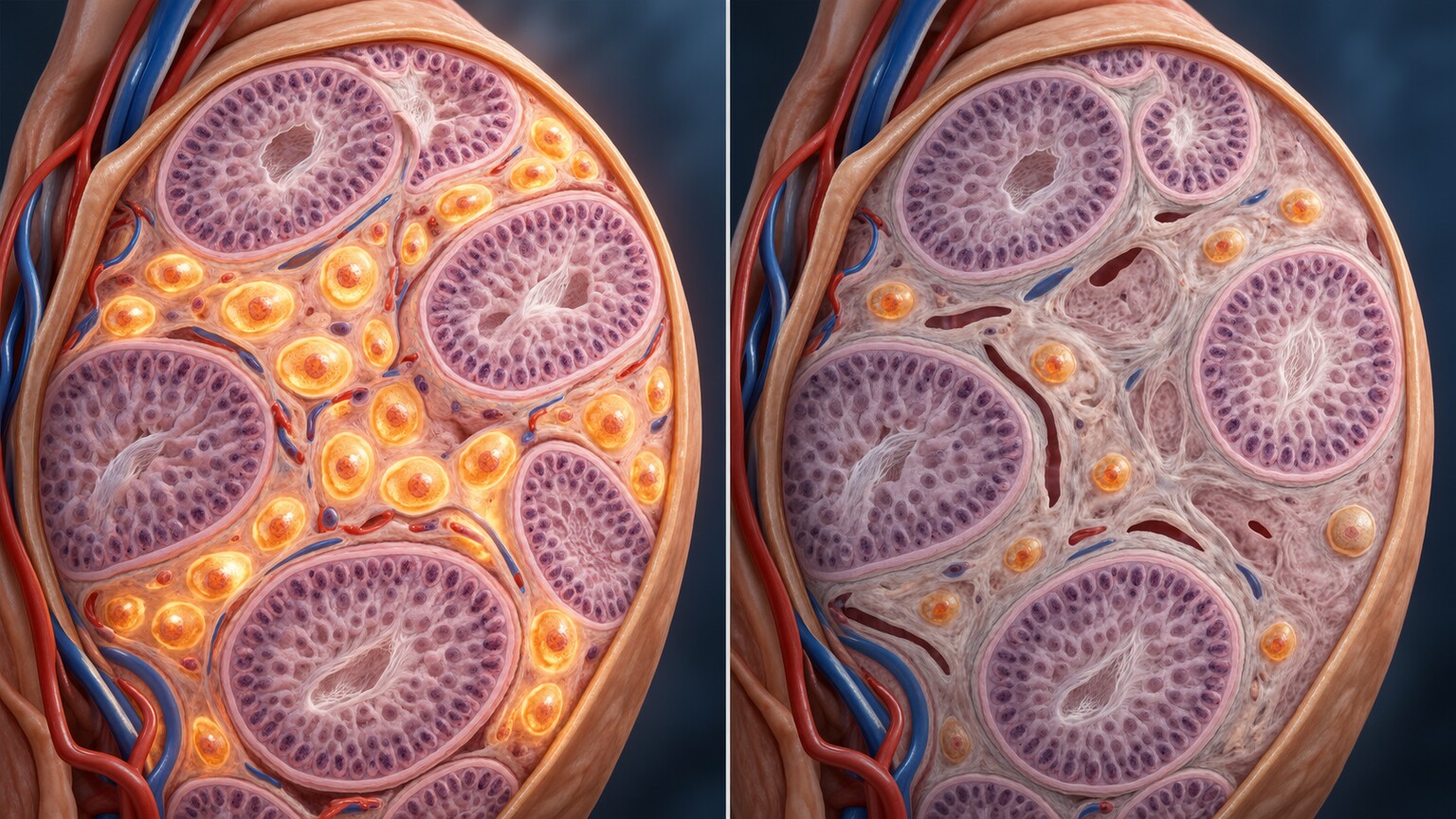
Figure 1. The Leydig cells responsible for producing testosterone gradually decline in total number with age, one of two separate mechanisms — alongside a change in brain signaling — behind the overall decline.
A Quick Recap of the Signaling Chain, and Where Aging Actually Interferes
Testosterone production runs through a specific chain of command: the hypothalamus, deep in the brain, releases gonadotropin-releasing hormone (GnRH) in rhythmic pulses; each pulse tells the pituitary gland to release its own burst of luteinizing hormone (LH); and LH travels through the bloodstream to specialized cells in the testes called Leydig cells, instructing them to produce testosterone. A younger man with clinically low testosterone typically has a problem concentrated at one specific point in this chain — either the testes themselves aren't responding properly (called primary hypogonadism) or the brain/pituitary signal driving them isn't strong enough (called secondary hypogonadism) — and figuring out which single link is broken is usually the central diagnostic question.
Age-related decline breaks this clean distinction, because aging measurably affects both ends of the chain at once, a combination sometimes described as mixed or combined hypogonadism. The Leydig cells themselves become less numerous and somewhat less responsive to LH stimulation over time, while the brain's signaling to those cells also becomes less robust, producing a milder, less sharply defined version of both primary and secondary hypogonadism simultaneously rather than a single dominant cause. This dual mechanism is the central reason age-related testosterone decline in men tends to be gradual and partial rather than the more dramatic drop seen when one specific link fails outright, and it's the organizing idea behind every section that follows.
This terminology distinction between "primary," "secondary," and the age-related "mixed" pattern isn't just academic labeling — it directly shapes how a doctor interprets a specific pair of numbers on a lab report. Because LH is the direct output of the brain-side half of this chain, measuring it alongside testosterone tells a doctor which half of the system is actually driving a given result: elevated LH paired with low testosterone points toward a testicular-side problem, since a functioning brain is trying hard to push a set of testes that aren't responding; low or merely normal LH paired with low testosterone points toward a brain- or pituitary-side problem instead, since the signal itself isn't strong enough regardless of how the testes would otherwise respond. This exact framework, introduced briefly here, becomes especially useful later in this article when distinguishing typical age-related decline from a case where an older man is instead developing a more classic, single-source form of hypogonadism that simply happens to be presenting later in life.
The Testicular Side: A Genuine Decline in Leydig Cell Numbers
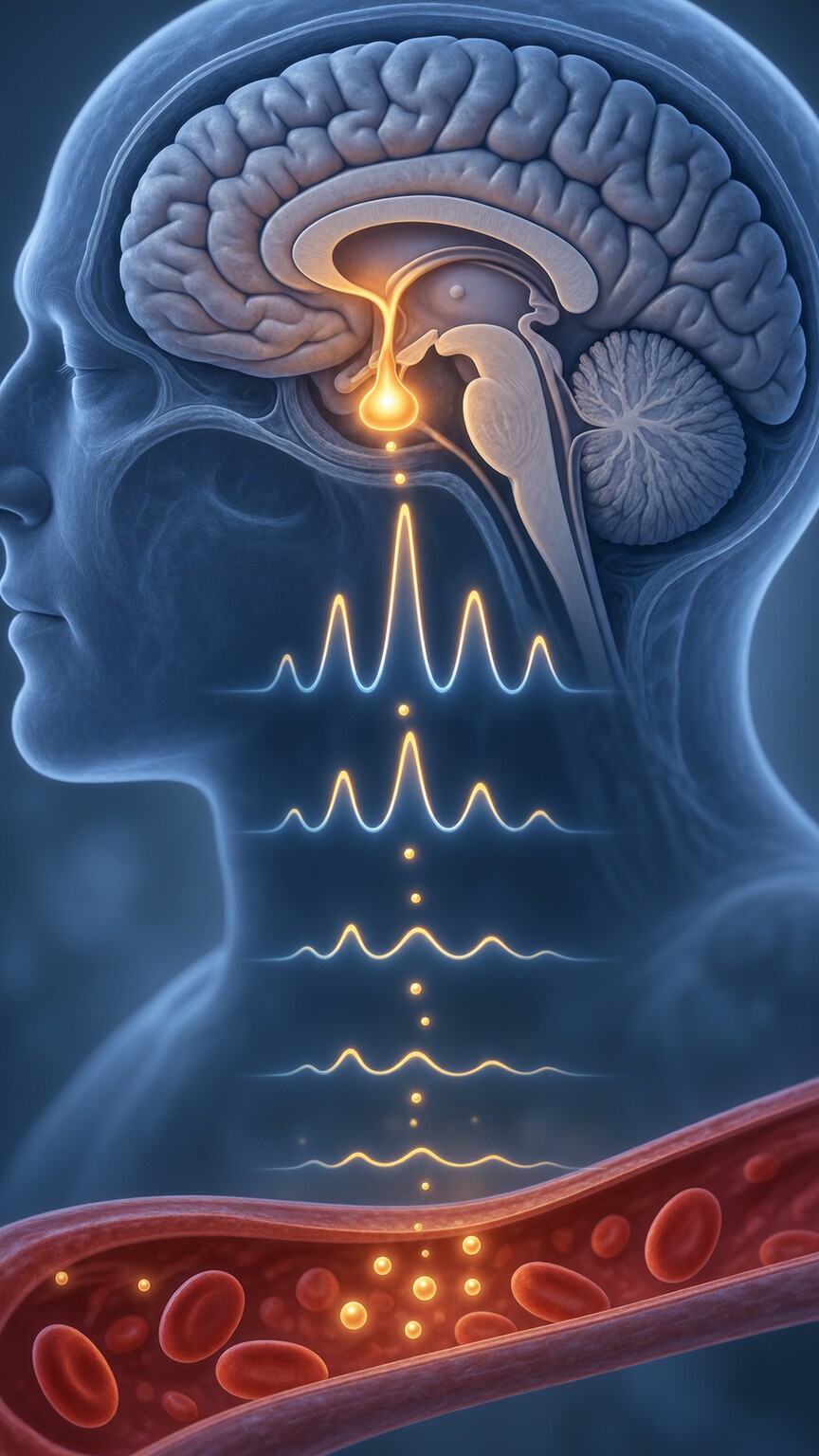
Figure 2. Beyond the testes themselves, the brain's own pulsed signaling to the testes also weakens with age, becoming less frequent and less forceful — a second, independent contributor to the overall decline.
Autopsy and biopsy studies examining testicular tissue across different age groups have consistently found a genuine, measurable reduction in the total number of Leydig cells present as men move from their twenties and thirties into their sixties, seventies, and beyond. Fewer testosterone-producing cells means a lower total production capacity even if every remaining cell were working at full efficiency, and research suggests the remaining cells also become somewhat less responsive to a given amount of LH stimulation, requiring more signal to produce the same testosterone output they once managed with less.
This process appears to be a genuine feature of biological aging in testicular tissue rather than the result of any specific disease process, similar in spirit to how many other tissues throughout the body gradually lose some cellular density and functional efficiency over a normal lifespan. It's a slow, continuous process rather than a sudden event, which is a large part of why age-related testosterone decline in most men shows up as a gentle, gradual downward slope over decades rather than a sharp drop at any single identifiable point in time.
Blood flow changes within the testes themselves appear to compound this cellular decline further. Aging is associated with measurable changes in the small blood vessels supplying testicular tissue, including a degree of vascular stiffening similar to what happens throughout the rest of the circulatory system with age, and reduced blood flow to any hormone-producing tissue tends to further impair that tissue's ability to respond efficiently to stimulation, layering an additional circulatory contributor on top of the reduced cell count itself. Researchers studying this specific angle have noted that men with significant cardiovascular risk factors — the same risk factors that stiffen blood vessels throughout the rest of the body — sometimes show a steeper testosterone decline than would be expected from age and Leydig cell count changes alone, suggesting these two processes, vascular aging and reproductive aging, are more closely linked than they might initially appear.
Curious what your own testosterone or hormone panel is actually telling you? Upload your results and get a complete, plain-language breakdown in under 15 minutes.
Analyze My ResultsThe Brain Side: A Quieter, Less Forceful Signal With Age
The second, independent contributor happens well above the testes, back at the hypothalamus and pituitary gland. Research measuring LH pulse patterns across different age groups has found that aging is associated with a reduction in both the amplitude (strength) and, to some degree, the regularity of GnRH and LH pulses, meaning the signal instructing the testes to produce testosterone becomes both quieter and slightly less consistently timed as men get older. This is functionally a mild version of the same pulse-disruption mechanism responsible for secondary hypogonadism at any age, just considerably subtler and playing out gradually across decades rather than appearing as an abrupt, complete signal failure.
What makes this brain-side change particularly interesting from a physiological standpoint is that it happens despite testosterone itself falling — under normal negative feedback logic, a falling testosterone level should prompt the brain to increase its signaling output to compensate, the same way a thermostat cranks up the heat when a room gets cold. In aging men, this compensatory response is itself blunted, meaning the brain doesn't ramp up its signaling as forcefully as it should in response to declining testosterone, allowing the overall system to settle into a lower equilibrium rather than actively fighting to maintain the higher testosterone levels typical of younger adulthood. This blunted feedback response is, in effect, the brain quietly permitting the decline rather than working against it.
This specific blunted-feedback pattern is exactly what distinguishes typical age-related decline from classic primary testicular failure at any age, where the brain's compensatory response remains fully intact and, in fact, becomes the most obvious clue on a lab report. In primary hypogonadism from a clearly identifiable cause — testicular injury, certain chemotherapy exposures, or a genetic condition affecting the testes directly — LH characteristically rises quite high as the unaffected brain pushes harder and harder against testes that simply can't respond, producing an unmistakably elevated LH alongside the low testosterone. Age-related decline typically doesn't produce this same dramatic LH elevation, precisely because the brain-side compensatory mechanism has itself weakened along with everything else, which is one of the more useful and specific ways this article's dual-mechanism framework actually shows up as a concrete, checkable difference in an actual set of lab values, covered in more detail later in this article.
How Much of This Is Actually Normal? The Numbers Behind the Curve
Large longitudinal studies that have tracked the same men's testosterone over many years, rather than just comparing different age groups to each other at a single point in time, consistently find an average total testosterone decline of roughly 1% to 2% per year starting somewhere in a man's thirties or forties, continuing gradually through the rest of adulthood. That might sound dramatic when compounded across several decades, but it translates in practice to a slow enough slope that most men never experience it as a single noticeable event — it's closer to gradually needing a slightly stronger prescription for reading glasses than to suddenly losing one's vision overnight.
It's genuinely important to understand that this average masks enormous individual variation. Some men in their seventies have total testosterone levels comparable to a typical man in his thirties, while others experience a considerably steeper decline earlier in life. Body composition, chronic illness, medication use, sleep quality, and general health status all influence where any individual man actually lands on this curve, which is a large part of why age alone is never treated as a sufficient explanation for a specific man's low result without also considering these other contributing factors directly.
Large population studies looking specifically at otherwise healthy men — screening out participants with obesity, major chronic illness, or other confounding conditions — have generally found a notably gentler decline curve than studies drawing from a more general, unscreened population, suggesting that at least part of what gets labeled as "average age-related decline" in broader population data actually reflects the accumulated burden of common health conditions layered on top of true biological aging, rather than aging acting entirely on its own. This distinction matters practically: a man who maintains a healthy body weight, manages chronic conditions well, and sleeps adequately may reasonably expect a gentler decline curve than the broader population averages would suggest, which is a genuinely encouraging, actionable takeaway buried within what can otherwise sound like a purely fatalistic statistic about inevitable biological decline.
Late-Onset Hypogonadism: Why the Diagnosis Requires Both a Lab Value and Symptoms

Figure 3. Late-onset hypogonadism is specifically diagnosed only when a low testosterone value is accompanied by real, persistent symptoms — a low number alone, in an otherwise well older man, doesn't meet the diagnostic threshold on its own.
The formal medical term for a clinically significant, symptomatic decline in an older man is late-onset hypogonadism, and the specific diagnostic criteria behind that label are worth understanding directly, since they're stricter than many people assume. Professional guidelines require both a genuinely low testosterone level, confirmed on a properly timed morning blood draw, and the presence of specific, persistent symptoms consistent with low testosterone — reduced libido, unexplained fatigue, loss of muscle mass or strength, or, in more pronounced cases, erectile dysfunction. A low number alone, in a man who feels entirely well otherwise, does not meet the diagnostic threshold for late-onset hypogonadism, precisely because a meaningful percentage of older men have testosterone levels below the standard adult reference range purely as an expected feature of normal aging, without any of the symptoms that would make treatment clinically appropriate.
This two-part requirement exists specifically to avoid overtreating an expected, largely harmless biological change as though it were a disease requiring intervention. The reference ranges used for testosterone testing were generally established using a broad population of adult men across a wide age span, and a growing body of research has specifically questioned whether a single reference range, unadjusted for age, is the most clinically useful way to interpret a result in a man well into his sixties or seventies — some professional bodies have proposed age-adjusted reference ranges specifically to address this exact tension, though this remains an active, evolving area without full consensus across the field.
The specific symptom checklist used to assess late-onset hypogonadism has itself been refined through research aimed at identifying which symptoms most reliably track with a genuine, biologically meaningful testosterone deficiency, as opposed to symptoms that overlap heavily with ordinary aging and carry less diagnostic specificity on their own. Reduced sexual desire and fewer spontaneous morning erections have consistently emerged across multiple studies as the symptoms most specifically associated with confirmed low testosterone, more so than the vaguer, more universally reported complaints of low energy or reduced overall well-being, which correlate less strongly and less specifically with an actual hormonal deficiency once other contributing factors are accounted for. This is part of why a thorough clinical assessment for late-onset hypogonadism weighs the specific type of symptom being reported, not just its presence, when deciding how much diagnostic weight it should carry alongside the lab result.
Ruling Out a Treatable Cause Layered on Top of Normal Aging
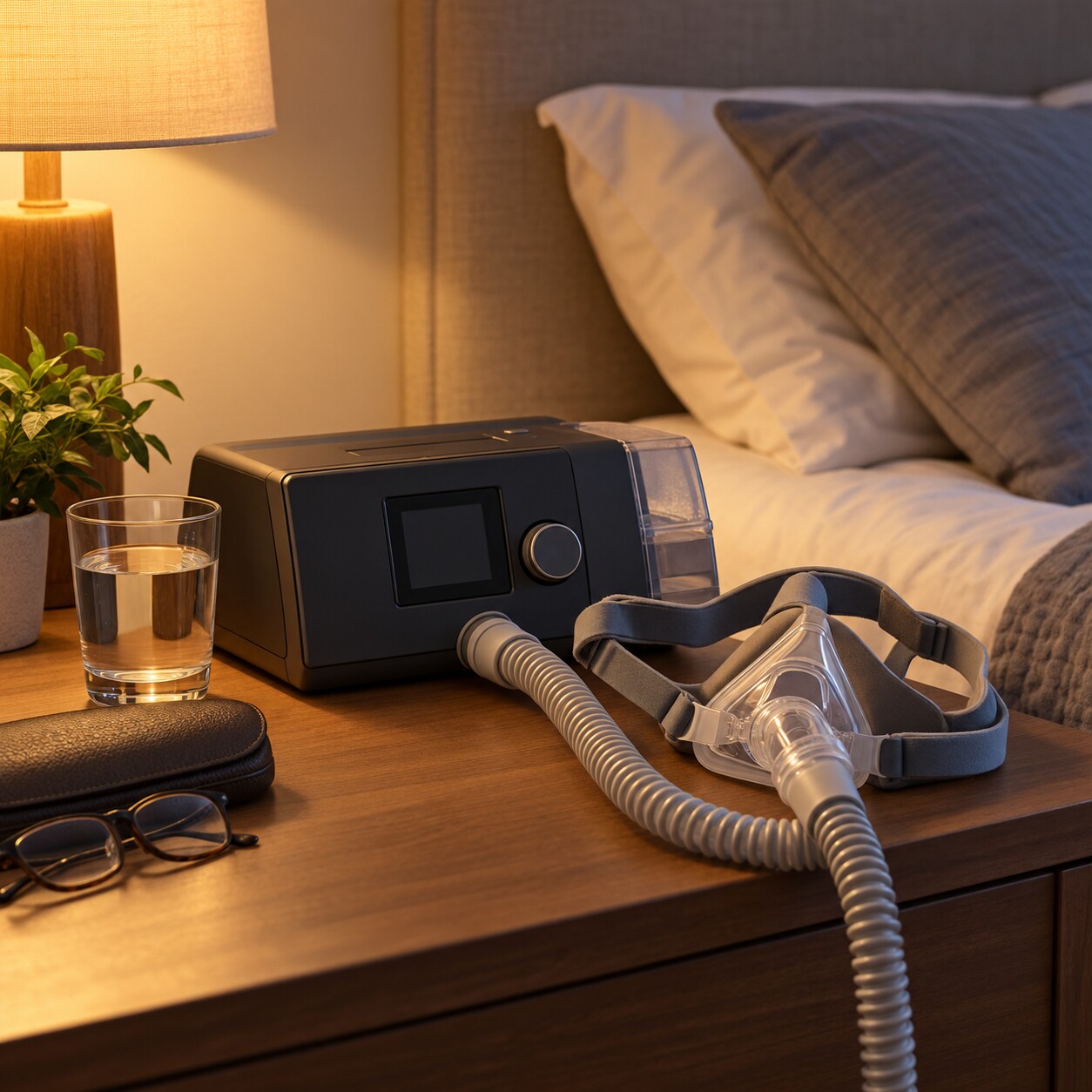
Figure 4. Untreated sleep apnea, common in aging men, independently suppresses testosterone production — a genuinely treatable contributor that's easy to mistake for ordinary age-related decline if it's never specifically screened for.
Because age-related decline is gradual and expected to some degree, it's precisely the kind of finding that can mask a separate, genuinely treatable contributor happening at the same time — which is exactly why a thorough workup looks beyond age itself before settling on "just getting older" as the full explanation. Untreated obstructive sleep apnea, considerably more common in aging men, independently suppresses testosterone production through disrupted sleep architecture and intermittent overnight oxygen deprivation, and treating the sleep apnea directly, typically with a CPAP machine, can meaningfully improve testosterone levels in men where this specific contributor is present.
Obesity and type 2 diabetes, both more prevalent with advancing age, independently lower testosterone through mechanisms covered in more depth in a related article on this site about the relationship between testosterone and body fat, and these metabolic contributors frequently compound directly on top of the baseline aging-related decline described throughout this article rather than existing as a separate, unrelated issue. Certain medications commonly prescribed to older men — including some opioid pain medications and long-term glucocorticoid use — are also well-documented to independently suppress the same brain-to-testes signaling chain, meaning a careful medication review is a standard, low-cost step in any thorough evaluation, since one of these contributors, once identified, is often more directly addressable than the underlying aging process itself.
Chronic kidney disease and chronic liver disease, both conditions whose prevalence rises with age, deserve specific mention as well, since each interferes with testosterone regulation through its own distinct mechanism rather than simply adding general "illness burden" to the picture. Chronic kidney disease disrupts the normal hormonal feedback loop between the brain and testes directly, through mechanisms related to how the kidneys process and clear various circulating hormones, while chronic liver disease affects SHBG production in ways that can push measured testosterone values in unpredictable directions depending on the specific stage and type of liver dysfunction present. Because both conditions require their own dedicated management entirely independent of any testosterone-specific treatment, identifying them as a contributing factor changes the overall care plan considerably, which is exactly why kidney and liver function are routinely checked as part of a complete evaluation for low testosterone in an older man rather than being treated as an unrelated, separate concern.
The TRT Controversy in Older Men: What the T Trials Actually Found

Figure 5. A large, dedicated set of clinical trials found modest but real benefits from testosterone therapy in older men with confirmed low levels and genuine symptoms — sexual function and mood improved, though physical performance gains were smaller than many expected.
Whether otherwise-healthy older men with confirmed low testosterone and genuine symptoms should be treated with testosterone replacement therapy has been genuinely, actively debated within endocrinology for years, largely because the evidence base, until relatively recently, was limited and often based on smaller or shorter-duration studies. A large, coordinated set of clinical trials known as the Testosterone Trials, involving men over 65 with confirmed low testosterone, specifically set out to answer this question more rigorously, testing testosterone therapy against a placebo across several distinct outcome categories simultaneously — sexual function, physical function, vitality and mood, cognitive function, bone density, and cardiovascular markers.
The results were genuinely mixed rather than a clean, uniform yes or no. Sexual function, including libido, showed a meaningful, statistically significant improvement with treatment. Mood and depressive symptoms showed a modest but real improvement as well. Physical function — how far participants could walk in a fixed time, a proxy for overall physical capability — showed a smaller improvement than many researchers and patients had hoped for going into the trials, and bone density showed some improvement specifically in the trial's dedicated bone-focused component. This mixed pattern is precisely why current clinical guidance generally recommends treatment be reserved for men who meet the full late-onset hypogonadism criteria described earlier — confirmed low levels plus genuine, specific symptoms — rather than being offered broadly to any older man simply hoping for a general boost in energy, since the trial evidence itself doesn't support treatment delivering everything that hope might anticipate.
Cognitive function was one of the more closely watched outcome categories going into the trials, given considerable public and scientific interest in whether treating low testosterone might help protect against age-related cognitive decline, and this particular component of the research found no meaningful benefit from testosterone therapy on the cognitive measures tested. This negative finding, while perhaps disappointing to anyone hoping treatment might offer broader protective benefits beyond its more established effects, is itself a genuinely valuable piece of evidence, since it helps set realistic expectations and specifically discourages using testosterone therapy as a general cognitive-protection strategy in older men who don't otherwise meet the diagnostic criteria for treatment.
Risks That Weigh More Heavily in Older Men Specifically
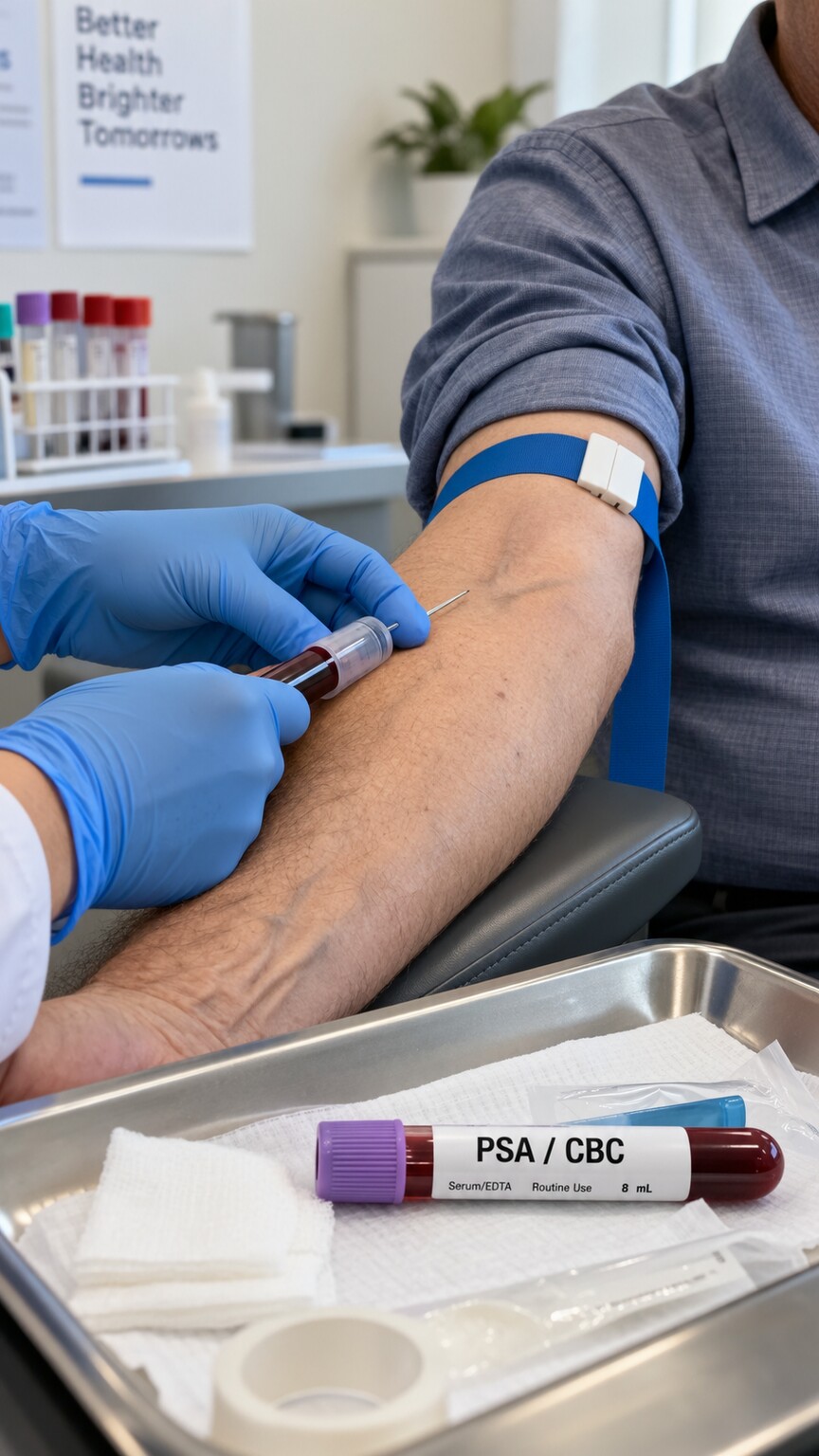
Figure 6. Because prostate tissue and red blood cell production both respond to testosterone, PSA and complete blood count monitoring are a standard, required part of therapy specifically in older men, checked before starting and periodically afterward.
Certain risks associated with testosterone therapy carry more practical weight in older men than in younger men starting treatment for a clearly defined testicular or pituitary problem, simply because of what else tends to be present at an older age. Testosterone therapy can stimulate existing, undiagnosed prostate tissue, including undetected prostate cancer, which is why a PSA blood test and a prostate exam are standard requirements before starting treatment and at regular intervals afterward — not because testosterone is believed to directly cause prostate cancer to develop from scratch, current evidence doesn't support that claim, but because it can accelerate the growth of an existing, previously silent cancer that hadn't yet been detected.
Testosterone therapy also reliably increases red blood cell production, and in older men this effect is monitored specifically because a red blood cell count that climbs too high (a condition called polycythemia) meaningfully increases the risk of blood clots, an already elevated baseline risk in an older population compared to a younger one. Regular blood count monitoring while on therapy exists specifically to catch this effect early, sometimes requiring a dose adjustment or a temporary pause in treatment if the count climbs above a defined safety threshold. Cardiovascular risk itself has been an especially contentious research question, with some earlier studies raising concern about a possible increased cardiovascular risk during treatment and later, larger studies (including long-term cardiovascular safety data collected from within the broader testosterone trials research program) generally finding no significant increase in serious cardiovascular events among appropriately selected, monitored patients — an area of ongoing research where guidance has genuinely evolved over the past decade as more rigorous data has become available.
Sleep apnea itself deserves a second mention specifically in the context of treatment risk, since the relationship works in both directions: while untreated sleep apnea can independently lower testosterone as covered earlier, starting testosterone therapy in someone with existing, untreated sleep apnea can, in some cases, worsen the sleep apnea itself, creating an uncomfortable cycle where the treatment for one problem aggravates a separate but related one. This is exactly why a sleep history, and treatment of any diagnosed sleep apnea, is generally addressed before or alongside starting testosterone therapy rather than as an afterthought — an older man beginning treatment without this having been addressed first risks undermining both his sleep quality and, indirectly, the very testosterone levels the treatment is meant to improve.
What a Reasonable Workup Actually Looks Like
For a man concerned about age-related symptoms, the practical evaluation typically starts with a properly timed morning total testosterone test, confirmed with a second morning measurement if the first comes back low, since a single low result is never treated as definitive on its own. If total testosterone is confirmed low, SHBG is frequently checked alongside it to calculate free testosterone, since — as covered in more depth in a companion article on this site — SHBG tends to rise with age independently, meaning free, biologically available testosterone can decline even faster than the total number alone suggests.
Alongside these hormone-specific tests, a thorough evaluation typically screens for the treatable contributors covered earlier in this article: a sleep history and, if indicated, a formal sleep study to check for undiagnosed sleep apnea; blood sugar and metabolic screening; a complete medication review; and, in cases where the pattern doesn't fit typical age-related decline (a very low level in a relatively young or otherwise healthy man, or additional symptoms suggesting a pituitary problem specifically), additional testing including LH and FSH levels to help distinguish a primary testicular problem from a pituitary-driven one, occasionally followed by pituitary imaging if a structural cause is specifically suspected.
Baseline PSA, a complete blood count, and a review of bone health risk factors are also typically obtained before any treatment decision is made, not because these are diagnostic tests for low testosterone itself, but because they establish the safety baseline needed to monitor treatment safely if it's ultimately started, tying this initial workup phase directly into the ongoing monitoring requirements covered in more detail in the treatment-risk section of this article. Approaching the workup this comprehensively from the outset — rather than ordering tests one at a time as questions arise — generally gets a man to a confident answer, and a clear treatment decision if one is warranted, in a single well-organized round of evaluation rather than a drawn-out, piecemeal process spanning multiple separate visits.
Distinguishing Age-Related Decline From Younger-Onset Hypogonadism
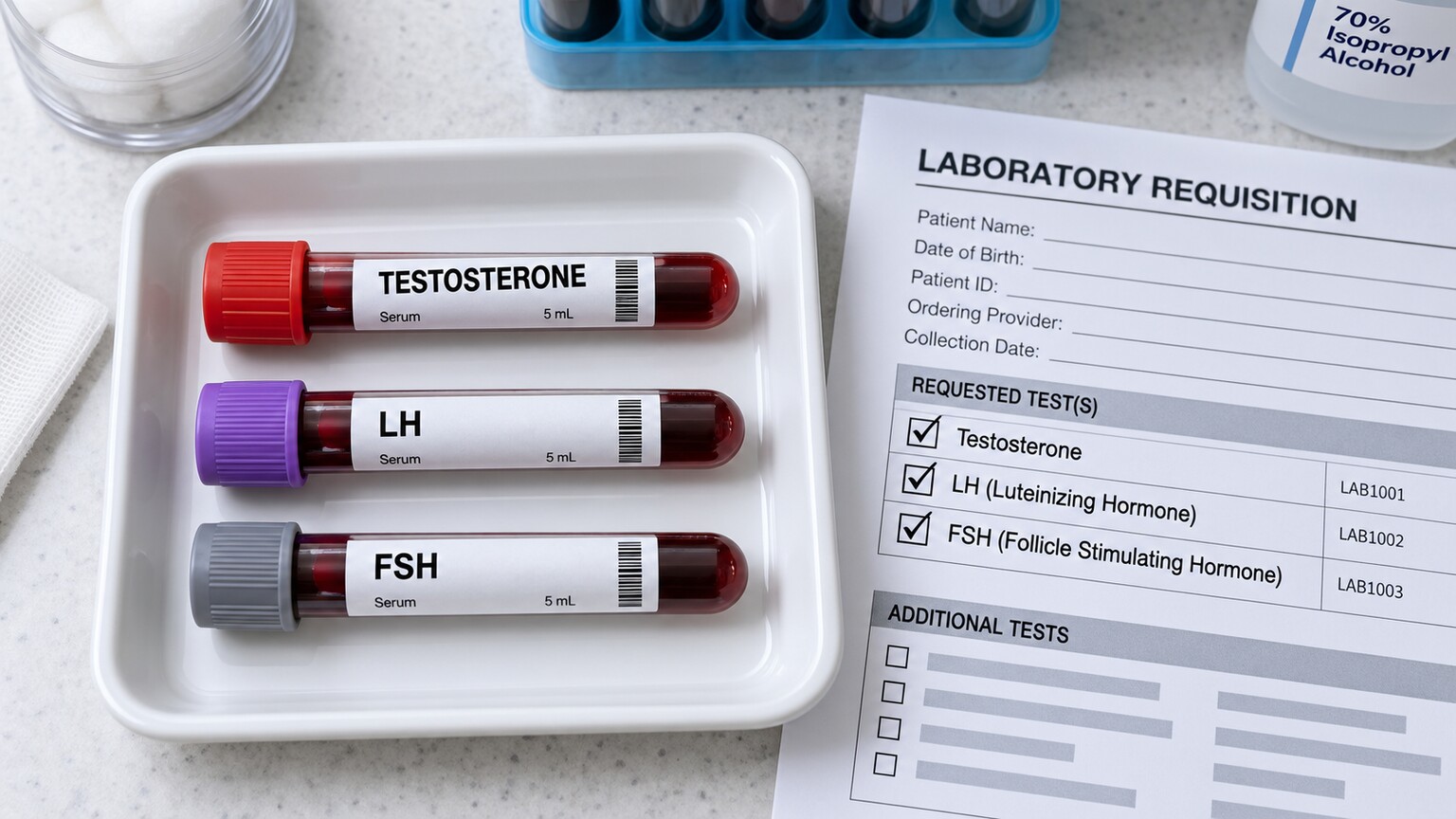
Figure 7. Checking LH alongside testosterone helps clarify whether an older man's decline fits the expected mixed pattern of aging or instead resembles a more classic, single-source hypogonadism that happens to be presenting later in life.
It's worth being specific about how a doctor distinguishes ordinary age-related decline from a case where a man simply happens to be developing classic primary or secondary hypogonadism later in life, since the two can look superficially similar on a testosterone result alone. Checking LH alongside testosterone provides the key distinguishing clue: in typical age-related decline, LH tends to be only mildly elevated or even within the normal range, reflecting that blunted brain-side compensation described earlier — the brain isn't pushing back hard against the falling testosterone the way it normally would. In classic primary testicular failure, by contrast, LH is often significantly and clearly elevated, since a healthy, unaffected brain is trying hard to compensate for testes that have genuinely stopped responding, producing the same kind of sharp mismatch between a very low testosterone number and a very high LH number that would be flagged as clearly abnormal at any age.
A very low testosterone paired with a low or inappropriately normal LH, meanwhile, points toward a problem originating at the level of the brain or pituitary rather than typical aging or primary testicular failure — a pattern that, particularly if it emerges relatively suddenly or is accompanied by other symptoms like headaches or vision changes, warrants a more focused evaluation for a possible pituitary issue, sometimes including dedicated pituitary imaging. This LH-based distinction is exactly why age-related decline is never diagnosed by testosterone alone, and why the same basic diagnostic toolkit used to evaluate low testosterone at any age still applies fully to older men — age simply shifts the most likely explanation toward the milder, mixed pattern described throughout this article, without ever fully replacing the need to rule out these more classic, single-source causes when the specific numbers don't fit that expected pattern.
This is also exactly why an unusual or unexpected lab pattern in an older man — one that doesn't fit the mild, mixed picture typical of ordinary aging — is worth taking just as seriously as it would be at any other age, rather than being reflexively attributed to "just getting older" simply because the patient happens to be in his sixties or seventies. Age shifts the odds toward the milder, expected explanation, but it never fully rules out the less common, more classic causes that would prompt urgent evaluation in a younger man, and a careful clinician keeps that distinction in mind throughout the entire evaluation described in this article.
Common Misconceptions Worth Addressing
A common misconception is treating any low testosterone result in an older man as automatically requiring treatment. As this article has covered, a low number without genuine, persistent symptoms doesn't meet the diagnostic threshold for late-onset hypogonadism, and current guidelines specifically caution against treating a lab value in isolation.
A second misconception, in the opposite direction, is assuming every symptom of fatigue, low mood, or reduced libido in an older man must be hormonal, when the same symptom cluster overlaps substantially with depression, thyroid dysfunction, sleep apnea, and simply the cumulative effect of chronic health conditions common at an older age. A thorough evaluation considers testosterone as one genuine possibility among several, rather than the default, first explanation reached for automatically.
A third misconception is assuming testosterone therapy, once started, is either a permanent lifelong commitment or something that can be stopped and restarted casually without consequence. In practice, stopping testosterone therapy after a meaningful period on treatment can cause the body's own natural production to remain suppressed for a period of time afterward, since the brain's signaling pathway, having grown accustomed to external testosterone rather than driving its own production, doesn't necessarily resume at full strength immediately once treatment stops. This is a genuine, practical consideration worth discussing before starting therapy in the first place, not a reason to avoid treatment when it's genuinely warranted, but a detail that underscores why the decision to start deserves the same careful, criteria-based approach described throughout this article rather than being treated as a low-stakes trial run.
Frequently Asked Questions
Is it normal for testosterone to drop as men age?
Yes, to a degree. Total testosterone typically declines about 1% to 2% per year starting in a man's thirties or forties, driven by a genuine reduction in Leydig cell numbers and a weaker brain signal to the testes, both occurring gradually together.
At what point does age-related decline become a medical condition?
When a confirmed low testosterone level is accompanied by genuine, persistent symptoms like reduced libido, unexplained fatigue, or loss of muscle mass — a condition called late-onset hypogonadism. A low number alone, without symptoms, doesn't meet this diagnostic threshold.
What did the Testosterone Trials actually find about treating older men?
Testosterone therapy produced meaningful improvements in sexual function and modest improvements in mood, with smaller-than-expected improvements in physical function. Results were mixed enough that treatment is generally reserved for men meeting full diagnostic criteria rather than offered broadly.
Why do older men need PSA and blood count monitoring during testosterone therapy?
Testosterone can accelerate growth of existing, undetected prostate tissue changes and reliably raises red blood cell counts, which increases clot risk if it climbs too high. Both are monitored specifically because these risks carry more weight in an older population.
Can treating sleep apnea or losing weight improve testosterone without medication?
Often, yes, when one of these treatable contributors is genuinely present. Untreated sleep apnea and obesity both independently suppress testosterone, and addressing them directly can meaningfully improve levels layered on top of any underlying age-related decline.
Conclusion
Testosterone doesn't decline with age because of one failing part — it declines because two separate points along the same signaling chain, the testes and the brain's own pulsed signal to them, both gradually weaken together, compounding into a slow, largely predictable downward curve that plays out differently for every individual man. Understanding that dual mechanism is what separates ordinary, expected aging from late-onset hypogonadism, a specific diagnosis that requires both a genuinely low level and real, persistent symptoms rather than a number in isolation.
It's also what explains why treatment remains a genuinely individualized decision rather than an automatic response to a low lab value — one that depends on ruling out other treatable contributors first, weighing real but specific risks that carry more weight later in life, and matching the decision to what large, dedicated clinical trials have actually shown treatment can and can't deliver.
For any man navigating this specific question about his own results, the most useful frame to carry forward isn't simply "is my testosterone low for my age," but the more precise version this article has built toward throughout: is my testosterone low enough, alongside genuine enough symptoms, and free of other identifiable, treatable contributors, to actually meet the bar for a diagnosis that treatment could meaningfully help? That more precise question, worked through carefully with a doctor rather than answered from a single number in isolation, is what actually determines the right next step.
Still Not Sure What Your Results Mean?
Upload your labs and get a complete, visual, plain-language interpretation of every biomarker — delivered to your inbox in under 15 minutes.
Get My ReportThis article is for educational purposes only and does not constitute medical advice. Always consult your healthcare provider regarding your specific lab results.