
What's the Link Between Testosterone and Body Fat?
Testosterone and body fat don't just happen to move in opposite directions — they actively push on each other in a loop that can feed itself for years if nothing interrupts it. Low testosterone makes it easier to gain fat and harder to hold onto muscle, and once that fat accumulates, especially around the abdomen, it starts converting more of your remaining testosterone into estrogen while also dulling the hormonal signals your brain sends to your testes in the first place. The result is a genuine two-way street: the hormone shapes the body, and the body reshapes the hormone. Understanding exactly where that loop starts, and more importantly, where it can be broken, is the difference between chasing a number on a lab report and actually addressing what's driving it.
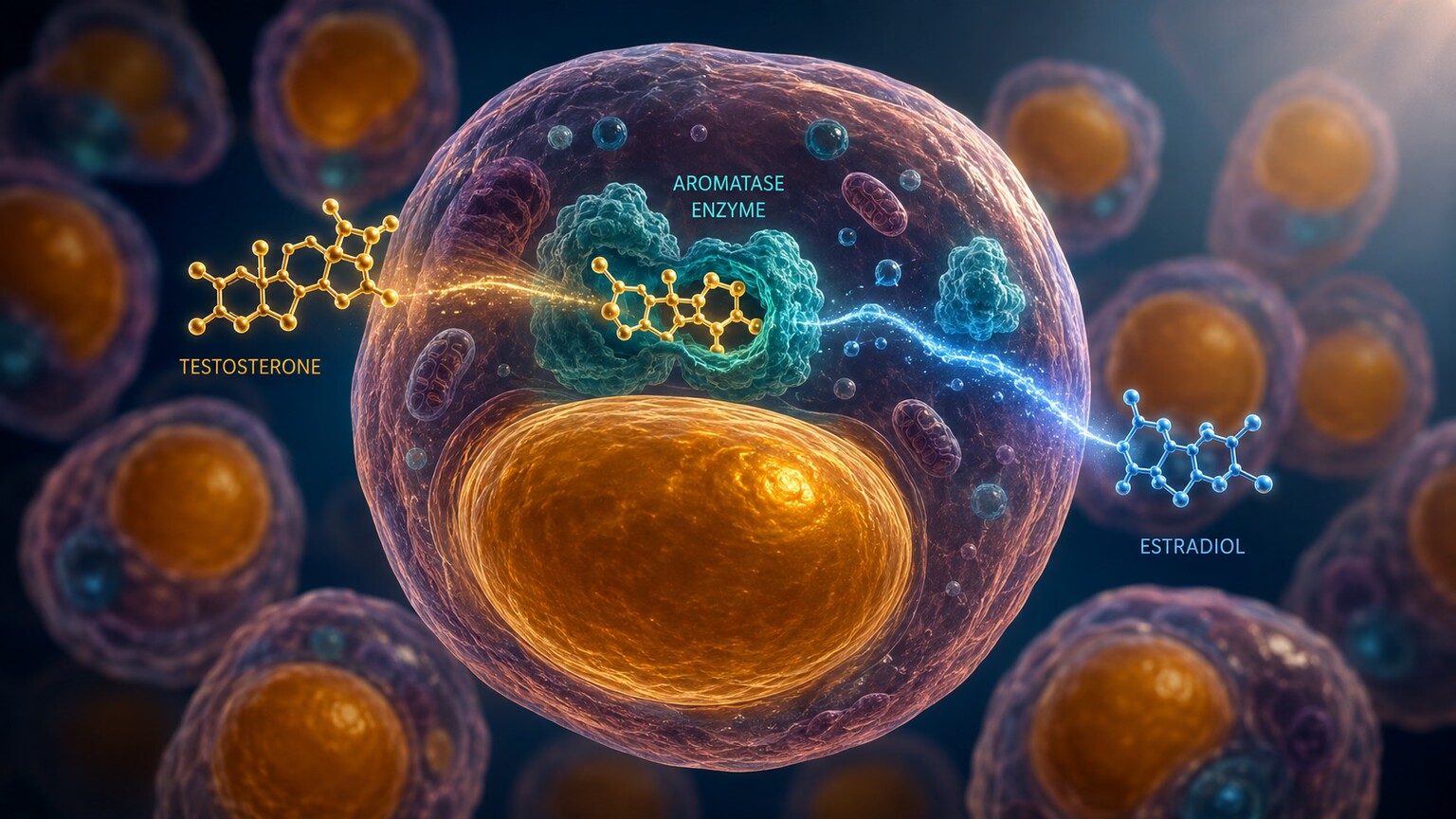
Figure 1. Aromatase, an enzyme concentrated inside fat cells, converts circulating testosterone into estradiol — the core biochemical link between excess adipose tissue and lower testosterone.
The Two-Way Street: How Testosterone and Fat Actually Influence Each Other
Most explanations of "low T" describe it as something that just happens to a man as he ages, as if body composition were a passive bystander. The actual physiology tells a more interesting story, and it runs in both directions at once. On one side, testosterone itself is a genuinely anabolic hormone — it promotes the growth and maintenance of lean muscle tissue, influences where the body prefers to store fat, and affects how sensitive your cells are to insulin, the hormone responsible for shuttling sugar out of your bloodstream and into your cells for storage or energy use. When testosterone drops, muscle mass tends to erode slowly over time, resting metabolic rate falls along with it, and the body shifts toward storing incoming calories as fat rather than building or maintaining tissue.
On the other side, fat tissue isn't the inert storage depot it was once assumed to be — it behaves like an active endocrine organ, meaning it produces and releases its own hormones and enzymes that circulate throughout the body and influence other systems, including the very system that produces testosterone in the first place. The specific culprit is an enzyme called aromatase, which lives in unusually high concentrations inside fat cells and performs one very specific chemical job: it converts testosterone into estradiol, the primary form of estrogen. The more fat tissue a person carries, particularly around the abdomen, the more aromatase activity is present, and the faster testosterone gets converted away before it can do its job elsewhere in the body. This single enzymatic reaction is the backbone of the entire testosterone-fat relationship, and nearly every other mechanism described in this article connects back to it in some way.
This understanding of fat as a hormone-producing organ, rather than simple passive insulation and energy storage, is a relatively recent shift in medicine. For much of the twentieth century, fat tissue was treated in medical education as biologically inert, useful mainly for cushioning and long-term calorie reserves. That view began changing meaningfully in the 1990s, when researchers identified leptin as a hormone actively secreted by fat cells themselves, which prompted a broader wave of research into what other signaling molecules adipose tissue might be producing. Aromatase activity in fat tissue had actually been documented even earlier, largely in the context of explaining gynecomastia — breast tissue enlargement in men — that sometimes accompanies significant weight gain, since local estrogen production from chest-wall fat can directly stimulate breast tissue growth. That early clinical observation turned out to be an early clue pointing toward the much larger metabolic relationship between fat and testosterone described throughout the rest of this article.
Why Low Testosterone Makes It Easier to Gain Fat

Figure 2. Declining testosterone reduces resting energy expenditure and muscle protein synthesis, two of the main drivers behind gradual midlife fat accumulation.
Testosterone's most direct effect on body composition runs through skeletal muscle. It stimulates muscle protein synthesis, the ongoing process by which your body repairs and builds muscle fibers, and it does so partly by activating satellite cells — small precursor cells that fuse with existing muscle fibers to help them grow and recover. When testosterone declines, this process slows, and muscle tissue you already have becomes harder to maintain even if your activity level hasn't changed. Because muscle is metabolically active tissue, meaning it burns calories even while you're doing nothing, losing muscle mass lowers your resting metabolic rate — the number of calories your body burns just to keep itself running. A lower resting metabolic rate means the same diet that once maintained your weight can now slowly tip you into a calorie surplus, and that surplus tends to be stored as fat rather than muscle, since testosterone is also part of what signals the body to preferentially build lean tissue over fat when calories are available.
Testosterone additionally plays a role in regulating where fat gets stored in the first place. Men with lower testosterone levels tend to accumulate proportionally more visceral fat — the fat that wraps around internal organs deep in the abdominal cavity — rather than subcutaneous fat, the kind that sits just beneath the skin. This distinction matters enormously, because visceral fat isn't just a cosmetic difference from subcutaneous fat; it's more metabolically active, more inflammatory, and, notably, more aromatase-rich, which sets up the next stage of the loop described below. There's also a behavioral layer that compounds the biological one: men experiencing the fatigue, low motivation, and reduced exercise tolerance that often accompany low testosterone are frequently less physically active as a direct symptom, not a separate lifestyle choice, which further reduces calorie expenditure and accelerates fat gain on top of the metabolic changes already happening beneath the surface.
Already have a testosterone number from a recent test, but not sure if it's actually good or bad for you? Just plug it in and see instantly.
🧮 Try the Free CalculatorWhy Excess Body Fat Lowers Testosterone in Return
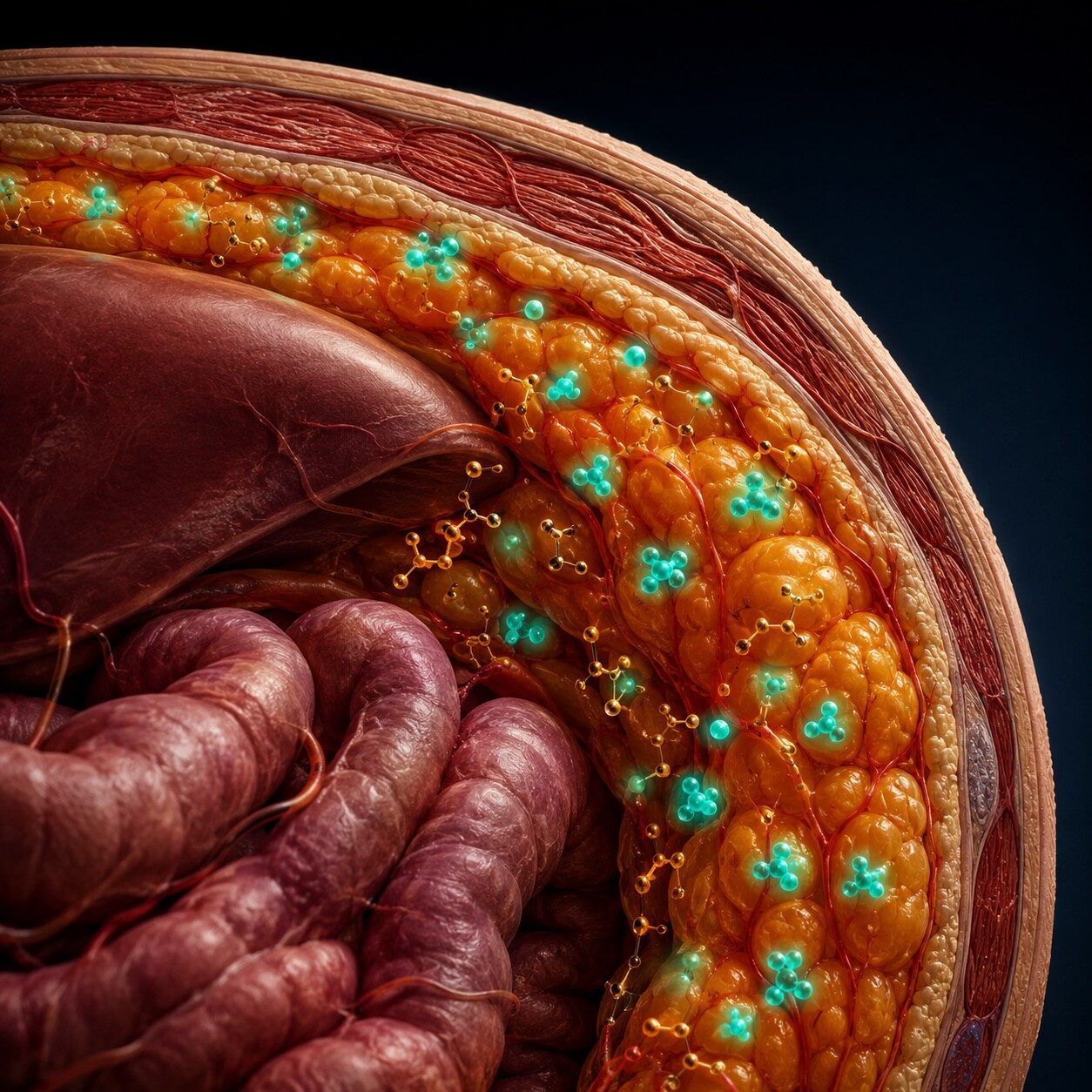
Figure 3. Visceral fat carries a higher density of aromatase enzyme than subcutaneous fat, making abdominal fat specifically — not total body weight — the strongest predictor of testosterone suppression.
The reverse pathway is where most of the clinically important science actually lives, because it explains why obesity is one of the single strongest risk factors for low testosterone identified in modern endocrinology, independent of a man's age. The aromatase mechanism introduced earlier does most of the heavy lifting: the more visceral fat a man carries, the more testosterone gets continuously siphoned off and converted into estradiol rather than remaining available as testosterone. This isn't a small or theoretical effect — men with obesity, particularly those carrying a large amount of abdominal fat, are documented to have meaningfully higher circulating estradiol levels alongside lower total and free testosterone, a hormonal fingerprint distinct from ordinary age-related decline.
That rising estradiol doesn't just sit passively alongside the falling testosterone — it actively participates in suppressing testosterone production further, through a process called negative feedback. Your brain's hypothalamus and pituitary gland, sitting at the base of the brain, constantly monitor circulating sex hormone levels and adjust their output accordingly: when they detect enough estradiol in the bloodstream, they interpret it as a signal that "enough" hormone is present and reduce their own signaling to the testes, specifically by lowering the release of luteinizing hormone (LH), the pituitary hormone that directly instructs the testes to produce testosterone. Excess estradiol from fat tissue essentially tricks this feedback system into throttling down a testosterone supply that was already reduced to begin with, creating a self-reinforcing cycle rather than a simple, static reduction.
Fat tissue contributes to this suppression through additional pathways beyond aromatase alone. Adipose tissue secretes a hormone called leptin, which under normal circumstances signals fullness and regulates appetite and energy balance. In obesity, the body frequently develops leptin resistance — a state where leptin is present in abundance, sometimes at very high levels, but the brain's receptors stop responding to it effectively, similar in concept to how insulin resistance works with blood sugar regulation. Because leptin signaling is also involved in supporting normal function along the same brain-to-testes signaling pathway described above, leptin resistance appears to independently blunt LH release and testosterone production, layering a second suppressive mechanism directly on top of the aromatase-driven estrogen increase.
Fat tissue also releases a family of signaling proteins called adipokines, along with inflammatory messengers such as tumor necrosis factor-alpha and interleukin-6, which are produced in larger quantities as fat mass — and visceral fat in particular — expands. Chronic low-grade inflammation of this kind has its own suppressive effect on the hypothalamic-pituitary-gonadal axis, the three-way communication line between the brain and the testes that governs testosterone output from end to end. Researchers sometimes describe obesity-related low testosterone as existing on a spectrum with a related but distinct condition, "male obesity-associated secondary hypogonadism," in which the testes themselves are structurally normal and fully capable of producing testosterone, but the signal telling them to do so has been dampened by the combined weight of excess estrogen, leptin resistance, and inflammatory signaling arriving from fat tissue. This distinction is clinically important because it means the testes usually aren't damaged or permanently impaired — they're simply receiving a quieter instruction than they should be, which is precisely why reversing the underlying fat-driven signal can restore more normal function without any direct treatment aimed at the testes at all.
SHBG, Insulin Resistance, and the Feedback Loop That Keeps Tightening
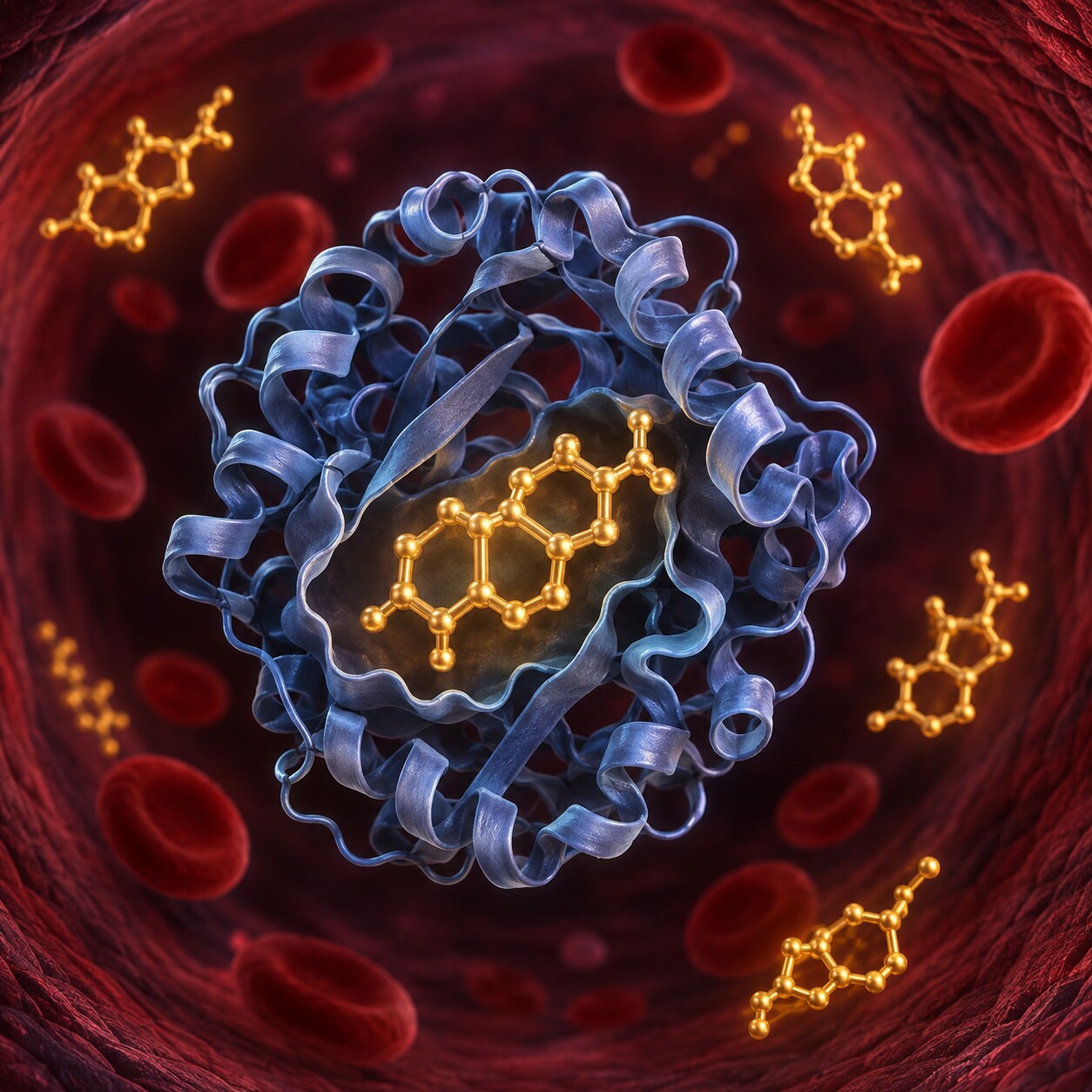
Figure 4. Insulin resistance associated with excess body fat suppresses liver production of SHBG, the carrier protein that keeps most circulating testosterone bound and biologically inactive.
There's a third mechanism worth understanding, because it explains why lab reports can sometimes look confusing at first glance: sex hormone-binding globulin, or SHBG. This is a protein made by the liver that binds tightly to testosterone as it circulates through the bloodstream, and testosterone that's bound to SHBG is not biologically active — it can't attach to receptors in muscle, bone, or other tissues until it's released. Only "free" testosterone, the small fraction not bound to SHBG or loosely bound to albumin, is immediately available for the body to use. Total testosterone, the number most standard lab panels report, measures both the bound and unbound fractions together, which is why total testosterone and the testosterone a person's tissues can actually access aren't always the same story.
Obesity, and specifically the insulin resistance that frequently accompanies it, has been shown to suppress the liver's production of SHBG. Insulin resistance is a state where cells throughout the body respond less effectively to insulin's signal to absorb sugar from the blood, forcing the pancreas to produce more and more insulin to achieve the same effect — and higher circulating insulin levels directly reduce how much SHBG the liver manufactures. Lower SHBG might sound, at first, like it should free up more testosterone for the body to use, but in the context of obesity this isn't what typically happens, because total testosterone production is simultaneously falling from the aromatase and leptin-resistance mechanisms described above. The net effect in most men with obesity-related low testosterone is a drop in both total and free testosterone together, with SHBG changes acting more as a secondary marker of the underlying insulin resistance than as a rescue mechanism. This is one of the reasons a full hormone panel, rather than a single total testosterone number, gives a doctor a much clearer picture of what's actually happening metabolically.
This is also why total testosterone alone can occasionally be misleading in either direction for a man carrying excess weight. Because SHBG tends to run low in obesity, a man's total testosterone number can sometimes land in the lower-normal range on paper while his actual free, biologically available testosterone is more significantly reduced than the total number alone would suggest — the opposite pattern can occur too, particularly in older men with naturally higher SHBG, where a total testosterone reading that looks concerning may still leave a reasonably adequate free testosterone level once the math is worked out. Because free testosterone isn't always directly measured by standard lab panels — it's technically difficult and expensive to measure directly with full accuracy — doctors frequently rely on a calculated free testosterone value, derived from total testosterone, SHBG, and albumin using a validated formula, or occasionally order a direct free testosterone test using equilibrium dialysis when more precision is needed. Either way, the underlying lesson is consistent: in a man with excess body weight, SHBG is not a side detail to skip past on a lab report — it's often the number that explains why the total testosterone result doesn't fully match how a person feels.
Visceral Fat vs. Subcutaneous Fat — Why Location Matters More Than the Number on the Scale
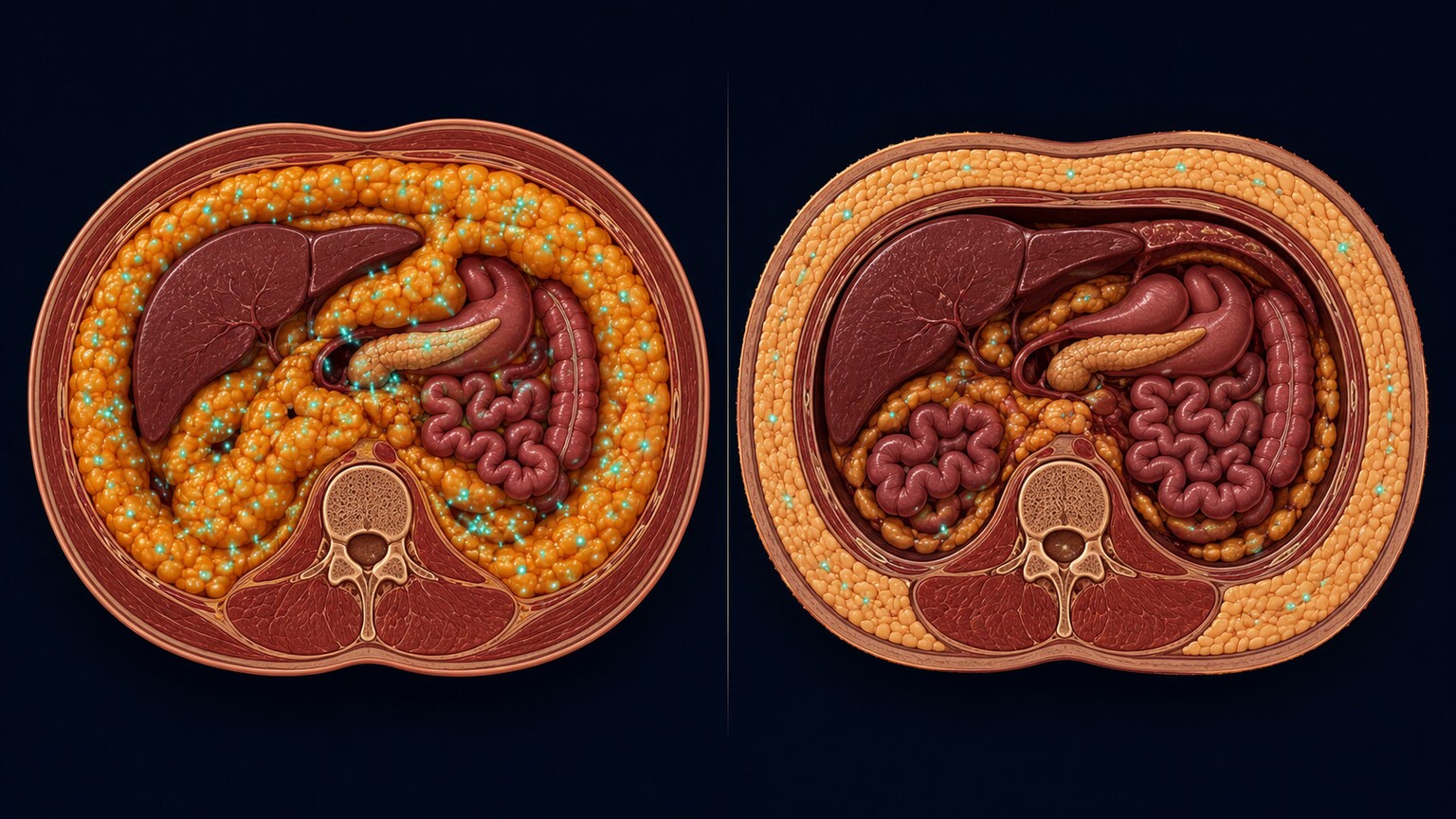
Figure 5. Visceral fat, positioned deep around the liver and intestines, drives testosterone suppression far more aggressively than subcutaneous fat carried on the hips, thighs, or upper arms.
One detail that gets lost in most conversations about weight and testosterone is that total body weight, or even total body fat percentage, is a fairly blunt way to predict hormonal impact. Where the fat is located matters just as much, and in some respects more. Visceral fat sits deep inside the abdominal cavity, packed around organs like the liver, intestines, and pancreas, and it behaves very differently from subcutaneous fat, the kind stored just under the skin on the hips, thighs, arms, or lower abdomen. Visceral fat is denser with aromatase activity, more metabolically active in general, and more strongly associated with insulin resistance and systemic inflammation — all three of the mechanisms already described as suppressing testosterone. Subcutaneous fat, while not hormonally neutral, contributes far less to this particular cascade.
This is part of why two men can weigh the same amount and have meaningfully different testosterone levels: a man carrying most of his excess weight around his midsection is statistically far more likely to show low testosterone than a man carrying a similar amount of extra weight distributed more evenly across the hips and limbs. It's also why waist circumference, a simple measurement most people can take at home with a tape measure around the belly button, has repeatedly shown a stronger correlation with low testosterone in research than body mass index (BMI) alone, since BMI can't distinguish between muscle, subcutaneous fat, and visceral fat — it only reflects weight relative to height. A man with significant visceral fat but an otherwise "normal" BMI can still show the hormonal pattern described throughout this article, which is one reason doctors increasingly ask about waist measurement specifically, not just weight, when evaluating a low testosterone result.
Sleep Apnea, Obesity, and the Cycle That Compounds Itself
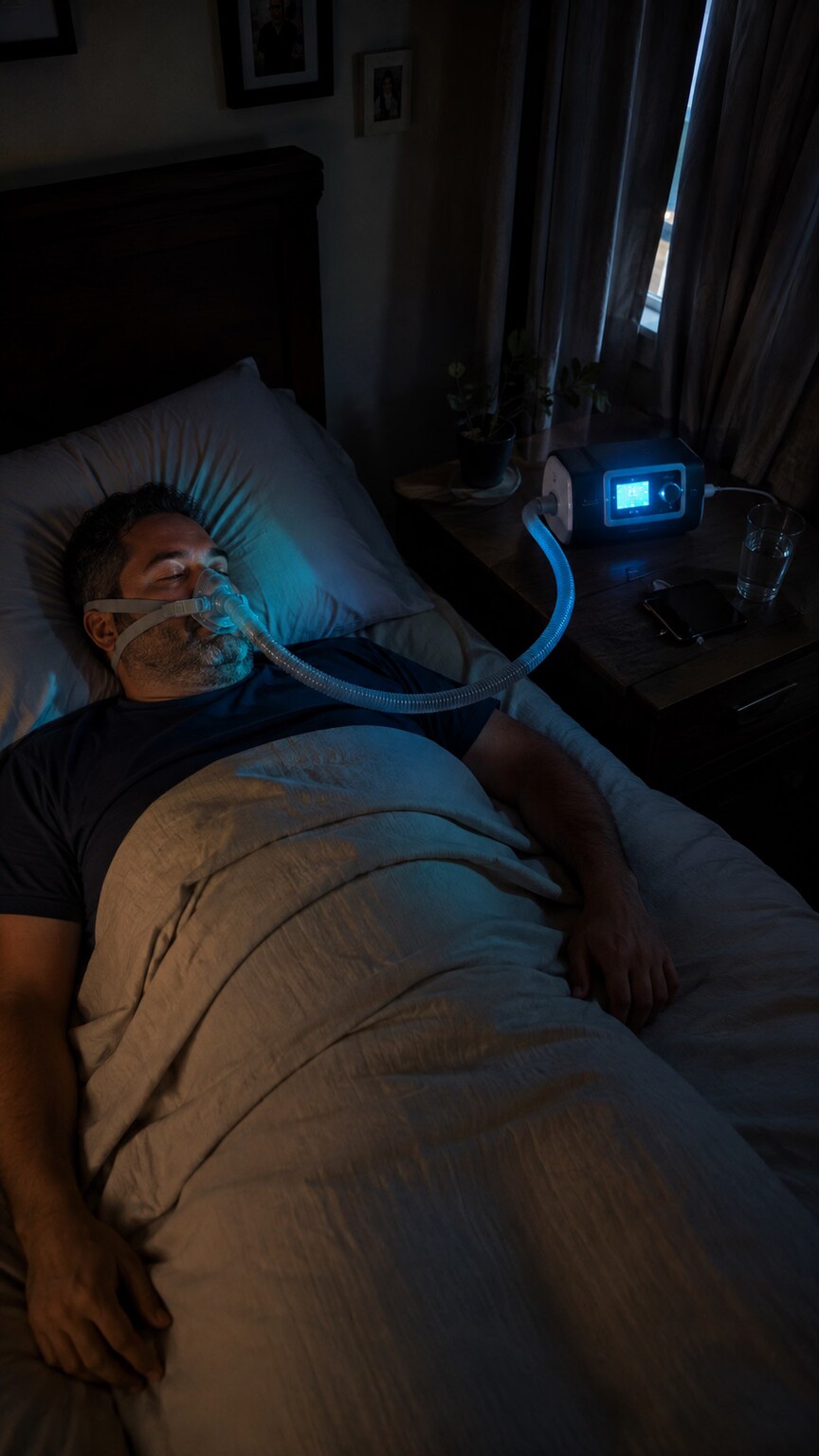
Figure 6. Obstructive sleep apnea, strongly linked to excess neck and abdominal fat, disrupts the overnight sleep stages during which the majority of daily testosterone is naturally produced.
There's a fourth mechanism that connects body fat and testosterone indirectly but powerfully, and it involves sleep. The majority of a man's daily testosterone production actually happens overnight, concentrated during specific deep-sleep and REM-sleep cycles, with levels naturally peaking in the early morning hours — part of why doctors specifically recommend drawing morning blood samples for testosterone testing, before that daily peak has declined. Obstructive sleep apnea, a condition where the airway repeatedly narrows or collapses during sleep, causing brief but frequent awakenings and drops in blood oxygen, is strongly associated with excess fat around the neck and upper airway, as well as abdominal obesity more broadly. When sleep apnea fragments those critical overnight sleep stages, the body never gets the sustained deep sleep window it needs to generate its normal testosterone output, and levels measured the next morning can be significantly lower than they would be with undisturbed sleep.
This creates a particularly frustrating compounding loop: excess fat increases the likelihood of sleep apnea, sleep apnea suppresses testosterone independently of the aromatase and leptin mechanisms already described, and lower testosterone in turn makes it harder to build muscle and easier to gain more fat, which can worsen sleep apnea further. Clinical studies have found that treating sleep apnea with continuous positive airway pressure (CPAP) therapy sometimes improves testosterone levels somewhat, though the effect is often modest on its own, since it addresses only one contributing thread out of several that are usually operating together in a man with both obesity and low testosterone. This is a large part of why an effective evaluation of low testosterone often includes a conversation about sleep quality and snoring, not just weight and diet.
How Obesity-Related Low Testosterone Differs From Ordinary Age-Related Decline
It's worth separating the pattern described throughout this article from the slow, steady testosterone decline that happens to essentially all men simply as a function of getting older, sometimes referred to informally, if imprecisely, as "andropause." Beginning around the age of 30, average testosterone levels drift downward gradually, typically by somewhere in the range of 1 to 2 percent per year, a change so gradual that most men never notice a specific turning point. This aging-related decline happens even in men who maintain a stable, healthy body weight throughout adulthood, and it stems primarily from a slow reduction in testicular output itself combined with a modest natural rise in SHBG that accompanies aging, which further lowers the free testosterone fraction over time.
Obesity-related low testosterone, by contrast, can appear at any age, including in men in their twenties and thirties, and it tends to progress considerably faster than the ordinary aging curve once significant visceral fat accumulates, since the aromatase and leptin-resistance mechanisms described earlier don't wait for a person to get older to take effect. Doctors typically try to distinguish between these two patterns, and rule out other specific causes entirely, by measuring luteinizing hormone (LH) and follicle-stimulating hormone (FSH) alongside testosterone. If LH and FSH are elevated while testosterone is low, the problem most likely originates in the testes themselves, a pattern called primary hypogonadism, which has different causes and isn't the pattern typically driven by excess body fat. If LH and FSH are low or inappropriately normal despite low testosterone, the problem lies further upstream, in the signal coming from the brain — a pattern called secondary hypogonadism, which is exactly the hormonal fingerprint most consistent with the fat-driven suppression mechanisms described in this article. This single distinction, more than the testosterone number alone, is often what tells a doctor whether weight is likely to be a meaningful contributing factor or whether a separate, unrelated medical cause needs to be investigated instead.
Can Losing Weight Actually Raise Testosterone Naturally?
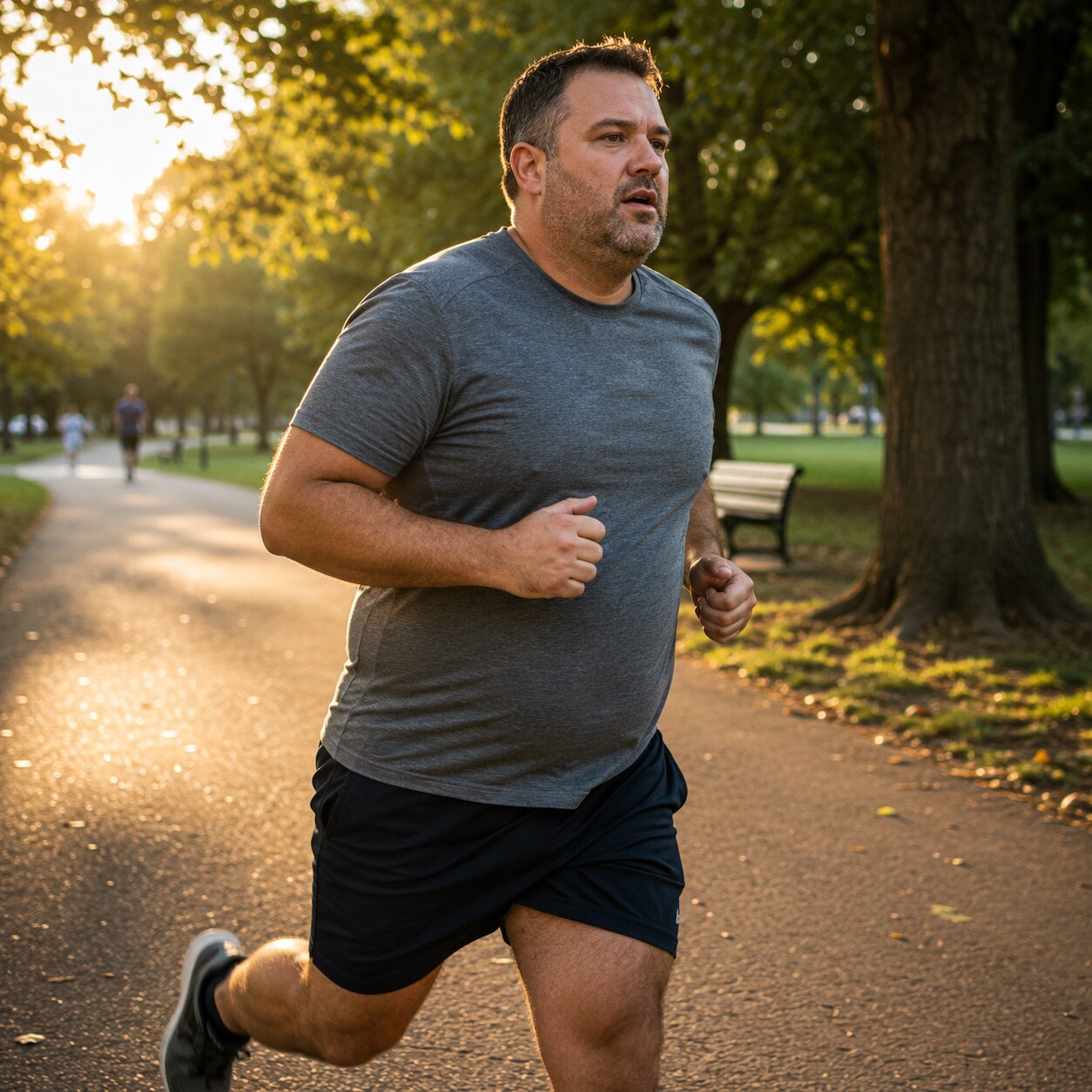
Figure 7. Meaningful, sustained weight loss — particularly loss of visceral fat — has been shown in multiple studies to raise total testosterone in men with obesity-related deficiency.
The encouraging side of this entire loop is that it isn't a one-way ratchet — the same mechanism working against a man can work in his favor once it's reversed. Multiple clinical studies, including research on men undergoing structured diet and exercise programs as well as those undergoing bariatric surgery for significant weight loss, have documented measurable increases in total testosterone following meaningful, sustained fat loss, particularly loss of visceral fat. The proposed explanation follows directly from everything described above: less fat tissue means less aromatase activity converting testosterone to estradiol, improved insulin sensitivity supports healthier SHBG production, reduced leptin resistance restores more normal signaling along the brain-to-testes pathway, and — for men whose sleep apnea improves alongside weight loss — better sleep supports the nightly testosterone production window as well.
The size of the improvement tends to scale with the amount of weight lost and, importantly, tends to be more pronounced in men whose low testosterone was primarily driven by excess weight in the first place, as opposed to men with a separate underlying medical cause of hypogonadism, a general term for testosterone deficiency caused by testicular or pituitary/hypothalamus dysfunction. This distinction matters clinically: weight loss is not a universal cure for low testosterone, but for a specific and fairly common subset of men — those with obesity-associated functional hypogonadism, where the testes and pituitary gland are structurally normal but suppressed by the mechanisms described throughout this article — it can meaningfully move the number, sometimes substantially, without medication. Resistance training in particular appears to offer some benefit beyond fat loss alone, since building and maintaining muscle mass supports the same metabolic and hormonal environment that favors healthy testosterone production.
When to Consider Testosterone Replacement Therapy vs. Addressing Weight First
Because obesity-related low testosterone and weight loss respond to each other, most clinical guidelines recommend that men with low testosterone and a high body mass index or large waist circumference attempt a structured period of weight loss and lifestyle change before starting testosterone replacement therapy (TRT), unless symptoms are severe or there's a separate identified medical cause requiring more immediate treatment. This isn't simply a cost-saving or conservative-first approach for its own sake — starting TRT without addressing the underlying weight can also work against the treatment itself in a subtle way. Because aromatase is still present and elevated in a man who hasn't lost fat, some of the extra testosterone provided through therapy continues to be converted into estradiol, meaning a portion of the treatment effect gets undermined by the very mechanism causing the original problem, occasionally leading to higher estrogen-related side effects than expected for the testosterone dose given.
That said, TRT and weight management aren't mutually exclusive, and for some men, the fatigue, low motivation, and muscle loss caused by significantly low testosterone make it genuinely difficult to start or sustain the exercise and dietary changes needed to lose weight in the first place — a real chicken-and-egg problem that a physician needs to evaluate individually rather than applying a blanket rule. The specific numbers on a lab report, the presence or absence of classic low-testosterone symptoms like persistent fatigue, reduced libido, or difficulty building muscle despite consistent training, and a full picture of related markers like SHBG, LH, and estradiol together — not total testosterone in isolation — are what actually guide this decision in a doctor's office.
When TRT is started in a man with significant excess weight, doctors will often monitor estradiol more closely than they would in a leaner patient, precisely because ongoing aromatase activity means a portion of the administered testosterone continues converting to estrogen throughout treatment. In some cases, this is managed simply by adjusting the testosterone dose or delivery method; in others, a physician may address weight and metabolic health in parallel with therapy rather than treating one as a prerequisite for the other. Either way, the underlying biology described throughout this article — that fat tissue and testosterone are constantly influencing one another — doesn't stop being relevant once a prescription is written, which is exactly why ongoing lab monitoring, not a single starting result, is what actually guides dose adjustments over time.
Practical Steps That Work on Both Sides of the Loop
Because the testosterone-fat relationship runs through several overlapping mechanisms rather than one single switch, the interventions that tend to help most are the ones that touch several of those mechanisms at once, rather than targeting just one in isolation. Resistance training — lifting weights or performing other exercise that builds and challenges muscle — does double duty: it directly stimulates the same muscle protein synthesis pathways that testosterone itself supports, and building additional muscle mass raises resting metabolic rate, making fat loss more sustainable over time than through diet changes alone. Research comparing resistance training to steady-state cardiovascular exercise for this specific purpose generally finds resistance training carries a modest edge for supporting testosterone, though a combination of both, alongside overall calorie control, tends to outperform either approach used in isolation.
Dietary quality matters largely through its effect on insulin sensitivity rather than through any single "testosterone-boosting" food. Diets that are lower in refined carbohydrates and added sugar and higher in fiber, vegetables, and adequate protein tend to improve insulin sensitivity over time, which supports healthier SHBG production and reduces the chronic low-grade inflammation associated with excess fat. Adequate but not excessive caloric intake matters too — very aggressive, prolonged calorie restriction can itself suppress testosterone temporarily, since the body interprets a significant, sustained energy deficit as a signal to conserve resources by downregulating reproductive hormone production, which is part of why gradual, sustainable weight loss tends to outperform extreme short-term dieting for this specific goal.
Alcohol is worth calling out specifically, since it interacts with this system through more than one pathway. Beyond its well-documented direct toxic effects on testicular tissue at high intake levels, alcohol also appears to increase aromatase activity somewhat and impairs liver function, and the liver plays a role in clearing excess estrogen from circulation — meaning heavier alcohol intake can compound the same estrogen-testosterone imbalance already being driven by excess fat tissue. Sleep hygiene, following directly from the sleep apnea mechanism described earlier, is another lever that's often overlooked relative to diet and exercise: consistently getting enough uninterrupted sleep, and being evaluated for sleep apnea if snoring or daytime fatigue are present, supports the nightly testosterone production window regardless of what's happening with body weight on a given week.
Timing expectations matters as much as the interventions themselves. Because testosterone responds to sustained changes in body composition rather than short-term fluctuations in weight, most clinicians recommend waiting at least three to six months of consistent effort before drawing conclusions from a repeat lab test, and reevaluating with a fresh morning blood draw rather than comparing against a single earlier result that may have been affected by that day's sleep, recent alcohol intake, or the time it was drawn. It's also worth tracking waist circumference alongside the scale over that period, since, as described earlier, it tracks more closely with the visceral fat that actually drives the hormonal changes than total body weight does on its own — a man who has lost a modest amount of weight but a disproportionate amount of waist circumference is often seeing more hormonal benefit than the scale number alone would suggest.
Frequently Asked Questions
Does losing belly fat specifically lower estrogen and raise testosterone faster than losing fat elsewhere?
The available evidence points in that direction. Because visceral (abdominal) fat carries a higher concentration of the aromatase enzyme than subcutaneous fat elsewhere on the body, reducing visceral fat specifically tends to have a more direct impact on lowering aromatase-driven estrogen conversion and, in turn, supporting testosterone recovery, compared to an equivalent amount of fat lost from areas like the hips or arms.
Can a thin or normal-weight man still have low testosterone caused by fat tissue?
Yes, though it's less common. A man with a normal overall weight can still carry a disproportionate amount of visceral fat around the midsection, a pattern sometimes described informally as being "thin outside, fat inside." Waist circumference and, when needed, imaging that distinguishes visceral from subcutaneous fat can identify this pattern even when body mass index looks unremarkable.
How much weight loss does it typically take to see a testosterone improvement?
Research doesn't point to one universal threshold, since it depends heavily on starting body composition and how much of the low testosterone was driven by weight in the first place, but studies generally show more meaningful hormonal improvement with substantial, sustained weight loss — often in the range of 5 to 10 percent of body weight or more — rather than small, short-term fluctuations.
Should I get my estradiol tested along with testosterone if I'm carrying excess weight?
It's a reasonable and increasingly common request. Because aromatase activity in fat tissue directly raises estradiol while suppressing testosterone, a combined panel gives a doctor a much clearer sense of whether excess fat is the primary driver, compared to total testosterone viewed on its own.
Does regular alcohol intake make the testosterone-fat cycle worse?
It can, through more than one pathway at once. Alcohol has direct effects on testicular tissue at higher intake levels, appears to modestly increase aromatase activity, and impairs the liver's ability to clear excess estrogen from circulation, which can compound the same imbalance already being driven by excess fat tissue.
Can diet changes alone lower estrogen from fat tissue without exercise?
Diet-driven weight loss alone can reduce fat mass and, with it, aromatase activity, but combining dietary changes with resistance training tends to produce better results, since building muscle raises resting metabolic rate and directly supports the same pathways testosterone itself relies on, making the improvement more durable over time.

Figure 8. A full hormone panel — testosterone, SHBG, estradiol, and LH together — gives a far clearer picture of whether excess body fat is driving a low result than total testosterone alone.
Conclusion
Taken as a whole, testosterone and body fat aren't two separate numbers that happen to trend in opposite directions with age — they're mechanically linked through aromatase, insulin resistance, leptin signaling, SHBG production, and even sleep quality, forming a loop that can tighten on itself for years without a clear single trigger. That same interconnection is also the reason the loop can be loosened, not just tightened: meaningful, sustained fat loss, especially loss of visceral fat around the abdomen, has been shown to genuinely raise testosterone in men whose low levels were driven primarily by excess weight, without necessarily requiring medication. Anyone looking at a testosterone result that seems lower than expected has good reason to look at the fuller picture alongside it — waist circumference, estradiol, SHBG, and sleep quality — rather than treating the testosterone number as a standalone verdict.
Still Not Sure What Your Results Mean?
Upload your labs and get a complete, visual, plain-language interpretation of every biomarker — delivered to your inbox in under 15 minutes.
Get My ReportThis article is for educational purposes only and does not constitute medical advice. Always consult your healthcare provider regarding your specific lab results.