
Why Is My Free Testosterone Low Despite Normal Total Testosterone?
It's one of the more frustrating experiences in lab medicine: you've had every symptom of low testosterone — low energy, low libido, trouble building or keeping muscle, a mood that feels flatter than it used to — and your total testosterone comes back "normal." No red flag, no follow-up call, nothing to act on. And yet the symptoms are real, and they don't go away just because a single number landed inside a reference range. In a meaningful share of these cases, the explanation isn't in your head and it isn't nothing — it's that total testosterone was never measuring what actually matters. Roughly 98% of the testosterone circulating in your blood at any given moment is chemically bound to carrier proteins and functionally unavailable to your tissues; only the small, unbound fraction, called free testosterone, is actually able to act on your cells. A protein called SHBG, short for sex hormone-binding globulin, is largely responsible for how much of your testosterone gets locked away versus left free to work, and when SHBG runs high, it's entirely possible to have a completely normal total testosterone number while your actual, usable, free testosterone sits well below where it should be. This article walks through exactly how that happens, what raises SHBG in the first place, how free testosterone is properly measured, and what it actually means for you if your total testosterone looks fine but you don't feel fine at all.
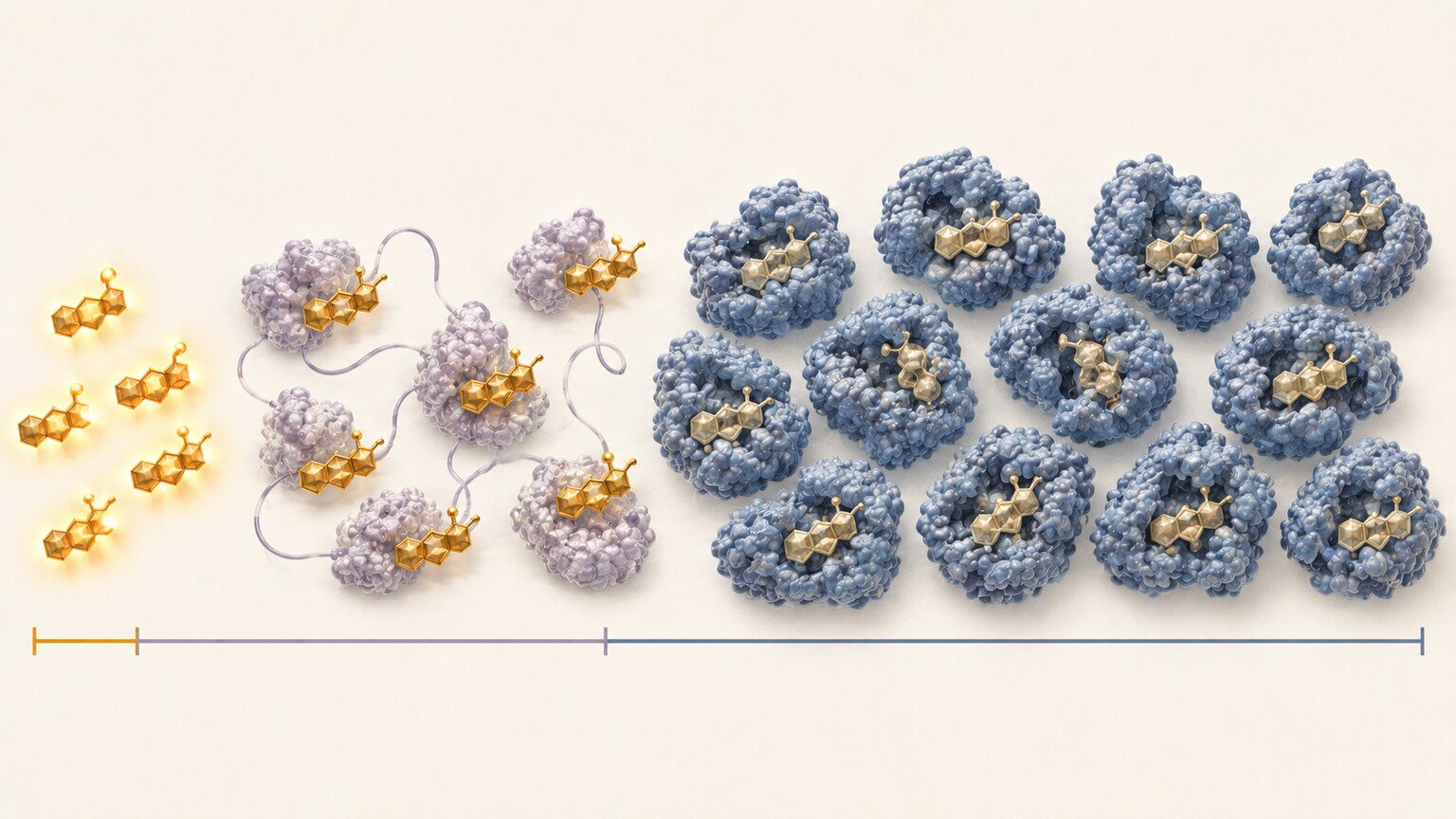
Figure 1. Of all circulating testosterone, roughly 2% is free, about 30% is tightly bound to SHBG, and the remaining 68% is loosely bound to albumin.
Already have a free testosterone number from a recent test, but not sure if it's actually good or bad for you? Just plug it in and see instantly.
🧮 Try the Free CalculatorWhat "Free" vs. "Total" Testosterone Actually Means
A standard total testosterone test measures every molecule of testosterone in a sample of your blood, regardless of what state it's in — whether it's floating freely, loosely attached to a protein called albumin, or tightly locked onto SHBG. Think of it like counting every dollar in a bank's vault without checking which bills are actually available to spend versus which ones are physically bolted to the shelving as part of a display: the total count is accurate, but it tells you almost nothing about what's actually usable. In a typical adult man, only around 2% of total testosterone circulates in this truly free, unbound state; another roughly 30% is loosely bound to albumin, a protein that releases its cargo easily enough at the tissue level that this portion is often considered "bioavailable" alongside the free fraction; and the remaining 68%, roughly two-thirds of everything measured on a total testosterone test, is tightly bound to SHBG, held in a molecular grip strong enough that it isn't readily available to enter cells and activate androgen receptors.
This matters because testosterone can only do its job — supporting libido, energy, muscle maintenance, mood, and dozens of other functions — once it reaches an androgen receptor inside a target cell, and SHBG-bound testosterone largely can't get there. This is why free testosterone, small as it sounds, is often considered the more physiologically meaningful number, particularly in situations where something is actively changing how much SHBG is circulating in the blood. Total testosterone remains a useful, standard first-line test precisely because it's cheaper, more widely available, and reflects free testosterone reasonably well under normal conditions — but "normal conditions" is doing a lot of work in that sentence, and this article is largely about what happens when that assumption breaks down.
It's worth clarifying who this specific gap tends to matter most for. Total testosterone and SHBG-driven mismatches are most commonly discussed in the context of adult men, since that's where the bulk of the clinical research and testing guidance has focused, and it's the framing used throughout the rest of this article. The same underlying biology, testosterone circulating partly free and partly bound to SHBG and albumin, applies to women as well, where testosterone plays a smaller but still meaningful role in energy, libido, and muscle maintenance; the practical difference is mainly that reference ranges, testing conventions, and the specific conditions that shift SHBG have been studied and standardized far more thoroughly in men, which is why this article speaks primarily to that population.
The Role of SHBG: The Protein That Locks Testosterone Away
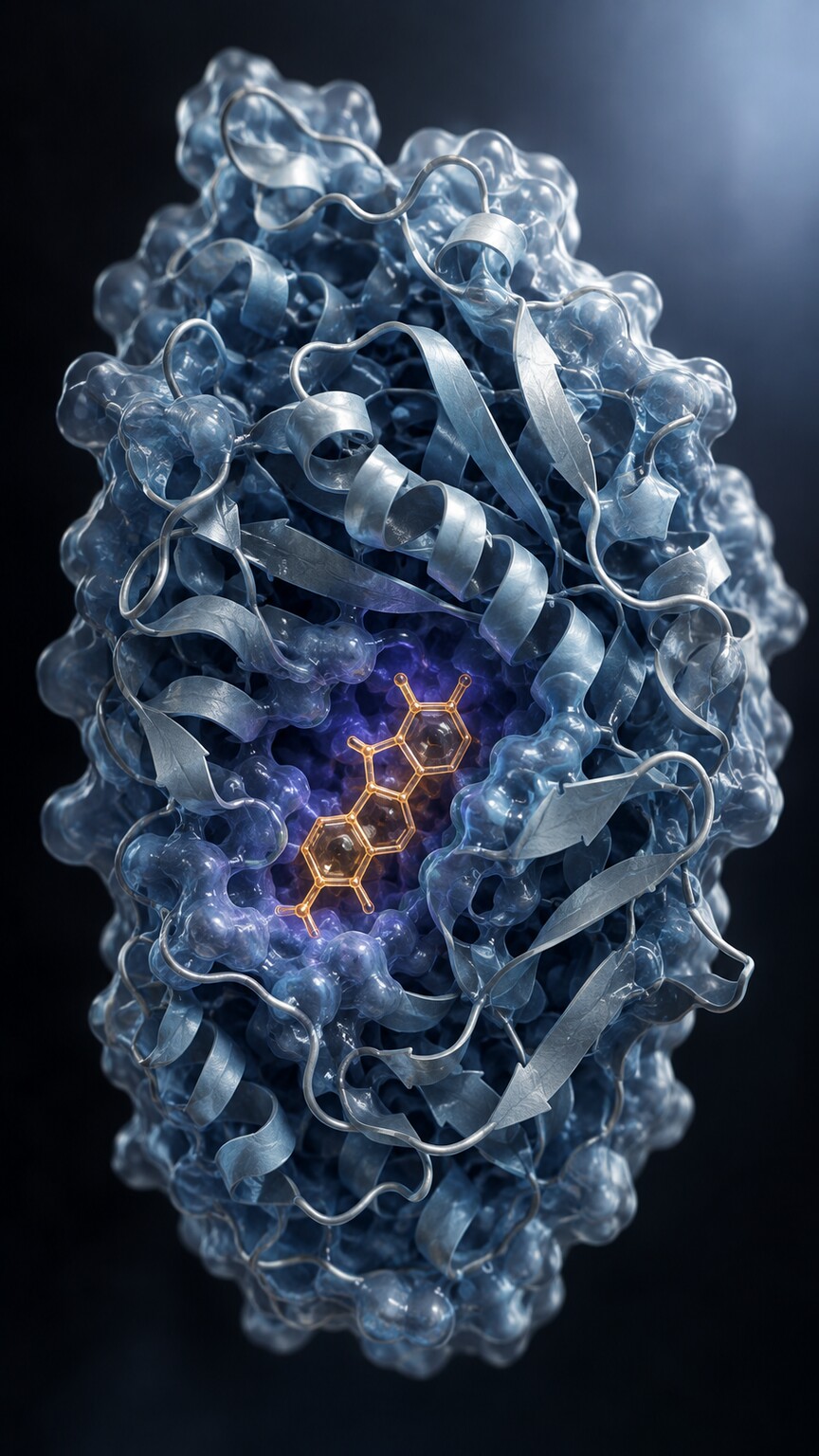
Figure 2. SHBG is produced primarily by the liver and binds testosterone with high affinity, holding it in a form largely unavailable to tissues.
SHBG is a protein produced mainly by the liver and released into the bloodstream, where its specific job is to bind sex hormones — primarily testosterone and estradiol — with high affinity, meaning it grips onto them tightly once bound. This isn't inherently a problem; SHBG is a completely normal, necessary part of hormone physiology, acting as a kind of circulating reservoir and buffer that helps stabilize hormone levels and control how much is available to tissues at any given moment. The issue arises when SHBG production itself shifts, because SHBG isn't a fixed, unchanging number — it rises and falls in response to age, thyroid status, liver health, body composition, and certain medications, and because it directly determines what fraction of your testosterone gets locked away, any of those shifts can change your free testosterone without your total testosterone moving in the same direction, or moving at all.
The liver produces more SHBG when it senses certain hormonal or metabolic signals — thyroid hormone and estrogen both stimulate SHBG production, for instance, while insulin tends to suppress it. This is worth sitting with for a moment, because it explains why two people can have identical total testosterone results and completely different clinical pictures: if one person's SHBG happens to be running high, a larger share of their testosterone is locked up and unavailable, leaving less free testosterone to actually reach their tissues, even though the total count in their blood looks the same as someone whose SHBG is running lower and who therefore has more of that same total amount actually free to work.
Why Total Testosterone Can Look Normal While Free Testosterone Is Low
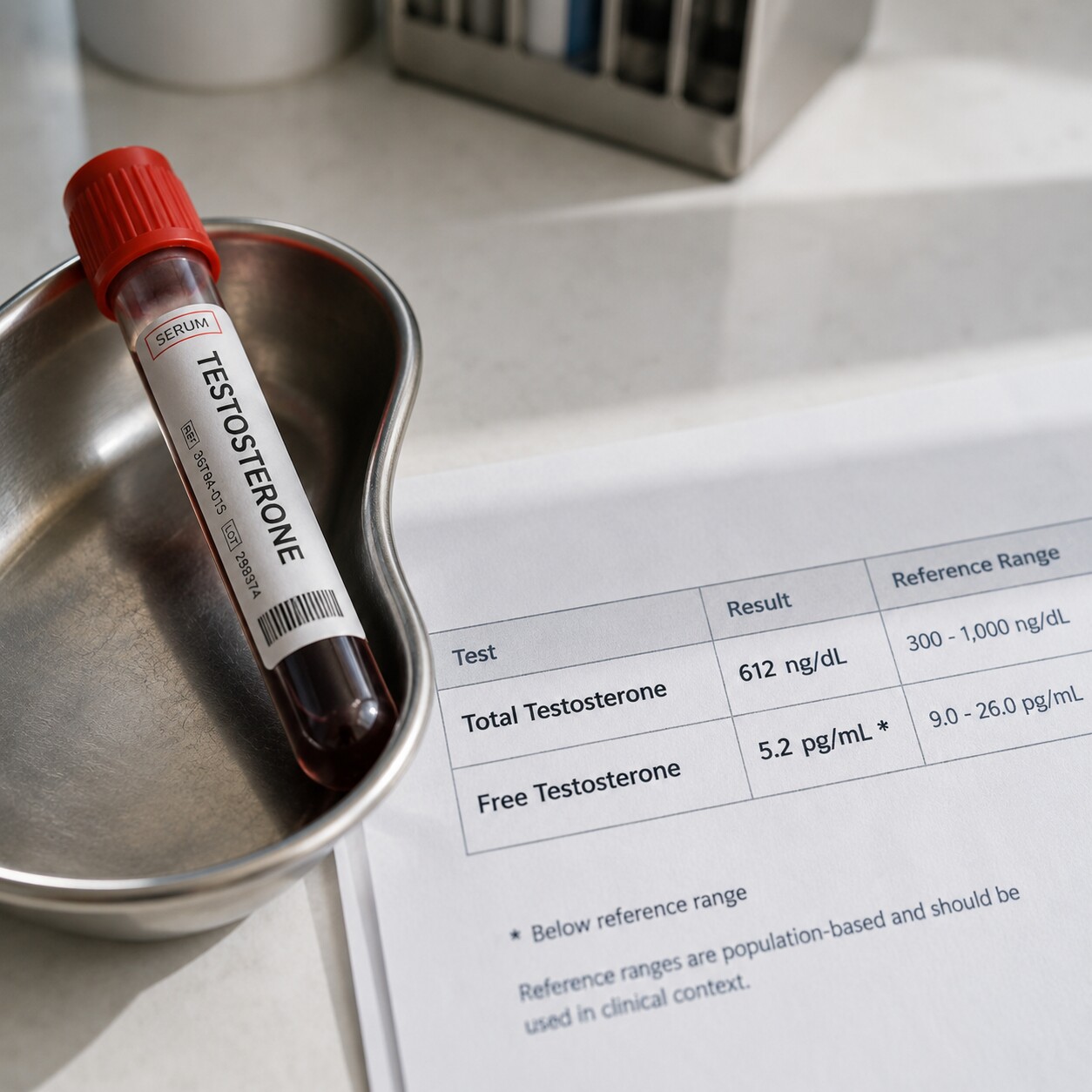
Figure 3. A total testosterone result sitting comfortably in the normal range can mask a free testosterone value that's actually below where it needs to be.
Picture two men with an identical total testosterone of 500 nanograms per deciliter, comfortably within most labs' normal range. The first has a typical SHBG level, so of that 500, a normal share ends up free and bioavailable — plenty to support normal function. The second has an elevated SHBG, so a larger-than-usual share of that same 500 gets bound up and taken out of circulation functionally, leaving him with meaningfully less free testosterone than the first man, despite an identical total result. On paper, both men look the same. In practice, only one of them has enough usable hormone reaching his tissues, and the other may be dealing with real symptoms of low testosterone that a total-only test will never catch, because the number it reports simply isn't sensitive to what SHBG is doing behind the scenes.
This is precisely why clinical guidance increasingly recommends checking SHBG, or a calculated free testosterone derived from it, specifically in situations where total testosterone comes back normal or borderline-low but the clinical picture — symptoms, physical exam, patient history — still points toward possible hypogonadism, the medical term for a body producing or making available less testosterone than it should. A total testosterone test alone was never designed to catch this particular scenario; it simply wasn't built to distinguish between "enough total hormone with a normal free fraction" and "enough total hormone with an abnormally small free fraction," because both situations produce the exact same total number.
What Raises SHBG in the First Place
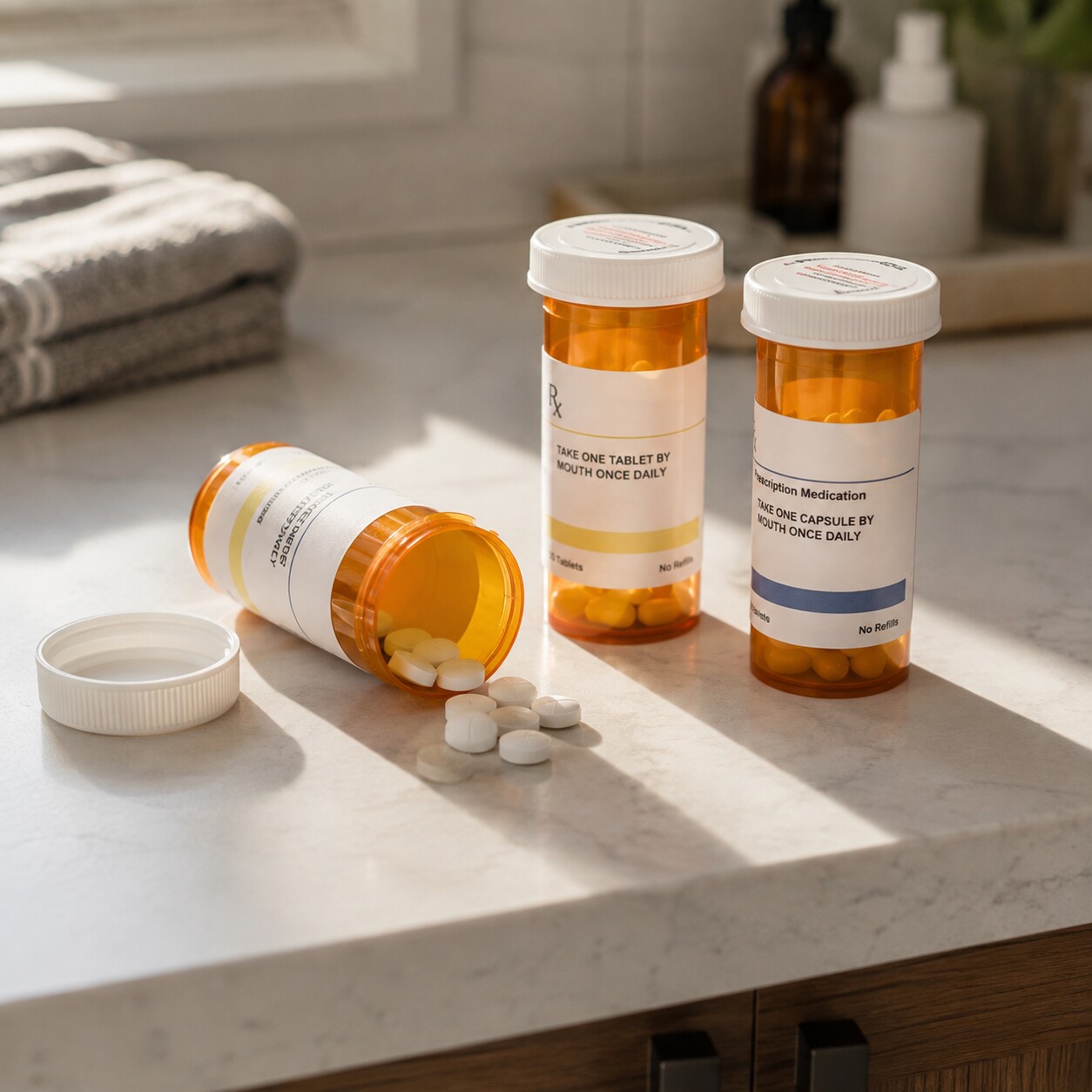
Figure 5. Oral estrogen therapy and certain anti-seizure medications are among the most well-documented drug-related causes of elevated SHBG.
Several well-documented factors push SHBG upward, each working through a different mechanism, and any of them can be enough on its own to create a meaningful gap between total and free testosterone. Age is one of the most consistent: SHBG rises gradually and predictably across adulthood, which is part of why free testosterone tends to decline more steeply with age than total testosterone does — a man's total testosterone might drop only modestly over a couple of decades, while his free testosterone falls considerably further, precisely because more of what remains is getting bound up by his rising SHBG. Thyroid status is another significant driver, and the direction matters: hyperthyroidism, an overactive thyroid, characteristically raises SHBG, while hypothyroidism, an underactive thyroid, tends to lower it — meaning an unexplained SHBG elevation is sometimes the first clue that leads a clinician to check thyroid function in the first place.
Liver health plays a role as well, though not always in the direction people expect. Cirrhosis, a severe, advanced form of liver scarring, is associated with elevated SHBG, likely reflecting changes in how the damaged liver processes and clears hormones and proteins. Certain medications are well-established SHBG-raising agents too, and it's worth naming them specifically since this is one of the more actionable items on this list: oral estrogen therapy, including some forms of hormone therapy and certain oral contraceptives, is a particularly strong and well-documented SHBG-raising agent, considerably more so than transdermal estrogen delivered through a patch or gel, which largely bypasses the liver's first-pass processing and therefore raises SHBG far less. Anti-seizure medications, especially carbamazepine and phenytoin, are similarly well-established SHBG-raising agents through their effects on liver enzyme activity, and certain other drugs metabolized extensively through the liver can produce the same effect to varying degrees. Being significantly underweight or having very low body fat is another recognized cause, since body composition itself influences the hormonal signals that regulate SHBG production. Because SHBG can rise for so many distinct, unrelated reasons, an elevated SHBG result is genuinely useful information on its own — it's a signal worth investigating, not just a technical variable to correct for when interpreting a testosterone number, and reviewing your current medication list with a prescriber is a reasonable, low-effort first step if an SHBG-raising drug happens to be part of your regimen.
The Age Curve: Why Free Testosterone Falls Faster Than Total
Aging deserves its own closer look, because it's the single most common reason total and free testosterone drift apart, affecting essentially every man to some degree simply as a function of getting older. Longitudinal studies tracking testosterone across adulthood have consistently found that total testosterone declines gradually, typically estimated at around 1% to 2% per year starting in a man's thirties or forties — a slow, modest slope that many men never notice as a single dramatic drop. SHBG, meanwhile, tends to rise at a steeper relative pace across the same decades, and because free testosterone is mathematically dependent on both total testosterone and SHBG together, a rising SHBG compounds directly on top of a falling total testosterone, producing a free testosterone decline that outpaces the total testosterone decline by a meaningful margin over the same stretch of years.
This is part of why some of the more subtle, gradual symptoms of low testosterone tend to show up in a man's fifties, sixties, and beyond even when his total testosterone, checked against a reference range built largely from a broader adult population, still reads as technically within range. The reference range itself is part of the issue: a "normal" total testosterone range for adult men typically isn't adjusted specifically for age-related SHBG changes, meaning a result that looks unremarkable when compared against the full adult range may represent a genuinely more significant drop in free, usable testosterone for that specific individual than the total number alone would suggest. This is exactly the kind of scenario where checking SHBG directly, rather than relying on total testosterone as a stand-in for the full picture, tends to be most clinically informative.
How Free Testosterone Is Actually Measured — and Why Some Tests Are Unreliable
Not all "free testosterone" results are created equal, and this is one of the more important, least-discussed parts of this topic. The gold-standard method for directly measuring free testosterone is called equilibrium dialysis, a precise but labor-intensive laboratory technique that physically separates free hormone from protein-bound hormone before measuring it. Because equilibrium dialysis is expensive and slow, most commercial labs instead report a calculated free testosterone, derived mathematically from total testosterone, SHBG, and albumin using a validated formula, most commonly one developed by researcher Alex Vermeulen and colleagues. This calculated value correlates strongly with true equilibrium dialysis measurements and is generally considered clinically reliable when the underlying total testosterone and SHBG inputs are accurate.
What clinicians specifically caution against is a third option: so-called "direct" free testosterone immunoassays, a faster, cheaper test format that claims to measure free testosterone directly without the calculation step. These direct assays have repeatedly been shown in research to be inaccurate, particularly at the low end of the range where clinical decisions actually get made, and multiple professional endocrine organizations have specifically advised against relying on them. If you've had a "free testosterone" test and aren't sure which method was used, it's a genuinely worthwhile question to bring back to whoever ordered it — a calculated free testosterone using the Vermeulen formula, or a true equilibrium dialysis result, carries meaningfully more clinical weight than a direct immunoassay result, and the difference isn't a minor technicality when the number is being used to guide a real decision about your health.
Why Testing Itself Requires Care: Timing, Fasting, and Daily Variation
Even a perfectly reliable free testosterone measurement can be misleading if it isn't drawn under the right conditions, because testosterone doesn't sit at a fixed level throughout the day — it follows a predictable daily rhythm, peaking in the early morning hours shortly after waking and gradually declining through the afternoon and evening, sometimes dropping by 20% or more from morning to evening in the same person on the same day. Because of this, standard guidance calls for testosterone testing, total or free, to be drawn in the morning, typically before 10 a.m., specifically to capture the peak of that daily rhythm and allow for a consistent, comparable result across different testing occasions. A testosterone level drawn in the afternoon can read meaningfully lower than the same person's true morning baseline, entirely independent of anything related to SHBG, which is why a single afternoon result showing "low" testosterone isn't necessarily the final word without a properly timed morning repeat.
Beyond time of day, testosterone can also be temporarily suppressed by acute illness, significant recent stress, poor sleep, or intense exercise in the immediate period before a blood draw, none of which reflect a person's stable, baseline hormonal status. This is part of why a single low result, whether total or free, is typically confirmed with a second morning measurement before being treated as a genuine, ongoing finding rather than a temporary dip — a standard, sensible precaution that applies just as much to free testosterone and SHBG as it does to total testosterone alone.
Symptoms That Point to Low Free Testosterone Even With a "Normal" Total Number

Figure 4. Fatigue, low libido, and mood changes can reflect genuinely low free testosterone even when the total testosterone result reads within range.
The symptoms associated with low free testosterone are the same as those generally associated with low testosterone overall, because it's the free fraction doing the actual biological work regardless of what the total number says: persistent fatigue that doesn't improve with rest, reduced libido or sexual function, difficulty building or maintaining muscle mass despite consistent training, increased body fat particularly around the midsection, low mood or a flattened emotional range, brain fog or difficulty concentrating, and reduced motivation. None of these symptoms are unique to low testosterone on their own — they overlap heavily with thyroid problems, depression, poor sleep, and simple overtraining — which is exactly why they're so easy for both patients and clinicians to attribute to something else entirely once a total testosterone result comes back "normal" and seemingly closes the book on the hormonal explanation.
The practical lesson here isn't that every case of fatigue or low libido is secretly a free testosterone problem — most aren't, and other causes deserve real consideration too. It's that a normal total testosterone result, on its own, doesn't fully rule out a functional testosterone deficiency, and if the symptom picture is strong and persistent, asking specifically about SHBG and calculated free testosterone is a reasonable, evidence-supported next step rather than an unusual or excessive one.
This overlap with other common conditions is exactly why a careful workup matters rather than jumping straight to a hormonal explanation or dismissing one prematurely. Thyroid dysfunction, iron deficiency, sleep apnea, depression, and chronically poor sleep can all produce a strikingly similar cluster of fatigue, low mood, and reduced motivation, and a thorough evaluation typically considers several of these possibilities together rather than testing for just one and stopping there. What makes the total-versus-free testosterone distinction particularly worth raising, though, is that it's frequently the one possibility that gets silently ruled out too early, simply because a total testosterone result already came back "normal" and nobody thought to look one layer deeper at what SHBG was doing underneath that number.
Why Doctors Increasingly Check SHBG and Calculated Free T Together
Professional guidance in this space has shifted meaningfully in recent years, moving away from treating total testosterone as a self-sufficient gatekeeper test and toward a more layered approach. Current recommendations from major endocrine and sexual medicine bodies specifically call for checking SHBG, or a calculated free testosterone, in men whose total testosterone comes back normal or borderline-low but who have a clinical presentation consistent with hypogonadism — rather than stopping the workup at the total testosterone result alone. This shift reflects a broader recognition that total testosterone was always an imperfect proxy for what actually matters biologically, useful as a first pass but not sufficient as a final answer in every case.
In practice, this means a more complete initial hormone workup increasingly includes total testosterone alongside SHBG, with a calculated free testosterone derived from the two, particularly in men with any of the SHBG-altering conditions discussed earlier: notable age, known thyroid disease, liver conditions, use of SHBG-affecting medications, or significant changes in body weight. This isn't about ordering more tests reflexively — it's about ordering the specific additional test that actually answers the question a total-only result can't, precisely in the situations where the two are most likely to diverge from each other.
It's a genuinely useful mental model to think of total testosterone, SHBG, and free testosterone as three related but distinct pieces of information rather than one number standing in for all three. Total testosterone tells you how much hormone your body is producing overall; SHBG tells you how much of that hormone is currently accessible to your tissues versus locked away; and free testosterone, whether calculated or directly measured, combines both of those facts into the single number that most closely reflects what your body actually has available to work with day to day. A workup that only ever orders the first of these three, especially in someone with a plausible reason for their SHBG to be running unusually high or low, is answering only one-third of a question that has three moving parts.
Common Misconceptions Worth Clearing Up
Because free testosterone and SHBG have become popular topics in fitness and wellness circles, a few persistent misconceptions are worth addressing directly. The first is the idea that certain supplements, most commonly boron or stinging nettle root extract, can reliably "free up" testosterone that's currently bound to SHBG, sometimes marketed explicitly as SHBG-lowering supplements. Some small studies have found modest effects on SHBG or free testosterone with these compounds, but the overall evidence base remains limited, inconsistent across studies, and far from the kind of large, well-controlled trial data that would support a confident recommendation — meaning these supplements shouldn't be treated as a proven or reliable way to meaningfully correct a genuine SHBG-driven free testosterone problem, even though they're widely sold with that specific implication.
A second misconception involves at-home testing. A growing number of consumer finger-prick or saliva-based kits advertise "free testosterone" results processed at home or through a mail-in lab, but these formats generally rely on the same kind of direct immunoassay technology already flagged earlier in this article as unreliable at the low end of the range, and saliva testosterone measurement in particular has its own separate validation concerns that make it a poor substitute for a properly drawn blood sample analyzed with a validated method. A convenient result isn't the same as an accurate one, and a concerning or confusing at-home result is generally worth confirming with a standard blood draw and a calculated free testosterone rather than acted upon directly. Finally, it's worth repeating that an elevated SHBG or a low free testosterone, on its own, isn't automatically abnormal or dangerous — it's a data point that needs interpreting in the context of symptoms and the rest of a person's health picture, the same way any other single lab value would be.
Other Conditions That Can Lower SHBG — the Opposite Problem
It's worth briefly covering the reverse scenario, both because it's clinically relevant and because it clarifies how directly SHBG drives this whole relationship. Obesity, insulin resistance, and type 2 diabetes are all associated with lower SHBG, largely because higher circulating insulin suppresses the liver's SHBG production. When SHBG runs low, a larger share of total testosterone ends up free rather than bound, which can occasionally produce the mirror-image scenario: a total testosterone result that reads low or borderline-low while free testosterone remains closer to normal, because less of what's there is being locked away. Metabolic-associated fatty liver disease has similarly been linked to lower SHBG in research, distinct from the SHBG-raising effect seen in more advanced cirrhosis, underscoring that liver health can push SHBG in either direction depending on the specific condition and its severity.
This matters practically because it means SHBG isn't a variable that only ever needs correcting in one direction. Someone with obesity or insulin resistance and a low-normal total testosterone result may actually have adequate or even relatively higher free testosterone once SHBG is accounted for — while someone with a completely different set of conditions raising their SHBG can have the opposite mismatch. In both cases, the underlying lesson is the same: total testosterone alone, without knowing what SHBG is doing, only tells part of the story. It also helps explain a pattern that can otherwise seem contradictory: significant, intentional weight loss in a man with obesity sometimes coincides with a rising total testosterone level on repeat testing, not necessarily because his testes are producing more hormone, but because improving insulin sensitivity through weight loss allows SHBG to normalize, which shifts how much of his existing testosterone gets reported as "total" versus how it's distributed between bound and free — a reminder that testosterone results, in either direction, are rarely explained by a single isolated factor.
Why This Also Matters for Men Already on Testosterone Therapy
This total-versus-free distinction isn't only relevant to the initial diagnostic question of whether someone has low testosterone in the first place — it also matters for men already on testosterone replacement therapy, where monitoring typically relies heavily on total testosterone levels drawn at specific intervals after a dose. Because testosterone therapy itself can influence SHBG, and because the starting SHBG someone brings into treatment varies from person to person for all the reasons already discussed, two men on an identical testosterone dose can end up with very different free testosterone levels despite similar total testosterone results on therapy. A man who continues to feel undertreated despite a total testosterone level that looks adequate on paper, or conversely someone with a total level that looks high but continues to feel unusually symptomatic, may be dealing with an SHBG-driven mismatch that a total-only monitoring approach won't reveal — another practical scenario where checking SHBG and calculated free testosterone alongside total levels adds real, decision-relevant information rather than being an unnecessary extra step.
This is also part of why dose adjustments on testosterone therapy are rarely made from a single number in isolation, even when that number is total testosterone. A prescriber weighing whether a dose is genuinely adequate typically wants the fuller picture: how the person actually feels, whether symptoms have meaningfully improved, and, increasingly, what SHBG and calculated free testosterone show alongside the total result, rather than treating the total number as a simple pass-or-fail threshold on its own.
What to Do If Your Total Testosterone Is Normal But You Still Feel Low
If you've had a total testosterone test come back normal despite real, persistent symptoms, the most useful next step isn't necessarily another total testosterone test — it's asking specifically for SHBG to be measured alongside it, so a calculated free testosterone can actually be derived using a validated formula rather than guessed at. It's worth bringing the specific factors covered in this article into that conversation if any apply to you: your age, any known or suspected thyroid issue, liver health, medications you're taking, and recent changes in weight or body composition, since any of these can meaningfully shift SHBG in one direction or the other. If a free testosterone result has already come back, it's also worth confirming how it was measured — a calculated value using total testosterone, SHBG, and albumin, or true equilibrium dialysis, carries far more clinical weight than a direct immunoassay result, for the reasons discussed earlier. It's also worth double-checking that the original sample was drawn in the morning, given how much testosterone naturally shifts over the course of a single day, since an afternoon draw can muddy the picture regardless of what SHBG happens to be doing.
None of this is a substitute for an actual clinical evaluation, and low free testosterone, once genuinely confirmed, still needs to be interpreted alongside symptoms, a physical exam, and sometimes repeat testing before any treatment decision gets made, since testosterone naturally fluctuates and a single low result is rarely acted on in isolation. But understanding that "normal total testosterone" and "adequate usable testosterone" aren't automatically the same thing is often the missing piece that turns a dismissed, unexplained set of symptoms into a specific, answerable clinical question, rather than a vague sense that something is off with no clear next step available.
Frequently Asked Questions
If my total testosterone is normal, is there any point in checking free testosterone?
Yes, particularly if you have symptoms of low testosterone or a condition known to raise SHBG, such as advancing age, thyroid disease, liver disease, or certain medications. A normal total testosterone doesn't rule out a low free testosterone if SHBG happens to be elevated.
What is SHBG and why does it matter for a testosterone test?
SHBG, or sex hormone-binding globulin, is a liver-produced protein that binds testosterone tightly, making it unavailable to tissues. Roughly two-thirds of total testosterone is bound to SHBG, so changes in SHBG directly affect how much testosterone is actually free and usable.
Are all "free testosterone" lab tests equally reliable?
No. Calculated free testosterone using the Vermeulen formula, or free testosterone measured by equilibrium dialysis, are considered reliable. Direct free testosterone immunoassays have repeatedly been shown to be inaccurate, especially at low values, and most professional guidelines advise against relying on them.
What commonly raises SHBG and lowers free testosterone?
Aging, hyperthyroidism, cirrhosis, oral estrogen therapy, and certain anti-seizure medications like carbamazepine and phenytoin are all well-documented causes of elevated SHBG, which reduces the free, bioavailable fraction of testosterone.
Can low SHBG also cause a problem?
Yes, in the opposite direction. Conditions like obesity, insulin resistance, and type 2 diabetes tend to lower SHBG, which can occasionally make total testosterone read low or borderline while free testosterone remains closer to normal.
Does it matter what time of day I get my testosterone drawn?
Yes. Testosterone follows a daily rhythm, peaking in the early morning and declining through the day, sometimes by 20% or more by evening. Standard guidance calls for testing before 10 a.m. to get an accurate, comparable result.
I'm already on testosterone therapy — does free testosterone still matter?
Yes. SHBG can vary between individuals on the same testosterone dose, meaning two men with similar total testosterone results on therapy can have different amounts of usable free testosterone. Checking SHBG alongside total levels can help explain persistent symptoms during treatment.
Conclusion
A normal total testosterone result is genuinely reassuring information, but it was never designed to be the final word on whether your body has enough usable testosterone reaching its tissues — that job belongs to the free fraction, and the free fraction depends heavily on what SHBG happens to be doing at the time of your test. Age, thyroid status, liver health, certain medications, and body composition can all shift SHBG up or down independently of total testosterone, which is exactly how two people with identical total results can end up with meaningfully different amounts of testosterone actually available to their cells. If your total testosterone looks fine but your symptoms don't match that reassurance, asking specifically for SHBG and a properly calculated free testosterone is a reasonable, well-supported next step — not an unusual request, but the specific test this exact situation was designed to answer. Understanding this one distinction — that "total" and "available" are not automatically the same thing — is often enough to turn a confusing, dismissed lab result into a clear, specific next question worth bringing back to a healthcare provider.
Still Not Sure What Your Results Mean?
Upload your labs and get a complete, visual, plain-language interpretation of every biomarker — delivered to your inbox in under 15 minutes.
Get My ReportThis article is for educational purposes only and does not constitute medical advice. Always consult your healthcare provider regarding your specific lab results.