
Why Is My Testosterone Level Fluctuating Between Tests?
If your testosterone came back at 480 ng/dL in March and 610 ng/dL in June, your body probably didn't change nearly as much as those two numbers suggest — testosterone is one of the most naturally variable values in a standard lab panel, and a swing of 20 to 30 percent between two otherwise normal tests is common, expected, and usually meaningless on its own. The hormone isn't released in one steady stream the way glucose sits in your blood between meals; it's pumped out in irregular bursts, follows a daily rhythm tied to sleep and sunlight, dips after a poor night's sleep or a stressful week, and even shifts depending on what time your blood was actually drawn. Add in real differences between labs and testing methods, and it becomes clear why two "normal" results can look meaningfully different without anything being medically wrong. This article walks through every documented reason testosterone moves between tests — biological, behavioral, and technical — and explains what actually separates ordinary noise from a result worth following up on.

Figure 1. Testosterone is not secreted continuously — it is released in irregular pulses driven by GnRH bursts from the hypothalamus, which is why a single blood draw only captures one moment inside a constantly moving signal.
Testosterone Isn't a Steady Number — It's Released in Pulses
To understand why two testosterone tests can disagree, it helps to understand how the hormone actually gets made in the first place, because the process was never designed to produce a flat, constant number. Deep in the brain, a small structure called the hypothalamus releases a hormone called gonadotropin-releasing hormone, or GnRH, and it doesn't drip out steadily — it fires in short, irregular pulses, roughly every 90 minutes to a few hours, with the exact timing shifting from hour to hour. Each pulse of GnRH tells the pituitary gland, a pea-sized structure sitting just beneath the brain, to release its own burst of luteinizing hormone, or LH, which then travels through the bloodstream to the testes and tells specialized cells there — called Leydig cells — to produce and release a burst of testosterone in response.
Because this entire chain is pulse-driven rather than continuous, blood testosterone concentration doesn't sit at one flat value throughout the day the way, say, your resting heart rate might hover in a narrow band. Instead, it rises and falls in a jagged pattern as each pulse works its way through the system, with peaks and valleys that can differ by a meaningful margin even within the same hour. A single blood draw is essentially a snapshot of wherever that jagged line happens to be at the exact moment the needle goes in — draw blood near a recent pulse and the number reads higher; draw it during a lull between pulses and the same person, on the same morning, could show a noticeably lower result. This single mechanical fact, more than anything else in this article, is the foundation for why testosterone testing is inherently noisier than tests for things like sodium or creatinine, which the body actively holds within a tight, stable range at all times.
A useful way to picture this is to think of testosterone secretion less like a faucet left running at a constant trickle, and more like a series of separate pours from a pitcher — each pour raises the water level in the glass for a while before it gradually drains back down, and the next pour arrives at some irregular interval later. If you dip a measuring cup into that glass right after a pour, you'll read a higher number than if you dip it in during the lull just before the next one arrives, even though the person doing the pouring hasn't changed how much water they're using overall. Blood testosterone works the same way: the underlying average output can be perfectly normal and stable, while any single measurement still lands somewhere along that rising-and-falling curve rather than at one fixed point.

Figure 2. Testosterone follows a daily circadian rhythm, peaking shortly after waking and declining through the day, which is why identical blood draws taken at different hours rarely match.
The Circadian Rhythm: Why the Time of Day You're Tested Matters So Much
Layered on top of that pulse-by-pulse noise is a much larger, more predictable pattern: testosterone follows a daily circadian rhythm, the same internal 24-hour clock that governs sleep, body temperature, and cortisol. Levels are highest in the early morning, typically peaking somewhere between roughly 6 and 8 a.m. in most men, and then decline steadily through the day, often landing 20 to 30 percent lower by late afternoon compared to that morning peak. By evening, testosterone can sit meaningfully below where it was just twelve hours earlier in the very same person, with no illness, stress, or hormonal problem involved at all — it's simply the body's built-in daily rhythm doing exactly what it's supposed to do.
This is precisely why every major clinical guideline on testosterone testing, including the Endocrine Society's, specifically instructs that blood should be drawn in the morning, generally before 10 a.m., and ideally in a fasting state. A test drawn at 8 a.m. is measuring the hormone near its daily high point; the same person tested again at 4 p.m. on a different visit is being measured near its daily low point — and the two results can look like a real change in health when they're actually just two different points on the same predictable daily curve. This single scheduling detail is one of the most common, and most fixable, reasons two testosterone results from the same man don't match: they were simply never drawn at comparable times to begin with.
The circadian pattern also tends to flatten with age. Younger men typically show a sharper morning peak and a more pronounced decline through the day, while the rhythm becomes somewhat blunted in older men, whose testosterone curve is flatter overall. This doesn't make timing less important for older men — it actually makes consistent morning testing more important, since a blunted rhythm combined with generally lower baseline levels leaves less room for timing errors to be absorbed without meaningfully shifting the number reported on the lab slip.
Already have a testosterone number from a recent test, but not sure if it's actually good or bad for you? Just plug it in and see instantly.
🧮 Try the Free CalculatorReal Day-to-Day Biological Variability, Even at the Same Hour
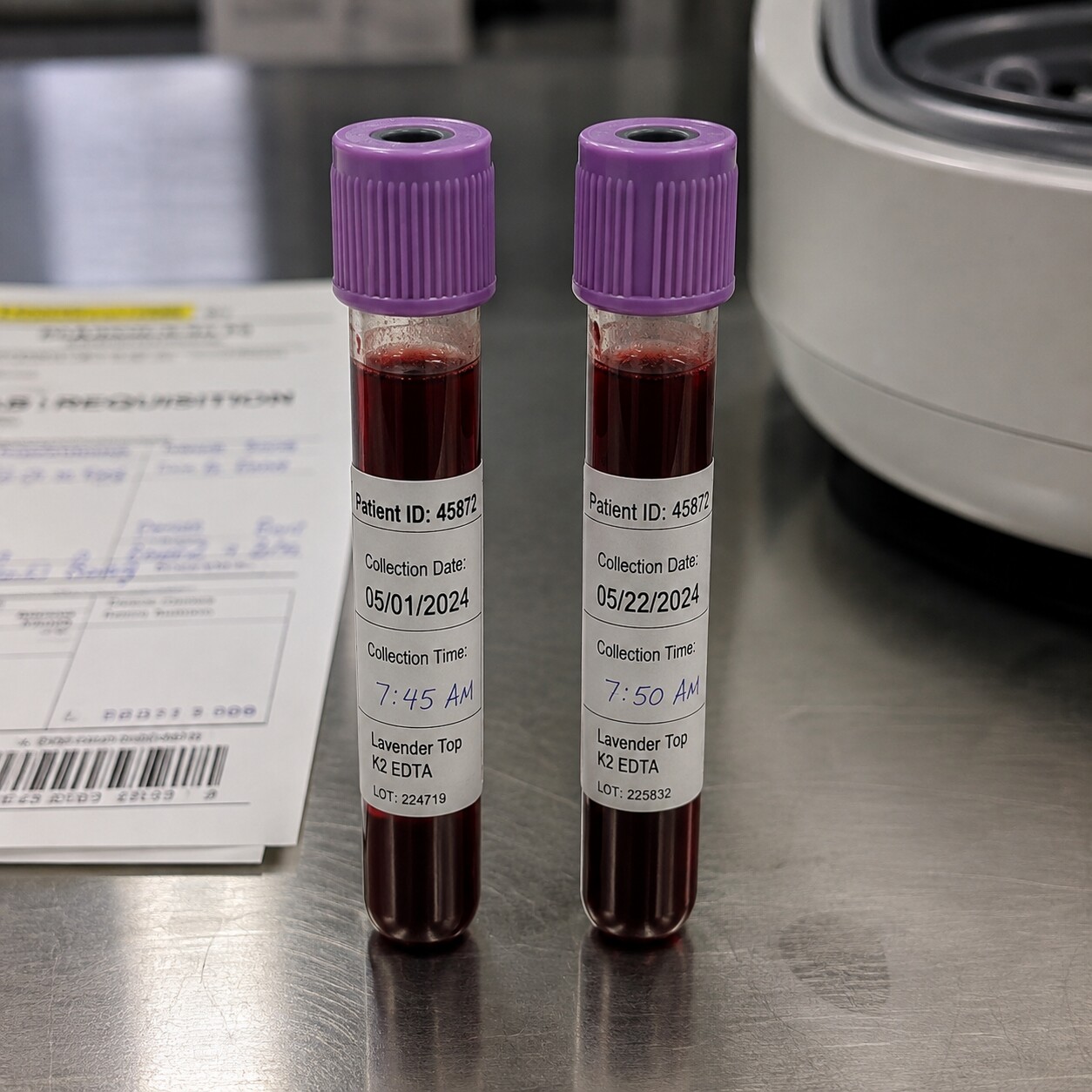
Figure 3. Studies drawing testosterone from the same men at the same morning hour on different days still find swings of roughly 20 to 30 percent, confirming the variability isn't only about clock time.
Even after controlling for time of day, researchers have found that testosterone still isn't especially reproducible from one day to the next in the same healthy man. Studies that draw morning fasting samples from the same participants on separate days — same hour, same fasting state, same lab — routinely find coefficient-of-variation figures in the range of 20 to 30 percent between visits. In plain terms, that means a man with a "true" average testosterone of 500 ng/dL could reasonably show anywhere from roughly 400 to 600 ng/dL on any given morning purely from ordinary day-to-day biological noise, without any change in his underlying hormonal health at all.
This biological noise comes from several overlapping sources working at once: the pulsatile secretion pattern described earlier means the exact pulse timing relative to the blood draw differs by chance each day; recent sleep quality, physical activity, and stress the day before testing all leave a residual mark on the following morning's number; and even subtle, unmeasured shifts in hydration or recent food intake can nudge concentrations slightly. None of these factors individually explains the full swing, but together they add up to genuine, well-documented variability that exists in every healthy man, not just ones with a diagnosed hormonal condition. This is exactly why a single testosterone result, drawn once, is treated by endocrinology guidelines as a data point to be confirmed — not a final verdict — and why repeat testing before diagnosing low testosterone isn't excessive caution, it's a direct response to how noisy this specific hormone naturally is.

Figure 4. A single night of shortened or fragmented sleep can measurably lower the following morning's testosterone reading, since most daily production is concentrated during specific overnight sleep stages.
Sleep the Night Before Really Does Change the Number
Of all the short-term factors that move a single testosterone result, sleep the night before testing is one of the most powerful and most frequently overlooked. The majority of a man's daily testosterone output is generated overnight, concentrated during specific deep-sleep and REM cycles, building toward that early-morning peak described earlier. When sleep is cut short, fragmented by frequent waking, or skipped almost entirely — a late flight, a newborn at home, a stressful night before a scheduled lab appointment — that overnight production window shrinks, and the morning testosterone level drawn the next day can come in measurably lower than it would after a normal night's rest.
Controlled sleep-restriction research has shown this effect directly: healthy young men limited to roughly five hours of sleep for just one week showed daytime testosterone levels reduced by 10 to 15 percent compared to their own baseline after normal sleep, and the effect reversed once normal sleep resumed. This means the specific night before a blood draw — not a person's general sleep habits over months — can meaningfully shape that single morning's result. A man who normally sleeps well but happened to sleep poorly the night before one particular test, and then slept normally before a repeat test weeks later, could reasonably see a real difference between the two results that has nothing to do with any underlying hormonal problem and everything to do with those two specific nights.
Chronic, ongoing sleep problems — untreated obstructive sleep apnea being the most clinically significant example — act differently than a single rough night: rather than causing test-to-test noise, they tend to suppress the overall baseline consistently, night after night, which is a separate and generally more persistent pattern than the short-term fluctuation this article is mainly focused on. The practical distinction matters: a one-off low result following one bad night is a timing artifact likely to resolve on its own with a repeat test after normal sleep, while a low result that stays low across multiple well-rested mornings points toward something more consistent that deserves its own evaluation, including a conversation about sleep quality and possible sleep apnea screening.
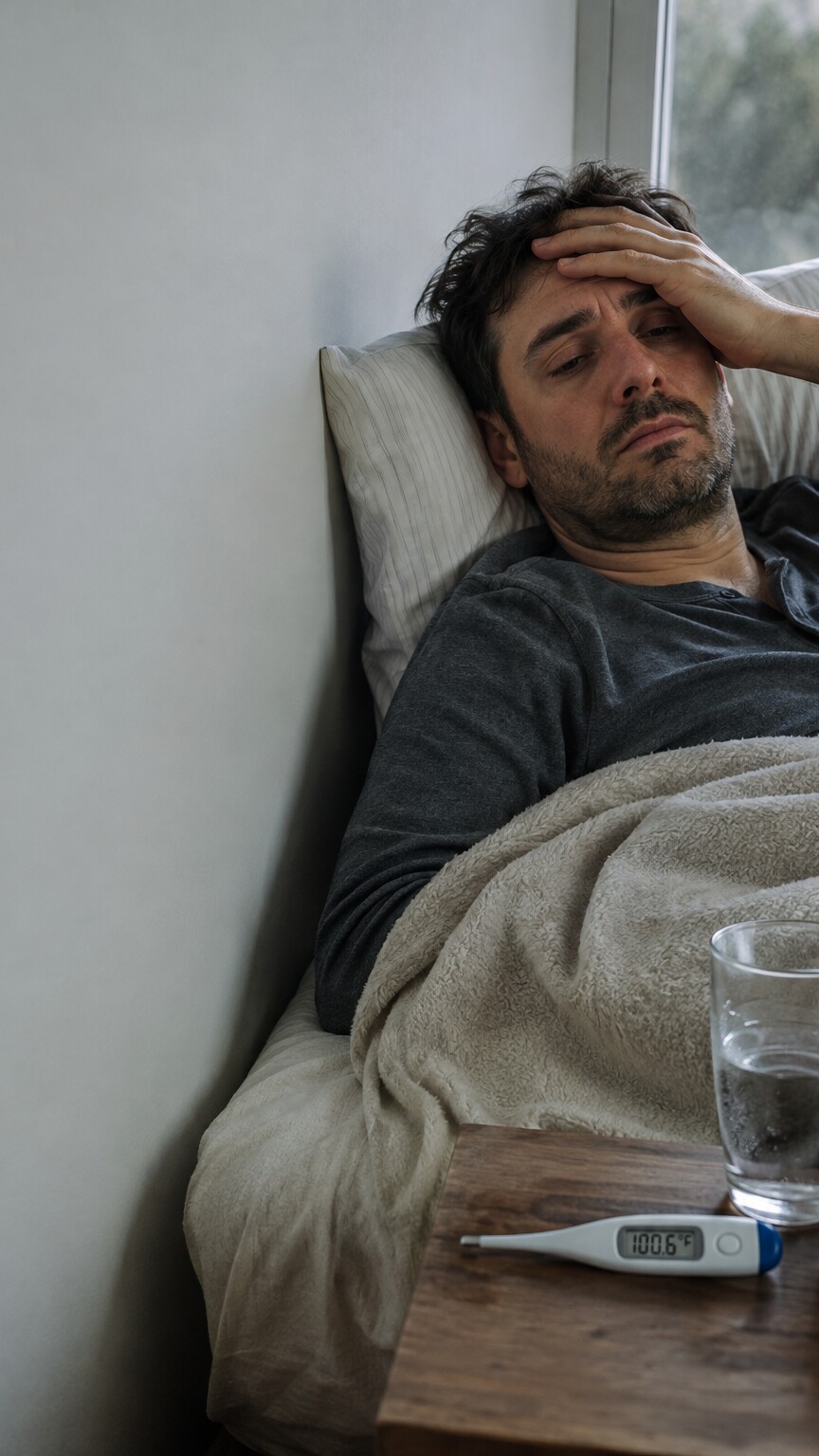
Figure 5. Acute illness triggers a temporary, well-documented drop in testosterone as the body's inflammatory and stress-hormone response takes priority over reproductive hormone signaling.
Being Sick, Stressed, or Recently Injured Temporarily Lowers the Number
Any significant physical stress on the body — a fever, a bad cold, food poisoning, a recent surgery, even a stressful work deadline stacked with poor sleep — can produce a real, measurable, but temporary drop in testosterone. This happens through a well-studied phenomenon sometimes informally called the "sickness response": during acute illness or injury, the immune system releases inflammatory signaling proteins called cytokines, and these cytokines directly suppress signaling along the same brain-to-testes pathway described earlier, reducing GnRH and LH pulses and, with them, testosterone output. At the same time, the body's stress-hormone system ramps up cortisol production, and elevated cortisol independently blunts testosterone release as part of the body's broader strategy of redirecting resources toward immediate survival and immune defense rather than reproductive function.
This effect can be substantial even from illnesses that feel relatively minor. A man tested during or shortly after a bad cold, a stomach bug, or a stressful acute event can show testosterone meaningfully below his usual baseline — sometimes well below the normal reference range temporarily — purely as a result of that short-term physiological state, with levels returning to their prior baseline within one to several weeks once the illness or acute stressor resolves. This is a large part of why clinical guidelines specifically advise against testing testosterone during an active acute illness, and why a surprisingly low result obtained while someone was sick, recovering from a procedure, or under unusual acute stress is generally not treated as a reliable reading of that person's true baseline — it needs to be repeated once things have settled.
This same mechanism, at a smaller scale, explains why chronic, ongoing psychological stress can produce a more persistent version of the same effect rather than just a one-time dip. Sustained high cortisol from an extended period of poor sleep, overwork, grief, or another ongoing stressor keeps that same suppressive pressure on the brain-to-testes signaling chain applied continuously rather than for just a few days, and testosterone measured during a genuinely difficult stretch of life can run consistently lower than it would during a calmer period, even without any acute illness involved. Recognizing this distinction matters clinically: a low result tied to an identifiable stretch of major life stress often improves once that stress resolves, which is a meaningfully different situation from a persistently low result that shows up regardless of how life happens to be going at the time.

Figure 6. A single intense workout produces a brief testosterone spike that fades within hours, while very heavy training loads in the preceding days can instead lower the following morning's reading.
Exercise, Recent Ejaculation, and Other Same-Day Behaviors
What a person does in the hours and days immediately before a blood draw can shift the result in either direction, depending on the specific activity. A single bout of intense resistance or high-intensity exercise triggers an acute testosterone spike that peaks shortly after the workout and fades over the following few hours — so a man tested right after an intense gym session isn't seeing his resting baseline, he's seeing an exercise-elevated number that will settle back down well before the next morning. The opposite pattern shows up with very heavy, prolonged training loads sustained over several consecutive days, such as during an intense training block or endurance event: overtraining of this kind has been associated with a drop in resting testosterone the following morning, likely tied to elevated cortisol and cumulative physical stress rather than any single workout.
Recent ejaculation is another commonly asked-about factor, and the research on it is mixed and generally shows, at most, a modest and short-lived effect — some small studies have found a brief dip in testosterone in the minutes to hours immediately following ejaculation, while others have found no significant change at all. Whatever effect exists appears to resolve quickly, well within the same day, so it's a minor consideration at most compared to the much larger effects of sleep, illness, and time-of-day discussed elsewhere in this article, though some clinicians still recommend abstaining for a day or so before a test simply as an easy, low-cost way to remove one more variable from the equation.
Meals and alcohol matter as well, through a shared underlying mechanism: eating, particularly a carbohydrate-heavy meal, triggers a rise in insulin, and higher circulating insulin has been shown to acutely suppress testosterone for a period of hours afterward — part of why fasting morning testing is the clinical standard rather than an arbitrary preference. Alcohol consumed the evening before a test can compound this further, since even moderate drinking has measurable acute effects on the hormonal signaling pathway from brain to testes, on top of disrupting the sleep architecture already shown to affect the following morning's number.
SHBG Shifts and Why Total Testosterone Isn't the Whole Picture
Part of what makes two testosterone results look inconsistent has less to do with testosterone production itself and more to do with how much of it is actually free to be measured as "active." Most testosterone circulating in the blood is bound to a carrier protein made by the liver called sex hormone-binding globulin, or SHBG, and testosterone attached to SHBG is essentially locked away, unavailable to bind receptors in tissue. Standard total testosterone tests measure both the bound and unbound fractions together as one combined number, which means anything that shifts how much SHBG is circulating can shift the reported total testosterone value even if the amount of testosterone the testes are actually producing hasn't changed at all.
SHBG itself isn't a fixed number — it moves in response to several factors, including body weight and insulin sensitivity, thyroid hormone levels, liver function, and even recent changes in diet. A man who has lost or gained a meaningful amount of weight, started or stopped a medication that affects the liver, or experienced a shift in thyroid function between two testosterone tests could show a genuinely different total testosterone reading driven substantially by an SHBG change rather than by any difference in testicular hormone output. This is one reason a full picture — SHBG alongside total testosterone, and sometimes a calculated or directly measured free testosterone value — gives a much steadier, more interpretable read on hormonal status than tracking total testosterone alone across multiple visits, especially in a man whose weight or health status has shifted meaningfully between tests.
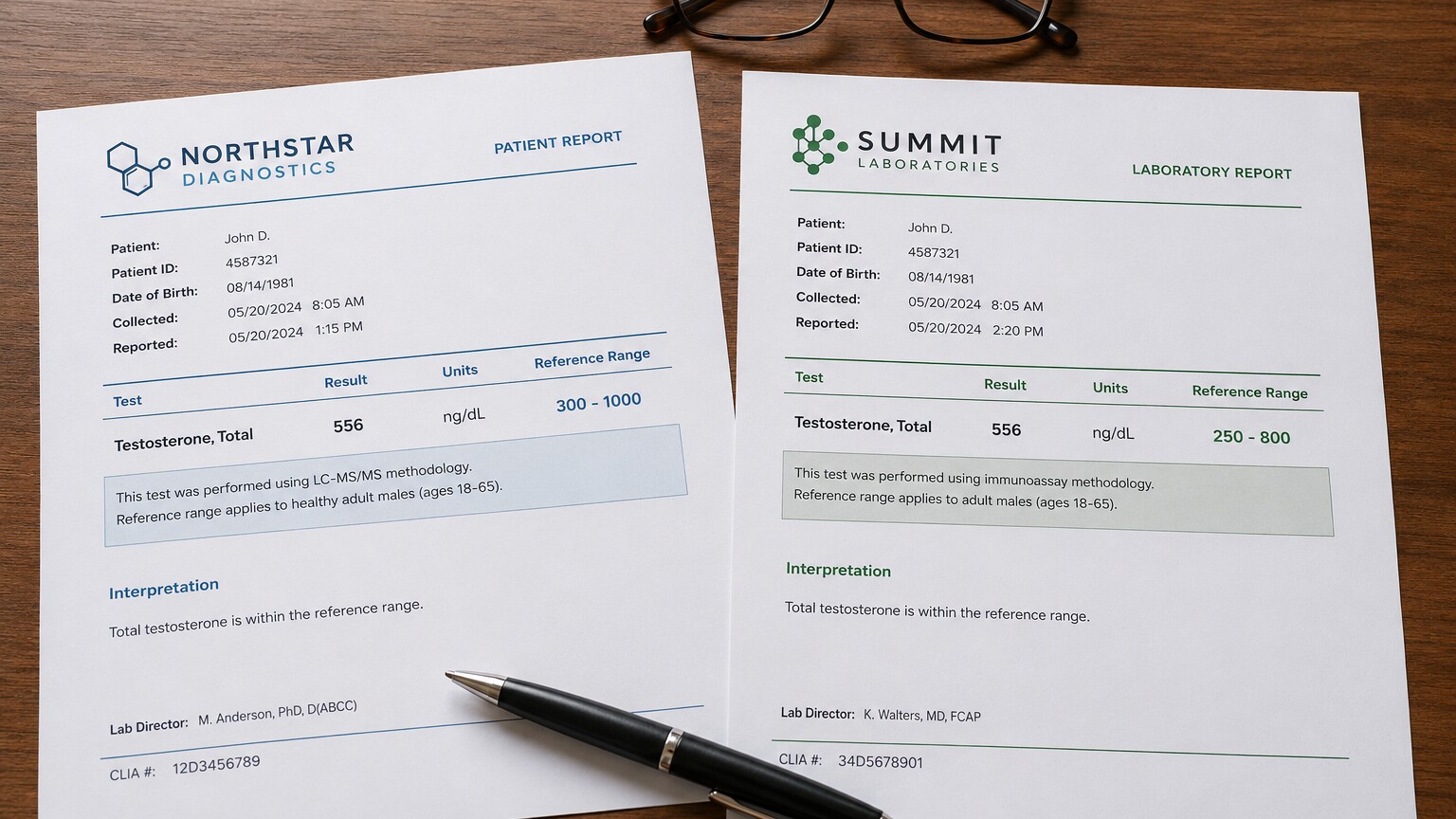
Figure 7. Different laboratories use different testing methods and reference ranges for testosterone, so two results from two different labs can differ even when drawn under identical conditions.
Medications, Supplements, and Substances That Add Extra Noise
Beyond behavior and biology, a number of substances a person may be taking — sometimes without thinking of them as relevant to a hormone test at all — can shift testosterone readings between visits. Opioid pain medications are among the most significant: they act directly on the same brain signaling pathway that governs GnRH and LH release, and even short courses of opioids taken for something like post-surgical pain or a back injury have been shown to suppress testosterone meaningfully within days, an effect that reverses once the medication is stopped. A man tested while on a short course of prescription painkillers, and then retested weeks later once he'd finished the prescription, could see a substantial rebound in his number that has nothing to do with his underlying hormonal health and everything to do with which medication was in his system on each testing day.
Oral corticosteroids, commonly prescribed for conditions ranging from asthma flares to poison ivy to autoimmune disease, work similarly: they suppress the same hypothalamic-pituitary signaling chain, and even a short burst of prednisone can measurably lower testosterone for the duration of the course and for some time afterward. Anabolic-androgenic steroid use, whether currently active or discontinued months earlier, has an especially pronounced and sometimes lasting effect — supplying external testosterone or similar compounds shuts down the body's own natural production through the same negative-feedback loop that regulates testosterone under normal conditions, and depending on the duration and dose used, natural production can take anywhere from several weeks to well over a year to fully recover, meaning a "low" result long after stopping isn't necessarily inconsistent with a healthy man's baseline — it may simply reflect an axis still in the process of restarting.
Several other substances contribute smaller but still real effects. Regular, heavy marijuana use has been associated with modestly lower testosterone in some studies, though the research is mixed and the effect size is generally smaller than with opioids or corticosteroids. Certain psychiatric medications, some blood pressure medications, and drugs that raise prolactin — a pituitary hormone that, when elevated, independently suppresses the same GnRH-LH-testosterone chain described earlier — can also nudge results in ways unrelated to a person's baseline hormonal status. None of this means every medication needs to be stopped before testing, which usually isn't practical or safe, but it does mean that a genuinely useful comparison between two testosterone results requires knowing whether the same medications, supplements, and substances were on board for both draws — a detail that's easy to overlook but can explain what otherwise looks like an unexplained swing.
The Lab Itself: Assay Method, Reference Ranges, and Real Technical Variability
Even when every biological and behavioral variable is controlled — same time of day, same fasting state, same night of good sleep — two testosterone results can still differ simply because they were measured by two different laboratories using two different methods. Most routine testosterone testing in the United States uses a technique called immunoassay, which is fast and inexpensive but has known accuracy limitations, particularly toward the lower end of the male reference range, where different immunoassay platforms have been shown to produce meaningfully different results on the exact same blood sample. A smaller number of labs use liquid chromatography-tandem mass spectrometry, often shortened to LC-MS/MS, a more precise and specific method considered the gold standard by professional endocrinology societies, but one that isn't universally available and costs more to run.
Beyond the testing method itself, each laboratory also sets and periodically updates its own reference range based on its own instrument, its own reagents, and the population used to establish "normal," which is why the printed normal range on one lab report doesn't always match the printed normal range on another. A result of 380 ng/dL might sit just inside the low end of the range printed on one report and just below the low end printed on another — not because the biology changed, but because two different labs draw the reference line in slightly different places. For this reason, endocrinology guidelines specifically recommend, when a result is borderline or a trend over time genuinely matters, having follow-up tests run at the same laboratory using the same method whenever practical, so that any change observed reflects an actual change in the body rather than a difference in measurement technique layered on top of it.
How Doctors Actually Interpret a Fluctuating Result
Given everything described above, clinical guidelines don't treat a single testosterone number as diagnostic on its own, and neither should a patient trying to make sense of two different results. The Endocrine Society's clinical practice guideline specifically recommends confirming any low testosterone result with a second morning, fasting sample before making a diagnosis of testosterone deficiency, precisely because the combination of pulsatile secretion, circadian rhythm, and day-to-day biological noise described throughout this article makes a single measurement an unreliable basis for a decision that could lead to ongoing treatment. In practice, this usually means two separate blood draws, ideally at the same laboratory, both collected before roughly 10 a.m. after a normal night's sleep, with the results considered together rather than either one in isolation.
When interpreting a set of fluctuating results, a physician is generally looking for a consistent pattern rather than a single outlier: does the number stay in a similar range across multiple well-controlled morning draws, or does it swing wildly even under similar conditions? Was one particularly low or high result associated with an identifiable explanation — a recent illness, a rough night of sleep, a workout beforehand, a different lab or collection time? Are other related values, like SHBG, LH, and estradiol, telling a consistent story alongside the testosterone number, or does the total picture look inconsistent in a way that raises a genuine question worth investigating further? A pattern of results that stays broadly consistent once testing conditions are standardized is reassuring, even if the individual numbers aren't identical, while a pattern that stays persistently low across multiple well-controlled tests — not just one — is what generally prompts further evaluation for an underlying cause. In practice, most physicians won't act decisively on the very first number at all; they'll ask when it was drawn, how the patient slept the night before, whether anything unusual — illness, a new medication, a heavy training block — was going on around that time, and only then decide whether a repeat draw is even necessary before discussing next steps.
Symptoms matter alongside the numbers, too, and good clinical practice weighs them together rather than treating the lab value as the entire story. A man with a borderline-low but fluctuating testosterone result who feels well, sleeps normally, has normal energy and libido, and has no other concerning signs is generally managed very differently from a man showing the same borderline number alongside persistent fatigue, low libido, loss of muscle mass, or other classic symptoms of testosterone deficiency. In the first case, a physician may reasonably attribute the low reading to one of the many sources of noise covered throughout this article and simply repeat testing under better-controlled conditions; in the second, the combination of a low, reproducible number and a matching symptom picture carries more diagnostic weight and may prompt a broader workup, including LH, FSH, and prolactin, to help identify where in the signaling chain the problem is actually originating.
Practical Steps to Get a More Reliable Reading
Because so much of the variability described in this article comes from testing conditions rather than an underlying health problem, there's a fair amount a person can do to make repeat testosterone results more directly comparable to each other. Scheduling every test before 10 a.m., after fasting overnight, is the single highest-impact step, since it removes the circadian swing that alone can account for a 20 to 30 percent difference between a morning and afternoon draw. Getting a normal night of sleep beforehand, avoiding an intense workout in the hours immediately prior, skipping alcohol the night before, and not testing during or immediately after an acute illness each remove one more layer of avoidable noise from the result.
Where practical, using the same laboratory for follow-up testing removes the assay and reference-range variability discussed above, and asking a physician whether a repeat draw makes sense — particularly for a result that's borderline, unexpectedly high, or unexpectedly low relative to how a person actually feels — is a reasonable and clinically supported request rather than an overreaction. Keeping a simple written note of the date, approximate time, fasting status, and how the previous night's sleep went alongside each result can also make it much easier, months or years later, to tell whether a change in the number reflects a change in testing conditions or something that genuinely deserves a closer look.
It's also worth mentioning medications and substances explicitly when a test is ordered, rather than assuming they're irrelevant to a hormone panel. A short course of opioids for a dental procedure, a steroid taper for a sinus infection, a recently started blood pressure medication, or even a recent change in marijuana use are all details a physician can factor into how much weight to place on a given result — and volunteering them upfront, rather than waiting to be asked, often saves an unnecessary round of confusion or an unneeded follow-up test. The overall goal across every one of these practical steps is the same: not to chase a perfect number, but to make each testosterone result as directly comparable to the next one as reasonably possible, so that any real change stands out clearly against a quiet, controlled background instead of getting lost in avoidable noise.
Frequently Asked Questions
How much can testosterone normally change between two tests taken a few weeks apart?
Even under well-controlled conditions — same morning hour, fasting, same lab — studies find normal day-to-day variability in the range of 20 to 30 percent in the same healthy man. A change within that range doesn't necessarily indicate any real shift in hormonal health.
Does it matter if my two tests were done at different times of day?
Yes, significantly. Testosterone typically peaks in the early morning and can be 20 to 30 percent lower by late afternoon in the same person. Comparing a morning result to an afternoon result is one of the most common, and most avoidable, causes of an apparent change.
Should I get retested if my result comes back low just once?
Generally yes. Clinical guidelines recommend confirming any low testosterone result with a second morning, fasting sample before drawing conclusions, since a single measurement is considered an unreliable basis for diagnosing testosterone deficiency on its own.
Can being sick the day of testing lower my testosterone reading?
Yes. Acute illness triggers an inflammatory and stress-hormone response that temporarily suppresses testosterone signaling, sometimes substantially. A result drawn during or shortly after an illness is not considered a reliable reflection of a person's usual baseline.
Why do two labs give me different reference ranges for the same test?
Each laboratory calibrates its own testing method and establishes its own normal range based on its instrument and reference population. Different testing methods, particularly different immunoassay platforms, can also produce somewhat different numeric results from the same sample.
Conclusion
A testosterone result that looks different from one test to the next is, in the overwhelming majority of cases, exactly what the biology of this hormone predicts rather than a sign that something has gone wrong. Between pulsatile secretion, a strong daily circadian rhythm, genuine day-to-day biological noise, the effects of sleep, illness, exercise, and recent food or alcohol intake, shifts in SHBG, and real differences between labs and testing methods, there are more legitimate reasons for two numbers to disagree than there are reasons to assume a real health change occurred. The way to cut through that noise isn't to react to any single result, but to standardize the conditions — morning, fasting, well-rested, same lab where possible — and to look at a pattern across more than one test, exactly the way clinical guidelines already recommend before any diagnosis is made.
Still Not Sure What Your Results Mean?
Upload your labs and get a complete, visual, plain-language interpretation of every biomarker — delivered to your inbox in under 15 minutes.
Get My ReportThis article is for educational purposes only and does not constitute medical advice. Always consult your healthcare provider regarding your specific lab results.