
Why Did My Doctor Order a Total IgE Test?
A total IgE test almost never gets ordered to answer "am I allergic to X?" — that's a completely different test, called specific or allergen-component IgE testing, aimed at one substance at a time. Total IgE instead adds up every IgE antibody circulating in your blood, regardless of what any of them are individually targeting, and doctors reach for it to answer a handful of very specific, very different clinical questions: whether your immune system runs generally "atopic" enough that allergy testing is even worth pursuing, whether you qualify for and how to dose a particular category of asthma and hives medication, whether an unusually high number might point toward a parasitic infection or a rare inherited immune condition rather than allergies at all, and occasionally, how severe an existing allergic skin condition has become. This article walks through each of those specific reasons in turn, in the kind of concrete clinical detail that's easy to miss when a lab order just shows up with no explanation attached, along with why total IgE and specific IgE genuinely aren't interchangeable versions of the same test, and why a normal total IgE result doesn't rule out a real, specific allergy.

Figure 1. A total IgE result sums up every one of these differently shaped antibodies at once, regardless of which specific substance each individual one happens to recognize.
What "Total" Actually Means — Summing Every IgE Antibody You Have
Immunoglobulin E, or IgE, is one of five major classes of antibodies your immune system produces, and it's the class most closely tied to allergic reactions and to your body's defenses against parasites. Every IgE antibody your body has ever made is shaped to recognize one specific target — a particular protein in peanuts, a particular protein on ragweed pollen, a particular protein from a dust mite — and each of those individually shaped antibodies is technically a distinct molecule, even though they all belong to the same broad IgE category. A specific IgE test measures just one of these individually shaped antibodies at a time, asking a narrow, targeted question: how much IgE do you specifically have against peanuts, or against cat dander, or against penicillin.
Compared to the other major antibody classes, IgE circulates in the blood at remarkably low concentrations under normal circumstances, since most of it doesn't actually stay loose in the bloodstream for long — instead, it quickly attaches to specialized receptors on the surface of mast cells and basophils, two types of immune cells positioned throughout the skin, airways, and digestive tract specifically to encounter potential threats early. Once an IgE molecule bound to one of these cells encounters the specific target it was shaped to recognize, it triggers that cell to release histamine and other inflammatory chemicals within seconds to minutes — the biological basis for how quickly a genuine allergic reaction can unfold once exposure occurs, whether that's the sudden swelling of a bee sting reaction or the almost immediate itching and hives that can follow eating a trigger food. A total IgE test still manages to capture a meaningful signal despite most IgE being tied up on cell surfaces rather than floating free, since blood levels of free, unbound IgE still track reasonably well with a person's overall IgE production across the body.
A total IgE test asks a completely different kind of question. Rather than isolating any single antibody, it measures the combined concentration of every IgE antibody circulating in your blood at once — the peanut-specific ones, the pollen-specific ones, the dust-mite-specific ones, and any others you happen to have, all added together into one number. This is a genuinely useful but fundamentally blunt measurement: a high total IgE tells you that your immune system is producing a lot of IgE-class antibodies overall, without telling you what any of them are actually reacting to, while a low total IgE tells you the opposite, without ruling out that you might still have a small but clinically significant amount of one very specific, very reactive antibody buried within that low overall total. Understanding this distinction is the key to understanding almost everything else in this article, since nearly every reason a doctor orders total IgE stems directly from what this kind of summed, non-specific measurement is actually good for.
It helps to picture the analogy of a household electricity bill that reports total kilowatt-hours consumed for the month without breaking down how much came from the refrigerator, the air conditioner, or the water heater individually. That total figure is genuinely useful information — it tells you whether your overall consumption is unusually high or unusually low compared to a typical household, and a dramatic spike might prompt you to investigate further — but it can't, on its own, tell you which specific appliance is responsible for that spike. Total IgE works the same way: the number is real, measurable, and clinically meaningful in the right context, but it's reporting an aggregate, not a breakdown, and reading too much specificity into a single combined total is one of the most common ways this particular test gets misunderstood by patients encountering it for the first time.
Reference ranges for total IgE also look different from most other blood tests in a way worth understanding upfront. Rather than the fairly narrow, symmetric normal ranges typical of something like sodium or calcium, total IgE reference ranges are wide and skewed, often spanning from single digits up to somewhere in the low hundreds of international units per milliliter as broadly "normal," with meaningful variation by age — children's normal ranges differ from adults', and IgE levels typically rise through childhood before leveling off in adulthood. This wide, age-dependent range is itself a reflection of how much natural variation exists in IgE production across a healthy population, even before allergic disease, parasitic exposure, or any of the other factors covered in this article enter the picture.
The Main Reason Doctors Order It — Deciding Whether Allergy Testing Even Makes Sense
One of the most common reasons a primary care provider orders a total IgE test is as a first-pass screening tool, used before deciding whether to refer someone for more detailed, more expensive specific IgE panel testing or in-office skin prick testing. The logic is straightforward: if someone's overall IgE production is running low or unremarkable, the statistical likelihood that a broad allergy workup will turn up a clinically meaningful positive result is lower, and a normal total IgE can sometimes support looking elsewhere for an explanation of symptoms rather than immediately pursuing a full allergen panel.
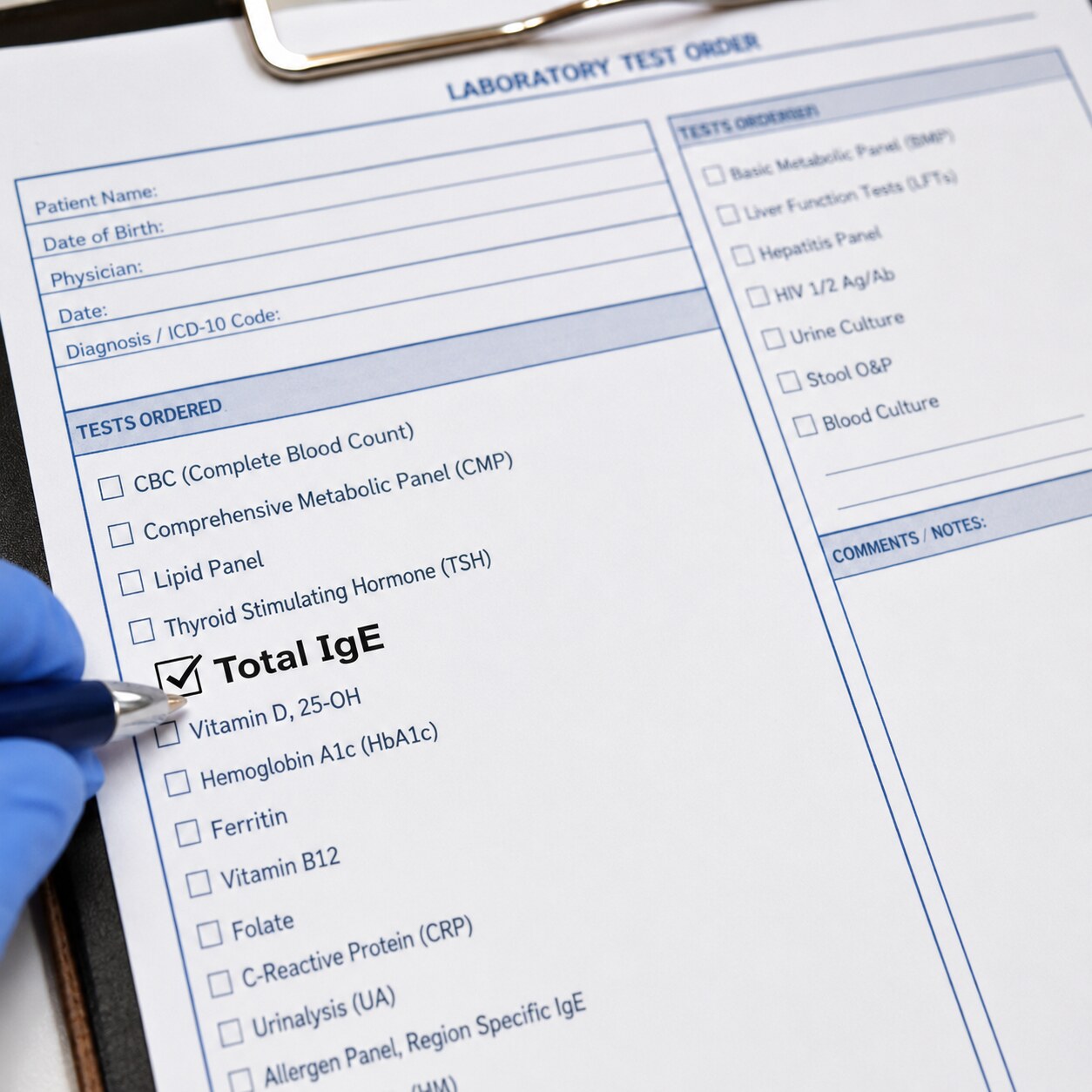
Figure 2. Total IgE is frequently ordered as a first-pass screening step before deciding whether a more detailed, more expensive allergen-specific panel is actually worth pursuing.
This screening role is far from perfect, and clinicians generally treat it as one data point rather than a gatekeeper — plenty of people with a genuine, clinically significant single allergy have a total IgE that falls squarely within the normal range, since one strongly reactive antibody can matter enormously to a patient's health while barely moving an overall summed total. Because of this limitation, total IgE used for this screening purpose is almost always interpreted alongside a detailed symptom history — what happens, with what specific exposure, and how consistently — rather than being used as a standalone decision point for whether further testing proceeds. Where it tends to be genuinely most useful in this screening role is at the extremes: a total IgE that comes back dramatically elevated makes a broad, general allergic or atopic process considerably more likely, supporting a more extensive workup, while a total IgE that comes back very low in someone with vague, inconsistent symptoms can appropriately shift a clinician's attention toward non-allergic explanations.
This screening application also plays a practical, resource-allocation role that's worth acknowledging directly, particularly in primary care settings where referral to a specialist allergist can involve real wait times and real cost to the patient. A general practitioner facing a patient with ambiguous, possibly-allergic symptoms — occasional hives with no clear trigger, intermittent nasal congestion, a rash that comes and goes — sometimes uses total IgE as a relatively inexpensive, quickly available first step to help decide whether a referral for detailed specific IgE panel testing or in-office skin prick testing is likely to be worthwhile, versus whether it makes more sense to first explore other, non-allergic explanations for the same symptoms. Used this way, the test functions less like a diagnostic answer and more like a triage tool, helping direct limited testing resources toward the patients most likely to benefit from a more extensive, more specialized allergy workup.
It's also worth understanding what total IgE looks like across an entire population, since that context shapes how a single result gets interpreted in practice. People with well-established atopic conditions — allergic asthma, atopic dermatitis (eczema), and allergic rhinitis, sometimes together referred to as the "atopic triad" — tend, as a group, to run measurably higher average total IgE levels than people without any of these conditions, even though the overlap between the two groups is considerable and a single individual's result can't reliably place them in one group or the other on its own. This population-level pattern is part of why total IgE functions reasonably well as a broad screening signal across large groups of patients, even though, as covered throughout this article, it remains a genuinely unreliable tool for confirming or ruling out any one individual's specific allergy.
Smoking status is one additional, frequently overlooked variable worth mentioning in this same context, since active cigarette smoking has been independently associated with modestly elevated total IgE in several studies, likely related to smoking's broader irritant and inflammatory effects on the airways and skin. This means a clinician reviewing a mildly elevated total IgE in a current smoker may reasonably factor smoking status into their interpretation alongside allergy history, since it represents one more plausible, non-allergic contributor to an elevated number that's worth ruling in or out before assuming the result reflects allergic disease specifically.
Dosing a Specific Category of Asthma and Hives Medication
One of the more specific, often-overlooked reasons a total IgE test gets ordered has nothing to do with diagnosis at all — it's a direct, mandatory input into how a particular category of injectable biologic medication gets dosed. Omalizumab, a medication used to treat moderate-to-severe allergic asthma and chronic spontaneous hives that hasn't responded to standard treatment, works by binding up circulating free IgE before it can attach to cells and trigger allergic reactions.

Figure 3. Omalizumab dosing for severe allergic asthma is calculated directly from a patient's total IgE level and body weight together, using a fixed dosing chart.
Because omalizumab needs to be dosed in proportion to how much IgE is actually circulating to be neutralized, prescribing information for the medication includes a specific dosing chart that cross-references a patient's total IgE level, measured in international units per milliliter, against their body weight to determine both the dose and how frequently it needs to be injected. A patient with a higher total IgE and a higher body weight requires meaningfully more medication, administered more often, than a patient with a lower total IgE and lower body weight — which means the total IgE test in this specific context isn't diagnostic at all, but rather a direct pharmacological input, re-checked periodically in some cases as treatment continues, that a prescribing allergist or pulmonologist needs before writing an accurate prescription. Someone already diagnosed with allergic asthma or chronic hives who's being considered for this medication, or who's already on it, is very likely to have total IgE ordered for exactly this reason, entirely separate from any question about diagnosing a new allergy.
This dosing relationship also explains a detail that can otherwise seem counterintuitive: the medication's prescribing chart sets both a minimum and a maximum total IgE level within which dosing has actually been established and studied. Someone whose total IgE falls below that studied floor, or climbs above the studied ceiling, generally isn't considered an appropriate candidate for omalizumab at all, regardless of how severe their asthma or hives happen to be, since dosing outside the range the medication was actually tested at isn't considered reliably safe or effective. This is precisely why total IgE is checked before treatment even begins, not simply during it — the result directly determines whether a patient is eligible for this particular medication in the first place, not just how much of it they'll eventually receive once treatment starts.
Curious what the rest of your immunology panel is telling you? Upload your results and get a complete, plain-language breakdown in under 15 minutes.
Analyze My ResultsScreening for Hyper-IgE Syndrome and Rare Immune Conditions
At the far extreme end of the total IgE range sits a genuinely rare but clinically important reason for testing: screening for a group of inherited immune conditions collectively known as hyper-IgE syndromes. These conditions, caused by specific genetic mutations affecting immune signaling, produce total IgE levels far beyond what even severe, longstanding allergic disease typically causes — sometimes tens of times higher than the upper limit of normal — alongside a recognizable pattern of recurrent skin infections, recurrent lung infections, severe eczema starting in infancy, and in some forms, distinctive facial and skeletal features that develop over childhood.
Because this pattern is so uncommon, a total IgE test isn't a routine part of general pediatric or adult care aimed at catching hyper-IgE syndrome in the general population — it's ordered specifically when a clinician, usually an allergist or immunologist, is already looking at a child or adult with a recognizable pattern of recurrent, unusually severe infections alongside eczema, and wants to confirm or rule out this specific, genuinely rare diagnosis as part of a broader immune workup that typically also includes genetic testing. In this context, the total IgE result isn't being used to decide whether ordinary allergy testing is worthwhile at all — it's being used as one supporting piece of evidence toward or away from a specific, rare inherited condition that requires an entirely different management approach than typical allergic disease.
The magnitude of elevation matters considerably in distinguishing hyper-IgE syndrome from more ordinary allergic disease, even severe allergic disease. While significant atopic dermatitis or poorly controlled allergic asthma can certainly push total IgE well above the normal range, the levels seen in confirmed hyper-IgE syndrome tend to sit in a different tier entirely, often reaching into the thousands of international units per milliliter — a magnitude that, combined with the specific infection and skin pattern described above, is what actually prompts a clinician to pursue this rarer diagnosis rather than simply treating the presentation as unusually severe eczema or asthma. This is a useful illustration of a theme that runs throughout this article: total IgE's value often comes less from where a single result falls relative to a fixed cutoff, and more from how dramatically it deviates from what the accompanying clinical picture would otherwise predict.
When hyper-IgE syndrome is confirmed, usually through a combination of this striking total IgE elevation, the characteristic clinical pattern, and targeted genetic testing looking for the specific mutations known to cause it, management shifts considerably away from standard allergy or asthma care. Treatment tends to focus heavily on preventing and aggressively managing the recurrent infections that define the condition — often including long-term prophylactic antibiotics and close monitoring for the skin and lung complications that tend to recur throughout life — rather than the antihistamines, topical steroids, or biologic medications typically used for more ordinary allergic skin and airway disease. This divergence in management is exactly why correctly distinguishing hyper-IgE syndrome from a severe but otherwise ordinary case of eczema or asthma matters so much clinically, and why the total IgE result, in this specific and admittedly rare scenario, carries genuinely high diagnostic stakes.
Parasitic Infections — A Cause Most People Don't Expect
IgE evolved, from an evolutionary standpoint, primarily as a defense against parasitic worms, and that original biological role hasn't disappeared just because allergic disease is now the more commonly discussed trigger in modern clinical practice. Active infection with certain parasitic worms, particularly intestinal parasites acquired through contaminated food, water, or soil contact, can drive total IgE levels up substantially, sometimes to a degree that rivals or exceeds what's seen in significant allergic disease.
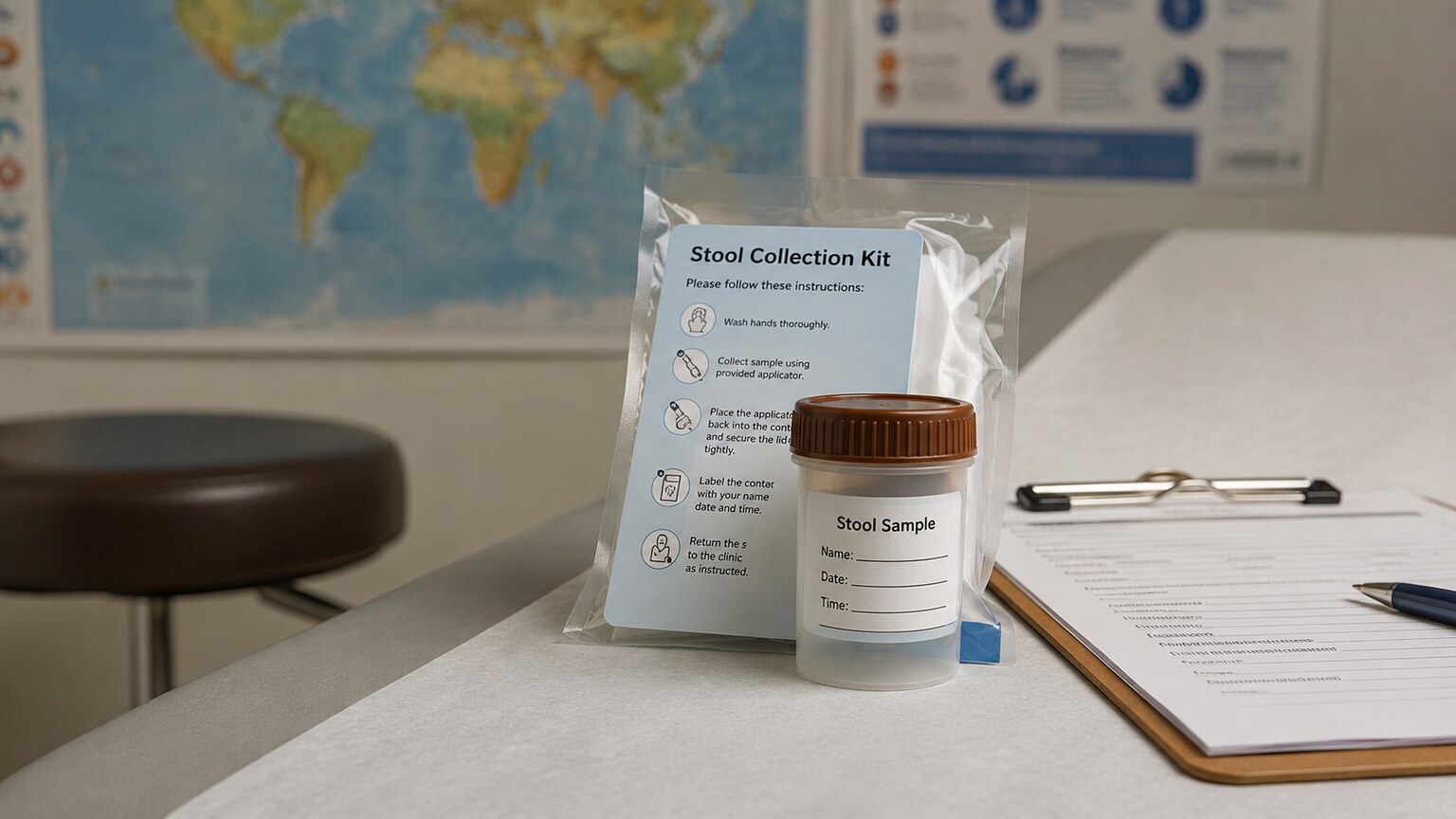
Figure 4. A markedly elevated total IgE in someone with a relevant travel or exposure history can prompt a clinician to investigate parasitic infection rather than allergic disease.
This is one of the reasons a markedly elevated total IgE, especially one that doesn't line up neatly with a person's allergy history or symptom pattern, prompts a clinician to ask about relevant exposures — recent travel to certain regions, contact with untreated water sources, dietary habits involving undercooked meat or fish — rather than assuming allergic disease by default. When a parasitic cause is suspected based on this kind of history alongside an elevated total IgE, it's typically confirmed through stool testing or specific blood tests targeted at the suspected organism, rather than through the total IgE result alone, since total IgE elevation only raises the possibility rather than confirming it. This particular use of the test is a good illustration of just how nonspecific "total" really is — the same elevated number can point toward completely different next steps, from an allergist's office to a travel medicine clinic, depending entirely on the surrounding clinical picture.
The connection between IgE and parasites also helps explain a pattern researchers have observed at a population level, sometimes referred to as the hygiene hypothesis in its broader form: allergic disease is considerably more common in industrialized regions with low rates of parasitic infection than in regions where parasitic exposure remains common, and some researchers believe the immune system's IgE-driven anti-parasite machinery, when it isn't being regularly engaged by actual parasites, ends up redirected toward otherwise harmless substances like pollen, food proteins, and pet dander instead. This remains an active and still-debated area of immunological research rather than settled fact, but it offers a useful conceptual bridge for understanding why the same antibody class handles two, at first glance, completely unrelated jobs — fighting intestinal worms and driving hay fever — and why a test measuring that antibody class in aggregate can plausibly point toward either one, depending entirely on which underlying process happens to be driving a given person's number upward.
From a practical standpoint, this means a total IgE result taken in the context of a recent international trip to a region with a higher burden of parasitic disease, particularly one involving symptoms like unexplained gastrointestinal discomfort, unexplained weight loss, or fatigue alongside the elevated result, is genuinely worth mentioning that travel history to whichever clinician ordered the test, even if the original reason for testing had nothing to do with travel at all. Because the same elevated number is compatible with such different explanations, giving a clinician the fullest possible picture of recent exposures, symptoms, and travel is one of the most useful things a patient can do to help the test actually answer the question it was meant to answer, rather than leaving that number to be interpreted in a vacuum.
Why a Normal Total IgE Doesn't Rule Out Allergy
Given everything covered so far, it's worth stating plainly and directly: a normal total IgE result does not mean you don't have a real, clinically significant allergy, and this is one of the most common and most consequential misunderstandings surrounding this particular test. Someone can have a completely normal total IgE while carrying a substantial, reaction-causing amount of one specific antibody — say, against peanuts or against bee venom — simply because that one specific antibody, even at a clinically dangerous level, doesn't necessarily add up to enough total volume to push an overall summed number out of the normal range.

Figure 5. A normal total IgE result doesn't rule out a real, specific allergy — one strongly reactive antibody can trigger serious symptoms without meaningfully raising the overall summed total.
This is precisely why a total IgE test is never used, by itself, to rule a specific allergy in or out — that job belongs to specific IgE testing, skin prick testing, or, when appropriate and safe, a supervised oral food or medication challenge. Anyone experiencing a consistent, reproducible reaction to a specific food, medication, insect sting, or environmental exposure deserves that reaction to be taken seriously and investigated with the correct, targeted test, regardless of what an unrelated total IgE result happens to show. Confusing these two categories of testing — treating a normal total IgE as reassurance that a suspected specific allergy isn't real — is one of the more common and genuinely risky misinterpretations that can happen when patients, or occasionally clinicians outside of allergy specialty practice, aren't clear on the distinction this article has been building toward throughout.
This limitation is precisely why allergy specialists tend to reach for specific IgE testing directly, without an intervening total IgE step, whenever a patient's history already points clearly toward one or a small number of likely triggers. If someone reliably develops hives within minutes of eating shrimp every time, ordering a broad total IgE first adds little diagnostic value and simply delays getting to the test that actually matters — the shrimp-specific IgE test, or an in-office skin prick test using shrimp extract, either of which speaks directly to the question actually being asked. Total IgE tends to earn its place earlier in a workup precisely when the clinical picture is broader or less clear-cut — vague, poorly localized symptoms, multiple possible triggers, or a request for insight into overall allergic tendency — rather than when a specific culprit is already the leading suspect based on a clear, reproducible pattern.
There's also a subtler statistical reason total IgE isn't a reliable stand-in for specific testing, worth understanding for anyone trying to make sense of these results independently. Because total IgE reflects the sum of dozens or even hundreds of individually distinct antibodies a person may have accumulated over a lifetime of exposures, a moderately elevated total can just as easily reflect several mild, clinically insignificant sensitizations added together as it can reflect one severe, clinically important allergy. Two people can arrive at the identical total IgE number through completely different underlying antibody profiles — one genuinely at risk during a specific exposure, the other not meaningfully at risk from anything in particular — which is exactly the kind of ambiguity that only specific, targeted testing can resolve, and exactly why total IgE was never designed to answer that question in the first place.
Total IgE vs. Specific IgE — Two Different Questions, Not Two Versions of the Same Test
It's worth drawing this distinction out explicitly one final time, since it's the single most important concept for making sense of a total IgE result in context. Total IgE answers the question "how much IgE-class antibody, in aggregate, is my immune system currently producing?" — a broad, non-specific measurement useful for screening purposes, medication dosing, and flagging unusual patterns worth investigating further. Specific IgE testing, by contrast, answers the question "does my immune system make IgE that specifically recognizes this particular substance?" — a narrow, targeted measurement that's the actual diagnostic tool for confirming or ruling out an allergy to one specific thing.
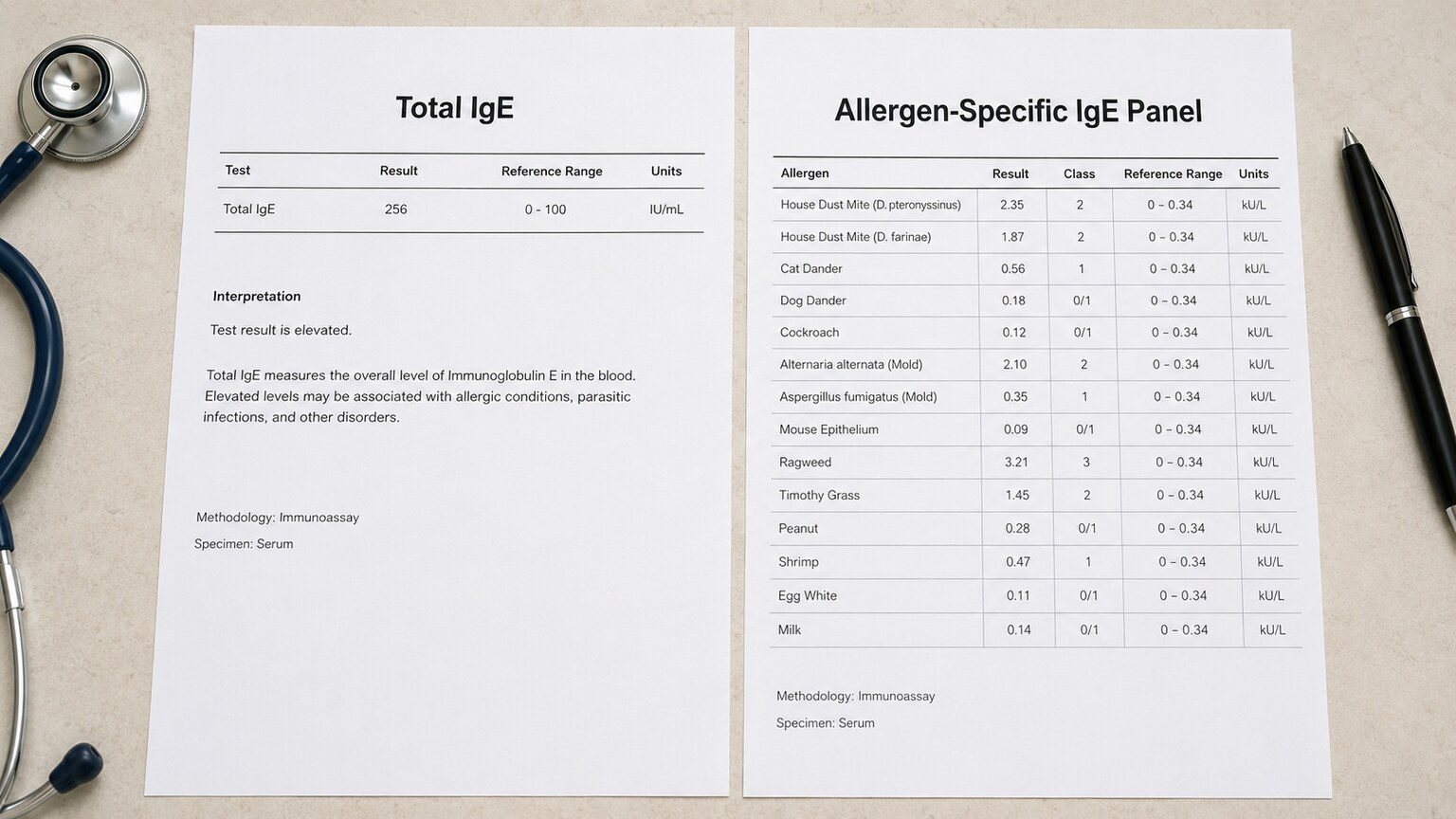
Figure 6. Total IgE and specific IgE panels are frequently ordered together, but they measure fundamentally different things and answer different clinical questions.
These two tests are frequently ordered together precisely because they complement each other so well: the total IgE provides useful broader context — is this person's immune system generally atopic, does the overall number support pursuing allergy testing at all, is there anything unusually extreme worth a second look — while the specific IgE panel does the actual, targeted diagnostic work of identifying exactly which substances, if any, are provoking a reaction. Understanding that these are two different tools answering two different questions, rather than one test being a "simpler" or "cheaper" substitute for the other, is the clearest way to make sense of why a doctor might order one, the other, or both together depending on exactly what clinical question they're actually trying to answer.
One more practical distinction worth knowing: because specific IgE panels test for one or a defined group of individual allergens, ordering them requires the clinician to have some idea, in advance, of which substances are worth checking — a step that depends heavily on a detailed history of what the patient was doing, eating, or exposed to around the time symptoms occurred. Total IgE requires no such advance narrowing, since it measures everything at once regardless of any specific hypothesis about the cause. This is part of why total IgE occasionally proves useful in situations where a patient's history genuinely doesn't point toward any particular suspect — a broadly elevated result can, in that specific scenario, at least support the idea that an allergic or atopic process is plausible, even before a specific culprit has been identified through more targeted follow-up testing.
Frequently Asked Questions
Can total IgE tell me which specific things I'm allergic to?
No, it can't. Total IgE only measures the combined amount of all IgE antibodies circulating in your blood at once, without identifying what any single one of them individually targets. Identifying specific allergens instead requires specific IgE testing, in-office skin prick testing, or a carefully supervised challenge test, each of which is designed to target one substance, or a clearly defined panel of substances, one at a time rather than all at once.
Why would total IgE be ordered for someone starting a new asthma medication?
Because omalizumab, a biologic medication specifically used for moderate-to-severe allergic asthma and chronic hives, is dosed based directly on a patient's total IgE level combined with their own body weight, using a fixed, pre-established prescribing chart. In this particular context, the test is a required, mandatory input for calculating an accurate and genuinely safe medication dose, rather than serving as any kind of diagnostic test in its own right.
Can a high total IgE mean something other than allergies?
Yes, genuinely so. Parasitic infections, certain rare inherited immune conditions like hyper-IgE syndrome, and some other inflammatory or immune conditions can all independently raise total IgE without any allergic disease being involved at all. A markedly elevated result that doesn't line up cleanly with a person's own known allergy history often prompts a clinician to actively look into these other, less obvious possibilities instead.
If my total IgE comes back normal, should I still pursue allergy testing for a suspected reaction?
Yes, if you're experiencing a consistent, reproducible reaction to a specific trigger. A normal total IgE doesn't rule out a real, specific allergy, since one strongly reactive antibody can cause significant symptoms without meaningfully raising the overall total. Specific IgE testing or skin prick testing remains the appropriate next step for a suspected individual allergy.
Does age affect what counts as a normal total IgE result?
Yes, quite significantly. Total IgE reference ranges are genuinely age-dependent, generally rising steadily through childhood before leveling off once someone reaches adulthood, which is exactly why pediatric and adult reference ranges differ noticeably on most standard lab reports. A specific result that would look entirely unremarkable for a grown adult could reasonably be flagged very differently for a young child, and the reverse holds true as well.
Is total IgE testing painful or does it require special preparation?
No special preparation is typically needed at all, and it's collected the exact same way as most other routine blood tests, through a standard blood draw taken from a vein. There's no fasting requirement specific to total IgE testing, and results are generally available within just a few days, depending on the specific lab performing the analysis.
Conclusion
Taken as a whole, a total IgE order is rarely, if ever, actually about diagnosing one particular allergy — it's a versatile but genuinely blunt tool that answers a different set of clinical questions depending on context: whether pursuing more detailed allergy testing makes sense, how to accurately dose a specific category of biologic medication, whether an extreme result points toward a rare inherited immune condition or a parasitic infection rather than allergic disease, and occasionally, how active an existing allergic skin condition has become. Understanding which of these reasons applies to your own situation — and understanding clearly that total IgE is not the same test as, and genuinely cannot substitute for, specific IgE testing or skin prick testing — turns what can otherwise look like a confusing, ambiguous lab order into a test with a clear, specific purpose behind it all along.
If you're looking at a total IgE result and trying to work out which of these scenarios applies to you, the surrounding context usually makes it fairly clear: a recent conversation about starting a biologic asthma or hives medication points toward the dosing use case; a workup for recurrent, unusually severe infections alongside eczema points toward the hyper-IgE screening use case; a relevant travel or exposure history alongside an unexplained spike points toward the parasitic infection use case; and a general symptom picture with no obvious single trigger yet identified points toward the broad screening use case that opened this article. In every one of these scenarios, the single most useful next step is the same: ask directly what specific question this particular total IgE order was meant to answer, since that context, more than the raw number itself, is what actually determines what the result means for you.
Still Not Sure What Your Results Mean?
Upload your labs and get a complete, visual, plain-language interpretation of every biomarker — delivered to your inbox in under 15 minutes.
Get My ReportThis article is for educational purposes only and does not constitute medical advice. Always consult your healthcare provider regarding your specific lab results.