
What Does a Low Antibody Titer After Vaccination Mean?
A low or undetectable antibody titer after vaccination is a genuinely common finding, and in most cases it does not mean your vaccine failed or that you're unprotected. The single most common explanation is simple timing — antibody levels take one to several weeks to rise after a shot, and testing too early can catch your immune system before it's finished responding. Beyond timing, a low titer can reflect the fact that many vaccines rely as much on cellular immune memory (T cells and memory B cells) as on circulating antibody, that certain groups of people — older adults, people on immunosuppressive medication, people with certain chronic conditions — mount a genuinely weaker antibody response to any vaccine, that antibody levels naturally decline over months to years after any vaccination without protection necessarily disappearing along with them, and that different labs use different assays with different cutoffs, making a "low" result from one test not always comparable to another. A true, meaningful non-response — someone whose immune system genuinely never produced protective immunity despite a complete, properly timed vaccine series — does happen, but it's the exception, not the rule, and it's specific to a small number of vaccines with a well-established protective threshold to measure against in the first place. This article walks through each of these explanations, how doctors actually use titer results, and when a low number really does call for another dose.
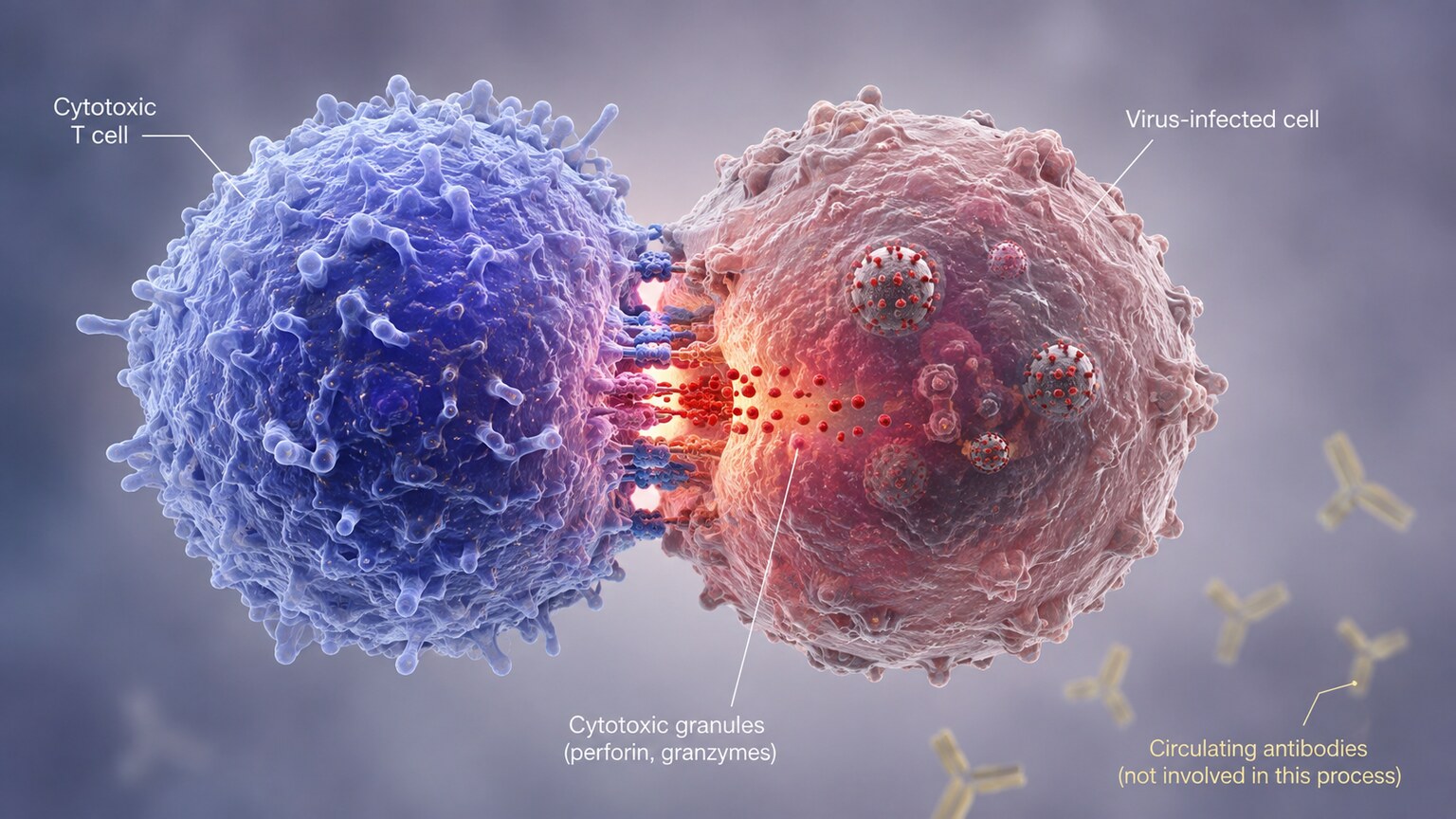
Figure 1. Cellular immunity, carried out directly by T cells rather than circulating antibodies, contributes to vaccine protection in ways a standard antibody titer test cannot measure.
What a Titer Actually Measures — and What It Doesn't
An antibody titer is a lab measurement of how much of a specific antibody is present in your blood, expressed as a dilution ratio rather than a simple concentration. Lab technicians take your blood sample and dilute it repeatedly — half as concentrated, then a quarter, then an eighth, and so on — testing each dilution to see whether antibody is still detectable. The titer is reported as the highest dilution at which a positive reaction still shows up, written as something like 1:80 or 1:320. Counterintuitively, a bigger second number means more antibody, since it means your blood could be diluted further and still show a detectable response — 1:320 reflects considerably more antibody present than 1:40.
What a titer test is fundamentally built to do is answer one narrow question: how much of one specific antibody, usually IgG, is circulating in your blood serum right now. What it cannot directly measure is everything else your immune system does to protect you — the T cells trained to recognize and destroy infected cells directly, the memory B cells sitting quietly in your lymph nodes and bone marrow ready to rapidly manufacture fresh antibody the moment they encounter the same threat again, or the antibody-independent aspects of immune memory that don't show up as a number on a blood test at all. This gap between "what a titer measures" and "what actually protects you" is the foundation for nearly every reason a low titer doesn't automatically mean low protection, and it's worth keeping in mind through every section that follows.
It's worth being clear that none of this means antibody titers are unreliable or not worth measuring — quite the opposite, for the specific job they're actually built to do. Antibody is a genuinely important part of immune protection for many vaccines, directly neutralizing pathogens before they can establish an infection in the first place, which is exactly why titer testing remains a standard, valuable clinical tool. The point isn't that titers don't matter; it's that a titer is one instrument in a larger orchestra, and reading its output correctly means understanding what it can and can't tell you about everything else playing alongside it.
It also helps to know that not every titer test uses the older serial-dilution method described above. Many modern labs now run quantitative assays that report antibody levels as a precise numeric concentration — often in international units per milliliter — rather than a dilution ratio, since automated laboratory equipment can measure antibody concentration directly with more precision than the older step-by-step dilution technique. Functionally, both approaches are trying to answer the same underlying question, and both carry the same fundamental limitation: they're measuring one narrow slice of a much larger, more layered immune response, a distinction that matters just as much whether your own report shows a dilution ratio or a numeric concentration.
Curious what the rest of your lab results are actually telling you? Upload your results and get a complete, plain-language breakdown in under 15 minutes.
Analyze My ResultsReason 1: You Tested Too Soon
The most common, most easily explained reason for a low or undetectable titer shortly after vaccination is simply timing. When your immune system encounters a vaccine antigen for the first time, it doesn't produce a flood of specific antibody instantly — it has to first identify the threat, activate the right immune cells, and then have those cells multiply and differentiate into antibody-producing plasma cells, a process that genuinely takes time. For a first exposure to a new antigen (what immunologists call a primary immune response), measurable antibody typically doesn't appear until around one to two weeks after vaccination, and levels usually continue climbing for two to four weeks before reaching their peak. Testing during that early window, even a few days after the shot, can show a titer that looks low or undetectable simply because your immune system hasn't finished ramping up yet — not because anything is wrong.
This is exactly why most clinical protocols that call for confirming a vaccine response specify testing no sooner than four weeks after the final dose in a series, and sometimes longer. Testing too early is one of the single most common, and most avoidable, reasons someone receives a confusing "low titer" result that then resolves itself on a repeat test done at the correct interval. If you were tested less than a month after your vaccination, that alone is worth bringing up before assuming anything more concerning is going on.
The timing question gets even more specific for vaccines given as a multi-dose series rather than a single shot. Many vaccines are deliberately designed around a "prime and boost" strategy — the first dose primes the immune system, introducing the antigen and getting the initial response underway, while a second or third dose, given weeks or months later, dramatically amplifies that response, often producing an antibody level many times higher than the first dose alone achieved. Testing after only a partial series, before the boosting doses have been given, will understate the eventual antibody response almost by definition, since the immune system hasn't yet received the full sequence of exposures it's designed to respond to. Confirming exactly how many doses were received, and whether the full recommended series was actually completed, is one of the first and most useful questions to answer before treating any titer result as meaningful.
Reason 2: Not Every Vaccine Depends on High Circulating Antibody
Vaccines protect you through several overlapping arms of the immune system, and how much any individual vaccine relies on circulating antibody specifically, as opposed to cellular immunity, varies considerably by vaccine type. Some vaccines — many inactivated and subunit vaccines, for instance — are specifically designed to generate a strong, measurable antibody response, and for those, a titer test is a genuinely useful proxy for protection. Other vaccines, particularly some live-attenuated vaccines and certain newer vaccine platforms, generate meaningful protection through robust T-cell responses and immune memory that a standard antibody titer simply wasn't designed to capture. For those, a "low" antibody number on its own can significantly understate the actual protection a person has.
Memory B cells add another layer that a single titer snapshot misses entirely. After vaccination, some of the B cells that responded don't stay active, continuously pumping out antibody indefinitely — many settle into a long-lived, quiescent memory state, parked in lymph nodes and bone marrow, producing little to no antibody while waiting. If that same antigen shows up again, whether through a booster or real-world exposure, these memory cells can reactivate remarkably quickly, mounting a much faster and stronger antibody response than the original vaccination did — a phenomenon called the anamnestic response. A person tested between exposures, while their memory cells are quietly waiting rather than actively producing, can show a low circulating titer despite having a fully primed, ready-to-respond immune system underneath that number.
T cells contribute in a related but distinct way that's worth understanding on its own terms. Rather than releasing a protein that circulates freely through the bloodstream the way antibody does, T cells work by physically patrolling the body and directly interacting with other cells. Helper T cells coordinate the broader immune response, including helping B cells mature into antibody-producing plasma cells in the first place, while cytotoxic T cells directly recognize and destroy cells that have already been infected, cutting off a virus's ability to keep replicating inside the body. Because this entire process happens through direct cell-to-cell contact rather than a freely circulating protein, a standard blood titer test — built specifically to detect antibody floating in serum — has no way to see it at all. A vaccine that generates a strong T-cell response but a comparatively modest antibody titer isn't necessarily providing weaker protection; it may simply be relying more heavily on an arm of immunity that this particular category of test was never designed to measure.
Reason 3: Certain Groups Mount a Genuinely Weaker Antibody Response

Figure 2. Immunosenescence, the gradual decline in immune function with age, is one of the most consistent, well-documented reasons older adults often mount a smaller antibody response to the same vaccine dose.
Unlike the timing and immune-memory explanations above, this category involves a genuinely reduced antibody response, not just a limitation of what the test can see. Age is one of the most consistent factors: a well-documented process called immunosenescence gradually reduces the strength and speed of the immune response as people get older, meaning the same vaccine dose that produces a robust antibody titer in a 30-year-old may produce a noticeably smaller one in an 80-year-old, even when both received an identical, correctly timed vaccine series. This is part of why higher-dose vaccine formulations exist specifically for older adults for certain vaccines, designed to compensate for this expected age-related blunting.
Immunosuppression is the other major driver in this category, and it covers a wide range of situations: people taking medications that deliberately suppress the immune system (used for autoimmune conditions, organ transplants, or certain cancers), people undergoing chemotherapy, people with conditions that directly impair antibody production such as certain inherited immunodeficiencies, and people with chronic conditions like advanced kidney disease, uncontrolled diabetes, or obesity, all of which have been associated in research with a somewhat reduced vaccine antibody response even though the underlying mechanism differs across each one. For people in any of these groups, a lower-than-typical titer after vaccination is an expected finding consistent with their underlying condition, not necessarily a sign that something has additionally gone wrong — though it's exactly this group where doctors are most likely to actually act on a low titer, since the usual assumption that "immune memory will cover the gap" is less reliable when the immune system itself is compromised.
Different immunosuppressive medications affect vaccine response through genuinely different mechanisms, which is part of why a blanket assumption of "reduced response" doesn't always apply equally across every medication in this broad category. Medications that specifically target and deplete B cells, for instance, can dramatically blunt antibody production since they're directly removing the very cells responsible for making it, while medications that work through other pathways may leave antibody production comparatively more intact even while suppressing other aspects of immune function. This is part of why, for people on immunosuppressive treatment, timing a vaccine relative to a medication dosing schedule can meaningfully affect how well the vaccine works — some care teams specifically time vaccination for a point in a treatment cycle when the immune system is least suppressed, precisely to give the vaccine the best possible chance of generating a measurable, protective response.
Reason 4: Waning Antibody Levels Over Time Is Expected, Not Alarming
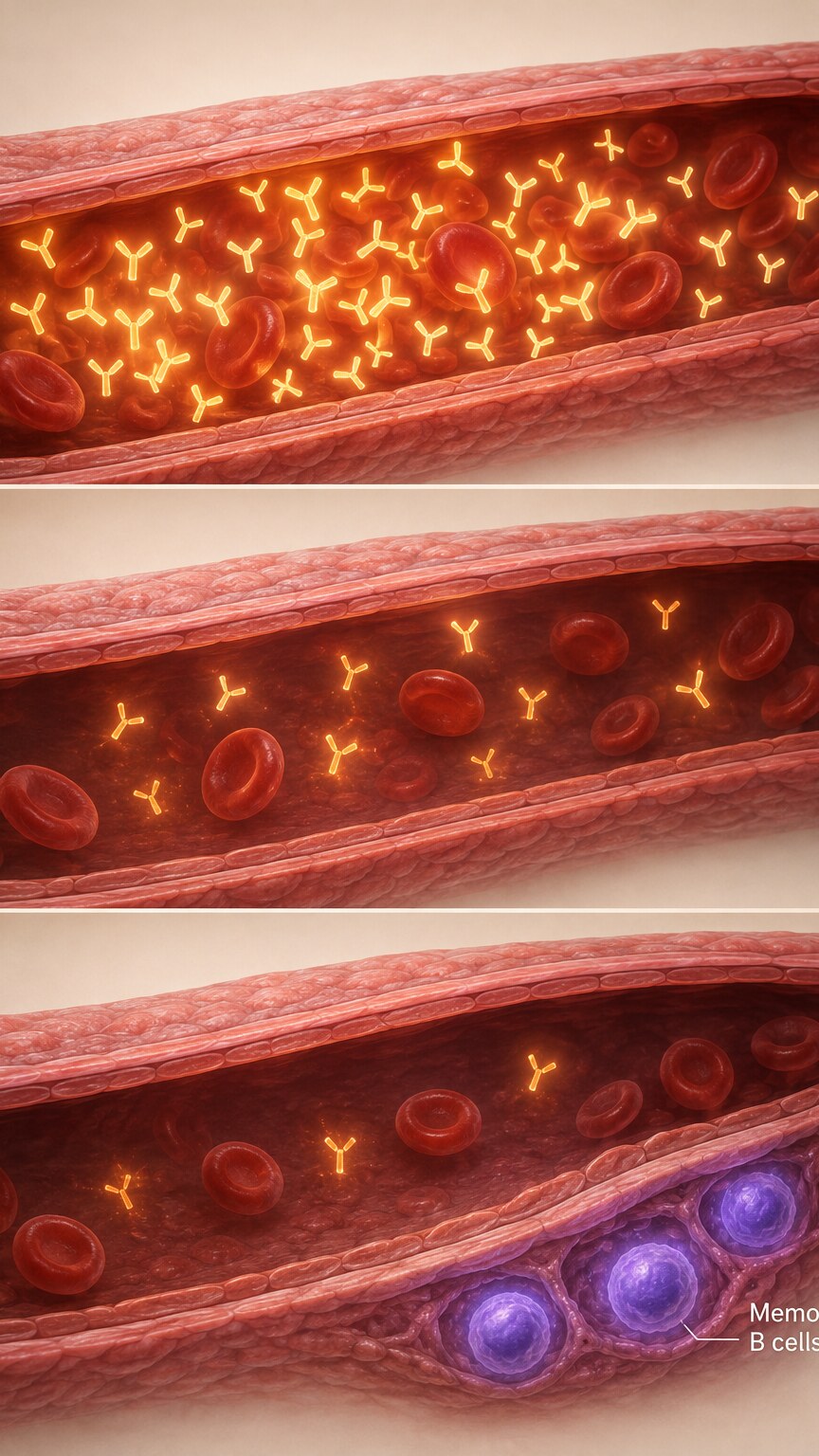
Figure 3. Circulating antibody levels naturally decline over months to years after vaccination even in a healthy, fully protected immune system, since maintaining a permanently high level isn't necessary once memory cells are established.
Even in someone with a completely normal, healthy immune response, circulating antibody levels don't stay at their post-vaccination peak forever. Once the initial burst of antibody-producing plasma cells does its job, most of those cells naturally die off over subsequent weeks and months, and the antibody they were producing gradually clears from the bloodstream — this is completely normal physiology, not a sign of vaccine failure. A smaller population of long-lived plasma cells typically persists, continuing to produce a lower, steady baseline level of antibody for months, years, or in some cases a lifetime, but that steady-state level is, by design, considerably lower than the initial post-vaccination peak.
How quickly titers decline, and how low they eventually settle, varies enormously by vaccine, by individual, and by how much time has passed since vaccination or the last booster. For many vaccines, this natural decline doesn't mean protection has disappeared at the same rate, precisely because of the memory B cell and T cell mechanisms discussed earlier — the immune system has essentially "filed away" the information needed to respond quickly even after the readily available antibody supply has thinned out. This is why a titer drawn a year or several years after vaccination showing a lower number than the peak achieved shortly after the shot is, for most vaccines, an expected and unremarkable finding rather than evidence that something needs to be redone.
An analogy that some people find useful is comparing this process to a fire department: the number of firefighters actively on duty and driving around the city at any given moment (circulating antibody) naturally fluctuates and is usually kept lower during quiet periods, but the department itself, its trucks, and its trained personnel (memory B cells and T cells) remain fully staffed and ready to mobilize rapidly the moment an alarm comes in. A low number of firefighters actively patrolling on a quiet Tuesday afternoon doesn't mean the city has lost its fire protection — it means the response capacity is appropriately held in reserve rather than being needlessly deployed around the clock. This is roughly the same logic behind why waning circulating antibody, on its own, is a poor stand-in for asking whether someone's overall immune protection has meaningfully declined.
Reason 5: True Non-Response — When It Genuinely Happens
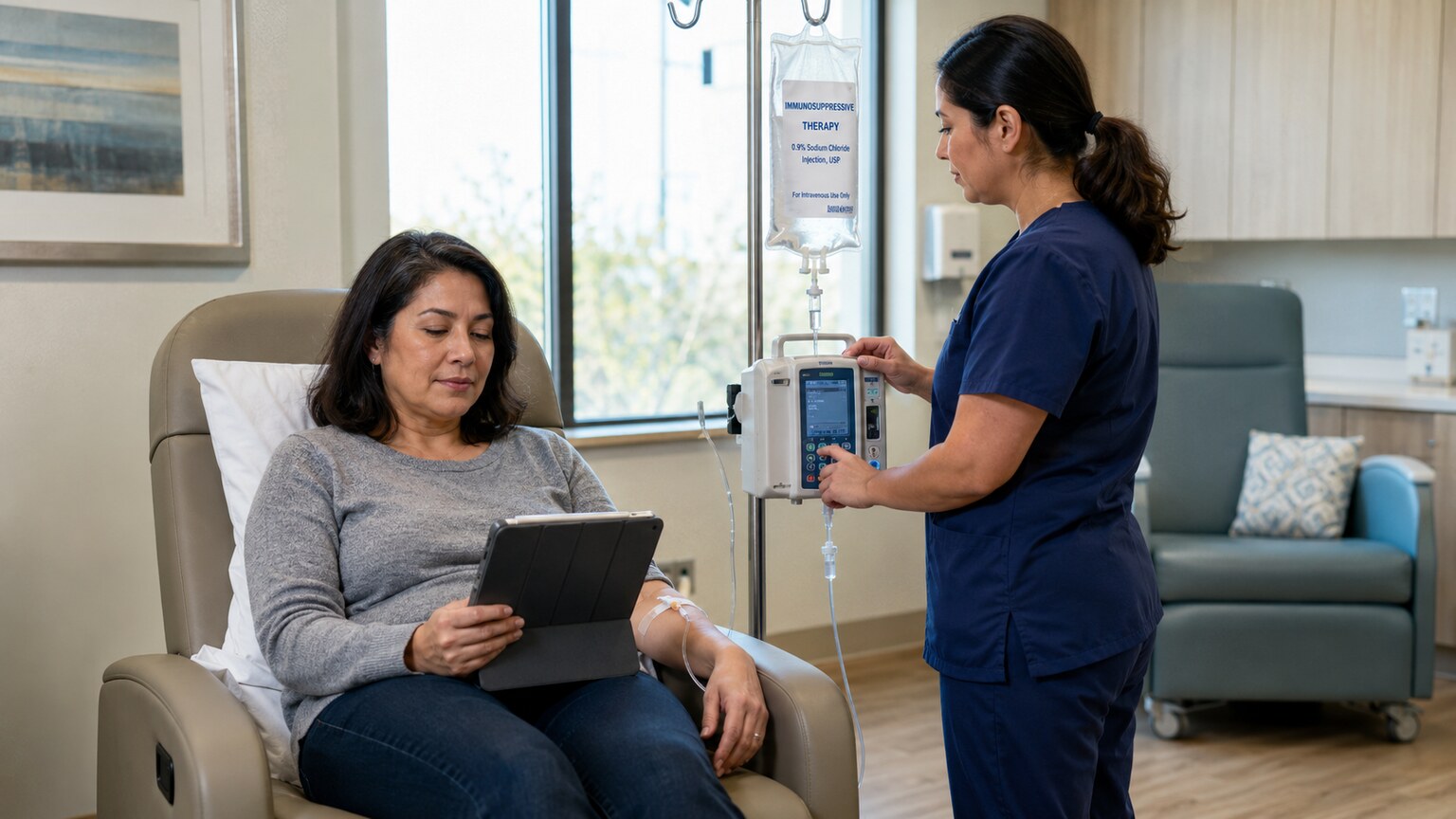
Figure 4. Medications that suppress the immune system, including certain infused therapies for autoimmune disease or cancer, are among the clearest, most predictable causes of a genuinely reduced vaccine antibody response.
For a small subset of people, a low titer after a complete, correctly timed vaccine series really does reflect a genuine failure to develop protective immunity — what's called a non-response or hyporesponse. The best-studied example is the hepatitis B vaccine, for which somewhere between 5 and 10% of healthy adults who complete the standard vaccine series fail to develop a protective antibody level, even after everything was done correctly. Research into why has pointed toward genetic factors, particularly variation in certain immune-related genes (part of what's called the HLA system) that influence how effectively the immune system can respond to that specific viral antigen, alongside contributing factors like older age, smoking, obesity, and chronic illness.
Hepatitis B is a useful example specifically because it's one of the few vaccines with a well-established, universally recognized correlate of protection — a specific antibody level (an anti-HBs titer of at least 10 mIU/mL) that's been directly validated through research as the threshold below which someone is considered not reliably protected. This is precisely why hepatitis B titer testing is standard practice in certain settings, like healthcare employment, and why a confirmed low result after the full series, tested at the correct interval, leads to a recommended revaccination series followed by retesting rather than being dismissed. Many other vaccines, by contrast, don't have this kind of clearly validated numeric protective threshold at all, which is a large part of why a "low" titer for those vaccines is a much harder result to act on with the same confidence.
For someone who completes a full revaccination series for hepatitis B and still tests below the protective threshold — a true non-responder even after a second attempt — care teams generally shift strategy rather than continuing to repeat the same approach indefinitely. This can include trying a different vaccine formulation or a different injection technique, checking for and addressing other contributing factors like smoking or obesity where relevant, or, in some cases, accepting that a small number of people simply will not mount the expected antibody response no matter how the vaccine is delivered, and shifting focus instead toward risk-reduction counseling and closer monitoring for potential exposure. This distinction — between someone who hasn't yet reached the protective threshold and someone who has been confirmed, through repeated appropriately timed testing, to be a true non-responder — matters considerably for how the situation is ultimately managed.
Reason 6: Comparing Titers Across Different Labs Isn't Reliable
One more source of confusing "low" results has nothing to do with your immune system at all: different laboratories use different testing methods, different reagents, and different reporting conventions for antibody titers, and these differences genuinely affect the numbers that come back. A titer of 1:40 on one lab's assay isn't necessarily equivalent to a titer of 1:40 on a different lab's assay, even for the exact same antibody, because the specific dilution protocol, the antigen preparation used, and the threshold defined as "positive" can all vary between testing platforms. Some newer tests report results in standardized international units rather than a dilution ratio at all, adding another layer of complexity when comparing an old result to a new one.
This is exactly why a titer result is most meaningfully interpreted in the context of the reference range and units printed on that specific lab report, rather than compared directly against a different number from a different lab drawn at a different time, and why a doctor reviewing a "low" titer will often want to know which assay was used before deciding what it actually means. It's also part of why, when a titer genuinely needs to be tracked over time — to confirm a rising response to a recent infection, for instance — doctors specifically try to use the same lab and the same assay for both the baseline and follow-up sample whenever possible.
This variability is also why efforts toward standardization exist at all in laboratory medicine — international reference standards and calibration materials have been developed for a number of important antibodies specifically to reduce this kind of lab-to-lab drift and make results more genuinely comparable over time and across institutions. Where a validated international standard exists and a lab's assay has been calibrated against it, results reported in those standardized units carry considerably more weight when compared across different testing episodes than results from an assay without that kind of calibration, which is one more reason the specific wording and units on your lab report are worth reading carefully rather than skimming past.
What Actually Happens Next After a Low Result
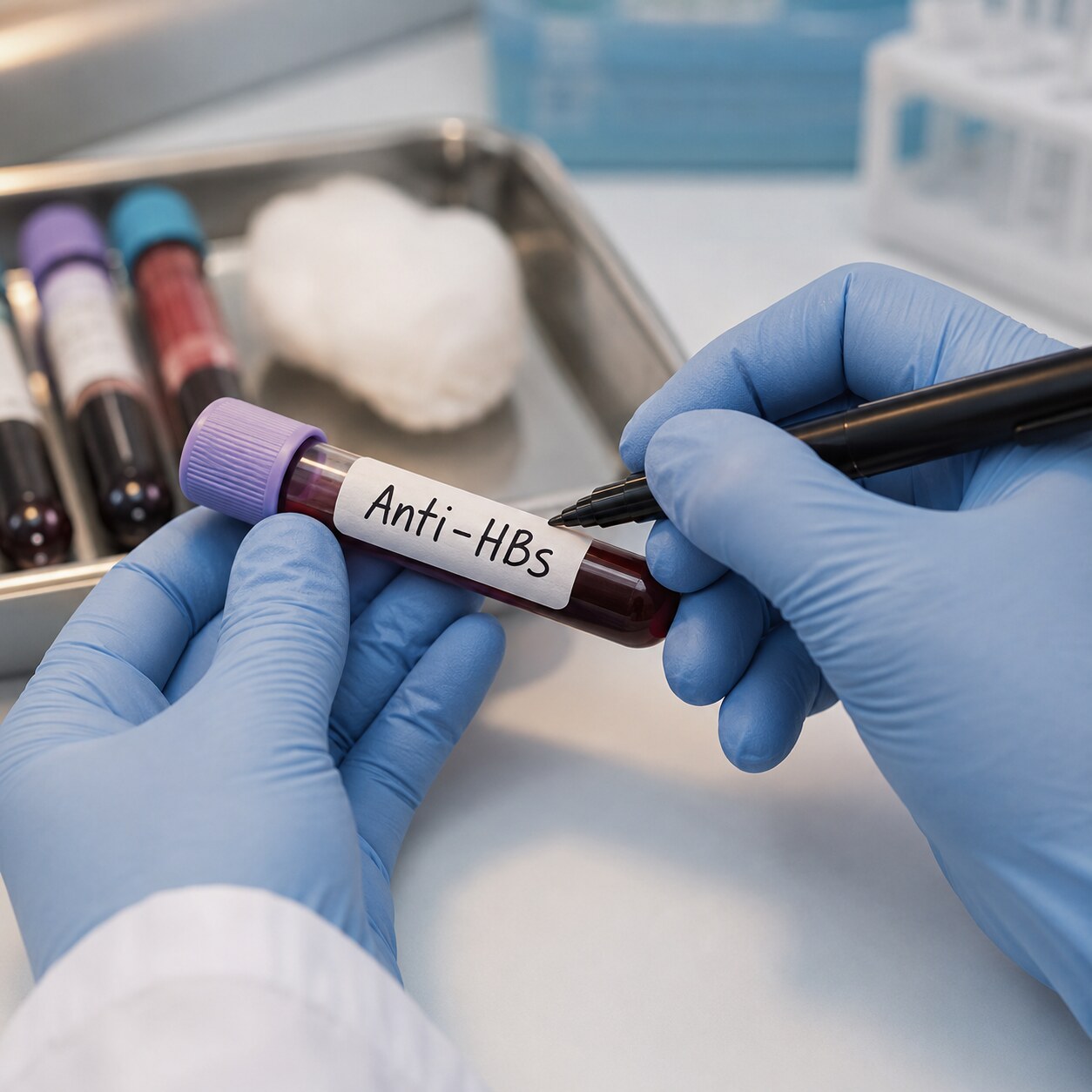
Figure 5. For hepatitis B specifically, a confirmed anti-HBs titer below 10 mIU/mL after a complete vaccine series is an established, validated indicator that revaccination is genuinely needed.
What a doctor does with a low titer result depends heavily on which vaccine is involved and why the test was ordered in the first place. When there's a well-validated protective threshold to compare against — again, hepatitis B is the clearest example — a confirmed low result after appropriate timing genuinely does prompt a recommended course of action: typically completing or repeating the vaccine series and retesting afterward. For vaccines without an established numeric correlate of protection, the far more common approach is not to chase the number at all, but to consider the whole clinical picture: was the vaccine series actually completed, was testing done at an appropriate interval, does the person have a condition or medication known to blunt vaccine response, and is there a specific, practical reason (upcoming travel to a high-risk area, a planned course of immunosuppressive treatment, a documented outbreak) that protection needs to be confirmed right now rather than assumed.
In many everyday situations, a low titer for a vaccine without an established protective cutoff simply isn't acted on with a booster at all, since the antibody number alone doesn't reliably predict whether someone is protected, and an unnecessary extra dose carries its own small costs and isn't risk-free. This is a meaningful difference from how a lot of people intuitively expect medicine to work — it can feel like a "low" number should automatically trigger a fix, but for many vaccines, the honest, evidence-based answer is that the titer number by itself simply isn't precise enough to justify that decision on its own.
When a booster is given, whether prompted by a low titer, an approaching high-risk exposure, or simply a routinely scheduled dose built into the original vaccine series from the start, it typically produces a noticeably faster and stronger antibody response than the original doses did, precisely because it's drawing on the memory B cells established earlier rather than starting the immune response from scratch. This faster, stronger rebound is itself a useful piece of indirect evidence that the underlying immune memory was there all along, even during the stretch when circulating antibody had dropped low enough to prompt the booster conversation in the first place.
When Documented Antibody Levels Actually Matter

Figure 6. Documented, tested antibody levels are most often specifically required in occupational health, school enrollment, and certain immunocompromised-patient contexts, rather than as routine practice for the general public.
Titer testing is far more common in specific institutional contexts than as a routine part of general healthcare, and it's worth knowing which situations these are, since they explain most of the reasons someone ends up with a titer test in the first place. Healthcare workers are frequently required by their employer to have documented immunity — through vaccination records, or through a titer test when records are missing or uncertain — to diseases like measles, mumps, rubella, varicella, and hepatitis B, since they're at higher occupational risk and can transmit these diseases to vulnerable patients. Students at many colleges and universities face similar documentation requirements, particularly for measles and other diseases known to spread readily in dormitory and classroom settings. People with significant immunosuppression, whether from medication or an underlying condition, sometimes have titers checked specifically to help their care team decide whether additional vaccine doses, a different vaccination strategy, or other protective measures are warranted, since the usual assumptions about vaccine protection are less reliable in this group.
Titer testing for missing or unclear vaccination records deserves its own mention, since it's an increasingly common scenario as people change healthcare systems, countries, or simply lose track of paper records from childhood. Rather than automatically repeating an entire childhood vaccine series when records can't be located — which carries no meaningful safety risk but is more doses than necessary if the person was already protected — a titer test can sometimes establish that protective immunity already exists, avoiding unnecessary revaccination. This is one of the more practical, everyday uses of titer testing, distinct from confirming a recent vaccine's effectiveness, and it's worth mentioning to a new healthcare provider if incomplete records are the actual reason a titer test is being considered.
Outside of these more specific situations, most people who received a standard, complete, age-appropriate vaccine schedule are not routinely titer-tested afterward, largely because the evidence doesn't generally support that this improves outcomes for the general population — vaccination records and adherence to the recommended schedule are considered a reliable enough indicator of protection on their own for most vaccines and most people.
There's also a practical, resource-based reason routine titer testing isn't done more broadly, separate from the science of whether it would be useful: testing everyone after every vaccine would require enormous laboratory capacity for results that, for most vaccines, wouldn't meaningfully change what anyone actually does next. Public health guidance generally reserves titer testing for situations where the result will genuinely change a decision — starting a new medication, confirming eligibility for a job, verifying protection before a high-risk exposure — rather than testing simply to generate a number, which is a useful lens for understanding why your own doctor may or may not have ordered one even if a friend with a seemingly similar situation was tested.
What to Actually Do With a Low Result
If you've received a low titer result, the most productive next step is usually a short, specific conversation rather than an independent decision made from the lab report alone. Useful information to bring to that conversation includes exactly which vaccine and how many doses you received, roughly when the blood draw happened relative to your last dose, whether you have any condition or medication known to affect immune response, and what the result is actually going to be used for — a job requirement, a personal health question, or a specific upcoming risk. Armed with that context, a clinician can generally place your number into one of the categories covered throughout this article far more accurately than the raw result can on its own.
Frequently Asked Questions
How soon after vaccination should an antibody titer be checked to be accurate?
Most clinical protocols recommend waiting at least four weeks after completing a vaccine series before testing, since it takes time for antibody levels to reach their peak. Testing sooner than that is one of the most common, avoidable reasons for a confusingly low result that doesn't reflect the actual eventual immune response.
Does a low titer mean I need a booster shot?
Not automatically. For a small number of vaccines with a well-established protective threshold, like hepatitis B, a confirmed low result after proper timing does typically prompt revaccination. For most other vaccines, without a validated numeric cutoff, a low titer alone usually isn't a reliable enough signal on its own to justify an extra dose, and the decision depends on your specific situation and risk factors.
If my titer is low years after vaccination, does that mean my protection is gone?
Not necessarily. Circulating antibody naturally declines over time after any vaccination, even in a fully protected, healthy immune system, largely because memory B cells and T cells provide a form of protection that isn't reflected in a simple antibody snapshot. For many vaccines, this decline in circulating antibody doesn't track one-to-one with a loss of actual protection.
Can two different labs give different titer results for the same blood sample?
Yes, this is a genuine and common source of confusion. Different labs use different assays, reagents, and reporting units, so numbers aren't always directly comparable across labs. When tracking a titer over time matters, doctors generally try to use the same lab and same testing method for consistency.
Is it possible to have a low titer for one vaccine but a strong response to others I received around the same time?
Yes, this is common and expected. Antibody response is specific to each individual vaccine antigen, so age, health conditions, and other factors can affect different vaccines to different degrees even when they were given close together. A lower titer for one vaccine doesn't necessarily predict a similarly low response to another given at the same visit.
Conclusion
A low antibody titer after vaccination is rarely the alarming finding it can feel like at first glance. Far more often than not, it reflects testing too early, the fact that circulating antibody is only part of the protection a vaccine provides, natural and expected waning over time, or simple differences between lab assays — not a vaccine that failed or a person left unprotected. True, clinically significant non-response does happen, but it's specific to a small number of vaccines with a validated protective threshold to measure against, and it's confirmed through proper testing timing and, often, a repeat result rather than assumed from a single low number. If your own titer came back lower than expected, the most useful next step is understanding which of these explanations actually applies to your situation — which vaccine, how long ago, and whether you fall into a group known to respond differently — rather than assuming the worst from the number alone.
Antibody titers are a genuinely useful tool, and for the specific vaccines and situations where a validated protective threshold exists, they can meaningfully guide real medical decisions. But treating every low number as an emergency, or assuming a single snapshot tells the whole story of your immune protection, gives that one measurement more authority than the underlying immunology actually supports. Understood in context — the right vaccine, the right timing, the right population, and the right assay — a titer result becomes a genuinely informative piece of a larger picture rather than a verdict to react to on its own.
Still Not Sure What Your Results Mean?
Upload your labs and get a complete, visual, plain-language interpretation of every biomarker — delivered to your inbox in under 15 minutes.
Get My ReportThis article is for educational purposes only and does not constitute medical advice. Always consult your healthcare provider regarding your specific lab results.