
What Does a Positive Anti-Smith Antibody Suggest?
Most antibody tests in autoimmune medicine come with a frustrating asterisk: a positive result can mean disease, or it can mean nothing at all, showing up in perfectly healthy people for reasons nobody fully understands. Anti-Smith antibodies, often written as anti-Sm, are one of the rare exceptions to that rule. They're uncommon, they're not part of routine screening, and most people who test positive for them have never even heard the name before seeing it flagged on a report — but when this particular antibody does show up, it carries an unusual amount of diagnostic weight, precisely because it almost never appears without a real underlying reason. This article explains exactly what anti-Smith antibodies actually are, why they're considered one of the single most specific markers in all of autoimmune serology, how they meaningfully differ from the closely related antibody they're most often confused with, and what a genuine positive result actually means for the conversation that reasonably follows it.
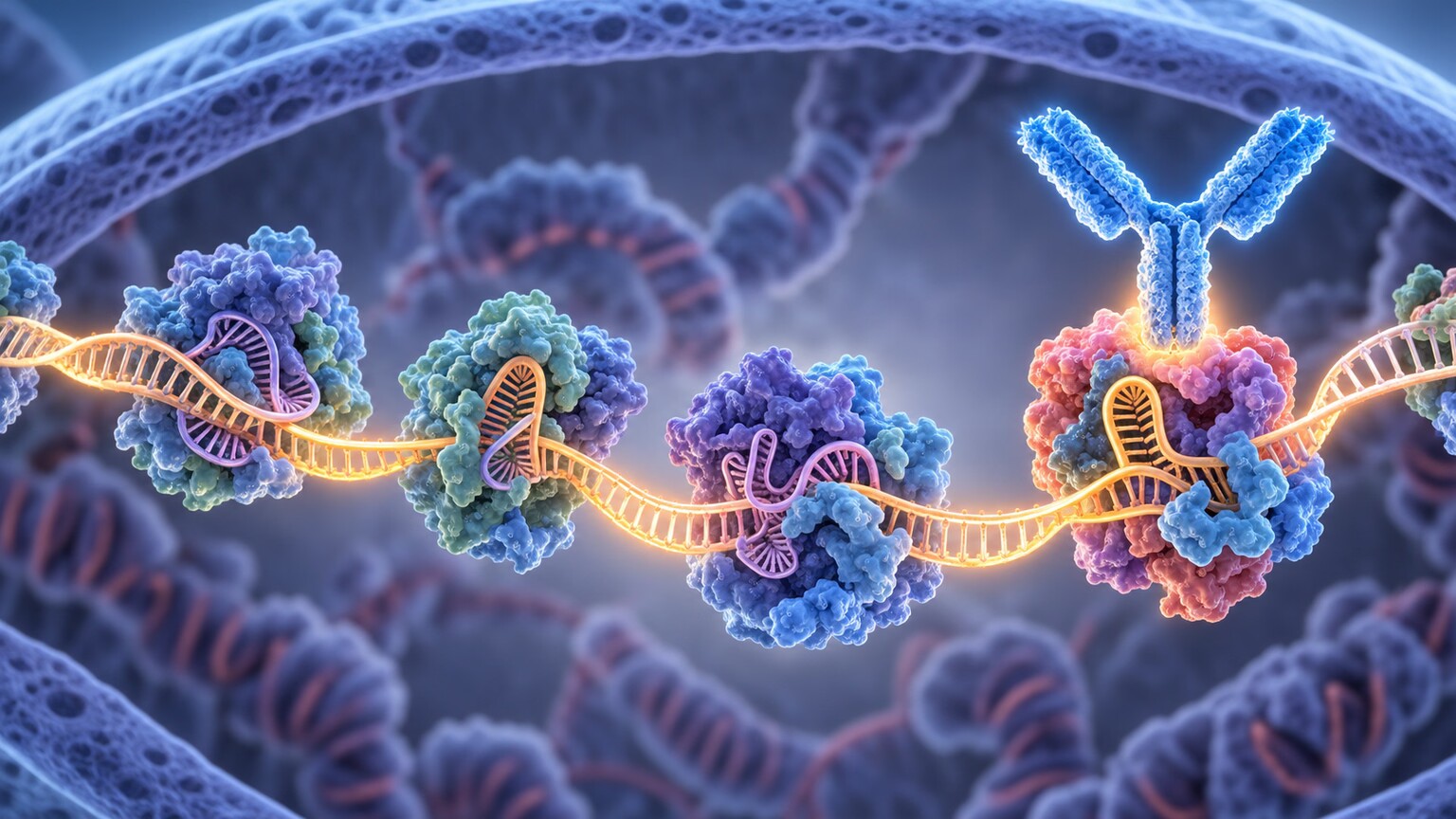
Figure 1. Anti-Smith antibodies target small nuclear ribonucleoproteins, protein-RNA complexes that sit inside every cell's nucleus and help process genetic instructions.
What Anti-Smith Antibodies Actually Target
To understand anti-Smith antibodies, it genuinely helps to first know what "Smith" actually refers to here — not a chemical name or a gene, but the surname of Stephanie Smith, the first lupus patient in whom this specific antibody was originally identified, back in the 1960s, when researchers were still working out which of the many antibodies found in lupus patients' blood were actually meaningful versus which were incidental. The antibodies target a group of proteins called small nuclear ribonucleoproteins, often abbreviated snRNPs, which sit inside the nucleus of nearly every cell in your body and play an essential role in a process called RNA splicing — the editing step where raw genetic instructions get trimmed and reassembled into the final version used to build proteins.
In someone with anti-Smith antibodies, the immune system has mistakenly identified these snRNP complexes as a threat and produces antibodies against them, treating a normal, essential piece of cellular machinery as if it were a foreign invader. This misdirected immune response is the same broad category of process behind essentially every antibody discussed in this site's autoimmune articles, but what makes anti-Smith specifically notable isn't the mechanism — it's how rarely this particular mistake happens outside of one specific disease.
To understand why RNA splicing matters enough for the immune system to end up targeting it, it helps to know what this process actually accomplishes. Genetic information is first copied from DNA into a raw RNA transcript, but that raw copy contains extra, non-coding segments that need to be precisely cut out before the remaining pieces are stitched back together into a usable set of instructions. The snRNP complexes are the molecular scissors and glue responsible for this editing step, and there are actually several distinct snRNP particles, each built around a slightly different combination of core proteins, working together as part of a larger machine called the spliceosome. Smith proteins are core structural components shared across several of these different snRNP particles, which is part of why an antibody against Smith ends up interfering with a fairly broad swath of the cell's splicing machinery all at once, rather than targeting just one narrow piece of it.
It's worth being clear that having anti-Smith antibodies doesn't mean a person's cells stop splicing RNA correctly, or that the antibodies are directly damaging tissue by blocking this essential process inside cells. Antibodies generally can't reach deep inside a living, intact cell to interfere with its internal machinery this way. Instead, these antibodies mainly cause harm indirectly — by forming immune complexes with snRNP material that leaks out of dying or damaged cells, and those immune complexes then depositing in tissues and triggering local inflammation, which is a broader mechanism shared with several other lupus-related antibodies covered elsewhere on this site.
Why This Antibody Is Considered So Unusually Specific
In autoimmune laboratory testing generally, the two concepts of "sensitivity" and "specificity" tend to pull in genuinely opposite directions from one another, and most individual antibody tests end up landing somewhere in the middle of that spectrum rather than excelling strongly at either one. A highly sensitive test, like the general ANA screen, catches nearly everyone with a given condition but also flags plenty of people who don't have it. A highly specific test does the opposite: it rarely flags anyone who doesn't have the condition, even if it also misses a fair number of people who do. Anti-Smith antibodies sit firmly on the specific end of that spectrum — only found in roughly 20 to 30 percent of people with systemic lupus erythematosus (SLE), meaning most lupus patients never test positive for it at all, but when it is positive, it's found in lupus at a rate far higher than in any other condition or in the general healthy population.
This is exactly why anti-Smith is included as one of the specific immunologic criteria in the current classification systems used to diagnose lupus, alongside anti-dsDNA and a small handful of other highly specific markers. A positive anti-Smith result contributes meaningful weight toward a lupus diagnosis in a way that a positive general ANA alone never could, precisely because false positives are so much less common with this particular antibody.
To put some concrete, grounded numbers around this concept, research specifically studying anti-Smith specificity has generally reported it correctly identifying real lupus, rather than producing a false alarm, somewhere in the range of roughly 95 to 99 percent of the time whenever it does come back genuinely positive, depending on the exact patient population and specific testing method being studied. That's a genuinely quite unusual figure to see in the broader field of autoimmune serology overall, where many other antibodies, including the general ANA screen itself, carry false-positive rates high enough that a positive result alone is rarely treated as conclusive of anything on its own. This is part of why clinicians talk about anti-Smith using language usually reserved for far more decisive test results — not "this could be lupus," but "this is strong evidence for lupus," a meaningfully different level of confidence.
It's worth understanding exactly why this specificity/sensitivity tradeoff exists rather than treating it as an arbitrary fact to memorize. The reason anti-Smith is so specific comes down to how deeply embedded and essential Smith proteins are inside every human cell — an immune response targeting something this fundamental to basic cellular function generally only develops under a fairly narrow, specific set of circumstances, largely restricted to the particular pattern of immune dysregulation seen in lupus. Less specific antibodies, by contrast, often target proteins or structures that show up transiently during ordinary infections, tissue repair, or other everyday immune activity, which is exactly why they're more prone to being triggered by unrelated, temporary situations and producing a positive result that doesn't reflect any underlying disease at all.
Curious what the rest of your antibody panel or lab results actually mean? Upload your labs and get a complete, plain-language breakdown in under 15 minutes.
Analyze My ResultsAnti-Smith vs. Anti-RNP: Twins That Aren't Actually Twins
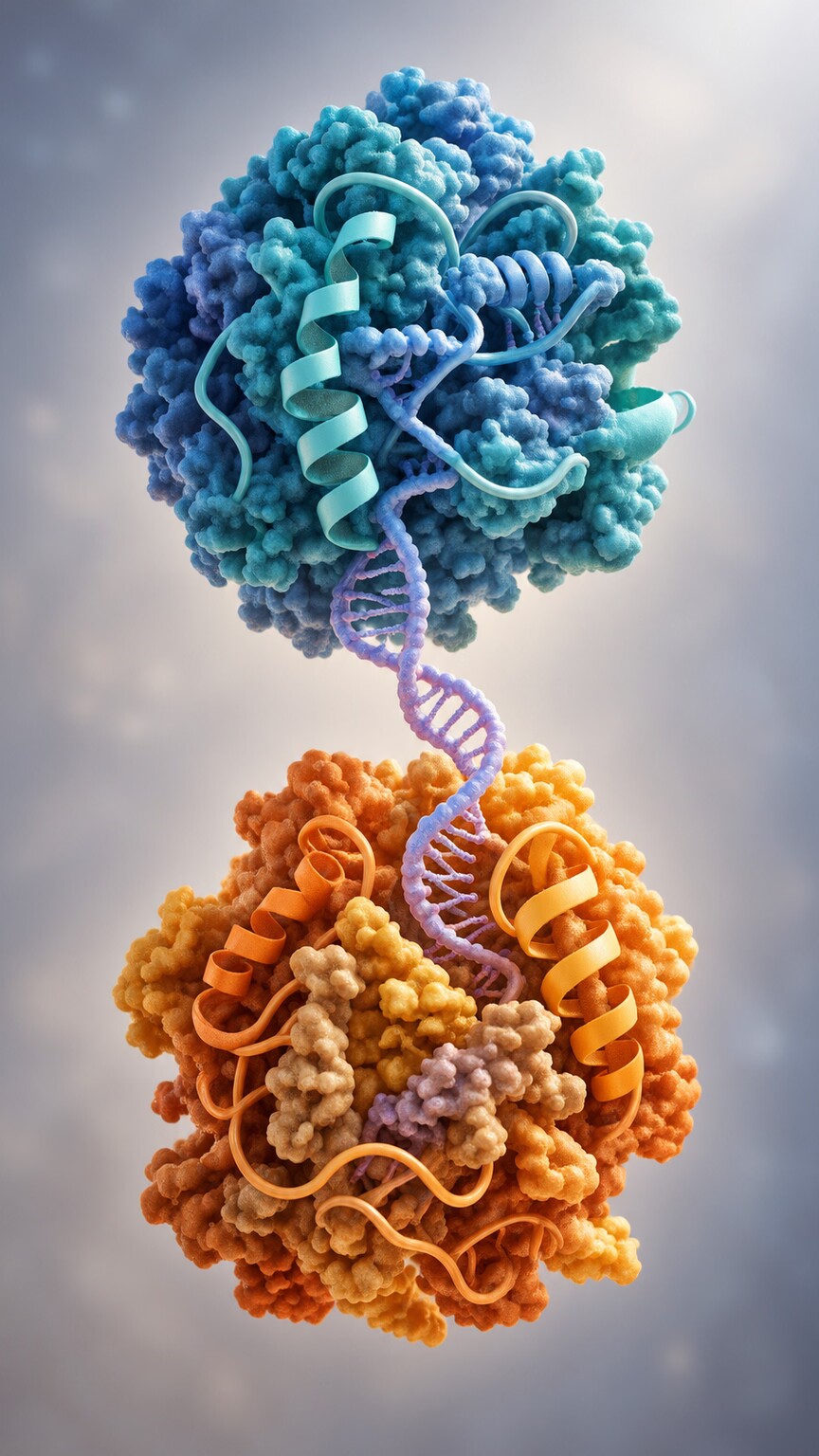
Figure 2. Smith and RNP proteins are structurally similar components of the same snRNP particle, which is why the two antibodies are frequently tested together despite pointing toward very different clinical pictures.
Anti-Smith antibodies are almost always tested alongside one closely related antibody called anti-RNP, short for ribonucleoprotein, and the two results are commonly reported together as "Sm/RNP" on a single lab panel, which understandably causes real confusion about whether the two are actually the same thing. They're not. Smith and RNP proteins are physically part of the same snRNP particle complex, sitting right next to each other structurally, which is exactly why antibodies against one so often show up alongside antibodies against the other — but the two antibodies carry very different diagnostic meaning.
Anti-RNP, when found in very high titers essentially on its own, without any of the other lupus-specific antibodies present, is the defining serological feature of a separate condition called mixed connective tissue disease (MCTD) — a distinct autoimmune condition that overlaps features of lupus, scleroderma, and myositis without being a clean match for any single one of them. Anti-Smith, by contrast, doesn't have its own separate named disease attached to it the way anti-RNP does — it points specifically and almost exclusively toward lupus. This is why a lab report showing both antibodies positive together usually points toward lupus with an RNP-positive subtype, while very high anti-RNP with anti-Smith genuinely negative shifts the picture more toward MCTD specifically.
MCTD itself is genuinely worth understanding a little further here, since it's the specific condition most likely to come up in conversation whenever anti-RNP appears prominently on a lab report. People with MCTD often present with a somewhat blended set of symptoms borrowed from each of the three conditions it overlaps — swollen, puffy fingers and Raynaud's phenomenon (fingers turning white or blue in the cold) more typical of scleroderma, joint pain and inflammation reminiscent of lupus, and muscle weakness more characteristic of myositis, all occurring together in a way that doesn't fit cleanly into any single diagnostic box. High-titer anti-RNP, essentially by itself, is considered central enough to this presentation that it's included directly in most proposed diagnostic criteria for MCTD, giving anti-RNP a defining role that anti-Smith has never had for any single disease.
This is also part of why laboratories so nearly always report Sm and RNP together as one combined result rather than running them as two fully separate individual orders — the two antibodies are practically inseparable in terms of testing logistics, since both are typically detected from extracts of the same snRNP-rich cellular material, even though their clinical meaning diverges so sharply once the results come back. A patient reading their own lab report for the first time can easily assume "Sm/RNP" represents a single antibody rather than two, which is exactly the kind of mix-up this distinction exists to prevent.
There's also a third possible pattern genuinely worth knowing about here: someone can test positive for anti-RNP at a comparatively lower titer alongside other lupus-specific antibodies, including anti-Smith and anti-dsDNA together, as part of a broader overall lupus antibody profile rather than as a standalone MCTD-defining finding on its own. In this context, the anti-RNP result is simply folded into the overall lupus picture rather than raising a separate consideration of MCTD, which is exactly why titer level and the surrounding antibody pattern matter as much as whether the test is simply positive or negative.
How Anti-Smith Testing Actually Works

Figure 3. Anti-Smith antibodies are typically detected through an ELISA immunoassay, which measures how strongly a patient's blood reacts against purified Smith protein bound to a test plate.
Anti-Smith is most commonly measured today using a method called ELISA, short for enzyme-linked immunosorbent assay, in which purified Smith protein is carefully fixed to the bottom of a small test plate and a small sample of the patient's actual blood serum is then added directly on top of it. If anti-Smith antibodies are present in the sample, they bind to the fixed protein and trigger a color-changing chemical reaction whose intensity is measured to determine how much antibody is present. An older, more traditional method called double immunodiffusion is also still used by some labs, relying on antibodies and protein slowly diffusing toward each other through a gel and forming a visible precipitate line where they meet.
Double immunodiffusion, despite being considerably slower and more labor-intensive than ELISA, is still regarded by many laboratory specialists as something of a gold-standard confirmatory method for anti-Smith specifically, precisely because its lower false-positive rate matters so much for an antibody whose entire clinical value rests on being trustworthy when it comes back positive. This is a genuinely unusual situation in modern laboratory medicine, where faster, more automated technology doesn't always fully replace an older, slower method, simply because the newer approach hasn't quite matched the older one's reliability for this one specific application.
Test methodology genuinely matters here more than with many other antibodies, because ELISA-based testing, while faster and more automatable, has historically shown a somewhat higher false-positive rate than immunodiffusion for anti-Smith specifically. This is part of why some rheumatologists will specifically request confirmation via immunodiffusion, or interpret a borderline ELISA-positive result more cautiously, rather than treating every positive result as equally certain regardless of which method produced it.
A considerably newer generation of laboratory testing technology, generally referred to as multiplex bead assays, has also become increasingly common and widely available across larger reference laboratories in recent years. This method suspends microscopic beads, each coated with a different purified autoantigen, in a single test tube and runs them through a specialized instrument capable of simultaneously measuring antibody binding to dozens of different targets at once, including anti-Smith alongside anti-RNP, anti-dsDNA, and several other autoimmune markers, all from a single blood draw. This approach has made comprehensive autoimmune antibody panels considerably more efficient and affordable to run than testing each antibody separately would be, though it introduces its own set of methodology-specific quirks that a rheumatologist may need to account for when comparing a result to older reference ranges established using traditional ELISA or immunodiffusion methods.
Because of these methodology differences, comparing an anti-Smith result from one lab against a result from a different lab, especially if they use different testing platforms, isn't always a clean, apples-to-apples comparison the way it might be with a more standardized test like basic electrolytes or a complete blood count. This is one of several practical reasons that repeat testing, when it's needed at all, is often best done through the same laboratory using the same method as the original test, to keep the comparison as meaningful as possible.
It's also worth mentioning what a "titer" actually represents in this context, since the term appears throughout autoimmune serology without always being explained. Rather than reporting a simple positive or negative, many labs report anti-Smith as a numerical value, sometimes alongside a qualitative interpretation like "weak positive," "moderate positive," or "strong positive," reflecting roughly how much antibody was detected relative to a defined threshold. A weak, borderline-positive result is generally interpreted with somewhat more caution than a strongly positive one, though even a weak positive still carries meaningfully more diagnostic weight for anti-Smith than a comparably weak positive would for a less specific antibody like the general ANA screen.
Why Anti-Smith Doesn't Track With Disease Activity the Way Other Lupus Antibodies Do
One of the genuinely more clinically useful things to understand about anti-Smith is precisely what it's not particularly good for: reliably tracking whether a person's lupus is currently active or actively flaring. Anti-dsDNA antibodies, covered in depth elsewhere on this site, rise and fall closely alongside disease activity, making them genuinely useful for monitoring a patient's condition over time. Anti-Smith behaves completely differently — once present, it tends to stay present at a relatively stable level regardless of whether a person's lupus is flaring, quiet, or somewhere in between, which means a stable or even a falling anti-Smith titer doesn't necessarily mean the disease itself has calmed down.
This distinction matters practically because it shapes what each antibody is actually useful for. Anti-Smith functions almost exclusively as a diagnostic marker — a tool for establishing that lupus is present in the first place — while anti-dsDNA functions as both a diagnostic and a monitoring tool that a rheumatology team can track over successive visits. A patient with lupus might have their anti-dsDNA rechecked repeatedly over years to help guide treatment decisions, while their anti-Smith status, once confirmed, is rarely retested with any real frequency, since retesting it wouldn't meaningfully change how their current disease activity is being managed.
The underlying biological reason for this difference is worth understanding rather than simply accepting as an observed pattern. Anti-dsDNA levels tend to rise and fall alongside the amount of dsDNA released from dying cells during active tissue damage — more disease activity generally means more cell turnover, more exposed DNA for the immune system to react against, and correspondingly higher circulating antibody levels. Smith proteins, by contrast, are essential components tucked away inside the nucleus of every cell at a fairly constant baseline level regardless of how active a person's lupus happens to be at any given moment, meaning there isn't the same disease-activity-driven surge in available antigen to trigger a corresponding rise in antibody production.
This also explains why anti-Smith doesn't factor meaningfully into any of the standard clinical disease-activity scoring systems that rheumatologists use to quantify how active a person's lupus is at a given visit, tools that instead lean heavily on anti-dsDNA trends, complement levels, and direct clinical findings. Anti-Smith's contribution happens once, at the diagnostic stage, and then largely steps back from the ongoing management conversation — not because it stops mattering, but because it was never designed to answer the specific question those monitoring tools exist to answer.
It's worth adding one important caveat to this generally stable pattern: while anti-Smith levels don't reliably track disease activity, they aren't always permanently fixed for life either. A small subset of patients can see their anti-Smith status shift from positive to negative, or occasionally the reverse, over the course of many years, particularly with long-term immunosuppressive treatment. These shifts are considered uncommon enough, and clinically ambiguous enough in what they might mean, that they don't currently change standard practice around how infrequently this particular antibody gets rechecked.
Who Tends to Test Positive: Demographics and Disease Associations
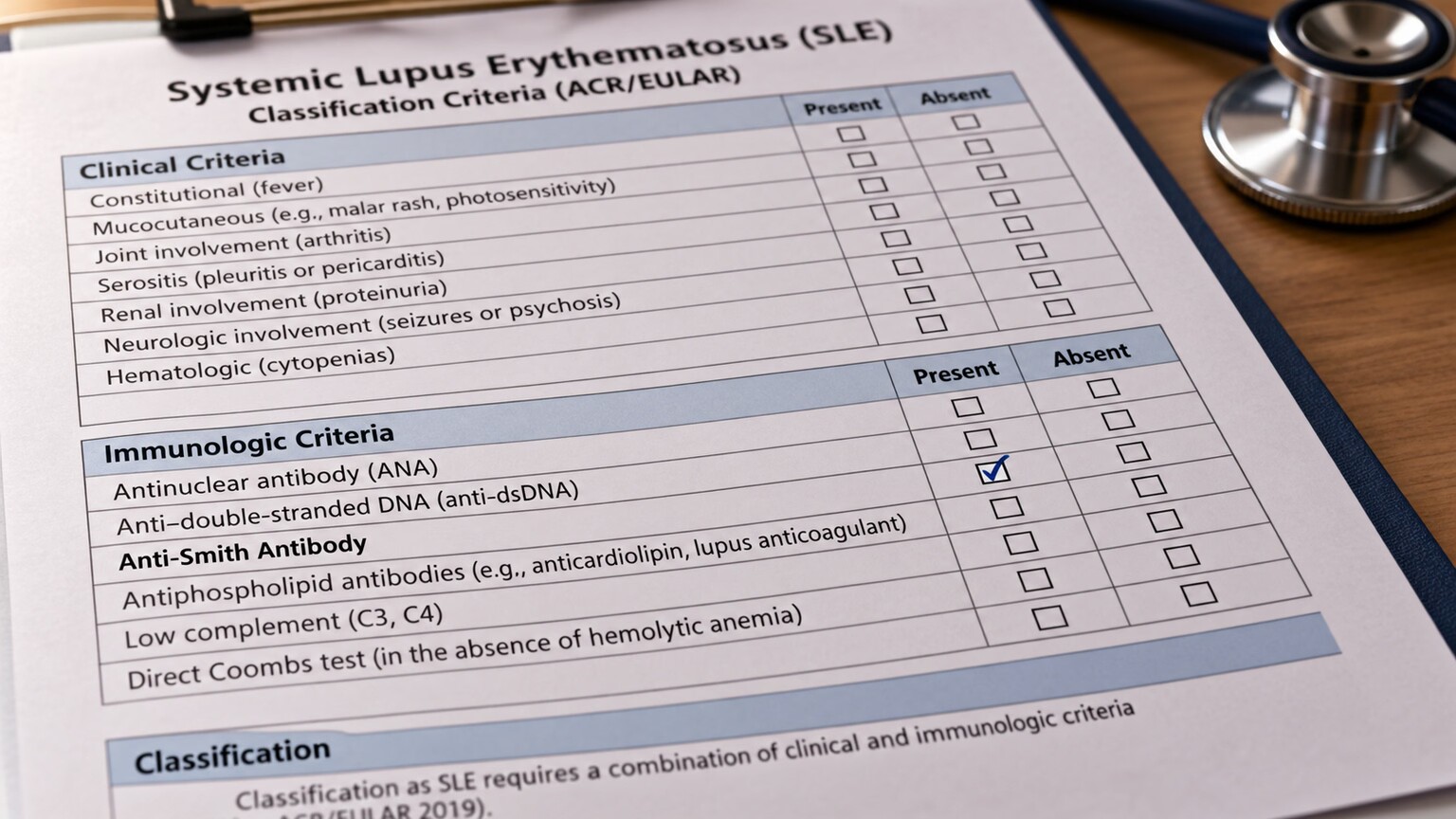
Figure 4. Anti-Smith antibody positivity is formally included as one of the specific immunologic criteria in current lupus classification systems, contributing meaningful weight toward a confirmed diagnosis.
Anti-Smith positivity isn't evenly distributed across all lupus patients — research has consistently and repeatedly found it considerably more common in people of Black African descent and East Asian descent who have lupus than in people of European descent with that same underlying disease, sometimes by a factor of two or more depending on the specific population being studied and the exact testing method used. This is one of several documented differences in how lupus presents serologically across different ancestries, and it's part of why the same set of antibody tests can carry somewhat different predictive value depending on a patient's background.
Beyond ancestry alone, anti-Smith has also been studied specifically for its possible association with certain distinct lupus manifestations, with some research suggesting a modest link to central nervous system involvement in lupus specifically, though this particular connection is considerably less firmly established and far less consistently reproduced across independent studies than the well-documented link between anti-dsDNA and kidney involvement. This is an area of ongoing research rather than settled clinical fact, and a positive anti-Smith result doesn't, on its own, predict which organs a person's lupus is likely to affect.
The precise reasons behind these ancestry-based prevalence differences aren't fully settled or agreed upon either, though researchers have proposed a small handful of genuinely plausible contributing factors worth mentioning here. Genetic variation in specific immune-regulating genes differs across populations and may partly explain why certain groups are more prone to developing this particular antibody specificity rather than others. There's also ongoing research interest in whether environmental exposures, which can differ systematically between populations for reasons unrelated to genetics, might interact with underlying genetic susceptibility to influence which specific autoantibodies a person's immune system ends up producing once lupus develops. Neither explanation is considered complete on its own, and this remains an active area of investigation within lupus research more broadly.
Age and sex distribution among people who test positive for anti-Smith generally mirror lupus itself fairly closely rather than following any genuinely distinct pattern of their own — lupus overwhelmingly and disproportionately affects women, particularly during their reproductive years, and anti-Smith-positive patients as a group reflect that same broader demographic skew rather than deviating meaningfully from it. This is worth noting mainly because it means anti-Smith doesn't identify some meaningfully different subset of lupus patients in terms of age or sex; its main distinguishing associations are specifically tied to ancestry and, more tentatively, to certain organ-specific manifestations rather than to who is more likely to be affected in the first place.
What a Positive Result Means Without a Confirmed Lupus Diagnosis

Figure 5. Because a positive anti-Smith result is so rarely a false alarm, it typically prompts a full lupus evaluation even before the classic combination of joint, skin, and kidney symptoms has fully appeared.
Because anti-Smith is so specific, a positive result in someone who hasn't yet been diagnosed with lupus, or who has only mild or ambiguous symptoms, is taken quite seriously — considerably more seriously than an isolated positive ANA or an isolated positive RF would be in the same situation. It typically prompts a fuller lupus evaluation: a review of the classic symptom categories (joint pain, characteristic skin rashes, kidney involvement, blood count abnormalities, and specific neurological or serosal findings), complement levels (C3 and C4, which tend to drop when lupus is immunologically active), and often anti-dsDNA testing alongside it.
It's genuinely rare, though not impossible, for anti-Smith to be positive in someone who never goes on to meet full lupus classification criteria. When this does happen, it's usually managed with closer clinical follow-up and periodic reassessment rather than either an immediate lupus diagnosis or complete dismissal of the result — the specificity of this antibody means it's not treated as noise, even in the absence of a full symptom picture yet.
It's worth being specific about what current lupus classification criteria actually require, since a single positive antibody, even one as specific as anti-Smith, is never sufficient on its own to formally classify someone with lupus. The most widely used current systems assign point values to a combination of clinical findings (things like joint involvement, characteristic skin findings, kidney involvement, and specific neurological or blood-related features) and immunologic findings (positive ANA as an entry requirement, plus additional points for specific antibodies including anti-Smith and anti-dsDNA, along with complement levels). A person needs to accumulate points across both categories, reaching a defined threshold, before formally meeting classification criteria — meaning anti-Smith contributes meaningfully to that total but doesn't single-handedly complete it.
This deliberate point-based structure exists specifically and intentionally to prevent exactly the kind of oversimplified, single-number thinking that one isolated antibody result might otherwise tempt a person into. Even though anti-Smith carries unusually strong specificity compared to other autoimmune markers, the classification systems were deliberately built to require corroborating clinical evidence alongside it, since real-world lupus is a genuinely varied condition that can present quite differently from one patient to the next, and no single laboratory value, however specific, was ever intended to substitute for a complete clinical evaluation.
For someone who tests positive for anti-Smith but currently has few or no lupus-typical symptoms, the most common realistic outcome isn't an immediate diagnosis or dramatic intervention — it's a plan for closer observation. This might include a follow-up visit sooner than would otherwise be scheduled, specific instructions about which new symptoms to watch for and report promptly, and periodic rechecking of related markers like complement levels and anti-dsDNA, which are more sensitive to emerging disease activity than anti-Smith itself. This measured, watchful approach reflects the genuine uncertainty in how quickly, or whether, a positive anti-Smith result in an otherwise asymptomatic person will eventually be accompanied by the fuller clinical picture needed to complete a formal diagnosis.
This watch-and-wait period, while it can understandably feel unsettling for a patient sitting with an unexplained positive result, generally spans months rather than years before a clearer picture emerges one way or another. Most people who eventually go on to develop enough additional findings to meet formal lupus criteria do so within a relatively contained window following an initial isolated antibody finding like this, rather than experiencing a decades-long ambiguous limbo, which is part of why this kind of structured monitoring plan is considered a genuinely reasonable and time-limited approach rather than an open-ended one.
A Worked Example: A Positive Anti-Smith Before Symptoms Fully Add Up
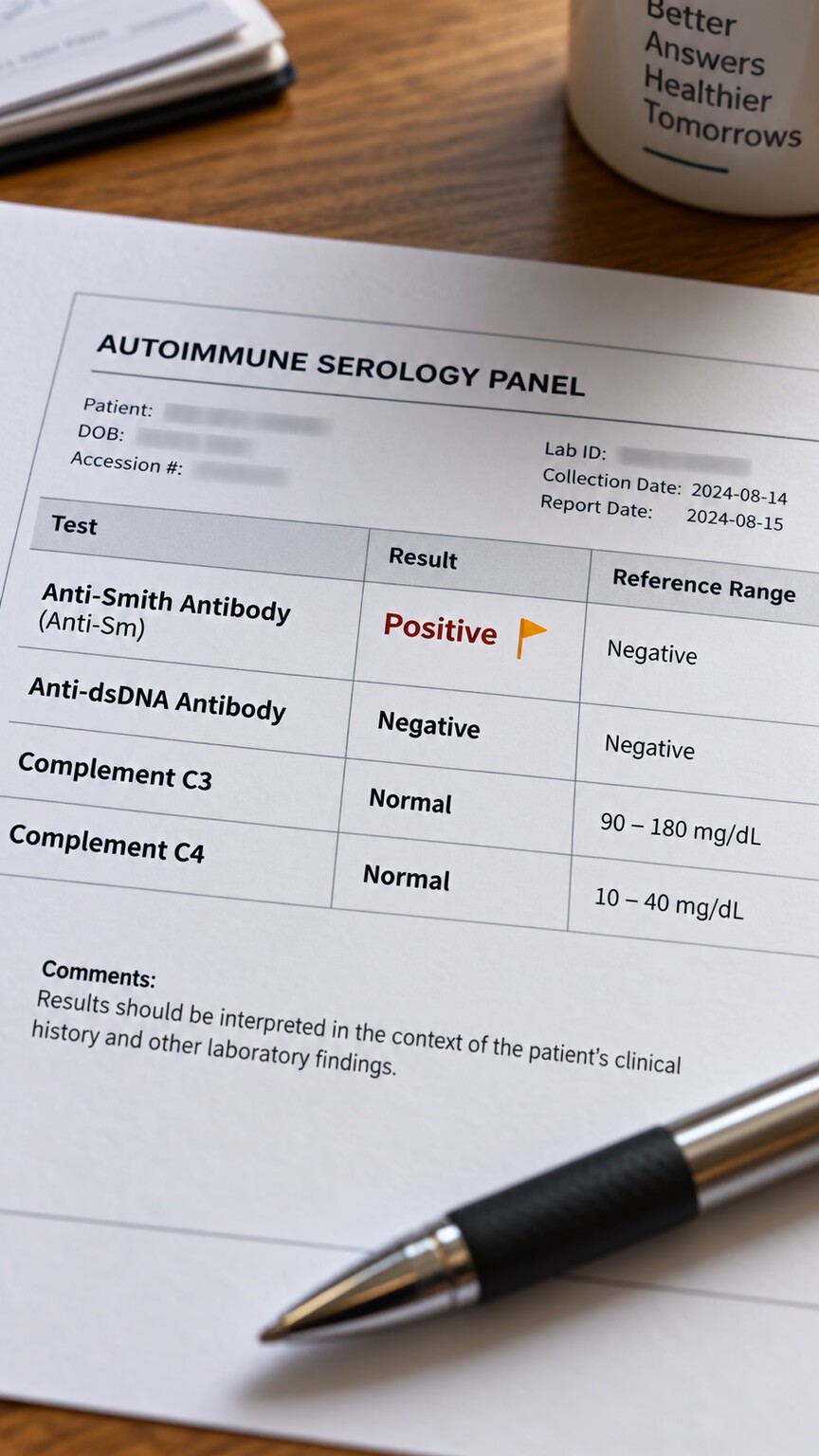
Figure 6. A reflex antibody panel triggered by a positive ANA screen typically reports anti-Smith, anti-dsDNA, and complement levels together, since the combined pattern carries more diagnostic meaning than any single result alone.
Consider a 29-year-old who has been dealing with several months of unexplained fatigue and occasional joint stiffness in her hands, without any of the more classic lupus features like a facial rash or kidney problems. An ANA screen comes back positive, prompting a reflex panel that includes anti-Smith, which also comes back positive, while anti-dsDNA comes back negative and complement levels are normal.
Even without a facial rash, kidney involvement, or a positive anti-dsDNA, the positive anti-Smith result alone contributes meaningful weight toward a lupus classification, given how specific this antibody is. Her rheumatologist reasonably proceeds with closer monitoring, a more detailed symptom review specifically looking for lupus features that might not have been volunteered during a general conversation, and baseline organ-function testing, treating this combination as a genuine early lupus picture rather than an incidental finding — precisely because a false-positive anti-Smith in this context would be a genuine statistical rarity, not the most likely explanation.
Over the following months, a more thorough review uncovers a detail she had not mentioned initially: occasional mouth sores that come and go, which she had always quietly attributed to stress rather than anything hormonal or immune-related, and a mild but genuine sensitivity to sunlight that leaves her skin unusually irritated after even brief time spent outdoors. Neither symptom alone would have prompted much concern on its own, but combined with the already-positive ANA and anti-Smith results, they add enough additional clinical criteria to formally complete lupus classification. Treatment begins accordingly, with the underlying disease caught meaningfully earlier than it likely would have been without that initial specific antibody flag pointing the entire workup firmly in the right direction from the very start.
Now consider a contrasting version of this same scenario: a different patient with similar fatigue and joint stiffness has a positive ANA, but the reflex panel comes back with anti-Smith negative, anti-dsDNA negative, and normal complement levels. Here, despite genuinely bothersome symptoms, the absence of any specific lupus antibody meaningfully lowers the probability that lupus is the underlying explanation, shifting the workup toward other possibilities — a different autoimmune condition entirely, a non-autoimmune cause of the fatigue and joint symptoms, or simply an isolated, clinically insignificant ANA positivity of the kind covered in more detail elsewhere on this site. This contrast illustrates exactly why a specific antibody result changes the entire trajectory of a workup, in either direction, far more than symptoms alone ever genuinely could on their own, regardless of how convincing those symptoms might initially seem in isolation.
Frequently Asked Questions
Can anti-Smith antibodies be positive without having lupus?
It's uncommon but not impossible. Anti-Smith is one of the most specific lupus-associated antibodies, meaning false positives are rare compared to other autoimmune tests, but a small number of positive results occur without a person ever meeting full lupus classification criteria.
Is anti-Smith the same as anti-RNP?
No. They're structurally related and often tested together, but anti-RNP alone at high titer points toward mixed connective tissue disease, while anti-Smith points specifically and almost exclusively toward lupus.
Does anti-Smith level go up and down with lupus flares?
Generally not. Unlike anti-dsDNA, anti-Smith tends to remain relatively stable once present, regardless of current disease activity, which is why it's used mainly as a diagnostic marker rather than a monitoring tool.
Why don't most lupus patients test positive for anti-Smith?
Anti-Smith is highly specific but not very sensitive — it's found in only about 20 to 30 percent of people with lupus, so a negative result doesn't rule lupus out; it simply means this particular antibody isn't part of that person's disease profile.
Does anti-Smith positivity predict which organs lupus will affect?
Not reliably. Unlike anti-dsDNA, which correlates fairly well with kidney involvement, anti-Smith's link to specific organ manifestations, such as central nervous system involvement, is less consistently established across research.
Conclusion
A confirmed positive anti-Smith antibody result is genuinely one of the few results anywhere in autoimmune testing that truly earns its reputation as a serious finding rather than merely another source of frustrating ambiguity. Its rarity outside of lupus, its formal inclusion in lupus classification criteria, and its distinct behavior compared to related antibodies like anti-RNP all combine to make it one of the more clinically decisive pieces of information a rheumatology workup can produce. A negative result doesn't rule lupus out, and a positive one doesn't replace the need for a fuller clinical picture — but when this particular antibody does appear, it's rarely a coincidence.
If there is one single idea genuinely worth taking away from everything covered throughout this article, it's that not all positive antibody results carry anywhere near the same real diagnostic weight, even within that same general broad category of autoimmune testing. A positive ANA opens a question. A positive anti-Smith goes a long way toward answering it — not completely, and not without the rest of the clinical picture still needing to be gathered, but with a level of confidence that very few other autoimmune markers can genuinely offer.
Still Not Sure What Your Results Mean?
Upload your labs and get a complete, visual, plain-language interpretation of every biomarker — delivered to your inbox in under 15 minutes.
Get My ReportThis article is for educational purposes only and does not constitute medical advice. Always consult your healthcare provider regarding your specific lab results.