
Understanding the Difference Between CRP and hs-CRP
If you've seen both "CRP" and "hs-CRP" on lab order forms and assumed they're just two names for the same blood test, you're half right — and the half you're missing actually matters. Both tests measure the exact same molecule: C-reactive protein, a substance your liver manufactures and releases into your bloodstream whenever your body detects inflammation, infection, or tissue damage anywhere in the body. The molecule itself doesn't change depending on which test ordered it. What changes is the instrument's precision — how small a concentration of that molecule the lab's equipment is actually capable of detecting and reporting accurately. That single difference in measurement sensitivity is why a standard CRP test and a high-sensitivity CRP (hs-CRP) test end up used for two almost entirely different clinical purposes, even though a chemist analyzing both samples side by side would find nothing structurally different between what's being measured.
What CRP Actually Is, and Why Your Liver Makes It
C-reactive protein belongs to a category of substances doctors call "acute phase reactants" — proteins whose blood concentration rises sharply and quickly in response to inflammation anywhere in the body. Think of your liver as a factory that normally produces a small, steady trickle of this particular protein. The moment your immune system detects a problem — a cut that's become infected, a joint flaring with arthritis, a chest cold turning into pneumonia, even the routine tissue repair that follows a hard workout — specialized immune signaling molecules called cytokines, particularly one called interleukin-6, travel to the liver and effectively flip a switch. Production of C-reactive protein can increase by a factor of 1,000 or more within 24 to 48 hours of the triggering event. Few substances in the human body swing that dramatically, that fast, which is exactly what makes CRP such a useful early-warning signal for clinicians — and also why interpreting a single CRP number in isolation, without knowing what else is going on in a person's body that week, can be genuinely misleading.
Once released, CRP circulates through the bloodstream and does real biological work: it binds to the surface of damaged or dying cells and to certain bacteria, tagging them so the immune system's cleanup crews — a process called opsonization — can recognize and clear them more efficiently. It also helps activate a cascade of immune proteins called the complement system, part of the body's front-line defense against infection. In other words, CRP isn't just a passive marker that happens to rise during inflammation; it's an active participant in the inflammatory response itself, which is part of why it has remained one of the most heavily used blood tests in modern medicine since it was first identified in the 1930s.
The name itself is a small piece of medical history worth knowing, because it explains where the confusion between the two tests actually started. C-reactive protein gets its name from the way it was originally discovered — researchers at Rockefeller University in 1930 found that blood serum from patients with acute infections would clump together, or "precipitate," when mixed with a substance called C-polysaccharide, extracted from the outer capsule of the bacterium that causes pneumococcal pneumonia. The unknown protein responsible for that reaction was named, quite literally, for its ability to react with the C-polysaccharide — hence "C-reactive protein." For roughly six decades after that discovery, the only assays available were built to detect the large swings seen during acute infection, the kind CRP was originally discovered in. It wasn't until the 1990s, when cardiology researchers began digging into subtler patterns of inflammation tied to heart disease, that laboratories needed a fundamentally more sensitive way to measure the same molecule — and the high-sensitivity assay, hs-CRP, was developed specifically to meet that need. Understanding that hs-CRP is the newer, purpose-built tool, while standard CRP is the original test that's been running in labs since the mid-20th century, helps explain why the two continue to serve such different roles today.

Figure 1. C-reactive protein's five-ringed pentameric structure binds to phosphocholine exposed on damaged or dying cells, marking them for clearance by the immune system.
Structurally, CRP is what's called a pentraxin — it's built from five identical protein subunits arranged in a ring, like five puzzle pieces locked into a circle, which is where the "penta" in its structural family name comes from. That ring shape isn't decorative; it's what allows the molecule to bind efficiently to its targets and to trigger the complement cascade once it does. Every single CRP molecule made by every liver cell in every person is built to this same five-part structure — a standard CRP test and an hs-CRP test are both counting copies of this identical molecule. The distinction between the two tests has nothing to do with the protein changing shape or behavior at low levels versus high levels. It has everything to do with how the laboratory instrument is calibrated to count it.
What "High-Sensitivity" Actually Means in a Lab
The word "sensitivity" in a medical context often gets used loosely, but in laboratory science it has a precise, technical meaning: sensitivity refers to the smallest concentration of a substance an assay — the chemical test procedure itself — can reliably detect and distinguish from zero. A standard CRP test, the kind that's been run in hospital labs for decades, was originally built to detect and quantify the dramatic swings in CRP that happen during infection, injury, or active inflammatory disease. Those swings are large — CRP can climb into the tens or even hundreds of milligrams per liter (mg/L) during a serious bacterial infection — so the standard assay was engineered with a detection floor typically somewhere around 3 to 10 mg/L. Below that floor, the standard test essentially reports "undetectable" or "normal," even if there's a smaller but still real amount of CRP circulating.
The high-sensitivity version of the test uses a different laboratory method — most commonly a technique called immunoturbidimetric or immunonephelometric assay, both of which rely on antibodies engineered specifically to bind CRP and produce a measurable optical signal even at very low concentrations. These methods can reliably detect and report CRP values as low as 0.2 to 0.3 mg/L, roughly ten to fifteen times more sensitive than the standard assay's floor. That gap is the entire story: hs-CRP isn't a "stronger" or "more advanced" version of the same test in some vague sense — it's an assay purpose-built to resolve fine gradations within a range of values the standard test simply can't distinguish from background noise.

Figure 2. High-sensitivity assays use antibody-based optical detection methods capable of resolving CRP concentrations as low as 0.2 mg/L, far below what standard assays can distinguish from zero.
To put that difference in more concrete terms: imagine two kitchen scales. One is the kind you'd find in a hardware store, built to weigh objects in whole pounds — perfectly accurate for weighing a bag of nails, but useless for weighing a single paperclip, since anything under a certain threshold just reads as zero. The other is a jeweler's scale, built specifically to register differences of a few milligrams — the same fundamental measurement (weight), but engineered for a completely different scale of precision. A standard CRP test is the hardware-store scale: excellent at flagging the large, obvious swings that come with real infection or injury. The hs-CRP test is the jeweler's scale: built to detect the subtle, chronic, low-grade elevations that never come close to triggering an infection-level response but that research has linked to long-term cardiovascular risk.
Both assays are usually run on the same basic type of blood sample — a tube of serum or plasma drawn during a routine blood draw — and in many labs, the same underlying chemistry platform can be configured to run either the standard or the high-sensitivity protocol. The meaningful difference lives in the calibration, the reference reagents, and the reporting range the lab uses, not in some separate vial of blood or specialized collection procedure the patient has to go through.
Two Different Jobs: Infection Monitoring vs. Cardiovascular Risk
Because the two assays are built around different detection ranges, they've evolved to serve two largely separate clinical purposes, and understanding which purpose applies to your specific test is the key to correctly interpreting your own result. Standard CRP is the workhorse test used when a clinician already suspects — or wants to rule out — an active inflammatory or infectious process. It's commonly ordered when someone presents with fever, joint pain and swelling suggestive of rheumatoid arthritis or another autoimmune condition, suspected appendicitis or other intra-abdominal infection, inflammatory bowel disease flares, or to monitor how well a known infection is responding to antibiotic treatment over several days. In these settings, doctors are looking for large, clinically obvious changes — is the number climbing into the tens or hundreds, and is it coming back down as treatment works — not fine gradations near the bottom of the scale.
High-sensitivity CRP, by contrast, was developed specifically because cardiovascular researchers in the 1990s and 2000s discovered something the standard test was structurally incapable of revealing: that people with CRP levels sitting well within the "normal" range on a standard assay — but toward the higher end of that low range — had a measurably elevated long-term risk of heart attack and stroke compared to people whose levels sat at the very bottom of that same range. This wasn't about detecting infection at all; it was about detecting a subtle, smoldering, low-grade inflammatory process happening inside blood vessel walls themselves, one connected to the formation and instability of atherosclerotic plaque — the fatty, cholesterol-containing deposits that narrow and stiffen arteries over years. Landmark research, including the JUPITER trial published in the New England Journal of Medicine, helped establish hs-CRP as a legitimate tool for refining cardiovascular risk assessment, particularly in people whose traditional risk factors (cholesterol, blood pressure, smoking status, family history) don't clearly place them in either a low-risk or high-risk category on their own.
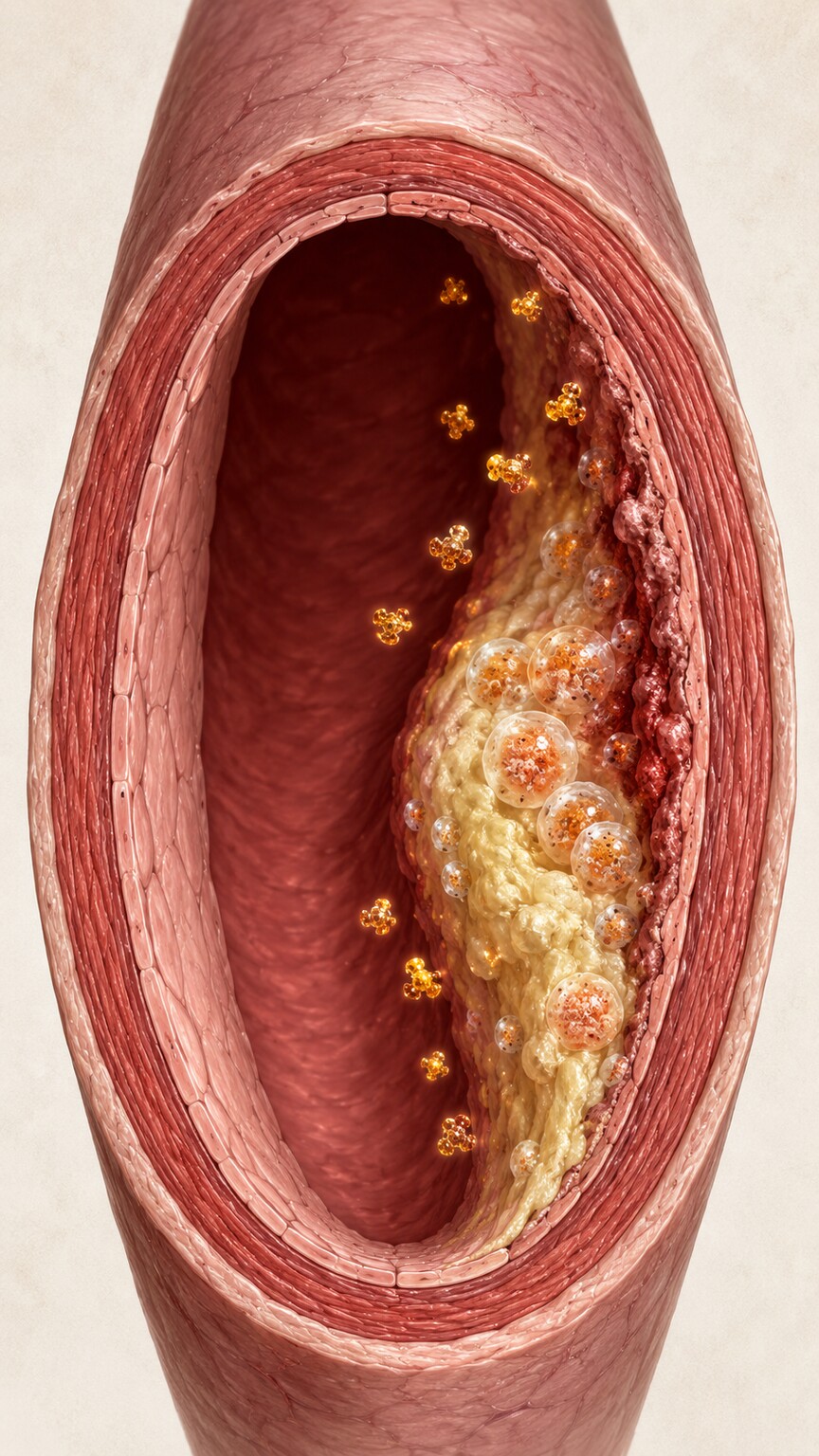
Figure 3. Low-grade vascular inflammation involving the artery's inner lining, the endothelium, is what hs-CRP is designed to flag long before any large-scale infection would register on a standard assay.
This is why the same underlying molecule ends up serving what feel like two unrelated purposes. Standard CRP asks the question, "Is something actively, acutely inflamed or infected in this person's body right now?" hs-CRP asks a much quieter, longer-horizon question: "Is this person's vascular system running a low, chronic simmer of inflammation that, left unaddressed over years or decades, raises their risk of a cardiovascular event?" Both are legitimate, evidence-based uses of the same protein — but ordering the wrong one, or misreading a result meant for one purpose as though it answered the other question, is where confusion tends to creep in for patients trying to make sense of their own lab report.
It's also worth understanding that hs-CRP is typically ordered as part of a broader cardiovascular risk conversation, not as a stand-alone diagnostic test. Major cardiology guidelines, including those from the American Heart Association and the American College of Cardiology, generally position hs-CRP as an optional add-on for what's called "risk refinement" — useful specifically in people who fall into an intermediate risk category based on standard factors like LDL cholesterol, blood pressure, and smoking history, where knowing the hs-CRP result might tip a treatment decision (such as whether to start a statin) one way or the other. It is not typically recommended as a universal screening test for every adult, and it is not used, on its own, to diagnose heart disease.
The biological reasoning behind using hs-CRP for cardiovascular risk goes deeper than simple correlation. Atherosclerosis — the process by which arteries narrow and stiffen — was once understood mainly as a plumbing problem: cholesterol builds up, the pipe narrows, blood flow suffers. Research over the past three decades has substantially revised that picture. Cholesterol deposits inside an artery wall trigger a genuine inflammatory response from the immune system, similar in kind to how the body responds to infection, just localized and prolonged rather than acute and self-limited. Immune cells called macrophages infiltrate the artery wall, engulf cholesterol particles, and become what's known as foam cells, releasing their own inflammatory signals in the process, including the interleukin-6 that also drives CRP production in the liver. A blood vessel undergoing this slow, inflamed remodeling produces a small but steady stream of inflammatory signaling that shows up, if you have a sensitive enough instrument to catch it, as a subtly elevated hs-CRP — even in someone who feels completely healthy and has no symptoms whatsoever. This is also why hs-CRP tends to correlate not just with whether atherosclerosis exists, but with how unstable a given plaque may be — inflamed, thin-capped plaques are the ones most likely to rupture and trigger a heart attack, more so than larger but calcified, stable plaques.
Curious what the rest of your inflammation or cardiac risk panel is telling you? Upload your results and get a complete, plain-language breakdown in under 15 minutes.
Analyze My ResultsReading an hs-CRP Result: The Cardiovascular Risk Categories
Because hs-CRP is interpreted against a completely different scale than standard CRP, the reference ranges and risk categories look nothing alike, and mixing them up is one of the most common sources of patient confusion. The American Heart Association and CDC jointly established the following cardiovascular risk categories specifically for hs-CRP results, based on large population studies correlating hs-CRP levels with future cardiac event rates:
Low cardiovascular risk: hs-CRP below 1.0 mg/L. Average (moderate) cardiovascular risk: hs-CRP between 1.0 and 3.0 mg/L. High cardiovascular risk: hs-CRP above 3.0 mg/L. Notice how narrow this entire scale is — the whole meaningful range for cardiac risk stratification sits between 0 and roughly 3 mg/L, which is precisely the low-concentration territory a standard CRP assay isn't built to resolve with any precision. This is also why hs-CRP results above roughly 10 mg/L are generally considered unreliable for cardiovascular risk assessment and are instead treated as a signal of acute inflammation or infection — at that point, the test has essentially left its intended low-range use case and entered territory the standard assay was already built to handle, so most labs and guidelines recommend repeating the test once any acute illness has resolved, ideally at least two weeks later, before drawing any cardiovascular conclusions from the number.
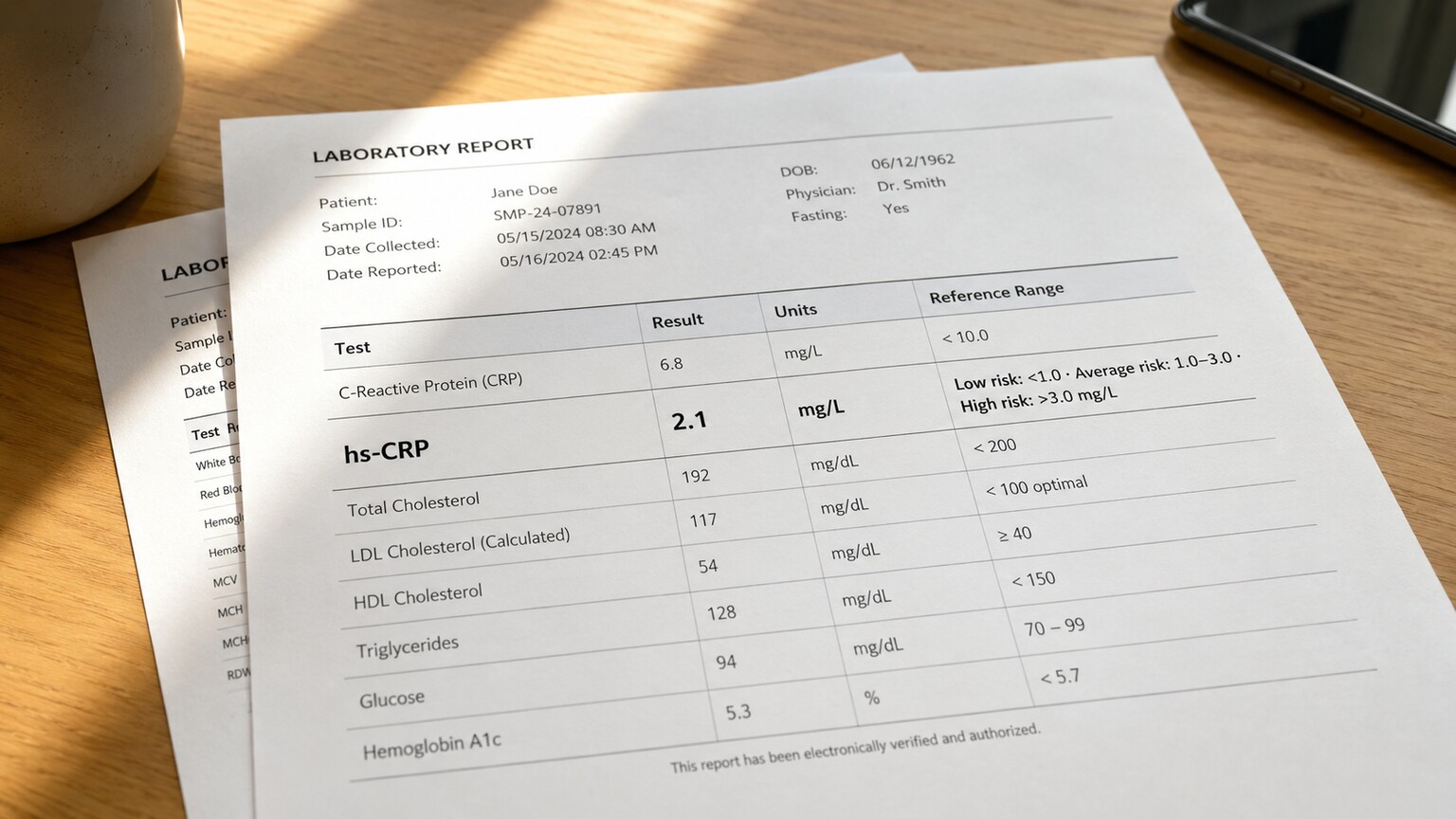
Figure 4. An hs-CRP value is only interpretable against its own three-tier cardiovascular scale — a result of 2.1 mg/L, for example, falls in the average-risk band between 1.0 and 3.0 mg/L.
Why an hs-CRP Result Can't Diagnose an Infection — and Why That's by Design
One of the most important practical takeaways of understanding this distinction is knowing what hs-CRP cannot tell you. If you're sick with an active infection — a urinary tract infection, strep throat, a wound that's become infected — hs-CRP is the wrong test, not because it wouldn't detect elevated CRP, but because most hs-CRP assays are only validated and clinically meaningful up to that roughly 10 mg/L ceiling. Beyond that point, many hs-CRP assays either report the result as ">10 mg/L" without further precision, or the lab flags it as outside the assay's validated range altogether, because distinguishing between a CRP of 40 and a CRP of 90 during active infection was never the design goal — a standard CRP test, which remains accurate and clinically useful across a much wider range (often up to several hundred mg/L), is the correct tool for that job. Ordering hs-CRP to investigate a fever or suspected infection is, in effect, using the jeweler's scale to weigh a bag of nails: it will technically register that something heavy is there, but it won't give a clinician the precise, wide-range number they actually need to track disease severity or treatment response.
This also explains why a person recovering from a recent cold, dental procedure, minor injury, or even a strenuous workout should generally avoid having hs-CRP drawn for cardiovascular risk purposes during that window. Any of these can transiently push CRP up into a range that, on the hs-CRP scale, would look like a "high risk" cardiovascular result — even though the elevation has nothing to do with the arteries and everything to do with a temporary, unrelated inflammatory event that will resolve on its own within days. Most clinical guidelines recommend hs-CRP be drawn when a person is otherwise healthy and free of acute illness, and that any unexpectedly high result be confirmed with a repeat test two or more weeks later before it's used to inform any decisions about statin therapy or other cardiovascular interventions.
What Else Can Push Either Test Higher, Beyond Heart Disease and Infection
It's worth being direct about something that trips up a lot of people trying to interpret their own results: CRP and hs-CRP are what's called non-specific markers, meaning an elevated result tells you inflammation is present somewhere, but not where, and not necessarily why. A long list of common, everyday conditions and circumstances can raise CRP levels well outside of both infection and cardiovascular disease, including obesity (fat tissue itself produces inflammatory signaling molecules that stimulate CRP production), smoking, chronic stress and poor sleep, autoimmune conditions like lupus or rheumatoid arthritis, recent surgery or trauma, pregnancy, use of hormonal birth control or hormone replacement therapy, and simply being in the days immediately following a vaccination. Age also plays a role — CRP tends to run modestly higher, on average, in older adults, independent of any specific disease process.

Figure 5. Diets rich in omega-3 fatty acids and polyphenol-containing vegetables have been associated in clinical studies with measurably lower hs-CRP levels over time.
This is exactly why a single elevated CRP or hs-CRP result, on its own and without any accompanying symptoms or clinical context, is rarely treated as an emergency or even as a clear diagnosis of anything specific. A thoughtful clinician will typically ask about recent illness, injury, or procedures; consider the person's weight, smoking status, and known chronic conditions; and, if the concern is genuinely cardiovascular, look at the hs-CRP result alongside cholesterol panels, blood pressure readings, and family history rather than in isolation. Two people can have the exact same hs-CRP number and warrant completely different next steps, depending entirely on that surrounding context — which is part of why lab results are so much more useful when interpreted as a full picture rather than one number at a time.
Obesity deserves a closer look here, since it's one of the most common and most underappreciated drivers of a chronically elevated hs-CRP in otherwise healthy-seeming adults. Adipose tissue — body fat — isn't the inert storage depot it was once assumed to be; it behaves as an active endocrine organ, and visceral fat in particular (the fat surrounding abdominal organs, as opposed to fat under the skin) secretes a steady stream of inflammatory signaling molecules, including interleukin-6, the same messenger that tells the liver to ramp up CRP production. This means a person carrying significant excess weight can show a persistently elevated hs-CRP even with no infection, no autoimmune disease, and no diagnosed heart condition — the elevated number is, in effect, a direct biochemical echo of the extra fat tissue itself. It also explains why weight loss is one of the most consistently reproduced ways to bring a chronically high hs-CRP back down, often more dramatically than any single medication, since it removes the tissue that was generating the inflammatory signal in the first place.
On the other end of the spectrum, several factors are known to modestly lower CRP and hs-CRP readings, and it helps to know these too, since a result that looks reassuringly low isn't always the full story either. Regular moderate exercise, weight loss, smoking cessation, moderate alcohol consumption (as opposed to none or heavy use, in some studies), and certain medications including statins and NSAIDs have all been shown to reduce circulating CRP over time. This is actually one of the more encouraging aspects of hs-CRP as a cardiovascular tool: unlike a genetic risk factor a person can't change, hs-CRP is directly modifiable through lifestyle changes, which is part of why researchers and clinicians have taken such a strong interest in it as both a risk marker and a target for intervention.
Which Test Should You Actually Ask For?
If your doctor has ordered CRP or hs-CRP, the honest answer to "which one do I need" almost always comes down to the question being asked, not a personal preference between the two. If you're being evaluated for a possible infection, a flare of a known inflammatory condition, or your doctor wants to track whether a treatment is working over days to weeks, standard CRP is the appropriate test — it's cheaper, more widely available, and validated across the wide range of values that acute inflammation actually produces. If the conversation is about your long-term cardiovascular risk — particularly if your traditional risk factors put you in a gray zone where a doctor is trying to decide whether more aggressive prevention, like starting a statin, makes sense — hs-CRP is the right tool, and asking specifically for the "high-sensitivity" version by name is worthwhile, since simply requesting "a CRP test" without specifying will often default to the standard assay at most labs.

Figure 6. Sustained aerobic activity is one of the most consistently reproduced lifestyle factors shown to lower hs-CRP levels across long-term cardiovascular studies.
It's also worth knowing that hs-CRP isn't a one-time test in most cardiovascular risk workups — because a single reading can be pushed around by so many temporary factors, many clinicians will ask for it to be measured twice, roughly two weeks apart, when it's being used to inform a real decision, and will use the average of the two values rather than relying on either one alone. This two-sample approach helps smooth out the kind of day-to-day biological noise that any inflammatory marker naturally has, giving a more reliable picture of a person's baseline level rather than a snapshot that happened to catch them the day after a minor cold or a hard leg day at the gym.
If you've already had a CRP test and are now looking at a number without knowing which version was run, the report itself should say — look for the words "high sensitivity," "hs-CRP," or "cardio CRP" specifically in the test name; a report that just says "CRP" or "C-reactive protein" without any of those qualifiers was very likely run as the standard assay. The reference range printed on the report is also a strong clue: if the "normal" range tops out somewhere around 3.0 to 10 mg/L with clear risk-tier language, it's almost certainly the high-sensitivity version; if the range extends up into the tens or hundreds, it's the standard assay.
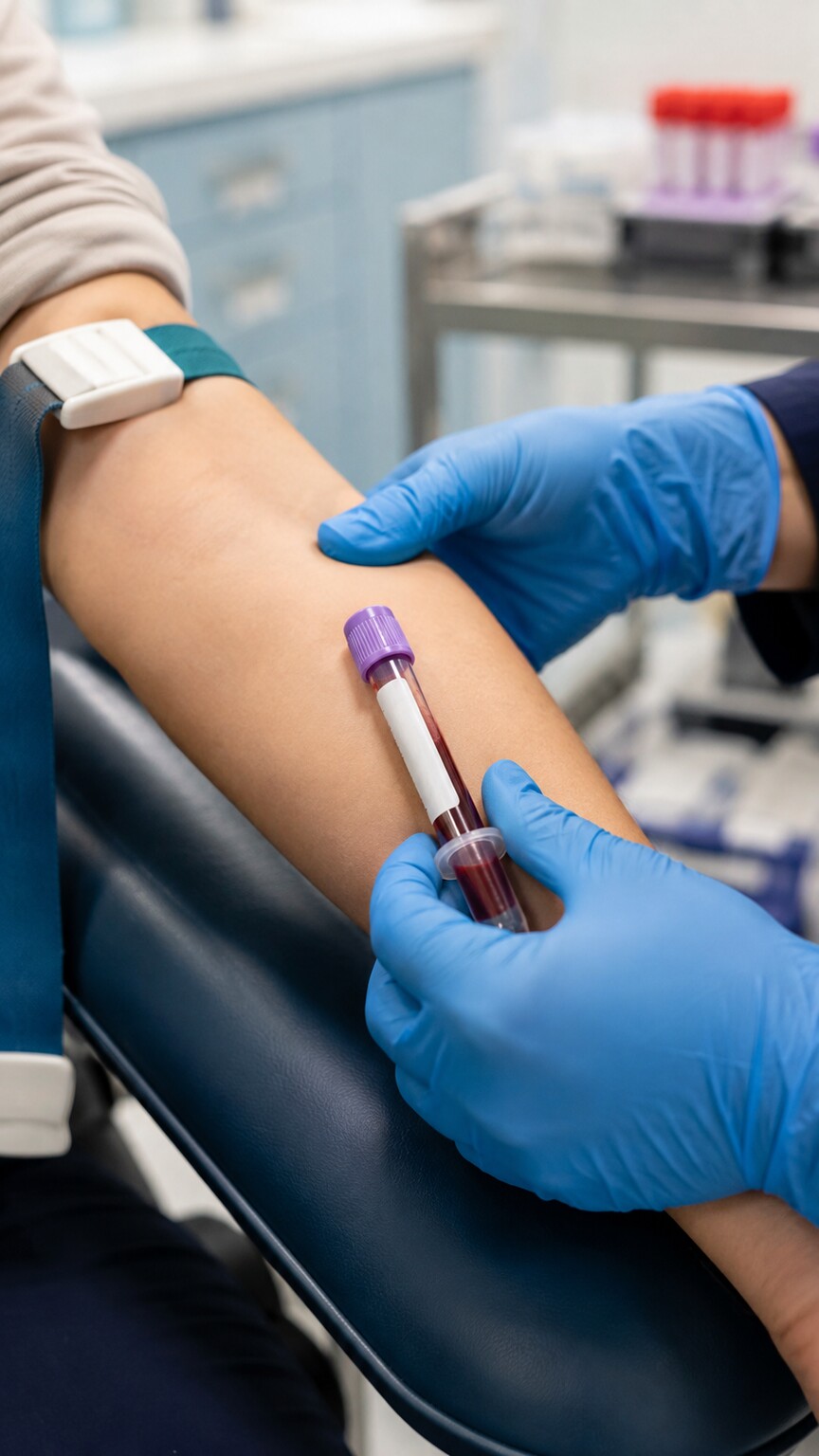
Figure 7. The same standard venous blood draw is used to collect the sample for either test — the difference between CRP and hs-CRP happens entirely in the laboratory's analytical method, not the collection itself.
The Real Limitations of hs-CRP as a Predictor
As useful as hs-CRP has proven in large population studies, it's important to be realistic about what it can and can't do for any one individual. Because it's a non-specific marker of inflammation rather than a marker of atherosclerosis itself, hs-CRP will never be as direct a measurement of arterial plaque as an imaging test like a coronary calcium score or a carotid ultrasound. It's a statistical risk indicator, built from studying thousands of people over many years and observing that those with higher baseline levels had more cardiac events on average — which is a very different thing from being able to look at one person's single hs-CRP result and predict their individual future with precision. Some researchers have also raised a fair critique: because so many everyday, non-cardiac factors (body weight, smoking, sleep quality, recent minor illness) move hs-CRP up or down, its value as an independent predictor — separate from those same factors, which a good clinician is already asking about anyway — is smaller than it might first appear. This is part of why hs-CRP has never become a mandatory universal screening test the way cholesterol panels have; the U.S. Preventive Services Task Force, for instance, has historically concluded the evidence doesn't support recommending it for every adult, reserving it instead for the specific intermediate-risk scenario described earlier.
Genetics also plays a meaningful role in an individual's baseline hs-CRP that has nothing to do with cardiovascular risk at all. Certain gene variants affecting the CRP gene itself, as well as genes involved in the interleukin-6 signaling pathway that drives its production, can push a person's resting hs-CRP level consistently higher or lower than average throughout their life, independent of diet, weight, or vascular health. This is one reason a single hs-CRP reading is never meant to be read as a verdict — it's one data point, drawn from a system with real person-to-person variation built into it, meant to be weighed alongside everything else a clinician already knows about a patient rather than treated as a definitive answer on its own.
How to Prepare for an hs-CRP Test — and What Can Skew the Result
Because hs-CRP is sensitive enough to register even modest, temporary inflammation, a small amount of preparation genuinely improves how useful the result will be. Most laboratories and clinical guidelines suggest scheduling the blood draw when you're feeling generally well — not in the middle of a cold, a stomach bug, a toothache, or within roughly two weeks of any vaccination, minor surgery, or dental work, since any of these can transiently elevate the result independent of cardiovascular status. Strenuous exercise in the 24 hours before the draw is also worth avoiding if the goal is a clean cardiovascular-risk reading, since intense physical exertion causes its own short-lived spike in inflammatory markers, including CRP, as muscle tissue undergoes routine microscopic repair. Women are sometimes advised to avoid scheduling the test in the days immediately before or during menstruation, since some studies have found modest hormonal fluctuation effects on CRP, though the evidence here is less consistent than for illness or injury.
None of this means the test is fragile or unreliable when done correctly — it simply means hs-CRP behaves less like a fixed trait (the way blood type does) and more like a snapshot that reflects whatever is happening in the body in that particular window of time. That's precisely why many clinicians prefer to average two readings taken a few weeks apart rather than anchor a major decision to a single number, and why a knowledgeable provider will always ask a few quick questions about how you were feeling in the days before your blood draw before reacting strongly to an unexpectedly high result.
Frequently Asked Questions
Is hs-CRP just a more accurate version of CRP?
Not exactly — "more accurate" implies the standard test is somehow wrong, when really it's just calibrated for a different, wider range of values. Both tests are accurate within their intended range; hs-CRP is simply built to resolve much smaller concentrations than the standard assay was ever designed to measure.
Can I request hs-CRP instead of standard CRP if I have symptoms of an infection?
It's generally not recommended. Because hs-CRP assays typically aren't validated above roughly 10 mg/L, they can't reliably track the much larger swings seen during active infection the way a standard CRP test can. Standard CRP remains the appropriate choice when infection or acute inflammation is the concern.
My hs-CRP came back high — does that mean I have heart disease?
No. An elevated hs-CRP reflects increased cardiovascular risk over time, not a current diagnosis of heart disease, and it's non-specific enough that recent illness, smoking, obesity, or even a recent workout can raise it. It's meant to be interpreted alongside cholesterol levels, blood pressure, and other risk factors, not as a stand-alone verdict.
Do I need to fast before an hs-CRP test?
Generally no — CRP and hs-CRP levels aren't meaningfully affected by recent food intake, which is different from tests like lipid panels or glucose. Your provider may still ask you to fast if hs-CRP is being drawn alongside other tests, like cholesterol, that do require it.
Can hs-CRP be used to diagnose autoimmune diseases like lupus or rheumatoid arthritis?
Not directly, and it isn't the preferred test for that purpose. Standard CRP, and often ESR (erythrocyte sedimentation rate) alongside it, are the tests typically used to track autoimmune disease activity, since flares can push CRP well beyond the range hs-CRP is validated for. hs-CRP's role stays focused on cardiovascular risk, even though the underlying molecule is identical.
If my hs-CRP is in the "low risk" category, does that mean my arteries are healthy?
Not necessarily. A low hs-CRP lowers the statistical likelihood that low-grade vascular inflammation is contributing to your risk, but it doesn't rule out atherosclerosis caused by other pathways, such as high LDL cholesterol accumulating in an artery wall without triggering a strong inflammatory signal. It's one piece of a larger risk picture, not a stand-alone clean bill of cardiovascular health.
Conclusion
CRP and hs-CRP are, at the molecular level, the exact same protein, measured from the exact same kind of blood draw — the difference lives entirely in the sensitivity of the laboratory method used to count it, and that single technical distinction is what turns one protein into two clinically distinct tools. Standard CRP remains the right choice for tracking active infection, flares of inflammatory disease, and treatment response, where the values in play are large and the standard assay's wider range is exactly what's needed. hs-CRP exists for a quieter question entirely — whether a low, sustained level of inflammation in the blood vessels is contributing to long-term cardiovascular risk — and its narrow, precise scale only makes sense when you understand that's the specific job it was built for. If you've had either test and the number on the page doesn't seem to line up with what you expected, the mismatch is very often not a scary result at all, but simply the wrong scale being applied to the wrong question.
Still Not Sure What Your Results Mean?
Upload your labs and get a complete, visual, plain-language interpretation of every biomarker — delivered to your inbox in under 15 minutes.
Get My ReportThis article is for educational purposes only and does not constitute medical advice. Always consult your healthcare provider regarding your specific lab results.