
What Causes CRP Levels to Spike Temporarily?
A surprising number of ordinary, harmless things can send C-reactive protein (CRP) — a substance your liver makes whenever your immune system detects a problem — climbing sharply within a day or two, only to fall back down just as quickly once the trigger passes. A common cold, a hard workout you weren't quite used to, a bruised shin, a flu shot, a filling at the dentist, a bad night of sleep, even a sunburn can all do it. None of these things mean something is seriously wrong. CRP isn't a specific test for any one disease — it's a general alarm bell that rings whenever your body senses tissue damage, infection, or irritation anywhere at all, and it rings just as loudly for a paper cut as it does for something more serious. Understanding the full list of everyday triggers, and how quickly each one fades, is the key to reading a single CRP number in context instead of panicking over it.
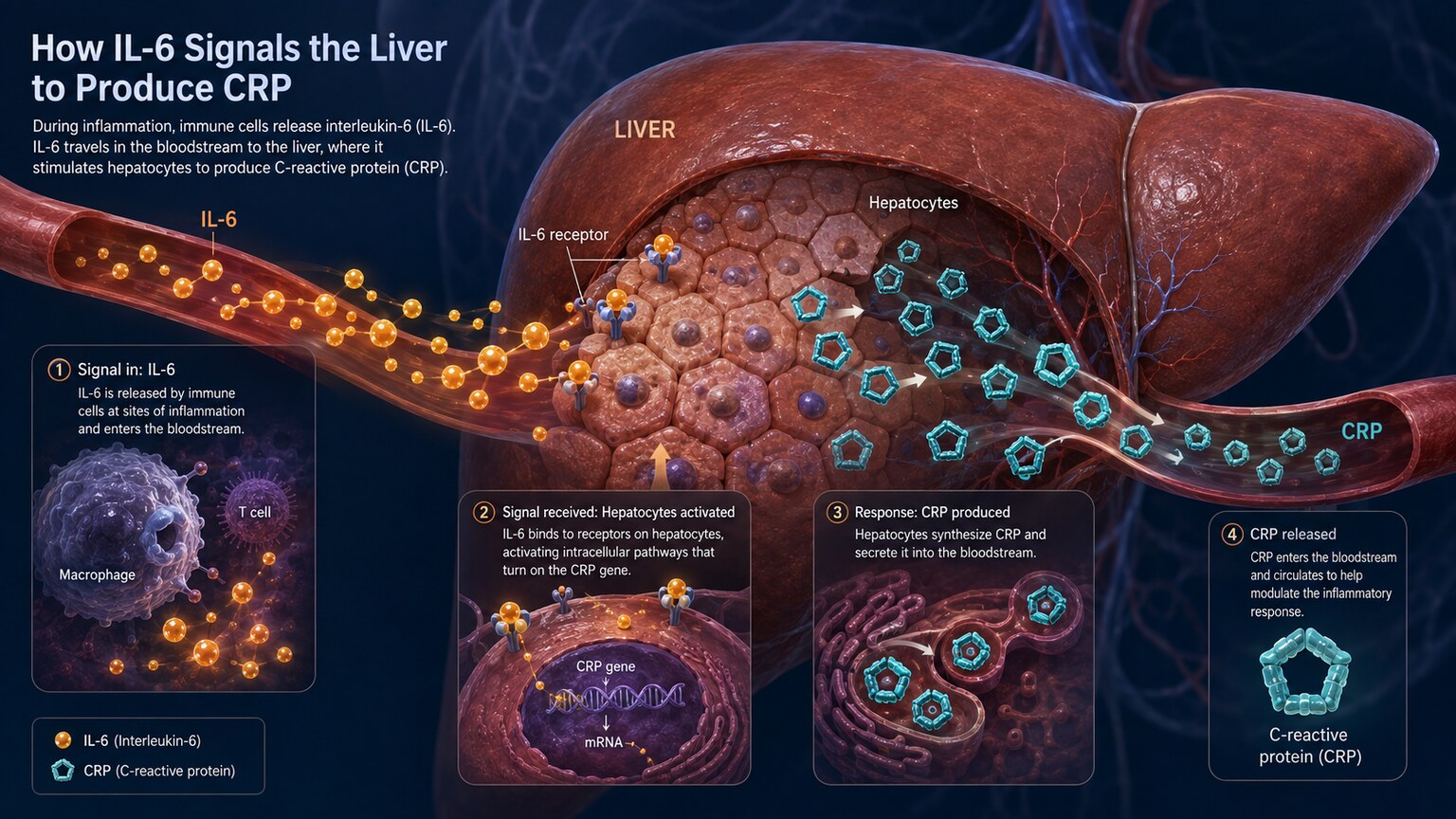
Figure 1. The liver's hepatocytes ramp up CRP synthesis within hours of an interleukin-6 signal reaching the bloodstream from anywhere in the body.
Curious what the rest of your inflammation panel is telling you? Upload your results and get a complete, plain-language breakdown in under 15 minutes.
Analyze My ResultsWhy CRP Moves So Much Faster Than Other Lab Values
Most of the values on a standard blood panel — cholesterol, glucose, kidney markers — shift gradually over weeks or months, the way a lake level rises and falls with the seasons. CRP is built to behave more like a smoke detector than a lake gauge. It's part of what's called the acute-phase response, a rapid chemical alarm system the body uses to react to trouble within hours rather than days. The moment tissue is damaged or a pathogen is detected anywhere in the body — a scraped knee, a sore throat, a strained hamstring — specialized immune cells stationed at that exact site, including macrophages and other white blood cells that act like local sentries, release a signaling protein called interleukin-6 (IL-6) into the bloodstream. IL-6 acts as a kind of urgent memo, traveling from wherever the problem is happening all the way to the liver, which sits far away from the actual site of injury or infection but functions as the body's central manufacturing plant for this particular response.
When that memo arrives, liver cells called hepatocytes shift a portion of their normal workload almost entirely over to producing CRP, and they do it aggressively. This isn't a subtle nudge — CRP can begin rising within six to eight hours of the triggering event, and it roughly doubles every eight hours after that, which means a level that starts the day at a normal 1 mg/L could realistically be sitting at 8 mg/L by nightfall and considerably higher the next morning. Levels typically climb to a peak somewhere between 24 and 72 hours after the trigger began, most commonly landing right around the two-day mark, before the curve starts bending back downward. To put the scale of this in perspective: some other markers of chronic disease might shift by a few percentage points over the course of a year, while CRP can shift by a factor of ten or more in a single day. That is precisely the design feature that makes it clinically useful — and precisely the feature that makes a single number, without context, so easy to misinterpret.
What makes CRP so useful for catching short-lived issues is that it clears out of the blood just as decisively as it rises. Once the underlying trigger — an infection, an injury, a bout of intense exercise — resolves and IL-6 signaling quiets back down to its resting level, the liver stops producing new CRP, and the existing supply already circulating in the bloodstream has a biological half-life of roughly 19 hours, meaning about half of it is cleared out of the body every 19 hours regardless of what caused it to rise in the first place. That means a level that spiked because of a two-day head cold can be most of the way back to normal within a week of the cold clearing up, and essentially all the way back within two weeks. Compare that to a marker like hemoglobin A1c, which reflects an average of blood sugar over roughly three months and simply cannot move quickly no matter what happens on any single day — CRP is engineered to do the opposite, moving fast in both directions so that it can serve as an early-warning signal rather than a slow-moving summary. This fast rise-and-fall cycle is exactly why a single CRP result, drawn in isolation with no context about what was happening in the days beforehand, can be so easy to misread.
A Day-by-Day Look at What a Typical Spike Actually Looks Like
It helps to walk through a concrete, hypothetical timeline to see how mechanical this process really is. Imagine someone with a normal baseline CRP around 1 mg/L who comes down with a moderate sinus infection on a Monday morning. By Monday evening, IL-6 released from the inflamed sinus tissue has already reached the liver, and CRP has started climbing, though it likely still sits within or just above the normal range at that point — the lab result wouldn't yet look alarming even though the process is underway. By Tuesday, with the infection in full swing, CRP could easily be in the 15 to 30 mg/L range, clearly outside the normal reference range and enough to prompt a phone call from a lab if it were flagged. By Wednesday or Thursday, as the immune system gets the upper hand and symptoms start easing, CRP typically peaks and begins its descent, even though the person might still feel fairly congested and tired. By the following Monday — a full week after the infection started — CRP in most people has dropped by more than half, and by two weeks out, it's typically back to that original 1 mg/L baseline, often with no lingering trace that anything happened at all.
This same rough shape — a lag of several hours, a rapid rise over one to two days, a peak, then a steady decline over one to two weeks — repeats itself across nearly every trigger described in this article, whether the cause is a virus, a bruise, a vaccine, or a hard workout. The intensity of the peak varies enormously depending on the trigger (a bacterial pneumonia will push CRP far higher than a paper cut ever could), but the underlying shape of the curve, and the two-week rough window it takes to fully resolve, tends to hold steady. Recognizing that shape is what allows a doctor — or a curious patient reading their own results — to look at a single elevated number and immediately start asking the right question: not "is this dangerous?" but "where in this curve am I likely to be, and what happened three or four days ago that could explain it?"
Infections Are the Single Most Common Trigger
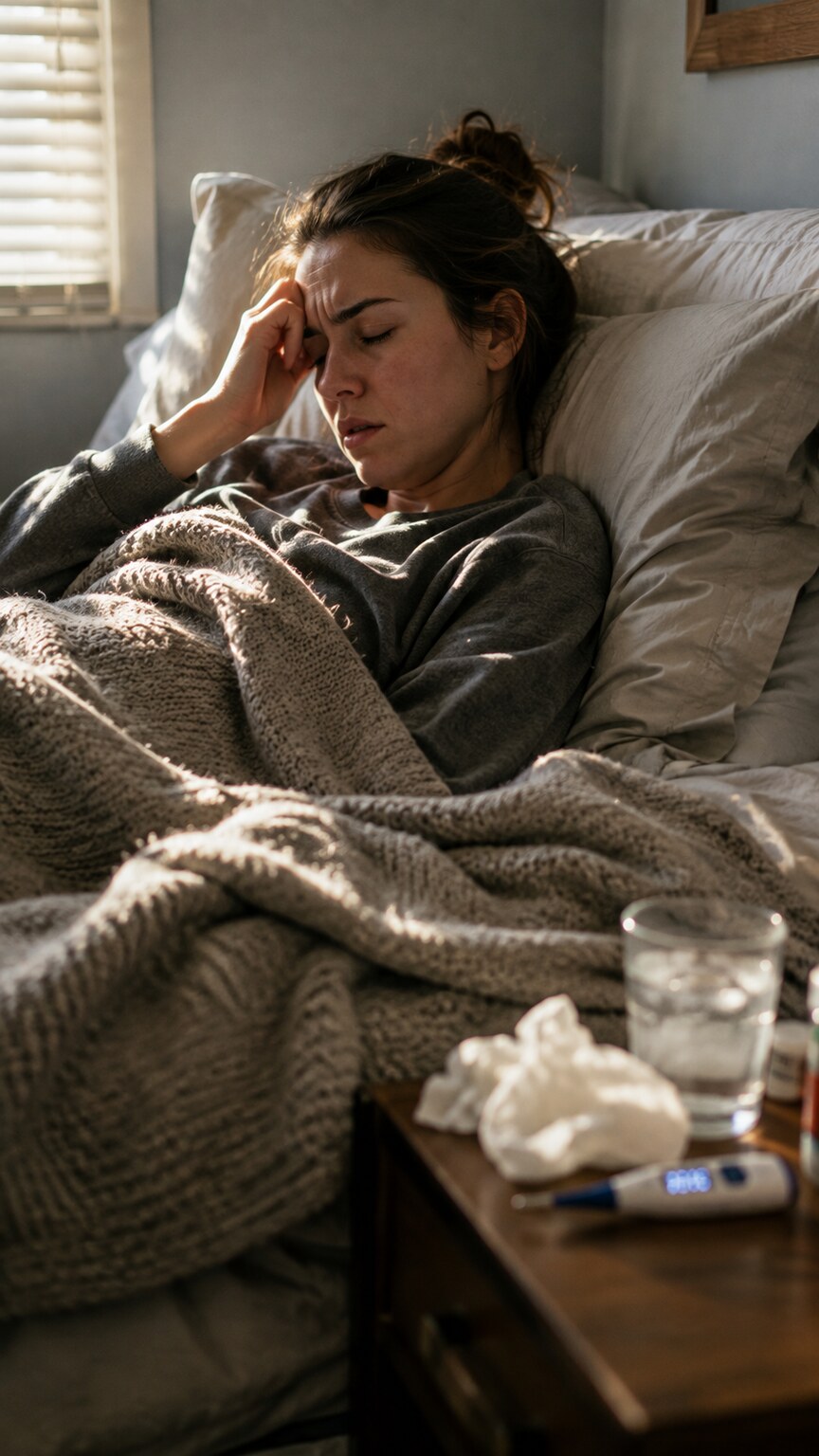
Figure 2. A viral or bacterial infection is the single most common reason CRP rises sharply over the course of one to two days.
Nothing pushes CRP higher, faster, or more reliably than an active infection, and this is true whether the infection is something as minor as a head cold or something that requires antibiotics. A sore throat, a sinus infection, a urinary tract infection, a stomach bug, strep throat, an ear infection, or even the first day of the flu can all be enough to double or triple a baseline CRP level almost overnight. Bacterial infections tend to push CRP considerably higher than viral ones — it's common to see CRP climb into the range of 100 mg/L or more with a significant bacterial infection like pneumonia, compared with a more modest rise, often under 40 mg/L, with an ordinary viral cold. This difference is one of the reasons doctors sometimes use CRP, alongside symptoms and a physical exam, to help judge whether an infection is likely to need antibiotics, particularly in situations like a child with a fever where distinguishing a viral illness that will pass on its own from a bacterial one that needs treatment can otherwise be genuinely difficult from symptoms alone.
Different types of infections tend to leave slightly different fingerprints on CRP, which is part of why doctors rarely look at the number without also considering exactly where in the body the infection seems to be. A urinary tract infection confined to the bladder often produces a fairly modest rise, while that same infection traveling upward to the kidneys — a more serious condition called pyelonephritis — tends to push CRP considerably higher, reflecting the larger volume of tissue now involved and the body's correspondingly larger response. A skin infection like cellulitis, where a visible area of skin becomes red, warm, and swollen, produces a rise roughly proportional to the size of the affected area, since more inflamed tissue means more IL-6 being released into circulation. Even something as ordinary as strep throat, confirmed with nothing more than a rapid swab test, can push CRP into a range that would look concerning on a printed lab report if a person didn't already know why their throat had been sore for two days.
The important thing to remember is that CRP doesn't distinguish between "a serious infection" and "a nuisance infection" — it simply reflects how much acute inflammatory signaling is happening in that moment, the same way a thermometer reports a body temperature without explaining whether the fever comes from a mild virus or something that needs urgent attention. A miserable but ordinary cold can produce a CRP result that looks alarming on paper if someone happens to get bloodwork done at the peak of their illness, purely by coincidence, for an unrelated reason — a routine physical, a pre-surgical panel, or screening bloodwork requested for something entirely unrelated to how they've been feeling that week. This is why any recent illness — even one that felt mild and has already passed by the time blood is drawn — is one of the very first questions a doctor will ask when a CRP result comes back unexpectedly high, well before any other explanation is considered.
Injury, Cuts, and Bruises Trigger the Same Alarm
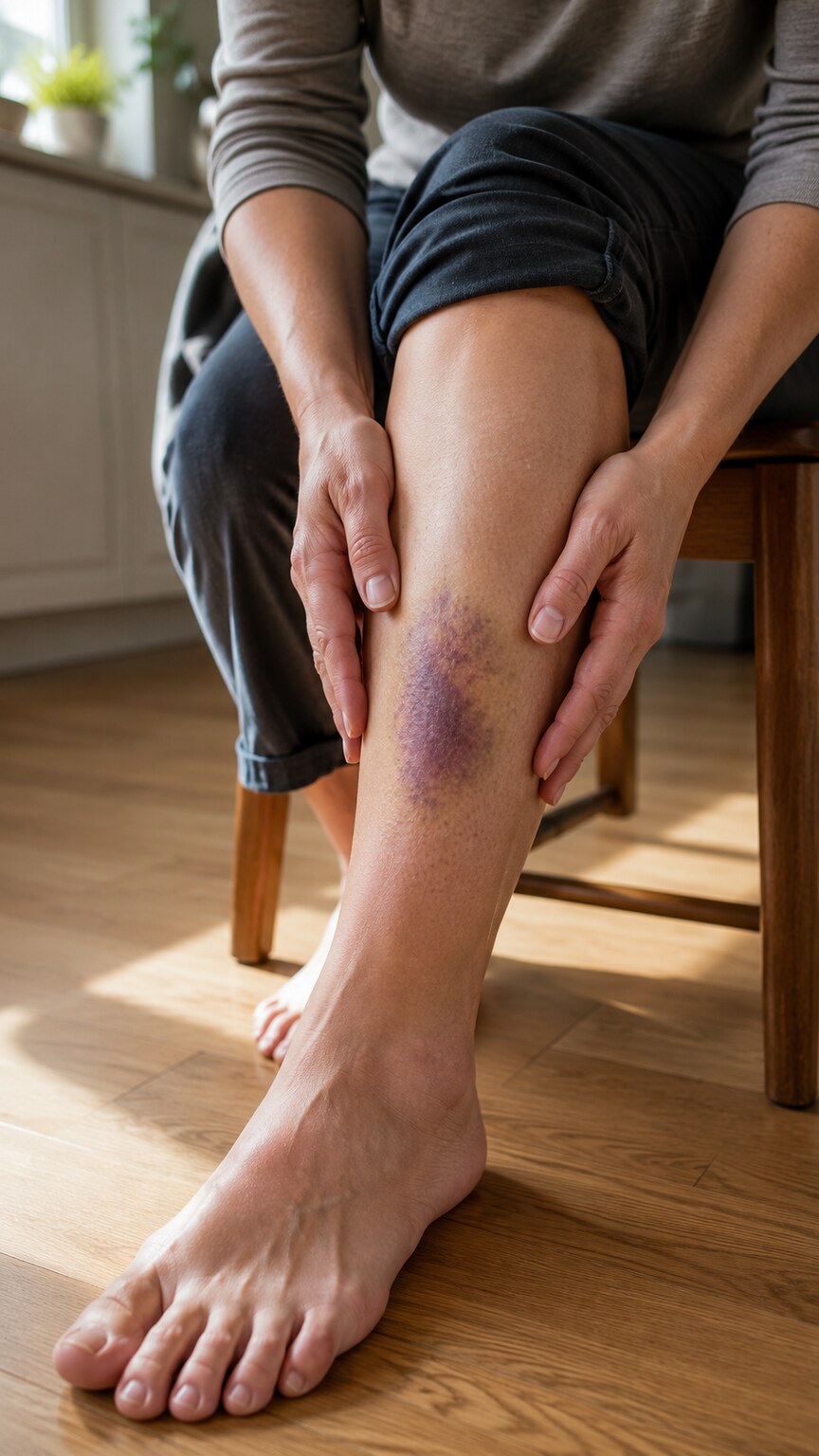
Figure 3. Tissue damage from even a minor bruise or bump is enough to activate the same acute-phase inflammatory pathway that raises CRP.
Your immune system doesn't need a germ to get involved — it responds to damaged tissue on its own, regardless of the cause. A twisted ankle, a deep bruise from bumping into furniture, a burn from a hot pan, a fall, or a cut that needed stitches all trigger the release of the same inflammatory signals that infections do, because from the immune system's point of view, damaged cells look like damaged cells whether a virus caused the damage or a car door did. Think of it less like a system that asks "was this an infection?" and more like a smoke alarm that goes off for burnt toast just as readily as it does for an actual fire — the sensor doesn't know or care what produced the smoke, only that smoke is present. Studies following patients after orthopedic injuries and minor trauma have documented CRP rising within the first 24 to 48 hours after the injury, often to levels well above the normal reference range, before gradually declining over the following one to two weeks as the tissue heals.
The size of the injury tends to roughly track with the size of the CRP response, which makes sense once you remember that the signal originates from damaged tissue itself — more damaged tissue means more cells releasing IL-6 into circulation. A stubbed toe or a small paper cut is unlikely to move CRP in any way a lab would even flag, simply because the amount of tissue involved is tiny. A broken bone, a significant muscle tear, a large bruise covering much of a thigh after a hard fall, or a deep laceration requiring several stitches involves a much larger volume of damaged tissue and tends to produce a correspondingly larger and more sustained rise, sometimes lasting closer to two weeks than one before fully settling back down. This is one of the reasons orthopedic surgeons and sports medicine physicians sometimes track CRP after significant injuries — not to diagnose the injury itself, which imaging handles far better, but to monitor whether healing is progressing on schedule or whether a secondary infection may have set in.
This is also part of why CRP is closely watched after surgery. Any operation, even a minor one, involves cutting through tissue, and that tissue damage produces a predictable, expected CRP spike that has nothing to do with infection — it's simply the visible signature of the body's normal healing response. Surgeons know roughly what shape this expected post-operative curve should look like for a given type of procedure: CRP typically rises for the first two to three days after surgery, often quite substantially for larger operations, and then begins a steady decline as recovery proceeds normally. Knowing that expected shape is exactly what lets a surgical team notice when something looks different: a CRP that keeps climbing past the third or fourth day after surgery, instead of following the usual downward trend, or one that dips and then unexpectedly rises again, is one of the signals that prompts a closer look for a surgical-site infection, an abscess, or another complication that needs attention before it becomes more serious.
Vaccination and Other Deliberate Immune Stimulation
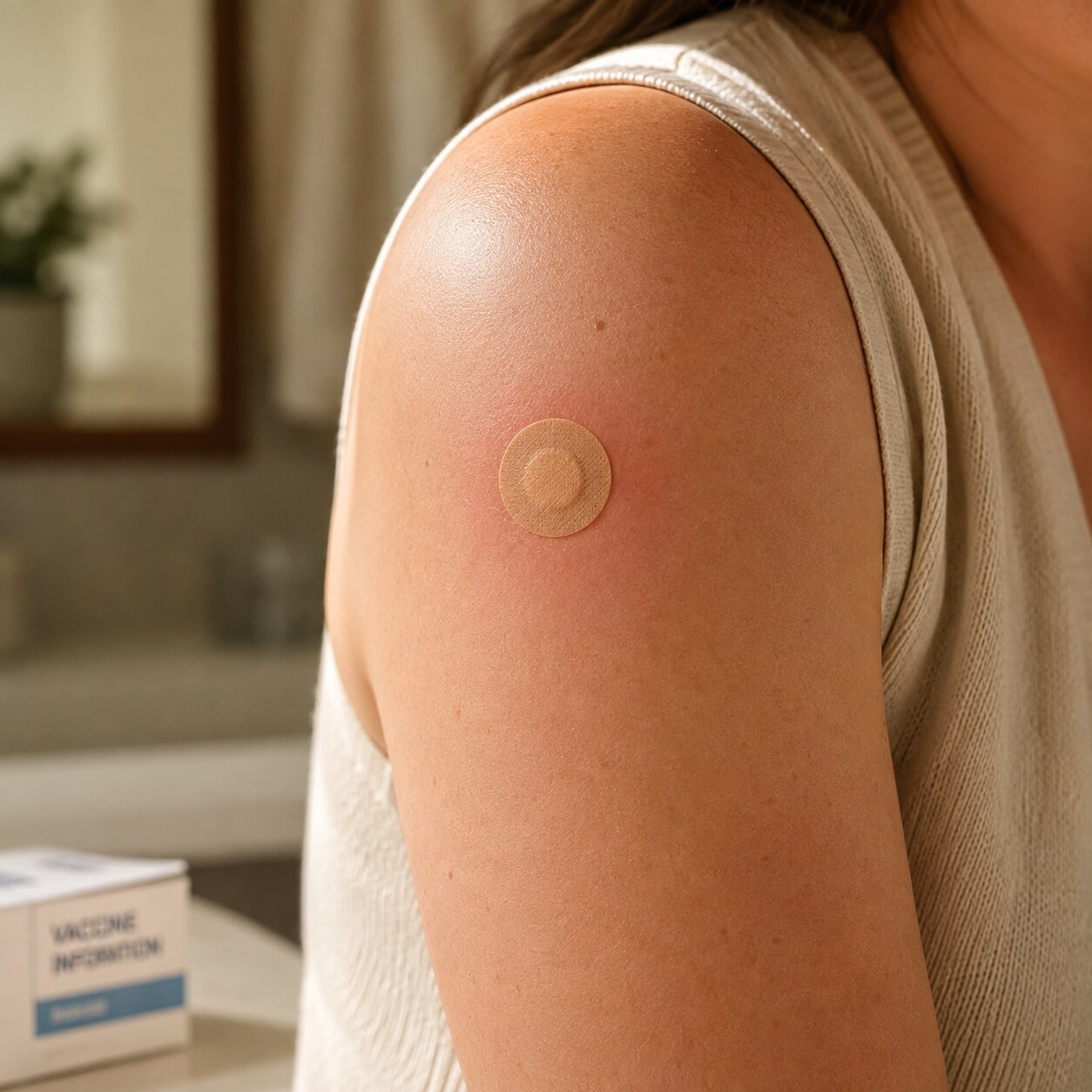
Figure 4. The immune activation deliberately triggered by a vaccine produces a brief, expected rise in CRP as part of a normal immune response.
Vaccines work by intentionally provoking the immune system into a response strong enough to build lasting protection, and that provoked response includes the same acute-phase signaling that any other immune trigger produces. It's well documented that CRP can rise measurably in the one to three days following a vaccination — flu shots, COVID-19 vaccines, shingles vaccines, and other immunizations have all been shown in research to produce a modest, short-lived CRP increase in a meaningful share of recipients, usually alongside the arm soreness, mild fatigue, or low-grade fever that most people recognize as normal vaccine side effects. This isn't a sign anything went wrong; it's essentially a visible, measurable proof that the vaccine successfully engaged the immune system the way it was designed to, in much the same way a slightly sore arm is proof the injection reached the muscle tissue it was meant to reach.
Some vaccines produce a larger CRP response than others, generally tracking with how strongly each one is designed to stimulate the immune system. Vaccines that use an adjuvant — an ingredient specifically added to make the immune response more vigorous and long-lasting — tend to produce a somewhat larger and more noticeable short-term CRP rise than vaccines without one, which is an expected trade-off rather than a red flag. For most people, this entire process is finished well within a week: CRP rises for a day or two, peaks, and returns to baseline right around the same time any lingering arm soreness or tiredness resolves. Anyone who happens to have bloodwork drawn for an unrelated reason within a few days of a vaccination has a very plausible, very benign explanation sitting right there on their calendar if CRP comes back higher than expected.
The same logic applies to a handful of other deliberate or incidental immune triggers people don't always think to mention: an allergic reaction, a bee or wasp sting, a significant sunburn (which is, physiologically, a burn injury to skin tissue, no different in kind from a burn from a stove), or even a bad flare of eczema or psoriasis affecting a large area of skin. Any of these can produce a real, measurable CRP elevation that has nothing to do with a hidden illness and everything to do with the skin or immune system doing exactly what it's supposed to do in response to a stimulus. A day at the beach that ended in a painful sunburn across the shoulders and back, for instance, involves a genuinely significant area of damaged skin tissue — often more than people initially realize — and it's entirely plausible for that alone to produce a CRP rise lasting several days while the skin heals and peels.
Exercise-Induced Spikes: How Much Is Too Much?
Unaccustomed or unusually intense physical exertion is one of the most well-studied and most surprising causes of a temporary CRP spike, and it's a big part of why lab guidelines generally recommend avoiding vigorous exercise in the 24 hours before a CRP blood draw. Marathon runners and other endurance athletes have been shown in multiple studies to have CRP levels that rise dramatically — sometimes ten to twenty times their resting baseline — in the day or two following a long race, before returning to normal within about a week. The mechanism is the same acute-phase pathway described earlier: intense, prolonged exercise causes microscopic damage to muscle fibers, sometimes called exercise-induced muscle damage, and that damaged tissue releases the same IL-6 signal that any other injury would, prompting the liver to ramp up CRP production in response, exactly as it would for a bruise or a strain.
The size of the response tends to scale with both the intensity and the unfamiliarity of the activity. A comfortable, routine jog that someone does three times a week is unlikely to move CRP in any noticeable way, because the muscle fibers involved are already conditioned to handle that specific load without sustaining meaningful damage. A first attempt at a long-distance trail run, an unusually heavy weightlifting session after a long break, a full day of skiing for someone who hasn't skied in years, or a competitive event pushed well past a person's normal training volume are a different story entirely — these are exactly the scenarios where researchers have measured the largest CRP spikes, often peaking around 24 hours after the activity and settling back toward baseline over the following several days to a week. Delayed-onset muscle soreness, the stiff, achy feeling that shows up a day or two after an unusually hard workout, is in many ways the felt experience of the same underlying process that's driving CRP upward in the bloodstream at the same time.
This doesn't mean moderate, regular exercise is something to avoid — quite the opposite. Consistent physical activity over months and years is associated with lower baseline CRP and reduced chronic inflammation overall, since a well-conditioned body tends to run a calmer, less reactive immune system at rest. The spike in question is specifically tied to a single bout of unusually strenuous or unaccustomed exertion — a first hard leg day after months off, an unfamiliar long hike, a competitive race — rather than to the kind of steady exercise habit that actually improves inflammatory markers over the long run. In other words, the same activity that can cause a scary-looking short-term spike is, over months, one of the more reliable ways to lower a person's resting CRP for good. Anyone whose CRP was drawn within a day or two of an especially hard or unusual workout has good reason to ask whether that timing, rather than an underlying health issue, explains the number.
Dental Work and Minor Medical Procedures
Dental cleanings, fillings, tooth extractions, root canals, and even a particularly deep periodontal cleaning can all produce a short-lived CRP rise, for reasons that combine two of the mechanisms already covered: direct tissue trauma to the gums and, in dental infections specifically, active bacterial involvement. Research on tooth extractions has recorded CRP increases in the day following the procedure, generally resolving within a week as the gum tissue heals. Wisdom tooth removal in particular, which involves more extensive tissue disruption than a routine filling, has been associated with a more noticeable and sometimes longer-lasting CRP elevation in the days immediately afterward, simply because more gum and bone tissue is involved in the healing process. Colonoscopies, endoscopies, biopsies, catheter placements, and other minor outpatient procedures carry the same general pattern — a brief, expected inflammatory blip tied to a specific date on the calendar, not an ongoing condition.
This is one of the more commonly overlooked triggers simply because people don't always connect "I had a filling last week" with "my CRP came back high." Dental and medical calendars rarely get mentioned in the same conversation as bloodwork, yet the timing overlap is common enough that it's worth actively thinking through in the two weeks before any CRP test. Mentioning any recent medical or dental procedure, even a seemingly trivial one, to whoever ordered the CRP test can save a lot of unnecessary worry and, sometimes, unnecessary follow-up testing that a little context could have avoided entirely.
Standard CRP vs. High-Sensitivity CRP — Why the Test Ordered Matters
Not all CRP tests are built to answer the same question, and the specific version ordered changes how much any of these everyday triggers actually matter. A standard CRP test is designed to detect the kind of significant elevation seen with infections, injuries, and inflammatory flare-ups, and it typically isn't reported with much precision below about 10 mg/L, since that range isn't usually what a doctor is trying to catch with this version of the test. A high-sensitivity CRP test, often written as hs-CRP, uses a more precise laboratory method to measure much smaller differences within that low range, down to fractions of a milligram per liter, because it's used for an entirely different purpose: estimating long-term cardiovascular risk by looking at low-grade, chronic background inflammation rather than acute spikes.
This distinction matters enormously for interpreting the everyday triggers described throughout this article. Because hs-CRP is so much more sensitive, it can pick up the ripple effects of a minor, almost unnoticed event — a short bout of poor sleep, a stressful few days, a mild seasonal allergy flare — that a standard CRP test might not even register as a meaningful change. This is exactly why hs-CRP testing, when used for cardiovascular risk assessment, comes with stricter guidance about avoiding recent illness, injury, or vigorous exercise before the blood draw: the whole point of the test is to estimate a stable, chronic baseline, and any of the acute triggers covered in this article can temporarily distort that baseline in a way that has nothing to do with someone's actual long-term cardiovascular risk. A single hs-CRP result drawn a day or two after a cold or a hard workout can look like elevated cardiovascular risk on paper while reflecting nothing more than a passing, unrelated immune event — which is exactly why cardiologists generally want to see hs-CRP measured on two separate occasions, weeks apart, before drawing any conclusions from it.
Smoking, Poor Sleep, and Acute Psychological Stress
Not every trigger involves an obvious physical event. Smoking a cigarette causes direct irritation to lung tissue and the lining of blood vessels, and research consistently shows smokers carry higher CRP levels than non-smokers even at rest — with each cigarette contributing to ongoing low-grade irritation rather than a single dramatic spike, more like a slow drip than a sudden flood. This baseline tends to run persistently higher in regular smokers rather than truly "spiking and resolving," which sets it apart somewhat from the other triggers in this article, though quitting has been shown to gradually bring CRP back down toward the range seen in non-smokers over time.
Sleep deprivation has a more acute, spike-like effect that fits the pattern of this article more closely. Studies restricting healthy volunteers to a few hours of sleep for even one or two nights have documented measurable increases in circulating CRP and IL-6 the following morning, likely tied to sleep's normal role in regulating and calming immune activity overnight — deep sleep appears to act almost like a nightly reset button for inflammatory signaling, and skipping that reset for even a night or two lets background inflammatory activity run a little hotter than usual. A stretch of poor sleep around exam week, a new baby in the house, or an overnight flight followed by jet lag are all plausible, everyday reasons a CRP result might come back a touch higher than expected, with no illness or injury anywhere in the picture.
Acute psychological stress — a major deadline, an argument, a frightening near-miss on the road, an unexpected piece of bad news — has also been shown in controlled studies to produce a small, transient CRP rise within hours, through the stress hormone and nervous-system pathways that connect the brain directly to immune signaling. This happens because the same stress hormones the body releases to deal with an acute threat, most notably cortisol and adrenaline, also interact with the immune system's signaling network, and a sudden surge of those hormones can nudge inflammatory markers upward even though no actual tissue damage or infection has occurred anywhere in the body.
None of these triggers on its own tends to produce as dramatic a spike as an infection or an injury, but they matter because they're easy to overlook when someone is trying to explain an unexpected result — nobody thinks to mention "I've been stressed and sleeping badly" to a doctor reviewing a lab report the same way they'd mention a recent flu. A rough week of short nights, back-to-back deadlines, and one too many cigarettes can nudge CRP upward through several small pathways stacking on top of each other, even with no illness or injury involved at all, which is worth remembering before jumping to a more serious explanation.
Everyday Triggers People Rarely Think to Mention
A handful of other common, entirely benign situations round out the list of things that can temporarily nudge CRP upward. A particularly heavy, high-fat meal eaten shortly before a blood draw has been shown in some research to cause a small, short-lived rise in inflammatory markers as part of normal digestion, since processing a large amount of fat triggers its own modest, transient inflammatory response in the gut and bloodstream. Menstruation is associated with a modest CRP increase around the time of the period in some people, tied to the hormonal and tissue changes of the menstrual cycle itself, particularly the shedding of the uterine lining, which is itself a form of tissue turnover the body responds to. Recent alcohol intake, particularly in larger amounts over a short period, can also nudge inflammatory markers upward temporarily, both through direct irritation of the digestive tract and through its effects on the liver, the very organ responsible for producing CRP in the first place. Air travel, particularly long flights, has similarly been associated with small, short-lived increases in inflammatory markers in some studies, plausibly tied to the combination of prolonged sitting, cabin pressure changes, and disrupted sleep that often comes with it. None of these are causes for concern on their own, but each one is a small, plausible explanation worth ruling out before assuming a high CRP number reflects a bigger problem — especially when the timing lines up with something on this list.
How Doctors Tell a Temporary Spike From True Chronic Inflammation
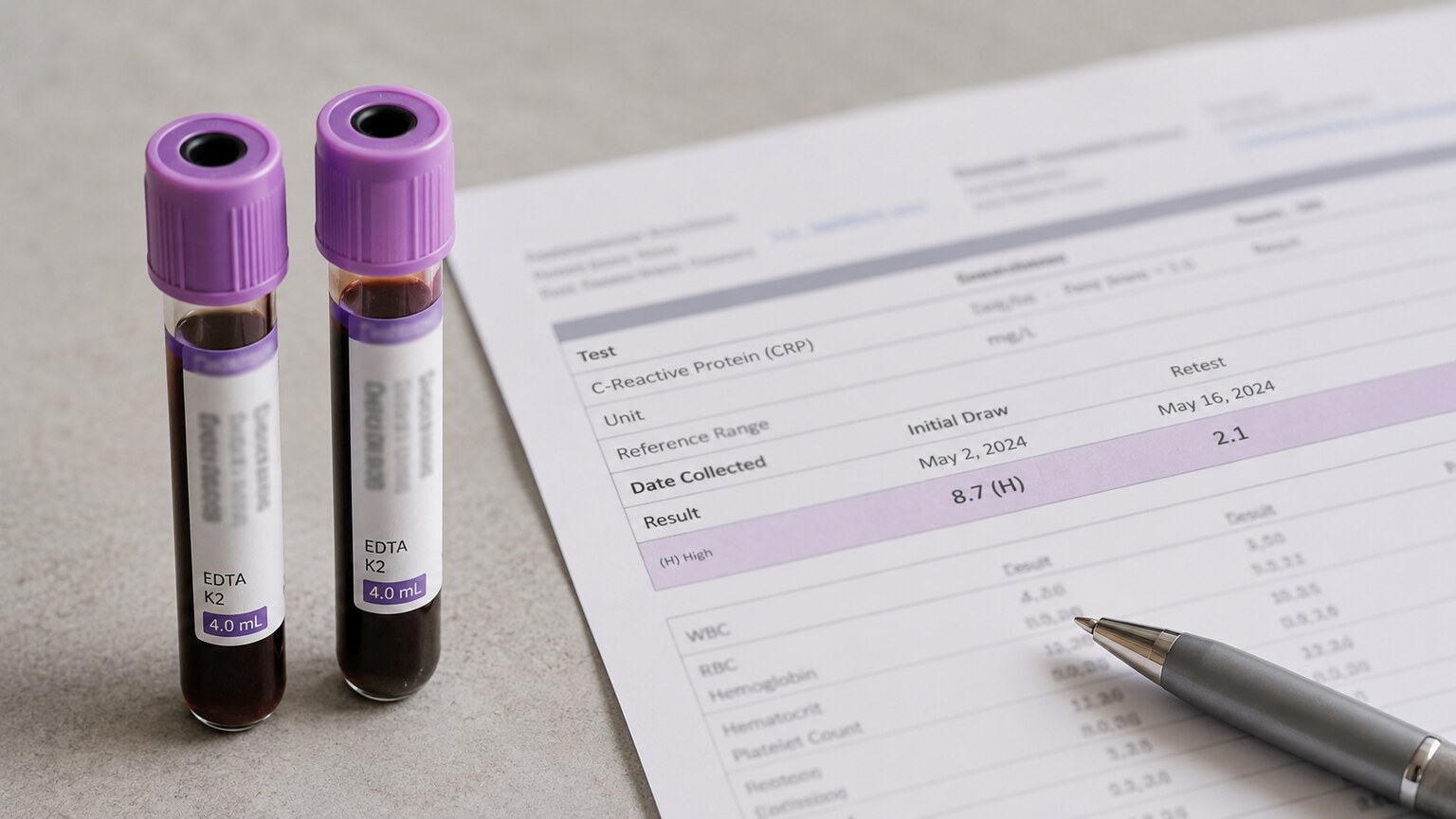
Figure 5. Retesting CRP two to four weeks after a suspected trigger has resolved is what actually confirms whether an elevation was temporary.
Because so many harmless, everyday events can raise CRP, a single elevated result is almost never enough on its own to draw a conclusion — the pattern over time is what carries the real information. A doctor evaluating an unexpectedly high CRP will typically ask about the days leading up to the blood draw: any illness, injury, dental work, vaccination, unusually hard workout, or rough stretch of sleep. If a plausible temporary trigger turns up, the standard next step isn't more testing right away — it's simply waiting and retesting once that trigger has had time to resolve. This approach mirrors how a mechanic might treat a single flickering warning light in a car: rather than immediately assuming the worst, a sensible first step is to check whether something obvious and temporary — a loose gas cap, a cold morning — explains it, and to look again once that obvious explanation has had time to pass.
The retest is the real diagnostic tool here, not the original number. Because of CRP's fast kinetics — that roughly 19-hour half-life described earlier — a level that spiked because of a passing cold or a hard workout should be substantially lower within one to two weeks, and back to an individual's normal baseline within about a month at most. If a repeat test two to four weeks later still shows an elevated result with no new explanation, that's the point at which a doctor starts looking more seriously at ongoing, low-grade sources of inflammation — things like obesity, smoking, gum disease, autoimmune conditions such as rheumatoid arthritis or lupus, or elevated cardiovascular risk — rather than a one-off event. It's also common at that stage for a doctor to widen the conversation beyond CRP alone, checking a broader panel that might include a complete blood count, ESR (erythrocyte sedimentation rate, another general inflammation marker that moves more slowly than CRP), or markers specific to a suspected underlying condition, since a persistently elevated CRP is a signal to look further, not a diagnosis in itself.
When and How to Retest CRP After a Spike
If a CRP result comes back high and a recent cold, injury, workout, or procedure offers a reasonable explanation, most clinicians will suggest waiting at least two weeks before repeating the test, since that gives the acute-phase response enough time to fully wind down even after a fairly significant trigger. It's also worth avoiding any of the same triggers in the 24 to 48 hours before the repeat draw — no intense exercise, ideally no active illness, and a normal night's sleep beforehand — so the second number reflects an accurate baseline rather than a second coincidental spike. For anyone being monitored for a chronic condition where CRP is used to track inflammation over months or years, keeping a simple note of any colds, injuries, or hard workouts around the time of each blood draw can make a huge difference in correctly interpreting the trend rather than reacting to normal noise in the data.
Frequently Asked Questions
How long does it take for CRP to go back to normal after a cold or minor infection?
CRP typically peaks around 24 to 72 hours into an infection and then starts declining once the infection is clearing. Given its roughly 19-hour half-life, most people see CRP fall substantially within a week of recovering and return close to their normal baseline within about two weeks.
Can intense exercise really raise CRP as much as an illness can?
Yes. Studies on marathon runners and other endurance athletes have documented CRP rising ten to twenty times above resting baseline after a single long or unusually strenuous session, driven by microscopic muscle damage rather than illness. This is why lab guidance often recommends avoiding vigorous exercise for 24 hours before a CRP test.
Is it normal for CRP to rise after a vaccine?
A modest, short-lived CRP rise in the one to three days after vaccination is a well-documented and expected part of the immune response the vaccine is designed to trigger. It typically resolves on its own within about a week and isn't a sign of a problem.
How do I know if my high CRP is temporary or something more serious?
The most reliable way is a retest two to four weeks after any plausible trigger — infection, injury, procedure, hard workout — has fully resolved. A temporary spike should have dropped substantially or returned to baseline by then; a result that stays high with no clear explanation is what prompts a doctor to look further.
Conclusion
CRP is deliberately designed to be sensitive and fast-moving, which makes it excellent at catching acute problems early — but that same sensitivity means it reacts just as strongly to a bruised shin, a hard run, a flu shot, or a rough week of sleep as it does to anything more concerning. The list of everyday, harmless triggers is genuinely long: infections of every kind, injuries big and small, vaccinations, dental and minor medical procedures, unaccustomed exercise, smoking, sleep loss, acute stress, sunburn, and even a heavy meal or a menstrual cycle can all nudge it upward for a few days. What separates a meaningless blip from something worth investigating isn't the size of a single number — it's whether that number comes back down once the obvious explanations have had time to resolve. Anyone looking at an unexpectedly high CRP result has good reason to think back over the past week before assuming the worst, and a healthcare provider is the right person to help sort out what a specific result means in the context of everything else going on.
Still Not Sure What Your Results Mean?
Upload your labs and get a complete, visual, plain-language interpretation of every biomarker — delivered to your inbox in under 15 minutes.
Get My ReportThis article is for educational purposes only and does not constitute medical advice. Always consult your healthcare provider regarding your specific lab results.