
What Does a High CRP Level Mean?
C-reactive protein, commonly shortened to CRP, is capable of rising nearly a thousand-fold within about two days of a serious infection, climbing from under 1 microgram per milliliter in a healthy resting state to as high as 1,000 micrograms per milliliter in cases of severe systemic infection or extensive burns, a dynamic range genuinely wider than almost any other commonly ordered blood test performed in routine clinical practice today. That same protein, measured instead with a considerably more sensitive laboratory assay specifically designed to resolve much smaller differences at the low end of the scale, can also sit quietly and only modestly elevated for years at a time, reflecting a slow, low-grade inflammatory process meaningfully linked to long-term cardiovascular risk rather than reflecting any acute illness at all in that particular person. This genuine dual identity — a dramatic, fast-moving acute phase reactant in one clinical context and a subtle, patient, long-term risk marker in an entirely different context — is exactly what makes a single elevated CRP result so heavily dependent on surrounding context for correct, confident interpretation, rather than being something that can simply be read in isolation the way some other, more narrowly focused lab values genuinely can be. Seeing one number on a lab report without knowing which of these two very different roles CRP is being asked to play in a given situation is a common source of unnecessary worry, and understanding the distinction up front changes how the rest of this discussion should be read. This article walks carefully through exactly how CRP is produced deep inside the liver, why it responds so dramatically and so predictably to inflammation occurring anywhere else in the body, the genuinely meaningful difference between a standard CRP test and a high-sensitivity CRP test, how doctors use CRP levels in everyday practice to help distinguish a bacterial infection from a viral one, what the specific numeric thresholds used in formal cardiovascular risk assessment actually mean in practice, the wide range of non-infectious causes capable of raising CRP entirely on their own without any infection present, and how CRP compares to a closely related but genuinely distinct inflammatory marker called ESR, so that a single number on a page can finally be read with real, grounded confidence.
Where CRP Actually Comes From
CRP is what's formally known as an acute phase protein, meaning it's a substance the body specifically ramps up production of in direct response to inflammation, infection, or tissue trauma occurring somewhere in the body, rather than something that simply circulates at a fixed, constant baseline level the way many other blood proteins genuinely do. It's synthesized almost entirely within the liver itself, specifically inside specialized liver cells called hepatocytes, and its production is switched on through a well-characterized chain of chemical signaling that actually begins far away from the liver, all the way at the real site of tissue damage or infection wherever that happens to be in the body. When tissue somewhere becomes injured or infected, local immune cells called macrophages, along with fat cells contributing in certain contexts, release a specific signaling protein called interleukin-6, or IL-6 for short, directly into general circulation. IL-6 then travels through the bloodstream to the liver and binds to specific receptors sitting on the surface of hepatocytes, triggering a well-characterized internal signaling cascade involving a transcription factor called STAT3, which directly switches on the specific genes responsible for actually producing CRP protein. This entire multi-step pathway means CRP functions as a genuinely indirect, yet remarkably sensitive, biological messenger: the liver itself typically isn't inflamed or infected in most clinical situations, but it reliably responds to a chemical signal sent from wherever the actual underlying problem happens to be occurring anywhere else in the body, and ramps up CRP production dramatically and predictably in direct response to that distant signal. Once produced, CRP itself is far from a passive bystander simply sitting in the bloodstream as a marker to be measured later — it actively participates in the immune response by binding to phosphocholine molecules exposed on the surface of damaged cells and certain bacterial pathogens, a binding action that in turn activates the classical complement pathway and helps tag those damaged cells and invading organisms for destruction by other immune cells, meaning the very protein doctors measure to detect inflammation is itself genuinely functioning as a working part of the body's defense system rather than merely a passive byproduct of it. This dual role as both a useful diagnostic signal and an active immune participant is part of why CRP evolved to be regulated so tightly and to respond so quickly, since a protein doing real, functional immunological work benefits considerably from being ramped up fast and cleared promptly once that work is genuinely done.
Why CRP Rises So Fast, and Falls Almost as Predictably
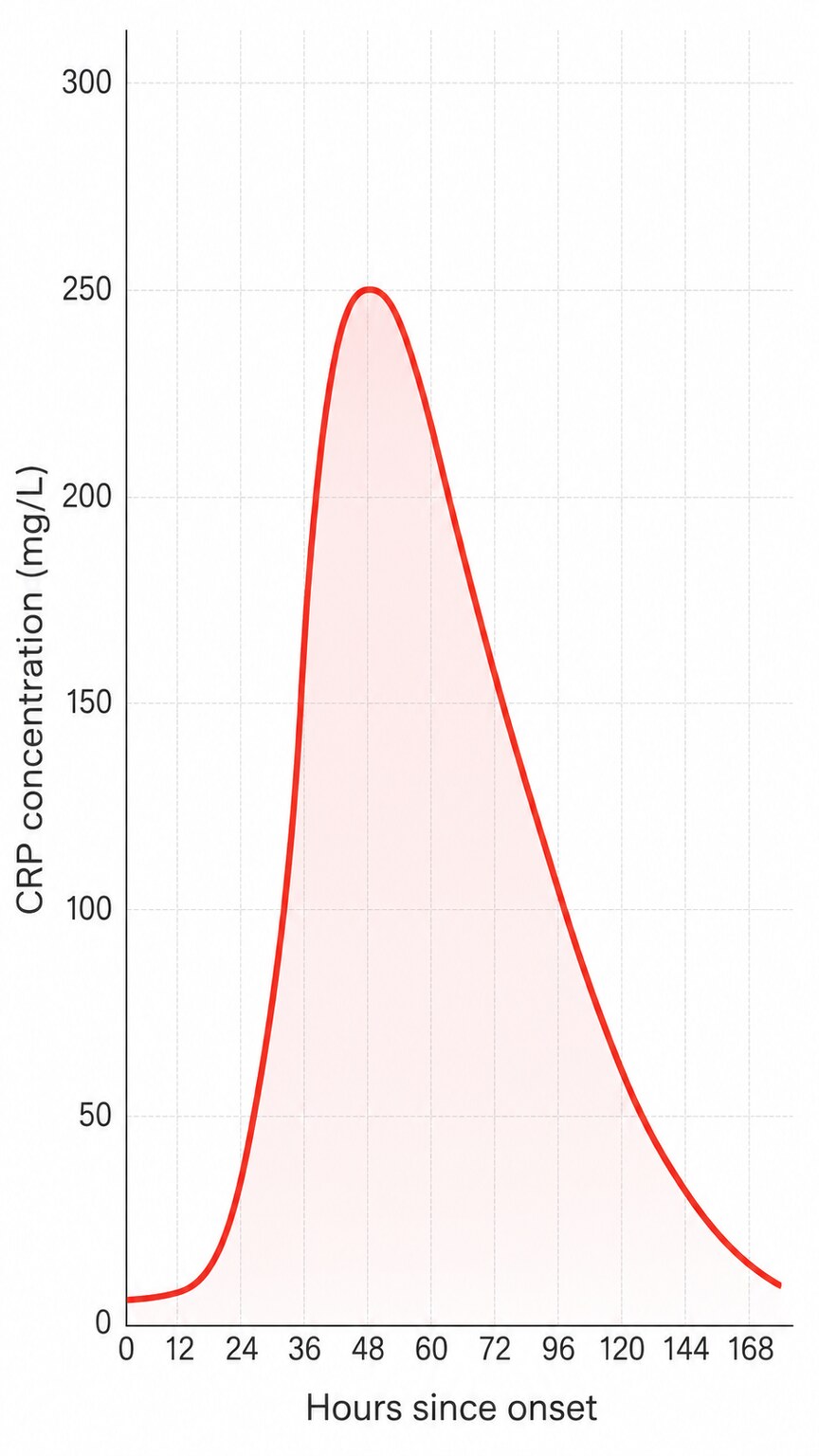
One of the genuinely distinctive, well-documented features of CRP, compared to many other commonly ordered lab values, is just how predictable and consistently well-characterized its overall timing actually turns out to be across different patients and different underlying causes. Following essentially any inflammatory trigger, CRP secretion reliably begins within roughly four to six hours of the initial event, and the concentration measured in blood doubles approximately every eight hours after that starting point, typically reaching its overall peak somewhere between 36 and 50 hours following the initial trigger, a genuinely tight, predictable window given how many different underlying causes can set this exact same process in motion. This rapid, steep, and remarkably consistent rise is a meaningful part of why CRP is considered such a genuinely useful early marker in clinical practice compared to some other inflammatory tests that respond considerably more sluggishly and take longer to become clinically informative. Once the underlying inflammatory trigger is actually brought under control, whether through the immune system successfully clearing an infection on its own or through a course of appropriate medical treatment, CRP reliably begins falling within roughly 24 to 48 hours of that resolution, and it does so following a remarkably consistent, well-studied half-life of about 19 hours, clearing steadily from the bloodstream at that predictable rate regardless of how well the kidneys happen to be functioning at the time, which is notably and genuinely different from many other substances in the body whose clearance rate depends heavily on current kidney function. This predictable, well-mapped rise-and-fall pattern is exactly why doctors can confidently use CRP not just as a single, isolated snapshot value taken at one point in time, but as a genuinely useful ongoing tool for actively tracking whether a given treatment is actually working as intended, watching specifically for the expected downward trend across repeat testing over subsequent days as real, objective reassurance that an infection or broader inflammatory process is genuinely resolving the way it should.
Wondering what your own CRP or inflammatory panel actually shows? Upload your labs and get a complete, plain-language breakdown in under 15 minutes.
Analyze My ResultsStandard CRP vs. High-Sensitivity CRP: Two Different Jobs
A genuinely important distinction that often confuses patients, and sometimes even confuses newer clinicians, encountering CRP testing for the first time is that there actually exist two different versions of essentially the same underlying test, distinguished specifically by the sensitivity of the laboratory assay used rather than by any fundamental difference in what's actually being measured at the molecular level. Standard CRP testing is specifically designed and calibrated to reliably detect the kind of significant, often quite dramatic elevations typically seen during acute infections, physical injuries, or active inflammatory diseases already producing substantial symptoms, and it genuinely isn't particularly precise at the lower end of the concentration range, since that additional precision simply isn't clinically necessary or useful for its intended diagnostic purpose in that context. High-sensitivity CRP, commonly abbreviated as hs-CRP throughout the medical literature, instead uses a considerably more analytically refined laboratory method genuinely capable of reliably distinguishing between much lower concentrations of the exact same molecule, generally somewhere in the range of 0.3 to 1.0 mg/L, a level of analytical precision that would be functionally meaningless and entirely unnecessary for diagnosing an acute infection, but that turns out to be genuinely valuable and clinically informative for identifying the kind of subtle, persistent, chronic low-grade inflammation specifically associated with long-term cardiovascular risk rather than any acute illness. It's genuinely worth being explicitly clear that the term "high-sensitivity" refers specifically and exclusively to the underlying analytical laboratory technique being used, not to some entirely separate or distinct biological marker floating around in the blood — the two tests are measuring the exact same physical molecule, just with meaningfully different degrees of analytical precision, each one specifically suited to answering two genuinely different clinical questions. Which version gets ordered generally depends entirely on why the test was requested in the first place: a patient presenting with fever and suspected infection will typically receive standard CRP testing, reported in whole mg/L units without any particular need for fine resolution near zero, while a patient undergoing a routine wellness visit or a cardiovascular risk assessment with no acute symptoms will typically receive the hs-CRP assay instead, precisely because that assay's added resolution near the low end of the scale is exactly what makes the low, chronic elevations relevant to heart disease risk visible and measurable in the first place. Some laboratories now run the hs-CRP assay by default on general panels regardless of the specific reason for testing, simply because the more sensitive method is capable of accurately reporting values across the entire clinically relevant range, both low and high, which has gradually made the older, less sensitive standard assay somewhat less common in day-to-day practice even though it remains perfectly adequate and entirely appropriate for detecting acute, dramatic elevations when that's genuinely all that's needed.
How hs-CRP Is Used to Assess Cardiovascular Risk
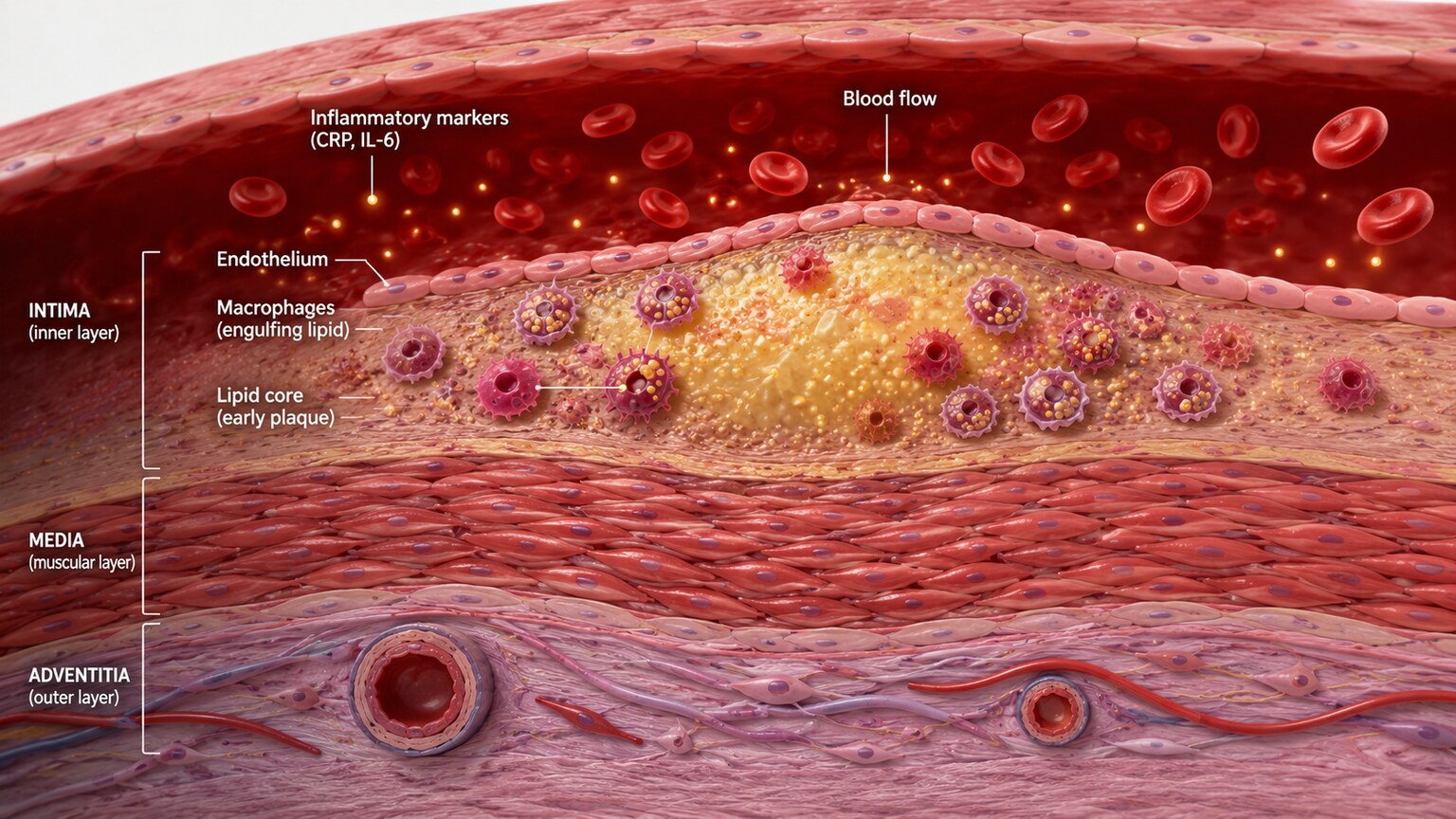
Low-grade, chronic inflammation is now genuinely well recognized within cardiology and vascular medicine as playing a real, mechanistic role in atherosclerosis, meaningfully contributing to plaque formation along artery walls, plaque instability that can eventually lead to rupture, and the broader metabolic dysfunction that collectively raises long-term risk of heart attack and stroke, which is exactly why hs-CRP has become a genuinely standard, widely adopted part of many comprehensive cardiovascular risk assessments performed today. A widely used and well-validated three-tier risk stratification system interprets hs-CRP results in the following way: a level below 1.0 mg/L is generally considered to indicate genuinely low cardiovascular risk, a level falling somewhere between 1.0 and 3.0 mg/L is considered average, unremarkable risk, and a level above 3.0 mg/L is considered high risk, specifically associated with roughly a twofold increase in overall cardiovascular risk compared directly to the low-risk category described above. In people who already have established, diagnosed atherosclerotic cardiovascular disease and are currently being treated with statin therapy as part of their ongoing management, a somewhat different, more targeted cutoff of 2 mg/L or higher is often used specifically to help identify patients who still show persistent, ongoing inflammatory activity despite already being on appropriate treatment, sometimes prompting careful consideration of additional, complementary anti-inflammatory treatment approaches on top of their existing statin regimen. Because CRP naturally shows some genuine, well-documented degree of variability from one individual measurement to the next even in the complete absence of any new inflammatory trigger, current clinical guidance generally and reasonably recommends obtaining two entirely separate hs-CRP measurements, deliberately spaced apart in time by at least a couple of weeks, before confidently assigning any given person to a specific, fixed cardiovascular risk category based purely on the result. Critically, and importantly, if an hs-CRP result happens to come back at 10 mg/L or higher, the clinically appropriate response is to set aside cardiovascular risk assessment entirely for that particular visit and instead actively investigate for a genuine acute infection or another distinct source of active systemic inflammation, since a result that dramatically high almost always reflects a genuinely acute process rather than the kind of subtle, chronic, low-grade elevation hs-CRP was actually specifically designed to detect for cardiovascular risk purposes in the first place. It's also worth noting that hs-CRP is generally considered just one input among several within a broader cardiovascular risk framework rather than a standalone diagnostic test capable of confirming or ruling out heart disease on its own, and it tends to be most clinically useful specifically in people who fall into an intermediate risk category based on traditional factors like cholesterol, blood pressure, age, and smoking status, where knowing whether inflammation is also contributing can genuinely help tip a treatment decision one way or the other. Major cardiology guidelines generally recommend against using hs-CRP as a routine, universal screening test in people already known to be at clearly low or clearly high cardiovascular risk based on traditional factors alone, since the marginal additional information it provides in those two groups rarely changes the recommended course of action in any meaningful way. Where it tends to earn its place is specifically in that middle group of genuinely undecided cases, where a borderline hs-CRP result can be the deciding factor that nudges a conversation about statin therapy or more aggressive lifestyle intervention in one direction rather than another.
Using CRP to Help Distinguish Bacterial From Viral Infections
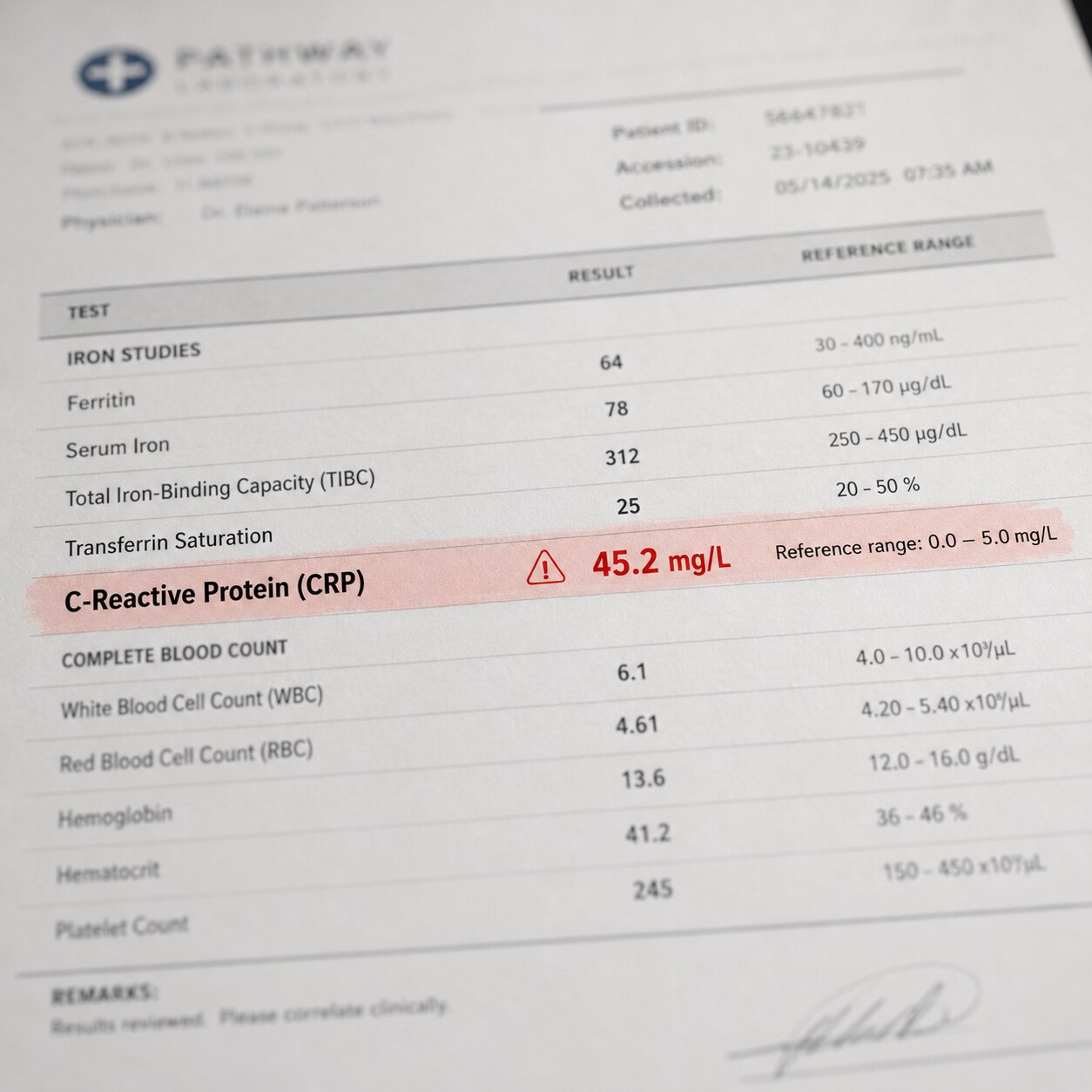
One of the more genuinely practically useful applications of standard CRP testing in everyday clinical practice, especially in a busy urgent care or emergency department setting, is helping distinguish a genuine bacterial infection from a viral one, a distinction that carries real, meaningful consequences for whether prescribing antibiotics is actually clinically appropriate for a given patient. Research has consistently found that bacterial infections typically drive CRP levels above roughly 40 to 50 mg/L within about 24 to 48 hours of symptom onset, while viral infections, including seasonal influenza, mild-to-moderate cases of COVID-19, and other common everyday respiratory viruses, typically produce a considerably more modest CRP elevation by comparison, usually staying below roughly 20 to 30 mg/L throughout the course of the illness. This isn't presented as a perfectly clean, absolute cutoff that works flawlessly in every single case — some viral infections can still genuinely produce meaningfully elevated CRP values, and some bacterial infections, particularly quite early in their overall clinical course before the body has fully mounted its response, can present with a lower value than might otherwise be expected — which is exactly part of why careful timing matters so considerably for correct interpretation, with CRP testing generally recommended only after a person has been genuinely symptomatic for at least 6 to 12 hours, giving the marker enough time to actually and reliably reflect what's happening internally rather than catching it too early in the process. In genuinely ambiguous cases, where the single initial CRP value doesn't clearly point convincingly in one direction or the other, researchers have found that calculating the rate of change between two sequential CRP measurements taken some hours apart, sometimes referred to as CRP velocity, can meaningfully improve a clinician's overall ability to distinguish bacterial from viral causes, even in situations where the absolute value alone remains genuinely more equivocal, since bacterial infections consistently tend to produce a steeper, considerably faster rate of rise than most viral infections typically do over the same time period, a difference in trajectory that often becomes clear well before either value crosses a fixed diagnostic threshold on its own. It's worth stressing that CRP is meant to support clinical judgment rather than replace it entirely, and doctors weigh a given result alongside the full physical examination, symptom timeline, and, when needed, additional testing like a white blood cell count or a targeted culture before deciding whether antibiotics are actually warranted for a particular patient. This combined approach has become genuinely important in recent years as part of broader efforts to reduce unnecessary antibiotic prescribing, since a clearly low CRP value in a patient with a plausible viral illness can meaningfully support the decision to withhold antibiotics that wouldn't help and could otherwise contribute to antibiotic resistance over time. Point-of-care CRP testing, using a fingerstick sample and delivering a result within minutes rather than requiring a full laboratory turnaround, has become increasingly common in outpatient and primary care settings specifically because of this role in guiding antibiotic decisions on the spot, allowing a clinician to combine the number with the physical exam in a single visit rather than waiting a day or more for results to return and asking the patient to come back separately.
Non-Infectious Causes: What Else Can Push CRP Up
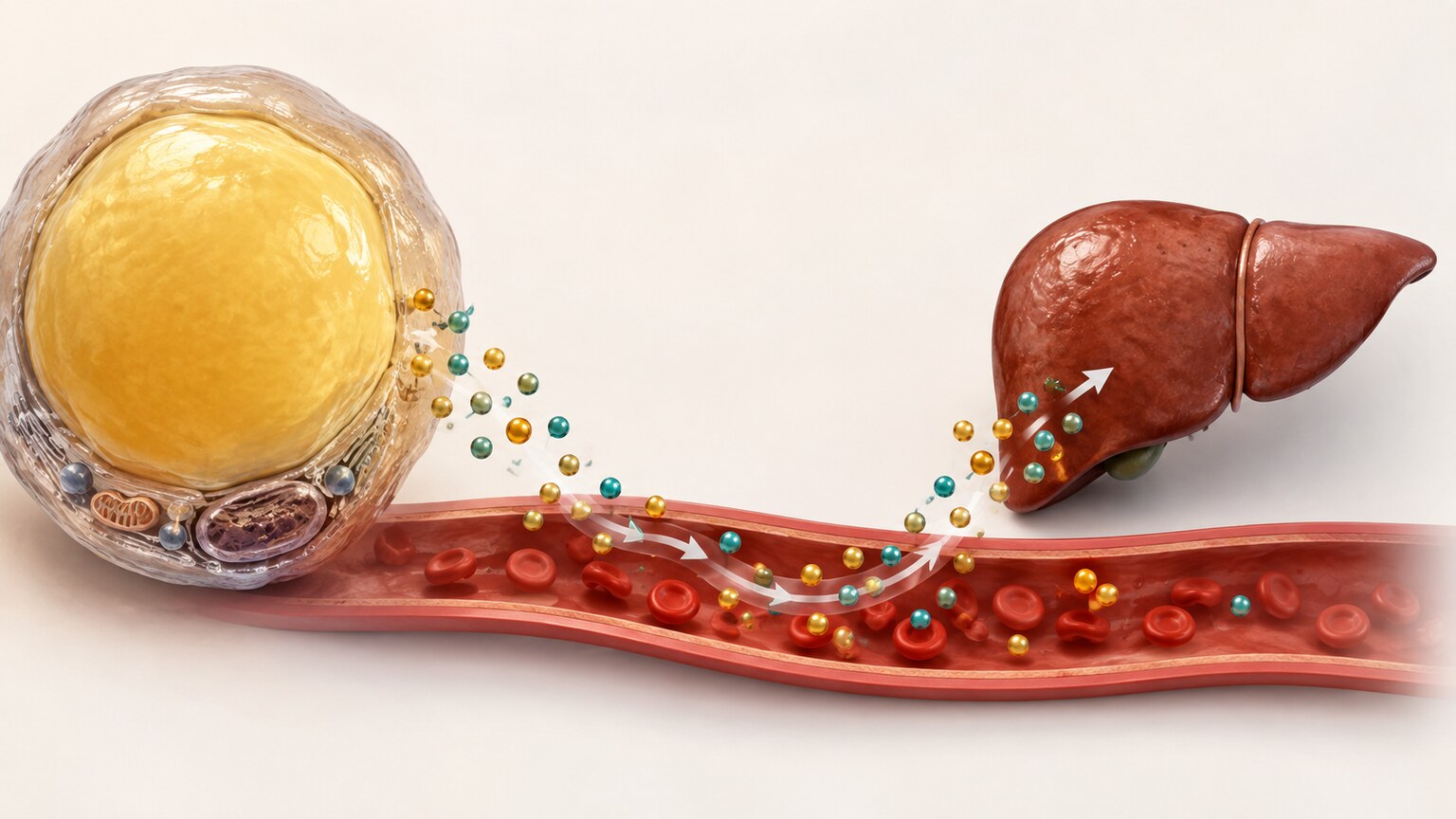
Infection is far from the only trigger genuinely capable of pushing CRP upward, and understanding this considerably broader list of causes is genuinely important for correctly and confidently interpreting a result that simply doesn't fit the classic acute infectious pattern described in the previous section. Autoimmune conditions that involve ongoing, persistent inflammation as a core feature of the underlying disease process — including rheumatoid arthritis, inflammatory bowel disease, systemic lupus erythematosus, and polymyalgia rheumatica — are well documented in the medical literature to keep CRP chronically elevated over extended periods, sometimes quite substantially so during active disease flares, reflecting the exact same underlying IL-6 signaling pathway described earlier in this article, just triggered continuously by the body's own misdirected immune system rather than by an external pathogen invading from outside. Obesity, and particularly excess fat concentrated specifically around the abdomen rather than distributed elsewhere on the body, is separately and independently associated with meaningfully elevated CRP, since adipose tissue itself genuinely functions as an active, hormonally engaged endocrine organ capable of directly releasing IL-6 and a closely related inflammatory signaling molecule called TNF-alpha, both of which travel through the bloodstream to the liver and stimulate CRP production through the exact same underlying pathway a genuine infection would independently activate. Smoking represents one of the single most significant modifiable lifestyle factors affecting CRP levels, with research specifically finding that roughly 20% of regular smokers show CRP values above 10 mg/L purely from the physiological effects of tobacco exposure alone, entirely independent of any other underlying medical condition they might have. Pregnancy, particularly during later trimesters as the body undergoes significant physiological adaptation, and estrogen-containing hormonal contraceptives taken orally are both separately and independently documented to meaningfully raise CRP as well, with oral estrogen specifically shown in research to directly stimulate CRP production as it passes through the liver during ordinary, routine hepatic metabolism. None of these particular non-infectious causes represent any kind of genuine medical emergency the way a serious, rapidly progressing bacterial infection genuinely would, but they're nonetheless genuinely important for a doctor to actively consider and rule out whenever a given CRP result doesn't clearly line up with any obvious acute illness or infection. Sleep quality and duration have also been separately linked to CRP in a growing body of research, with chronically short or poor-quality sleep associated with measurably higher baseline levels over time, likely reflecting the broader disruption that insufficient sleep causes to normal immune regulation and hormonal balance. Certain medications can move CRP in the opposite direction as well, with statins in particular well documented to modestly lower CRP independent of their effect on cholesterol, a finding that partly underlies the interest in using hs-CRP to help identify patients who might benefit most from statin therapy even when their cholesterol numbers alone look reasonably acceptable. Age itself also plays a subtle but real role, with baseline CRP tending to drift gradually upward across the general population over the course of adult life, a pattern researchers generally attribute to the slow accumulation of low-grade inflammatory processes sometimes referred to collectively as inflammaging, making reference ranges and clinical interpretation somewhat dependent on a patient's broader age and overall health context rather than a single fixed cutoff applying identically to everyone. Diet quality and physical activity level are two of the more modifiable, everyday contributors on this particular list, with diets rich in refined sugar and processed fat generally associated with somewhat higher baseline CRP, and regular moderate exercise generally associated with meaningfully lower baseline levels over time.
ESR: A Related but Genuinely Different Inflammatory Marker
CRP is frequently discussed and ordered alongside another well-known inflammatory test called the erythrocyte sedimentation rate, commonly abbreviated ESR, and while the two tests are often mentioned together almost interchangeably in casual conversation, they genuinely measure quite different underlying things through entirely different physical mechanisms. ESR is fundamentally an indirect measure of inflammation rather than a direct one, working by simply measuring how quickly red blood cells settle to the bottom of a specially prepared vertical tube of blood over the course of a full hour, a physical settling rate that gets meaningfully altered by inflammatory proteins circulating in the blood, particularly a protein called fibrinogen, present at elevated levels during active inflammation. Because ESR indirectly reflects fibrinogen specifically, a protein with a considerably longer biological half-life than CRP itself, ESR tends to rise noticeably more slowly than CRP in direct response to a brand-new inflammatory trigger, but it also correspondingly stays elevated for considerably longer once the underlying trigger has actually resolved, making ESR genuinely more useful in practice for tracking certain chronic, ongoing inflammatory conditions like giant cell arteritis and polymyalgia rheumatica over extended periods of weeks or months. CRP, by clear contrast, with its considerably faster, more predictable kinetics and generally superior laboratory standardization across different testing facilities, is generally considered the clearly preferred test for diagnosing and actively monitoring acute inflammatory conditions and genuine acute infections specifically, where speed and precision both matter considerably more. Current clinical guidance generally and reasonably suggests that ordering both tests together for a genuinely acute clinical presentation is often simply unnecessary and adds little additional value, with CRP typically given clear priority in that specific acute context given its faster response and cleaner analytical profile, though the two tests together can genuinely be quite complementary when carefully evaluating a more chronic, ongoing inflammatory condition, where each individual test's particular strengths add real, distinct clinical value alongside the other rather than duplicating the same information. ESR is also known to be influenced by several factors entirely unrelated to inflammation itself, including anemia, which tends to falsely raise the result, and certain shape abnormalities in red blood cells, which can falsely lower it, meaning ESR results sometimes require a bit more careful interpretation and cross-checking against other findings than a CRP result typically does. Age and sex both meaningfully affect normal ESR reference ranges as well, with older adults and women generally having a somewhat higher upper limit of normal than younger adults and men, an adjustment that isn't nearly as necessary when interpreting CRP. For these reasons, when a clinician needs one single, fast, reliably interpretable inflammatory marker to guide an urgent decision, CRP is very often the test reached for first, with ESR reserved more for longer-term monitoring of specific chronic rheumatologic conditions, tracked across visits, where its particular strengths are genuinely put to good use over time.
Why a Single CRP Number Needs Context to Be Meaningful
Because CRP genuinely responds to essentially any source of inflammation occurring anywhere in the body, rather than pointing specifically toward one single, clearly defined diagnosis the way some more specialized, targeted tests genuinely do, a doctor interpreting any elevated CRP result relies quite heavily on the full surrounding clinical picture to properly make sense of what that particular result actually means for a given individual patient in front of them. A dramatically elevated CRP result, especially one climbing well into the hundreds of mg/L, paired together with fever, localized pain at a specific site, and other clear signs of acute illness, points strongly and reliably toward a significant acute infection or inflammatory event genuinely requiring prompt medical attention without unnecessary delay. A mildly elevated hs-CRP result, by clear contrast, found entirely incidentally on a routine screening panel in someone who otherwise feels completely well and reports no symptoms whatsoever, is generally interpreted in a very different light entirely, functioning more as one useful piece of information relevant to long-term cardiovascular risk assessment than as genuine evidence of any current, active acute problem needing immediate attention. Recent minor illness, a physical injury, routine dental work, or even fairly vigorous, strenuous exercise performed shortly before testing can all independently cause a genuine but entirely temporary CRP elevation that has essentially nothing meaningfully to do with either of these two more clinically significant categories described above, which is exactly part of why doctors so often recommend simply repeating a mildly elevated result after any obvious recent trigger has clearly and fully resolved, before drawing any firm, lasting conclusions about what a specific isolated number actually and reliably represents for that particular individual person. The overall trend across repeat measurements taken over time is often genuinely more informative than any single isolated value, since a CRP result that's falling steadily across successive tests generally tells a reassuring story regardless of exactly where it started, while a value that keeps climbing across repeat testing, even if each individual number still technically sits within a broadly normal-looking range, can be a meaningfully more useful early signal than any single snapshot considered entirely on its own. This is exactly why a doctor faced with an unexplained or ambiguous CRP elevation will often choose simply to retest after a defined interval rather than immediately pursuing an extensive, costly workup, letting the trajectory of the number itself, tracked patiently over successive visits, help guide how much further investigation is genuinely warranted.
Frequently Asked Questions
What produces CRP, and why does it rise so quickly?
CRP is produced by the liver in response to the signaling protein IL-6, released by immune cells at a site of inflammation or infection. It begins rising within 4 to 6 hours and doubles roughly every 8 hours, peaking within 2 days.
What's the difference between standard CRP and high-sensitivity CRP (hs-CRP)?
They measure the exact same molecule, but hs-CRP uses a more precise assay capable of detecting much lower concentrations, making it useful for assessing chronic low-grade inflammation and cardiovascular risk rather than acute infection.
What hs-CRP level is considered high cardiovascular risk?
A result above 3.0 mg/L is generally considered high cardiovascular risk, associated with roughly double the risk compared to a result below 1.0 mg/L, which is considered low risk.
Can CRP tell the difference between a bacterial and viral infection?
It can help. Bacterial infections typically push CRP above 40 to 50 mg/L within 1 to 2 days, while viral infections usually stay below 20 to 30 mg/L, though this isn't an absolute rule in every case.
Why might my CRP be elevated even though I feel fine?
Mildly elevated CRP found incidentally often reflects low-grade chronic inflammation relevant to cardiovascular risk rather than an active illness, and can also be temporarily raised by recent minor illness, injury, or vigorous exercise.
Can obesity or smoking raise CRP without any infection present?
Yes. Fat tissue directly releases IL-6, the same signal that drives CRP production during infection, and roughly 20% of smokers show CRP above 10 mg/L from tobacco's effects alone. Autoimmune disease, pregnancy, and estrogen-containing contraceptives can raise it too.
What's the difference between CRP and ESR?
CRP directly reflects an acute inflammatory protein and rises and falls quickly, while ESR indirectly measures inflammation through red blood cell settling rate and changes more slowly, making it better suited for tracking chronic conditions.
Conclusion
A high CRP level genuinely means different things depending on which specific test was actually used, how high the result climbed above baseline, and what else is genuinely happening clinically for that person at the time the sample was drawn. Standard CRP testing captures dramatic, fast-moving elevations tied to acute infection, injury, or surgery, following a well-characterized rise-and-fall pattern that doctors can reliably use to track in near real time how a given illness is progressing, or whether a chosen course of treatment is actually working the way it was intended to. High-sensitivity CRP testing, measuring that exact same underlying molecule but with far greater analytical precision at low concentrations, serves an entirely different purpose in practice, helping identify the kind of subtle, slow-building chronic inflammation that research has repeatedly linked to long-term cardiovascular risk over a period of years rather than to anything happening acutely in the moment. Neither version of the test is inherently more important than the other; they are simply built to answer two genuinely different clinical questions, and confusing one for the other is exactly what leads to unnecessary alarm over a number that, in proper context, was never concerning to begin with. Non-infectious contributors like obesity, smoking, autoimmune disease, and even recent vigorous exercise all add further texture to how any single CRP value should be read, which is exactly why doctors so rarely treat one isolated number as the final word and instead consider it alongside symptoms, other lab values, and, where relevant, a repeat test drawn after enough time has passed for any temporary trigger to have resolved. Understanding which version of the test was actually run, what specific numeric range the result falls into, and what else was going on physically at the time of collection turns an unfamiliar inflammatory marker into something genuinely interpretable, actionable, and far less frightening, rather than leaving it as an isolated, context-free number sitting on a page with no story attached to it.
Still Not Sure What Your Results Mean?
Upload your labs and get a complete, visual, plain-language interpretation of every biomarker — delivered to your inbox in under 15 minutes.
Get My ReportThis article is for educational purposes only and does not constitute medical advice. Always consult your healthcare provider regarding your specific lab results.