
What Does a Borderline Low Ferritin Result Mean?
A borderline low ferritin result — one sitting just above the official "low" cutoff, but noticeably closer to the bottom of the reference range than the middle — occupies one of the most genuinely ambiguous zones in routine lab medicine. It's not flagged as abnormal on your printed report, which can make it easy to dismiss entirely, but it's also not comfortably normal either, and ferritin happens to be one of the few biomarkers where a value can be technically "within range" while still meaningfully signaling that your body's iron reserves are running low. This isn't a flaw or a shortcoming in how the test itself works; rather, it's a direct, logical consequence of two separate things this article explains in careful detail: how iron depletion actually unfolds in stages long before it becomes severe enough to cause anemia, and how ferritin's second, entirely separate job as an inflammation marker can sometimes push a truly low number up into this same borderline territory, disguising a more significant deficiency underneath. This article walks through what ferritin actually measures, why reference ranges leave this gray zone in the first place, what a borderline result can genuinely mean depending on the fuller context surrounding it, who's statistically most likely to land here, and what the practical, sensible next steps typically look like once a result comes back this way.
What Ferritin Actually Measures and Why "Borderline" Is Genuinely Tricky

Figure 1. Ferritin is a hollow, cage-like protein that stores iron inside your cells, and blood ferritin levels reflect roughly how full or empty those internal iron stores actually are.
Ferritin is a small, hollow, cage-shaped protein found mainly inside your cells — particularly in the liver, spleen, and bone marrow — where its job is to safely store iron in a form that won't cause cellular damage, since free, unbound iron is actually quite reactive and potentially harmful to tissue if left floating around unchecked. A small amount of ferritin also leaks out into your bloodstream in rough proportion to how much iron is stored inside your cells overall, which is exactly what a standard blood ferritin test measures: not iron circulating in your blood directly, but rather a reasonably reliable proxy for your body's total stored iron reserves. Because of this relationship, ferritin is widely considered the single most useful individual marker for detecting iron deficiency, often changing well before other, more commonly recognized markers like hemoglobin.
But ferritin has a genuinely important second job that complicates its interpretation: it's also classified as an acute-phase reactant, meaning your body increases ferritin production during inflammation, infection, and other forms of physiological stress, entirely independent of how much iron you actually have stored. This dual identity — genuine iron-storage marker and genuine inflammation marker, both wrapped tightly into the exact same single lab value — is the central, underlying reason a "borderline" ferritin result is so much harder to interpret cleanly than a similarly borderline result for many other, simpler biomarkers. A borderline low number could genuinely reflect borderline-low iron stores, exactly as it appears. Or, in someone with even mild, ongoing inflammation, it could actually be masking a more significantly depleted iron status that's being artificially propped up by the inflammatory component of the test — two very different underlying realities that can produce an identical number on the printed page.
Why Iron Matters Beyond Just Preventing Anemia
Before going further into how borderline results are interpreted, it's worth understanding just how many different jobs iron actually performs in the body, since that breadth of function is exactly why even mild, early depletion can produce noticeable effects well before anemia develops. Iron's best-known role is as a core component of hemoglobin, the protein inside red blood cells responsible for binding and transporting oxygen from your lungs to every tissue in your body — but iron is equally essential to myoglobin, a related protein that stores oxygen directly within muscle tissue for use during physical activity, which is part of why early iron depletion can produce reduced exercise tolerance and unusual muscle fatigue even before hemoglobin itself drops.
Beyond oxygen transport, iron serves as a required cofactor for numerous enzymes involved in energy production within the mitochondria, the tiny structures inside nearly every cell responsible for generating usable cellular energy — this is a large part of the biological explanation for why fatigue is such a consistently reported symptom of iron depletion, since cells throughout the body, not just red blood cells, depend on adequate iron availability to produce energy efficiently. Iron is also necessary for normal immune cell function, for the synthesis of certain neurotransmitters affecting mood and cognition, and for healthy hair follicle cycling, which is exactly why hair thinning is such a commonly reported, if sometimes underappreciated, symptom of borderline-low iron stores. Seeing this fuller list makes it much easier to understand why a ferritin value sitting in a technically normal but low, borderline range can still correspond to real, tangible symptoms — iron's job description extends far beyond simply preventing anemia.
Where the Reference Range Comes From, and Why Borderline Sits in a Real Gray Zone
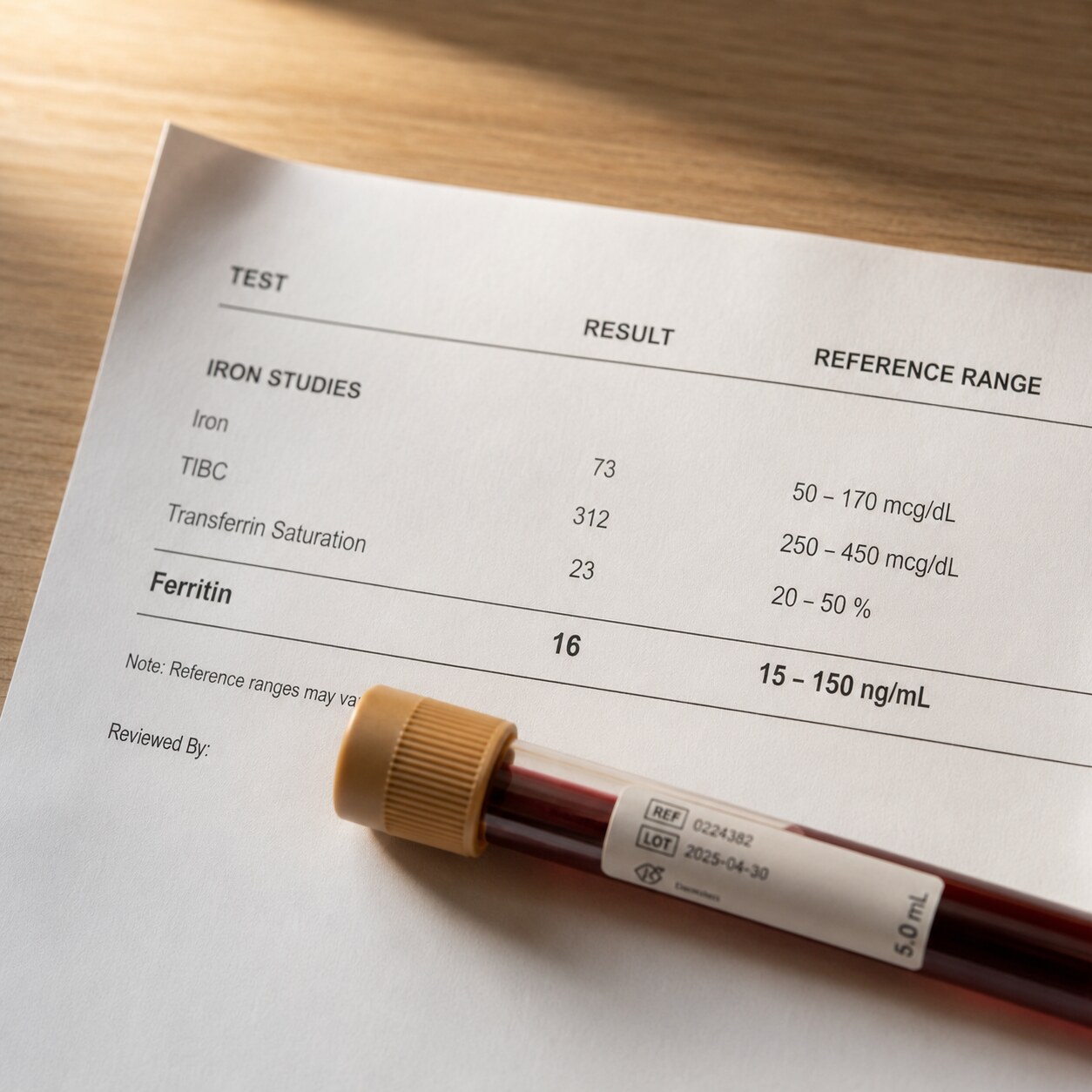
Figure 2. Reference ranges mark a statistical cutoff, not a biological cliff — a result sitting just above the line doesn't necessarily reflect meaningfully different iron stores than one sitting just below it.
Standard ferritin reference ranges are typically listed somewhere around 20 to 30 ng/mL at the low end and up to roughly 200 to 300 ng/mL at the high end in adults, though exact cutoffs vary meaningfully by laboratory, and separate ranges are often provided for men and women given the substantial, well-documented physiological difference between the sexes described in more detail later in this article. Like nearly every reference range in laboratory medicine, this isn't a hard biological boundary between "fine" and "deficient" — it's a statistically derived range meant to capture the middle 95% of a large sample of people believed to be healthy, meaning the specific cutoff number is somewhat arbitrary at its exact edges rather than representing a genuine biological cliff a person falls off the moment they cross it.
This statistical origin is exactly why a "borderline" result — say, a ferritin of 25 ng/mL when the lab's cutoff for low is 20 ng/mL — deserves real attention rather than automatic reassurance simply because it happens to clear the printed threshold. Iron stores decline on a continuous spectrum, not in a step function, and there's nothing biologically special that happens at exactly the number a particular laboratory chose as its cutoff. A growing body of research has actually argued that the conventional lower cutoffs used by many labs are set lower than is truly optimal for identifying early iron depletion, with some researchers and clinical guidelines suggesting that ferritin levels below 30, or in some contexts even below 50, may already reflect meaningfully reduced iron stores in people experiencing symptoms — a more nuanced, less binary way of thinking about "normal" that becomes especially relevant for anyone sitting in that borderline zone just above their lab's specific printed cutoff.
Why Borderline Low Ferritin Can Still Mean Early Iron Depletion
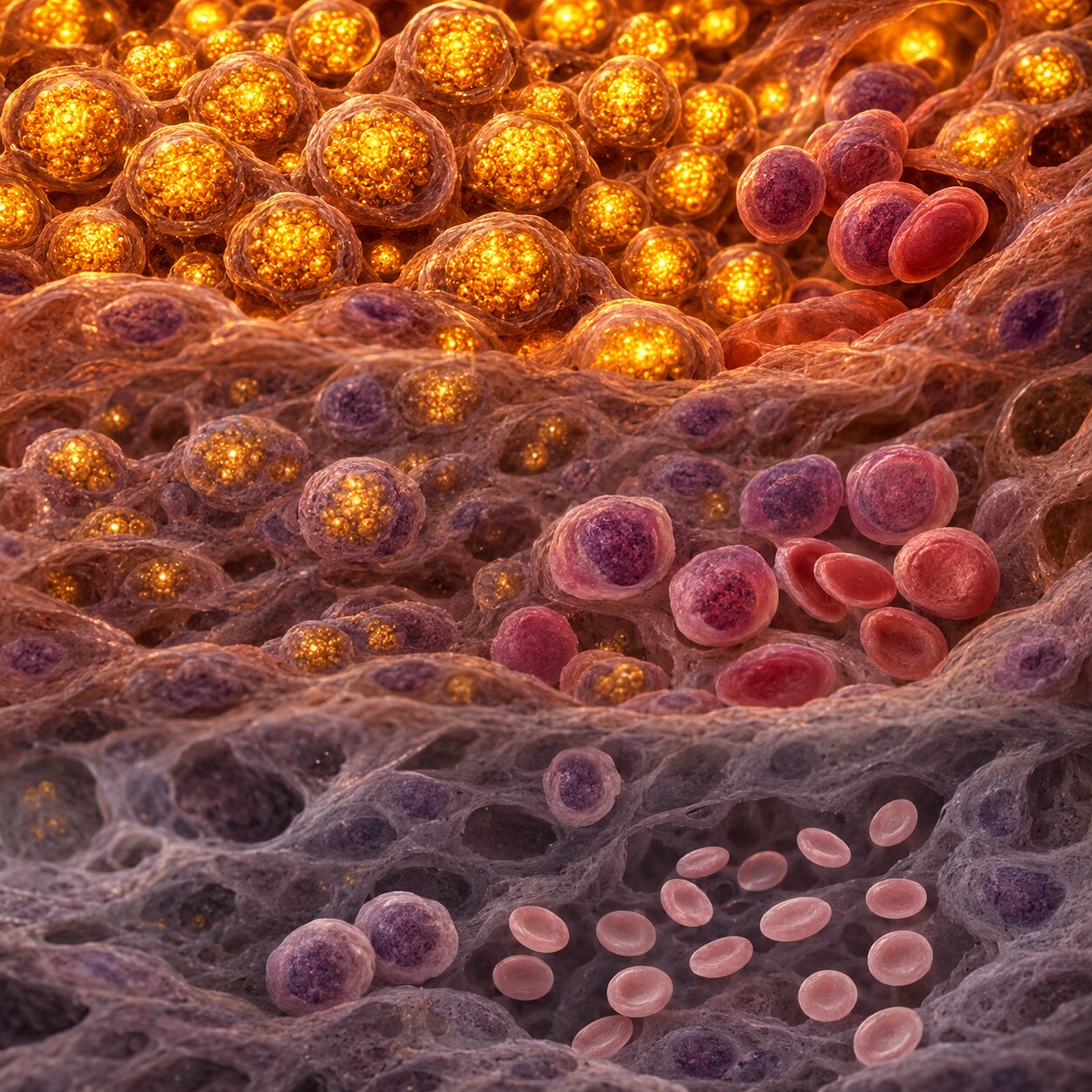
Figure 3. Iron depletion unfolds in stages, and ferritin is typically the first marker to fall — often well before hemoglobin drops enough to be classified as anemia.
To understand why a borderline result carries real weight, it helps to understand that iron deficiency isn't a single, sudden event — it's a progressive process that unfolds across a few distinct, well-documented stages. In the first stage, called iron depletion, your body's stored iron reserves begin shrinking, and ferritin — being the direct measure of those stores — is the very first marker to decline, often dropping into the lower part of the normal range or just below it, while every other standard blood marker, including hemoglobin, red blood cell count, and even other iron markers like serum iron and transferrin saturation, can still look completely normal. This is precisely the stage a borderline low ferritin result most commonly represents.
If the underlying cause driving iron loss continues unaddressed, the process advances to a second stage called iron-deficient erythropoiesis, where stores have become depleted enough that the bone marrow starts struggling to access sufficient iron for producing new red blood cells — at this stage, additional markers like transferrin saturation begin dropping and total iron-binding capacity begins rising, even though hemoglobin itself may still remain within the normal range for a while longer during this intermediate stage. Only in the third and truly final stage, formally called iron deficiency anemia, does hemoglobin itself finally drop low enough to meet the strict, formal clinical definition of anemia, at which point the deficiency has become severe enough to measurably impair oxygen-carrying capacity. Because ferritin genuinely declines first, well before any of these other, later-stage markers begin to shift, a borderline low result is often the single earliest, most sensitive warning sign realistically available — catching a problem at its most easily correctable stage, well before it progresses into full anemia, which is exactly why dismissing a borderline result as "still normal" can mean missing the most opportune window for simple, effective intervention.
Curious what your own ferritin and full iron panel results actually mean together? Upload your results and get a complete, plain-language breakdown in under 15 minutes.
Analyze My ResultsWhy a Borderline Result Doesn't Always Mean What It Seems

Figure 4. Even mild, ongoing inflammation can push ferritin upward independent of iron stores, meaning a borderline result in someone with inflammation could reflect more significant iron depletion than the number suggests.
The flip side of ferritin's usefulness is the exact same acute-phase-reactant property introduced earlier: because inflammation independently raises ferritin, someone with a chronic inflammatory condition — anything from a common cold at the time of the blood draw to an autoimmune disease, obesity-related low-grade inflammation, or a chronic infection — can have genuinely depleted iron stores while their ferritin reads as borderline or even fully "normal," because the inflammatory boost is partially or fully offsetting the drop that iron deficiency alone would otherwise cause. In this scenario, a result that looks only mildly concerning on paper could actually represent a more clinically significant iron deficiency hiding underneath a masking effect that the ferritin number alone can't reveal.
This is exactly why a ferritin result — and especially a borderline one — is never meant to be interpreted entirely on its own, without any additional context. A concurrently elevated inflammatory marker like C-reactive protein (CRP) is one of the most useful clues that some degree of this masking effect might be at play, prompting a clinician to interpret an otherwise reassuring-looking ferritin with real caution rather than accepting it at face value. Some clinical guidelines have even proposed using a higher ferritin cutoff specifically for people with known inflammation or chronic disease — sometimes 100 ng/mL or higher, well above the standard low-end cutoff used for the general population — precisely to account for this masking effect and avoid missing a real, clinically important iron deficiency that's being hidden by an unrelated inflammatory process happening at the same time.
How Ferritin Testing Is Actually Performed and What Affects Results
Understanding a few practical details about how ferritin is actually measured helps explain why interpreting a borderline result requires some caution rather than treating the number as an absolute, unquestionable fact. Ferritin is measured from a standard blood draw, and unlike some other biomarkers, it generally doesn't require fasting, though your provider's specific instructions should always be followed, particularly if it's being drawn alongside other tests that do require fasting. Because ferritin is genuinely an acute-phase reactant, as already discussed earlier in this article, it's generally recommended to avoid ferritin testing specifically during an active acute illness, such as a cold, flu, or other infection, when possible, since the inflammatory response to that illness can temporarily elevate ferritin and produce a result that doesn't accurately reflect your true baseline iron status.
Laboratory measurement of ferritin relies on immunoassay techniques, similar in principle to many other blood tests, using antibodies that specifically bind to the ferritin protein and generate a signal proportional to its concentration in the sample. Reference ranges can vary meaningfully between laboratories depending on the specific assay technology and calibration standards used, which is part of why comparing a ferritin result from one lab against a generic range quoted elsewhere, rather than the specific range printed on your own report, can occasionally lead to a slightly misleading interpretation. Recent alcohol intake, strenuous exercise in the days immediately before the draw, and certain medications can also cause modest, temporary fluctuations in ferritin, which is another reason a single borderline value is often best confirmed with a repeat test under more standardized, controlled conditions before drawing firm conclusions from it.
Who Is Most Likely to Land in This Borderline Zone

Figure 5. Regular menstrual blood loss is one of the most common, ongoing contributors to borderline low ferritin in women of reproductive age.
Certain groups are simply more likely, statistically, to land in this borderline territory, largely because they face one or more sustained, ongoing sources of iron loss or reduced iron intake. Menstruating women are the single largest group affected, since regular monthly blood loss represents a genuine, recurring drain on iron stores that has to be replenished through diet — someone with heavier-than-average periods, in particular, can find themselves running a persistent iron deficit that keeps ferritin hovering in this lower, borderline range even with an otherwise reasonable diet. This is a major part of why separate, lower reference ranges are typically used for women compared to men, whose iron stores aren't subject to this same regular monthly loss.
Endurance athletes represent another commonly affected group, through a combination of mechanisms: minor, repeated gastrointestinal blood loss from the physical impact of running, increased iron loss through sweat, and a phenomenon called foot-strike hemolysis, where the repeated mechanical impact of running actually ruptures a small number of red blood cells in the feet with each stride. People following vegetarian or vegan diets can also be more prone to borderline ferritin, since the non-heme iron found in plant foods is absorbed considerably less efficiently by the body than the heme iron found in meat, fish, and poultry — not an impossible dietary pattern to get adequate iron from, but one that requires more deliberate attention to iron-rich foods and absorption-enhancing strategies like pairing plant iron sources with vitamin C. Frequent blood donors, people with digestive conditions that impair iron absorption (like celiac disease or inflammatory bowel disease), and pregnant individuals — whose iron needs increase substantially to support the developing fetus and expanding blood volume — round out the groups most commonly found sitting in this particular gray zone.
Bariatric surgery patients represent another group worth specifically mentioning, since certain weight-loss surgical procedures alter the digestive tract in ways that can significantly reduce how efficiently iron is absorbed from food, even years after the original procedure — this is part of why long-term nutritional monitoring, including periodic ferritin checks, is a standard, ongoing part of care following these types of surgery. People who regularly use certain medications that reduce stomach acid, such as proton pump inhibitors taken long-term for acid reflux, can also see modestly reduced iron absorption over time, since stomach acid plays a supporting role in making dietary iron more absorbable, adding one more item to the broader list of everyday, easily overlooked factors that can nudge someone into this borderline territory over months or years.
Symptoms That Can Appear Even Before Ferritin Drops Fully "Low"

Figure 6. Fatigue, hair thinning, and restless legs can appear at ferritin levels still technically inside the normal range, well before hemoglobin itself becomes low enough to signal anemia.
One of the more clinically debated aspects of borderline ferritin is that a meaningful number of people report real symptoms — persistent fatigue, unusual hair shedding or thinning, restless legs, difficulty concentrating, or a general sense of being run-down — at ferritin levels that remain technically inside the "normal" range but sit closer to the lower end, well before hemoglobin has dropped low enough to qualify as anemia. This observation has led some researchers and clinicians to treat "normal but low" ferritin, particularly in someone with these specific symptoms, as a legitimate condition worth addressing on its own, sometimes referred to informally as latent or functional iron deficiency, distinct from the formally defined, more severe iron deficiency anemia.
The biological plausibility behind this connection makes reasonable sense: iron is required not just for hemoglobin production but for numerous other cellular processes throughout the body, including energy production within cells and normal hair follicle function, meaning tissues beyond just red blood cells can genuinely be affected by reduced iron availability even before that reduction becomes severe enough to measurably impair hemoglobin synthesis specifically. This is part of why some clinicians are willing to consider a trial of iron supplementation in a symptomatic person with borderline-low ferritin, even without meeting the formal, stricter cutoff for diagnosed iron deficiency — treating the symptom pattern and borderline lab value together as a legitimate clinical picture worth addressing, rather than waiting for the number to fall further before taking any action at all.
Special Considerations: Pregnancy and Children
Certain life stages call for their own specific interpretation of borderline ferritin results, since the physiological demands on iron reserves shift substantially during these periods. During pregnancy, blood volume expands considerably to support the growing fetus and placenta, and iron needs roughly double compared to the pre-pregnancy state, largely to support this expanded blood volume along with the fetus's own developing iron stores. Because of this, ferritin naturally tends to decline over the course of a healthy pregnancy even in someone who started with entirely normal iron stores, which is part of why routine prenatal care typically includes iron screening and often proactive iron supplementation, particularly in the second and third trimesters, rather than waiting for a borderline or low result to prompt action.
In children, iron deficiency carries its own particular importance, since adequate iron is essential for normal neurological and cognitive development, particularly during infancy and early childhood when the brain is developing most rapidly. A borderline low ferritin in a child, especially a toddler transitioning off of iron-fortified infant formula or breast milk onto solid foods that may not yet provide adequate iron, is generally taken seriously and evaluated promptly, given the stakes involved in getting this particular nutritional period right. Pediatric reference ranges for ferritin also differ meaningfully from adult ranges and shift across different childhood age brackets, which is why a child's result should always be interpreted against an age-appropriate range rather than the standard adult reference range used elsewhere in this article.
How Doctors Interpret a Borderline Result in Full Context
Given everything described so far, it should be clear that a borderline ferritin result is genuinely never meant to be read in isolation — its meaning depends heavily on the surrounding clinical picture. A complete iron panel, rather than ferritin alone, is the standard tool for building that fuller picture: serum iron (how much iron is actively circulating in the blood at the moment of the draw), total iron-binding capacity or TIBC (a measure of how many additional iron-binding sites remain empty on the transport protein transferrin, which tends to rise as iron stores fall), and transferrin saturation (the percentage of transferrin's binding capacity currently occupied by iron, calculated from the previous two values) together provide a much richer picture of iron status than ferritin can offer by itself.
Alongside the iron panel, checking CRP or another inflammatory marker helps clarify whether any masking effect might be distorting the ferritin value, as described earlier, while a complete blood count (CBC) — particularly looking at red blood cell size (MCV) — can reveal whether iron deficiency has progressed far enough to start affecting red blood cell production, since developing red cells become smaller (microcytic) as iron becomes scarce, even before hemoglobin itself drops into the anemic range. Symptoms, detailed menstrual history, overall diet, recent blood donation history, any gastrointestinal symptoms that might suggest ongoing blood loss, and any known chronic or inflammatory conditions all factor meaningfully into how a clinician ultimately interprets a borderline number — the same exact ferritin value can reasonably be treated very differently in a healthy, asymptomatic 25-year-old man compared to a heavily menstruating, fatigued 30-year-old woman, precisely because that surrounding, individual context genuinely changes what that identical printed number most likely and realistically represents for each specific person. This is a good example of a broader principle that applies across nearly all of laboratory medicine, not just ferritin specifically: a number gains most of its real diagnostic meaning only once it's placed alongside the person it came from, rather than being judged purely against a printed reference range in isolation.
Tracking Ferritin Over Time
Because a single ferritin value can be influenced by so many temporary factors — recent illness, exercise, hydration, and the natural variability inherent in any lab test — tracking ferritin across multiple tests over time often provides a much more reliable picture than any single borderline result viewed alone. For someone identified as having risk factors for ongoing iron loss, periodic ferritin monitoring, spaced at intervals appropriate to their specific situation, allows a genuine downward trend to be caught early, well before it progresses into more advanced stages of iron deficiency, rather than waiting for a single dramatically low result to prompt concern.
This kind of tracking is equally valuable in the other direction, for someone actively addressing a borderline result through diet or supplementation: a rising ferritin trend across follow-up tests offers concrete, measurable confirmation that the intervention is genuinely working, which can be reassuring in a way that simply feeling somewhat better day to day cannot fully capture on its own. It's worth noting that ferritin tends to respond to iron repletion more slowly than some other markers, since it reflects the gradual rebuilding of iron stores rather than an immediate shift, which is part of why follow-up testing is typically spaced a few months apart rather than repeated too frequently, giving the body adequate time to show a meaningful, measurable change.
What Happens Next: Retesting, Diet, or Supplementation

Figure 7. Management of borderline low ferritin ranges from dietary adjustment to targeted supplementation, guided by the underlying cause and the fuller iron panel rather than the ferritin number alone.
The practical response to a borderline low ferritin result depends heavily on which of the scenarios described throughout this article seems most likely once the fuller picture is considered. In an asymptomatic person with no obvious risk factors and a clean rest of the iron panel, a reasonable, low-intervention approach is often simply to recheck ferritin again in a few months, watching for a trend rather than reacting to a single value — particularly since ferritin, like most lab values, can fluctuate somewhat between individual tests. In someone with clear risk factors — heavy periods, a plant-based diet, endurance training, or relevant gastrointestinal symptoms — combined with a borderline result, a trial of dietary changes emphasizing iron-rich foods, or a modest oral iron supplement, is a common, generally low-risk next step, particularly when mild, nonspecific symptoms like fatigue are also present.
When a borderline result occurs alongside signs of inflammation, further workup to identify and address the underlying inflammatory source may take priority, since correcting that source can sometimes allow the true iron status to become clearer on a repeat test once the masking effect resolves. And when a borderline or genuinely low result occurs in someone without an obvious, readily identifiable explanation — particularly an older adult, an adult man, or a postmenopausal woman, groups where ongoing, unexplained iron loss is generally less expected and therefore somewhat more concerning when it's found — further investigation into a possible underlying source of chronic blood loss, such as a targeted gastrointestinal evaluation, may reasonably be warranted, since unexplained iron deficiency in these lower-risk groups can occasionally be the first clue pointing toward an underlying condition that deserves its own direct attention rather than iron supplementation alone. This is one of the more important reasons a borderline result should never be treated as automatically reassuring simply because it isn't formally flagged as low — the appropriate level of concern depends heavily on who the person is, not just what the number happens to say.
Dietary Strategies Worth Understanding
For anyone whose borderline ferritin points toward inadequate intake or absorption as a contributing factor, understanding a few practical details about dietary iron can meaningfully improve outcomes beyond simply "eating more iron-rich foods" in a general sense. Dietary iron comes in two distinct forms with very different absorption rates: heme iron, found in animal sources like red meat, poultry, and fish, is absorbed considerably more efficiently by the body, typically in the range of 15 to 35%, while non-heme iron, found in plant sources like beans, lentils, spinach, and fortified grains, is absorbed far less efficiently, often only 2 to 20%, and that absorption rate is further influenced by what else is eaten at the same meal.
Vitamin C is one of the most well-established enhancers of non-heme iron absorption, meaning pairing a plant-based iron source with a vitamin-C-rich food — like adding citrus, bell peppers, or tomatoes to a lentil dish — can meaningfully improve how much of that iron actually gets absorbed. On the other side, certain compounds actively inhibit iron absorption when eaten at the same time: the tannins in tea and coffee, the calcium in dairy products, and the phytates found in some whole grains and legumes can all reduce how efficiently iron is absorbed from that same meal, which is part of why some clinicians recommend spacing tea, coffee, or calcium-rich foods away from iron-rich meals or iron supplements by an hour or two, rather than avoiding these foods entirely, which usually isn't necessary and can unnecessarily complicate an otherwise reasonable diet.
Frequently Asked Questions
Should I start taking iron supplements just because my ferritin is borderline low?
Not automatically, and not without guidance. Iron supplementation isn't risk-free — excess iron can cause digestive side effects and, in people with certain genetic conditions like hemochromatosis, can be genuinely harmful. It's best to discuss a borderline result, your symptoms, and your specific risk factors with a healthcare provider before starting supplementation on your own.
Can a borderline ferritin result correct itself without treatment?
Sometimes, yes, particularly if the underlying cause is temporary or self-limited — a period of unusually heavy menstrual loss that resolves, a short course of intense training followed by rest, or a temporary dip in dietary intake. In these cases, ferritin can recover on its own once the contributing factor eases. Ongoing causes, like consistently heavy periods or a persistently low-iron diet, generally require active intervention to improve.
Is a borderline low ferritin more concerning in men than in women?
Generally, yes, relatively speaking. Because men don't experience the regular monthly iron loss that menstruating women do, a borderline or low ferritin in a man is somewhat more likely to reflect an underlying issue — dietary inadequacy, malabsorption, or in some cases a source of chronic blood loss — that may warrant a closer look, compared to the same result in a menstruating woman, where the explanation is more often straightforward.
How often should ferritin be rechecked if it's borderline?
This depends on the clinical context, but a common approach for an otherwise well person with no urgent concerns is to recheck in about three to six months, allowing enough time to see whether the value is stable, improving, or declining. Someone with symptoms, significant risk factors, or a suspected underlying cause may be rechecked sooner, at a timeline set by their provider.
Does a borderline ferritin result always require a full iron panel?
Not necessarily every single time, but it's the most reliable way to interpret it correctly. Because ferritin alone can be influenced by inflammation and doesn't distinguish between different stages of iron depletion, a full iron panel — including serum iron, TIBC, and transferrin saturation — provides significantly more clarity, especially when the ferritin value is genuinely ambiguous or accompanied by symptoms.
Can a borderline ferritin result be a sign of something more serious than simple iron deficiency?
In most cases, no — dietary factors, menstrual loss, or mild inflammation account for the large majority of borderline results. However, in someone without an obvious explanation, particularly an older adult or a man, it can occasionally be an early clue pointing toward a source of chronic, unnoticed blood loss that warrants further evaluation, which is why unexplained cases in these lower-risk groups are generally investigated rather than dismissed.
Conclusion
A borderline low ferritin result sits in a genuine, well-recognized gray zone — not officially abnormal, but not necessarily reassuring either, precisely because iron depletion unfolds gradually and ferritin is usually the very first marker to reflect it, often long before hemoglobin or any other value shows a problem. Whether that particular borderline number reflects early, easily correctable iron depletion, a masking effect from unrelated inflammation, or simply normal individual variation depends on context that the number alone can never fully provide: symptoms, risk factors, the rest of the iron panel, and inflammatory markers all matter as much as the ferritin value itself. Bringing that fuller picture into a conversation with a healthcare provider, rather than reading the single number in isolation, is what actually turns an ambiguous, gray-zone result into a clear, genuinely actionable understanding of what's really going on beneath the surface of that one printed number.
Still Not Sure What Your Results Mean?
Upload your labs and get a complete, visual, plain-language interpretation of every biomarker — delivered to your inbox in under 15 minutes.
Get My ReportThis article is for educational purposes only and does not constitute medical advice. Always consult your healthcare provider regarding your specific lab results.