
What Does a High Ferritin Level Mean?
A high ferritin result is one of the most misunderstood numbers on a standard blood panel, because most people assume it can only mean one thing: too much iron. In reality, ferritin is a strange kind of messenger. It's the protein your body uses to store iron safely inside cells, but it's also something called an "acute-phase reactant" — a protein that surges upward whenever your body senses inflammation, infection, liver stress, or tissue damage, regardless of how much iron you actually have. That double identity is exactly why a high ferritin level can show up in someone with genuine iron overload, in someone with a common cold, in someone with fatty liver disease, and in someone in a genuine medical emergency — and why the number alone, without more context, almost never tells the full story on its own.
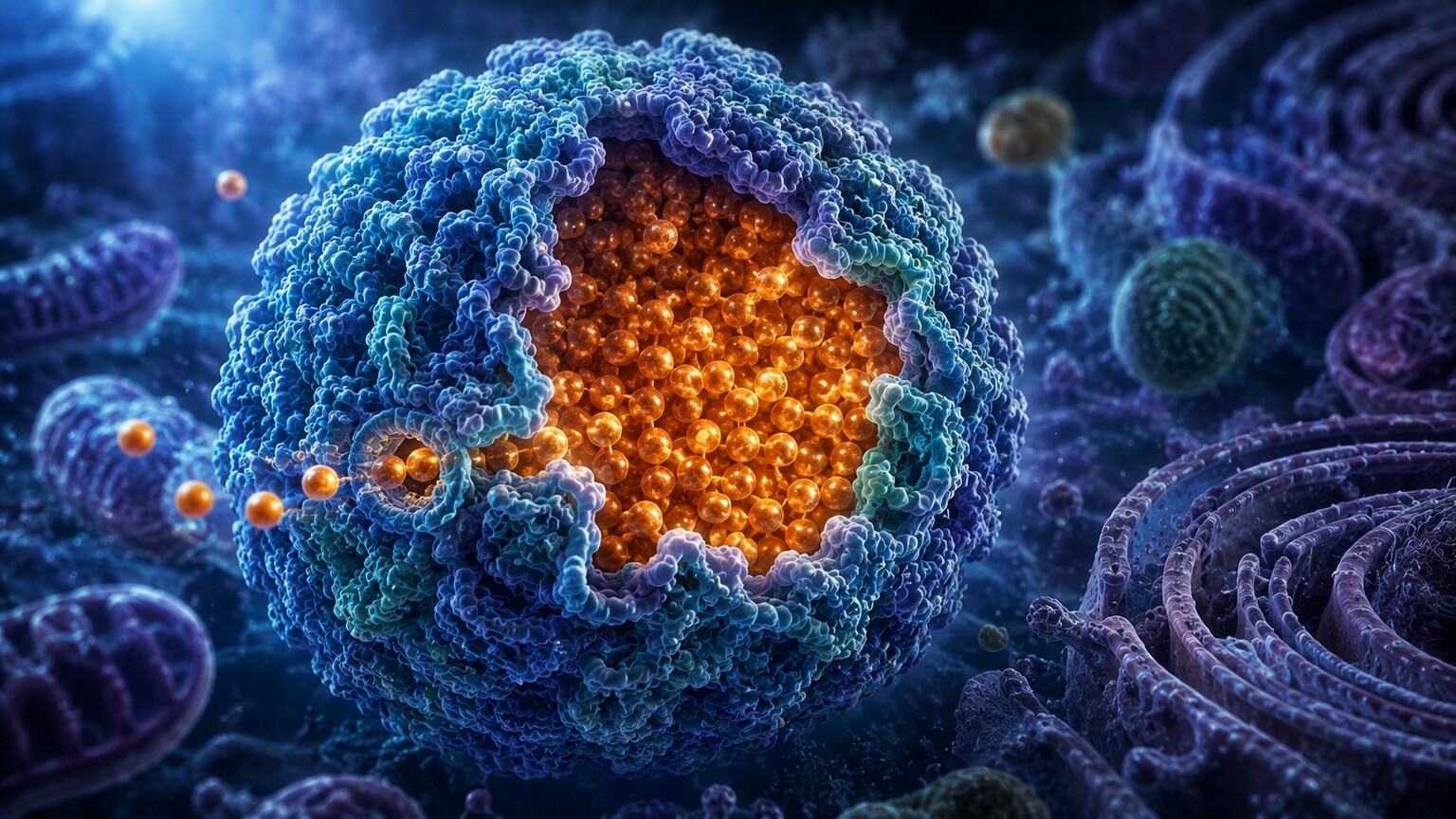
Figure 1. Ferritin is a hollow, spherical protein shell that stores iron safely inside cells, mainly in the liver, spleen, and bone marrow.
What Ferritin Actually Is, and Why It Rises
To understand why a ferritin result can go up for so many different reasons, it helps to know what the molecule is actually doing inside your body. Iron is essential for making red blood cells and carrying oxygen, but free-floating iron is also chemically reactive and, in excess, can damage tissue through a process called oxidative stress — think of it like a tiny spark that can start a fire if it's left loose instead of contained. Ferritin solves this problem by acting like a microscopic storage cage: it's a hollow, roughly spherical protein shell made of 24 smaller protein subunits, and it can hold thousands of iron atoms locked safely inside its core. Most of this ferritin lives inside your cells — largely in the liver, spleen, and bone marrow — where it functions as the body's primary iron reservoir, ready to release iron when it's needed to build new red blood cells.
Only a small fraction of the ferritin your body makes actually leaks out into the bloodstream, which is the portion a standard blood test measures. For decades, doctors relied on this circulating ferritin as a reasonably reliable stand-in for total body iron stores, and in a healthy person with no active illness, that relationship generally holds: low blood ferritin usually does mean low iron stores, and high blood ferritin often does mean the stores are elevated. The complication is the second job ferritin has evolved to do. Liver cells and immune cells called macrophages ramp up ferritin production sharply during inflammation, infection, tissue injury, and certain cancers, independent of how much iron is actually present. This inflammatory surge exists for a biological reason: some researchers believe that pulling iron out of circulation and locking it away in ferritin during an infection may starve invading bacteria of a nutrient they need to multiply, a defense strategy sometimes called "nutritional immunity." Whatever the exact evolutionary purpose, the practical result is that ferritin behaves like two different tests fused into one number, and figuring out which "mode" is driving a particular high result is the entire point of the workup that follows an elevated reading.
This is also why reference ranges for ferritin are unusually wide and vary somewhat by laboratory. A typical range for adult men might run from roughly 24 to 336 nanograms per milliliter, while women — who lose iron monthly through menstruation until menopause — typically run lower, often somewhere between 11 and 307 nanograms per milliliter. Both the width of these ranges and the fact that men and women are interpreted differently are clues in themselves: ferritin is not a marker with one clean cutoff the way, say, blood glucose has a widely agreed diabetic threshold. It's a marker that has to be read in context, alongside a person's sex, age, symptoms, and — critically — whether anything else in their body is currently inflamed.
Age adds another layer to this picture. Ferritin tends to drift upward gradually across the lifespan in both sexes, partly because low-grade inflammation becomes more common with age and partly because iron stores genuinely accumulate over decades in people who aren't losing iron through menstruation or frequent blood donation. In postmenopausal women, ferritin ranges typically shift upward to look more like the male range, since the monthly iron loss that kept premenopausal levels lower is no longer happening. A ferritin value that would have been flagged as high in a 25-year-old menstruating woman might be entirely unremarkable in the same woman at 65 — which is one more reason a lab report's printed reference range, calibrated to a general adult population, doesn't always map perfectly onto any one individual's expected baseline.
The Most Common Reason Ferritin Rises: Inflammation, Not Iron
If you've ever had bloodwork drawn while fighting off a cold, recovering from surgery, or dealing with a flare of a chronic condition like rheumatoid arthritis or inflammatory bowel disease, there's a good chance your ferritin was elevated at that exact moment — and it likely had nothing to do with iron overload. Ferritin belongs to a family of proteins the liver ramps up production of within hours of an inflammatory trigger, largely under the direction of a signaling molecule called interleukin-6. This is the same broad category of response that raises C-reactive protein (CRP) and erythrocyte sedimentation rate (ESR), the two most familiar general inflammation markers, which is part of why doctors often order ferritin, CRP, and sometimes ESR together: if ferritin is high but CRP is also clearly elevated, inflammation is the far more likely explanation than iron overload, and no further iron-specific workup may be needed until the underlying inflammatory issue is addressed.

Figure 2. Interleukin-6 released by immune cells during inflammation instructs the liver to increase ferritin production, independent of iron levels.
This is precisely why ferritin is described as an "acute-phase reactant": it reacts acutely, meaning quickly, to almost any form of physiological stress. A bacterial or viral infection, a recent surgery, a healing wound, an autoimmune flare, or even a demanding bout of intense exercise can all push ferritin upward within a day or two, and the increase can sometimes be dramatic — two, three, or occasionally many times a person's normal baseline. The good news buried in this mechanism is that inflammatory ferritin elevations are almost always temporary. Once the underlying trigger resolves — the infection clears, the flare settles, the wound heals — ferritin typically drifts back down over the following weeks. This is also why doctors are generally reluctant to draw hard conclusions from a single ferritin value measured during an obviously acute illness, and why a modestly high ferritin found incidentally during a routine physical, in someone who feels completely well, is treated very differently from the same number found in someone who is currently sick, hospitalized, or flaring a known inflammatory condition.
Chronic, lower-grade inflammation can produce the same effect over a much longer timescale. Conditions like obesity, metabolic syndrome, chronic kidney disease, and long-standing autoimmune diseases all maintain a persistent, low-level inflammatory state in the body, and ferritin often sits mildly to moderately elevated for months or years as a result — not because iron is accumulating, but because the inflammatory "on" switch for ferritin production simply never fully turns off. Distinguishing this pattern from true iron overload is one of the central challenges in interpreting a high ferritin result, and it's the reason the very next test ordered after a high ferritin is so rarely another ferritin test — it's almost always a test that looks at iron from a completely different angle.
Curious what the rest of your iron panel and inflammation markers are really telling you? Upload your results and get a complete, plain-language breakdown in under 15 minutes.
Analyze My ResultsHereditary Hemochromatosis: When Ferritin Reflects Real Iron Overload
The cause most people worry about when they hear "high ferritin" is genuine iron overload, and the textbook example is hereditary hemochromatosis, a genetic condition in which the body absorbs far more iron from food than it needs and has no efficient way to get rid of the excess. Unlike most nutrients, iron has no active elimination pathway once it's absorbed — the body can slow down how much it takes in, but it can't actively pump out iron it no longer wants, aside from small losses through blood loss, skin shedding, and, in women, menstruation. In hereditary hemochromatosis, a mutation — most commonly in a gene called HFE, with the specific variant C282Y being the classic cause in people of Northern European ancestry — disrupts the signal that normally tells the gut to slow iron absorption once stores are full. The result is a slow, silent accumulation of iron that can build for decades, often not producing a clearly abnormal ferritin result until adulthood, and frequently not producing symptoms until middle age.
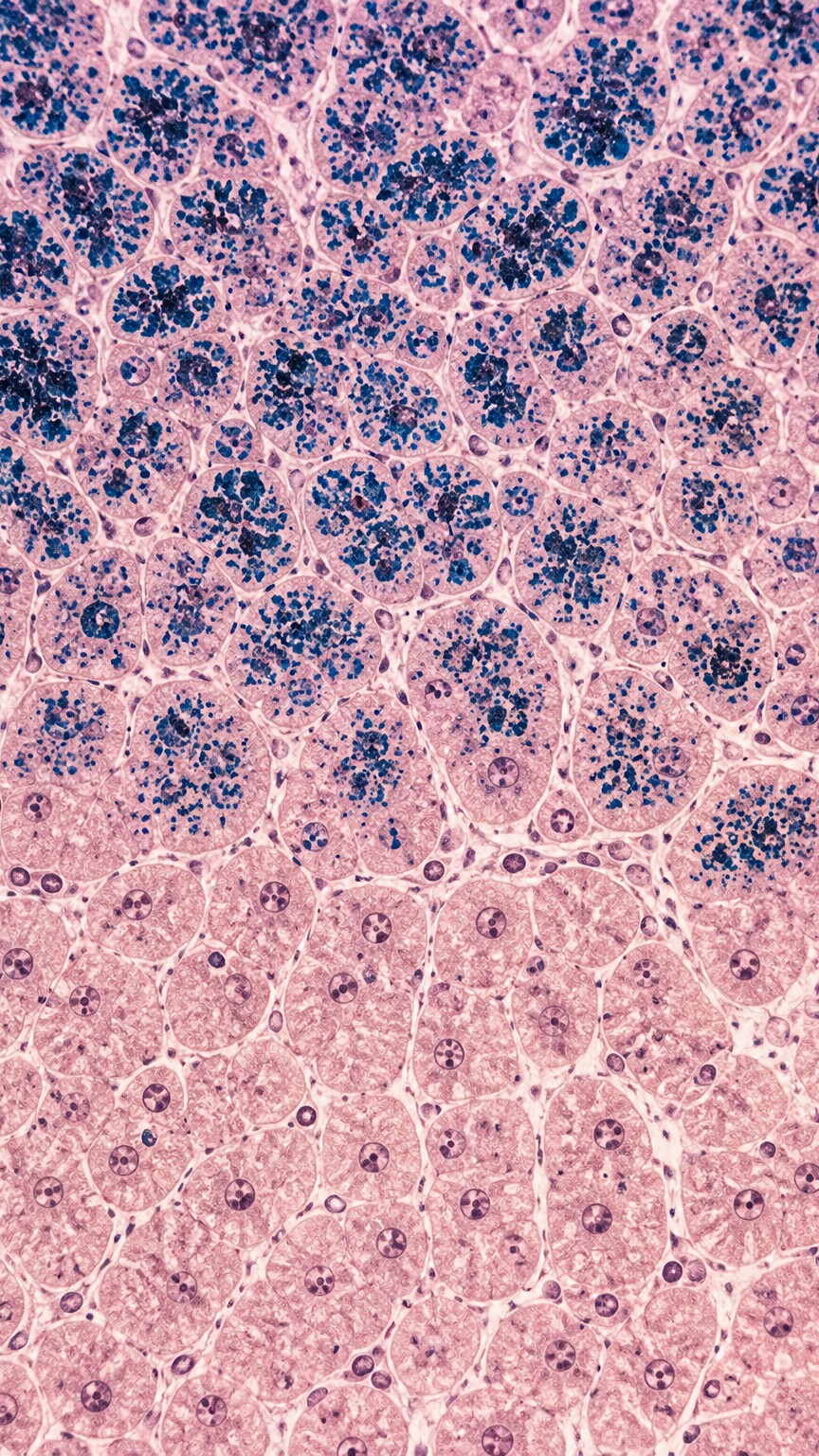
Figure 3. In hereditary hemochromatosis, excess absorbed iron deposits directly inside liver cells, visible on biopsy as blue-staining granules with a Prussian blue stain.
What makes true iron overload clinically important is where the excess iron ends up once ferritin's storage capacity inside cells is exceeded. Iron that can't be safely contained starts depositing directly in organ tissue — most consequentially in the liver, but also potentially in the heart, pancreas, joints, and pituitary gland. Left unaddressed for years, this can progress to liver fibrosis and, eventually, cirrhosis; it can contribute to a distinctive form of diabetes sometimes nicknamed "bronze diabetes" because of the skin's characteristic darkened, bronze-grey pigmentation from iron deposits combined with pancreatic damage; and it can, less commonly, cause heart rhythm problems or heart failure when iron accumulates in cardiac muscle. Joint pain, particularly in the first two knuckles of the hand, is another classic and often under-recognized early sign. The reason hemochromatosis gets emphasized so heavily in ferritin discussions isn't that it's the most common cause of a high result — inflammation is far more common — but because it's one of the few causes where the excess iron itself, left untreated, actively damages organs over time, and because it's treatable and often preventable with early detection.
Diagnosing hemochromatosis specifically involves more than ferritin alone. The key companion test is transferrin saturation, which measures what percentage of the iron-carrying protein transferrin is currently loaded with iron; in hereditary hemochromatosis, this percentage is typically elevated well above 45%, often much higher, even before ferritin itself becomes dramatically abnormal. When both ferritin and transferrin saturation are elevated together, genetic testing for the HFE mutation is the next logical step, and in some cases a liver biopsy or a specialized MRI technique capable of quantifying iron concentration directly in liver tissue may be used to confirm the diagnosis and gauge severity without an invasive procedure. Treatment, when needed, is refreshingly low-tech: therapeutic phlebotomy, meaning regularly scheduled blood removal — essentially the same procedure as donating blood — is remarkably effective at drawing down excess iron stores over time, since each unit of blood removed takes a meaningful amount of iron-containing hemoglobin along with it.
Because hereditary hemochromatosis is passed down genetically, a confirmed diagnosis in one person carries direct implications for their close biological relatives. The condition follows an autosomal recessive inheritance pattern for the classic HFE mutation, meaning a person generally needs to inherit the altered gene from both parents to develop significant iron overload, and siblings of someone diagnosed have a meaningfully elevated chance of carrying the same combination. For this reason, once hemochromatosis is confirmed, many clinicians recommend that first-degree relatives — parents, siblings, and adult children — consider getting screened with a simple ferritin and transferrin saturation panel, even if they feel completely well, since catching the tendency toward iron accumulation early, well before organ damage develops, is exactly what makes this condition so manageable when identified in time.
Fatty Liver, Metabolic Syndrome, and "Dysmetabolic Hyperferritinemia"
One of the most common causes of a moderately elevated ferritin seen in routine primary care today doesn't involve a genetic mutation at all. It's a pattern researchers have named dysmetabolic hyperferritinemia, closely tied to non-alcoholic fatty liver disease (now more often called metabolic dysfunction-associated steatotic liver disease, or MASLD) and the broader cluster of conditions known as metabolic syndrome — a combination that typically includes excess abdominal weight, insulin resistance, elevated triglycerides, and high blood pressure. In this pattern, ferritin runs mildly to moderately high, often somewhere in the 300 to 600 nanogram-per-milliliter range, while transferrin saturation stays normal or only mildly elevated — a signature that looks quite different from the dramatically high transferrin saturation typical of hereditary hemochromatosis.
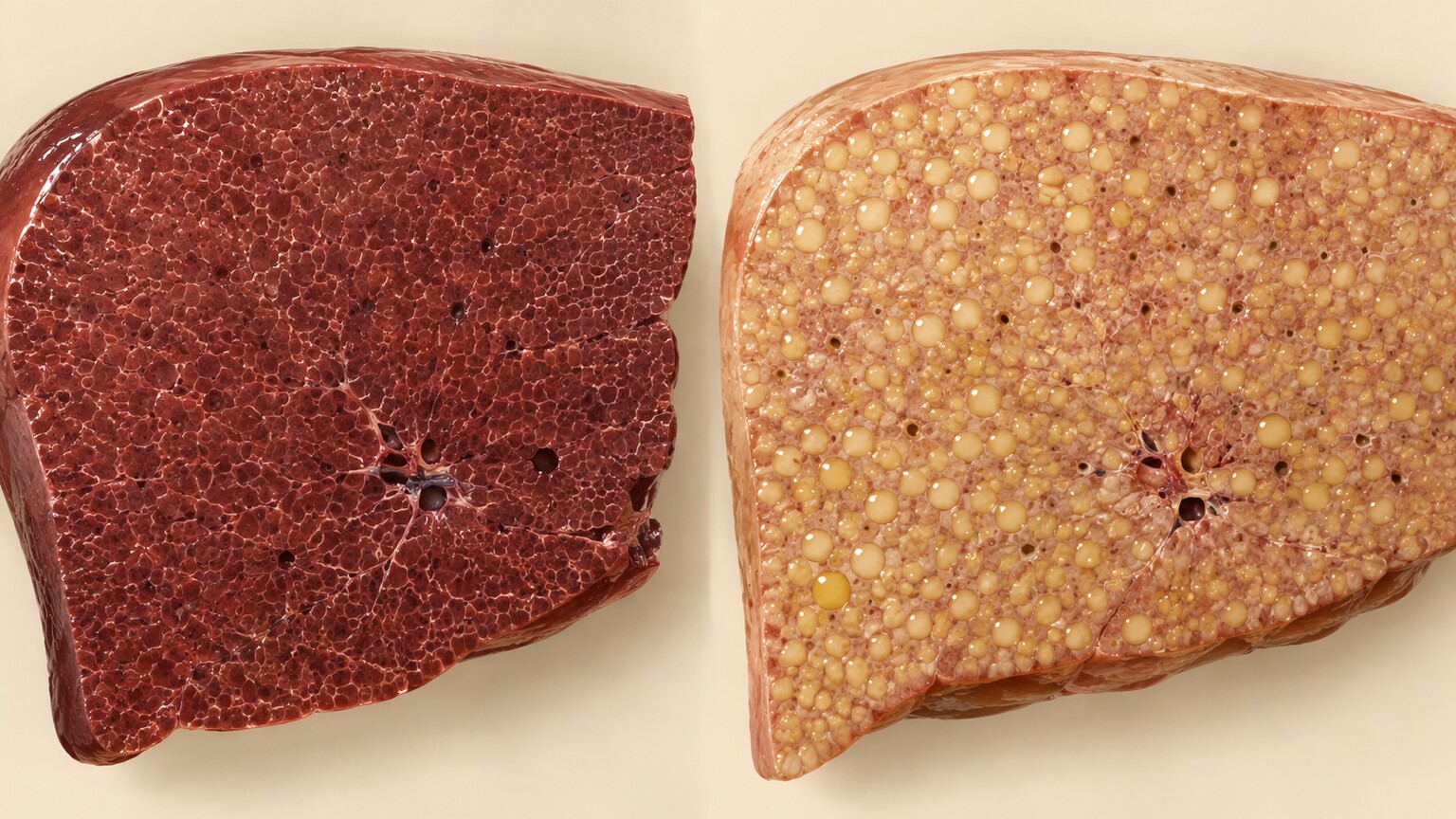
Figure 4. Fat accumulation inside liver cells, seen in fatty liver disease, is one of the most common drivers of mild-to-moderate ferritin elevation seen in routine bloodwork.
The mechanism behind this pattern is still being actively researched, but the leading explanation is a mix of low-grade chronic inflammation generated by fat-laden liver cells (a process sometimes described as "metaflammation") combined with mild disruption of the liver's normal iron-handling machinery. Fat accumulating inside liver cells appears to interfere with the signaling pathways that would otherwise keep iron storage tightly regulated, and the inflamed liver tissue itself contributes extra ferritin production on top of that. Because fatty liver disease has become dramatically more common alongside rising rates of obesity and type 2 diabetes across the United States, this pattern is now considered one of the single most frequent explanations for an otherwise unexplained mild ferritin elevation found on routine labs — arguably more common today than classic hereditary hemochromatosis.
The clinical significance of this distinction matters practically, not just academically. A patient with dysmetabolic hyperferritinemia generally does not need therapeutic phlebotomy the way a hemochromatosis patient might; instead, the treatment target is the underlying metabolic driver — weight management, improved insulin sensitivity through diet and exercise, and control of blood pressure and lipids. Ferritin in this scenario tends to track alongside overall metabolic health: as fatty liver improves, whether through weight loss, medication, or both, ferritin often falls in parallel, offering an unusually direct, retestable signal of whether lifestyle or medical interventions are actually working at the liver level, even though ferritin itself was never the primary problem being treated.
Alcohol's Effect on Ferritin
Regular alcohol consumption is another well-documented driver of elevated ferritin, operating through a couple of overlapping mechanisms. Alcohol is directly toxic to liver cells at high enough exposure, and any process that damages hepatocytes — the liver's main working cells — tends to release the ferritin stored inside them into the bloodstream, similar to how a bruised piece of fruit leaks more juice than an intact one. On top of this direct cellular leakage, chronic alcohol use also promotes a mild inflammatory state in the liver and can, over time, contribute to fatty liver changes of its own, layering an alcohol-specific pathway on top of the same metabolic mechanisms described above.
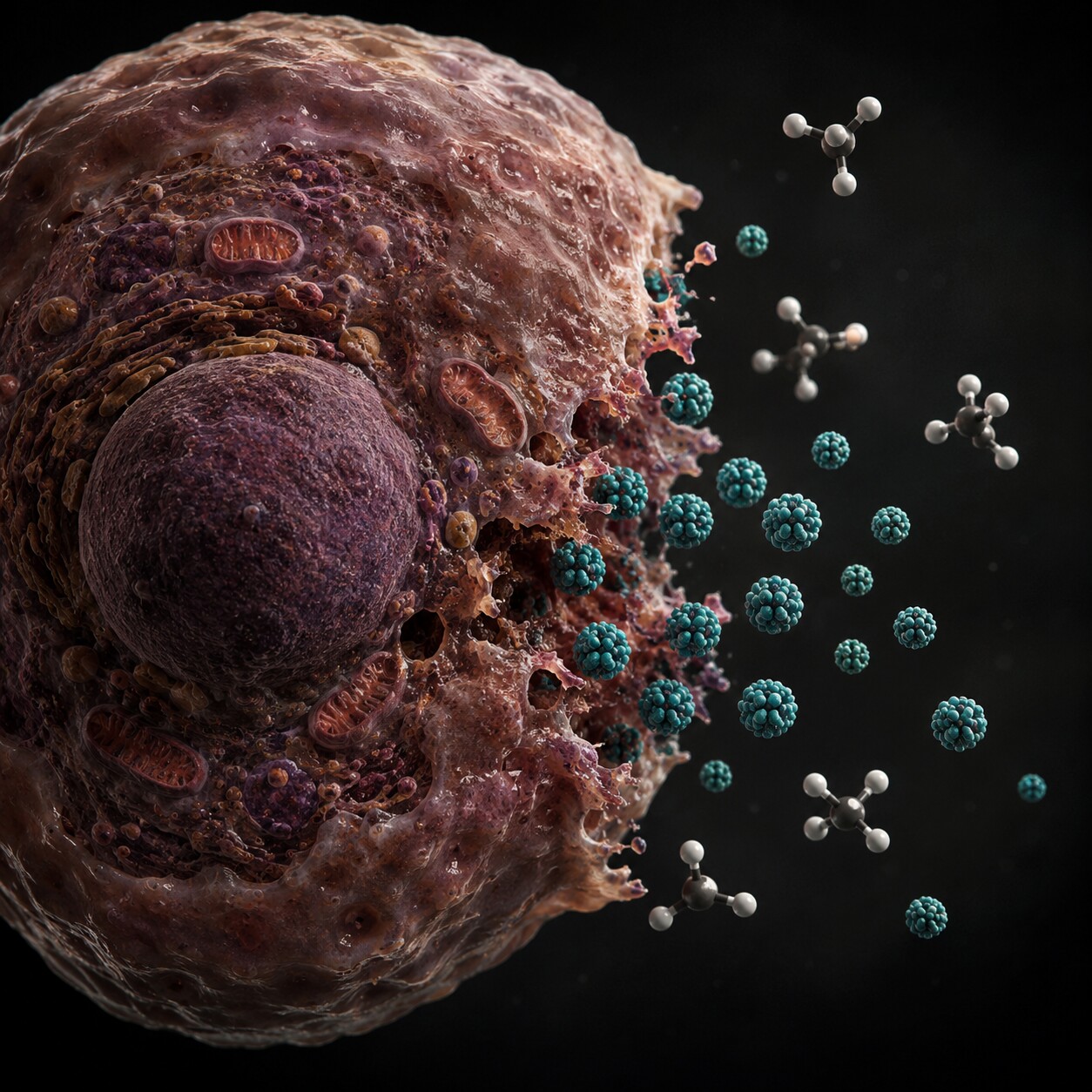
Figure 5. Chronic alcohol exposure damages the membranes of liver cells, allowing the ferritin normally stored inside them to leak into the bloodstream.
Even relatively moderate regular drinking has been shown in research to correlate with meaningfully higher average ferritin levels compared to people who drink rarely or not at all, and heavier, sustained alcohol use can push ferritin substantially higher, sometimes alongside elevated liver enzymes like AST and ALT that provide a second, corroborating signal that liver cells are under active stress. Because this pathway is so common, one of the first practical questions many clinicians ask when reviewing an unexplained high ferritin result is simply how much alcohol the person drinks in a typical week — a detail patients sometimes underreport, whether from underestimating their own intake or from discomfort discussing it, which can leave a real contributing cause hiding in plain sight. Cutting back on alcohol intake, when it's identified as a contributor, is one of the more reliably reversible ways to bring an elevated ferritin back down over a period of weeks to a few months, distinguishing it clearly from causes like hereditary hemochromatosis where the underlying tendency toward iron accumulation never fully goes away.
Ferritin and Cancer
Certain cancers, most notably lymphomas, leukemias, and some solid tumors including liver, lung, and pancreatic cancer, can produce elevated ferritin, though this is a far less common explanation than inflammation or metabolic causes and is not something a single high ferritin result should be assumed to indicate on its own. The mechanisms involved vary by cancer type: some tumors directly produce and secrete ferritin as part of their own abnormal cellular activity, some cancers involving the bone marrow or lymphatic system disrupt normal iron handling and immune signaling in ways that mirror the inflammatory pathway described earlier, and rapidly dividing or breaking-down tumor cells can release stored ferritin much like damaged liver cells do during heavy alcohol exposure. In hematologic cancers specifically, extremely elevated ferritin levels have historically been studied as a marker that sometimes correlates with disease burden or activity, though it's used alongside imaging, blood counts, and other tests rather than as a stand-alone diagnostic signal.
It's worth being clear-eyed about what this means in practice: a modestly elevated ferritin found on a routine panel is overwhelmingly more likely to reflect inflammation, fatty liver, or alcohol use than cancer, and jumping to that conclusion from ferritin alone isn't supported by how the test actually performs. What tends to raise legitimate concern for a clinician is a very high or rapidly rising ferritin occurring alongside other worrying findings — unexplained weight loss, persistent fevers, night sweats, enlarged lymph nodes, or abnormalities on a complete blood count — where the overall clinical picture, not the ferritin number in isolation, is what drives further evaluation such as imaging or referral to a hematologist or oncologist.
Extremely High Ferritin: Macrophage Activation Syndrome and HLH
At the far upper extreme of ferritin elevation sits a genuine medical emergency: a group of conditions called hemophagocytic lymphohistiocytosis (HLH) and its closely related form, macrophage activation syndrome (MAS), which can occur as a complication of severe infections, certain cancers, or autoimmune conditions like juvenile idiopathic arthritis and lupus. In these conditions, the immune system essentially loses its brakes — immune cells called macrophages become pathologically overactive and begin engulfing and destroying the body's own healthy blood cells, a process called hemophagocytosis, while triggering an overwhelming, self-perpetuating storm of inflammatory signaling throughout the body.
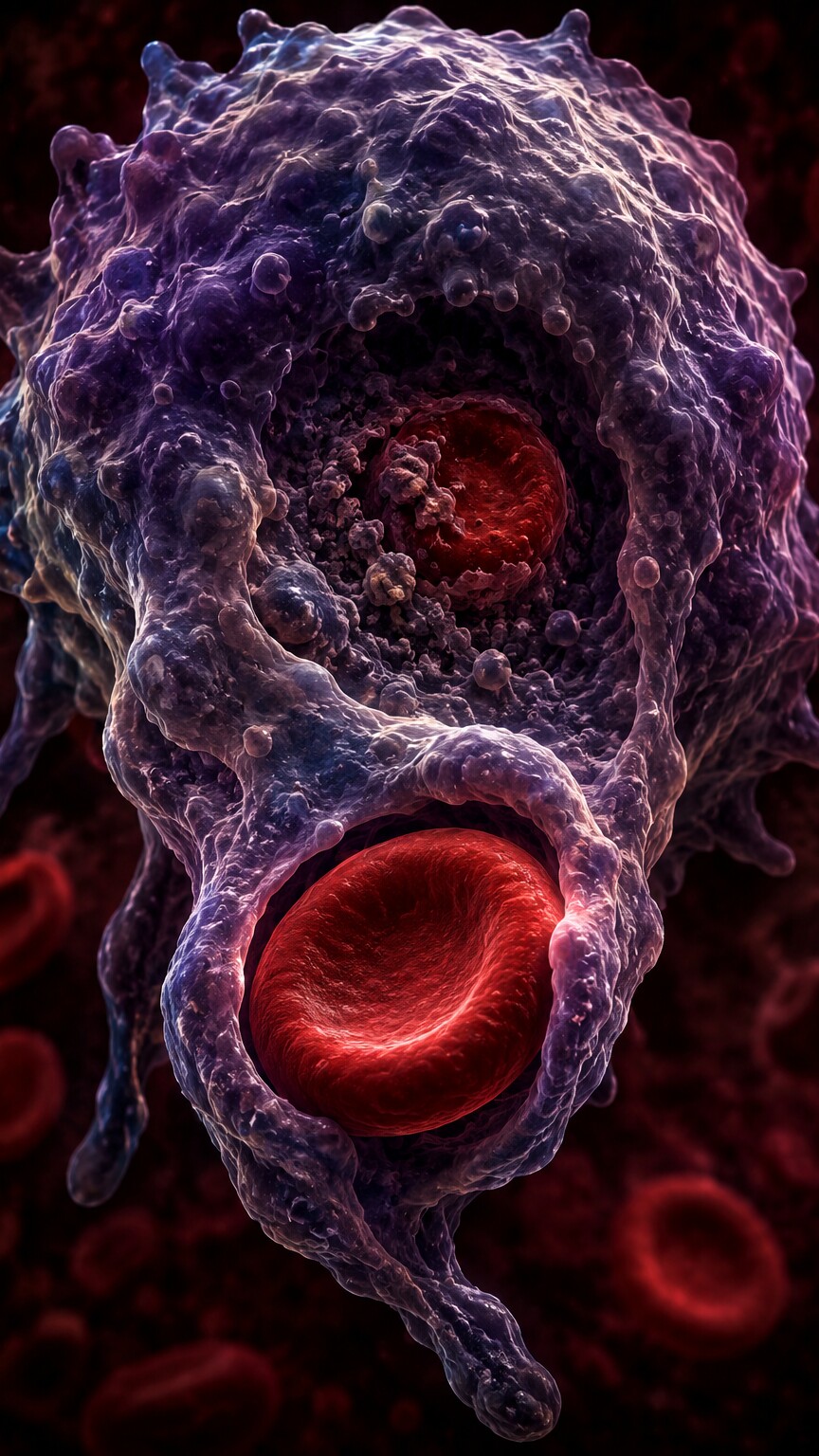
Figure 6. In hemophagocytic lymphohistiocytosis, overactive macrophages engulf the body's own healthy blood cells, a process called hemophagocytosis that drives ferritin to extreme levels.
Ferritin in this setting doesn't reach the moderately elevated levels seen with everyday inflammation or fatty liver disease — it can climb into the thousands or even tens of thousands of nanograms per milliliter, with values above roughly 10,000 nanograms per milliliter carrying a strong, though not perfectly specific, association with HLH or MAS in the right clinical context. This is one of the rare situations in medicine where ferritin functions almost like an alarm bell rather than a background signal: patients are typically acutely and visibly ill, with high fevers, an enlarged spleen or liver, abnormal blood counts across multiple cell lines, and deranged liver function tests all appearing together, and the condition is managed as a medical emergency requiring hospitalization, since untreated HLH carries a significant risk of rapid deterioration and death without prompt immunosuppressive treatment aimed at calming the runaway immune response.
It's genuinely important for context here that this scenario is a rare cause of a high ferritin result relative to the far more common explanations discussed earlier, and it is essentially never the explanation for a mildly or moderately elevated ferritin discovered incidentally in someone who otherwise feels well. It's included in this discussion because ferritin's role as a warning sign in extreme elevation is part of understanding the full range of what the test can mean — not because a routine ferritin result in the hundreds should trigger this level of concern.
What Tests Come Next After a High Ferritin Result
Because a single high ferritin number can mean so many different things, no responsible clinician draws a firm conclusion from it alone — the next steps are what actually narrow down the cause. The most important companion test is transferrin saturation, sometimes reported alongside serum iron and total iron-binding capacity as part of a full iron panel. This measurement, unlike ferritin, is not significantly affected by inflammation, which makes the combination of the two tests genuinely powerful: high ferritin with normal transferrin saturation points toward inflammation, fatty liver, or alcohol as the driver, while high ferritin with a clearly elevated transferrin saturation — generally above 45%, and often much higher in true overload — points toward a real iron-loading process such as hereditary hemochromatosis and usually prompts genetic testing for the HFE mutation.
A CRP or ESR test is frequently ordered in the same blood draw specifically to check for active inflammation as an explanation, and a basic liver panel — measuring liver enzymes like AST and ALT along with a general assessment of liver function — helps evaluate whether fatty liver disease, alcohol-related liver stress, or another form of liver injury might be contributing. Depending on the overall clinical picture, a doctor might also review recent illnesses, medication use, alcohol intake, weight and metabolic history, and family history of liver or iron-related conditions, since hereditary hemochromatosis in particular tends to run in families and a relative's diagnosis is often a meaningful clue. In more ambiguous or higher-stakes cases, imaging such as an abdominal ultrasound or a specialized iron-quantifying MRI, and occasionally a liver biopsy, can directly assess how much iron and how much fat are actually present in liver tissue, moving the picture from indirect blood-test inference to a much more concrete anatomical answer.
What this all adds up to is a fairly consistent diagnostic logic: ferritin flags that something might be going on, and the tests that follow are what actually sort inflammation from fatty liver from alcohol from true iron overload from, in rare cases, something more urgent. A single ferritin value pulled out of that broader context — especially one measured during an acute illness — is genuinely difficult to interpret responsibly on its own, which is exactly why doctors are reluctant to react strongly to one isolated number without the surrounding picture.
Symptoms That Might Accompany a High Ferritin Level
Mild to moderate ferritin elevation frequently produces no symptoms at all, which is part of why it's so often discovered incidentally on routine bloodwork rather than because someone sought care for a specific complaint. When symptoms do appear, they tend to reflect whatever underlying process is actually driving the number rather than ferritin itself. Fatigue, joint pain — especially in the knuckles of the index and middle fingers — and a vague sense of abdominal discomfort in the upper right side, where the liver sits, are commonly reported in people with developing iron overload from hereditary hemochromatosis. Unexplained erectile dysfunction, irregular menstrual cycles, or new-onset diabetes symptoms can occasionally be linked to iron deposition affecting the pituitary gland or pancreas in more advanced, longstanding cases.
When the driver is inflammation, symptoms usually match whatever is causing that inflammation in the first place — the aches and low energy of a viral illness, the joint swelling of a rheumatoid arthritis flare, or the digestive symptoms of an inflammatory bowel condition — rather than anything specific to ferritin itself. When fatty liver disease or alcohol-related liver stress is the underlying cause, symptoms, if present at all, tend to be nonspecific: mild fatigue, occasional right upper abdominal discomfort, or no symptoms whatsoever even with meaningful fat accumulation already present in the liver, which is part of why fatty liver disease is sometimes called a "silent" condition until it progresses significantly.
One symptom worth calling out specifically, because it's frequently misattributed to something else entirely, is skin color change. In advanced, longstanding iron overload, excess iron deposited in the skin combined with increased melanin production can produce a subtle grey-bronze discoloration, most noticeable on sun-exposed areas like the face, hands, and forearms — a finding sometimes casually mistaken for a healthy tan rather than recognized as a sign of years of unaddressed iron accumulation. This particular symptom typically only emerges after iron overload has been present for a long time without detection, underscoring why catching an elevated ferritin early, before symptoms like this develop, is so much more useful than waiting for the body to eventually announce a problem on its own.
When a High Ferritin Level Needs Urgent Attention
Most high ferritin results are not medical emergencies and can be worked up over the following days to weeks through routine follow-up testing with a primary care provider. That said, certain combinations of findings alongside a high ferritin warrant prompt medical attention rather than a wait-and-see approach: a very high fever that won't resolve, especially alongside fatigue, easy bruising, or unusual bleeding; a rapidly enlarging abdomen or a spleen or liver that feels notably swollen; new confusion or significant behavior changes; or a known autoimmune or rheumatologic condition that suddenly seems to be flaring dramatically. These are the kinds of patterns that, in the right clinical context, raise concern for the rarer but serious causes discussed earlier, including HLH and macrophage activation syndrome, and they're worth bringing to urgent medical attention rather than waiting for a routinely scheduled follow-up appointment.
How Long It Takes Ferritin to Normalize Once the Cause Is Addressed
How quickly a high ferritin comes back down depends almost entirely on what pushed it up in the first place, and the timelines differ enough that they're worth knowing in advance so a follow-up test isn't drawn either too early or with the wrong expectation. Ferritin elevated by a short-term illness or infection usually starts falling within a week or two of recovery and typically normalizes fully within four to six weeks, tracking the same general timeline as CRP, though usually lagging slightly behind it. This is why doctors often recommend waiting at least a month after any acute illness before repeating a ferritin test meant to establish a true baseline — testing too soon simply catches the tail end of a temporary spike and risks triggering an unnecessary workup for a problem that was already resolving on its own.
Ferritin tied to fatty liver disease, metabolic syndrome, or alcohol use moves on a slower, more gradual timeline, generally measured in months rather than weeks, since it depends on measurable improvement in liver fat content, inflammation, or reduced alcohol exposure rather than the resolution of a single discrete event. People who lose a meaningful amount of weight, improve their diet, or significantly cut back on alcohol often see ferritin drop noticeably over three to six months, with continued improvement sometimes visible for up to a year as liver health keeps improving. True iron overload from hereditary hemochromatosis follows the slowest and most structured timeline of all: therapeutic phlebotomy typically lowers ferritin gradually over months of regularly scheduled sessions, and even after target levels are reached, most patients continue periodic maintenance phlebotomy indefinitely to keep iron from re-accumulating, since the underlying genetic tendency to over-absorb iron from food never goes away, even once stores have been brought back down to normal.
Frequently Asked Questions
Does a high ferritin level always mean I have too much iron?
No. Ferritin rises both when iron stores are genuinely elevated and whenever the body is inflamed, regardless of iron levels. Inflammation, infection, fatty liver disease, and alcohol use are all more common causes of a high ferritin than true iron overload conditions like hereditary hemochromatosis.
What's the single most useful test to order alongside ferritin?
Transferrin saturation. Unlike ferritin, it isn't significantly affected by inflammation, so pairing the two helps distinguish inflammatory ferritin elevation (normal transferrin saturation) from true iron overload (transferrin saturation typically above 45%).
Can losing weight or reducing alcohol intake actually lower ferritin?
Often, yes, when fatty liver disease, metabolic syndrome, or alcohol use are the underlying drivers. Ferritin linked to these causes tends to fall over weeks to months as the underlying liver stress or inflammation improves, unlike ferritin from a genetic iron-loading condition, which requires ongoing management.
How high does ferritin need to be before it's considered an emergency?
There's no single universal cutoff, but ferritin values in the thousands or tens of thousands of nanograms per milliliter, especially alongside high fever, abnormal blood counts, and an enlarged spleen or liver, raise concern for rare but serious conditions like hemophagocytic lymphohistiocytosis and warrant urgent evaluation.
Should I stop eating iron-rich foods if my ferritin comes back high?
Not automatically. Since most high ferritin results reflect inflammation, fatty liver, or alcohol use rather than dietary iron intake, cutting iron-rich foods before knowing the actual cause can be unnecessary and, in someone who also has an underlying anemia risk, counterproductive. Dietary changes are usually only specifically recommended once true iron overload has been confirmed.
Can taking iron supplements or a multivitamin cause a falsely high ferritin reading?
Iron supplements taken shortly before a blood draw can modestly raise measured iron and transferrin saturation, though ferritin itself responds more slowly and is less affected by a single recent dose. It's still worth telling your provider about any supplements you take regularly, since sustained supplementation can meaningfully raise ferritin over time in someone who didn't need the extra iron in the first place.
Conclusion
A high ferritin result is a starting point for a conversation, not a diagnosis by itself. Because the same molecule serves as both an iron-storage protein and an inflammation marker, the number can climb for reasons as ordinary as a recent cold or a few too many drinks a week, or, far less commonly, as a signal of a genuine iron-overload condition or a serious underlying illness. The path to understanding which situation applies almost always runs through a small set of follow-up tests — most importantly transferrin saturation, inflammation markers, and liver function — interpreted together with a person's symptoms, history, and overall health picture. If a high ferritin result has left you with more questions than answers, that reaction is entirely reasonable; it's a genuinely complicated test, and getting the full context right is exactly what turns a confusing number into a clear next step.
Still Not Sure What Your Results Mean?
Upload your labs and get a complete, visual, plain-language interpretation of every biomarker — delivered to your inbox in under 15 minutes.
Get My ReportThis article is for educational purposes only and does not constitute medical advice. Always consult your healthcare provider regarding your specific lab results.