
What Does a High Creatinine Level Mean?
A high creatinine level means your kidneys are clearing less of this waste product from your blood than they normally would, and the number itself doesn't tell you why. What actually matters — and what determines everything about your treatment — is which of three fundamentally different physiologic categories is behind it. Nephrologists sort every cause of an elevated creatinine into one of three buckets: prerenal, meaning the kidneys themselves are healthy but not receiving enough blood flow to filter properly; intrinsic renal, meaning the kidney tissue itself has been directly damaged; and postrenal, meaning urine that's already been filtered is physically blocked from draining out. These three categories require completely different responses — giving IV fluids for a blood-flow problem versus stopping a toxic medication for tissue damage versus relieving a physical blockage aren't interchangeable treatments, and using the wrong one can make things worse. This article walks through each category, the specific mechanisms that put a person into it, how doctors actually figure out which one applies, and what happens once they know.
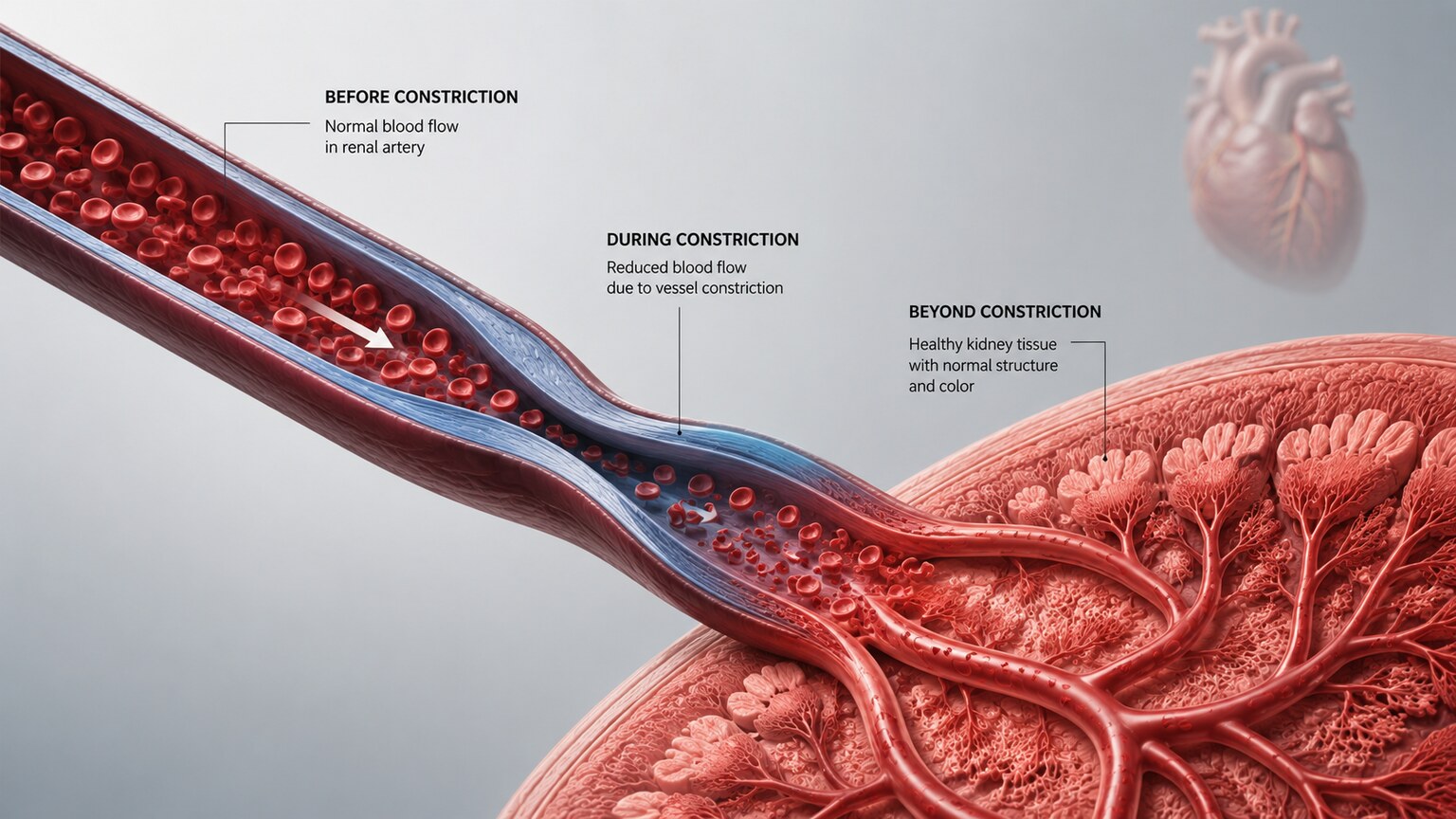
Figure 1. In prerenal causes of high creatinine, the kidney tissue itself is undamaged — the problem is simply that too little blood is arriving for the kidneys to filter normally.
Why Doctors Think in Three Categories, Not One List
Creatinine is a waste product your muscles constantly release into your blood at a fairly steady rate, and your kidneys are the only real exit route for it — they filter it out of your blood and send it into urine to be eliminated. When creatinine builds up in your blood instead of clearing normally, something has interrupted that exit route. The reason doctors don't just treat "high creatinine" as a single problem with a single fix is that the interruption can happen at three completely different points along the way, and each point requires an entirely different intervention. Reaching for the wrong one isn't just ineffective — giving aggressive IV fluids to someone whose real problem is a blocked ureter, for instance, can make swelling and pressure worse rather than better, which is exactly why correctly sorting a high creatinine into the right category comes before deciding what to actually do about it.
A useful way to picture this three-part framework is thinking about a city's water delivery system rather than the kidney directly. If a home's water pressure suddenly drops, there are three fundamentally different places the problem could be: not enough water arriving at the property in the first place (a supply-side issue upstream of the house), a broken pipe or malfunctioning pump somewhere inside the house itself (damage to the actual delivery mechanism), or a clog somewhere in the outflow drain preventing water from leaving properly (a blockage downstream of where the work has already been done). A plumber wouldn't treat all three the same way, and a nephrologist evaluating a rising creatinine is doing essentially the same triage — prerenal, intrinsic, and postrenal map directly onto these same three positions relative to the kidney's actual filtering work.
Already have a creatinine number from a recent test, but not sure if it's actually good or bad for you? Just plug it in and see instantly.
🧮 Try the Free CalculatorCategory 1: Prerenal — The Kidneys Are Fine, but Blood Flow Isn't
Prerenal causes are, by a wide margin, the most common reason for an elevated creatinine, and the name itself tells you exactly where the problem sits: "pre" as in before the kidney, meaning something upstream is reducing how much blood actually reaches the kidney tissue to be filtered in the first place. The kidney's filtering units aren't damaged in this category — they're simply starved of the blood volume and pressure they need to do their job at full capacity, so creatinine backs up in the blood even though the filtering machinery itself is completely intact.
Dehydration is the everyday example most people are already familiar with, but the category extends well beyond simply not drinking enough water. Significant blood loss, severe vomiting or diarrhea, heart failure (where a weakened heart simply can't pump enough blood forward to the kidneys despite adequate total blood volume), liver failure with fluid shifts, and a dangerous drop in blood pressure from sepsis or another cause of shock all reduce effective blood delivery to the kidneys through different specific mechanisms, but they land in this same category because the underlying problem — inadequate blood flow reaching otherwise healthy kidney tissue — is fundamentally the same. Certain medications also belong here: NSAIDs like ibuprofen can constrict the small blood vessels feeding the kidney's filtering units, and ACE inhibitors and ARBs (common blood pressure medications) can reduce pressure specifically within the filtering unit itself, both of which can tip someone who's already borderline dehydrated or has reduced kidney reserve into a measurably higher creatinine.
The heart failure example is worth slowing down on, since it captures a genuinely counterintuitive aspect of this category. Someone with significant heart failure often has too much total fluid in their body overall — enough to cause visible swelling and shortness of breath — yet their kidneys can still be underperfused, because the problem isn't total volume, it's forward flow. A weakened heart muscle struggles to pump blood out to the body with enough force, so blood backs up on the venous side of the circulation while the kidneys, sitting downstream of that failing forward pump, receive less perfusion pressure than they need despite the body technically being fluid-overloaded. This is exactly why the same physiologic category (prerenal) can require opposite-seeming treatments depending on the specific cause: dehydration calls for adding fluid, while decompensated heart failure sometimes calls for removing fluid and improving how forcefully the heart pumps what's already there — both are prerenal problems, but the actual mechanics of the fix point in different directions.
The reassuring part of this category is that it's typically the most reversible: because the kidney tissue itself was never actually injured, restoring adequate blood flow — through rehydration, treating the underlying cause of blood loss or heart failure, or simply stopping an offending medication — often brings creatinine back down to baseline relatively quickly, sometimes within days, once the blood flow problem is corrected.
There's a specific reason NSAIDs and ACE inhibitors/ARBs affect the kidney through such different-sounding pathways yet both land in this prerenal category, and understanding it clarifies why combining them is a particularly common way to trigger this problem. The kidney's filtering unit relies on two small blood vessels working in a kind of balance — one bringing blood in, one letting blood back out — and the pressure difference between them is what actually drives filtration. Prostaglandins, a group of signaling molecules that NSAIDs block, normally help keep the incoming vessel appropriately open, especially when the body is already volume-depleted; ACE inhibitors and ARBs, meanwhile, work by relaxing the outgoing vessel. Taken individually, healthy kidneys usually compensate for either effect on its own without much trouble. Taken together, especially in someone who's also dehydrated or has reduced kidney reserve to begin with, the combination can pull the pressure balance out of a workable range from both directions at once — which is exactly why this specific medication combination shows up so often in real-world cases of prerenal creatinine elevation, and why pharmacists and doctors pay particular attention to it.
Category 2: Intrinsic Renal — When the Kidney Tissue Itself Is Injured
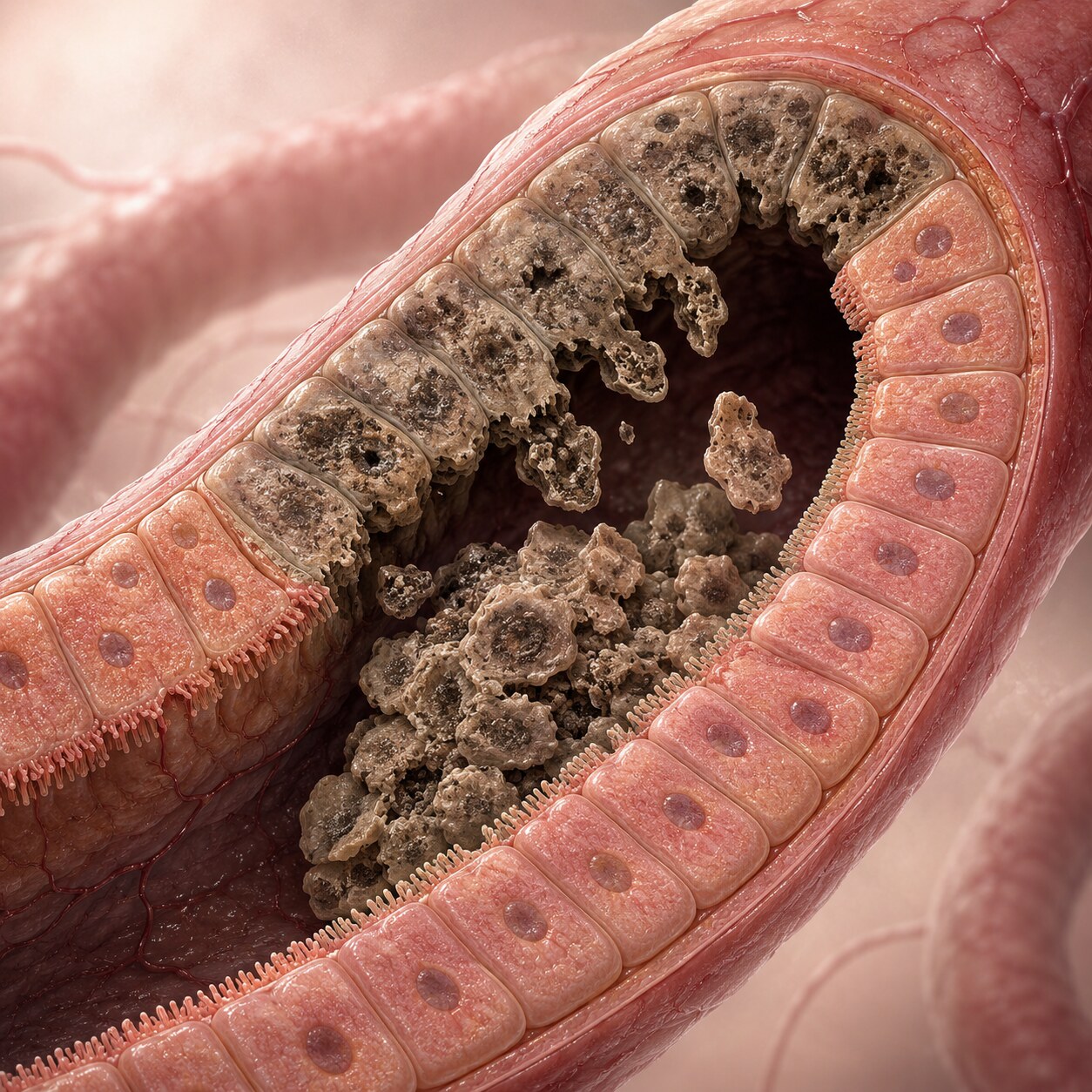
Figure 2. Acute tubular necrosis, the most common form of intrinsic kidney injury, involves the tubule's lining cells actually dying and shedding into the tubule, physically obstructing normal filtration.
Intrinsic renal causes mean the kidney tissue itself has sustained direct injury, unlike the prerenal category where the tissue is a passive victim of poor blood supply. The most common form is acute tubular necrosis, in which the specialized cells lining the kidney's tubules — the microscopic tubes responsible for fine-tuning what gets reabsorbed and what gets excreted — are directly damaged and begin to die, sloughing off into the tubule itself and physically obstructing normal flow. This can happen as a late consequence of a severe, prolonged prerenal problem left uncorrected (essentially, blood flow becomes so inadequate for so long that the starved tissue actually dies rather than just underperforming), or it can happen directly from a toxic exposure.
Certain medications and substances are directly toxic to kidney tissue at the tubule level, including some antibiotics (particularly a class called aminoglycosides), certain chemotherapy drugs, and the iodine-based contrast dye used for some CT scans, which is why kidney function is routinely checked before a contrast study is ordered. Beyond direct toxicity, intrinsic renal injury also includes glomerulonephritis, a family of conditions in which the kidney's filtering membrane itself becomes inflamed, often as part of an autoimmune process, allowing protein and blood to leak into urine while simultaneously impairing normal filtration. A related condition, acute interstitial nephritis, involves inflammation in the tissue surrounding the tubules, frequently triggered as an allergic-type reaction to a medication (certain antibiotics and some other common drug classes are well-documented triggers) rather than direct toxicity. Chronic, longstanding intrinsic damage — the kind that builds slowly over years rather than appearing suddenly — is most commonly caused by long-term poorly controlled diabetes and high blood pressure, which gradually scar the kidney's filtering units through entirely different, slower mechanisms than the acute injuries described above.
It's worth understanding at a slightly deeper level why the tubule cells specifically are so vulnerable to this kind of injury compared to other kidney structures. The cells lining the tubules do an enormous amount of active, energy-intensive work — reabsorbing the vast majority of the water, sodium, glucose, and other useful substances the kidney initially filters out of the blood, work that requires a constant, high supply of oxygen and energy to power the cellular pumps involved. This makes tubule cells unusually sensitive to any interruption in oxygen or energy delivery, similar to how heart muscle or brain tissue is more vulnerable to oxygen deprivation than, say, skin or bone. A period of reduced blood flow that a less metabolically demanding tissue might tolerate without lasting harm can be enough to push these energy-hungry tubule cells past the point of recovery, which is exactly the mechanism connecting a severe, prolonged prerenal problem to eventual intrinsic tubular injury described above.
Intrinsic renal injury is generally the least reversible of the three categories, particularly once actual tissue death or significant scarring has occurred — unlike the prerenal category, simply restoring blood flow won't undo damage that's already happened to the tissue itself, which is part of why catching and correcting a prerenal problem before it progresses to this stage matters so much.
It's worth noting that "least reversible" doesn't mean "never recovers." Acute tubular necrosis specifically has a genuinely encouraging natural history in many cases, because the tubule's lining cells, unlike neurons or heart muscle, retain a meaningful capacity to regenerate — surviving cells at the base of the tubule can proliferate and gradually repopulate the damaged lining over a period of days to a few weeks, provided the original triggering injury has been removed and the kidney is given the chance to heal. This regenerative capacity is part of why acute tubular necrosis, despite being classified as intrinsic damage, often carries a better recovery outlook than the phrase "kidney tissue damage" might suggest on its own — it's meaningfully different from the more permanent scarring seen in chronic conditions like longstanding diabetic or hypertensive kidney disease, where the damaged structures are replaced by non-functional scar tissue rather than being repaired.
Category 3: Postrenal — When Urine Can't Get Out
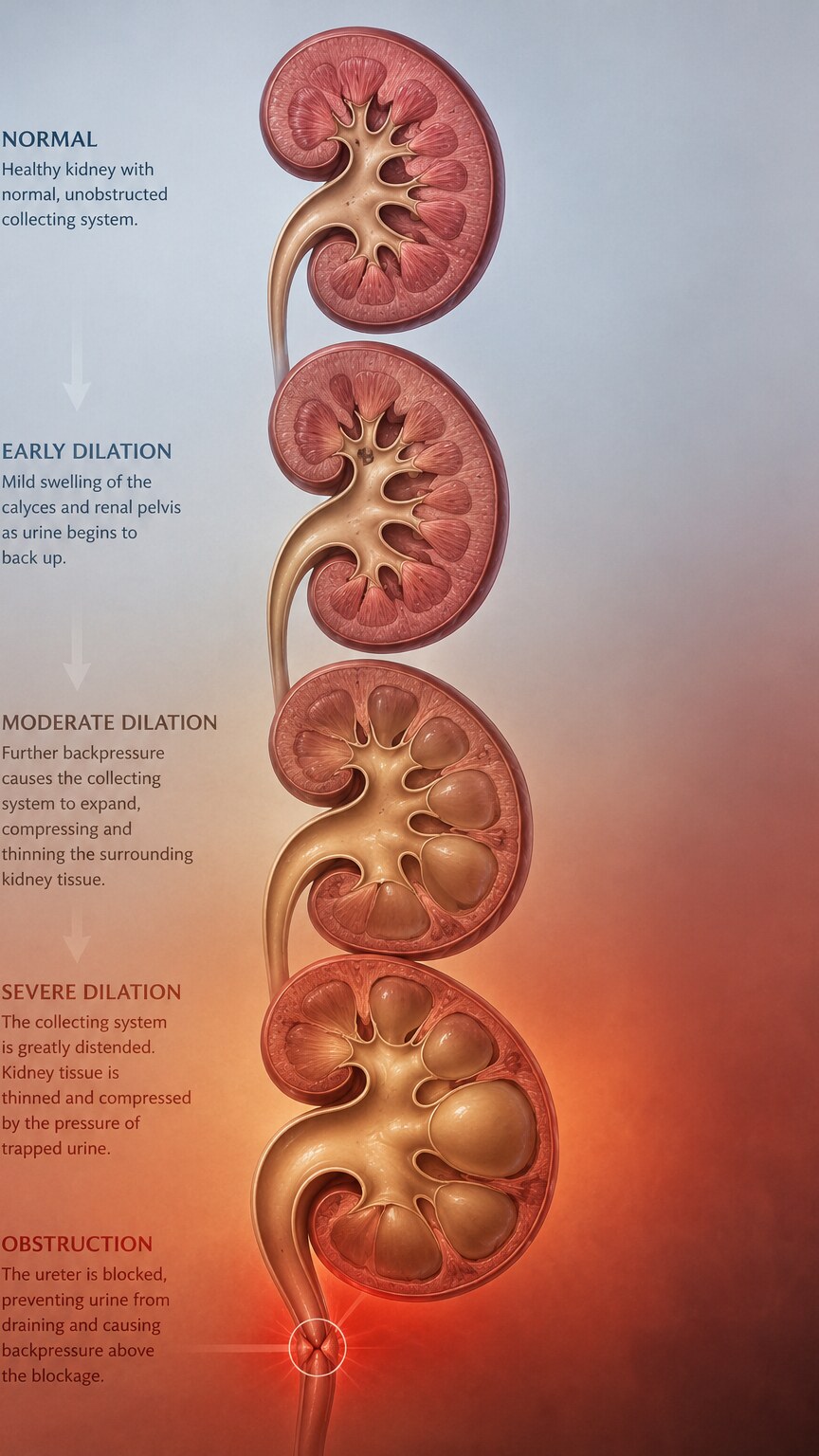
Figure 3. Hydronephrosis is the visible swelling of a kidney's internal collecting system that occurs when urine already produced has nowhere to go, backing up pressure into the kidney itself.
Postrenal causes mean the kidneys have already done their filtering job correctly, but the resulting urine physically can't drain out of the body normally, and the resulting backup pressure eventually impairs the kidney's ability to keep filtering effectively. This category requires a blockage somewhere along the urinary tract downstream of the kidneys — the ureters carrying urine to the bladder, the bladder itself, or the urethra carrying urine out of the body — and, notably, it usually requires blockage affecting both kidneys (or the only functioning kidney in someone with just one) to meaningfully raise blood creatinine, since one working kidney can typically compensate for a single blocked side.
Kidney stones are a familiar example, particularly when a stone becomes lodged in a ureter and blocks flow from that kidney. In older men, an enlarged prostate gland pressing on the urethra is one of the most common postrenal causes, since it can obstruct outflow from the bladder itself, backing pressure up into both kidneys simultaneously. Tumors, whether within the urinary tract itself or from surrounding structures pressing inward on it, and, in a hospital setting, a blocked or kinked urinary catheter can all produce the same fundamental problem: urine that's already been made has nowhere to go, and the resulting backpressure, called hydronephrosis when it causes visible swelling of the kidney's internal collecting system, eventually interferes with normal filtration.
The mechanical logic behind why backpressure eventually impairs filtration is worth spelling out, since it isn't simply that urine has nowhere to go. Normal filtration at the kidney's glomerulus depends on a specific pressure gradient — blood pressure pushing fluid out of tiny capillaries has to exceed the pressure resisting it on the other side of the filtering membrane. When urine backs up and the collecting system swells with trapped fluid, that back-pressure gets transmitted upstream through the nephron, effectively raising the resistance the kidney's normal filtration pressure has to work against. Once that resisting pressure climbs high enough, it can approach or match the pressure normally pushing fluid through the filter, and filtration slows or stops almost entirely at that specific nephron — not because the filtering membrane itself is damaged, at least initially, but because the pressure gradient that makes filtration physically possible has been squeezed shut from the downstream side.
Postrenal causes are often highly reversible once identified, since relieving the physical blockage — removing a stone, placing a catheter to bypass an obstruction, or treating an enlarged prostate — frequently allows kidney function to recover substantially, provided the obstruction hasn't been present long enough to cause lasting pressure-related damage to the kidney tissue itself.
One detail that surprises people the first time they hear it: relieving a significant, longstanding obstruction can sometimes trigger a temporary surge in urine output once the blockage is removed, a phenomenon called post-obstructive diuresis. This happens because the kidney, while backed up, had been retaining more sodium and water than usual behind the blockage, and once the physical obstruction is cleared, that retained fluid — along with a temporary overshoot in how aggressively the recovering kidney excretes salt and water — gets released all at once. In most cases this settles on its own within a day or two as the kidney's regulation recalibrates, but it's monitored fairly closely in a hospital setting after a significant obstruction is relieved, since a large, sustained fluid loss can itself cause a new, separate prerenal problem if it isn't matched with adequate fluid replacement — a reminder that even a successfully treated postrenal cause needs some careful follow-up rather than being considered fully resolved the moment the blockage is gone.
How Doctors Actually Figure Out Which Category Applies
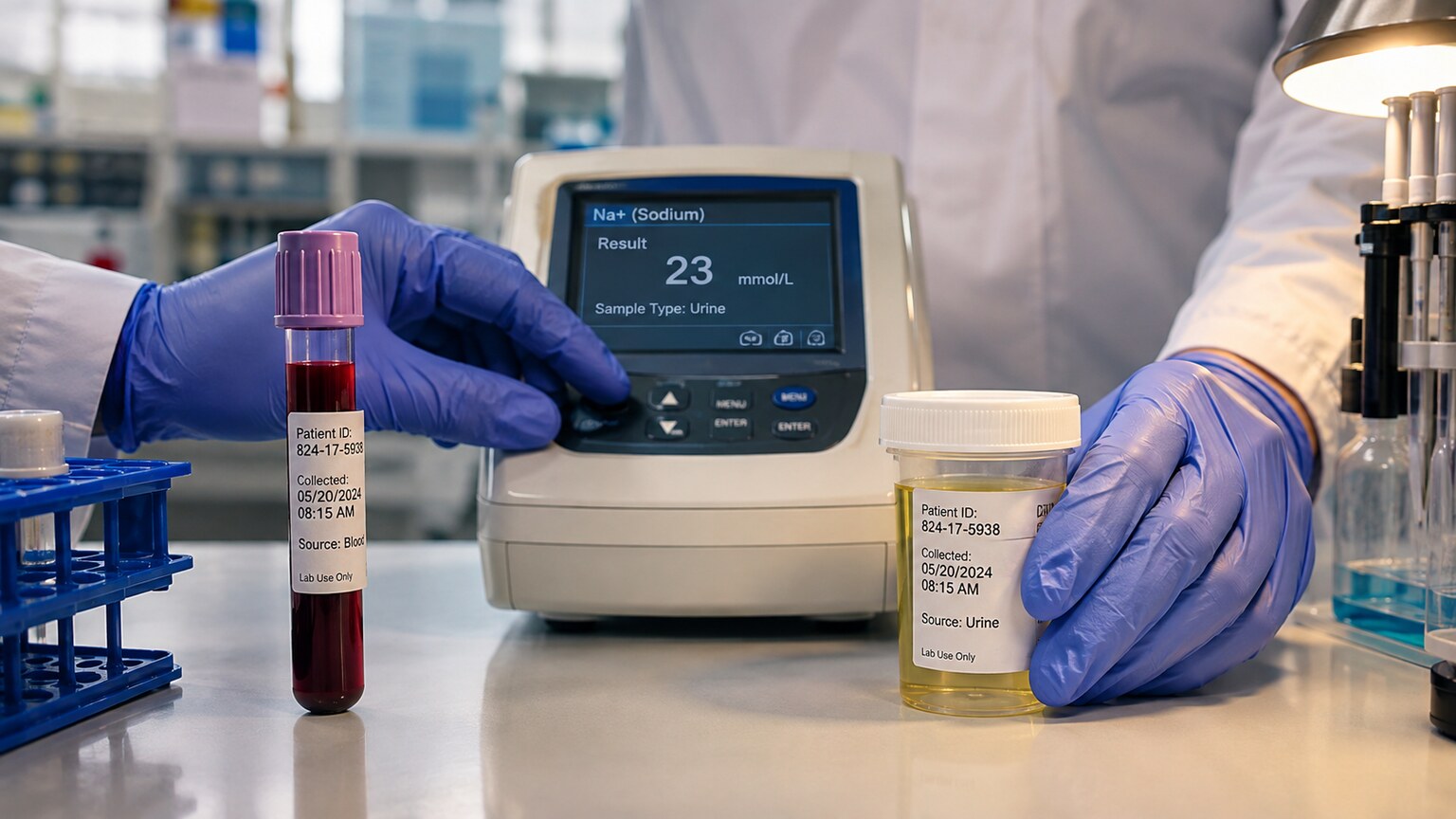
Figure 4. Comparing sodium concentration in a paired blood and urine sample — the fractional excretion of sodium test — helps distinguish a prerenal cause from intrinsic kidney damage.
The starting point is almost always history and physical examination: recent illness with vomiting or diarrhea, poor fluid intake, a new medication, known heart failure, or symptoms of urinary blockage like difficulty urinating or flank pain each point strongly toward a specific category before any additional testing happens at all. From there, a urinalysis offers genuinely useful clues — the presence of specific cellular debris called "muddy brown granular casts" is a classic, fairly specific finding for acute tubular necrosis, while significant blood and protein in urine points more toward glomerulonephritis, and a largely unremarkable urinalysis is more typical of a straightforward prerenal problem.
A careful review of every medication and supplement someone has taken in the days to weeks before a rising creatinine is discovered is one of the most consistently underrated steps in this workup, precisely because so many of the culprits behind intrinsic and prerenal causes alike are common, everyday medications that a patient might not think to mention unless specifically asked — over-the-counter NSAIDs taken for a headache, a new antibiotic prescribed for an unrelated infection, or a recently started blood pressure medication can each independently explain a rise that might otherwise prompt a much more extensive and invasive workup if the medication history were missed.
One particularly useful laboratory tool for distinguishing prerenal from intrinsic causes is the fractional excretion of sodium, or FeNa, a calculation comparing the sodium concentration in a simultaneously collected blood and urine sample. In a prerenal problem, the kidney's tubules are still functioning normally and aggressively reabsorb sodium in an appropriate attempt to conserve fluid volume, producing a low FeNa value; in intrinsic damage like acute tubular necrosis, the injured tubules lose their ability to reabsorb sodium properly, producing a distinctly higher FeNa value even though both scenarios can produce a similarly elevated creatinine. Imaging, most commonly a renal ultrasound, is the primary tool for identifying or ruling out postrenal causes, since it can directly visualize the swelling of hydronephrosis or, in some cases, the obstructing stone or enlarged prostate itself — making it a standard, fairly quick step whenever a postrenal cause is genuinely being considered.
It's worth understanding why the FeNa test specifically hinges on sodium rather than some other substance the kidneys handle. Sodium reabsorption is one of the most tightly regulated, energy-intensive jobs the tubules perform, and it responds predictably and briskly to the body's overall volume status — a healthy tubule facing reduced blood flow will reflexively clamp down on sodium excretion within a short window, since holding onto sodium helps the body retain water and defend blood volume. This reflex is precisely what makes a low FeNa such a reliable signal that the tubules are still capable of responding appropriately, and, conversely, why a tubule too damaged to mount that same reflex — even when the body is just as volume-depleted — produces the elevated FeNa characteristic of intrinsic injury. In practice, the test isn't always perfectly clean; certain diuretic medications can interfere with the sodium-handling machinery the test depends on, which is one of several reasons the result is always interpreted alongside the rest of the clinical picture rather than treated as a standalone verdict.
How High Is Too High? A Number Needs Context
A single creatinine value means very little without context, since normal ranges vary meaningfully by muscle mass, age, and sex, and the same absolute number can represent completely different degrees of actual kidney function in two different people. This is exactly why creatinine results are typically paired with an estimated glomerular filtration rate (eGFR), a calculated figure that adjusts for these individual factors to give a more standardized picture of how well the kidneys are actually filtering. What matters most clinically isn't usually a single elevated number in isolation, but whether that number represents a new, acute change from a person's own established baseline, or a gradual trend that's been building over months or years — an acute rise of even a modest amount from someone's normal baseline is treated very differently than the same absolute number in someone whose kidney function has been stably reduced for years.
Clinicians use a formal set of criteria, broadly known by the acronym KDIGO, to define acute kidney injury based specifically on how much and how quickly creatinine has changed from a person's own baseline — a relative rise of a defined percentage within 48 hours, or a somewhat larger rise over a slightly longer window, both qualify, alongside a separate criterion based on how much urine someone is producing over a given stretch of time. The point of anchoring the definition to a person's own baseline and rate of change, rather than a single universal cutoff number, is exactly the individual-variation problem described above: a rise from a baseline of 0.6 to 1.2 mg/dL represents a proportionally enormous, urgent change in someone whose kidneys were previously working very well, even though 1.2 might look unremarkable as a standalone number compared to someone else's normal baseline.
Symptoms That Can Accompany a Genuinely Elevated Creatinine

Figure 5. Visible swelling in the ankles and lower legs is one of the more noticeable signs of reduced kidney filtration, occurring when the kidneys can no longer clear excess fluid efficiently.
Mild to moderate elevations in creatinine frequently produce no symptoms at all, which is a large part of why routine bloodwork catches so many cases before a person notices anything wrong. As creatinine and other waste products build up more significantly — a state broadly referred to as uremia when it becomes pronounced — symptoms can include persistent fatigue, nausea and reduced appetite, swelling in the legs, ankles, or around the eyes from fluid the kidneys aren't clearing efficiently, noticeably decreased urine output, and, in more severe or rapidly progressing cases, confusion or difficulty concentrating. Symptoms specific to the underlying category can also point toward the cause before lab results even come back: significant thirst and lightheadedness suggest a prerenal, volume-related problem, while flank pain, difficulty urinating, or a weak urine stream point more toward a postrenal obstruction.
The swelling shown above happens through a fairly direct mechanism worth understanding: when the kidneys filter less effectively, they also retain more sodium and water than they should, and that excess fluid doesn't stay contained in the bloodstream — gravity pulls a portion of it into the loose tissue of the lower legs and ankles over the course of a day spent upright, which is why this kind of swelling is often most noticeable by evening and improves somewhat overnight while lying flat.
It's worth distinguishing this kidney-related swelling from the more familiar, everyday swelling that happens after a long flight or a day spent standing, since the two can look nearly identical to the naked eye despite having different underlying causes. Ordinary positional swelling from prolonged standing or sitting resolves within a day with elevation and movement and doesn't recur with any predictable pattern; swelling tied to reduced kidney filtration tends to be more persistent, often appears alongside some of the other symptoms described above, and doesn't fully resolve with rest alone the way purely positional swelling does — a distinction worth mentioning to a doctor if new leg swelling shows up around the same time as an elevated creatinine result, since the pattern itself carries useful diagnostic information.
What Happens Next — Treatment Differs Completely by Category

Figure 6. Restoring adequate blood volume through IV fluids is the standard treatment for a prerenal cause, but is deliberately avoided or used cautiously when a postrenal blockage is the actual problem.
For a prerenal cause, treatment centers on restoring adequate blood flow — IV or oral fluids for dehydration, treating the underlying cause of blood loss, adjusting heart failure management to improve forward blood flow, or simply stopping a contributing medication like an NSAID. For an intrinsic renal cause, treatment depends heavily on the specific mechanism: removing or avoiding a toxic medication, treating an underlying autoimmune process driving glomerulonephritis, or, for interstitial nephritis triggered by a drug reaction, stopping the offending medication and sometimes using a short course of steroids to calm the inflammatory response. For a postrenal cause, the priority is mechanically relieving the obstruction — a procedure to remove or bypass a kidney stone, catheter placement to relieve bladder outlet obstruction, or treatment targeting an enlarged prostate — since fluids alone won't resolve a physical blockage and can occasionally worsen the situation by adding volume behind a dam that hasn't been opened.
For a smaller number of people across any of these three categories, creatinine and other waste products can climb high enough, or symptoms can become severe enough, that dialysis becomes necessary as a temporary or ongoing measure — mechanically filtering the blood to do the job the kidneys temporarily or permanently can't. This is generally reserved for more severe presentations, such as dangerously elevated potassium levels, significant fluid overload that isn't responding to other measures, or waste product buildup severe enough to cause serious symptoms like significant confusion, and it's used far more often as a bridge while the underlying cause is being treated than as a first-line response to a routinely elevated creatinine result.
In every category, once the acute problem is identified and addressed, creatinine is typically rechecked over the following days to confirm it's actually trending back down as expected; if it isn't responding the way the presumed category would predict, that's often the clearest signal that the original categorization needs to be revisited, or that more than one process is contributing at once. This ongoing recheck is genuinely part of the treatment process itself, not just a formality — since the initial categorization is always a best working hypothesis built from the available history, exam findings, and initial labs, and the way a person's creatinine actually responds to the first intervention is often the most convincing confirmation (or contradiction) of that hypothesis that the whole workup produces.
Frequently Asked Questions
Can more than one of these three categories apply to me at the same time?
Yes, and it's more common than people expect, particularly in hospitalized patients. A prerenal problem left uncorrected for too long can progress into intrinsic tubular damage, and a postrenal obstruction, if severe and prolonged, can eventually cause secondary kidney tissue injury as well. This overlap is exactly why doctors often reassess the likely category as new information comes in rather than locking into one explanation immediately, and why a person's initial working diagnosis on the day creatinine first rises isn't always identical to the final explanation once the full picture, including how the number responds to treatment, becomes clear.
Which of the three categories is most likely if my creatinine rose suddenly during a hospital stay?
Prerenal causes are the most common overall reason for an acute creatinine rise, including in hospitalized patients, often related to reduced fluid intake, blood loss, or certain medications. However, hospitalized patients are also more likely to be exposed to nephrotoxic medications or contrast dye, so intrinsic causes are considered more often in that setting than in a routine outpatient visit.
Is a postrenal blockage always obvious, with pain or difficulty urinating?
Not always. While a kidney stone often causes noticeable pain, a slowly enlarging prostate or a gradually growing tumor can obstruct urine flow so gradually that noticeable symptoms are minimal or absent until creatinine is already meaningfully elevated, which is part of why imaging is still genuinely considered even without obvious urinary symptoms in certain clinical situations.
Does a high creatinine from a prerenal cause mean permanent kidney damage?
Not typically, as long as it's identified and corrected before it progresses. A true prerenal problem, by definition, hasn't yet caused actual tissue injury — restoring adequate blood flow usually allows creatinine to return to baseline. The risk of lasting damage rises the longer a significant prerenal problem goes uncorrected, since prolonged, severe blood flow reduction can progress into intrinsic tubular injury.
Why does my doctor ask about every medication I've taken recently when my creatinine is high?
Because a surprising number of prerenal and intrinsic renal causes trace back to common, everyday medications — NSAIDs, certain blood pressure medications, and some antibiotics among them — that a patient might not think to mention unless specifically asked. A thorough medication history is often one of the fastest ways to identify a reversible cause without needing more invasive testing.
Conclusion
A high creatinine level is a starting point for a specific diagnostic question, not a diagnosis on its own: is the problem blood flow reaching otherwise healthy kidneys, direct injury to the kidney tissue itself, or a physical blockage preventing urine that's already been made from draining out? Each of these three categories has its own set of causes, its own diagnostic clues, and its own treatment — and getting the category right is what actually determines whether the right next step is fluids, stopping a medication, or relieving an obstruction. If your own creatinine came back elevated, the most useful question to bring to your doctor isn't just "how high is it," but which of these three categories your specific situation and history point toward, since that's what actually shapes what happens next.
Keeping this three-part framework in mind also reframes what can otherwise feel like an overwhelming list of possible causes into something far more manageable: rather than trying to memorize every individual condition capable of raising creatinine, it's enough to ask, at each step, whether the problem sits before the kidney, within the kidney, or after it — and let that single question guide which specific possibilities are actually worth pursuing in your own particular situation, before, during, and after any conversation with the clinician actually reviewing your results.
Still Not Sure What Your Results Mean?
Upload your labs and get a complete, visual, plain-language interpretation of every biomarker — delivered to your inbox in under 15 minutes.
Get My ReportThis article is for educational purposes only and does not constitute medical advice. Always consult your healthcare provider regarding your specific lab results.