
Why Did My Doctor Check BUN Along With Creatinine?
Because neither number tells the whole story by itself. BUN, short for blood urea nitrogen, and creatinine are both waste products that healthy kidneys are supposed to filter out of your blood — but they come from two completely different places in your body, get made at completely different rates, and get treated completely differently once they reach the kidney. Ordered alone, either one can point you in the wrong direction: a high BUN can mean kidney trouble, or it can simply mean you skipped water all day and ate a big steak for dinner. A high creatinine is a much more reliable red flag for the kidneys themselves, but even it can shift for reasons that have nothing to do with disease, like how much muscle you carry. Doctors order the two together because comparing them — not just reading each one on its own — is what actually reveals whether a kidney problem is real, whether it's something upstream of the kidneys entirely, and roughly how it happened. It's less like reading a single gauge and more like cross-referencing two independent witnesses to figure out what's actually going on.
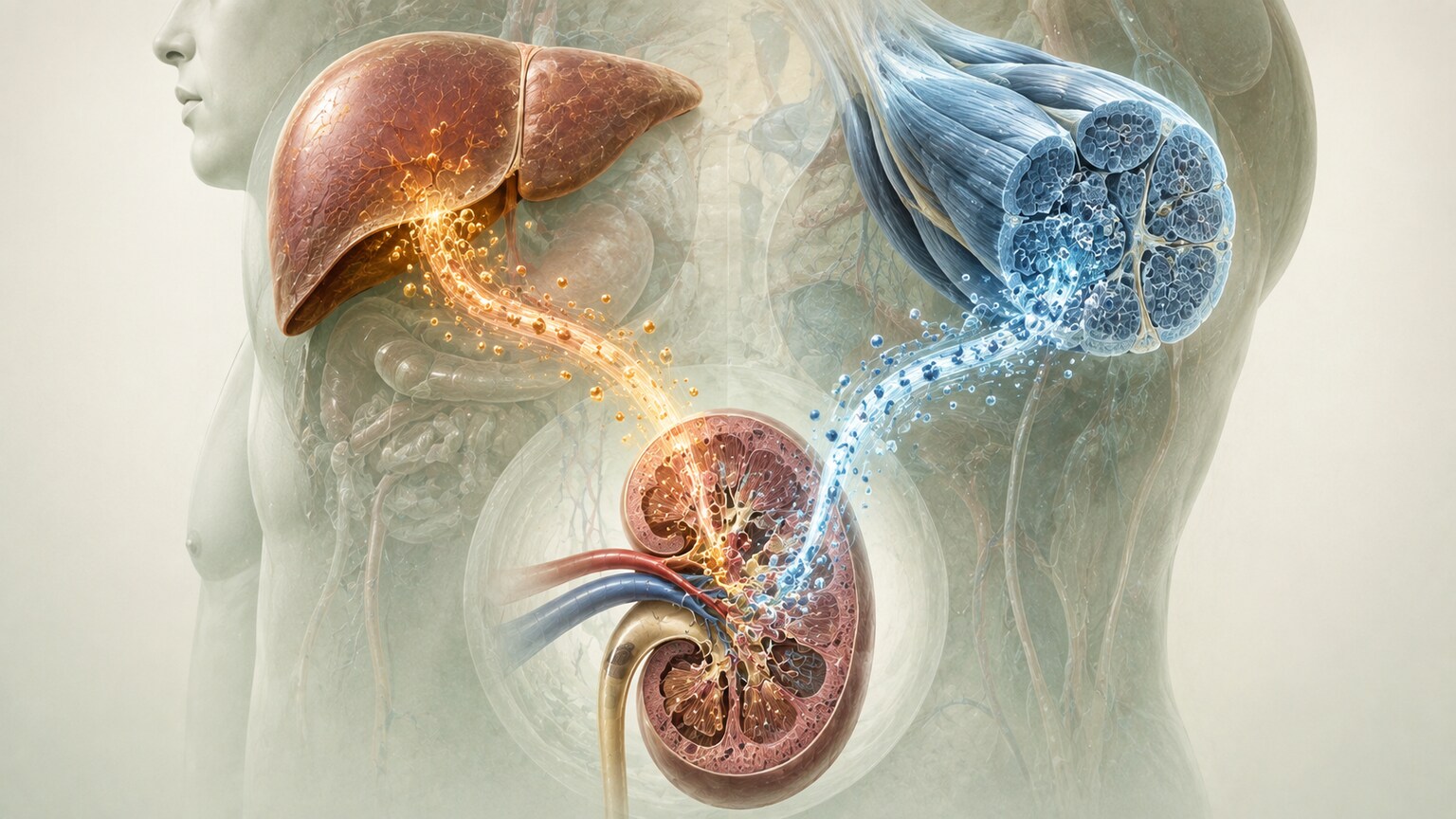
Figure 1. Urea, produced by the liver from protein breakdown, and creatinine, produced continuously by muscle tissue, arrive at the kidney's glomerulus from two entirely separate metabolic pathways.
Already have a BUN number from a recent test, but not sure if it's actually good or bad for you? Just plug it in and see instantly.
🧮 Try the Free CalculatorTwo Different Stories, One Blood Draw
When your doctor orders "kidney function tests," what actually gets drawn is almost always a single tube of blood that gets run through a machine measuring a whole panel of substances at once — sodium, potassium, glucose, and a handful of others, depending on whether it's a basic metabolic panel or a more complete one. BUN and creatinine ride along in that same panel, and it's genuinely rare for a lab to run one without the other, because they were designed from the start to be interpreted as a pair. Neither test exists in a vacuum; the reference ranges printed on your lab report, and the clinical reasoning your doctor applies to them, assume you're looking at both numbers side by side.
The reason for that pairing isn't tradition or convenience — it's that BUN and creatinine fail in different, complementary ways. Creatinine is the more dependable marker of how well your kidneys are actually filtering blood, but it's a slow-moving number that can stay deceptively normal even after a real chunk of kidney function has already been lost. BUN reacts faster to a wider range of situations — including plenty that have nothing to do with kidney disease at all, like dehydration, a high-protein meal, or a bleed somewhere in your digestive tract. Read alone, BUN is too noisy and creatinine is too slow. Read together, each one helps correct for what the other one misses.
Meet Creatinine: The Muscle's Timekeeper
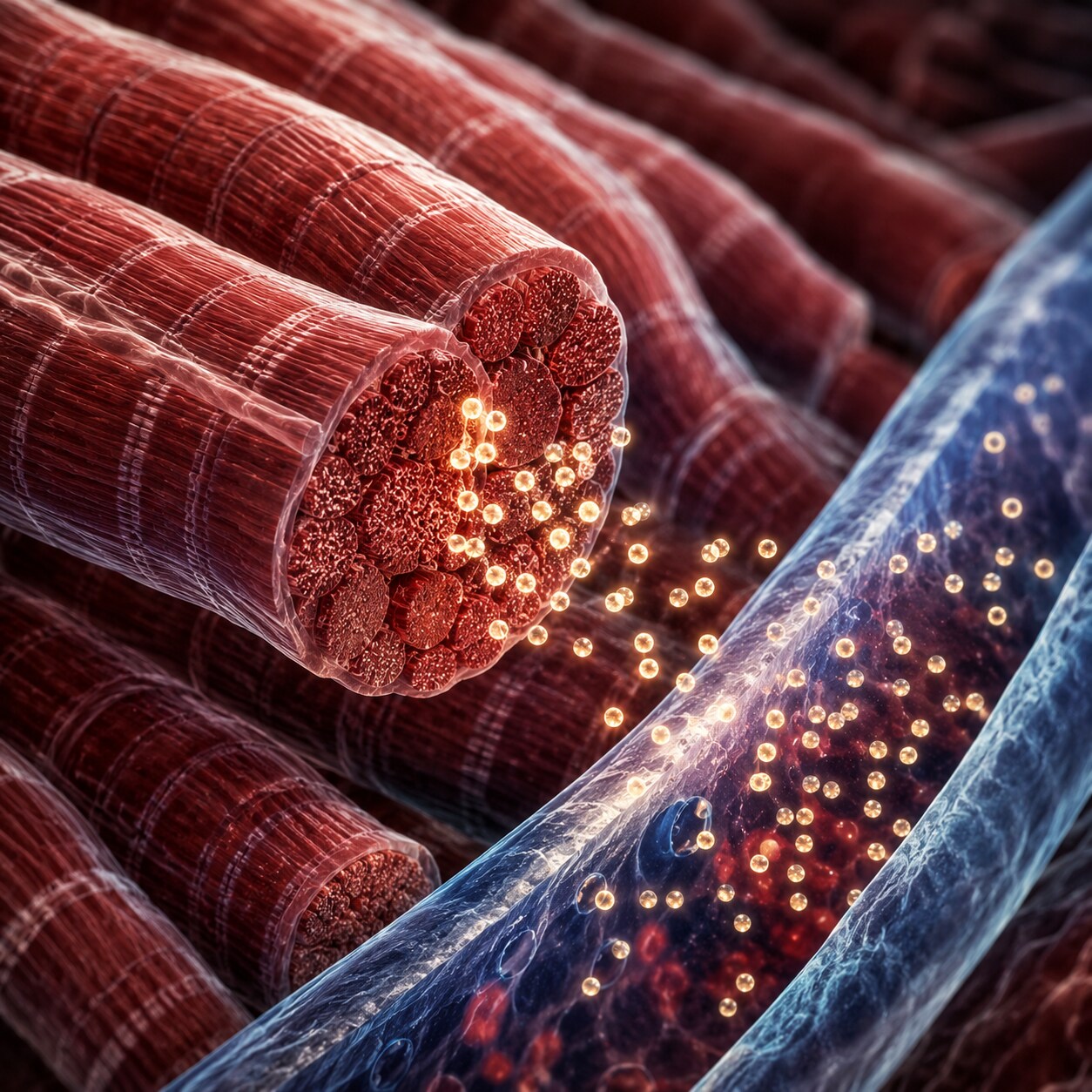
Figure 2. Creatinine forms when creatine phosphate inside muscle fibers breaks down during normal energy use, releasing it into the bloodstream at a nearly constant daily rate.
Creatinine comes from a molecule called creatine phosphate, which your muscles keep on hand as a kind of quick-release energy reserve — think of it as the small stash of cash you keep in your car's glovebox instead of driving all the way to the bank every time you need to pay for parking. Muscle cells burn through this reserve constantly just to keep functioning, and every time they do, a small amount of it breaks down irreversibly into creatinine, which then leaks into your bloodstream. This happens at a remarkably steady rate day after day, because it's tied to the amount of muscle you have, not to what you ate for breakfast or how much water you drank that morning.
Once creatinine is in your blood, the kidneys deal with it in a very simple, almost mechanical way: they filter it out through tiny clusters of blood vessels called glomeruli — the kidney's actual filtering units — and let almost all of it pass straight into the urine, with very little being pulled back into the blood afterward. Because production is steady and the kidney's handling of it is so straightforward, creatinine ends up behaving like a dependable stopwatch for kidney filtration. If your kidneys are filtering normally, creatinine gets cleared out about as fast as your muscles make it, and blood levels stay flat. If the kidneys start filtering less blood per minute — the technical term for that filtering speed is the glomerular filtration rate, or GFR — creatinine has nowhere to go and starts backing up in the bloodstream, causing the number on your lab report to climb. This is exactly why creatinine, not BUN, is the number plugged into the equation that estimates your GFR, usually reported on lab slips as eGFR, the "estimated" version of that same filtration speed.
The catch is that this stopwatch runs at a different starting pace for everyone, because it depends on how much muscle you're carrying. A heavily muscled athlete in his twenties might have a "normal" creatinine that would look alarmingly high on a frail eighty-year-old woman who has lost much of her muscle mass to age, and a creatinine that looks perfectly unremarkable on her might actually represent significant kidney impairment for someone her size. Muscle mass is exactly the kind of variable that BUN doesn't share, which is one of the first reasons the two tests end up needing each other.
Meet BUN: The Protein Traffic Report From Your Liver
BUN starts its life somewhere completely different: inside your liver. Every time your body breaks down protein — whether that protein came from the chicken breast you had for lunch or from your own muscle tissue being broken down during illness or fasting — the process releases ammonia as a byproduct. Ammonia is toxic in even modest amounts, so the liver immediately converts it into something far less dangerous through a sequence of chemical reactions called the urea cycle, and the end product of that cycle is urea. Urea then travels through the bloodstream to the kidneys, where it's measured as the nitrogen portion of that molecule — which is exactly what the "N" in BUN stands for.
Here's where BUN starts to diverge sharply from creatinine. Once urea reaches the kidney, it isn't simply flushed out the way creatinine is. A meaningful share of it — often somewhere between a third and half, though the exact fraction shifts constantly — gets pulled back into the bloodstream through the kidney's tubules, the narrow tube-like structures that filtered fluid travels through on its way to becoming urine. This reabsorption isn't a fixed, background process; it's actively dialed up or down by a hormone called antidiuretic hormone, sometimes called vasopressin, which is the same hormone your body releases whenever it senses you're low on fluid. When you're dehydrated, your body cranks up antidiuretic hormone to hold onto water — and as a side effect of that same mechanism, it also holds onto more urea than usual, right along with the water. That's the single biggest reason BUN can rise sharply for reasons that have absolutely nothing to do with kidney damage.
Because BUN production depends on how much protein you're processing and BUN reabsorption depends on your hydration status, the number bounces around for all sorts of everyday reasons that creatinine barely notices. A weekend of grilling steaks, a stomach bug that left you unable to keep fluids down, a course of steroid medication that speeds up protein breakdown in your own tissues — any of these can nudge BUN upward while creatinine stays essentially where it always is. That volatility is exactly why BUN by itself is considered too easily influenced to serve as a standalone verdict on kidney health — and exactly why it earns its keep only when read next to creatinine.
How Labs Actually Measure These Two Numbers
Neither test requires anything unusual on your end — you don't need to fast, and there's no special preparation beyond what your doctor may have asked for other tests drawn from the same tube. Once your blood reaches the lab, both BUN and creatinine are typically measured using automated chemistry analyzers that rely on what's called a colorimetric reaction: a reagent is added to your blood's serum, the liquid portion left after the cells are spun out, and that reagent reacts with urea or creatinine to produce a color change. The instrument measures exactly how much the sample's color shifted and how quickly, and because that shift is directly proportional to how much urea or creatinine was present, the machine can back-calculate a precise concentration, reported in milligrams per deciliter (mg/dL) on your printed results.
For creatinine specifically, most labs use a reaction developed more than a century ago involving a compound called picric acid, sometimes refined with an enzymatic method that reduces interference from other substances that can be present in blood, like glucose or certain proteins, in people with unusually high levels of those substances. For BUN, the standard approach uses an enzyme called urease, which splits urea apart into ammonia and carbon dioxide, and then measures the ammonia produced as a stand-in for how much urea was originally there. None of this changes anything about how you should prepare for the blood draw itself, but it explains why both values come back from the same small tube of blood, usually within the same batch of results, rather than requiring separate draws or separate visits.
This is also why BUN and creatinine are almost never ordered as isolated, stand-alone tests when a doctor is thinking about kidney function specifically. They're built into standard panels — the basic metabolic panel (BMP), which checks eight core markers including electrolytes and blood sugar, or the comprehensive metabolic panel (CMP), which adds liver-related markers on top of that same list. Ordering either panel automatically includes both BUN and creatinine as line items, which is a large part of why the two so consistently show up together on a single lab report rather than one arriving on Monday and the other the following week.
The BUN-to-Creatinine Ratio: The Real Reason the Pair Matters
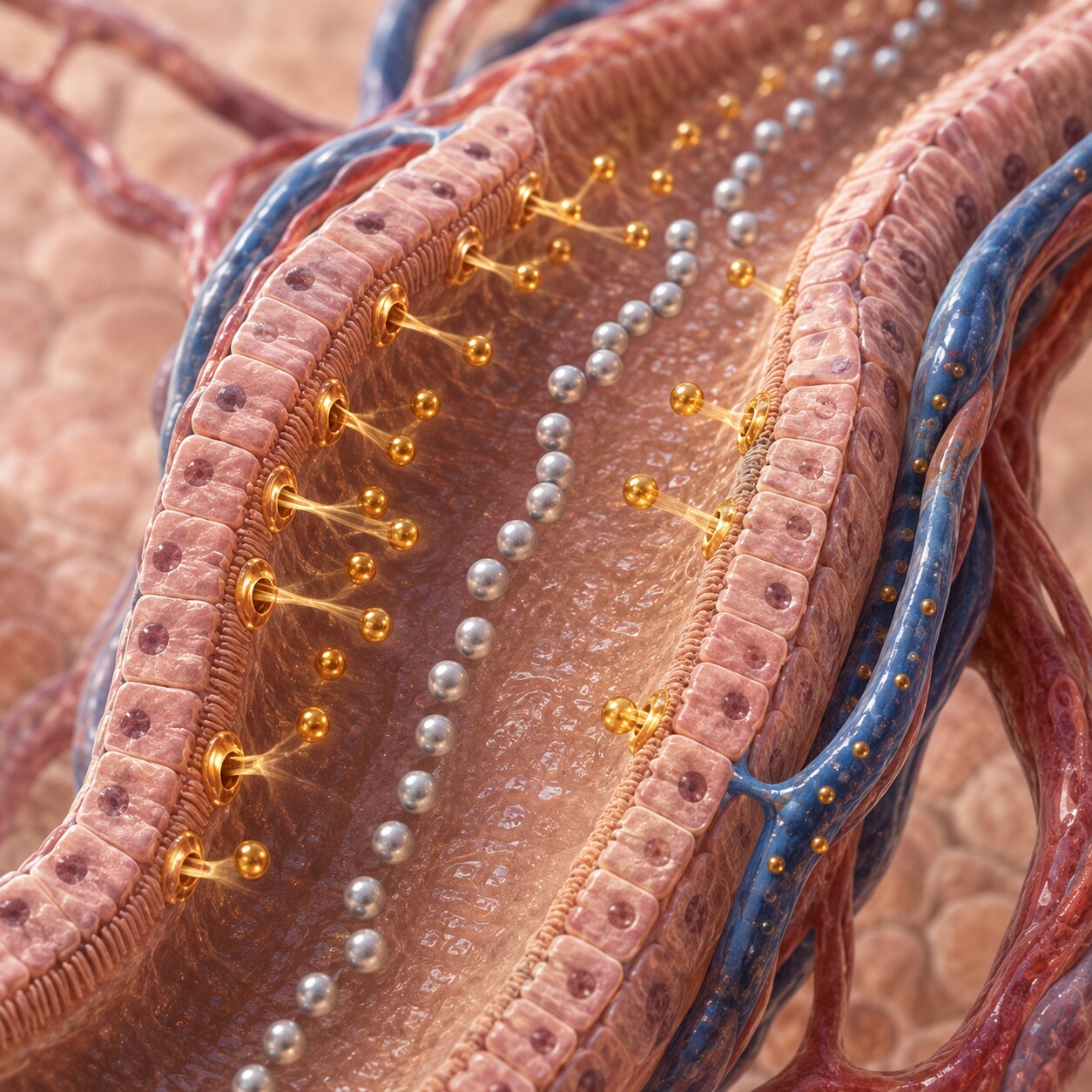
Figure 3. Inside the kidney's tubules, specialized transport proteins pull a portion of filtered urea back into the bloodstream, while creatinine continues on toward the urine essentially unchanged.
Once your lab has both numbers in hand, it can calculate something more useful than either value alone: the ratio between them, arrived at by dividing BUN by creatinine (both measured in the same units, milligrams per deciliter). In a person with no kidney problems and no unusual circumstances affecting either number, that ratio typically lands somewhere between about 10-to-1 and 20-to-1. It's not a rigid cutoff so much as a working range that clinicians use as a starting reference point, and different labs and textbooks describe the "normal" band slightly differently — which is part of why the ratio is always interpreted alongside the actual BUN and creatinine values, never in isolation.
When the ratio climbs well above that normal band — particularly with BUN rising a lot more than creatinine — it points toward what's called a prerenal cause, meaning the problem sits somewhere before the kidneys themselves, in the blood supply or fluid status feeding into them, rather than in kidney tissue. Dehydration is the single most common driver of this pattern: with less blood volume circulating, the kidneys respond by cranking up urea reabsorption to help conserve water, exactly as described above, and BUN climbs disproportionately while creatinine barely moves, since creatinine's clearance is far less sensitive to hydration status. Heart failure can produce the same lopsided pattern for a related reason — when the heart isn't pumping effectively, blood flow reaching the kidneys drops, and the kidneys respond to that reduced flow the same way they respond to dehydration, by holding onto more fluid and more urea.
A high ratio can also show up when urea production itself is running unusually high, independent of hydration or blood flow. A large gastrointestinal bleed is the textbook example of this, since digested blood behaves like an enormous, sudden protein load that the liver has to process into urea — a scenario detailed further below. A very high-protein diet, corticosteroid medications, and any condition that accelerates the breakdown of the body's own muscle tissue can push the ratio in the same direction. In every one of these situations, the kidneys themselves may be working completely normally — it's the input side of the equation, not the filter, that's out of balance.
The opposite pattern — a ratio that stays close to normal even though both BUN and creatinine are elevated — tends to point toward an intrinsic problem, meaning damage located inside the kidney tissue itself, affecting both molecules roughly in proportion. And a ratio that drops below the usual range can show up with severe liver disease, since a badly damaged liver simply can't run the urea cycle efficiently, or with very low protein intake, malnourishment, or significant loss of muscle mass, since there's less material feeding into either pathway in the first place. None of these patterns are meant to hand down a diagnosis by themselves — they're a starting point that tells a doctor which direction to keep investigating in.
When BUN Climbs but Creatinine Barely Moves: Dehydration and Reduced Blood Flow

Figure 4. Diuretic medications reduce circulating blood volume on purpose, which prompts the kidneys to conserve urea along with water — often raising BUN well before creatinine moves at all.
This is, in practice, the single most common reason a doctor sees a BUN-to-creatinine ratio skewed above normal, and it's rarely dramatic. An older adult who hasn't been drinking enough water, someone recovering from a stomach virus with days of vomiting or diarrhea, or a patient taking a diuretic medication — a "water pill" prescribed for high blood pressure or heart failure that deliberately increases urination to reduce fluid buildup — can all show up with a BUN that's climbed noticeably while their creatinine has stayed almost exactly where it was on their last test. Loop diuretics like furosemide are a particularly common culprit in older patients, since the medication is doing exactly what it's designed to do — shed fluid — and a somewhat elevated BUN is often just evidence the drug is working, not evidence of new kidney damage.
Doctors call this pattern prerenal azotemia — "azotemia" simply meaning an above-normal buildup of nitrogen-containing waste products in the blood, and "prerenal" meaning the cause sits upstream of the kidney rather than inside it. The kidneys in this scenario aren't damaged; they're behaving exactly as they're supposed to when blood flow or fluid volume drops, conserving water and, as a side effect, conserving urea right along with it. This is precisely the situation where looking at creatinine alone would be reassuring and misleading at the same time — a stable creatinine might suggest everything is fine, while the rising BUN is quietly flagging a fluid problem that's worth addressing before it progresses to something that does affect the kidney tissue itself, since prolonged, severe reductions in blood flow to the kidneys can eventually cause real injury if left uncorrected.
This is also why your doctor may ask surprisingly ordinary-sounding questions after seeing this exact pattern on your labs — how much water you've been drinking, whether you've had any stomach illness recently, whether a new blood pressure medication was just started or adjusted. None of those questions require imaging or a specialist referral, because the ratio has already done the work of pointing toward something reversible with simple rehydration or a medication adjustment, rather than toward a structural kidney problem that would need a different kind of workup entirely.
Gastrointestinal Bleeding: A Textbook Case for Why the Pair Matters
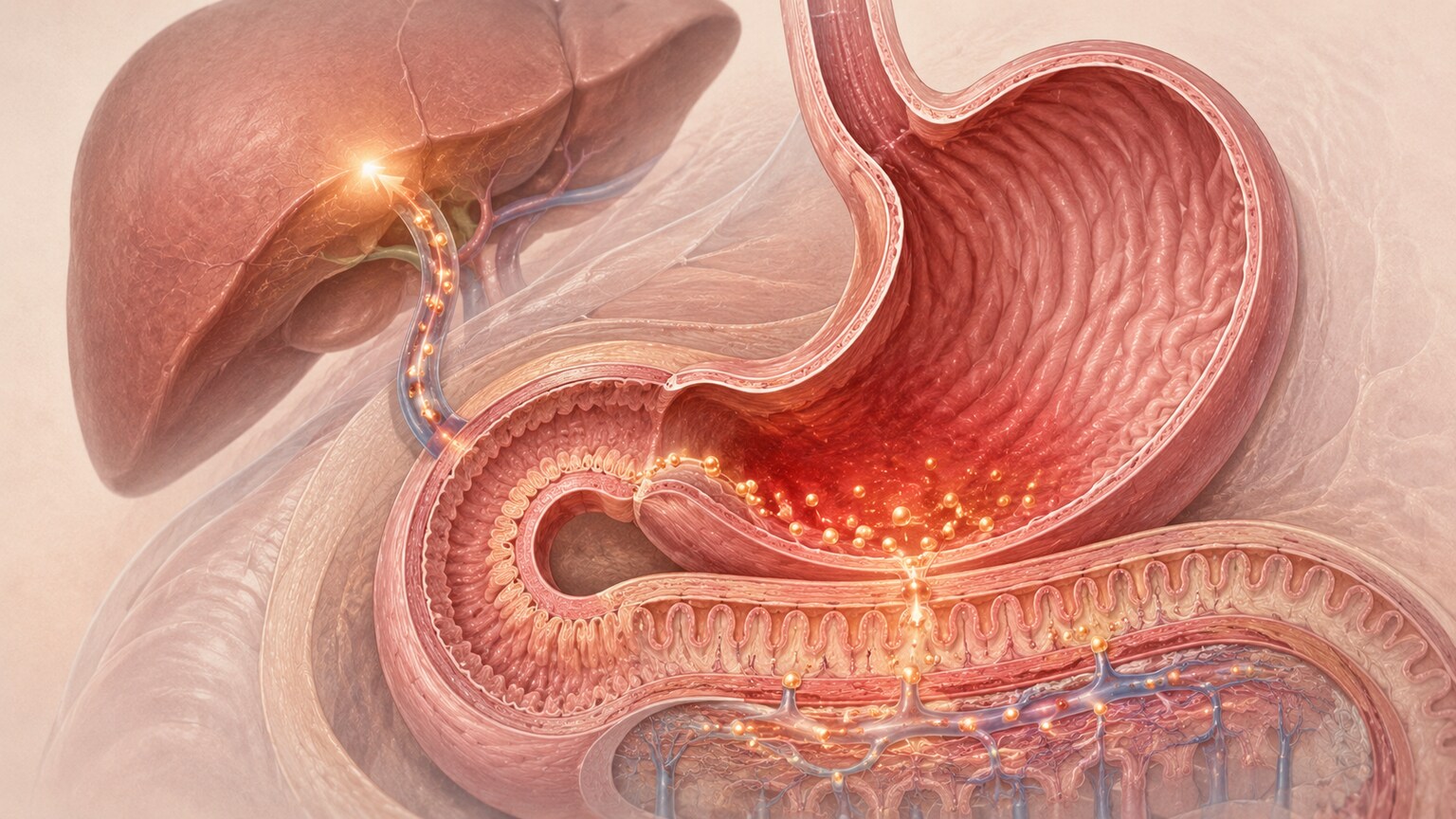
Figure 5. Blood sitting in the upper digestive tract is digested like any other dietary protein, flooding the liver with amino acids that get converted into urea and driving BUN sharply upward.
Few scenarios illustrate the value of pairing these two tests as clearly as bleeding somewhere in the upper digestive tract — from a stomach ulcer, for instance, or irritated tissue further up the esophagus. Blood is extraordinarily rich in protein, largely thanks to a molecule called hemoglobin, and when blood sits inside the stomach or upper intestine rather than exiting the body, digestive enzymes break that protein down the same way they'd break down protein from a meal. The resulting amino acids get absorbed into the bloodstream and shipped to the liver, which converts a large share of that nitrogen load into urea — meaning a real, active bleed can spike BUN significantly within hours, well before there's been enough blood loss to noticeably damage the kidneys or move creatinine at all.
This is why a BUN that's climbed sharply while creatinine has stayed essentially flat is one of the recognized clues that leads a physician to suspect an upper gastrointestinal bleed even before other, more obvious symptoms like visibly bloody or black, tarry stools have appeared or been reported. It's not a perfect or standalone signal — plenty of other things raise BUN too, as this whole article has been describing — but in the right clinical context, alongside symptoms like fatigue, lightheadedness, or a low blood count, a disproportionately elevated BUN can meaningfully speed up how quickly a bleed gets identified and treated. This single scenario captures the entire reason the two tests are ordered as a pair better than almost any other example: creatinine confirms the kidneys themselves are fine, while BUN is doing the job of flagging that something serious is happening somewhere else in the body entirely.
Diet, Muscle Mass, and Why "Normal" Isn't the Same Number for Everyone

Figure 6. A larger muscle mass raises baseline creatinine production, while a high-protein meal raises urea production — two independent variables that shift each number for entirely different reasons.
Two people can have kidneys that filter blood at exactly the same rate and still walk away from the lab with meaningfully different BUN and creatinine numbers, simply because of what they eat and how much muscle they carry. A committed strength athlete who trains regularly and eats large amounts of protein — chicken, eggs, a post-workout shake — will typically run both BUN and creatinine somewhat higher than a smaller, sedentary person of the same age, and for entirely benign reasons: more muscle mass means more baseline creatinine production, and more dietary protein means more urea production, independent of anything happening inside the kidneys.
The reverse is just as true, and arguably more clinically important, since it's easier to miss. An older adult who has lost muscle mass, or someone eating very little protein — whether by choice, appetite loss, or a medically restricted diet — can have a creatinine that looks reassuringly low or "normal" while actually carrying meaningfully reduced kidney function underneath. Because creatinine production has dropped along with muscle mass, there's less of it being generated for the kidneys to clear in the first place, so even a kidney that's filtering considerably less blood than it should can still keep creatinine inside a range that looks unremarkable on paper. This is one of the most well-recognized blind spots in relying on creatinine by itself, and it's a significant part of why doctors weigh a patient's age, body size, and overall muscle mass when interpreting a creatinine result rather than reading the number in isolation.
BUN doesn't fully solve this blind spot on its own, since it has its own dependence on diet, but looking at both numbers together, in the context of what a doctor already knows about a patient's build and eating habits, gives a far more complete picture than either test could provide alone. A frail, low-appetite patient with a "normal" creatinine and a doctor who knows to interpret that number skeptically is in a very different position than the same patient being cleared based on that one number without any context at all.
When the Kidneys Themselves Are the Problem
So far, most of this article has focused on situations where BUN and creatinine diverge — one moving while the other stays put — because that divergence is exactly what makes the pairing so clinically useful. But there's an equally important pattern worth understanding: when the kidney tissue itself is genuinely damaged, from conditions like chronic kidney disease, glomerulonephritis (inflammation of the kidney's filtering units), or an acute kidney injury from a toxin or a severe drop in blood flow that's lasted long enough to cause real tissue damage, both BUN and creatinine tend to rise together, roughly maintaining that normal 10-to-1 to 20-to-1 ratio even as both absolute numbers climb well above their individual reference ranges.
This "rising together, proportionally" pattern is exactly what you'd expect from a genuinely damaged filter: it's letting less of everything through, without any particular preference for one molecule over the other, unlike a prerenal problem where hydration status or urea production is doing all the work on just one side of the ratio. Recognizing this pattern is precisely why the ratio, rather than either number by itself, ends up being one of the more useful pieces of information on a routine metabolic panel — a single elevated creatinine, on its own, can't distinguish between "this person is dehydrated" and "this person has real, ongoing kidney damage," but the ratio, read together with the trend over time, very often can.
It's worth being clear that no single blood draw, no single ratio, and no single pair of numbers is ever meant to deliver a final diagnosis on its own. Kidney disease is generally confirmed and staged using additional information — the eGFR calculated from creatinine, a urine test looking for protein leaking into the urine, sometimes imaging, and very often a trend across multiple tests over weeks or months rather than a single snapshot. BUN and creatinine, together, are the starting signal that tells a doctor where to look next, not the final word on what's found there.
Why This Pair Gets Checked Before Scans, Surgeries, and New Medications
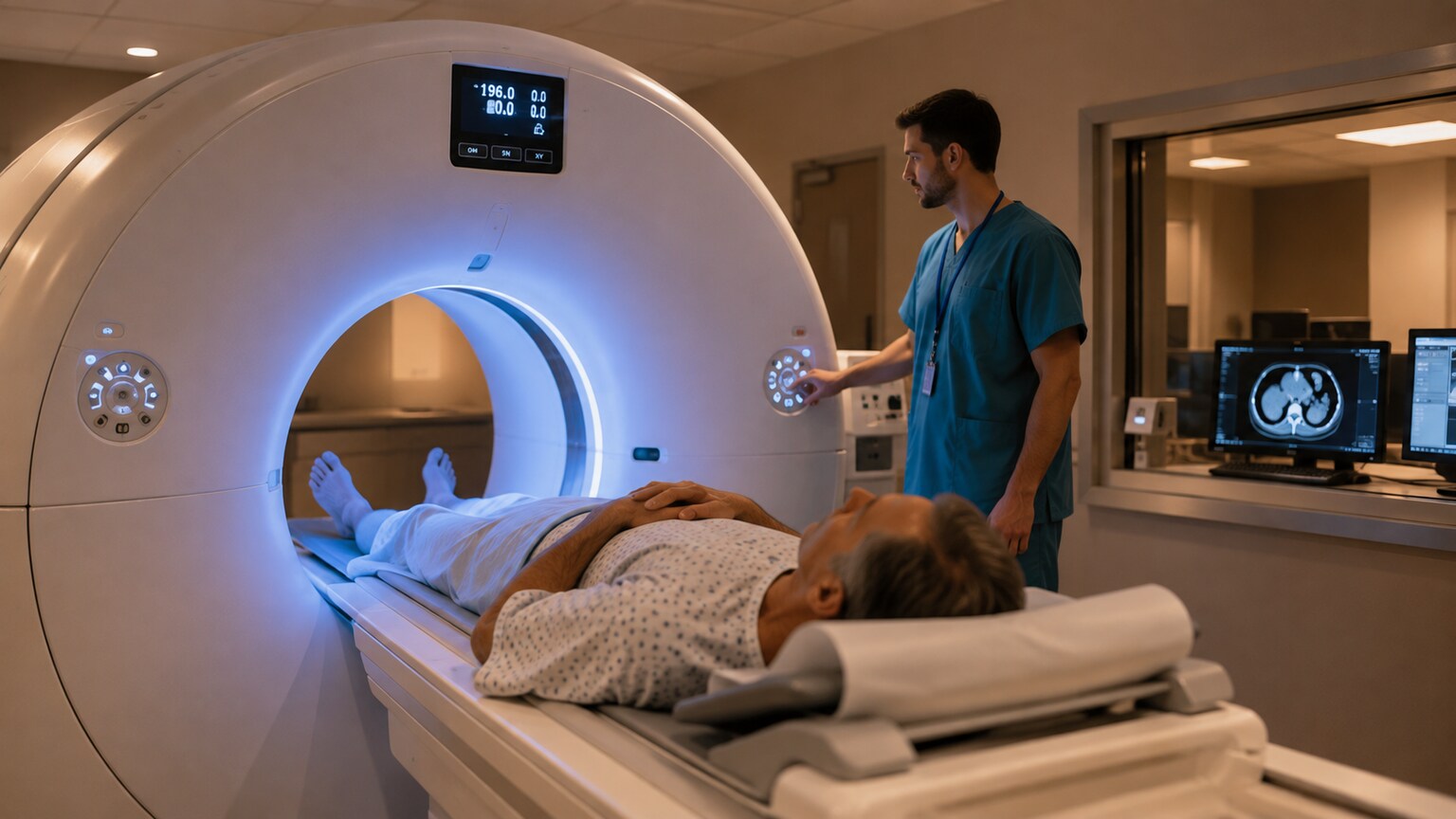
Figure 7. Because contrast dye used in certain CT scans is cleared by the kidneys, current kidney function is checked beforehand to gauge how safely that filtering load can be handled.
Kidney function testing isn't reserved for people with symptoms of kidney disease — it's also checked routinely before certain imaging studies, procedures, and medications specifically because the kidneys are responsible for clearing those substances out of the body afterward. Contrast-enhanced CT scans and cardiac catheterization procedures both use an iodine-based contrast dye that gets filtered out through the kidneys, and in a kidney that's already filtering poorly, that added workload can occasionally cause a temporary worsening of kidney function. Checking BUN and creatinine beforehand gives the care team a baseline to compare against and helps them decide whether extra precautions — like additional intravenous fluids before or after the scan — are worth building into the plan.
The same logic applies to a number of common medications. ACE inhibitors and ARBs, a widely used class of blood pressure medication, work partly by relaxing blood vessels inside the kidney itself, which can cause a modest, expected rise in both BUN and creatinine shortly after starting the drug — usually not a reason to stop the medication, but exactly the kind of change a doctor wants to see measured against a known baseline rather than discovered by surprise. Certain antibiotics, some over-the-counter pain relievers used heavily and regularly, and several other medication classes carry similar considerations. In every one of these situations, having both BUN and creatinine on file before and after a change gives a doctor a much clearer read on whether a shift in the numbers reflects an expected, tolerable adjustment or something that needs a closer look.
Reading Your Own Results: A Practical Walkthrough
Suppose a lab report shows a BUN of 28 mg/dL and a creatinine of 1.0 mg/dL. The BUN sits a bit above a typical reference range of roughly 8 to 24 mg/dL, while the creatinine is comfortably within a typical adult reference range of about 0.6 to 1.2 mg/dL. Dividing 28 by 1.0 gives a ratio of 28-to-1 — noticeably above the usual 10-to-1 to 20-to-1 band. Taken together, this pattern reads as BUN rising largely on its own, with creatinine essentially unaffected — the signature of a prerenal cause like dehydration, reduced fluid intake, or a diuretic, rather than a sign that the kidney tissue itself is struggling.
Now compare that to a BUN of 42 mg/dL and a creatinine of 2.4 mg/dL. Both numbers are clearly elevated on their own, and dividing 42 by 2.4 gives a ratio of about 17.5-to-1 — squarely inside the normal range, despite both individual values being high. This is the pattern that points toward an intrinsic kidney problem: both molecules are backing up roughly in proportion, consistent with a filter that's letting less of everything through rather than a hydration or diet issue affecting just one side.
These two examples use identical BUN reference-range language but tell almost opposite stories, which is exactly the point of running the tests together rather than reading either one alone. None of this replaces an actual conversation with the person who ordered your labs — a single number, or even a single ratio, is only ever one part of a bigger clinical picture that includes your symptoms, your medication list, your hydration on the day of the draw, and often a trend across more than one test over time. But understanding what the pairing is actually built to catch makes it a lot easier to follow along with that conversation instead of just hearing "your kidney numbers are a little off" and being left to wonder what that means.
Frequently Asked Questions
Can BUN be high while creatinine is completely normal?
Yes, and it happens often. Dehydration, diuretic medications, a high-protein diet, corticosteroid use, and gastrointestinal bleeding can all raise BUN significantly while creatinine — which depends on muscle mass and steady kidney filtration rather than hydration or diet — stays essentially unchanged. This exact divergence is one of the main reasons the two tests are read together instead of separately.
Is creatinine always the more reliable of the two tests?
For judging kidney filtration specifically, yes — creatinine production is steadier and its handling by the kidney is simpler, which is why it's the value used to estimate eGFR. But creatinine has its own blind spot: it depends heavily on muscle mass, so a small, frail, or older person can have a creatinine that looks deceptively normal despite real underlying kidney impairment. BUN, diet history, and clinical context all help fill in that gap.
What does a low BUN-to-creatinine ratio usually mean?
A ratio below the typical 10-to-1 to 20-to-1 range can show up with significant liver disease, since a damaged liver struggles to convert ammonia into urea efficiently, or with very low protein intake, malnutrition, or reduced muscle mass. It's less commonly discussed than an elevated ratio but is interpreted the same way — as a clue pointing toward a specific direction for further evaluation, not a diagnosis on its own.
If my ratio is abnormal, does that automatically mean I have kidney disease?
No. An abnormal ratio is a starting signal, not a diagnosis. It's frequently explained by something reversible and unrelated to kidney damage, like dehydration, a recent high-protein meal, or a medication effect. Your doctor will typically weigh the ratio alongside your symptoms, hydration status, medication list, and often a repeat test before drawing any conclusions about your kidneys themselves.
Why does my doctor sometimes recheck these levels a few days later instead of explaining them right away?
Because a single blood draw is a snapshot, and snapshots can be misleading on their own — especially for BUN, which can shift within hours based on hydration or a recent meal. A repeat test shows whether the numbers are trending back toward normal on their own, staying flat, or continuing to rise, and that trend is often more informative than any single result, including the very first one that prompted the recheck.
Do I need to fast or prepare in any special way before this blood draw?
No special preparation is needed for BUN or creatinine specifically. Both are typically drawn as part of a basic or comprehensive metabolic panel alongside markers like glucose or cholesterol that sometimes do require fasting, so your doctor may ask you to fast for those other tests — but the BUN and creatinine results themselves aren't affected by whether you've eaten recently in any way that changes how they're interpreted.
Conclusion
BUN and creatinine are ordered together because they're built to cover each other's blind spots. Creatinine is the steadier, more dependable measure of how fast your kidneys are actually filtering blood, but it can stay quietly normal even after real kidney function has been lost, particularly in someone with less muscle mass. BUN reacts to a much wider range of everyday situations — hydration, diet, digestion, even a bleed somewhere else in the body — which makes it noisy on its own but genuinely useful once it's compared against creatinine. The ratio between the two, and the way each one moves relative to the other over time, is what actually tells a doctor whether a kidney problem is real, whether it's likely to resolve with something as simple as more water, or whether it deserves a closer look. If your own labs ever come back with one of these numbers flagged, the most useful next question isn't "is this bad?" — it's "what does the other number say?"
Still Not Sure What Your Results Mean?
Upload your labs and get a complete, visual, plain-language interpretation of every biomarker — delivered to your inbox in under 15 minutes.
Get My ReportThis article is for educational purposes only and does not constitute medical advice. Always consult your healthcare provider regarding your specific lab results.