
Why Is My BUN Elevated After Gastrointestinal Bleeding?
If you've recently had gastrointestinal bleeding and your BUN (blood urea nitrogen) came back elevated on a lab report, there's a good chance your kidneys aren't the problem at all — the blood itself is. When blood ends up inside the digestive tract, whether from a bleeding ulcer, esophageal varices, or another source, your gut treats it almost exactly like a high-protein meal. Digestive enzymes break down the proteins in that blood into amino acids, the liver converts a portion of that protein load into urea, and your BUN level climbs as a direct result — often disproportionately more than creatinine, your other main kidney marker, which doesn't respond to protein load the same way. This distinctive pattern is well known in medicine, useful enough that doctors sometimes use it as a clue that GI bleeding has occurred, even before other symptoms make the diagnosis obvious.
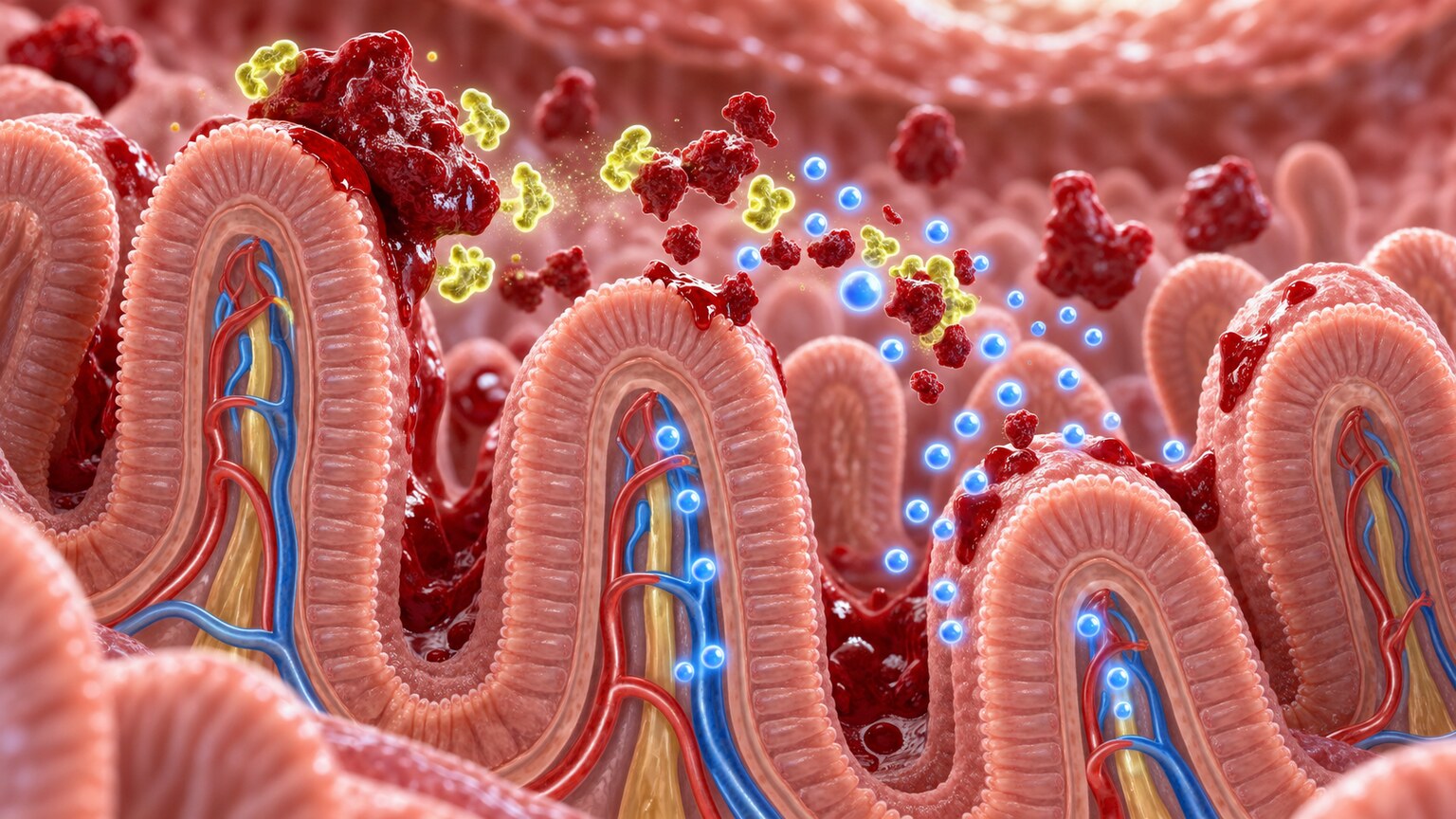
Figure 1. Blood released into the digestive tract is broken down by digestive enzymes into amino acids, which are absorbed and metabolized by the liver much like protein from a meal.
Already have a BUN number from a recent test, but not sure if it's actually good or bad for you? Just plug it in and see instantly.
🧮 Try the Free CalculatorA Brief History of How This Connection Was Discovered
This well-established relationship between GI bleeding and elevated BUN levels genuinely isn't a recent scientific discovery — clinicians have documented and studied it for decades, and understanding a bit of that history adds useful context to why it's now such a well-established, reliably taught piece of clinical knowledge. Early twentieth-century physicians noticed that patients with significant gastrointestinal hemorrhage often showed unexpectedly elevated urea levels despite having no apparent kidney disease, an observation that puzzled clinicians until the underlying digestive mechanism was better understood through subsequent research into protein metabolism. By the mid-twentieth century, researchers had confirmed experimentally that introducing blood directly into the digestive tract reliably raised BUN in ways that mirrored feeding a high-protein meal, cementing the connection as a genuine physiological phenomenon rather than a coincidental clinical observation. Today, this relationship is considered such reliable, foundational medical knowledge that it appears in standard medical school curricula and clinical reference materials worldwide, and it continues to inform the risk-scoring systems and diagnostic approaches used in emergency medicine and gastroenterology today.
What BUN Actually Measures, in Plain Terms
Before getting into exactly why GI bleeding raises this particular number so specifically, it genuinely helps to first understand what BUN actually represents in the first place. Blood urea nitrogen measures the amount of urea circulating in your blood, a waste product your liver makes whenever it breaks down protein. Every time your body processes protein — whether from a meal, from muscle breakdown, or, as covered in this article, from digested blood — the liver converts the leftover nitrogen from that protein into urea, which then travels through the bloodstream to the kidneys to be filtered out and excreted in urine. Because BUN sits at the intersection of how much protein your body is processing and how well your kidneys are clearing that byproduct, it can rise either because protein intake (or production) has gone up, or because kidney filtration has slowed down — which is exactly the ambiguity that makes a sudden BUN spike after GI bleeding worth understanding carefully rather than assuming it automatically means kidney trouble.
Why Blood Is Such a Concentrated Protein Load
To genuinely understand why GI bleeding specifically produces such a notable, measurable BUN effect, it helps considerably to appreciate just how protein-dense blood actually is. Blood plasma contains a high concentration of proteins, most notably hemoglobin (the oxygen-carrying protein inside red blood cells) and various plasma proteins like albumin. When blood pools inside the stomach or intestines rather than staying inside blood vessels, it comes into direct contact with the same digestive enzymes that normally break down dietary protein from meat, eggs, or other food sources. A single significant GI bleed can introduce the protein equivalent of a very large, concentrated meal directly into the digestive tract — one study estimated that bleeding of even a moderate volume can deliver an amount of protein comparable to eating a large steak, except delivered all at once directly into the gut rather than gradually through normal eating and digestion.
Why This Pattern Specifically Raises BUN More Than Creatinine
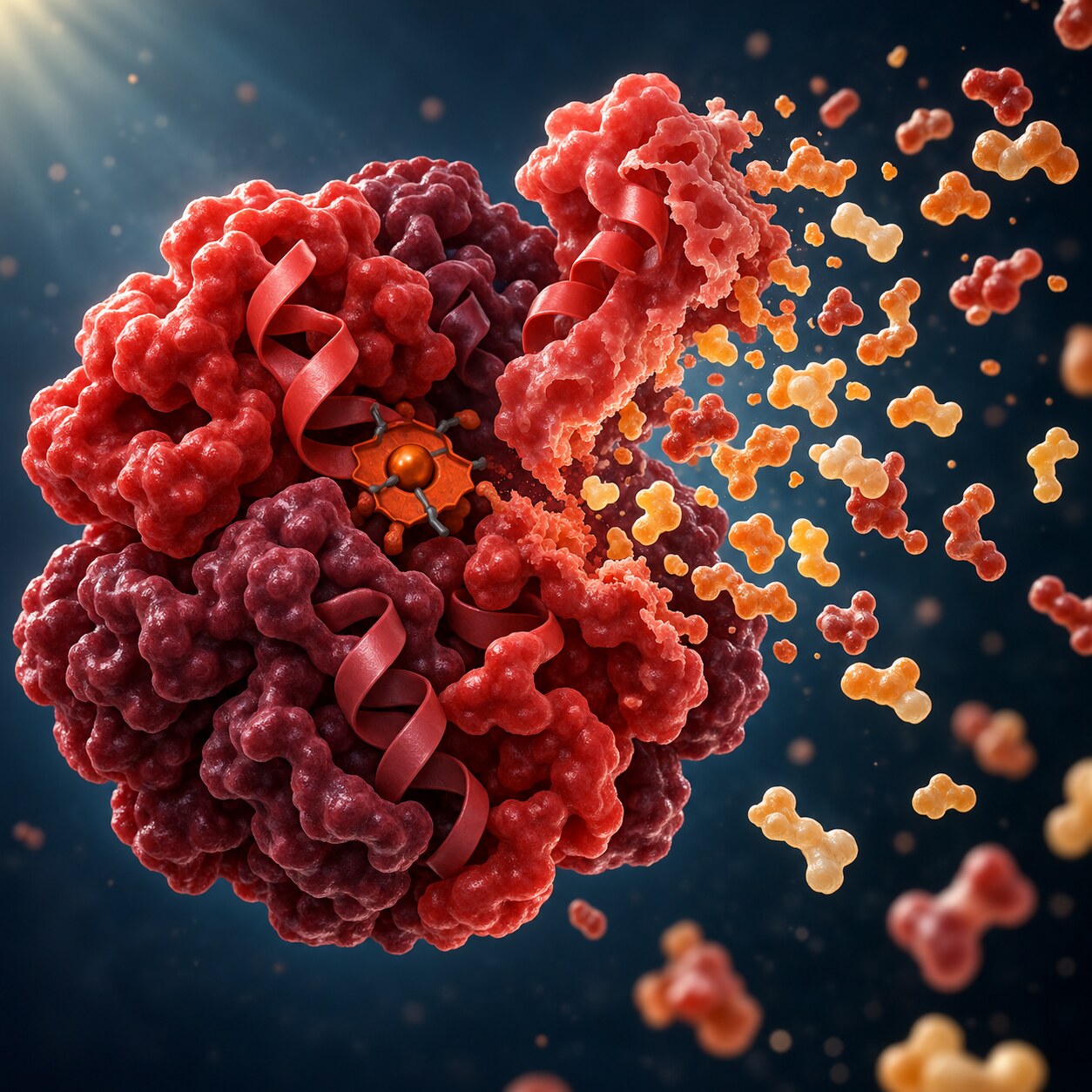
Figure 2. Hemoglobin, the oxygen-carrying protein inside red blood cells, is one of the most abundant proteins broken down when blood is digested in the gastrointestinal tract.
One of the single most clinically useful features of this entire phenomenon is the very specific, recognizable pattern it reliably creates: BUN rises substantially, often to two, three, or more times its baseline value, while creatinine — the other primary marker doctors use to assess kidney function — typically stays close to normal, or rises only mildly if there's some accompanying dehydration from blood loss. This happens because creatinine is produced at a fairly constant rate from muscle metabolism, largely unaffected by how much protein passes through the digestive tract, while BUN production is directly, immediately responsive to protein load. When doctors calculate the ratio between BUN and creatinine and find it unusually high (typically above 20:1, compared to the normal ratio of roughly 10:1 to 20:1), a recent GI bleed becomes one of the leading explanations they consider, especially when a patient's history doesn't otherwise point toward dehydration or another cause of an elevated ratio.

Figure 3. After gastrointestinal bleeding, BUN often rises disproportionately compared to creatinine, producing an elevated BUN-to-creatinine ratio that clinicians use as a diagnostic clue.
The Role of Reduced Blood Flow to the Kidneys
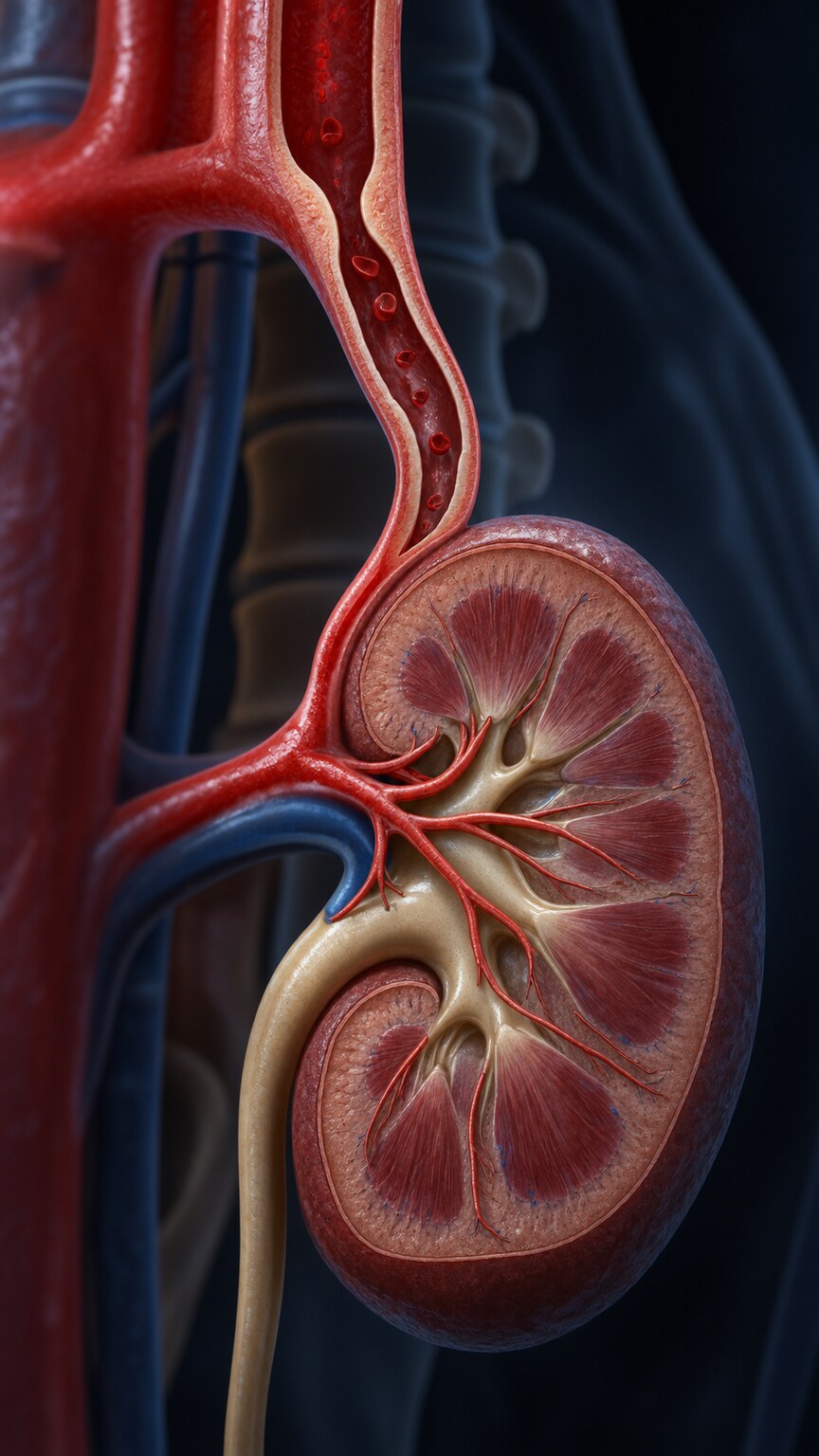
Figure 4. Blood volume loss from significant GI bleeding can temporarily reduce blood flow to the kidneys, slowing urea clearance and compounding the BUN elevation from digested blood protein.
Digested blood protein isn't the only mechanism at work — significant GI bleeding also reduces the overall volume of blood circulating in the body, and this volume loss adds a second, compounding effect on BUN. When blood volume drops, the body responds by prioritizing blood flow to essential organs like the brain and heart, which can mean somewhat reduced blood flow reaching the kidneys temporarily. Reduced blood flow to the kidneys, even without any actual kidney tissue damage, slows down the rate at which the kidneys filter and clear urea from the blood, allowing it to accumulate further. This effect, sometimes called a "prerenal" pattern because the cause originates before the kidney itself rather than from kidney damage, works alongside the protein-digestion mechanism to push BUN even higher than either factor would produce alone, and it's part of why more severe bleeding episodes tend to produce more dramatic BUN elevations than minor ones.
How Doctors Actually Use This Pattern Clinically
This particular BUN elevation pattern genuinely has real, practical, diagnostic value that extends well beyond simply being an interesting biological quirk. In patients presenting with symptoms that could suggest GI bleeding but haven't yet had it definitively confirmed (such as dark, tarry stools, which can indicate digested blood, or vomiting that might contain blood), an elevated BUN-to-creatinine ratio adds meaningful supporting evidence toward that diagnosis. Some research has gone further, finding that the degree of BUN elevation can correlate with the severity and location of bleeding — upper GI bleeds (from the esophagus, stomach, or upper small intestine) tend to produce more pronounced BUN elevation than lower GI bleeds, likely because blood from an upper source spends more time in contact with digestive enzymes before it's eliminated, allowing more complete protein digestion and absorption. Some clinical risk-scoring systems used to assess the severity of GI bleeding and predict which patients need more urgent intervention incorporate the BUN level as one of several contributing factors, precisely because of how reliably it tracks with bleeding severity.
How Quickly BUN Rises and Falls With a Bleeding Episode
The overall timeline of this specific BUN response genuinely follows a fairly predictable, well-documented, clinically consistent pattern that's useful to understand if you're trying to make sense of your own lab results relative to a bleeding event. BUN typically begins rising within several hours of a significant bleed, as blood moves through the digestive tract and enzymatic digestion gets underway, often peaking within 24 to 48 hours after the bleeding starts. Once the bleeding stops and the digested blood has fully passed through the digestive system, BUN generally begins declining over the following several days, typically returning to baseline within about three to four days if no further bleeding occurs and kidney function is otherwise normal. This relatively fast rise-and-fall pattern is itself a useful clue: a BUN elevation that behaves this way, rising sharply then resolving within days, looks quite different from the more sustained, gradually progressive BUN elevation typically seen with chronic kidney disease, helping distinguish a temporary, bleeding-related cause from an ongoing kidney problem.

Figure 5. BUN typically peaks within 24 to 48 hours of a GI bleeding episode and returns to baseline within three to four days once bleeding stops and digestion is complete.
Why This Matters More for Certain Bleeding Sources Than Others
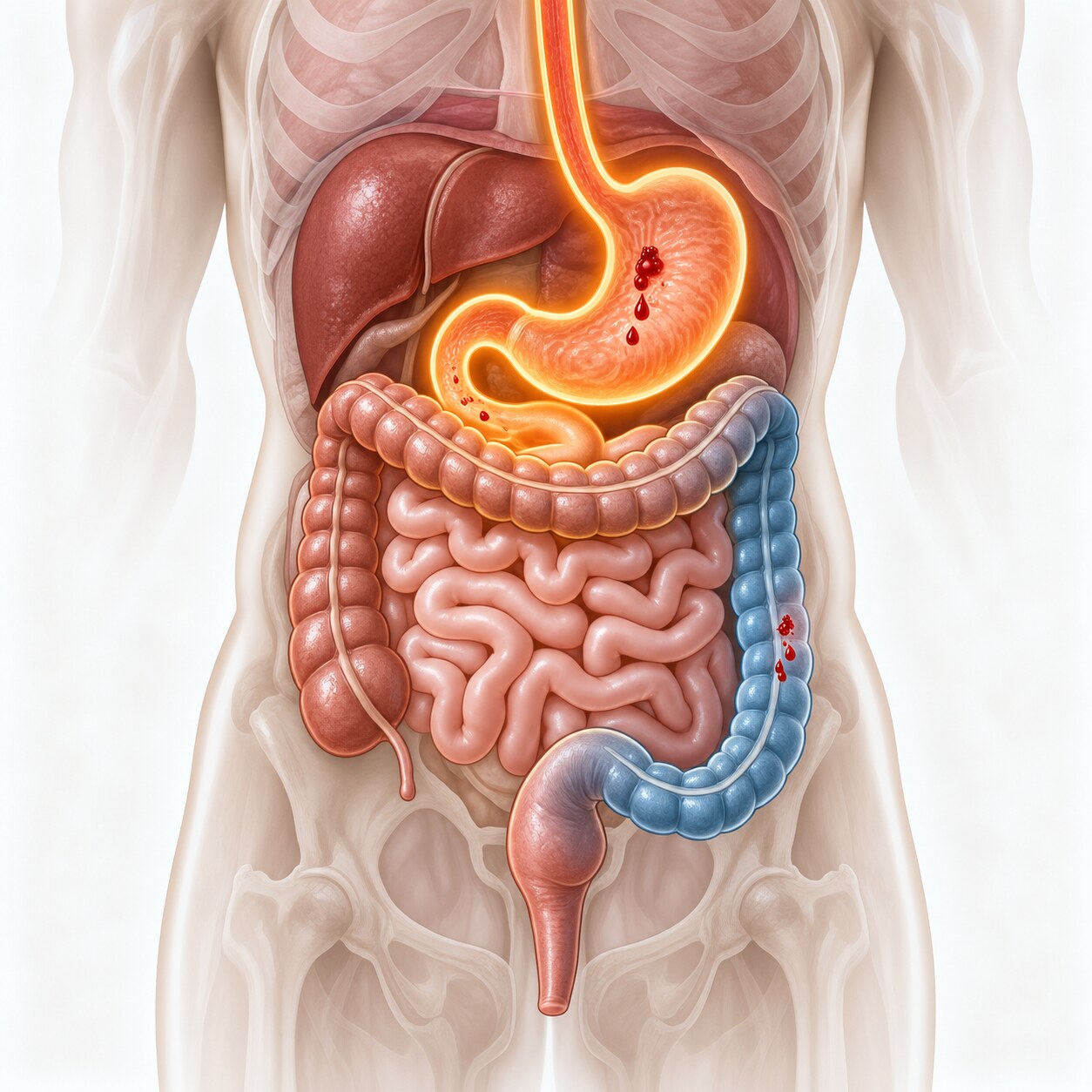
Figure 6. Blood from upper GI bleeding sources travels through more of the digestive tract before elimination, allowing more complete digestion and a correspondingly larger BUN elevation than lower GI sources typically produce.
Not every single possible source of gastrointestinal bleeding produces this exact effect equally, and understanding why highlights the underlying mechanism even more clearly. Bleeding from esophageal varices (enlarged, fragile veins in the esophagus, often related to liver disease) and peptic ulcers tends to produce especially notable BUN elevations, since blood from these upper GI sources travels the full length of the small intestine, maximizing contact time with digestive enzymes and absorptive surface area. Bleeding from the lower GI tract, such as from diverticulosis or hemorrhoids, generally produces a smaller BUN effect, since blood from these more distal sources has less remaining digestive tract to pass through before elimination, limiting how much of it gets fully digested and absorbed as protein. This location-dependent difference is itself sometimes used as one additional piece of diagnostic information when doctors are trying to narrow down where in the digestive tract bleeding is actually originating from.
When an Elevated BUN After Bleeding Should Raise Additional Concern
While a BUN elevation following genuine GI bleeding is expected and, taken in isolation, not usually alarming entirely on its own, certain patterns within the broader picture do warrant closer attention. If BUN remains persistently elevated well beyond the typical three-to-four-day resolution window, particularly if creatinine also starts climbing alongside it, this can indicate that reduced kidney blood flow from blood loss has progressed into actual kidney injury, a condition requiring more urgent evaluation and management. Similarly, if the BUN-to-creatinine ratio is elevated but there's no clear evidence of GI bleeding or dehydration to explain it, doctors will typically investigate other possible causes of an elevated ratio, since this pattern isn't exclusively caused by GI bleeding, even though it's one of the more common and well-recognized explanations. Because of these possibilities, an elevated BUN discovered incidentally, without a clear preceding bleeding event already identified, generally prompts further questioning about symptoms like dark stools or blood in vomit that might reveal an unrecognized bleeding source.
How This Pattern Is Distinguished From Dehydration, the Other Common Cause of a High Ratio
Because dehydration remains the other major, genuinely well-known cause of an elevated BUN-to-creatinine ratio, it's worth understanding directly how doctors distinguish between the two possibilities when a patient presents with this lab pattern but the cause isn't yet obvious. Dehydration raises the ratio primarily through reduced blood flow to the kidneys and a degree of blood concentration, a mechanism that overlaps partially with the prerenal effect from blood loss described earlier — but dehydration alone, without any bleeding, doesn't introduce the same enormous protein load that digested blood does, meaning the magnitude of BUN elevation from dehydration alone tends to be more modest than what's typically seen with a significant GI bleed. Clinical context does most of the actual distinguishing work: a patient with dehydration usually has a history that points clearly toward fluid loss (vomiting, diarrhea, inadequate fluid intake, heavy sweating), physical exam findings consistent with dehydration (dry mucous membranes, decreased skin turgor), and no signs like dark stools or blood in vomit — while a patient with GI bleeding as the cause often has those bleeding-specific signs, plus sometimes a dramatically higher BUN elevation than dehydration alone would typically produce.

Figure 7. Distinguishing GI bleeding from dehydration as the cause of an elevated BUN-to-creatinine ratio relies heavily on clinical history and physical exam findings alongside the lab numbers themselves.
Why Older Adults Show a More Pronounced Version of This Pattern
A person's own age adds a genuinely meaningful, clinically relevant, important layer of nuance to how dramatically and how persistently this BUN elevation actually presents in any given individual, and understanding why is useful for interpreting results in older patients specifically. Kidney function naturally declines somewhat with normal aging, even in the absence of any diagnosed kidney disease, meaning the baseline capacity to clear urea from the blood is already somewhat reduced in many older adults before any bleeding occurs at all. When GI bleeding happens on top of this already-reduced baseline filtration capacity, the resulting BUN elevation tends to be more pronounced and can take longer to resolve back to baseline compared to a younger person with the same volume of bleeding and otherwise normal kidney function. This age-related amplification is part of why clinicians treating older adults with GI bleeding often monitor BUN and creatinine trends somewhat more closely and for a longer duration than they might in a younger patient with a comparable bleeding episode, since the recovery timeline itself can reasonably be expected to run longer.
What Happens to BUN During Treatment for Active Bleeding
Genuinely understanding exactly how active medical treatment itself can affect BUN readings adds valuable, practical context for interpreting lab results drawn during a hospital stay for active GI bleeding. Blood transfusions, commonly given to replace lost blood volume during significant bleeding episodes, introduce additional protein load of their own, since transfused blood contains the same hemoglobin and plasma proteins as a person's own blood, meaning transfusions can temporarily contribute to further BUN elevation on top of whatever the original bleeding source already caused. Intravenous fluid administration, on the other hand, tends to work in the opposite direction, since restoring blood volume improves blood flow to the kidneys and can dilute BUN somewhat, partially offsetting the elevation from digested blood protein. Because of these competing effects, BUN trends during an active hospital treatment course for GI bleeding don't always follow the simple rise-and-fall pattern seen in milder, non-hospitalized cases, and clinicians interpreting these trends generally account for what treatments have been given alongside the raw BUN numbers themselves.
How This BUN Pattern Is Used Alongside Other Bleeding-Severity Indicators
BUN genuinely doesn't operate in complete isolation when doctors are actively assessing the overall severity of a given GI bleeding episode — it works alongside several other pieces of clinical information to build a fuller picture of how serious the bleeding is and how urgently it needs to be addressed. Hemoglobin and hematocrit levels, which directly measure how much of the blood's oxygen-carrying capacity has been lost, provide a more direct read on the volume of blood lost than BUN does on its own. Vital signs like heart rate and blood pressure offer real-time information about how well the body is currently compensating for blood loss, since a rising heart rate or falling blood pressure can signal that compensation is starting to fail even before lab results come back. Several formal clinical risk-scoring systems, such as the Glasgow-Blatchford score used specifically for upper GI bleeding, combine BUN with these other factors (hemoglobin, blood pressure, heart rate, and certain symptoms) into a single composite score that helps predict which patients are likely to need blood transfusion, endoscopic intervention, or urgent hospitalization, versus those who can be managed more conservatively as outpatients.
Why Endoscopy, Not BUN, Remains the Definitive Diagnostic Tool
Despite just how genuinely useful the BUN pattern described throughout this entire article can reasonably be as a supporting diagnostic clue, it's important to be clear that BUN itself never definitively diagnoses GI bleeding or identifies its source — that role belongs to direct visualization procedures like upper endoscopy (passing a thin, flexible camera down through the mouth to examine the esophagus, stomach, and upper small intestine) or colonoscopy (examining the large intestine from the other direction). An elevated BUN-to-creatinine ratio raises suspicion and can prompt a doctor to pursue these more definitive procedures sooner rather than later, particularly in ambiguous cases where the bleeding source isn't obvious from symptoms alone, but it cannot replace direct visualization for actually confirming that bleeding is occurring, locating precisely where it's coming from, or, often, treating the bleeding source directly during the same procedure (for example, by cauterizing a bleeding ulcer or banding a bleeding varix). Thinking of BUN as a supporting clue that raises or lowers suspicion, rather than as a standalone diagnostic test, captures its actual clinical role accurately.
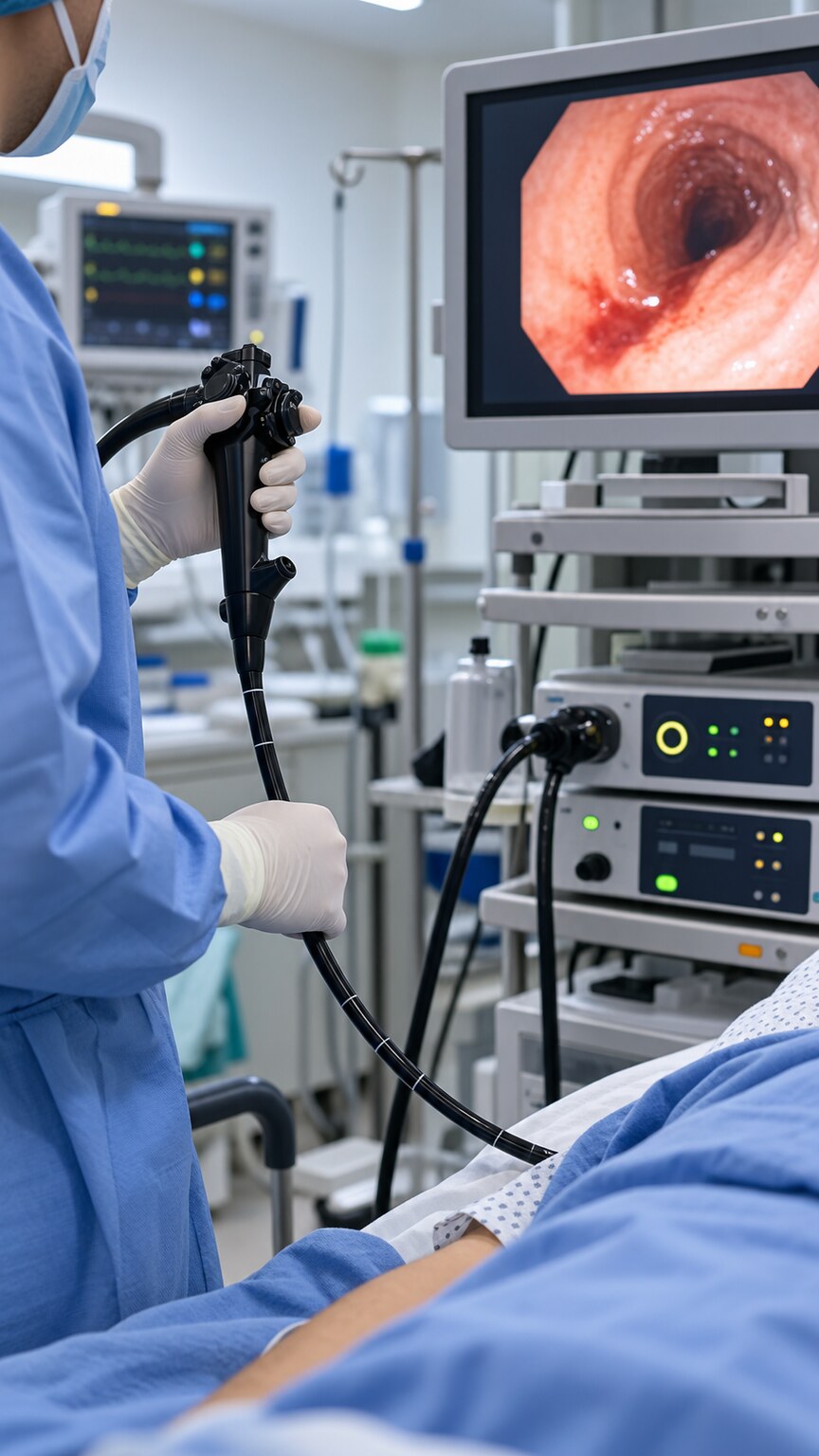
Figure 8. While an elevated BUN-to-creatinine ratio can raise suspicion for GI bleeding, direct visualization through endoscopy remains the definitive tool for confirming and locating the actual bleeding source.
This exact distinction matters quite practically for how test results should genuinely be understood and interpreted correctly by patients as well. A normal BUN-to-creatinine ratio doesn't rule out GI bleeding entirely, particularly for smaller or slower bleeds that haven't yet produced enough digested protein to meaningfully shift the ratio, meaning a doctor who strongly suspects bleeding based on symptoms alone will typically still pursue endoscopic evaluation even with unremarkable BUN results. Conversely, an elevated ratio in someone without any bleeding symptoms doesn't automatically mean bleeding has occurred, since, as covered earlier, dehydration and other causes can produce a similar pattern. This is precisely why BUN functions best as one input among several, sharpening clinical suspicion in one direction or another, rather than as a definitive yes-or-no test on its own.
How Iron Deficiency Anemia Can Develop From Repeated Minor Bleeding
Not all gastrointestinal bleeding presents dramatically or acutely — some bleeding is genuinely slow, chronic, and low-volume in nature, occurring gradually over weeks or months rather than all at once, and this chronic pattern interacts differently with BUN than the acute bleeding scenarios discussed so far. Because chronic, low-volume bleeding introduces protein into the digestive tract more gradually, it typically doesn't produce the same dramatic, easily noticeable BUN spike that a large acute bleed does, since the liver and kidneys have more time to process and clear the smaller, steadier protein load without it accumulating as sharply. However, chronic bleeding, even at a low volume, steadily depletes the body's iron stores over time (since red blood cells, and the hemoglobin within them, contain a significant portion of the body's total iron), eventually leading to iron deficiency anemia, which is often what actually prompts the medical workup that then reveals unsuspected chronic GI bleeding as the underlying cause. This means chronic GI bleeding is more often discovered through anemia symptoms and iron studies than through a dramatic BUN elevation, which is really more characteristic of acute, higher-volume bleeding events.
How This Applies Differently in Patients With Pre-Existing Liver Disease
Patients who are currently living with underlying, pre-existing chronic liver disease, particularly more advanced cirrhosis, represent a genuinely distinct, separate patient population where this entire BUN pattern requires additional interpretive nuance, largely because liver disease is itself a major risk factor for the specific type of GI bleeding (esophageal varices) that tends to produce the most dramatic BUN elevations. Complicating matters further, advanced liver disease can independently impair the liver's own capacity to convert protein into urea in the first place, since urea production is itself a liver function that can become compromised as liver disease progresses. This creates a genuinely complex interplay: the same patient might have a liver that's simultaneously less able to produce urea from protein due to underlying disease, while also being at meaningfully higher risk for the specific type of bleeding that would otherwise be expected to spike urea production dramatically. In practice, this means BUN readings in patients with significant liver disease and suspected GI bleeding require even more cautious interpretation than in patients with otherwise healthy livers, since the expected relationship between bleeding severity and BUN elevation can be blunted or altered by the degree of underlying liver dysfunction present.
Why Some Patients Show Almost No BUN Elevation Despite Confirmed Bleeding
Not every single case of genuinely, definitively confirmed GI bleeding actually produces the exact textbook BUN elevation pattern described throughout this article, and understanding the exceptions helps prevent over-relying on BUN as a diagnostic signal. Beyond the liver disease scenario just described, patients who are already very well hydrated at the time of bleeding, with robust kidney blood flow that isn't significantly compromised by the blood volume lost, may show a smaller-than-expected BUN rise, since the prerenal component of the mechanism contributes less when kidney perfusion remains well maintained throughout the bleeding episode. Younger patients with otherwise excellent kidney function and efficient urea clearance may also process and excrete the additional urea load quickly enough that a single BUN measurement, particularly if drawn somewhat later after the bleeding started, might not capture the peak elevation at all. These exceptions are precisely why clinicians never rely on BUN as the sole basis for ruling out GI bleeding — a normal or only mildly elevated BUN in a patient with strongly suggestive symptoms still warrants further investigation rather than being treated as reassuring on its own.
What This Means for Someone Recovering at Home After a Bleeding Episode
For any given person who has already been actively treated for GI bleeding and is now genuinely recovering well, whether at home or having just recently been discharged from a hospital stay, understanding this BUN pattern provides useful context for interpreting any follow-up lab work ordered during recovery. A BUN level that's still somewhat elevated at a follow-up appointment shortly after a bleeding episode isn't necessarily worrying on its own, particularly if it's trending downward compared to values measured during the acute bleeding episode itself, since the full return to baseline can reasonably take several days as described earlier. What's more clinically meaningful during recovery is the overall trend and trajectory rather than any single isolated value — a steadily declining BUN alongside stable or improving creatinine generally reflects the expected, reassuring recovery pattern, while a BUN that plateaus at an elevated level or begins climbing again after initially declining warrants a call to the treating provider, since it could suggest either re-bleeding or a developing kidney issue that deserves prompt attention rather than simply waiting to see what happens.
Frequently Asked Questions
Does an elevated BUN after GI bleeding mean my kidneys are damaged?
Not necessarily. In most cases, the elevation reflects digested blood protein and, sometimes, temporarily reduced blood flow to the kidneys from blood volume loss — not actual kidney tissue damage. Creatinine, a more specific marker of kidney function, typically stays near normal in this scenario, which helps distinguish it from true kidney injury.
How long does it take for BUN to return to normal after a GI bleed?
BUN typically peaks within 24 to 48 hours of the bleeding episode and returns to baseline within about three to four days once bleeding has stopped and kidney function is otherwise normal, assuming no further bleeding occurs.
Why does upper GI bleeding raise BUN more than lower GI bleeding?
Blood from upper GI sources, like the stomach or esophagus, travels through more of the digestive tract before elimination, allowing digestive enzymes more time and surface area to break it down and absorb it as protein. Blood from lower GI sources has less remaining tract to pass through, producing a smaller BUN effect.
Can doctors use BUN to help detect GI bleeding that hasn't been confirmed yet?
Yes. An unusually high BUN-to-creatinine ratio, especially alongside symptoms like dark stools or blood in vomit, is one piece of supporting evidence doctors consider when GI bleeding is suspected but not yet definitively confirmed through other testing.
How is this different from an elevated BUN caused by dehydration?
Dehydration alone typically produces a more modest BUN elevation than significant GI bleeding does, since it doesn't introduce the same large protein load from digested blood. Clinical history and physical exam findings, along with the magnitude of the elevation, usually help distinguish between the two possibilities.
Does eating a high-protein meal also raise BUN the same way?
Yes, through the same underlying liver pathway, but typically to a much smaller degree. A high-protein meal can cause a modest, temporary BUN increase, while significant GI bleeding introduces a far larger, more concentrated protein load, producing a considerably more dramatic elevation.
Should I be worried if my BUN is still elevated a week after a GI bleed?
It's reasonable to check in with your provider, since most cases resolve within three to four days. A BUN that plateaus or rises again after initially declining could suggest ongoing or recurrent bleeding, or a developing kidney issue, and generally warrants follow-up rather than waiting.
How to Talk to a Healthcare Provider About This Lab Pattern
Bringing a genuinely specific, well-informed set of questions into a conversation about an elevated BUN following, or possibly indicating, GI bleeding tends to produce a more useful, clarifying discussion than simply asking whether the number is dangerous. Worth asking directly: what your creatinine level was alongside the elevated BUN, since that comparison determines whether the pattern looks like the expected bleeding-related elevation or something that warrants more concern; whether your BUN and creatinine are being monitored over the following days to confirm the expected downward trend; if bleeding hasn't already been confirmed through endoscopy, whether that evaluation is being considered given the BUN pattern combined with your symptoms; and whether you fall into a category, such as older age or pre-existing kidney disease, where recovery might reasonably be expected to take longer than the typical three-to-four-day window. A provider who can address these specific points, rather than offering only a general reassurance, is giving genuinely useful, individualized information rather than a generic response.
Why Protein Intake From Meals Produces a Similar, but Milder, Effect
It's genuinely, truly worth briefly and clearly connecting this specific GI bleeding mechanism to a closely related, far more everyday, ordinary phenomenon that operates through the exact same underlying biological pathway described earlier in this article: ordinary, everyday dietary protein intake from food. Just as digested blood protein reliably raises BUN, eating a genuinely large, high-protein meal — a big steak dinner, a protein-heavy shake, or a high-protein diet sustained over days — produces a milder version of the same effect, since dietary protein is broken down and metabolized into urea through the identical liver pathway. This is precisely, exactly why doctors interpreting an isolated elevated BUN result always ask specifically about recent diet alongside considering possibilities like GI bleeding or dehydration, since a very high-protein meal eaten shortly before a blood draw can produce a modest, temporary BUN elevation that has nothing to do with bleeding, kidney function, or hydration status at all. The key practical, meaningful difference between the two really comes down to magnitude and the full accompanying clinical picture: dietary protein alone rarely produces the dramatic, multiple-fold BUN elevations seen with significant GI bleeding, and it doesn't come with symptoms like dark stools or blood in vomit, which is generally enough to distinguish the two possibilities without much difficulty.
What Laboratory Reference Ranges Don't Capture About This Pattern
Standard, ordinary laboratory reference ranges for BUN, which typically fall somewhere around 7 to 20 mg/dL or so for most otherwise healthy adults, are built around population averages under ordinary, non-bleeding circumstances, and they don't inherently capture or flag the specific rise-and-fall pattern that distinguishes a bleeding-related elevation from other causes. A single BUN value flagged as "high" on any given lab report looks entirely identical whether it's actually caused by GI bleeding, dehydration, high protein intake, or genuine kidney impairment — the reference range on its own genuinely cannot distinguish between these several different possibilities. This is exactly why context, trend over time, and the accompanying creatinine value matter so much more than the single BUN number in isolation, and this is exactly why a lab report's simple "high" or "within range" flag should be understood as a starting point for interpretation rather than a complete answer on its own, particularly in a clinical situation as specific as recent or suspected GI bleeding.
Conclusion
Taken together, an elevated BUN after gastrointestinal bleeding is a well-documented, mechanistically well-understood phenomenon, one grounded in decades of accumulated clinical research, driven primarily by the digestion and absorption of blood protein in the gut, and secondarily by reduced kidney blood flow from blood volume loss. This pattern — a sharp BUN rise with a comparatively normal creatinine, resolving within several days — is different enough from genuine kidney impairment that it gives both patients and clinicians a useful, reassuring way to interpret this specific lab finding. Understanding this mechanism turns a potentially worrying number into a well-explained, temporary consequence of the bleeding itself, while still leaving open the appropriate caution for the rarer cases where the pattern doesn't resolve as expected.
Still Not Sure What Your Results Mean?
Upload your labs and get a complete, visual, plain-language interpretation of every biomarker — delivered to your inbox in under 15 minutes.
Get My ReportThis article is for educational purposes only and does not constitute medical advice. Always consult your healthcare provider regarding your specific lab results.