
Why Is My BUN Level Low?
Most of what gets written and published about blood urea nitrogen, or BUN, focuses almost entirely on what happens when it comes back too high — dehydration, kidney trouble, a bleed somewhere in the gut. A genuinely low result, by contrast, tends to get almost no attention at all, which is exactly the confusing problem when your own comes back flagged low and nobody around you bothers explaining why. Unlike a high BUN, which usually points fairly directly toward the kidneys struggling to keep pace, a low BUN points somewhere entirely upstream of the kidneys themselves — toward how much protein you're actually eating day to day, how well your liver is currently converting that protein's waste into urea in the first place, or simply how diluted your blood happens to be at the very exact moment of that particular draw. None of those particular explanations are things your own kidneys are actually doing incorrectly. This article walks through exactly where BUN actually comes from long before it ever reaches your kidneys, the specific, well-documented situations that can genuinely pull it below the normal range, and the much smaller set of circumstances where a low result actually deserves a real second look.
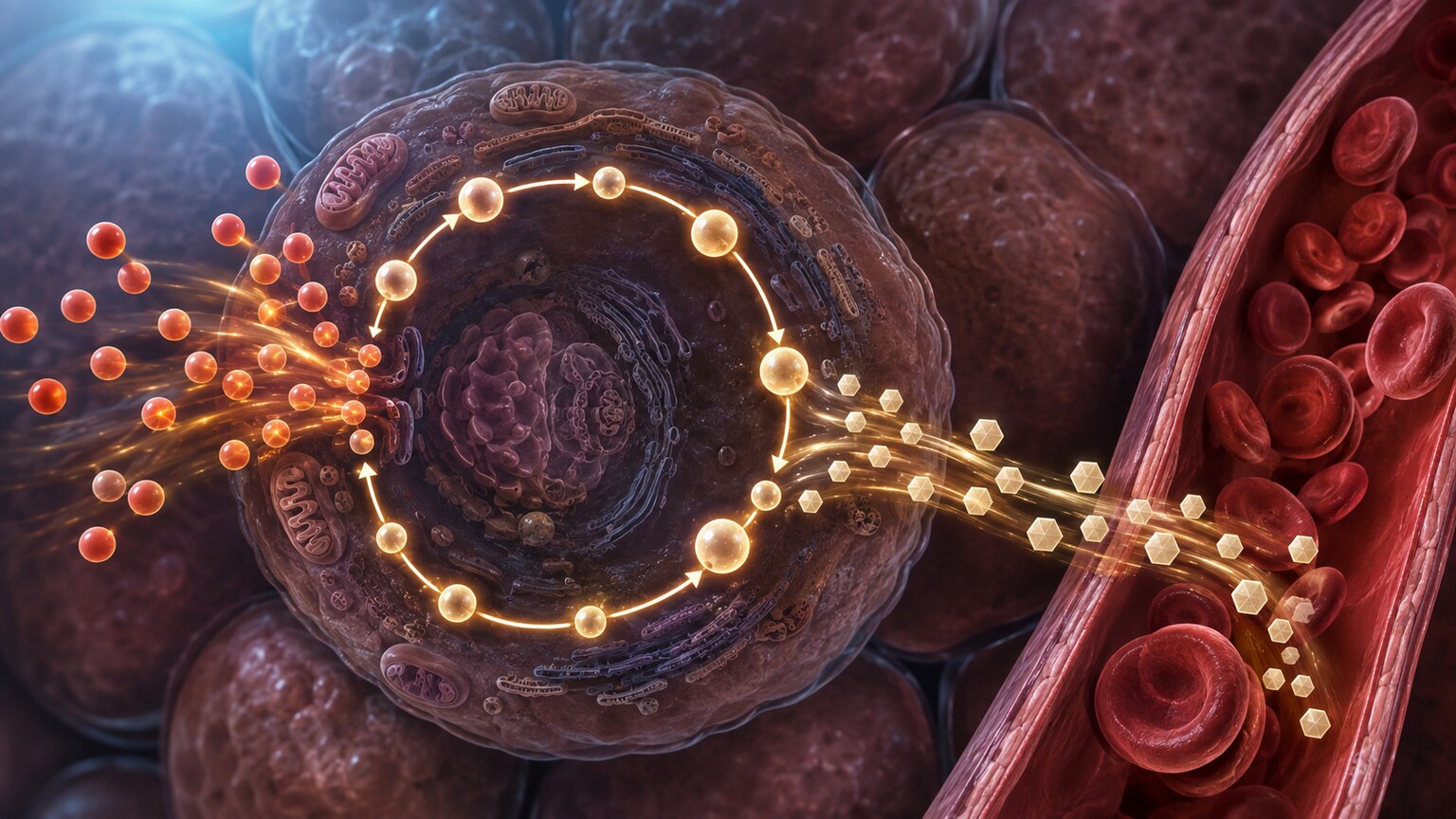
Figure 1. Urea is manufactured almost entirely in the liver through a process called the urea cycle, which converts toxic ammonia — a byproduct of protein breakdown — into the safer waste product that blood urea nitrogen actually measures.
What BUN Actually Measures, and Where It Comes From Before It Ever Reaches Your Kidneys
Blood urea nitrogen certainly sounds like a straightforward kidney test on the surface, and in the narrow sense that the kidneys are indeed what filters it out of your blood, it technically is — but the kidneys themselves actually have almost nothing to do with how much urea gets manufactured in the first place. That job belongs to the liver. Every time your body breaks down protein, whether from a meal or from its own tissue, that breakdown releases ammonia, a genuinely toxic compound your body cannot allow to accumulate. Your liver runs a continuous chemical process called the urea cycle that converts this ammonia into urea, a far less dangerous waste product built specifically to be carried safely through the bloodstream until the kidneys filter it out into urine. BUN is simply a measurement of how much of that urea happens to be circulating in your blood at the moment your sample was drawn.
This upstream origin point is the single most important thing to understand about a low BUN result: because urea only exists in your blood if your liver made it, and your liver only makes it if it has ammonia to convert, a low number can mean one of two very different things — either there simply wasn't much raw material (protein breakdown) to convert in the first place, or the liver's conversion machinery itself isn't running at full capacity. Distinguishing between those two possibilities, plus a few other unrelated explanations, is what the rest of this article walks through.
It helps to picture the whole system as a small factory with two stages. The first stage — the liver — takes in raw material (ammonia from protein breakdown) and manufactures a finished product (urea). The second stage — the kidneys — is purely a shipping department, removing that already-finished product from the bloodstream and sending it out through urine. A high BUN, the far more commonly discussed scenario, almost always points to a problem at the shipping stage: the kidneys aren't clearing urea out fast enough, so it backs up. A low BUN, by contrast, almost always points to something happening at the manufacturing stage, or before it — either not enough raw material arrived, or the factory itself isn't running at full output. The kidneys, in most cases of low BUN, are doing their shipping job perfectly fine; there simply isn't as much product to ship.
This distinction is exactly why a low BUN, taken completely on its own, is such a poor kidney function test — it's telling you almost nothing about how well the kidneys are filtering. Creatinine, a different waste product generated at a comparatively steady rate from ordinary muscle activity, is a far more reliable stand-alone signal of kidney filtration precisely because its production isn't nearly as sensitive to what you ate for dinner. This is also why BUN and creatinine are almost always interpreted together rather than separately — creatinine anchors the picture of kidney function, while BUN adds a second layer of information about diet, liver output, and hydration status layered on top of it.
The Most Common Reason: You're Simply Not Eating Much Protein

Figure 2. Because urea is a direct byproduct of protein breakdown, a sustained low-protein eating pattern gives the liver's urea cycle very little raw material to convert, pulling BUN toward the low end of the range.
Of every explanation in this article, this is by far the most common and the least concerning: BUN rises and falls almost directly in proportion to how much protein you're eating, more than any other value on a standard metabolic panel. Someone following a strict vegetarian or vegan diet, someone who's recently cut back on meat and dairy for any reason, or simply someone who tends to eat lightly and hasn't had much protein in the day or two before a blood draw can show a BUN sitting comfortably below the typical 7–20 mg/dL reference range without anything being wrong at all.
This same pattern shows up reliably in people recovering from a stomach bug or any illness that temporarily suppressed appetite, and in older adults whose overall food intake, protein included, has gradually declined — sometimes due to reduced appetite, sometimes due to dental issues making meat and other protein-dense foods harder to chew, sometimes simply due to living alone and cooking smaller, simpler meals. None of these situations reflect a problem with the kidneys, the liver, or anything the body is doing incorrectly — they reflect a body accurately doing exactly what it's supposed to do with the amount of protein it actually received.
It's worth being specific about how directly this relationship runs, since it surprises many people the first time they hear it. Someone who eats a high-protein diet for several days, then switches abruptly to a lighter, plant-heavy eating pattern, can watch their own BUN shift measurably within just a few days — this is one of the fastest-responding values on a standard metabolic panel to short-term dietary change, considerably more responsive than creatinine, which stays comparatively stable regardless of what was eaten the day before. This is genuinely useful to know if you've ever had two BUN results from the same person, drawn only weeks apart, that look meaningfully different: in most cases, the explanation is sitting on a dinner plate somewhere in between the two draws, not in anything more concerning.
Athletes and bodybuilders sit at the opposite end of this same spectrum, and it's worth mentioning specifically because it illustrates the range this single dietary factor can produce. Someone consuming a very high daily protein intake to support muscle growth can push their BUN toward the upper end of normal, or occasionally just past it, for the exact opposite reason a low-protein eater sits at the bottom — more protein breakdown simply means more raw material moving through the liver's urea cycle. Neither end of this spectrum reflects disease; both simply reflect how much protein happened to be running through the system in the days before the blood was drawn.
Already have a BUN number from a recent test, but not sure whether it's actually low, normal, or worth a second look? Enter it and see exactly where it falls in seconds.
🧮 Try the Free CalculatorOverhydration: When BUN Isn't Low, It's Just Diluted

Figure 3. Excess fluid in the bloodstream dilutes the concentration of urea circulating within it, lowering the measured BUN value without any change in how much urea the liver actually produced.
BUN is measured as a concentration — a certain number of milligrams of urea nitrogen per deciliter of blood — which means the total volume of fluid in your bloodstream at the moment of the draw matters just as much as how much urea is actually floating around in it. Drinking unusually large amounts of water in a short window, receiving intravenous fluids during a hospital stay or an urgent care visit, or having a medical condition that causes the body to retain excess fluid can all dilute your blood enough to pull BUN down, purely as a dilution effect rather than any real change in urea production or kidney filtration.
A specific and clinically important version of this is a condition called SIADH — the syndrome of inappropriate antidiuretic hormone secretion — where the body releases too much of the hormone that tells the kidneys to hold onto water, causing a person to retain more fluid than normal even without drinking excessively. SIADH is typically identified through its effect on sodium, which drops for the same dilution reason BUN does, but an unexplained low BUN found alongside a low sodium reading is one of the patterns that can prompt a doctor to specifically consider this possibility.
Certain medications and medical treatments produce a similar dilutional effect through more direct mechanisms. Diuretics, despite their name suggesting they'd concentrate the blood by removing fluid, can in some cases and combinations contribute to overall fluid shifts that lower BUN, depending on which specific type is used and how a person's body responds. Large-volume intravenous fluid administration, common during hospital stays, surgeries, or emergency treatment for dehydration from an unrelated cause, is one of the more frequently seen causes of a low BUN captured on inpatient bloodwork — a patient who arrived dehydrated with a high BUN can end up with a comparatively low one within a day or two of aggressive fluid replacement, purely as the dilution effect reverses course.
It's worth drawing a clear line between this dilutional mechanism and the dietary mechanism covered earlier, because they can occasionally combine in ways that make a single BUN result harder to interpret without the full context. Someone recovering in a hospital after surgery, receiving IV fluids while also eating very little due to reduced appetite during recovery, is experiencing both effects simultaneously — less urea being produced from reduced protein intake, and whatever urea is present being further diluted by the fluids. In this kind of layered situation, a low BUN is doubly unsurprising and doubly unlikely to reflect anything concerning about the kidneys or liver specifically.
Liver Disease: When the Urea Cycle Itself Slows Down
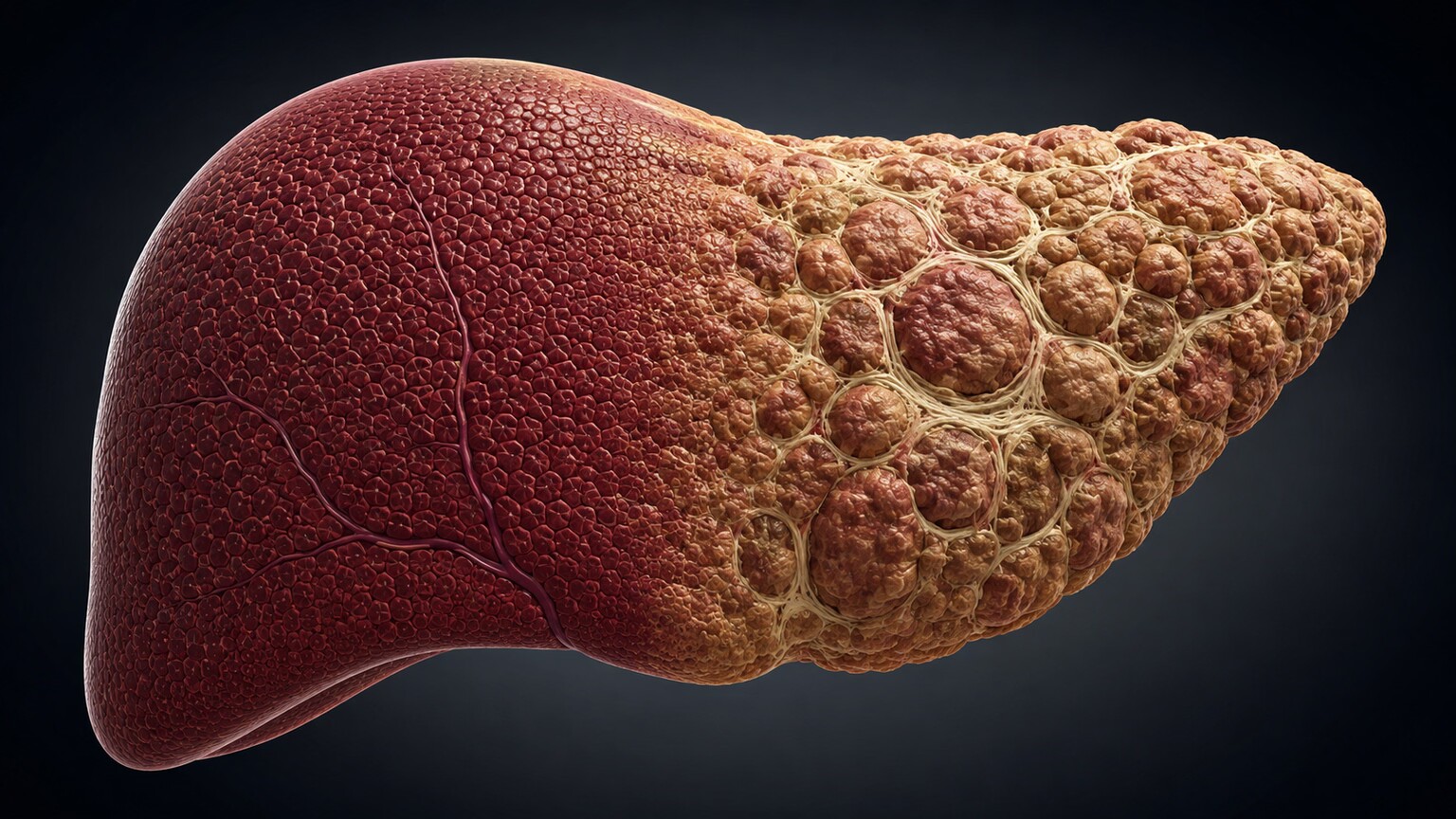
Figure 4. In cirrhosis, healthy liver tissue is progressively replaced by scar tissue, reducing the liver's functional capacity to run the urea cycle and convert ammonia into urea efficiently.
Because the liver is where urea is actually manufactured, significant liver disease can lower BUN in a way that has nothing to do with diet or hydration at all. In advanced cirrhosis or other forms of severe hepatic impairment, the amount of healthy, functioning liver tissue capable of running the urea cycle efficiently is reduced, meaning less ammonia gets converted into urea regardless of how much protein a person is eating. This is a fundamentally different mechanism than the dietary explanation above — it isn't that there's less raw material to convert, it's that the conversion factory itself is running below capacity.
This particular cause matters more than the others in this article for one specific reason: when the liver's urea cycle slows down enough, ammonia — the toxic compound urea exists specifically to neutralize — can start accumulating in the blood instead of being safely converted. Elevated ammonia is directly linked to hepatic encephalopathy, a serious complication of advanced liver disease involving confusion, disorientation, and in severe cases, altered consciousness. A low BUN by itself doesn't diagnose this, but in someone already known to have significant liver disease, a declining BUN alongside neurological symptoms is a combination doctors take seriously rather than dismiss as incidental.
This also creates a genuinely tricky diagnostic situation worth knowing about: because BUN and creatinine are often read together to assess kidney function, a person with both significant liver disease and early kidney impairment can end up with a BUN that looks falsely reassuring — low or normal — even while their kidneys are quietly struggling, since the liver simply isn't producing enough urea to reveal the kidney problem through this particular test. It's one of several reasons doctors treat BUN as one piece of a larger picture rather than a standalone verdict on kidney health, especially in anyone with known liver disease.
The degree to which liver disease affects BUN generally tracks with how advanced that disease actually is. Early or mild liver conditions, including many cases of fatty liver disease that haven't progressed to significant scarring, typically don't reduce urea production enough to meaningfully affect a BUN result at all — the liver retains more than enough spare capacity to keep running the urea cycle normally even with some degree of impairment. It's specifically in more advanced disease, once a substantial portion of functioning liver tissue has been lost to scarring, that this effect becomes large enough to reliably show up on a standard blood panel. This is also why a low BUN is never used as a screening tool to detect liver disease in someone with no other risk factors or symptoms — it's simply not sensitive enough in early disease to catch anything a liver panel wouldn't catch more directly and much earlier.
For someone already diagnosed with cirrhosis or another form of chronic liver disease, tracking BUN over time alongside other liver markers can still add some genuine value, even if it isn't a frontline test on its own. A BUN that drifts progressively lower over successive visits, in someone whose diet and hydration status haven't meaningfully changed, can be one small supporting data point suggesting declining liver synthetic function — worth mentioning to a hepatology team managing that person's ongoing care, even though it would never be the single test used to make that determination on its own.
Pregnancy: A Normal, Expected Drop

Figure 5. Pregnancy substantially increases both blood volume and kidney filtration rate, two changes that independently push BUN toward the lower end of the range throughout a healthy pregnancy.
Pregnancy produces a low BUN through a combination of two of the mechanisms already described in this article, both operating as completely normal, expected physiology rather than anything resembling a problem. First, blood volume expands significantly over the course of a healthy pregnancy, diluting BUN the same way overhydration does. Second, the kidneys themselves ramp up their filtration rate substantially during pregnancy to handle the increased workload of supporting two circulatory systems, clearing urea out of the blood more efficiently than they would outside of pregnancy.
Together, these two changes mean a BUN that would be flagged as unusually low outside of pregnancy is often entirely unremarkable within it, which is exactly why prenatal lab interpretation generally leans on pregnancy-adjusted reference ranges rather than the standard non-pregnant range. A pregnant patient seeing a lower-than-expected BUN on a routine prenatal panel, with nothing else concerning on the same report, generally has nothing to be concerned about.
This drop tends to follow a fairly predictable pattern across the three trimesters, closely mirroring the trajectory of blood volume expansion itself. BUN typically begins declining early in the first trimester, continues dropping through the second, and generally reaches its lowest point sometime in the third trimester before beginning to normalize again in the weeks following delivery, as blood volume gradually contracts back down and kidney filtration returns to its pre-pregnancy baseline. A clinician reviewing a pregnant patient's BUN is generally weighing it against this expected trajectory for that specific point in pregnancy, rather than against a single fixed non-pregnant cutoff.
There's also a clinically important reverse side to this pattern worth knowing: because BUN normally runs low throughout pregnancy, a value that looks merely "normal" by non-pregnant standards can actually represent a meaningfully elevated result for a pregnant patient specifically, and is one of several lab findings that can prompt closer monitoring for pregnancy complications affecting kidney function, such as preeclampsia. This is exactly why pregnancy-specific reference ranges matter in both directions — not just for correctly reassuring a patient about an expected low value, but for correctly flagging a value that looks unremarkable on paper but is actually higher than it should be for that stage of pregnancy.
Malabsorption: When Protein Goes In but Doesn't Get Absorbed
There's an important distinction between not eating enough protein and eating enough protein that the body simply fails to absorb — the end result on a BUN test looks identical, but the underlying cause and the appropriate response are completely different. Conditions like celiac disease, inflammatory bowel disease during an active flare, chronic pancreatitis affecting the enzymes needed to digest protein, or any condition causing chronic diarrhea can all mean that protein passing through a person's digestive tract never actually gets broken down and absorbed into the bloodstream, regardless of how much of it was on the plate to begin with.
This distinction matters clinically because the fix is different in each case. Someone with a low BUN from simply choosing to eat less protein can often correct it by adjusting their diet. Someone with a low BUN from malabsorption needs the underlying digestive condition identified and managed — more protein on the plate won't meaningfully change the number if the gut isn't absorbing what's already being eaten. A low BUN that persists despite a clearly adequate, protein-rich diet is one of the situations where this distinction is worth raising directly with a healthcare provider.
Eating disorders occupy a related but distinct category worth mentioning specifically, since they combine both reduced intake and, in some cases, disrupted absorption from the physical effects of prolonged restriction on the digestive tract. Someone in a state of significant caloric and protein restriction, whether from anorexia, a severe restrictive eating pattern, or a prolonged illness that suppressed appetite for weeks, can show a markedly low BUN that reflects a genuinely concerning overall nutritional state rather than a benign dietary preference. In this context, a low BUN is rarely the primary finding driving concern — it typically shows up alongside other markers of malnutrition, such as low albumin or abnormal electrolytes — but it can serve as one more data point supporting a nutritional intervention that's already clearly needed for other reasons.
Refeeding after a period of prolonged malnutrition introduces its own separate consideration. When someone who has been significantly undernourished begins eating normally again, their BUN, along with several other lab values, needs to be monitored carefully during that transition, since the body's sudden shift back toward normal metabolism can produce its own set of temporary imbalances distinct from the malnutrition itself — a reminder that in more severe cases, low BUN is best interpreted as part of a broader nutritional monitoring picture rather than a single number to fix in isolation.
Reduced Protein Breakdown in Older Adults

Figure 6. Reduced appetite, smaller portion sizes, and age-related changes in muscle protein turnover can all contribute to a modestly lower baseline BUN in many older adults.
Beyond the appetite and dietary factors already mentioned, aging introduces a second, more subtle contributor to lower BUN: a gradual, natural decline in overall muscle mass and protein turnover that tends to accompany getting older, sometimes called sarcopenia when it becomes pronounced. Because a meaningful portion of the body's ongoing protein breakdown, and therefore ongoing urea production, comes from the routine turnover of muscle tissue, a smaller overall muscle mass modestly reduces how much raw material is available for the liver's urea cycle to work with, independent of what's actually being eaten.
This is one of several reasons a lab's standard reference range should be read as a general guideline rather than a personalized target — an older adult with reduced muscle mass and a lighter appetite may have a BUN sitting reliably at the lower edge of normal, or modestly below it, as their genuine, stable baseline, rather than a value reflecting any acute problem worth chasing down.
This is also worth understanding alongside how creatinine behaves in the same population, since the two values can sometimes seem to tell slightly different stories in older adults if read without this context. Creatinine, being tied to muscle mass rather than diet, also tends to run lower in someone with reduced muscle mass — meaning a frail older adult can have both a low BUN and a low creatinine simultaneously, purely reflecting reduced muscle mass and lighter eating, with both numbers moving together for related but distinct reasons rather than either one signaling a problem with the other.
Is a Low BUN Ever Actually Something to Worry About?
Taken entirely on its own, a low BUN is genuinely one of the least clinically urgent findings that can appear on a standard metabolic panel — far less concerning, on average, than a comparably abnormal result running in almost any other direction on that same panel. The reason is fairly straightforward: nearly every single explanation covered throughout this article, from diet to pregnancy to ordinary aging, describes a body working exactly as intended, not a body in any kind of genuine distress.
The exceptions worth genuinely paying attention to are the ones where a low BUN shows up alongside other specific findings rather than in isolation. A low BUN combined with confusion, disorientation, or other neurological symptoms in someone with known liver disease is worth immediate medical attention, given the ammonia-related mechanism described earlier. A low BUN combined with unintentional weight loss, muscle wasting, or signs of malnutrition warrants investigating the underlying cause of that malnutrition rather than the BUN number itself. A low BUN combined with a dropping sodium level and unexplained fluid retention is worth mentioning to a doctor as a possible sign of fluid overload or SIADH. In every one of these combinations, it's the accompanying findings doing the real work of flagging concern — the low BUN itself is simply one data point that helps confirm or contextualize what those other findings already suggest.
It's worth contrasting this directly with how a low creatinine is interpreted, since the two often get lumped together in a patient's mind as "similar" kidney-adjacent values. A low creatinine on its own is even less concerning than a low BUN in almost every scenario — it essentially always reflects reduced muscle mass, whether from smaller body size, advanced age, or reduced physical activity, and rarely prompts any further workup by itself. A low BUN, by contrast, carries that one specific liver-disease scenario where it genuinely can matter, which is exactly why this article has spent as much time on that particular cause as it has — it's the one explanation on this entire list that occasionally deserves more than a shrug.
A Worked Example: Following One Low Result to an Explanation
Consider a fairly ordinary, realistic scenario: a 68-year-old who has recently switched to a mostly plant-based diet specifically for cholesterol management, and who had a routine, uneventful metabolic panel drawn at their annual physical. Every other value on the panel is normal except BUN, which comes back at 6 mg/dL, just below the typical lower cutoff of 7. Creatinine, the kidney marker usually read alongside BUN, is completely normal, and the patient feels well with no symptoms of any kind.
Because this is a mild, isolated finding with an obvious, recent dietary explanation and a normal creatinine ruling out any accompanying kidney concern, the most reasonable interpretation is simply that the new lower-protein diet has reduced how much urea the liver has available to produce — exactly the mechanism described earlier in this article. No further testing is typically needed in this scenario; the value is noted, the dietary context is documented in the chart, and it's rechecked at the next routine visit purely as a matter of ordinary course rather than any active clinical concern.
Now imagine a different version of this same starting number, but in a 60-year-old with a known history of cirrhosis who has also been unusually confused and forgetful over the past several days, according to a family member who came along to the appointment. Here, that same 6 mg/dL BUN reading is interpreted completely differently — not as a benign dietary finding, but as a potential piece of evidence supporting a workup for hepatic encephalopathy, likely including an ammonia level and a closer look at how well-controlled the underlying liver disease currently is. Same number, radically different meaning, entirely because of what surrounds it.
These two scenarios, built around the identical raw lab value, exist specifically to make one point unmistakably clear: a BUN number by itself, stripped of context, tells you almost nothing useful. It's the surrounding picture — symptoms, history, other lab values, and the trend over time — that actually does the interpretive work, in this case as in nearly every case throughout this article.
What Happens Next After a Low BUN Result
For the overwhelming majority of people, a mildly low BUN discovered on a routine, unremarkable panel requires nothing more than a bit of surrounding context — a quick mental or verbal check of recent diet, hydration, pregnancy status, and overall health, followed by simply moving on unless a pattern or accompanying symptom suggests otherwise. If a low BUN is unexpected, persistent across multiple tests, or paired with any of the warning combinations described above, the reasonable next steps typically involve a basic dietary and symptom history, a check of liver function tests if liver disease is a possibility, and occasionally a sodium and fluid-status assessment if overhydration or SIADH seems plausible.
In nearly every case, the path from "unexplained low number" to "clear explanation" is short and straightforward, precisely because the list of things that actually cause a low BUN is short, well-understood, and — with the specific exception of significant liver disease — rarely serious on its own.
It's also worth mentioning what generally does not happen after a mildly low, unexplained BUN with no other concerning findings: repeat imaging of the kidneys, an urgent nephrology referral, or invasive testing are simply not the standard next steps for this particular pattern, and if any of those were suggested purely on the basis of an isolated low BUN with an otherwise normal panel, that would be a reasonable moment to ask specifically what additional finding prompted that level of workup. The proportional, evidence-based response to a low BUN is almost always proportionally small.
Frequently Asked Questions
Is a low BUN more or less concerning than a high BUN?
Generally less concerning. Most causes of low BUN — diet, hydration, pregnancy, normal aging — reflect expected physiology rather than a problem, whereas a high BUN more often points toward dehydration or reduced kidney function specifically.
Can a vegetarian or vegan diet cause a permanently low BUN?
Yes, a sustained lower-protein diet can produce a consistently lower baseline BUN. This isn't harmful on its own as long as overall nutrition is adequate and other lab values remain normal.
Does a low BUN mean my kidneys are working extremely well?
Not necessarily. While efficient kidney filtration is one contributor in pregnancy, a low BUN much more commonly reflects how much protein was available to convert into urea in the first place, rather than kidney performance.
Why would liver disease lower BUN instead of raising it?
Because urea is manufactured in the liver, not the kidneys. Significant liver impairment reduces the liver's capacity to convert ammonia into urea, meaning less urea is produced regardless of kidney function.
Should I be worried about one low BUN result on a routine panel?
Usually not, especially if creatinine and other values are normal and you have a plausible explanation like recent diet or pregnancy. It becomes worth investigating further mainly when paired with symptoms like confusion, weight loss, or unexplained swelling.
Conclusion
A low BUN result rarely gets the same attention as a high one, largely because it usually deserves less concern, not more. Where a high BUN often signals the kidneys struggling to keep pace, a low BUN almost always traces back to something happening upstream of the kidneys entirely — how much protein you've eaten, how efficiently your liver is converting that protein's waste into urea, or simply how diluted your blood happens to be. Understanding that distinction turns a vague, unexplained flag on a lab report into a specific, usually reassuring answer, and helps you recognize the much smaller handful of situations where a low result genuinely is worth a closer conversation with a healthcare provider.
The next time a low BUN shows up unexplained on a printed report, it's genuinely worth resisting the instinct to treat it the same anxious way a high result so often gets treated. Run through the short list covered here — recent diet, hydration, pregnancy, age, and, only if there's a known history of it, liver disease — and in the overwhelming majority of cases, one of those five will account for the number completely, leaving nothing further to chase down.
Still Not Sure What Your Results Mean?
Upload your labs and get a complete, visual, plain-language interpretation of every biomarker — delivered to your inbox in under 15 minutes.
Get My ReportThis article is for educational purposes only and does not constitute medical advice. Always consult your healthcare provider regarding your specific lab results.