
What's the Link Between Uric Acid and Kidney Function?
Uric acid and your kidneys are connected in a genuine two-way relationship, and understanding both directions is essential to making sense of what an abnormal uric acid result actually means. In one direction, your kidneys are the primary organs responsible for clearing uric acid out of your bloodstream, which means anything that reduces kidney function tends to raise blood uric acid levels — often making elevated uric acid one of the earliest, most sensitive signs that kidney function has begun to decline. In the other direction, uric acid isn't just a passive passenger being filtered out; in high enough concentrations, it can itself directly damage kidney tissue, form painful kidney stones, and, according to a growing and genuinely debated body of research, may even contribute to the progression of chronic kidney disease independent of other risk factors. This article walks through how healthy kidneys normally handle uric acid, what happens to uric acid levels when kidney function declines, the several distinct ways uric acid can damage the kidneys directly, common everyday factors that shift levels in either direction, the ongoing scientific debate about cause versus effect, and how this two-way relationship shapes how both conditions are managed together in practice.
How Healthy Kidneys Normally Handle Uric Acid
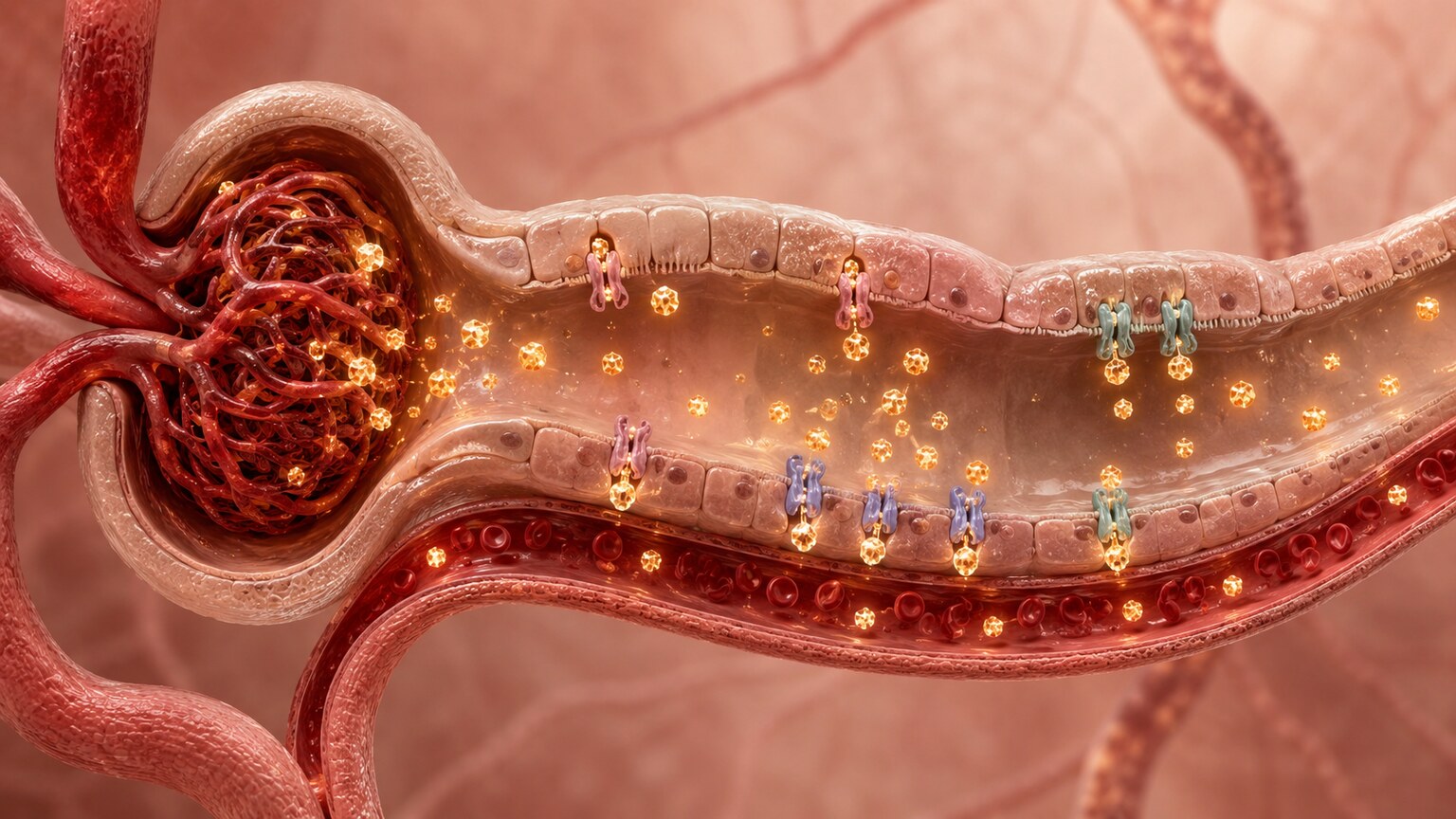
Figure 1. Roughly two-thirds of the uric acid your body produces each day is cleared through a carefully regulated filtration, reabsorption, and secretion process inside the kidneys.
Uric acid is the final breakdown product of purines, molecules found in your own cells' DNA and RNA as well as in certain foods, and your body produces a steady, predictable amount of it every day as old cells are naturally broken down and replaced, with additional uric acid generated from purines absorbed through diet. Roughly two-thirds of the uric acid your body generates each day is cleared through your kidneys, while the remaining third is eliminated through your digestive tract, meaning the kidneys carry the larger share of this daily disposal responsibility. Within each kidney's nephrons — the microscopic filtering units described in other LabsFive articles on kidney function — uric acid undergoes a genuinely complex, multi-step handling process rather than simply passing straight through: it's first filtered out of the blood at the glomerulus, then almost entirely reabsorbed back into the bloodstream further along the nephron, and finally, a smaller portion is actively secreted back out into urine at yet another point along the same nephron.
This carefully coordinated filtration-reabsorption-secretion sequence relies on a specific, well-studied set of specialized transport proteins embedded in the nephron's cells, with one particular transporter, called URAT1, playing an especially central role in reabsorbing uric acid back into the blood. The net result of this entire multi-step process is that your kidneys maintain blood uric acid within a relatively narrow, stable range under normal conditions — a balance that depends on healthy nephron structure and normal blood flow through the kidneys to function properly. When either of those things is disrupted, whether by declining kidney function generally or by specific problems affecting these transport proteins, the balance shifts, and blood uric acid levels change as a direct, measurable result.
Why Purine Metabolism Matters for Understanding This Whole Relationship
To fully appreciate why uric acid and kidney function are so tightly linked, it helps to understand where uric acid actually comes from in the first place, since that origin story explains why levels can shift so readily in response to so many different factors. Purines, the molecules uric acid is ultimately derived from, aren't some rare or unusual substance — they're a fundamental building block of DNA and RNA, present in every cell of your body and in the cells of nearly every food you eat, since all living organisms build their genetic material from the same basic purine components. Your body is constantly breaking down and replacing cells as part of normal, everyday physiology, which means a steady, baseline stream of purines is always being converted into uric acid, entirely independent of diet.
On top of this constant, ongoing internal cellular turnover, purine-rich foods — organ meats, certain types of seafood like anchovies and sardines, and alcohol, particularly beer specifically — add a meaningful additional external source of purines that your body then has to process and convert into uric acid as well, on top of what it's already generating internally. An enzyme called xanthine oxidase carries out the final chemical step of this conversion, transforming purine breakdown products into the actual uric acid molecule that then enters your bloodstream and awaits clearance by the kidneys. Understanding this production side of the equation matters because it explains why uric acid levels reflect a genuine balance between two separate processes — how much is being produced from both internal cell turnover and dietary intake, and how efficiently the kidneys (and, to a lesser extent, the gut) are clearing it back out — and why a problem on either side of that balance, production or clearance, can push levels upward in a way that looks identical on a lab report despite having a very different underlying cause.
When Kidney Function Declines, Uric Acid Rises
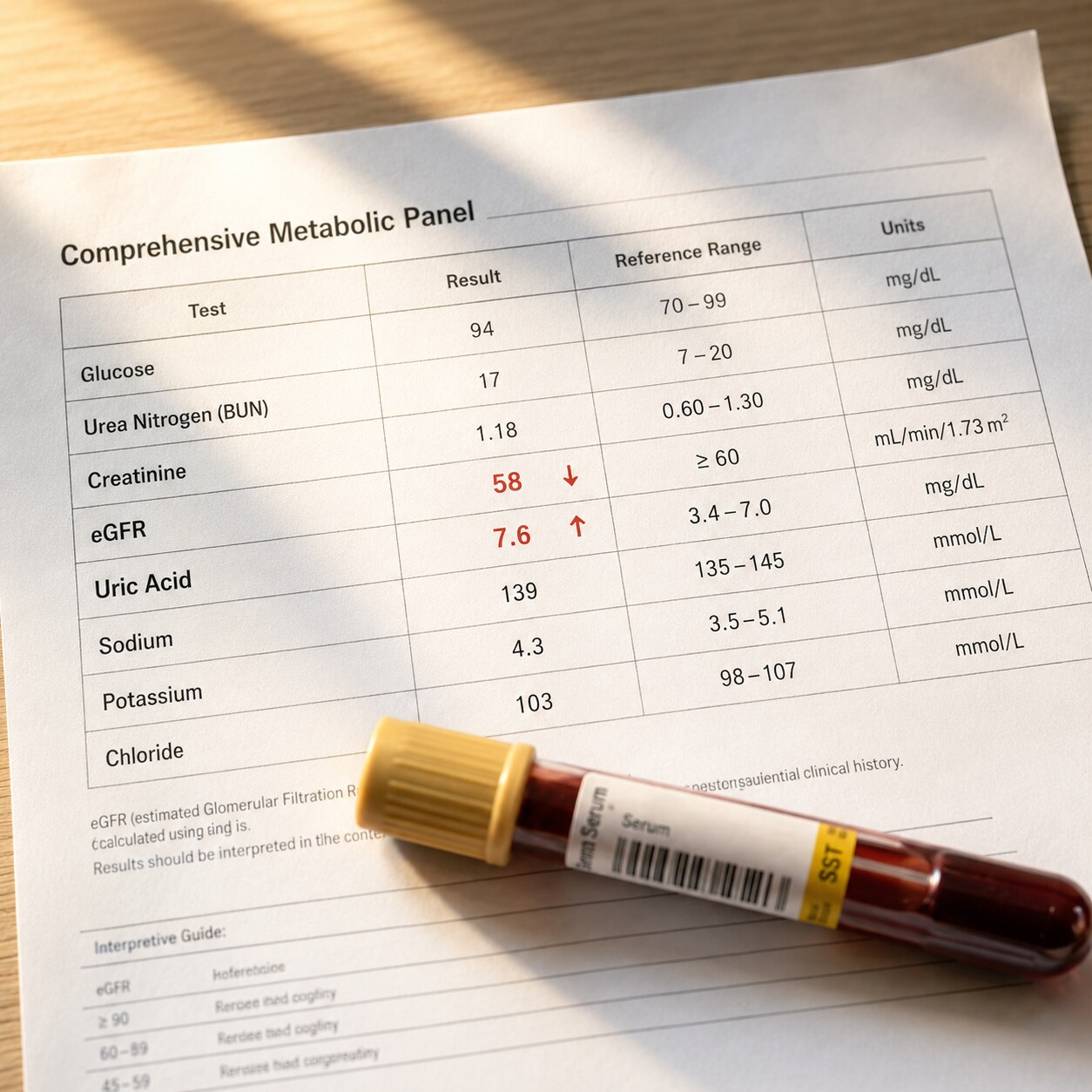
Figure 2. As kidney function declines, the kidneys clear uric acid less efficiently, often making elevated uric acid one of the earliest visible signs of reduced kidney function on a routine panel.
Given how central the kidneys are to uric acid clearance, it follows directly that reduced kidney function — whether from chronic kidney disease, acute kidney injury, or any other cause of impaired renal function — tends to cause uric acid to accumulate in the blood, a condition called hyperuricemia. This is, in fact, one of the most common causes of elevated uric acid seen in clinical practice, and it's part of why uric acid is sometimes checked alongside standard kidney function markers like creatinine and estimated glomerular filtration rate (eGFR), since a rise in uric acid can sometimes become apparent even before more classic markers of declining kidney function become clearly abnormal.
The relationship here tends to be reasonably proportional: as eGFR (a calculated estimate of how well the kidneys are filtering blood) declines, uric acid levels typically rise in a fairly predictable, stepwise pattern, particularly once kidney function has dropped to a moderate degree of impairment. This makes elevated uric acid a genuinely useful, if admittedly nonspecific, clue that a clinician carefully reviewing a full lab panel can reasonably use alongside other markers to help build a fuller, more complete picture of overall kidney health — an elevated uric acid found alongside a mildly reduced eGFR, for instance, adds supporting weight to a developing pattern of kidney dysfunction that might otherwise be dismissed as a borderline, inconclusive finding if either value were considered entirely on its own.
Gout: The Most Familiar Consequence of the Same Underlying Process
Before turning to how uric acid affects the kidneys specifically, it's worth briefly connecting this discussion to gout, since it's the consequence of elevated uric acid most people are already familiar with, and understanding it helps make the parallel kidney-related processes easier to follow. Gout occurs when the same urate crystals described throughout this article form and deposit in joint tissue rather than kidney tissue, most classically in the joint at the base of the big toe, triggering an intense inflammatory response that produces the sudden, severe pain, swelling, and redness characteristic of a gout attack. The crystal-formation process itself — uric acid exceeding its solubility limit and precipitating out of solution into sharp, needle-like structures — is mechanically identical to what happens inside the kidneys during urate nephropathy, just occurring in a different tissue location with a different, more immediately noticeable symptom.
This connection matters clinically because someone with a history of gout has already demonstrated, in a very concrete and visible way, that their uric acid has reached levels capable of forming crystals somewhere in their body — which reasonably raises the question of whether similar crystal formation might also be occurring quietly within their kidneys, without producing the same obvious, painful symptoms that a joint flare-up does. This is part of why a documented history of gout is treated as a meaningful piece of context when interpreting kidney function trends in the same person, and why some clinicians pay closer attention to kidney function specifically in patients with recurrent or poorly controlled gout, given the shared underlying crystal-forming process connecting the two conditions.
How Uric Acid Itself Can Damage the Kidneys
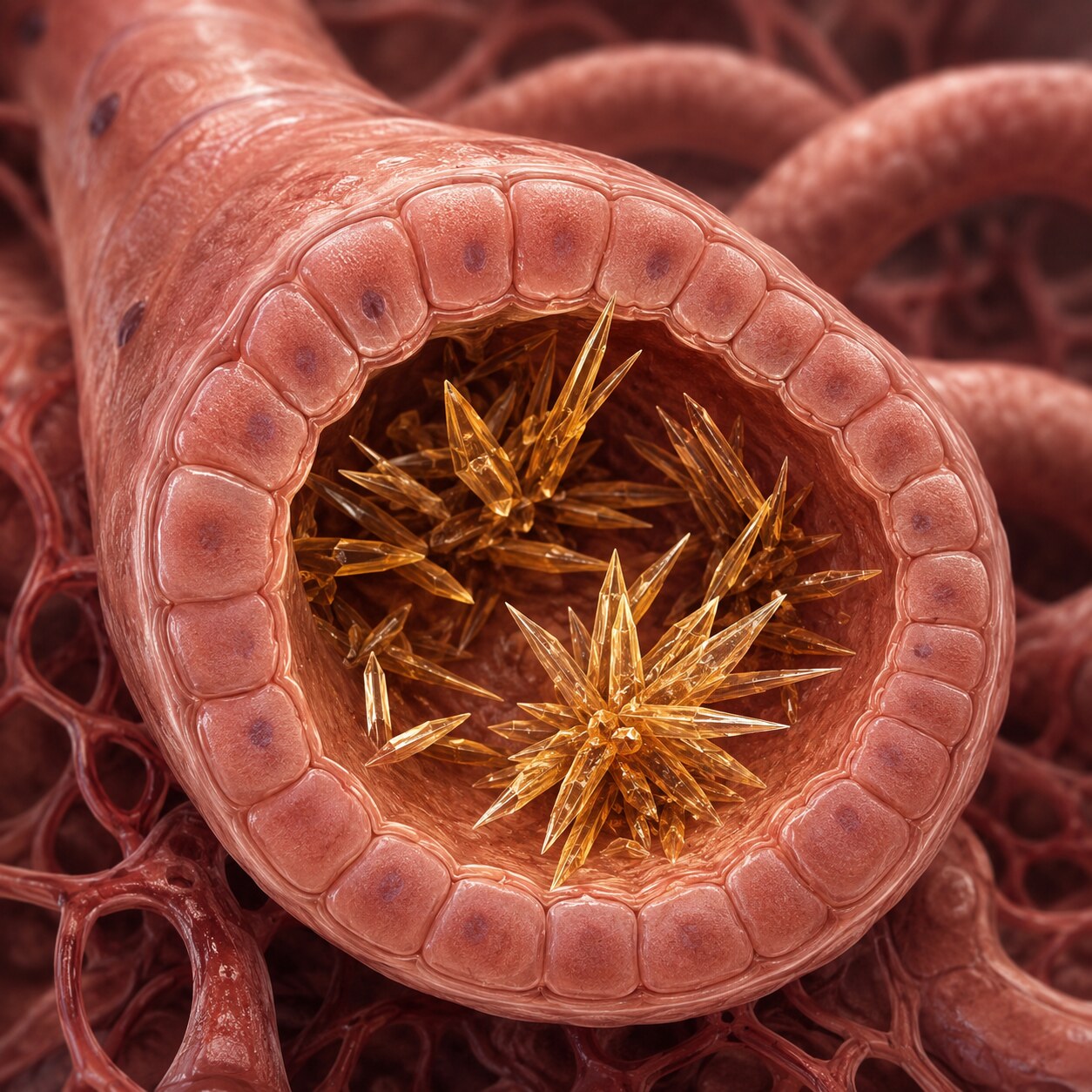
Figure 3. When uric acid concentrations become high enough, needle-shaped urate crystals can form and deposit directly inside kidney tubules, causing direct structural damage.
The relationship also runs the other direction, and this is where uric acid transitions from being simply a passive marker of kidney function to becoming, in certain circumstances, an active cause of kidney damage in its own right. Uric acid has limited solubility in fluid, meaning above a certain concentration, it can crystallize into sharp, needle-shaped structures called urate crystals — the same type of crystal responsible for the intense joint pain of a gout attack when they deposit in joint tissue. When these same crystals form and deposit directly inside the kidneys' tubules instead, they can cause a condition called urate nephropathy, involving direct mechanical and inflammatory injury to the delicate tubule structures responsible for the filtration and reabsorption processes described earlier in this article.
This crystal-deposition damage can occur in two meaningfully different patterns depending on the pace at which it develops. Acute urate nephropathy involves a sudden, dramatic surge in uric acid overwhelming the kidneys' capacity to clear it, causing crystals to form rapidly and block urine flow through multiple tubules at once — a genuine medical emergency capable of causing acute kidney failure within a short period of time. Chronic urate nephropathy, by contrast, develops slowly over years from persistently elevated uric acid, with crystals gradually depositing and causing progressive, cumulative scarring and inflammation within kidney tissue — a pattern of injury that unfolds quietly, without the dramatic, sudden presentation of the acute form, but that can still meaningfully contribute to long-term kidney function decline if the underlying elevated uric acid is never addressed. Because this chronic pattern develops so gradually and produces few, if any, distinctive symptoms of its own until kidney function is already meaningfully affected, it's often only identified retrospectively, after a kidney biopsy performed for other reasons happens to reveal characteristic urate crystal deposits, or after kidney function decline prompts a broader investigation that eventually traces back to longstanding, undertreated hyperuricemia as a contributing factor.
Curious what your own uric acid and kidney function results actually mean together? Upload your results and get a complete, plain-language breakdown in under 15 minutes.
Analyze My ResultsUric Acid Kidney Stones: A Direct, Visible Consequence
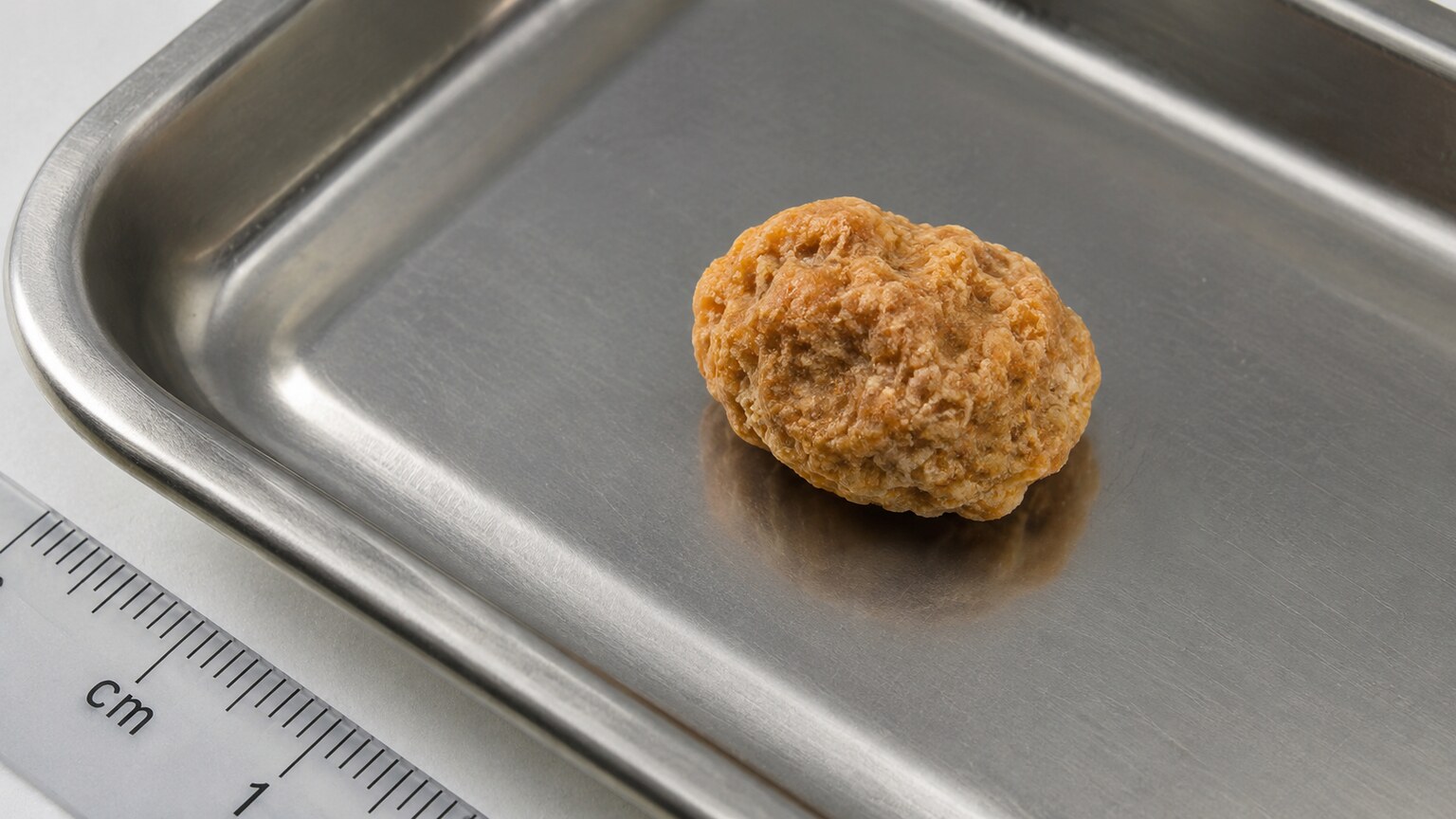
Figure 4. Uric acid kidney stones form when urine becomes both concentrated in uric acid and persistently acidic, and unlike calcium-based stones, they typically don't show up on a standard X-ray.
Beyond the tubule-level crystal deposition described above, elevated uric acid is also a well-established, direct cause of a specific type of kidney stone — a firm, solid mass that forms when crystals aggregate together within the urine-collecting spaces of the kidney rather than the tubules themselves. Uric acid stones account for a meaningful share of all kidney stones, and they have a genuinely distinctive characteristic that sets them apart clinically from the more common calcium-based stones: they're radiolucent, meaning they typically don't show up on a standard X-ray, which can occasionally complicate diagnosis if imaging relies on X-ray alone rather than a CT scan, which does reliably detect them.
Two factors work together to promote uric acid stone formation: a high concentration of uric acid in the urine, and persistently acidic urine (a low urine pH), since uric acid becomes considerably less soluble, and therefore more prone to crystallizing, in a more acidic environment. This is exactly why people with conditions that produce chronically acidic urine — including some forms of metabolic syndrome, type 2 diabetes, and certain digestive disorders that cause chronic diarrhea and meaningful bicarbonate loss over time — are at genuinely elevated risk for developing uric acid stones even when their actual measured blood uric acid level isn't dramatically or obviously high, illustrating clearly that urine chemistry itself, not simply the blood uric acid number alone, plays a genuinely important and sometimes underappreciated role in this particular kidney-related consequence of the broader uric acid picture. This is a useful reminder that blood uric acid and urine uric acid, while related, aren't interchangeable measurements, and a full evaluation of someone with recurrent uric acid stones often includes a 24-hour urine collection specifically to assess both the total amount of uric acid being excreted and the urine's pH over a full day, rather than relying on a single blood test alone to explain a pattern of recurrent stone formation.
The Emerging Debate: Does High Uric Acid Cause Kidney Disease, or Just Reflect It?
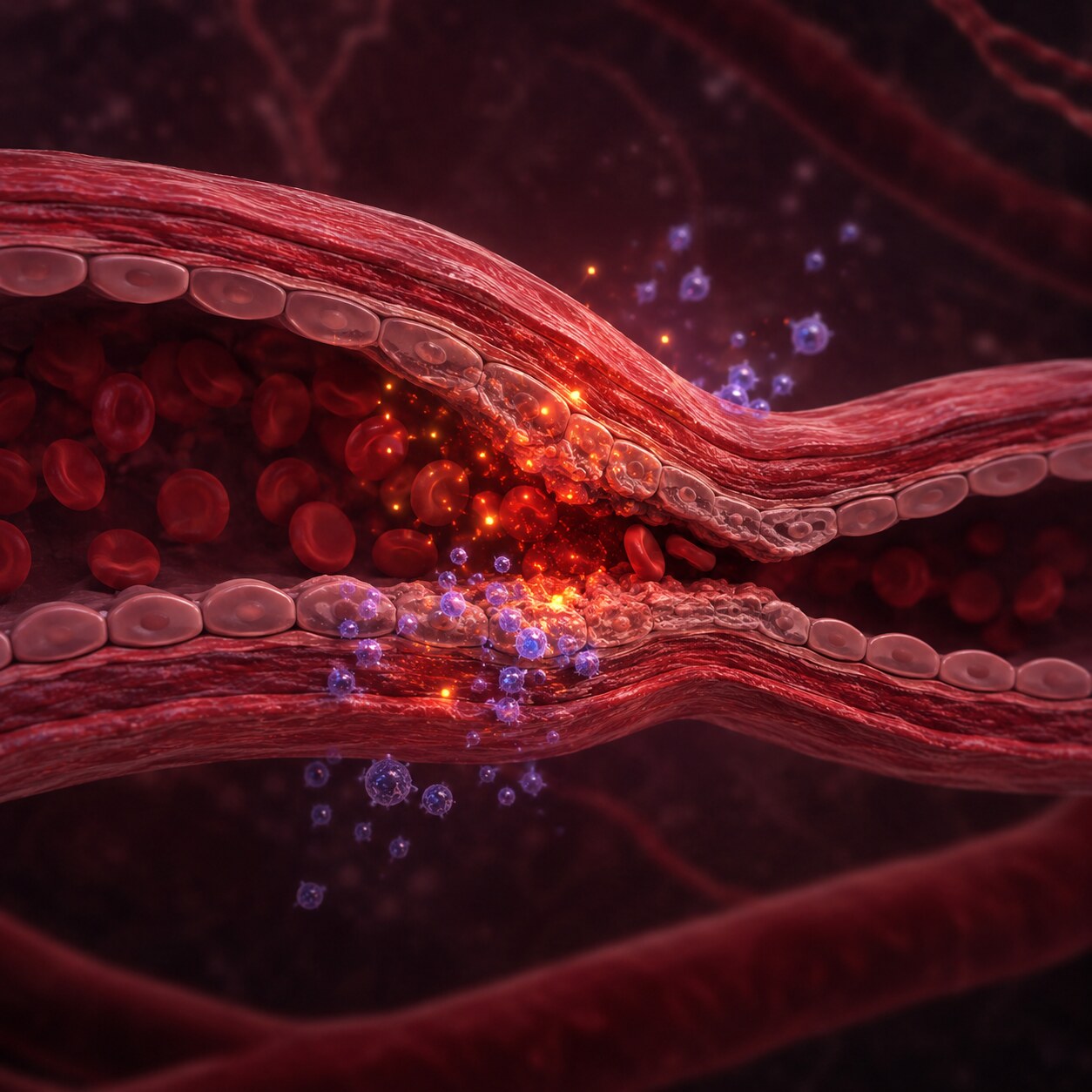
Figure 5. Researchers continue debating whether elevated uric acid actively contributes to kidney damage through oxidative stress, or whether it mainly reflects other underlying risk factors already present.
Beyond the clear-cut mechanisms of crystal deposition and stone formation already described, researchers have spent years investigating a more subtle and genuinely still-unresolved question: does elevated uric acid, even without ever forming visible crystals, independently contribute to chronic kidney disease progression through some other biological mechanism? Several separate, independently conducted studies have found that people with meaningfully higher uric acid levels tend to experience noticeably faster kidney function decline over time, even after researchers statistically accounted for other well-established, commonly co-occurring risk factors like high blood pressure and diabetes — an association that has led some researchers to propose that uric acid might promote kidney injury directly and independently, potentially through several distinct mechanisms working together: triggering oxidative stress within kidney tissue, activating inflammatory signaling pathways specifically within the kidney's small blood vessels, and causing constriction of those same small vessels supplying kidney tissue, thereby gradually reducing blood flow to the kidneys over months and years of sustained elevation.
However, this remains a genuinely active area of scientific debate rather than settled fact, since uric acid, hypertension, obesity, and metabolic syndrome tend to cluster together in the same individuals, making it difficult for researchers to fully separate uric acid's own independent effect from the effects of these commonly co-occurring conditions — a classic challenge in medical research called confounding. Some large clinical trials testing whether medications that lower uric acid actually slow kidney disease progression have produced mixed, not entirely consistent results, which has kept this question open rather than definitively resolved in either direction. This ongoing uncertainty is part of why current clinical guidelines generally don't recommend treating elevated uric acid purely for the sake of protecting kidney function in someone without gout or kidney stones, even though the observational association between the two remains a genuinely active and evolving area of ongoing research. Some newer, more targeted clinical trials are specifically designed to isolate uric acid's own effect from these confounding factors, and the medical community continues watching this research closely, since a definitive answer either way would meaningfully change how proactively elevated uric acid gets treated in people with early chronic kidney disease who don't yet have gout or stones.
Tumor Lysis Syndrome: An Extreme, Acute Example

Figure 6. Tumor lysis syndrome, most often triggered by cancer treatment, causes a sudden, dramatic surge in uric acid that can overwhelm the kidneys within hours.
The clearest, most dramatic real-world illustration of uric acid's direct capacity to damage the kidneys is a condition called tumor lysis syndrome, most commonly triggered when chemotherapy or another cancer treatment rapidly kills a large number of cancer cells at once, particularly in fast-growing blood cancers like certain leukemias and lymphomas that respond quickly to initial treatment. As these cells break down rapidly, they release enormous quantities of their internal cellular contents — including the purines that get converted into uric acid — into the bloodstream all at once, producing a uric acid surge far more sudden and severe than the gradual accumulation seen in ordinary chronic kidney disease.
This flood of uric acid can overwhelm the kidneys' clearance capacity within hours, precipitating widespread urate crystal formation throughout the kidney tubules and causing acute kidney injury, sometimes severe enough to require dialysis. Because this risk is so well recognized and so predictable in certain high-risk cancer treatment scenarios, oncology teams routinely take proactive preventive measures before starting treatment in patients at elevated risk — including aggressive intravenous fluid hydration to keep urine flowing briskly, and medications that either block uric acid production or actively break down existing uric acid, given specifically to prevent this dangerous surge from ever reaching kidney-damaging levels in the first place, with the specific combination and intensity of these preventive measures tailored to how high-risk a given patient's cancer type and tumor burden are considered to be. Tumor lysis syndrome is, in many ways, the most extreme and unambiguous demonstration available of how directly and quickly uric acid alone can injure kidney tissue when levels rise dramatically and suddenly.
Special Populations: Dehydration, Diuretics, and High-Risk Groups
Certain everyday situations and commonly used medications deserve specific mention, since they intersect with the uric acid-kidney relationship in ways that are both common and often overlooked. Dehydration is one of the most frequent, easily reversible contributors to elevated uric acid, since reduced blood volume concentrates uric acid in a smaller amount of circulating fluid while simultaneously reducing blood flow to the kidneys, impairing their ability to clear it efficiently — a combination that can meaningfully elevate uric acid within a short period, particularly during illness, hot weather, or intense physical activity without adequate fluid replacement. This is precisely part of why a single elevated uric acid reading, especially in someone who was notably and visibly dehydrated at the exact time of the blood draw itself, is often reasonably and sensibly repeated under better-hydrated conditions before drawing any firm, lasting conclusions from that one result alone.
Certain diuretic medications, particularly thiazide and loop diuretics commonly and widely prescribed for high blood pressure and fluid retention management, are also well-documented in the medical literature to reliably raise uric acid levels over time, through a mechanism involving both reduced blood volume and direct interference with the kidney's uric acid transport proteins described earlier in this article. This is a well-recognized, thoroughly documented medication side effect that clinicians specifically and routinely watch for, particularly in patients who also carry a known personal history of gout, since starting a new diuretic or meaningfully increasing an existing diuretic dose can sometimes unexpectedly trigger a gout flare in someone whose gout had previously been reasonably well-controlled for some time. Organ transplant recipients taking certain long-term anti-rejection medications, and people with rarer underlying genetic conditions specifically affecting purine metabolism, represent additional, smaller populations where this particular uric acid-kidney relationship requires meaningfully more individualized, specialized attention than the general population typically receives, given how each of these specific, distinct factors can independently and meaningfully push uric acid levels upward through its own separate, well-characterized biological mechanism, entirely apart from the standard risk factors already covered throughout the rest of this article.
How Doctors Distinguish Cause From Effect in Practice
Given everything described throughout this article, a clinician evaluating a patient with both elevated uric acid and reduced kidney function faces a genuinely practical question: which came first, and does it actually matter for how the situation should be managed? In practice, the timeline and pattern of how the two values changed relative to each other often provides the most useful clue. Uric acid that rose gradually alongside a slowly declining eGFR, tracked over multiple lab panels across months or years, points toward the kidney decline being the primary driver, with elevated uric acid trailing along as a downstream consequence. A sudden, dramatic uric acid spike appearing clearly before any major change in kidney function, particularly within a specific, recognizable clinical context like recent cancer treatment or a period of genuinely severe dehydration, points instead more strongly toward uric acid itself potentially being the primary, acute driver of subsequent kidney injury in that specific case.
Several other clues also genuinely factor into this careful assessment: a documented history of gout attacks or previously identified uric acid kidney stones strongly suggests uric acid has been persistently and meaningfully elevated for long enough to cause visible, tangible physical consequences on its own, independent of whatever is happening with kidney function specifically. The presence of other well-established kidney risk factors — diabetes, high blood pressure, or a family history of kidney disease — shifts the likely explanation toward those established causes being primary, with uric acid playing a secondary or contributing role at most. In many real-world cases, particularly in chronic, longstanding situations, the honest answer is that the relationship runs in both directions simultaneously, each reinforcing the other in a mutually worsening cycle, rather than there being one single, clean, one-directional cause to identify — which is precisely why comprehensive management addressing every relevant contributing factor at once, rather than fixating narrowly on a single presumed cause, tends to produce the most meaningful and durable long-term outcomes for the person actually living with both conditions simultaneously.
Tracking Uric Acid and Kidney Function Together Over Time
Given the genuine, bidirectional relationship described throughout this article, tracking uric acid and kidney function together across multiple lab panels over time often reveals patterns that a single snapshot simply cannot capture. For someone with known chronic kidney disease, watching how uric acid trends alongside eGFR at each follow-up visit helps confirm whether the two are moving together as expected, or whether uric acid is rising disproportionately fast relative to the kidney function decline — a divergence that might prompt a closer look at other contributing factors, such as diet, medications, or hydration status, rather than assuming kidney decline alone fully explains the change.
For someone being treated for elevated uric acid, whether due to gout or kidney stones, tracking kidney function alongside uric acid over the course of treatment serves a genuinely practical purpose: it helps confirm that treatment is working as intended, and it also allows medication dosing to be adjusted appropriately if kidney function itself changes over time, since, as mentioned earlier, several uric acid-lowering medications require dose adjustments based on kidney function. This kind of longitudinal tracking transforms two individually limited values into a much more informative picture of how someone's overall metabolic and kidney health is trending, offering insight that neither value could provide reliably when considered only once, in isolation.
What This Means for Managing Both Together

Figure 7. Managing elevated uric acid and reduced kidney function together typically involves addressing shared underlying risk factors alongside condition-specific treatment for whichever issue is driving symptoms.
Because uric acid and kidney function are so genuinely intertwined, effective management typically addresses both together rather than treating them as entirely separate, unrelated problems. For someone with reduced kidney function and correspondingly elevated uric acid but no symptoms — no gout, no kidney stones — the standard approach usually focuses on managing the underlying kidney disease itself, through blood pressure control, blood sugar management if diabetes is present, and other standard kidney-protective measures, without necessarily treating the elevated uric acid directly, given the still-unresolved debate about whether doing so meaningfully changes kidney outcomes in this scenario.
When uric acid has caused clear, tangible consequences — recurrent gout attacks, uric acid kidney stones, or evidence of urate nephropathy — treatment more directly targets uric acid itself, typically with medications that reduce its production, alongside dietary modification limiting high-purine foods and alcohol, both of which contribute meaningfully to uric acid levels. For anyone managing chronic kidney disease, medication dosing for gout or uric acid-lowering treatment often needs careful, individualized adjustment based on current kidney function, since some of these medications are themselves cleared by the kidneys and require meaningful dose modification in the setting of reduced renal function — another concrete, practical way this two-way relationship shapes real-world clinical decisions rather than remaining a purely theoretical or academic consideration. Regular kidney function monitoring becomes especially important once someone starts a new uric acid-lowering medication, precisely so that dosing can be safely adjusted if kidney function shifts over the following months.
Diet and Lifestyle: What Actually Helps Both Sides of This Relationship
Because uric acid production is influenced by diet and lifestyle in ways that directly affect the kidney-related consequences described throughout this article, understanding what genuinely helps — versus what's often overstated — is worth addressing directly. Limiting high-purine foods, particularly organ meats and certain types of seafood, along with reducing alcohol intake, especially beer, which contains its own purine content on top of alcohol's independent effect on uric acid clearance, are the dietary changes with the most consistent evidence behind them. Adequate, consistent hydration genuinely deserves specific emphasis here, given everything already discussed earlier about dehydration's meaningful role in concentrating uric acid and reducing overall kidney blood flow — maintaining consistently good fluid intake throughout each day is genuinely one of the simplest, lowest-risk interventions realistically available, benefiting both uric acid clearance and overall general kidney health simultaneously and meaningfully.
Weight management also plays a genuinely meaningful role in this broader picture, since obesity is independently and consistently associated with both higher overall uric acid production and reduced uric acid clearance efficiency by the kidneys, meaning gradual, sustainable weight loss (rather than rapid weight loss, which can actually cause a temporary uric acid spike through increased cell breakdown) tends to improve uric acid levels over time in people who are overweight. It's worth noting that dietary changes alone, while genuinely helpful, often produce a relatively modest reduction in uric acid levels compared to medication, particularly in someone whose elevated uric acid stems primarily from reduced kidney clearance rather than dietary intake — which is exactly why, per the earlier discussion of management, someone with significant symptomatic hyperuricemia typically needs medication rather than diet changes alone, even though dietary adjustments remain a reasonable and worthwhile complementary step regardless of the underlying cause.
Frequently Asked Questions
If my uric acid is high, does that mean my kidneys are already damaged?
Not necessarily. Elevated uric acid has many possible causes, including diet, certain medications, dehydration, and genetics, in addition to reduced kidney function. A full kidney function panel, including creatinine and eGFR, is needed to determine whether kidney function is actually affected, rather than assuming it from an elevated uric acid result alone.
Can lowering my uric acid protect my kidneys?
This remains genuinely uncertain and is an active area of research. Some studies suggest a benefit for kidney function, while others show mixed or inconclusive results. Current guidelines generally recommend treating elevated uric acid primarily when it's causing gout or kidney stones, rather than solely for the purpose of protecting kidney function in someone without those symptoms.
Are uric acid kidney stones treated differently from other kidney stones?
Yes, in one important way: because uric acid stones form more readily in acidic urine, they can sometimes be dissolved with medication that makes urine more alkaline, an option that generally doesn't work for calcium-based stones. This is part of why correctly identifying the stone type, often through a CT scan or stone analysis after passage, meaningfully affects treatment choice.
Why is uric acid monitored so closely during cancer treatment?
Because certain cancer treatments, particularly for fast-growing blood cancers, can trigger tumor lysis syndrome — a sudden, dangerous surge in uric acid from rapidly destroyed cancer cells that can overwhelm the kidneys within hours. Close monitoring and proactive preventive treatment before chemotherapy begins helps avoid this serious, well-recognized complication.
Can dehydration alone cause a temporary elevated uric acid reading?
Yes. Dehydration concentrates uric acid in a smaller volume of blood and reduces blood flow to the kidneys, both of which can temporarily raise a uric acid result. This is genuinely one of the more common, most easily reversible explanations for an unexpectedly elevated reading, and it's often quite worthwhile to simply recheck the value under better-hydrated conditions before assuming a more significant, ongoing underlying cause is at play.
Do blood pressure medications affect uric acid levels?
Some do. Thiazide and loop diuretics, commonly used for blood pressure and fluid retention, are well known to raise uric acid levels, sometimes enough to trigger a gout flare in someone prone to it. If you're on one of these medications and notice a rising uric acid trend, it's worth discussing with your prescriber rather than assuming it reflects worsening kidney function alone.
Conclusion
Uric acid and kidney function are connected through a genuine two-way relationship: healthy kidneys are essential for clearing uric acid efficiently, so declining kidney function reliably raises uric acid levels, while uric acid, once elevated, can itself directly damage kidney tissue through crystal deposition, cause kidney stones, and — according to ongoing, still-evolving research — may independently contribute to kidney disease progression in ways scientists haven't yet fully settled. Understanding which direction is most relevant in a specific situation, based on the timeline, the presence of gout or stones, and other established risk factors, is what allows this relationship to be managed thoughtfully rather than treating either value as an isolated number disconnected from the other. Bringing both uric acid and kidney function results into the same conversation with a healthcare provider, along with any relevant history of gout, kidney stones, medications, or hydration status, is the clearest path toward understanding what this genuinely bidirectional connection actually means for your own individual health, rather than treating either number as a fixed, isolated fact disconnected from everything else happening in your body.
Still Not Sure What Your Results Mean?
Upload your labs and get a complete, visual, plain-language interpretation of every biomarker — delivered to your inbox in under 15 minutes.
Get My ReportThis article is for educational purposes only and does not constitute medical advice. Always consult your healthcare provider regarding your specific lab results.