
Why Did My Doctor Order a Uric Acid Test?
Walking out of an appointment with an order for a "uric acid test" and no clear memory of why it came up is a genuinely common experience, especially when the visit covered several different things at once or the test simply got added almost as an afterthought. Uric acid is a natural waste product your body makes constantly as it breaks down and recycles certain building blocks in your cells, and a simple, routine blood test measures how much of it happens to be currently circulating. But that one simple test gets ordered for a surprising number of distinct clinical reasons, ranging all the way from a sudden, painful joint flare to a cancer treatment safety check to a routine piece of a much broader metabolic picture — and the specific reason behind your particular order changes what your result is actually being used to figure out. This article walks through the seven most common, specific reasons a doctor orders a uric acid test: symptoms suggesting gout, a suspected or confirmed kidney stone, starting or monitoring certain medications, chemotherapy safety monitoring, a broader cardiovascular or metabolic risk workup, a family history of gout or kidney stones, and simple routine inclusion in a broader annual screening panel. It also covers how the test itself is actually performed, what diet and medications can do to a single result, and what typically happens next depending on which of these reasons applies to your own particular situation.
What a Uric Acid Test Actually Measures, Briefly
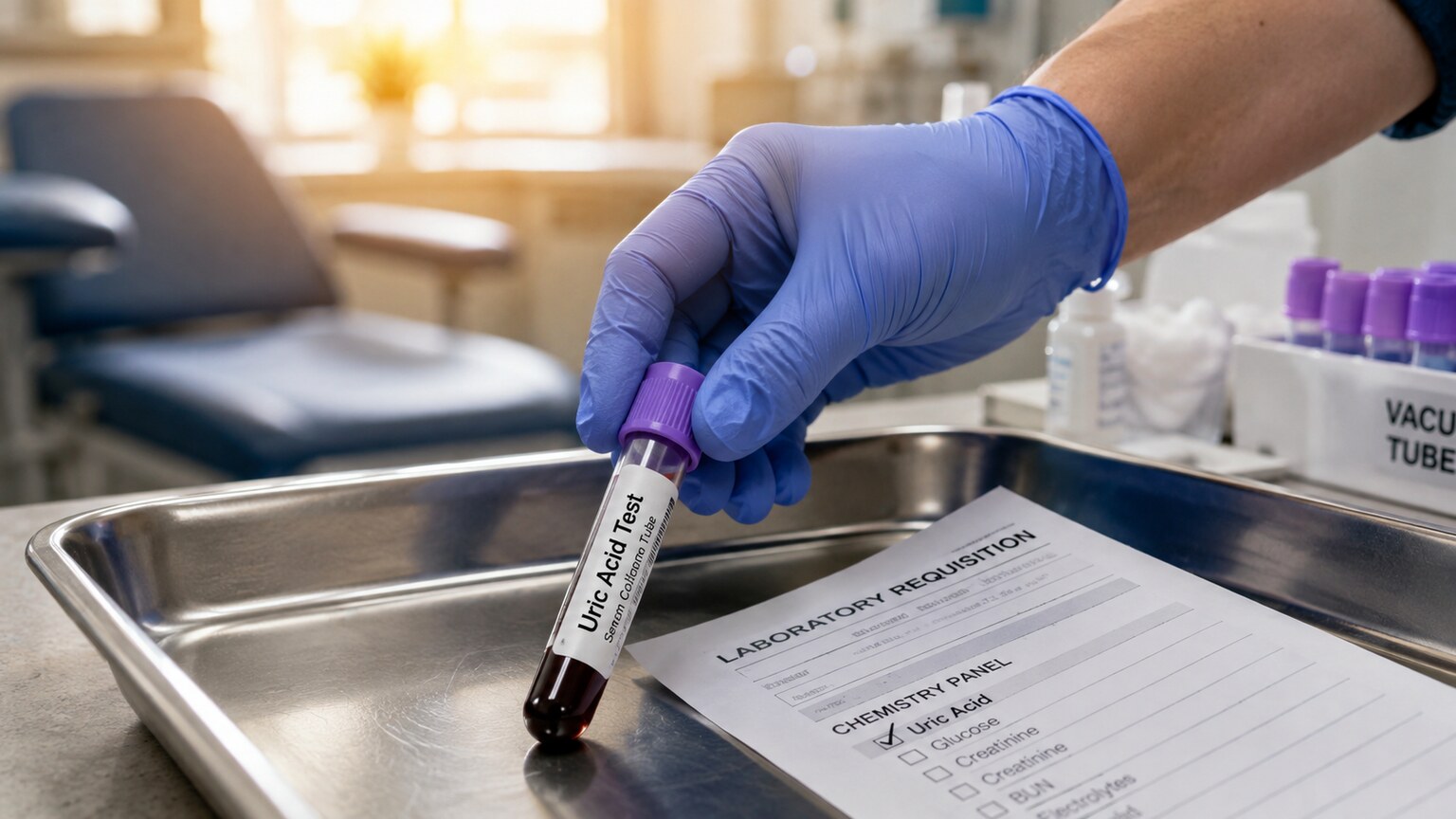
Figure 1. A uric acid test is a simple blood draw measuring how much uric acid, a normal waste product of cellular turnover, is currently circulating in your bloodstream.
Uric acid is produced when your body breaks down purines, natural compounds found both in your own cells (as part of ordinary, constant cellular turnover) and in certain foods, including red meat, organ meats, some seafood, and beer — a process that happens continuously throughout every day of your life, whether or not you're consciously aware of it. Under normal circumstances, your kidneys filter uric acid out of your blood and your body excretes the excess, keeping the amount circulating in your bloodstream within a fairly narrow, stable range. A uric acid blood test simply measures that circulating amount at the exact moment of the draw, giving a useful snapshot of whether your body is producing too much, excreting too little, or maintaining a healthy overall balance between the two at that particular moment in time.
Because this one number can be affected by so many different underlying situations — production, excretion, diet, medication, kidney function, and more — the same test gets ordered by doctors working through many entirely different clinical questions, which is exactly why understanding the specific reason behind your own particular order matters so much for correctly interpreting what the result is actually being used to determine.
Reason 1: Symptoms Suggesting a Gout Flare

Figure 2. Sudden, severe joint pain and swelling, classically in the big toe, is the single most common reason a uric acid test gets ordered.
By far the most common reason a uric acid test gets ordered is a sudden episode of severe joint pain, swelling, warmth, and redness — the classic presentation of a gout flare. Gout happens when uric acid levels in the blood climb high enough that it can no longer stay fully dissolved, allowing sharp, needle-like crystals to form and settle inside a joint, most classically the base of the big toe, though knees, ankles, and other joints can be affected too. These flares tend to come on remarkably fast, often overnight, and can be intense enough that even the light pressure of a bedsheet feels unbearable.
When a patient describes this specific pattern — rapid onset, intense pain, visible swelling and redness in one joint — a uric acid test is one of the first, most logical pieces of evidence a doctor reaches for, since an elevated result supports the gout diagnosis and helps guide treatment decisions. It's worth noting, though, that uric acid can sometimes read normal even during an active gout flare, since the crystals depositing in the joint can temporarily pull uric acid out of the bloodstream — which is exactly why a single test, ordered for this reason, is interpreted alongside the physical exam and symptom pattern rather than in isolation. In some cases, particularly when the diagnosis remains uncertain after the blood test and physical exam, a doctor may also withdraw a small amount of fluid directly from the affected joint to look for uric acid crystals under a microscope, which remains the single most definitive way to confirm gout beyond any doubt.
Reason 2: A Suspected or Confirmed Kidney Stone
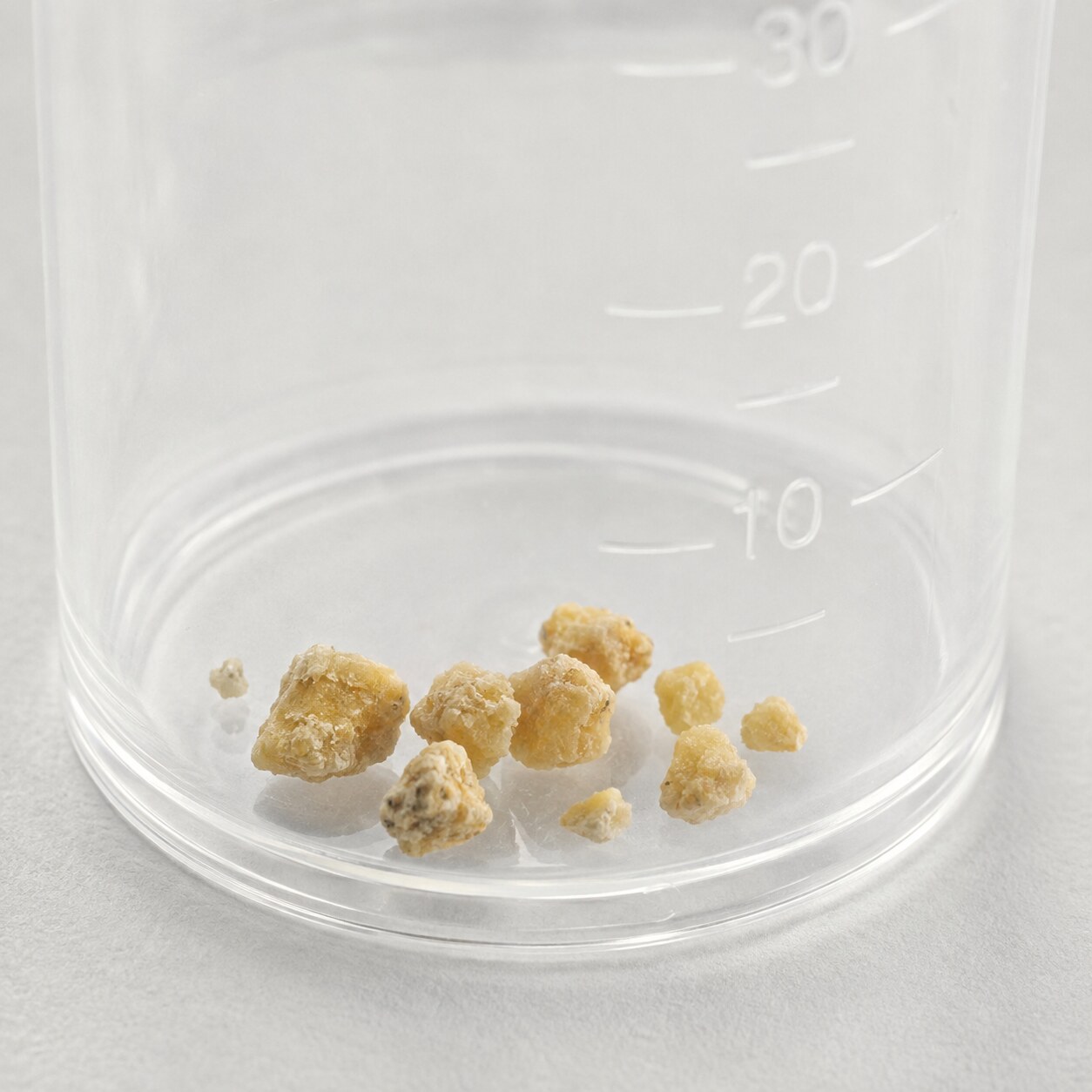
Figure 3. Uric acid can crystallize directly into kidney stones, so a stone-related workup routinely includes a uric acid blood test alongside urine studies.
Uric acid doesn't only crystallize inside joints — under the right conditions, particularly when urine is persistently too acidic, it can crystallize directly inside the kidneys or urinary tract, forming a type of kidney stone made almost entirely of uric acid rather than the more commonly discussed calcium-based stones. Someone presenting with the classic symptoms of a kidney stone — severe, cramping flank pain that often radiates toward the groin, blood in the urine, nausea — will typically have a uric acid test ordered as part of the broader stone workup, both to help identify the likely stone type and to guide prevention strategies afterward, since not every kidney stone shares the same underlying chemistry or the same prevention approach.
This reason for testing often overlaps with imaging studies (like a CT scan) and a urine collection to analyze mineral content directly. Identifying uric acid as the specific stone type genuinely changes the prevention conversation afterward, since uric acid stones respond specifically to strategies that make urine less acidic, which is a meaningfully different approach than the dietary changes recommended for calcium-based stones, underscoring why correctly identifying the stone type matters well beyond the initial diagnosis alone.
Curious what your own uric acid result and kidney panel actually mean for your specific situation? Upload your results and get a complete, plain-language breakdown in under 15 minutes.
Analyze My ResultsWhy Some Doctors Test Uric Acid Even Without a Confirmed Stone
It's worth understanding why a uric acid test sometimes gets ordered even before imaging has confirmed a kidney stone is actually present. Flank pain, the hallmark symptom of a kidney stone, can also be caused by several other conditions — muscle strain, a urinary tract infection, or in rarer cases, referred pain from an entirely different source — so a doctor evaluating this symptom often orders several tests together as part of a broader initial workup, uric acid among them, rather than waiting for imaging results before ordering any bloodwork at all.
This approach makes practical sense from a timing standpoint: imaging (typically a CT scan or ultrasound) and blood tests can usually be completed around the same visit, and having uric acid results available immediately, rather than waiting for a second round of testing after imaging confirms a stone, allows treatment planning to move faster if a stone is in fact identified. For someone with a personal or family history of uric acid stones specifically, a doctor may also lean toward including this test even for a first-time episode of flank pain, since the prior history raises the likelihood that a new stone, if present, is of the same uric acid type as before.
Reason 3: Starting or Monitoring Certain Medications
Several commonly prescribed medications are known to move uric acid levels up or down as a side effect, which means a baseline uric acid test, followed by periodic rechecks, is a routine part of safely prescribing them. Thiazide and loop diuretics, widely used for high blood pressure and fluid retention, reduce how efficiently the kidneys excrete uric acid, sometimes triggering a first-ever gout flare in someone who has never had one before, occasionally within just weeks of starting the new medication. Low-dose aspirin, taken regularly for cardiovascular protection, has a similarly well-documented effect of raising uric acid levels in some people, an effect that's generally considered a reasonable tradeoff given aspirin's separate, well-established cardiovascular benefits.
On the other end, medications specifically prescribed to treat gout or lower uric acid — allopurinol and febuxostat being the two most common — require follow-up uric acid testing precisely to confirm the medication is actually working and to guide dose adjustments over time, since the treatment goal is a specific target range, not just symptom improvement alone, and the dose that achieves that target varies meaningfully from person to person. If a new medication was started or adjusted around the same time your uric acid test was ordered, medication monitoring is very likely at least part of the reason behind it.
Reason 4: Chemotherapy Safety Monitoring — Tumor Lysis Syndrome

Figure 4. Before and during certain chemotherapy treatments, uric acid is tracked closely to catch tumor lysis syndrome, a rapid release of cellular contents that can spike uric acid dangerously fast.
In an oncology setting, uric acid testing serves a very specific, high-stakes purpose: monitoring for a condition called tumor lysis syndrome. Certain cancers, particularly fast-growing blood cancers like some leukemias and lymphomas, involve a very large number of cancer cells that can die off rapidly once chemotherapy begins working. As those cells break apart all at once, they release their internal contents — including large amounts of purines — into the bloodstream far faster than the body would ever normally need to process, causing uric acid levels to spike dramatically within hours.
This rapid spike can be dangerous on its own, since a large amount of uric acid crystallizing suddenly inside the kidneys can cause acute kidney injury, sometimes severe enough to require temporary dialysis support while the kidneys recover. Because of this well-recognized risk, patients starting treatment for certain higher-risk cancers have uric acid checked carefully before chemotherapy begins and monitored closely in the days immediately following, often alongside preventive medication specifically given to blunt this exact spike before it happens. If your uric acid test was ordered in the context of a new cancer diagnosis or the start of chemotherapy, this specific safety-monitoring purpose is almost certainly the reason.
Understanding Tumor Lysis Syndrome Risk a Little More Deeply
It's worth understanding a bit more about why tumor lysis syndrome specifically makes uric acid such a closely watched value in oncology, since the underlying mechanism is genuinely different from every other reason covered in this article. Every cell in the body contains DNA and RNA built from purine and pyrimidine building blocks, and when a cell dies through its normal, controlled process, those building blocks are broken down and cleared gradually, in small amounts, without overwhelming the kidneys. Tumor lysis syndrome disrupts this gradual process entirely: because certain fast-growing cancers involve an enormous number of abnormal cells, and because effective chemotherapy can kill a large fraction of them within a very short window, the body suddenly has to process a purine load many times larger than anything it would normally encounter.
Beyond uric acid itself, this same rapid cell breakdown releases potassium and phosphorus in similarly large amounts, which is why tumor lysis syndrome monitoring typically checks all of these values together, not uric acid in isolation. Doctors managing patients at high risk for this complication — based on the specific cancer type and how many abnormal cells are present before treatment starts — often begin preventive medication before chemotherapy even begins, specifically to keep uric acid from crystallizing in the kidneys during the vulnerable window immediately after treatment starts working. Understanding this mechanism helps explain why uric acid monitoring in this context is so much more frequent and urgent than in any of the other scenarios covered in this article — sometimes checked multiple separate times within a single day during the very highest-risk period immediately following the first dose of treatment.
Reason 5: A Broader Cardiovascular or Metabolic Risk Workup
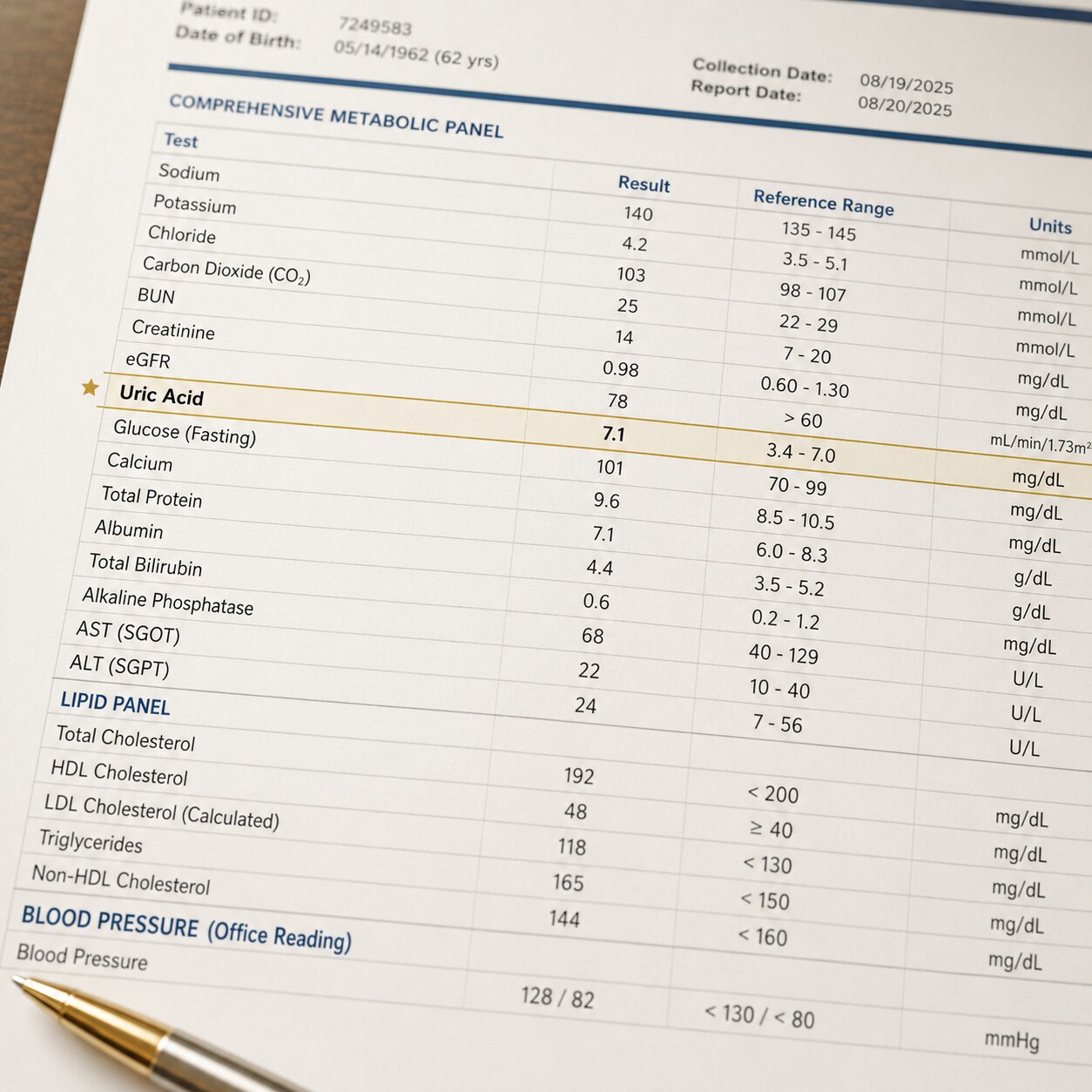
Figure 5. Research increasingly links elevated uric acid to broader cardiovascular and metabolic risk, prompting some doctors to include it in a wider workup beyond gout alone.
Beyond its role in gout and kidney stones, a growing body of research has linked elevated uric acid to a wider pattern of cardiovascular and metabolic risk, including associations with high blood pressure, insulin resistance, fatty liver, and metabolic syndrome more broadly. Some doctors, particularly those managing patients with several overlapping risk factors already — elevated blood pressure, high triglycerides, excess abdominal weight — will include a uric acid test as one more piece of that broader risk picture, even without any joint symptoms or stone history at all.
In this context, the uric acid result isn't being used to diagnose gout or stones specifically; it's contributing to a bigger-picture conversation about overall cardiovascular and metabolic health, alongside markers like fasting glucose, a lipid panel, and blood pressure readings, all considered together rather than any single value in isolation. If your uric acid test was ordered as part of a larger panel during a routine physical or a visit focused on cardiovascular risk factors, rather than in response to a specific symptom, this broader risk-assessment purpose is the most likely explanation.
Reason 6: A Family History of Gout or Kidney Stones
Both gout and uric acid kidney stones have a meaningful genetic component, and a strong family history of either condition is, on its own, a reasonable clinical reason to check a baseline uric acid level even before any symptoms have appeared. Certain inherited variations affect how efficiently the kidneys excrete uric acid, and these variations can run clearly through families, sometimes producing a pattern where multiple relatives across generations develop gout or uric acid stones at a similar, often relatively young age, well before the age when these conditions typically first appear in the general population.
If you've mentioned a parent, sibling, or grandparent with a history of gout or kidney stones during a visit, a doctor establishing a baseline uric acid level for future comparison is a reasonable, proactive step, allowing any future upward trend to be caught and addressed earlier rather than only after a first painful flare or stone episode occurs.
This kind of proactive, family-history-driven baseline testing also gives real practical value beyond the single test itself: once a starting number exists on record, any future test can be compared directly against that person's own baseline rather than only against a generic population reference range, making a meaningful upward trend easier to catch early, well before it produces a first painful episode.
What Counts as a Normal Uric Acid Result, and Why the Range Differs by Sex
Most labs report a uric acid reference range somewhere between roughly 3.5 and 7.2 milligrams per deciliter for adult men, and a somewhat lower range, roughly 2.6 to 6.0 milligrams per deciliter, for adult women — a genuine, well-documented biological difference, not a rounding artifact or inconsistency between labs. Estrogen has a measurable, well-studied effect on how efficiently the kidneys excrete uric acid, which is part of why premenopausal women tend to run consistently lower uric acid levels than men of the same age, and why that gap narrows noticeably after menopause, when estrogen's protective excretory effect gradually declines over time. This sex-specific pattern is also part of why gout, historically, has been considerably more common in men and in postmenopausal women than in premenopausal women specifically.
Understanding this reference range distinction matters when interpreting your own result, since a value that would be unremarkable for a man could represent a more meaningfully elevated finding for a premenopausal woman, and vice versa. Whatever specific reason prompted your own uric acid test, checking which reference range was actually applied to your result — and confirming it matches your own sex and life stage — is a small but genuinely useful detail worth verifying before drawing any firm conclusions from where your particular number falls relative to the printed range.
Reason 7: Routine Inclusion in a Broader Panel — the Incidental Finding

Figure 6. Uric acid is sometimes simply part of a standard annual screening panel, ordered without any specific symptom or concern prompting it at all.
Not every uric acid test is prompted by a specific symptom, medication, or concern at all — some primary care practices simply include it as a standard component of a broader annual screening panel, in the same way cholesterol or fasting glucose might be checked routinely regardless of whether any specific issue is suspected. In this scenario, the test wasn't ordered to answer any particular clinical question; it's part of a general health snapshot, and a normal result typically just confirms that this particular marker isn't currently a concern. Different clinics and different providers vary considerably in exactly which markers they include as standard in a routine panel, which is part of why the same annual visit at two entirely different practices might produce noticeably different sets of test names on the resulting report, without either particular clinical approach being incorrect in any meaningful, real sense at all.
This is worth mentioning specifically because it's a genuinely common source of confusion: someone sees an unfamiliar test name on their results and assumes it must mean their doctor suspected something specific, when in reality it may have simply been bundled into a standard panel ordered for everyone at that type of visit, with no individual concern behind it at all. If nothing prompted the visit besides a routine annual check, and no specific symptoms or medications apply from the reasons above, this routine-inclusion explanation is the most likely one.
Preparing for Your Own Appointment: Questions Worth Asking
If you're heading into an appointment where a uric acid test has already been ordered, or you're reviewing a result that's already come back, a short list of specific questions can help clarify exactly which of the reasons covered in this article applies to your own situation, rather than being left to guess. Asking directly why the test was ordered — whether it was prompted by a specific symptom, a new medication, a family history conversation, or simply included in a broader routine panel — is the single most useful starting question, since the answer immediately narrows down which of the explanations above is actually relevant.
If the result comes back elevated, it's worth asking specifically and directly whether any treatment or lifestyle change is being recommended based on this result alone, or whether the plan is simply to monitor and recheck at a future visit instead — both are legitimate approaches depending on the full clinical picture, and understanding which one applies to your situation prevents the common source of anxiety that comes from an unexplained "elevated" result sitting on a report with no further context. If gout or kidney stones are a specific concern, asking what symptoms would warrant contacting the office before the next scheduled visit gives a clear, actionable threshold to watch for, rather than an open-ended, vague sense of uncertainty about what specifically to look out for in the weeks ahead.
How the Test Itself Is Actually Performed
In the large majority of cases, a uric acid test is a simple blood draw, typically from a vein in the arm, requiring no special preparation beyond what's normally requested for routine bloodwork — though your doctor may ask you to fast beforehand if the uric acid test is being drawn alongside other markers like glucose or a lipid panel that do require fasting. The blood sample is sent to a lab, where the amount of uric acid is measured directly and reported in milligrams per deciliter.
Less commonly, particularly when kidney stones are the specific concern, a doctor may also order a 24-hour urine collection alongside the blood test. This involves collecting all urine produced over a full 24-hour period into a specific container, which allows the lab to measure not just how much uric acid is in the blood at one moment, but how much your kidneys are actually excreting over an entire day — a distinction that helps clarify whether elevated blood levels are primarily a production problem or an excretion problem, information that can meaningfully shape which specific medication class is likely to work best for a given person going forward. This kind of collection is typically done at home following clear written instructions from the lab, with the completed container returned the following day for analysis.
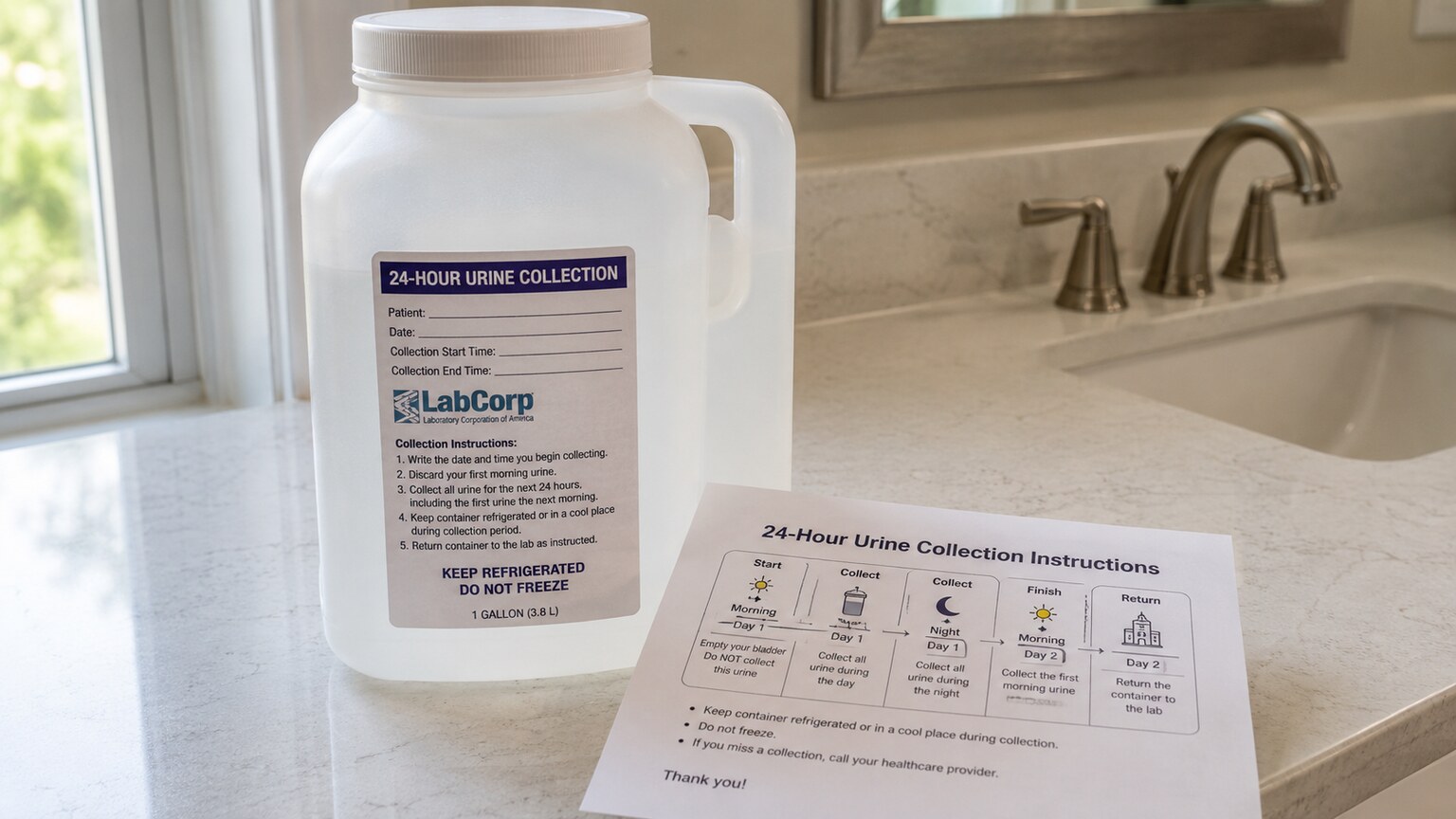
Figure 7. A 24-hour urine collection, done at home using a labeled container like this one, measures how much uric acid the kidneys actually excrete over a full day rather than a single moment.
How Diet and Alcohol Intake Interact With Whichever Reason Prompted Your Test
Regardless of which of the seven reasons above prompted your specific test, diet and alcohol intake remain relevant background factors worth understanding, since purine-rich foods and alcohol (particularly beer, which contains purines from its own brewing process on top of alcohol's separate effect on uric acid excretion) can meaningfully shift a result up in the days surrounding a test. Red meat, organ meats, certain seafood like sardines and anchovies, and high-fructose beverages are the most consistently documented dietary contributors to elevated uric acid, while dairy products and coffee have both been consistently associated with modestly lower levels in several large population studies conducted over the years.
This matters practically because a single elevated result obtained shortly after a period of unusually heavy eating or drinking doesn't necessarily reflect someone's true, typical baseline level — which is part of why a doctor interpreting a borderline or unexpectedly elevated result, for any of the reasons covered in this article, will often ask about recent diet and alcohol intake as a routine part of understanding the full picture behind the number, rather than treating one single value as the final word.
What Happens After the Test, Depending on Why It Was Ordered
What happens next after your result comes back depends heavily on which of the reasons above actually applied to your specific situation. If the test was ordered during an active gout flare, an elevated result supports starting or continuing treatment aimed at reducing inflammation and, over the following weeks, lowering uric acid to prevent future flares. If it was ordered as part of a kidney stone workup, the result gets combined with imaging and urine studies to guide both immediate stone management and longer-term prevention strategy.
If the test was ordered for medication monitoring or chemotherapy safety, the result is compared against a specific target range relevant to that particular clinical purpose, sometimes prompting a dose adjustment or additional preventive treatment. And if the test was simply part of a routine panel or broader risk assessment with no specific symptom driving it, a normal result usually just gets filed away as reassuring baseline information, while a mildly elevated result — without any symptoms at all — often prompts a conversation about diet, weight, and monitoring rather than immediate medication, since an elevated number alone, without gout or stones ever actually occurring, doesn't automatically require treatment in most cases. This last point is genuinely worth emphasizing clearly: an elevated uric acid level found purely incidentally, with no personal history of gout or kidney stones at all, is not by itself an automatic prescription for medication under most current clinical guidelines and recommendations.
Why the Same Test Serves So Many Different Purposes
It's worth stepping back to appreciate why a single, relatively simple blood test ends up ordered for so many genuinely distinct clinical reasons in the first place. Most lab tests are relatively narrow in scope — a specific hormone measures a specific gland's activity, a specific enzyme reflects a specific organ's function. Uric acid is unusual in how many different physiological systems intersect at that one number: it reflects how your cells are turning over and dying (production), how your kidneys are functioning (excretion), what you've been eating and drinking (dietary purine intake), which medications you're taking (several classes affect it directly), and increasingly, how your broader metabolic and cardiovascular systems are functioning as a whole (the emerging research connecting it to insulin resistance and blood pressure).
This breadth is exactly why the same test shows up across so many different specialties and clinical scenarios — a rheumatologist orders it for joint symptoms, a urologist orders it for stone workups, an oncologist orders it for chemotherapy safety, a primary care doctor orders it as part of routine screening or cardiovascular risk assessment, and a nephrologist orders it as part of a broader kidney function picture, and a primary care doctor may order it for any one, or several, of these same reasons combined within a single visit. Very few other single lab values quite match this particular combination of touching so many different organ systems and clinical specialties at once, which is part of why it's worth actually knowing which of these several reasons applies to your own specific test before drawing any conclusions from the number itself.
What a Genuinely High or Low Result Might Prompt Next, Beyond the Immediate Reason
Regardless of which of the seven reasons above originally prompted your test, a result that comes back meaningfully outside the normal range often opens up a slightly broader conversation than the original, narrow reason for ordering it. A significantly elevated result found incidentally during a routine panel, for instance, even without any gout symptoms or stone history, may still prompt a doctor to ask more specifically about diet, alcohol intake, family history, and current medications, since an unexpectedly high number is itself useful information worth understanding the source of, regardless of what originally triggered the test in the first place.
Similarly, a genuinely low uric acid result, while considerably less common as a clinical concern than an elevated one, can occasionally point toward a separate set of causes worth investigating — certain rare genetic conditions affecting purine metabolism, some medications, liver disease, or occasionally an underlying issue with how the kidneys are handling uric acid excretion in the opposite direction from what's typically seen in gout, sometimes prompting its own distinct round of follow-up testing entirely unrelated to the original reason the first test was ordered. In both directions, an unexpected result tends to prompt a slightly wider look at the full clinical picture, even when the test's original purpose was much narrower.
Frequently Asked Questions
Does an elevated uric acid level always mean I have gout?
No. Many people have elevated uric acid without ever developing gout or any symptoms at all. The level itself is a risk factor, not a diagnosis — gout is diagnosed based on the combination of an elevated level along with the specific symptom pattern of joint pain, swelling, and redness.
Do I need to fast before a uric acid test?
Not necessarily for the uric acid test itself, though if it's being drawn alongside other tests like glucose or a lipid panel that do require fasting, your doctor's office will typically give you specific fasting instructions covering the whole panel.
Can a normal uric acid test rule out gout during a flare?
Not completely. Uric acid can sometimes read normal even during an active gout flare, since crystal formation in the joint can temporarily pull uric acid out of the bloodstream, which is why the physical exam and symptom pattern matter alongside the number itself.
How often is uric acid rechecked once treatment starts?
For someone on gout-lowering medication, rechecks are common every few weeks to months initially, until a stable target level is reached, and then periodically afterward to confirm the level is being maintained.
Can stopping a medication lower my uric acid on its own?
Sometimes, if a medication known to raise uric acid (like certain diuretics) is contributing significantly. This should only be done in consultation with the prescribing doctor, since these medications are often prescribed for important reasons that outweigh a modest uric acid increase.
Is a uric acid test the same as a gout test?
Not exactly. There's no single standalone "gout test" — a uric acid level is one important piece of evidence used alongside the physical exam and symptom pattern, and in some cases direct examination of joint fluid, to reach a gout diagnosis.
Conclusion
A uric acid test is ordered for one of several genuinely distinct clinical reasons, from a painful gout flare to a routine part of an annual screening panel, and knowing which of those reasons applies to your own situation is what actually makes your result meaningful. Rather than treating the test name alone as a source of worry, thinking back to what was actually happening at your appointment — a joint flare, a new medication, a cancer treatment plan, a family history conversation, or simply a standard annual visit — usually points directly to the explanation, and to what your specific number is actually being used to determine, well before any deeper research into the biomarker itself becomes necessary at all.
This same principle applies to nearly any unfamiliar lab test that shows up on a report without an obvious explanation attached: the test name alone rarely tells the full story, but the clinical context surrounding why it was ordered almost always does. Approaching an unfamiliar result by first identifying that context, rather than searching the number itself for meaning in isolation, is a genuinely useful habit that extends well beyond uric acid alone to nearly every single lab value a person is likely to encounter over an entire lifetime of routine and situational medical care.
Still Not Sure What Your Results Mean?
Upload your labs and get a complete, visual, plain-language interpretation of every biomarker — delivered to your inbox in under 15 minutes.
Get My ReportThis article is for educational purposes only and does not constitute medical advice. Always consult your healthcare provider regarding your specific lab results.