Why Do Bilirubin Levels Rise During Fasting?
Yes — going without food for even a day or two can genuinely push your bilirubin level up, and it's not a lab error or a coincidence. Bilirubin is a yellow-orange pigment left over when your body breaks down old red blood cells, and your liver is normally responsible for grabbing it out of the bloodstream, chemically modifying it, and clearing it out through bile. Fasting interferes with a specific, well-documented step in that clearance process — not the breakdown of red blood cells itself, but the liver's ability to process the pigment once it arrives. The effect is usually mild and harmless in most people, causing a bump of maybe 15 to 30 percent above a person's usual baseline. But in a specific, fairly common group of people — those with an inherited condition called Gilbert's syndrome — that same fasting trigger can send bilirubin two to three times higher, sometimes enough to produce a faint yellow tint to the eyes. Understanding why this happens turns what can feel like an alarming, unexplained lab result into something completely logical once you see what your liver is actually doing behind the scenes when your stomach is empty.
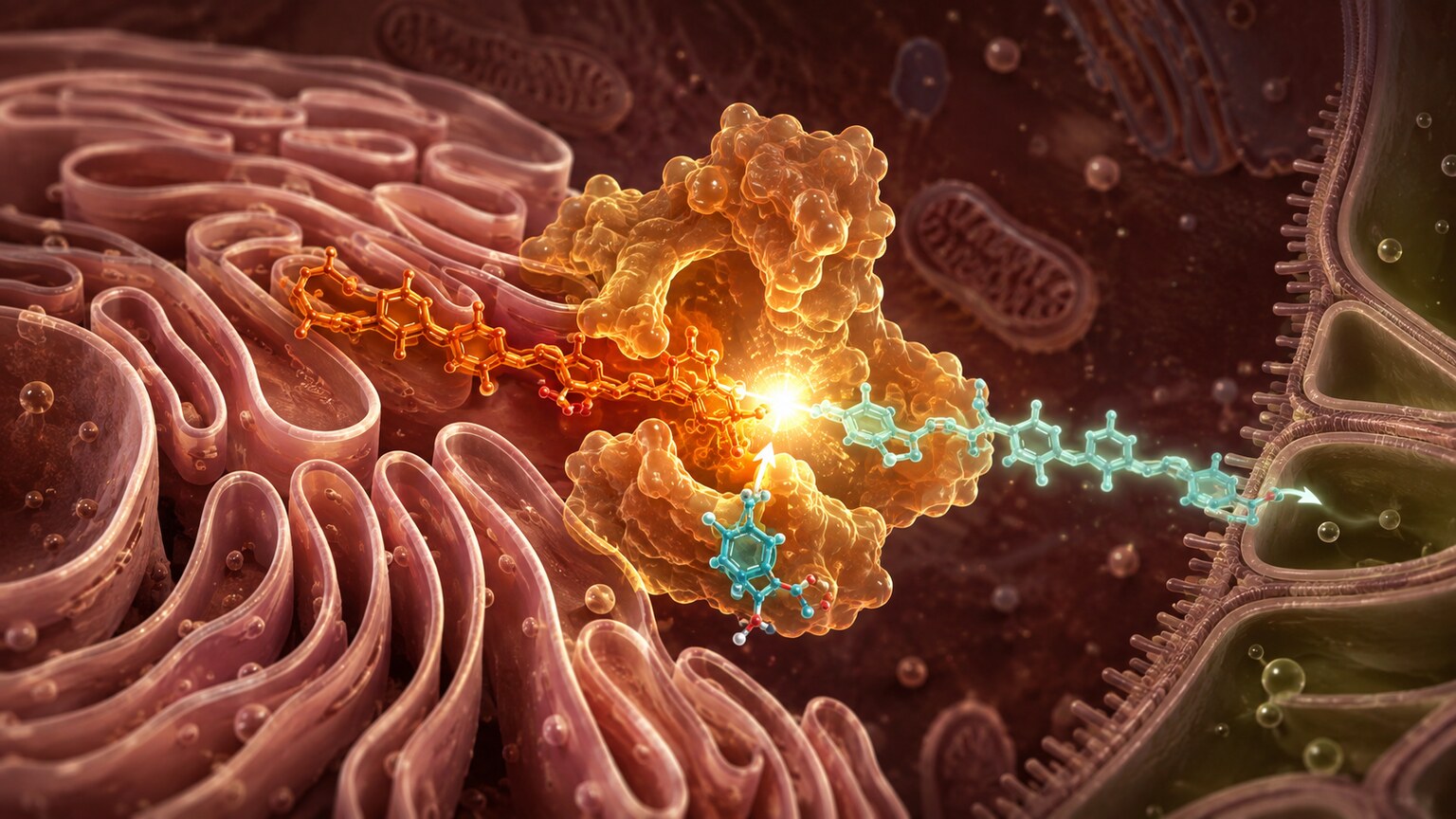
Figure 1. Inside liver cells, the enzyme UGT1A1 attaches glucuronic acid to unconjugated bilirubin, converting it into a water-soluble form the body can excrete through bile.
What Bilirubin Actually Is and Where It Comes From
Every day, your body retires roughly one percent of its red blood cells — they're only built to last about 120 days before they're broken down and recycled, mostly by the spleen. Inside each red blood cell is hemoglobin, the iron-containing protein responsible for carrying oxygen, and when a red blood cell is dismantled, hemoglobin gets broken down too. One of the byproducts of that breakdown is bilirubin, a yellow-orange pigment that, in its first form, is called unconjugated (or indirect) bilirubin. This form doesn't dissolve well in water, so it travels through your bloodstream attached to a carrier protein called albumin, headed toward the liver.
Once unconjugated bilirubin reaches the liver, liver cells pull it out of the blood and put it through a chemical modification called conjugation — attaching it to a molecule called glucuronic acid using an enzyme called UGT1A1 (short for UDP-glucuronosyltransferase 1A1). This turns it into conjugated (or direct) bilirubin, a water-soluble form the liver can then secrete into bile, which flows into the intestine and eventually leaves the body in stool — bilirubin's breakdown products are actually what give stool its typical brown color. A standard lab report showing "total bilirubin" is simply the sum of both forms, unconjugated plus conjugated, circulating in your blood at that moment. Fasting, as it turns out, specifically slows down that middle step — the conjugation happening inside liver cells — which is exactly why the effect shows up as a rise in unconjugated bilirubin rather than a change in how many red blood cells are being broken down.
It helps to think of the whole pathway as a three-stage relay rather than a single event. Stage one happens mostly in the spleen, where aging red blood cells are dismantled and hemoglobin is broken down into its component parts, releasing unconjugated bilirubin into the blood. Stage two is transport: unconjugated bilirubin, being fat-soluble and essentially insoluble in water on its own, needs to hitch a ride on albumin to move safely through the bloodstream without depositing in tissues. Stage three is the liver's job — pulling that albumin-bound bilirubin out of circulation, detaching it, conjugating it with glucuronic acid, and pushing it out into bile for elimination. Nearly every clinically meaningful cause of an abnormal bilirubin result can be traced to a slowdown at one specific stage of this relay: too much red blood cell breakdown overwhelms stage one (as in hemolysis), a bile duct blockage disrupts the final export step after stage three, and — as this article covers — fasting specifically throttles the middle of stage three, the conjugation step itself, without touching the other two stages at all. That specificity is exactly what makes fasting-related bilirubin changes so recognizable once you know to look for the pattern: only the unconjugated fraction moves, and it moves for a clear, reversible reason tied directly to when a person last ate.
The Fasting Effect — Why Skipping Meals Raises Bilirubin
The mechanism behind fasting hyperbilirubinemia, as it's called clinically, comes down to reduced activity of that UGT1A1 conjugation enzyme, along with a slowdown in how efficiently liver cells pull unconjugated bilirubin out of the bloodstream in the first place. Researchers have found that caloric restriction — not just the absence of food generally, but specifically a drop in incoming glucose — appears to directly reduce UGT1A1 enzyme activity, meaning the liver simply processes bilirubin more slowly than it would on a normal feeding schedule. At the same time, the liver's uptake of bilirubin from the blood, a separate step handled by specific transport proteins on the surface of liver cells, also becomes less efficient under fasting conditions. With less bilirubin being pulled in and less of what does get pulled in being converted to its excretable form, unconjugated bilirubin backs up in the bloodstream, and a blood test drawn during that window shows a higher-than-usual total bilirubin.
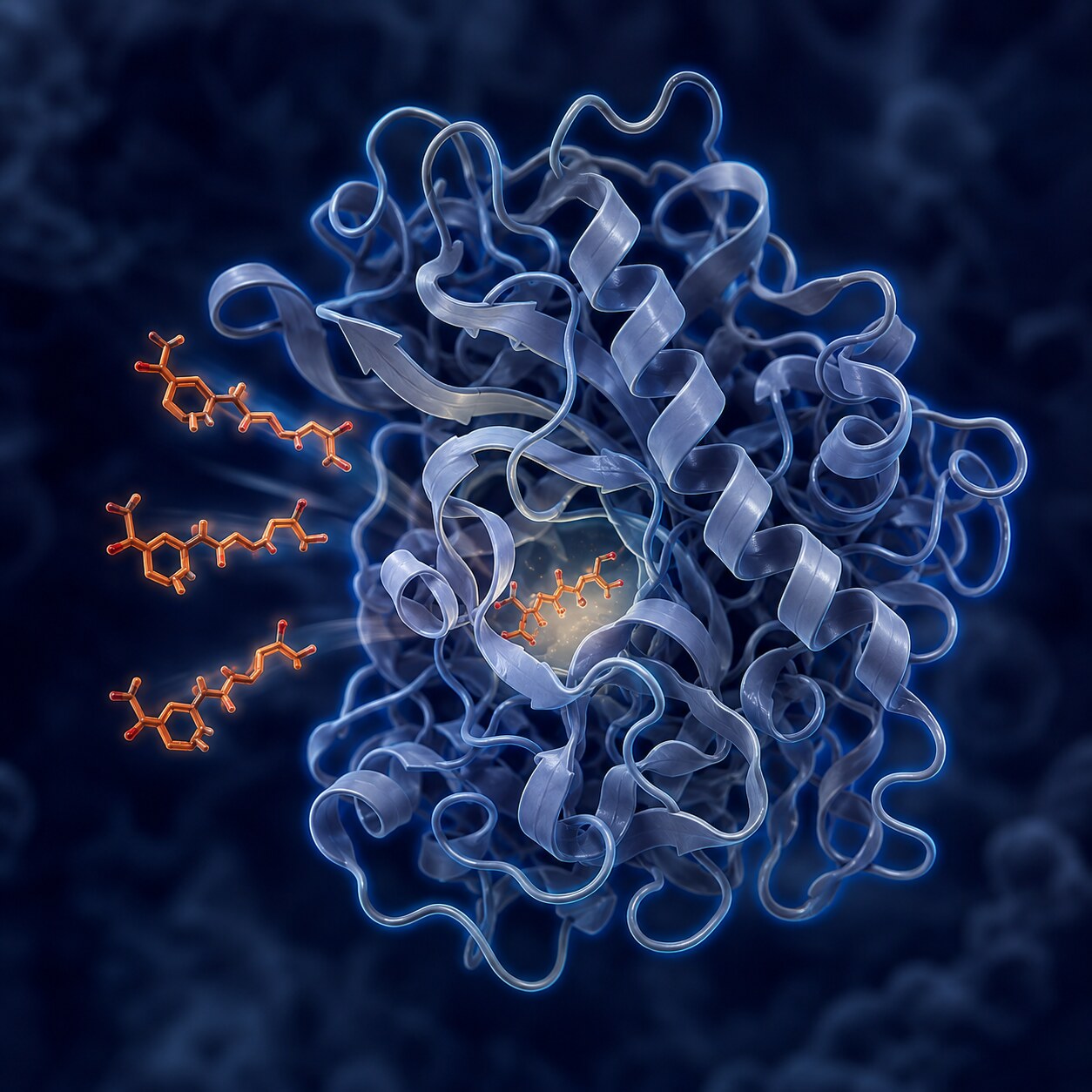
Figure 2. During fasting, reduced glucose availability lowers UGT1A1 enzyme activity, leaving more unconjugated bilirubin circulating unprocessed in the blood.
This isn't a theoretical effect — it's been demonstrated repeatedly in controlled studies, including in healthy volunteers with no liver disease at all, who show a measurable rise in bilirubin after just 24 to 48 hours of calorie restriction, with levels returning to normal within a day or two of resuming regular eating. What makes this especially relevant today is the popularity of intermittent fasting and extended fasting protocols. Someone doing a 24-hour fast, or several days of significant calorie restriction, may see their bilirubin creep upward as a completely expected physiological response, not a sign that something has gone wrong with their liver. The effect is dose-dependent in a rough sense too: the longer and more severe the caloric restriction, the larger the bilirubin rise tends to be, though the relationship isn't perfectly linear and varies a fair amount between individuals — which brings us to why some people notice this far more dramatically than others.
There's a second, smaller contributor working alongside the enzyme slowdown that's worth understanding, because it explains why the fasting effect can feel slightly different from person to person depending on body composition and fasting duration. As a prolonged fast stretches past roughly 24 to 48 hours, the body increasingly shifts toward burning stored fat for fuel, a metabolic state associated with a mild degree of oxidative stress inside cells. Some research suggests this shift can place additional, secondary strain on liver cell function beyond the direct UGT1A1 slowdown, compounding the bilirubin rise slightly further the longer a fast continues. This is a much smaller factor than the enzyme effect itself, but it's part of why very extended fasts — several days rather than one — tend to show a somewhat larger bilirubin rise than would be predicted purely from the enzyme mechanism alone, and it's another reason the effect is considered dose-dependent on both the length and depth of calorie restriction rather than a simple on/off switch.
Gilbert's Syndrome — Why Some People See a Much Bigger Spike
Roughly 3 to 10 percent of people, depending on the population studied, carry a genetic variant that reduces their baseline UGT1A1 enzyme activity even under normal, well-fed conditions — a condition called Gilbert's syndrome. It's not a disease in any meaningful sense; people with Gilbert's syndrome have completely normal liver function otherwise, no liver damage, no increased health risk, and most go their entire lives without ever knowing they have it, since their bilirubin is only mildly elevated or sits right at the upper edge of normal most of the time. The catch is that their UGT1A1 enzyme, already operating with less reserve capacity than average, is far more sensitive to anything that further reduces its activity — and fasting is one of the most reliable, well-documented triggers there is.
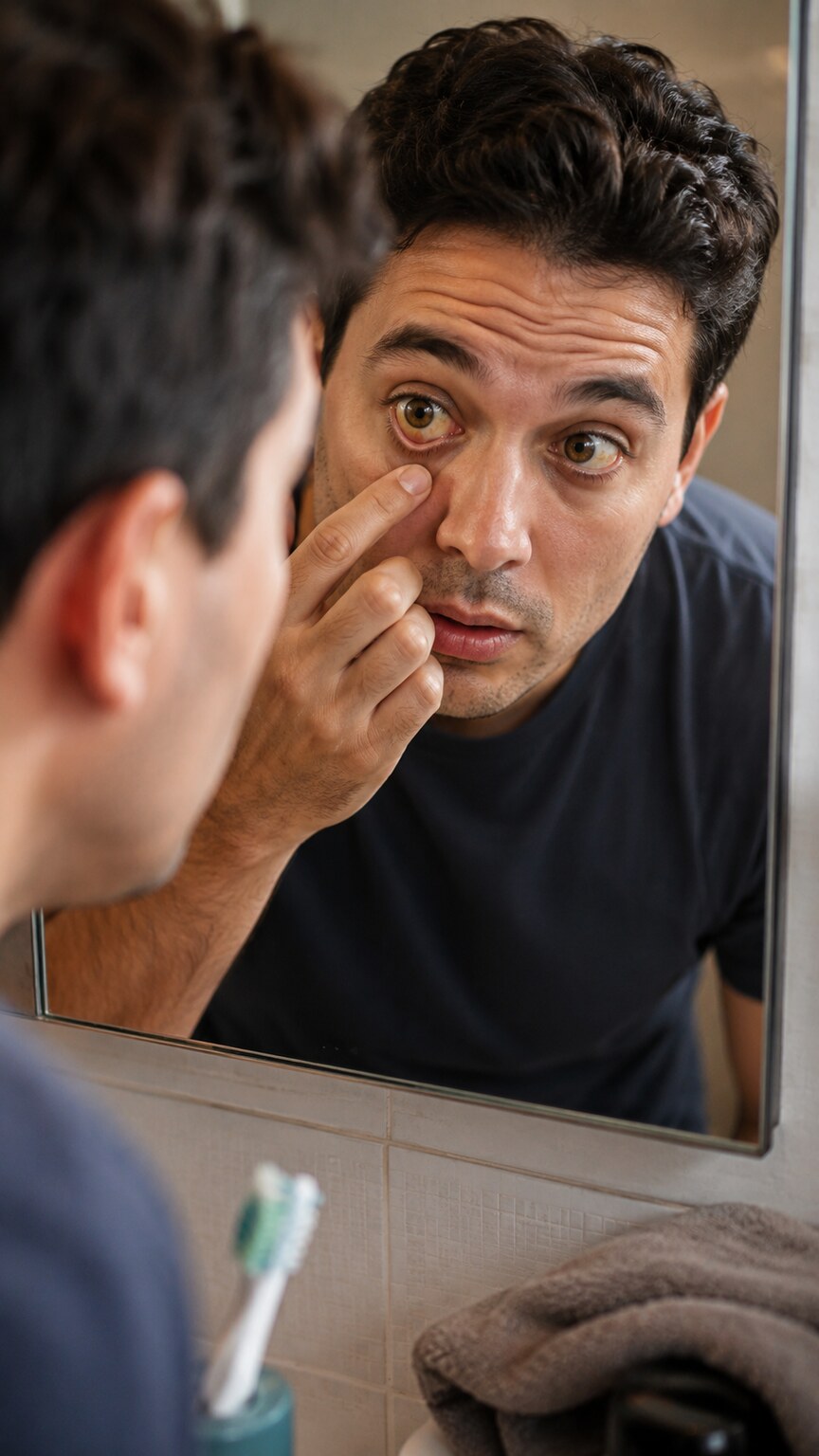
Figure 3. In people with Gilbert's syndrome, a day of fasting can push bilirubin high enough to produce a faint, temporary yellow tint to the sclera.
For someone with Gilbert's syndrome, a day of fasting — whether it's intentional, like an extended fast, or unintentional, like being too sick or too busy to eat, or simply the standard overnight fast required before certain blood tests — can push bilirubin from a barely-noticeable baseline up into a range that actually produces a visible symptom: a subtle yellowing of the whites of the eyes, known as scleral icterus, which is usually the first and sometimes the only place jaundice becomes visible before it shows up anywhere else on the skin. This can be genuinely alarming to notice for the first time, especially paired with an elevated bilirubin result on a lab report, since the instinct is to assume liver disease. In reality, this exact pattern — mild, fluctuating, isolated unconjugated hyperbilirubinemia that gets worse with fasting, illness, dehydration, or physical stress, with every other liver test completely normal — is the textbook presentation of Gilbert's syndrome, and it's considered a benign genetic variation rather than a disorder requiring treatment.
It's worth putting Gilbert's syndrome in context alongside the broader family of conditions that affect this same enzyme, since the topic can sound more concerning than the reality warrants. Further along the same spectrum of reduced UGT1A1 activity sits a much rarer, more severe condition called Crigler-Najjar syndrome, where the enzyme is either completely absent or present at only a tiny fraction of normal activity, producing persistently high bilirubin from birth that can pose a genuine risk to the developing brain if untreated. Gilbert's syndrome sits at the mild, common end of that same spectrum — same enzyme, same basic mechanism, just a much smaller reduction in activity — which is precisely why it produces nothing more than an occasional, fasting-triggered nuisance rather than the medical emergency associated with its rarer, more severe relative. Seeing where Gilbert's syndrome and Crigler-Najjar syndrome each sit along that spectrum helps explain why one requires nothing more than reassurance while the other requires lifelong medical management.
Genetically, Gilbert's syndrome most often traces back to a small variation in the promoter region of the UGT1A1 gene — the stretch of DNA that controls how much of the enzyme gets produced in the first place, rather than a change to the enzyme's actual structure. People with this variant typically produce only 60 to 70 percent of the normal amount of UGT1A1 enzyme, which is usually still enough to keep bilirubin within, or just barely above, the normal range under ordinary, well-fed conditions. The inheritance pattern means a person generally needs to carry the variant from both parents to show the full pattern of intermittent elevations, which is part of why it can seem to run in families in a somewhat unpredictable way — a parent with a mild, barely-noticed version of the trait may not realize a child has inherited a more clearly expressed version until the child's own bloodwork or a bout of jaundice during a stomach bug brings it to light. Diagnosis doesn't usually require genetic testing at all; the characteristic pattern on repeated bloodwork — normal liver enzymes, normal conjugated bilirubin, a fluctuating unconjugated bilirubin that rises with known triggers — is generally sufficient for a clinician to make the call confidently.
Curious what the rest of your liver panel is telling you? Upload your results and get a complete, plain-language breakdown in under 15 minutes.
Analyze My ResultsHow Long You Need to Fast Before It Shows Up
The timeline for fasting-related bilirubin changes is fairly well characterized. Most healthy people won't see any meaningful change from a routine overnight fast of 8 to 12 hours — the kind of fasting window used before a standard lipid panel or glucose test — since that's a normal, brief gap the liver handles without difficulty. The effect becomes measurable starting around 24 hours of significant calorie restriction, and becomes more pronounced the longer the fast continues, with studies on 48-to-72-hour fasts in healthy volunteers showing bilirubin increases in the range of 25 to 50 percent above baseline. In people with Gilbert's syndrome, the same 24-hour window can produce a much larger relative jump, since their starting enzyme capacity is already reduced, leaving far less buffer before unconjugated bilirubin visibly backs up.

Figure 4. Bilirubin changes from fasting become measurable around the 24-hour mark and grow larger the longer significant calorie restriction continues.
It's worth being specific about what actually triggers this: it's caloric restriction, not simply an empty stomach in the literal sense. Drinking water, black coffee, or tea during a fast doesn't meaningfully blunt the effect, since those contain effectively no calories or glucose for the liver to work with. On the other hand, even a small amount of glucose — some studies have used as little as 400 calories a day — is often enough to substantially reduce or prevent the bilirubin rise, which is part of why people following a very-low-calorie diet, rather than eating zero calories, can still see some version of this effect if their intake is low enough for long enough.
It can help to picture how this actually plays out for someone rather than describing the mechanism only in the abstract. Consider a person with an undiagnosed, mild case of Gilbert's syndrome who decides to try a 24-hour fast on a Saturday, drinking only water and black coffee. By Saturday evening, roughly 12 hours in, nothing feels different — this is still well within the range most people tolerate without any visible change. By Sunday morning, at the 24-hour mark, their UGT1A1 enzyme activity has meaningfully dropped, and because their baseline capacity was already reduced by the genetic variant, unconjugated bilirubin has climbed high enough that a close look in the bathroom mirror reveals a faint yellow tint to the whites of the eyes that wasn't there the day before. If this person breaks the fast with breakfast Sunday morning, that tint typically fades within 24 to 48 hours as the liver's conjugation machinery ramps back up to its normal, fed-state activity. If instead they had bloodwork scheduled for Monday morning and, out of an abundance of caution, extended their fast straight through the weekend into the blood draw, the resulting bilirubin result could come back meaningfully elevated — not because anything is wrong, but because the sample captured their liver at the exact low point of a fasting-induced dip in processing capacity. Retracing the same weekend with normal meals throughout produces a flat, unremarkable bilirubin result both times, which is exactly why the fasting context matters as much as the number itself when a result like this gets interpreted.
Is This Dangerous, or Just a Lab Curiosity?
For the overwhelming majority of people, fasting-related bilirubin elevation is exactly what it sounds like: a temporary, reversible, benign lab finding that resolves on its own once normal eating resumes, typically within 24 to 48 hours. It doesn't indicate liver damage, doesn't require treatment, and isn't associated with any long-term health consequence. The reason it's worth understanding rather than dismissing outright is really about interpretation — an isolated bilirubin elevation found on labs drawn after a period of fasting (intentional or not, including simply being sick and not eating much for a day or two) can be mistakenly treated as a red flag for liver disease if the fasting context isn't taken into account, sometimes prompting unnecessary additional testing or worry.
The features that reliably distinguish this benign, fasting-driven pattern from something that needs real medical attention are fairly consistent: the elevation is mild to moderate rather than dramatic, it's almost entirely unconjugated (indirect) bilirubin rather than conjugated (direct) bilirubin, every other liver test — including ALT, AST, alkaline phosphatase, and albumin — comes back completely normal, and the level returns to baseline once eating resumes normally. If a bilirubin elevation instead comes with a significant rise in conjugated bilirubin, abnormal liver enzymes, dark urine, pale stools, abdominal pain, or persistent jaundice that doesn't track with eating patterns, that combination points toward something else entirely — a real liver or bile duct problem — and deserves a proper medical workup rather than being chalked up to fasting.
Clinicians sometimes make deliberate use of this same fasting response as a diagnostic tool rather than treating it purely as a nuisance to control for. A supervised 24-to-48-hour fasting test, performed under monitoring, is one recognized way to help confirm a suspected diagnosis of Gilbert's syndrome when the everyday pattern isn't clear-cut: bilirubin is measured before the fast begins and again at the end, and a rise clearly exceeding what would be expected in someone without the enzyme variant supports the diagnosis. This test isn't needed for most people, since the everyday pattern of fluctuating, mild, unconjugated hyperbilirubinemia is usually recognizable enough on its own, but it illustrates just how consistent and reproducible this mechanism is — reliable enough that doctors can deliberately trigger it under controlled conditions to answer a specific diagnostic question.
Fasting Before a Blood Draw — Why Timing Matters for Accurate Results
This mechanism has a genuinely practical implication for anyone getting routine bloodwork done. Many standard panels — lipid panels, glucose tests, and comprehensive metabolic panels among them — require an overnight fast, typically 8 to 12 hours, and a liver panel including bilirubin is very often drawn as part of that same comprehensive blood draw. If someone extends that fast much longer than requested, whether out of habit, anxiety about the test, or simple scheduling, they risk showing up with a bilirubin result that's higher than their true resting baseline, purely as an artifact of how long they went without eating rather than anything happening in their liver.
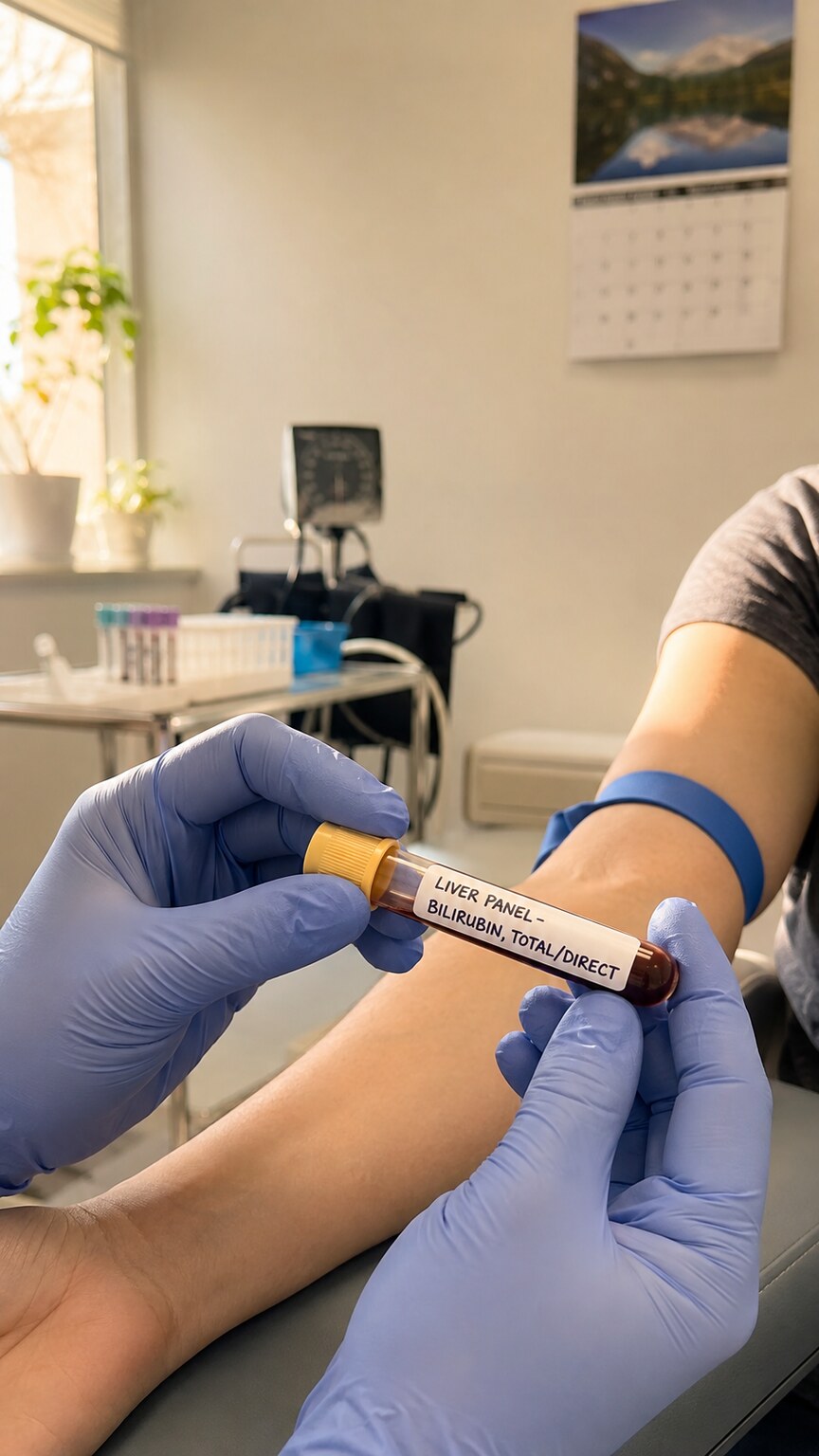
Figure 5. Standard fasting requirements for a liver panel are typically 8 to 12 hours — extending that fast much further can artificially raise a bilirubin result.
This is exactly why following the specific fasting instructions given for a blood draw matters more than simply "fasting longer to be safe." An 8-to-12-hour overnight fast is deliberately calibrated to be long enough to give an accurate glucose and lipid reading without being long enough to meaningfully affect bilirubin, and going well past that window — skipping a second meal, fasting for 24 hours out of an abundance of caution — introduces exactly the kind of variable a lab result is supposed to avoid. It's also worth mentioning this history to whoever orders the test if a bilirubin result comes back mildly elevated and unexpected: a simple note that the fast ran longer than instructed, or that the draw happened during a multi-day fast or a bout of illness with reduced appetite, can save a round of unnecessary repeat testing by explaining the number on its own.
Other Situations That Compound the Fasting Effect
Fasting rarely operates in isolation, and several other common stressors amplify the same underlying mechanism rather than acting through a completely separate pathway. Dehydration, which frequently accompanies extended fasting, reduces blood plasma volume, which can concentrate bilirubin and other blood constituents into a smaller volume of fluid, nudging the measured concentration higher independent of anything happening with the liver's processing capacity. Any acute illness that suppresses appetite — a stomach virus, a bad cold, post-surgical recovery — effectively imposes an unplanned fast on top of whatever the illness itself is doing to the body, and if that illness also involves fever or systemic inflammation, both of those independently can further reduce UGT1A1 activity, stacking on top of the caloric-restriction effect. Intense endurance exercise performed in a fasted state, such as a long run completed on an empty stomach, has similarly been shown to raise bilirubin, likely combining fasting's effect on the liver with an exercise-related increase in red blood cell turnover.
Because several of these triggers so often overlap in real life — someone who's sick usually isn't eating well and may also be somewhat dehydrated, and someone doing a long fasted training run has typically skipped a meal beforehand too — a bilirubin result drawn during any one of these overlapping situations can look more dramatic than fasting alone would produce, without any single factor being solely responsible. This is one more reason a clinician reviewing an unexpected bilirubin elevation will typically ask about the whole picture around the blood draw — recent meals, hydration, illness, and exercise — rather than treating the number as meaningful in isolation from the circumstances that produced it.
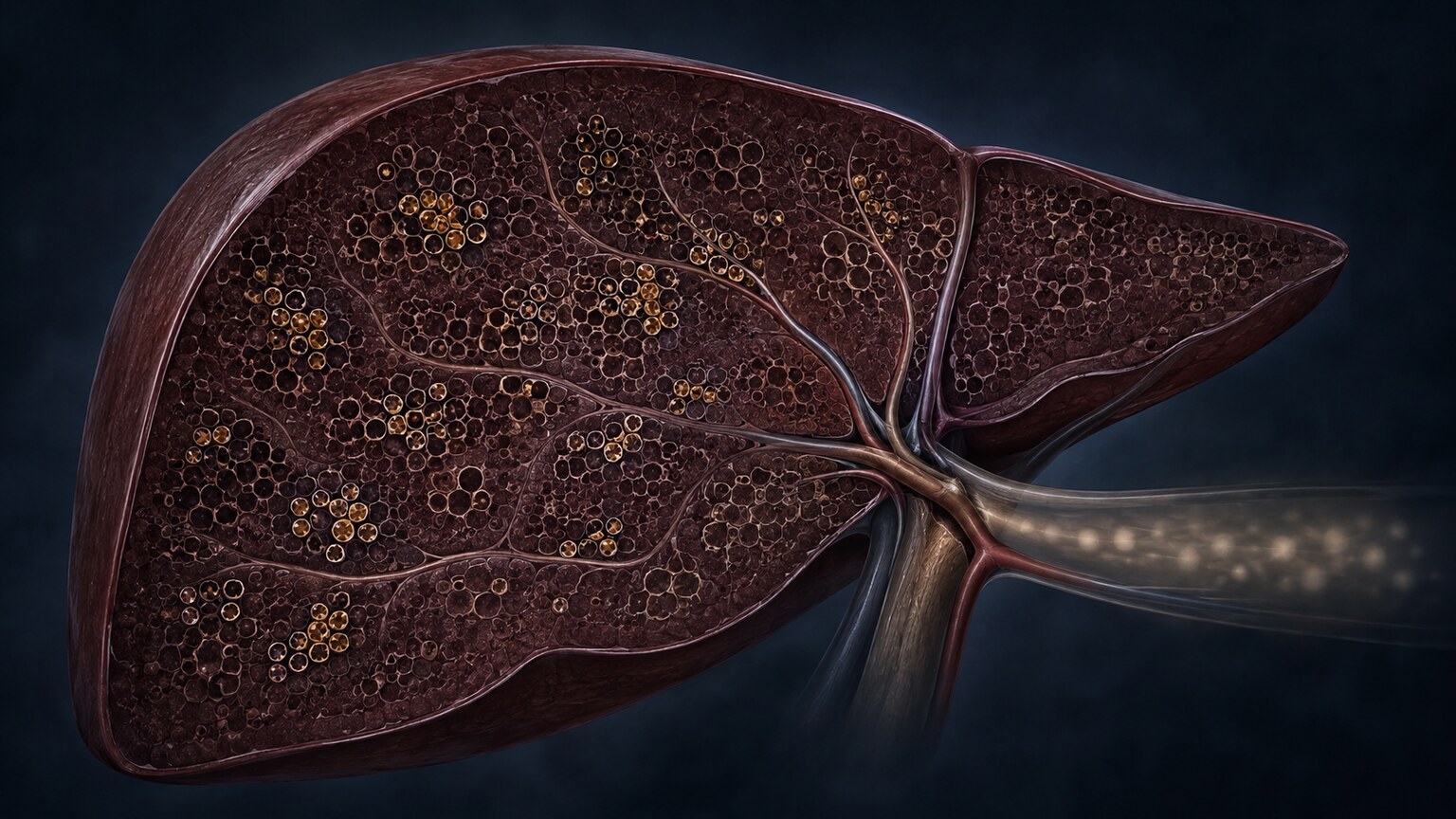
Figure 6. As fasting continues, the liver's glycogen reserves become depleted, and reduced glucose availability is part of what slows the enzyme responsible for clearing bilirubin.
Newborns are a special case worth a brief mention, since fasting-related bilirubin changes are actually one contributor to the well-known phenomenon of newborn jaundice. A newborn's UGT1A1 enzyme system is still immature at birth and takes days to weeks to reach full adult activity, and if early breastfeeding isn't yet well established, the resulting reduced caloric intake compounds that immaturity, which is one of several reasons pediatricians pay close attention to feeding frequency in the first days of life, alongside monitoring bilirubin directly.
Certain medications and supplements can also interact with this same pathway, either by directly competing with bilirubin for the UGT1A1 enzyme's attention or by independently affecting how efficiently the liver processes it. Some protease inhibitors used in HIV treatment, for instance, are well documented to raise unconjugated bilirubin through exactly this kind of enzyme competition, and the effect tends to be more pronounced in people who also happen to carry the Gilbert's syndrome variant, since their enzyme system has less spare capacity to begin with. This isn't a reason for alarm if it comes up, but it's a useful detail to mention to a prescribing provider if a new medication coincides with a bilirubin change that otherwise doesn't fit a simple fasting explanation, since sorting out which factor is actually responsible changes how the result should be interpreted going forward.
When to Talk to a Doctor About It
Most fasting-related bilirubin bumps don't need any medical follow-up beyond simply resuming normal eating and, if it's easy to do, rechecking the level a few days later to confirm it settles back down. That said, a few situations warrant an actual conversation with a healthcare provider rather than assuming fasting explains everything. Persistent jaundice that doesn't resolve within a few days of eating normally again is one; visible yellowing of the skin, not just the eyes, is another, since that generally reflects a higher and more sustained elevation than the fasting mechanism alone typically produces. Dark, tea-colored urine or unusually pale, clay-colored stools point toward a problem with conjugated bilirubin and bile flow rather than the benign unconjugated pattern fasting produces, and should always be evaluated. Abdominal pain, especially in the upper right side where the liver and gallbladder sit, fever, or any abnormal result on the other liver enzymes tested alongside bilirubin are all reasons to treat the finding as something more than a fasting artifact until proven otherwise.
A useful way to think about the decision is in terms of what a provider actually needs to know. Bringing a simple timeline — when the fast started, how long it lasted, when the blood was drawn relative to it, and what symptoms, if any, appeared — turns a vague "my bilirubin was high" into something a clinician can evaluate efficiently, often without needing to reorder the same panel from scratch. If a repeat test under normal eating conditions confirms the level has returned to baseline, that alone is usually enough to close the loop, with no further imaging or specialist referral needed. It's really only when the elevation persists despite normal eating, or comes with the conjugated-bilirubin and symptom pattern described above, that the conversation shifts from confirming a fasting artifact to investigating what else might be going on.
What You Can Do If You Notice This Pattern
If bloodwork has shown a mildly elevated bilirubin and fasting seems like the likely explanation, the most useful next step is usually simple: eat a normal meal, wait a day or two, and get it rechecked under normal, well-fed conditions to see whether the number settles back into range. If it does, and every other liver test was normal both times, that's strong supporting evidence for a benign, fasting-related pattern, possibly pointing toward an underlying Gilbert's syndrome that's worth knowing about mainly so future unexpected bilirubin bumps don't cause unnecessary alarm. Keeping that repeat result, along with a brief note of what triggered the first one, is a small habit that pays off later — the next time a bilirubin number looks unexpectedly high, having a documented precedent showing it resolved cleanly with normal eating makes the whole conversation with a provider faster and less anxious.
For anyone who knows they have Gilbert's syndrome, or suspects it based on a recurring pattern of mild bilirubin spikes tied to fasting, illness, or intense exercise, the most practical takeaway is reassurance paired with a few habits: staying reasonably well-fed and hydrated before any planned blood draw rather than fasting longer than instructed, eating something light and easy on the stomach during illness even when appetite is low, and mentioning the pattern to a healthcare provider once so it's documented in the chart — that way, a future elevated bilirubin result gets read in its proper context immediately, rather than triggering a fresh round of investigation every time it happens.
For anyone attempting a longer intentional fast — whether for religious observance, a medically supervised weight-management protocol, or personal experimentation with extended fasting — it's worth setting a rough expectation in advance rather than being caught off guard by a lab result drawn mid-fast. If bloodwork happens to be scheduled during or shortly after a multi-day fast, mentioning that timing to whoever orders or reviews the labs allows an elevated bilirubin to be read correctly the first time, rather than treated as an unexplained abnormality that triggers repeat draws or additional imaging. Staying adequately hydrated during any extended fast also matters beyond general wellbeing, since dehydration's concentrating effect on the blood compounds the enzyme-driven rise described earlier, meaning two people fasting for the identical length of time can show meaningfully different bilirubin results depending on how well they kept up with water intake alongside the fast itself.
None of this is meant to discourage fasting as a practice for people who find it genuinely useful, whether for metabolic, religious, or personal reasons — the goal here is simply accurate interpretation. A bilirubin number is only as informative as the context it's read in, and fasting is one of the clearest, best-understood examples of context changing what an otherwise identical number actually means.
Frequently Asked Questions
How much can bilirubin rise from fasting alone?
In healthy people without Gilbert's syndrome, a 24-to-48-hour fast typically raises bilirubin by roughly 15 to 50 percent above baseline. In people with Gilbert's syndrome, the same fasting window can push levels two to three times higher, since their baseline enzyme capacity for clearing bilirubin is already reduced.
Does the standard overnight fast before routine bloodwork affect bilirubin?
Usually not meaningfully. The 8-to-12-hour fast requested before most panels is short enough that it rarely produces a measurable bilirubin change in people without Gilbert's syndrome. The effect becomes more relevant with fasts extending past 24 hours, which is why sticking to the requested fasting window matters more than fasting longer out of caution.
Is Gilbert's syndrome something I need to treat?
No. Gilbert's syndrome is considered a benign genetic variation, not a disease, and doesn't require treatment or lead to liver damage. The main practical value in knowing about it is context — understanding why bilirubin might spike during fasting, illness, or intense exercise so an unexpected result doesn't prompt unnecessary alarm or repeat testing.
How can I tell if a high bilirubin result is from fasting or something more serious?
Fasting-related elevations are typically mild, almost entirely unconjugated (indirect) bilirubin, paired with completely normal ALT, AST, and other liver tests, and they resolve within a day or two of eating normally again. Dark urine, pale stools, abdominal pain, a significant rise in conjugated (direct) bilirubin, or abnormal liver enzymes point toward something that needs proper medical evaluation rather than a fasting explanation.
Should I stop intermittent fasting if I notice a bilirubin bump?
Not necessarily. A mild, temporary bilirubin rise that fits the fasting-related pattern described here — unconjugated, modest, resolving once eating resumes, with normal liver enzymes — is generally considered a harmless physiological response rather than a reason to change an intermittent fasting practice. It's still worth mentioning to a healthcare provider once, especially if it's a new finding, so it can be documented and distinguished from anything that would actually warrant adjusting the approach.
Conclusion
A bilirubin result that comes back higher than expected after a period of fasting isn't automatically a sign that something is wrong with your liver — in most cases, it's your liver's bilirubin-clearing machinery genuinely slowing down in direct response to reduced calorie and glucose intake, a well-documented and completely reversible effect that resolves once normal eating resumes. For the roughly one in ten people carrying the Gilbert's syndrome variant, that same fasting trigger can produce a more dramatic, sometimes visibly noticeable spike, but even then, it reflects a harmless genetic variation rather than active liver disease. What matters most is context: an isolated, mild, unconjugated bilirubin elevation that tracks cleanly with a recent fast, alongside otherwise normal liver tests, is a very different finding from one accompanied by abnormal liver enzymes, dark urine, or physical symptoms — and knowing the difference is exactly what turns a confusing lab number into something genuinely understandable.
Still Not Sure What Your Results Mean?
Upload your labs and get a complete, visual, plain-language interpretation of every biomarker — delivered to your inbox in under 15 minutes.
Get My ReportThis article is for educational purposes only and does not constitute medical advice. Always consult your healthcare provider regarding your specific lab results.