
Understanding the Difference Between ALT and AST
If your lab report lists both ALT and AST under a "liver panel" or "liver function tests," it's natural to wonder why your doctor needs two numbers to check one organ. The short answer is that ALT (alanine aminotransferase) and AST (aspartate aminotransferase) are both enzymes made inside liver cells, but they are not interchangeable, and they don't always rise together for the same reason. ALT lives almost exclusively in the liver, which makes it a fairly specific signal of liver cell injury. AST is found in the liver too, but also in heart muscle, skeletal muscle, kidneys, brain tissue, and red blood cells, which makes it a much broader alarm that can go off for reasons that have nothing to do with your liver at all. Understanding how these two enzymes differ — where they're made, how long they stick around in your blood, and what it means when one is higher than the other — is the key to actually understanding what your results are telling you, rather than just seeing two unfamiliar abbreviations and a slightly-too-high number next to them.
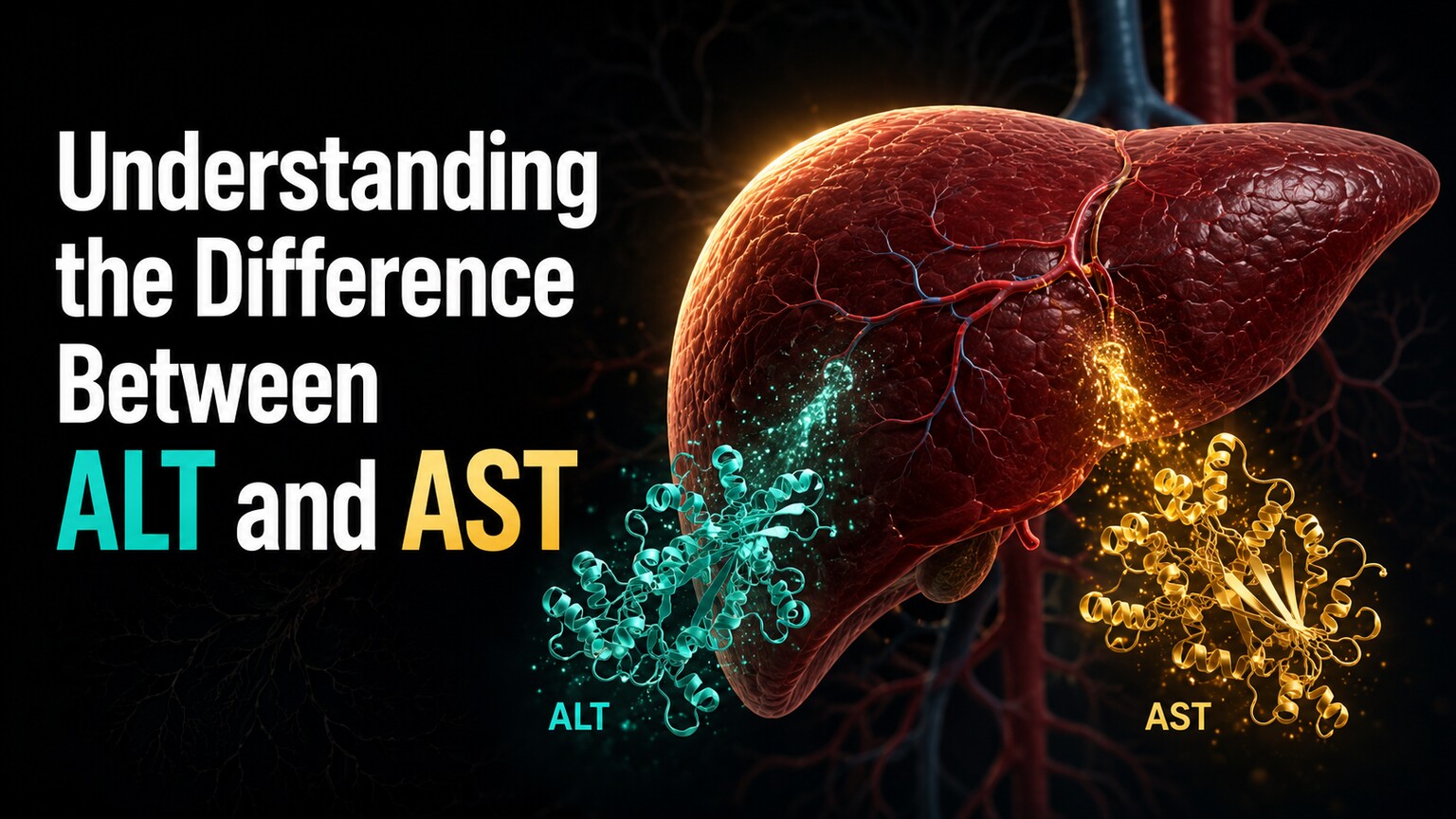
Figure 1. When a liver cell (hepatocyte) is injured, its membrane becomes leaky, spilling ALT and AST from the cytoplasm into the bloodstream.
What ALT and AST Actually Are
Both ALT and AST belong to a family of enzymes called aminotransferases, sometimes still called by their older name, transaminases (which is why you may see "SGPT" and "SGOT" on an older-style lab report — SGPT is an outdated synonym for ALT, and SGOT is an outdated synonym for AST). An enzyme, in plain terms, is a specialized protein that speeds up a specific chemical reaction inside a cell without being consumed by it, the way a factory machine performs the same task over and over. ALT and AST both perform the same basic type of job: they help transfer a chemical group called an amino group from one molecule to another, a step that's part of how your body breaks down amino acids — the building blocks of protein — and funnels the leftover carbon skeletons into energy production. This is a routine, constant, background metabolic task, not something your liver does only when something goes wrong. Under normal, healthy conditions, small amounts of ALT and AST are always present in your blood, because a small number of liver cells (and other cells that also contain these enzymes) are naturally turning over and releasing their contents in the ordinary course of cellular life. The reference ranges labs use — commonly somewhere around 7 to 56 U/L for ALT and 8 to 48 U/L for AST, though the exact cutoffs vary by laboratory and testing method — represent that normal background level, not zero.
The critical difference between the two enzymes isn't what they do chemically — it's where they're located in the body and where inside the cell they sit. ALT is found almost entirely in the cytoplasm of liver cells, the fluid-filled interior of the cell outside the nucleus and other specialized compartments. Very little ALT exists anywhere else in meaningful quantities, which is exactly why it's considered a liver-specific marker: when ALT rises, the leading explanation is almost always that liver cells are being damaged or stressed. AST tells a more complicated story. It exists in two separate pools within the cell — one in the cytoplasm, like ALT, and a second, larger pool inside the mitochondria, the cell's energy-producing structures — and it's distributed across a much wider range of tissues: the liver, yes, but also cardiac muscle, skeletal muscle, kidneys, the brain, the pancreas, and red blood cells. That single fact — AST's presence outside the liver — is the reason the two tests are ordered together and interpreted as a pair rather than as two versions of the same number.
Curious what the rest of your liver panel is telling you — bilirubin, alkaline phosphatase, albumin, and the rest? Upload your results and get a complete, plain-language breakdown in under 15 minutes.
Analyze My ResultsWhy Doctors Order Both Instead of Just One

Figure 2. A standard liver panel draws a single blood sample but reports ALT and AST as two separate values, because each responds differently to different kinds of tissue injury.
If a lab only ran ALT, a normal result would be reassuring evidence against liver injury, but an abnormal AST-driven condition — a heart attack, a muscle injury, a hemolytic process breaking down red blood cells — could easily be missed entirely, since ALT wouldn't budge. Conversely, if a lab only ran AST, an elevated result would be ambiguous: is this the liver, the heart, a muscle you strained at the gym, or something else? By running both simultaneously, a clinician gets two pieces of overlapping but distinct information from the same blood draw, which allows them to triangulate the likely source of the abnormality rather than guessing from a single number in isolation. This is part of why ALT and AST are almost always ordered together as part of a standard liver panel, sometimes called a hepatic function panel or included within a broader comprehensive metabolic panel, rather than as standalone individual tests. The pairing itself is diagnostic information — the pattern between the two numbers often matters more than either number by itself.
It's also worth understanding what these tests are not. Despite being grouped under "liver function tests," ALT and AST don't actually measure how well your liver is functioning — they measure how much cell damage or leakage is currently happening. A liver can be functioning reasonably well in terms of its actual jobs (filtering toxins, producing bile, making clotting factors, regulating blood sugar) while still showing elevated ALT and AST because individual liver cells are under stress or dying off faster than normal. Conversely, in some forms of severe, long-standing liver disease — particularly advanced cirrhosis, where much of the functioning liver tissue has already been replaced by scar tissue — ALT and AST can actually look normal or only mildly elevated, not because the liver is healthy, but because there are simply fewer living liver cells left to leak enzyme in the first place. This is a genuinely counterintuitive point that trips a lot of people up: "normal" ALT and AST are reassuring in an otherwise healthy liver, but they are not a guarantee that the liver's actual functional capacity is fine, especially in someone with known chronic liver disease. Other tests — albumin, bilirubin, and INR (a measure of blood clotting) — are the ones that more directly reflect what the liver is actually accomplishing, which is why a full liver panel typically includes those alongside ALT and AST rather than relying on the enzymes alone.
What Makes ALT More "Liver-Specific" Than AST
The liver-specificity of ALT comes down to basic tissue biology. Research measuring enzyme concentrations across different organs has consistently found that ALT activity in liver tissue is dramatically higher than ALT activity anywhere else in the body, while meaningful amounts of ALT in muscle, kidney, or heart tissue are comparatively minimal. AST, by contrast, is present at clinically significant concentrations in the heart, skeletal muscle, kidneys, and liver all at once, with the liver holding only a fraction of the body's total AST activity rather than a near-monopoly on it the way it does with ALT. This means that when you strain a muscle lifting something heavy, run a marathon, or experience even routine intense exercise, it's common and expected for AST to rise temporarily — sometimes into a range that would look concerning on paper — purely from muscle tissue turnover, with no liver involvement whatsoever. ALT is far more resistant to this kind of "false alarm" from muscle activity, because there simply isn't much ALT in muscle tissue to release in the first place.
This asymmetry has a very practical clinical consequence: an isolated AST elevation, with ALT staying normal, should always prompt a clinician to think beyond the liver before assuming liver disease. Common non-liver causes of an isolated AST elevation include recent vigorous exercise, an injection into muscle tissue, a recent seizure, muscle disease (including some inherited muscular disorders), and cardiac events like a heart attack, since damaged heart muscle releases AST into the bloodstream just as damaged liver tissue does. A doctor faced with an unexplained isolated AST elevation will often ask about recent exercise, review symptoms suggestive of a cardiac or muscular cause, and sometimes order a companion test called creatine kinase (CK), which is far more specific to muscle tissue than AST is, to help sort out whether a high AST is coming from muscle rather than liver.
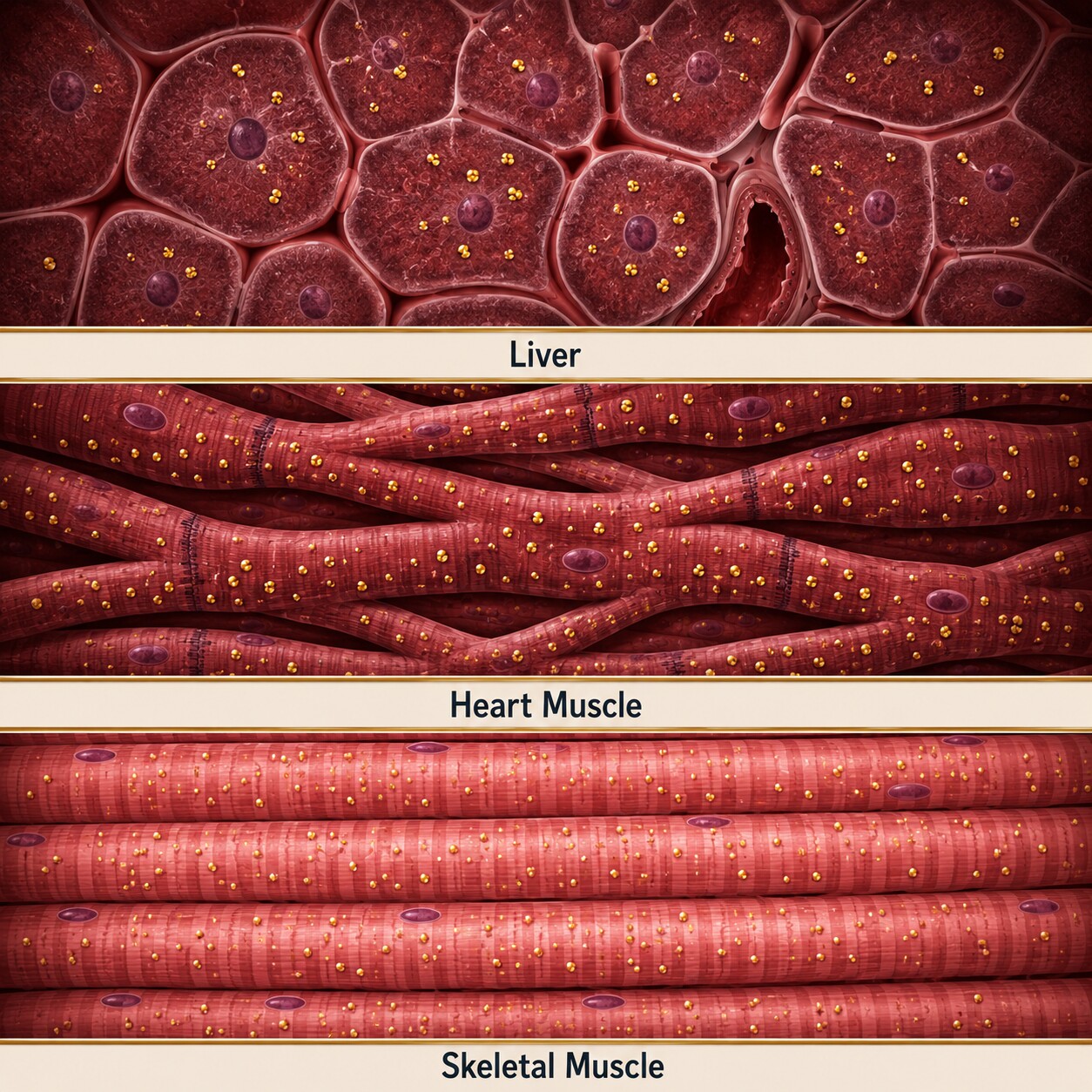
Figure 3. AST is distributed across the liver, heart muscle, skeletal muscle, kidneys, and red blood cells, while ALT is concentrated almost entirely in the liver.
This is also why cardiologists, before troponin became the dominant blood test for detecting heart attacks, used to rely partly on AST as one of several markers of cardiac injury — a practice that's now considered outdated because troponin is far more specific to heart muscle, but it illustrates just how broadly AST is expressed outside the liver. A person recovering from a recent heart attack, an intense athletic event, or a muscle-crush injury can show an AST result that looks alarming next to the ALT number on the same page, and without the ALT comparison, there would be no easy way to tell from the AST value alone whether the liver was even involved.
What It Means When One Enzyme Is Higher Than the Other
Because ALT and AST behave differently depending on the type and cause of liver injury, the relationship between the two numbers — not just whether either one is elevated — carries real diagnostic weight. Clinicians sometimes calculate what's informally called the AST/ALT ratio, dividing the AST value by the ALT value, to help narrow down the likely cause of liver enzyme elevation. This isn't a rigid, mechanical rule that applies in every single case, but as a general pattern supported by clinical research, it tends to hold up well enough to be genuinely useful.
In most forms of viral hepatitis and in non-alcoholic fatty liver disease, ALT tends to rise more than AST, producing a ratio below 1 — in other words, ALT is the higher of the two numbers. This makes intuitive sense once you understand the underlying biology: these conditions primarily damage the cytoplasm of liver cells through relatively gradual, ongoing injury, and since ALT lives almost exclusively in that cytoplasmic compartment, it's released in comparatively larger amounts relative to AST. Alcohol-related liver injury tends to produce the opposite pattern. Heavy, sustained alcohol use is well documented to depress ALT production specifically, because ALT's enzymatic activity depends on adequate levels of vitamin B6 (pyridoxal-5-phosphate), and chronic alcohol use is strongly associated with vitamin B6 deficiency, which blunts how much ALT the liver can produce and release even during active injury. At the same time, alcohol preferentially damages the mitochondria inside liver cells — the compartment that holds the larger share of the cell's AST — which pushes AST higher than it otherwise would be. The combined effect is a ratio of AST to ALT that's often greater than 2, and clinicians treat a ratio in that range, especially alongside a relevant drinking history, as suggestive of alcohol-related liver disease rather than viral or fatty liver causes.

Figure 4. Comparing the AST value against the ALT value on the same report — not either number alone — is what allows the AST/ALT ratio to help narrow down a likely cause.
This ratio has a specific enough clinical reputation that it's sometimes called the De Ritis ratio, named after the researcher who first described its diagnostic pattern. It's not used as a standalone diagnosis on its own — a doctor won't diagnose alcoholic liver disease from a ratio alone without a supporting clinical picture — but it's a genuinely useful piece of the puzzle that helps guide which follow-up questions and tests come next. A very high ratio, particularly above 4, combined with a rapid, severe presentation, can also raise suspicion for less common causes like Wilson's disease, a rare inherited disorder of copper metabolism, or certain cases of acute alcoholic hepatitis, which is why an unusually extreme ratio is treated as a signal worth investigating further rather than dismissed as a lab quirk.
How Long ALT and AST Take to Rise and Fall
Another meaningful difference between the two enzymes is how long they persist in the bloodstream once released, referred to as their half-life — the time it takes for half of a given amount of the enzyme to be cleared from circulation. AST has a notably shorter half-life, generally cited at somewhere around 17 hours, while ALT lingers considerably longer, with a half-life closer to 47 hours. In practical terms, this means that after a single, acute injury to the liver — say, from a medication overdose, a brief episode of reduced blood flow to the liver, or a short bout of binge drinking — AST tends to rise and then fall back toward normal more quickly than ALT does. If a doctor is tracking enzyme levels over several days after an acute liver injury, it's expected and unremarkable to see AST beginning to normalize while ALT is still elevated, simply because ALT clears out of the blood more slowly, not because the liver is getting worse. Interpreting a repeat panel without accounting for this difference in clearance rate can lead to unnecessary alarm over a pattern that's actually a normal part of recovery.
This timing difference is also part of why single blood draws don't tell the whole story, and why clinicians often prefer to trend ALT and AST over multiple tests rather than react to one isolated result. A single mildly elevated AST could reflect an old injury that's already resolving, an ongoing process that's just getting started, or simple day-to-day biological variation — the same person's ALT and AST can genuinely fluctuate by a meaningful percentage from one week to the next even with nothing wrong, influenced by factors as mundane as recent exercise, hydration status, or what was eaten in the days before the draw. A rising trend across two or three tests spaced weeks apart carries far more diagnostic weight than any single number viewed alone.
Common Everyday Causes of Mild ALT and AST Elevation
Most people who see a mildly elevated ALT or AST on a routine panel do not have a serious liver disease, and it's worth walking through the more common, less alarming explanations before jumping to worst-case scenarios. Non-alcoholic fatty liver disease — now increasingly referred to in medical literature as metabolic dysfunction-associated steatotic liver disease, or MASLD — is one of the most common causes of mildly elevated liver enzymes in the general population, closely tied to excess body weight, insulin resistance, and type 2 diabetes, and it often produces no symptoms at all until enzymes are checked incidentally during an unrelated visit. Certain medications, including some very common over-the-counter and prescription drugs, are well documented to cause mild, usually reversible elevations in ALT and AST as a side effect of how the liver metabolizes them — this includes some cholesterol medications (statins), certain antibiotics, and, notably, high or repeated doses of acetaminophen (Tylenol), which is one of the most well-studied causes of drug-induced liver enzyme elevation.
Recent, vigorous physical exertion is another frequently overlooked cause, disproportionately affecting AST for the reasons already discussed above. Viral infections beyond the classic hepatitis viruses — including relatively common illnesses like mononucleosis (Epstein-Barr virus) and cytomegalovirus — can also cause a temporary bump in liver enzymes as part of a broader immune response, even when the liver itself isn't the primary target of the infection. And a small percentage of people simply run on the higher end of what's still considered a statistically normal range, without any of the above explanations applying at all, since reference ranges are built from population averages and always include some healthy individuals sitting near the upper edge.
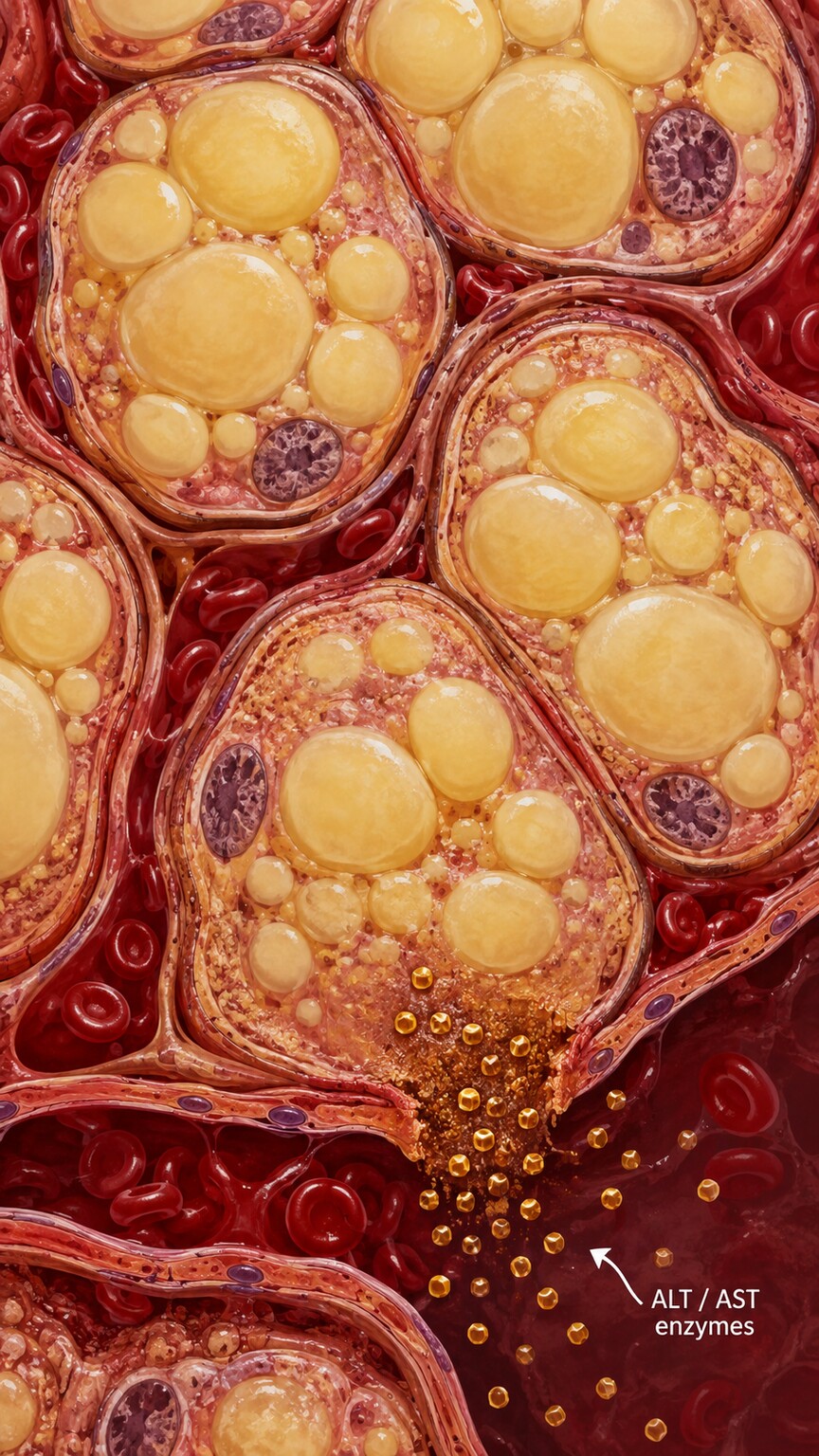
Figure 5. Fat accumulating inside liver cells, as seen in fatty liver disease, is one of the most common everyday causes of a mildly elevated ALT.
Because so many of these causes are common, mild, and reversible, most guidelines don't recommend panicking over a single mildly elevated ALT or AST — generally defined as up to roughly two to three times the upper limit of normal. What matters more is context: how high the numbers are, whether they've been elevated before, whether other liver tests (bilirubin, alkaline phosphatase, albumin) are also abnormal, and whether there are any accompanying symptoms like fatigue, abdominal discomfort in the upper right side, unusual bruising, or yellowing of the skin or eyes (jaundice). A mild, isolated elevation with none of those red flags is often simply monitored with a repeat test in a few weeks rather than triggering an immediate cascade of further testing.
When ALT and AST Are Dramatically High
The picture changes considerably when ALT and/or AST are elevated not mildly, but dramatically — commonly defined in clinical literature as more than ten to twenty times the upper limit of normal, sometimes described informally as being "in the thousands." This magnitude of elevation points toward a much narrower and more urgent set of causes: acute viral hepatitis (particularly hepatitis A or B in their acute phase), acetaminophen overdose (which remains one of the leading causes of acute liver failure in the United States), ischemic hepatitis (a sudden, severe drop in blood flow to the liver, sometimes called "shock liver," often occurring in the setting of a major cardiac event or severe blood pressure drop), or acute bile duct obstruction. In these scenarios, the sheer scale of cell death happening throughout the liver releases enzyme in quantities that dwarf what's seen in the slower, more chronic conditions described above.
Extremely high, rapidly rising ALT and AST — especially when accompanied by signs of impaired liver function like a prolonged INR (indicating impaired blood clotting) or altered mental status — is treated as a medical emergency requiring immediate evaluation, because it can signal acute liver failure, a life-threatening condition in which the liver rapidly loses its ability to perform its essential functions. This is a genuinely different clinical situation from the mild, chronic elevations discussed earlier, and it's part of why the specific numeric value matters, not just whether a result is flagged as "high" on the page — a result at 60 U/L and a result at 3,000 U/L are both technically abnormal, but they represent entirely different levels of urgency and entirely different sets of likely causes.
How the Blood Test Itself Actually Works
The mechanics behind an ALT/AST test are simple, even though the biology behind interpreting the result is not. A phlebotomist draws a single tube of venous blood, usually from a vein in the inner elbow, and that same tube is often enough to run ALT, AST, and several other liver and metabolic markers at once, since a hospital or reference lab's chemistry analyzer measures each enzyme's activity from the same serum sample rather than requiring separate draws. Unlike some other common lab tests, fasting is generally not required specifically for ALT and AST, although a doctor may still ask you to fast if the same blood draw is also checking cholesterol or glucose, which are more sensitive to recent food intake. There's no special preparation beyond what your doctor tells you for the rest of the panel, and the results are typically available within a day, sometimes within hours if the lab is on-site.
What the analyzer is actually measuring is not the enzyme protein itself directly, but the enzyme's catalytic activity — how quickly it converts a standardized chemical substrate in a test tube over a fixed period of time, reported in units per liter (U/L). This is why reference ranges can vary slightly between labs and hospital systems: different analyzers and slightly different substrate chemistries produce marginally different normal ranges, which is part of why it's more useful to compare your results against the specific reference range printed on your own report rather than a single number you might read somewhere else. It's also why tracking your results over time at the same lab, when possible, produces a cleaner trend line than comparing results drawn at two different facilities that each calibrate their equipment slightly differently.
Other Conditions That Can Raise ALT and AST
Beyond fatty liver disease, medications, and viral hepatitis, a handful of less common but clinically important conditions can also elevate ALT and AST, and doctors keep them in mind especially when the more common causes have been ruled out. Autoimmune hepatitis is a condition in which the immune system mistakenly attacks the liver's own cells, producing an inflammatory injury pattern that can look similar to viral hepatitis on a standard panel but requires a different diagnostic workup, including specific antibody blood tests and sometimes a liver biopsy, to confirm. Celiac disease, an autoimmune reaction to gluten that primarily affects the small intestine, is a surprisingly common but frequently overlooked cause of unexplained mild ALT elevation — some studies have found that a meaningful percentage of people with previously unexplained elevated liver enzymes turn out to have undiagnosed celiac disease, and their enzymes normalize once a strict gluten-free diet is adopted.
Thyroid dysfunction, both an underactive thyroid (hypothyroidism) and an overactive one (hyperthyroidism), has also been associated with mild elevations in liver enzymes, likely related to how thyroid hormone influences overall metabolic rate and liver blood flow. Wilson's disease, mentioned briefly earlier in the context of an extreme AST/ALT ratio, is a rare inherited condition in which the body fails to properly excrete copper, allowing it to accumulate to toxic levels in the liver and, eventually, the brain; it's rare, but it's specifically screened for in younger patients presenting with unexplained liver enzyme elevation because early treatment can prevent irreversible damage. Alpha-1 antitrypsin deficiency, another inherited condition, can cause both liver and lung disease and is another item on the differential diagnosis list for enzyme elevation that doesn't fit the more common patterns. None of these conditions are the most likely explanation for a typical mildly elevated result, but they're part of why doctors sometimes order a broader panel of follow-up tests rather than assuming fatty liver disease or medication effect by default, particularly in younger patients, people without the usual metabolic risk factors, or cases where the initial, more common explanations have already been reasonably excluded.
What Happens After an Abnormal Result
When ALT or AST comes back outside the reference range, the next steps a doctor takes depend heavily on how high the number is, whether it's isolated or accompanied by other abnormal liver tests, and what's already known about the person's health history. For a mild, isolated elevation with no concerning symptoms, a very common and entirely appropriate first step is simply to repeat the test in four to eight weeks, since a meaningful portion of mild elevations turn out to be transient — related to a recent illness, a bout of exercise, or normal biological fluctuation — and resolve on their own without any intervention. If the repeat test confirms a persistent elevation, or if the initial result was higher or came with other abnormal findings, the workup typically broadens: a review of alcohol intake and every medication and supplement being taken, an abdominal ultrasound to look directly at the liver's structure and check for fat, blockages, or masses, and blood tests for viral hepatitis, autoimmune markers, and some of the less common causes described above.
In some cases, particularly when the cause remains unclear after noninvasive testing or when there's a specific concern about the extent of liver damage, a liver biopsy — a small tissue sample taken with a thin needle, usually under local anesthesia and often guided by ultrasound — may be recommended to examine the liver tissue directly under a microscope. This is a more invasive step and isn't needed for the majority of people with mildly elevated enzymes, but it remains the most direct way to assess the specific pattern and severity of liver injury when blood tests and imaging alone don't provide a clear enough answer. Throughout this process, ALT and AST continue to serve as the numbers doctors return to again and again — not because they explain everything on their own, but because they're the most sensitive, most readily available early indicator that something in the liver deserves a closer look, and tracking how they move over the course of an evaluation is often what tells a clinician whether a suspected cause is confirmed, whether a treatment is working, or whether the search needs to continue in a different direction.
Frequently Asked Questions
Can ALT be high while AST stays normal?
Yes, and it's actually a fairly common and often reassuring pattern. Because ALT is concentrated almost entirely in the liver while AST is spread across several organs, an isolated ALT elevation with a normal AST tends to point specifically toward the liver as the source, most commonly from causes like fatty liver disease, certain medications, or early viral hepatitis, rather than from muscle, heart, or another organ.
Is a high AST always a sign of liver disease?
No. Because AST is also present in heart muscle, skeletal muscle, kidneys, and red blood cells, an isolated high AST with a normal ALT often has nothing to do with the liver at all — recent intense exercise, a muscle injury, or a cardiac event can all raise AST on their own. Doctors typically look at the ALT value alongside AST, and sometimes order additional tests like creatine kinase, to figure out which tissue is actually the source.
Does a high AST/ALT ratio always mean I have alcohol-related liver disease?
Not by itself. A ratio above 2 (AST higher than ALT by that margin) is a pattern commonly associated with alcohol-related liver injury, and doctors do take it seriously as a clue, but it's interpreted alongside your drinking history, symptoms, and other liver tests rather than used as a standalone diagnosis. The same elevated ratio can occasionally appear with other, rarer conditions, which is why further evaluation usually follows rather than an assumption based on the ratio alone.
How high do ALT and AST need to be before I should worry?
Mild elevations — roughly one to three times the upper limit of normal — are common and are frequently caused by reversible factors like fatty liver, medications, or recent exercise, and are often simply rechecked in a few weeks. Elevations of ten times normal or more, especially if they're rising quickly or come with symptoms like jaundice, dark urine, or confusion, warrant prompt medical evaluation, since that magnitude points toward more urgent causes like acute hepatitis, medication toxicity, or a sudden drop in blood flow to the liver.

Figure 6. Because ALT and AST clear from the blood at different speeds, comparing results across multiple visits reveals more than any single test taken alone.
Do Normal Ranges Differ by Age or Sex?
Reference ranges for ALT and AST are not perfectly uniform across every person, and understanding that variation can prevent unnecessary worry over a result that's actually normal for you. Men, on average, tend to run slightly higher baseline ALT and AST values than women, which some research attributes to differences in average muscle mass and body composition rather than any difference in liver health itself, and many labs publish separate male and female reference ranges to account for this. Children, especially infants and toddlers, often have modestly higher upper limits of normal than adults, reflecting the faster tissue turnover and different metabolic demands of a growing body — a pediatric ALT or AST result has to be read against pediatric-specific reference ranges, not the adult cutoffs printed on a general lab requisition. Body weight also plays a role at a population level: because fatty liver disease is so closely tied to excess weight and insulin resistance, average ALT values have crept upward across the general population over recent decades as obesity rates have risen, which is part of an ongoing conversation in hepatology about whether the traditional upper limits of normal are set appropriately or need to be revised downward to catch fatty liver disease earlier. None of this changes how the tests work individually, but it's a useful reminder that the single reference range printed on your report is a population estimate, and your doctor may weigh a borderline result differently depending on your age, sex, body composition, and overall health context.
Conclusion
ALT and AST are often introduced to patients as a matching pair, but they're better understood as two related instruments that each measure something slightly different. ALT's near-exclusive presence in liver cells makes it the more specific of the two markers for liver injury on its own, while AST's presence throughout the heart, muscles, kidneys, and blood cells makes it a broader, less specific signal that requires context — usually ALT itself — to interpret correctly. The relationship between the two, expressed as the AST/ALT ratio, and the pace at which each one rises and falls over repeated testing, together carry more diagnostic information than either enzyme could provide in isolation. If your own results show one of these enzymes elevated and not the other, or a ratio that seems unusual, that's exactly the kind of pattern worth discussing with a healthcare provider who can weigh it against your symptoms, your medication list, your alcohol use, and the rest of your lab panel — rather than trying to interpret two unfamiliar letters and a number entirely on your own.
Still Not Sure What Your Results Mean?
Upload your labs and get a complete, visual, plain-language interpretation of every biomarker — delivered to your inbox in under 15 minutes.
Get My ReportThis article is for educational purposes only and does not constitute medical advice. Always consult your healthcare provider regarding your specific lab results.