
What's the Connection Between Liver Enzymes and Muscle Damage?
Here is something almost nobody tells you before a blood test: two of the numbers on a "liver panel" are not only about your liver. They are called AST and ALT, and doctors do use them to check the liver — but the exact same substances also sit inside your muscles. So if you did a hard workout, lifted something heavy, took a bad fall, had surgery, or take certain common medicines, your muscles can leak these substances into your blood and make your "liver" numbers look high, even when your liver is perfectly fine. This trips people up all the time. They get a result that says "liver enzymes elevated," they panic, they cut out alcohol and start reading about liver disease — and the real answer was that they went to the gym two days before the blood draw. This article explains, in very plain language, how the same test can point at two totally different body parts, how a doctor figures out which one is the real cause, and what to do if your numbers went up and you think your muscles might be the reason.
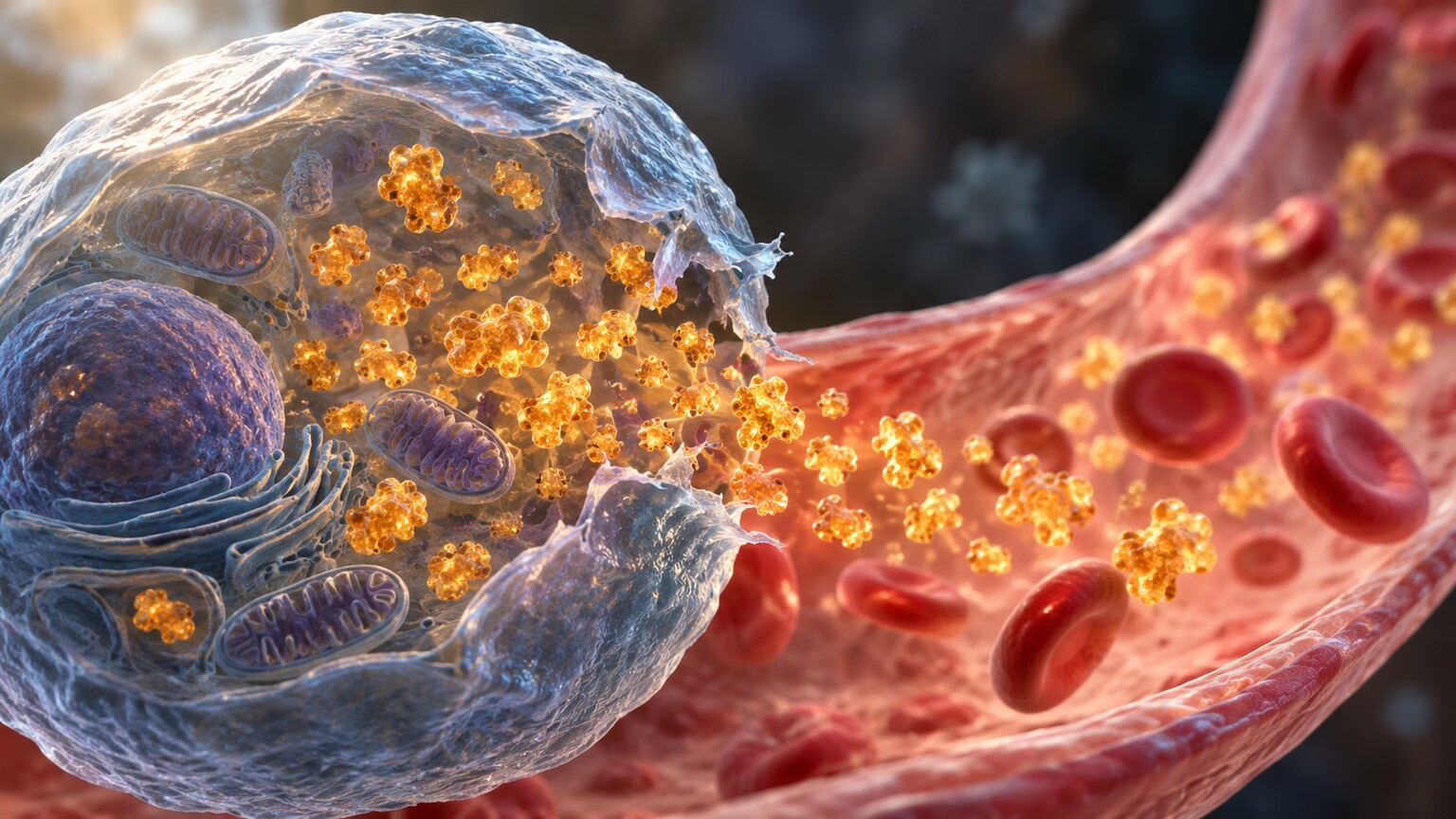
Figure 1. Enzymes normally do their work inside a cell; when the cell's outer wall breaks, they leak into the blood, where a blood test can count them.
First, What Is a "Liver Enzyme," Really?
Let's start from zero, because the word "enzyme" scares people and it shouldn't.
Every cell in your body is like a tiny factory. Inside that factory are lots of little workers that each do one small job — cut this, join that, move this thing over there. Those workers are called enzymes. They are just proteins with a task. They are supposed to stay inside the cell and do their job there. You are not supposed to have many of them floating loose in your blood.
Now, what happens when a cell gets hurt or dies? Its outer wall — think of it like the skin of a grape — breaks open. And when it breaks, the workers that were inside spill out into the bloodstream. A blood test can then scoop up a sample of your blood and count how many of those workers are in it. If the count is high, it usually means a bunch of cells somewhere have been leaking or breaking recently.
So a "liver enzyme test" is really just this: a count of certain worker-proteins in your blood that are supposed to be locked inside cells. When the count goes up, some cells have been getting damaged. The whole question — the entire point of this article — is which cells.
The two enzymes that get called "liver enzymes" most often are:
- ALT (short for alanine aminotransferase). Say it "A-L-T." Most of the ALT in your body really does live in the liver, so a high ALT points fairly strongly at the liver.
- AST (short for aspartate aminotransferase). Say it "A-S-T." Here is the catch: AST is not mostly in the liver. There is a lot of AST in your liver, yes — but there is also a lot of it in your skeletal muscles (the muscles you move on purpose, like your legs and arms), in your heart muscle, and smaller amounts in your kidneys, your brain, and your red blood cells.
That one fact — AST is shared between the liver and the muscles — is where almost all the confusion comes from. When your AST is high, it could be your liver talking, or it could be your muscles talking, and the number alone can't tell you which.
Why the Same Enzyme Lives in Two Different Places
People often ask: why would the body put a "liver" enzyme in the muscles? The answer is that it was never a liver enzyme to begin with. AST and ALT are enzymes that help cells turn food into energy. Both the liver and the muscles do a huge amount of energy work — the liver because it's the body's main chemistry lab, the muscles because moving your body burns fuel all day long. So both tissues are packed with these energy-handling enzymes. We only call them "liver enzymes" because, historically, doctors used them mainly to watch the liver.
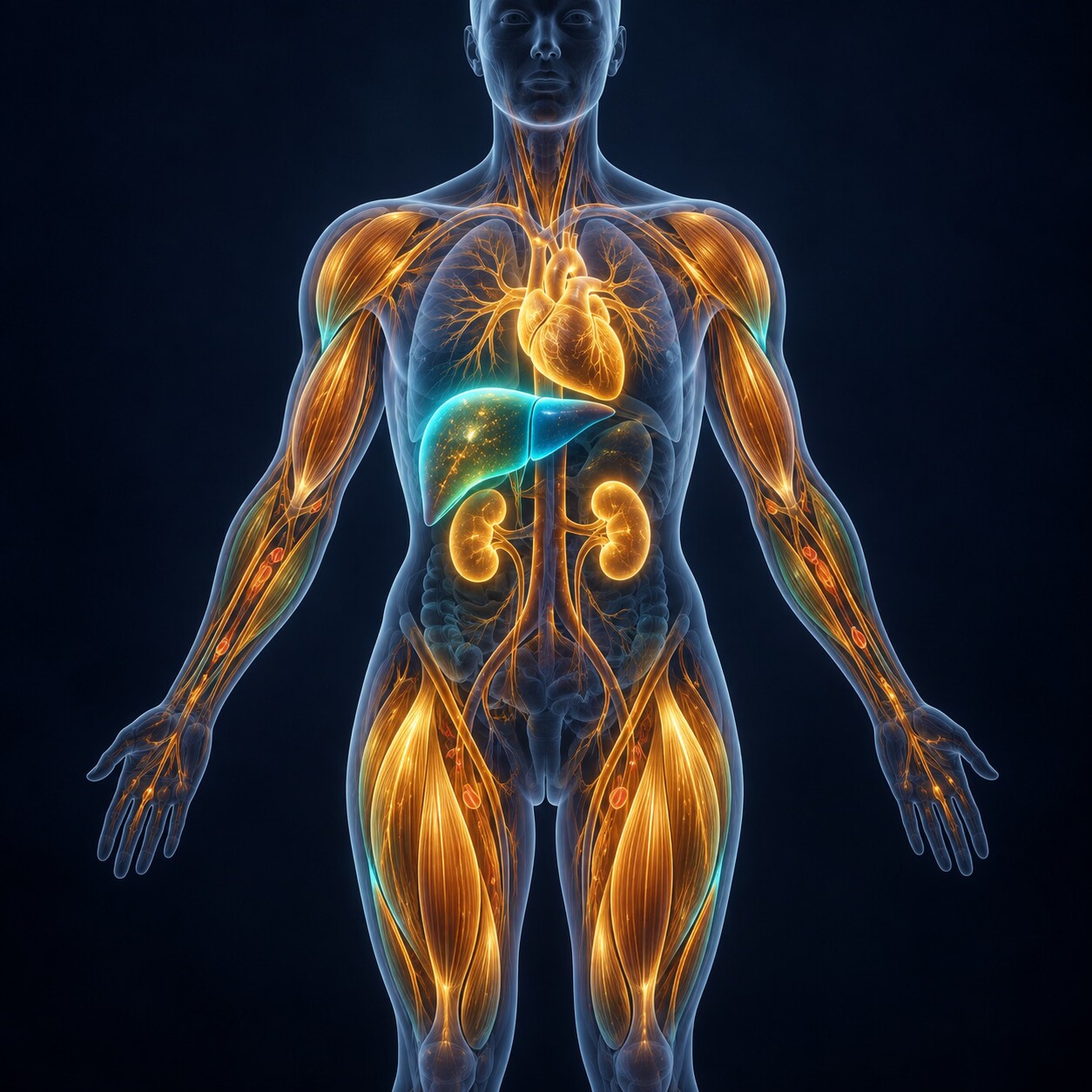
Figure 2. ALT is found mostly in the liver, so a high ALT points fairly clearly at the liver. AST is spread across the liver, skeletal muscle, heart muscle, kidneys, and red blood cells, so a high AST has several possible sources.
Think of it like a smoke alarm. ALT is like a smoke alarm mounted only in the kitchen — if it goes off, you have a pretty good idea where to look. AST is like a smoke alarm wired to the whole house at once — when it goes off, something is burning somewhere, but you still have to walk around and check each room. The kitchen (the liver) is one possibility. So is the garage (your leg muscles). So is the bedroom (your heart).
ALT is in muscle too, by the way — it's just a much smaller amount. So a big muscle injury can nudge ALT up a little. But the effect on ALT is small, while the effect on AST can be large. That difference in size is a clue the doctor will use, and we'll come back to it.
Because AST is spread across so many tissues, doctors almost never look at it alone. They look at AST next to ALT, and next to other tests, and next to what's going on in your life. A single AST number floating by itself doesn't mean much.
The Everyday Cause: You Worked Out
This is, by a wide margin, the most common reason a healthy person gets a surprise "high liver enzymes" result. Exercise — especially exercise your body isn't used to — causes tiny tears in your muscle fibers. This is normal. It's part of how muscles get stronger. It's also why you feel sore a day or two after a tough session; that soreness has a name, "delayed onset muscle soreness," or DOMS.
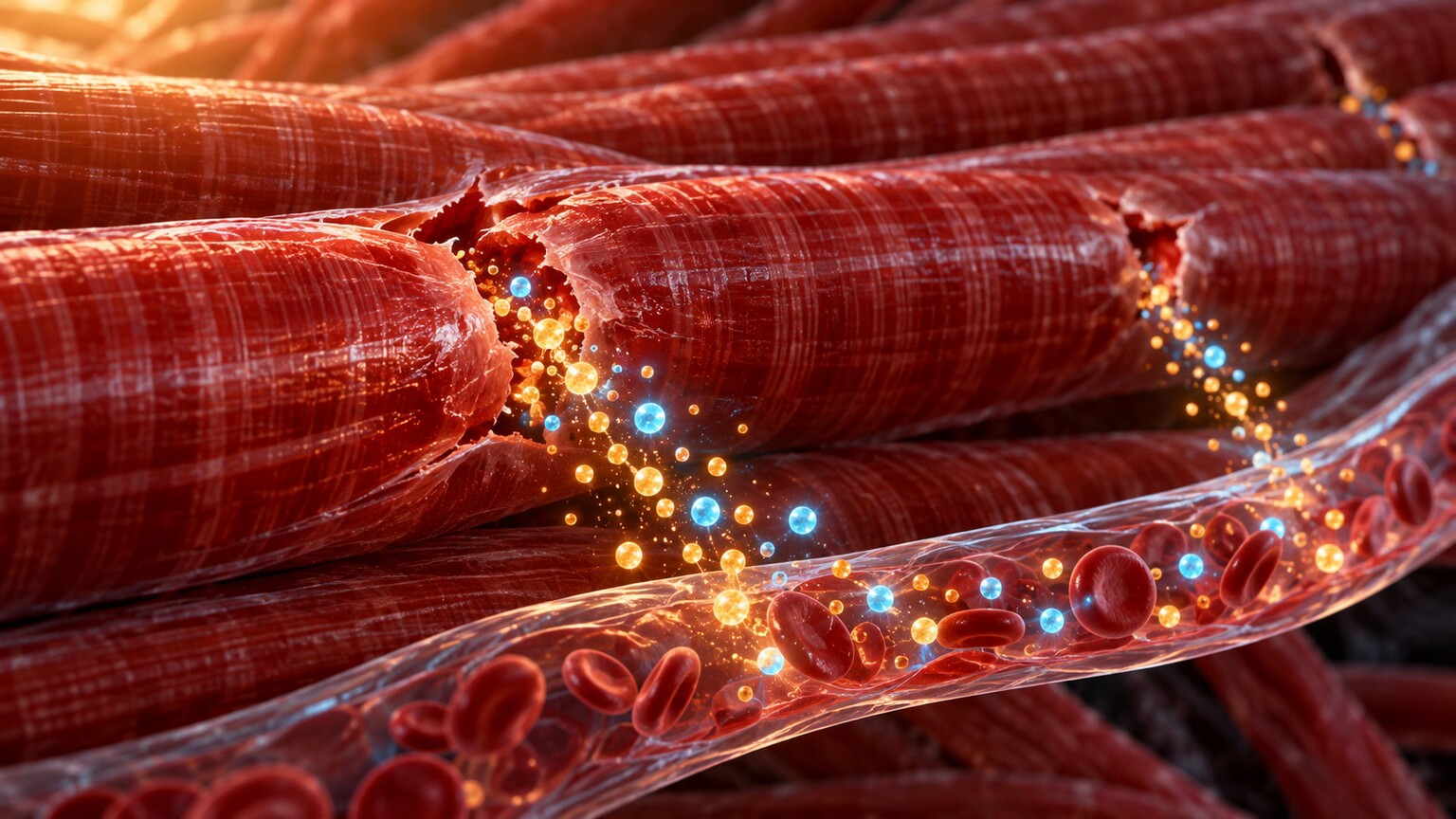
Figure 3. Unaccustomed or intense exercise causes microscopic tears in muscle fibers; these tears release AST, ALT, and creatine kinase into the blood for days afterward.
When those muscle fibers tear a little, they leak their contents — including AST, some ALT, and another enzyme called CK (we'll get to CK in a minute, it's important) — into your blood. The leak isn't instant. It builds up over the day or two after the workout, peaks around 24 to 48 hours later, and then slowly fades over about a week, sometimes two.
So picture this timeline. Saturday: you do a hard leg day, or your first-ever spin class, or you help a friend move furniture all afternoon. Monday morning: you have a routine blood draw for something completely unrelated. Your AST comes back high, maybe your ALT is up a bit too, and the report flags "abnormal liver function." You did nothing wrong. Your liver is fine. Your quadriceps are just still healing and dumping enzymes into your bloodstream, and the blood draw happened to catch them mid-cleanup.
How big can the exercise effect be? For a normal gym session in someone who trains regularly, usually small. But for a very hard effort — a marathon, a first CrossFit class, an intense hike downhill, a weekend of heavy manual labor — AST can climb to two, three, even five times the top of the normal range, and CK can go much higher than that. The good news is that this kind of rise is harmless and temporary, as long as the person is otherwise well and the numbers come back down on a repeat test.
Got a "liver enzymes high" flag and not sure if your workout, a medication, or something else is behind it? Upload your results and get a complete, plain-language breakdown in under 15 minutes.
Analyze My ResultsBigger Muscle Events That Do the Same Thing
Exercise is the gentle version. Several larger events damage a lot of muscle at once and can push AST and ALT up more sharply.
A fall, a crash, or a crush. Any hard blow to a big muscle group — a car accident, a bad fall onto a hip or thigh, a sports collision — bruises and tears muscle tissue. A bruise you can see on your skin is the same kind of damage happening deeper, and torn muscle leaks enzymes.
Surgery. An operation cuts through muscle to reach whatever needs fixing. Muscle also gets stretched and pressed by the tools that hold the area open. It's completely normal for AST and ALT to be elevated for a week or two after any significant surgery, purely from the muscle work of the operation itself — nothing to do with the liver.
A seizure. During a seizure, muscles all over the body contract violently and repeatedly for minutes. That's an enormous amount of muscle effort in a short time, and it reliably raises muscle enzymes afterward.
Lying still for a long time. This one surprises people, but muscle that's pressed against a hard surface for hours — during a long operation, after a fall when someone couldn't get up, during a long illness in bed — can be squeezed hard enough to injure it. The medical name is "pressure injury," and it releases muscle enzymes just like a bruise does.
An intramuscular injection. A shot given into a muscle (like some vaccines, or vitamin B12 shots) causes a tiny, local muscle injury at the needle site. It's usually too small to matter, but a very recent injection can nudge CK and, rarely, AST.
In all of these, the pattern is the same: the muscle enzymes rise within a day or two of the event, and then fall back toward normal over one to two weeks as the muscle heals. If a doctor knows the event happened, they can usually connect the dots quickly and just recheck the numbers later.
Medicines That Can Irritate Muscle — Statins Above All
Some common medications can bother your muscles as a side effect, and when they do, they can lift AST and ALT.
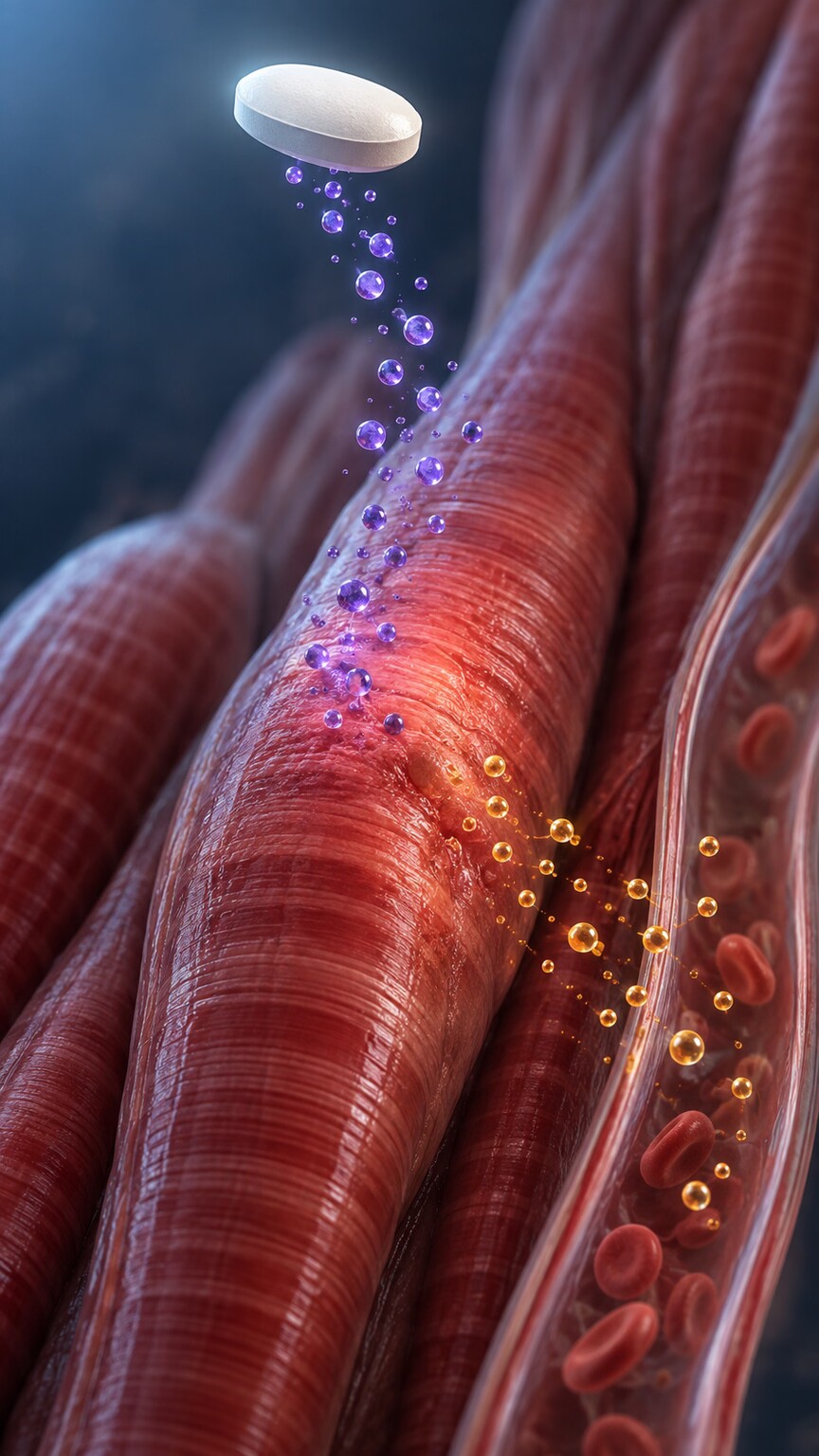
Figure 4. Statins, the most widely prescribed cholesterol-lowering drugs, cause muscle aches in a minority of users; in some of those people, mildly irritated muscle fibers leak enough enzyme to raise AST and creatine kinase.
Statins are the big one, because so many people take them. Statins lower cholesterol and are, for most people, very safe. But a minority of statin users get muscle aches, weakness, or cramps, and a smaller group of those have a measurable rise in muscle enzymes. Usually this is mild and settles if the dose is lowered or the statin is switched. Very rarely, a statin can trigger a severe muscle reaction, which is why doctors ask statin users to report any new, unexplained muscle pain — especially if it comes with dark urine or feeling generally unwell.
Other medicines that can affect muscle include certain fibrates (another cholesterol drug), some antipsychotic medications, colchicine (used for gout), high-dose corticosteroids over time, and a few others. Alcohol in large amounts damages muscle directly, on top of what it does to the liver — so heavy drinking can raise these enzymes from two directions at once.
It's worth saying clearly: statins and a few other drugs can also irritate the liver directly, separate from any muscle effect. So "I'm on a statin and my enzymes are up" doesn't automatically mean the muscle is the cause. It's one more reason the doctor needs the extra tests we're about to cover to sort out the source.
Muscle Diseases and Conditions
Beyond injuries and drugs, some ongoing medical conditions damage muscle slowly and steadily, and they can be discovered because someone's "liver enzymes" were mysteriously high on a routine test.
Inflammatory muscle disease. Conditions called polymyositis and dermatomyositis are cases where the immune system — the body's defense force — mistakenly attacks its own muscle. The muscle becomes inflamed and weak, and it leaks enzymes continuously. People with these conditions often notice trouble climbing stairs, getting up from a low chair, or lifting their arms overhead. A high AST with a very high CK, in someone with new muscle weakness, is a classic reason to look into this.
Muscular dystrophy. This is a group of inherited conditions where muscle gradually breaks down over years. Some milder forms aren't diagnosed until adulthood, and a raised AST or CK found by accident is sometimes the first clue.
An underactive thyroid. The thyroid is a small gland in your neck that sets your body's overall "speed." When it's underactive (called hypothyroidism), everything slows down, and one effect is that muscle tissue becomes achy and leaky. Hypothyroidism is a genuinely common and easily missed cause of a mildly high AST and CK, and it's fixed with a simple daily pill once it's found.
Genetic muscle-metabolism problems. A smaller number of people are born with a glitch in how their muscles produce or store energy. These folks often can't tolerate intense exercise without their muscles breaking down, and they may have had unexplained "high liver enzymes" on and off for years.
The common thread: when muscle is the source and it's not just a one-off workout, there's usually a story of muscle symptoms — weakness, aching, poor stamina, cramps — that goes along with the abnormal numbers. A doctor asking "have you noticed any muscle weakness or pain?" is not a throwaway question. It's often the most useful clue they have.
Rhabdomyolysis — the Serious End of the Scale
Almost everything above is mild and reversible. But there is one muscle emergency that's important to know about, because it needs fast medical care: rhabdomyolysis, sometimes shortened to "rhabdo."
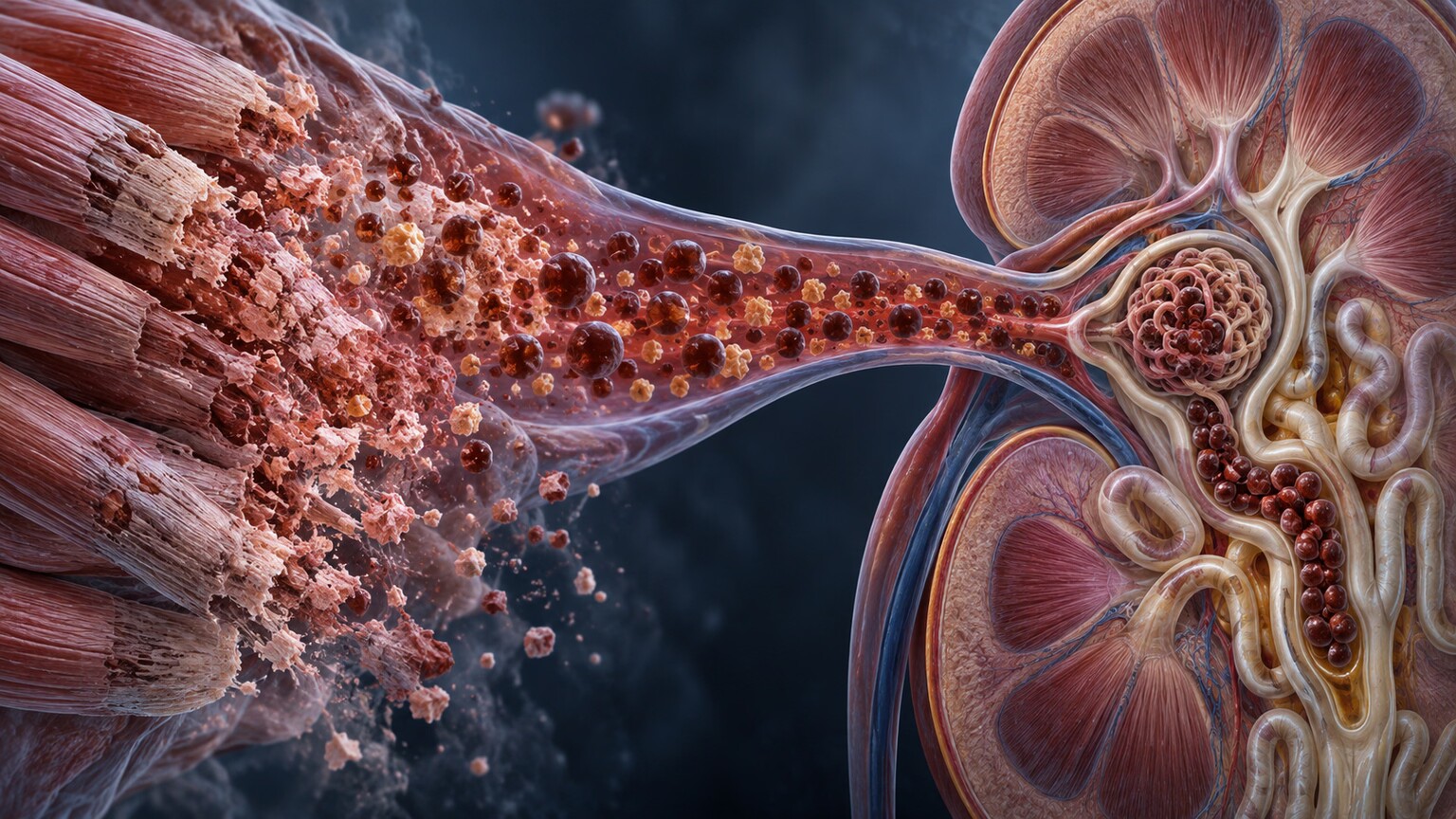
Figure 5. In rhabdomyolysis, a large volume of muscle breaks down quickly, flooding the blood with muscle proteins including myoglobin, which can overwhelm and injure the kidney's tiny filters.
Rhabdomyolysis means a large amount of muscle is breaking down fast — not tiny tears, but real, widespread destruction of muscle tissue. It can be caused by an extreme workout (especially in heat, or when very unfit, or after a long layoff), a crush injury, a very long time lying still and unconscious, certain drugs and toxins, a bad reaction to a medication, or a severe infection.
When that much muscle dissolves at once, it releases a huge load of its contents into the blood — including AST and ALT (so the "liver enzymes" look alarming), and a much larger flood of CK, and a dark red-brown protein called myoglobin. That myoglobin is the dangerous part. It travels to the kidneys, which are your body's filters, and it can clog and injure them. That's why untreated rhabdomyolysis can lead to kidney failure.
The warning signs are: severe muscle pain and weakness (often in the thighs, shoulders, or lower back), muscles that feel swollen and tender, and — the classic red flag — urine that looks like cola or dark tea. If someone has these signs, especially after an intense workout or a fall, that is an emergency-room visit, not a "wait and see." Caught early, it's very treatable, mostly with lots of fluids through a vein to flush the kidneys.
Most people reading this will never have rhabdomyolysis. It's included here for one reason: if your "high liver enzymes" come with severe muscle pain and dark urine, do not sit at home researching liver disease. Get seen the same day.
The Tiebreaker Tests: CK and GGT
So your AST is high and you (or your doctor) suspect muscle rather than liver. How is that actually confirmed? With two more blood tests. One points only at muscle. One points only at the liver. Together, they usually settle the question.
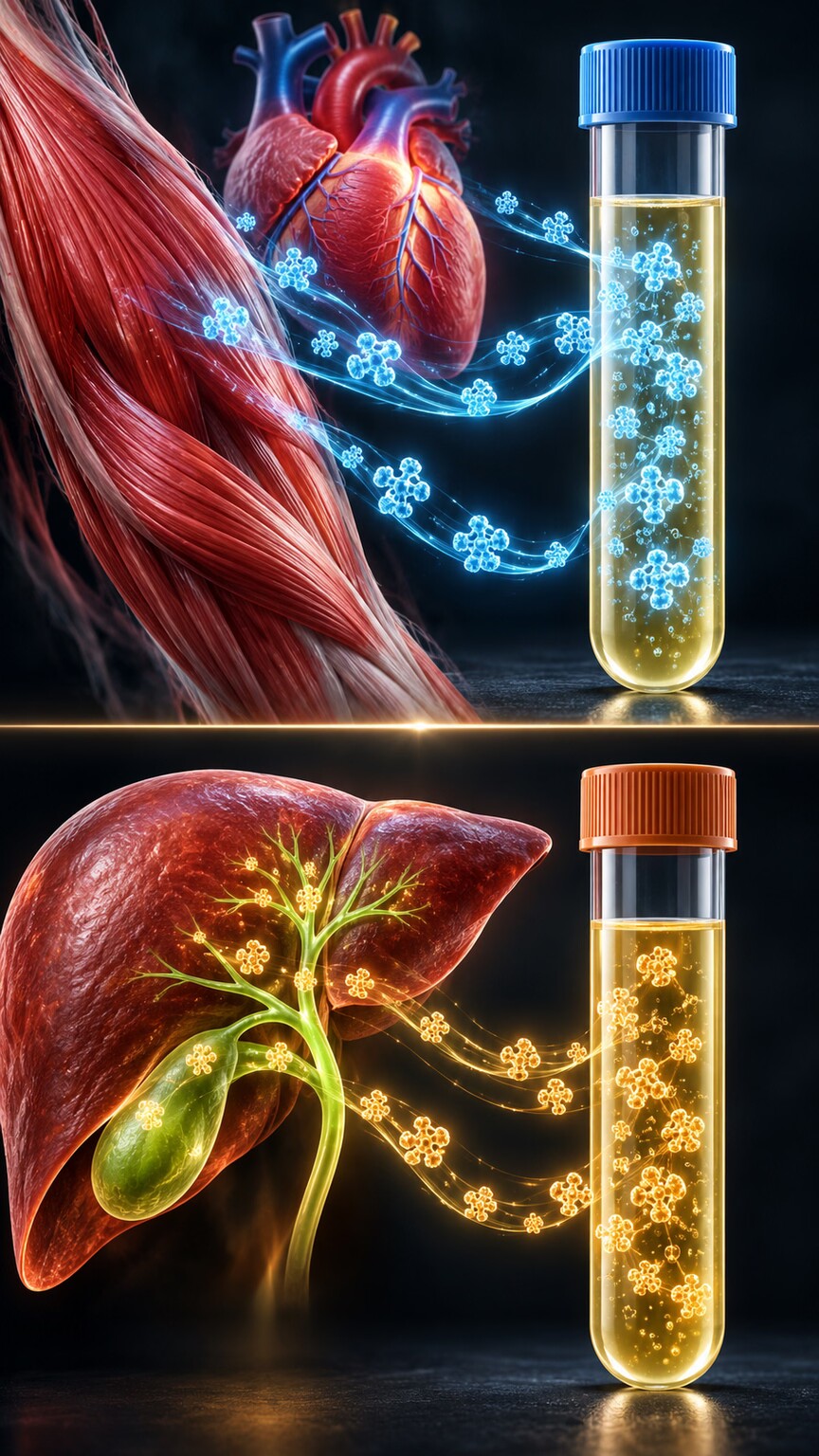
Figure 6. Creatine kinase comes almost entirely from muscle and heart, so a high CK points to a muscle source; GGT comes from the liver and bile ducts and not from muscle, so a high GGT points to a liver source.
CK — creatine kinase. This enzyme is found almost only in muscle (your skeletal muscles and your heart). Your liver has essentially none. So CK is the muscle test. If your AST is high and your CK is high, the muscle is almost certainly the source, or at least a big part of it. And CK is very sensitive — even a hard workout will bump it — so if your CK is completely normal, it's hard to blame the muscle for a high AST.
GGT — gamma-glutamyl transferase. This enzyme comes from the liver and the small tubes that carry bile out of the liver (the bile ducts). It is not in skeletal muscle at all. So GGT is a liver-and-bile test. If your AST is high and your GGT is high, that's a strong sign the liver is really involved. If your AST is high but your GGT is stone-cold normal, that argues against the liver and points you back toward muscle.
ALP — alkaline phosphatase — is another test on the panel that comes mainly from the liver's bile system and from bone, not from muscle, so a normal ALP is another small point in the "not the liver" column.
Put simply: high AST + high CK + normal GGT and ALP = muscle. High AST + normal CK + high GGT (or high ALP, or high bilirubin) = liver. Real life is sometimes messier than that — you can have both at once — but this is the backbone of how the two are told apart.
The Pattern Muscle Makes on the Panel
Beyond the tiebreaker tests, muscle tends to leave a recognizable fingerprint on the liver panel itself.
AST is usually higher than ALT. Because muscle contains a lot of AST but only a little ALT, a muscle source typically produces an AST that's clearly above the ALT — often the AST is two or more times the ALT. (Confusingly, alcohol-related liver damage also gives AST above ALT, which is one reason the doctor still needs the other tests. But most other liver problems give the opposite: ALT above AST.)
ALT can be near-normal even when AST is quite high. If you see an AST that's three times normal but an ALT that's only slightly up or not up at all, that split is a hint that the extra AST is coming from somewhere that isn't rich in ALT — and muscle fits that description.
The rise tracks with a recent event. Muscle-source elevations usually have a clear before-and-after: normal enzymes, then an event (a race, a fall, a new medication, surgery), then high enzymes, then a slide back to normal over one to two weeks. Liver problems more often show a pattern that persists or slowly worsens without an obvious trigger.
Bilirubin and albumin stay normal. Bilirubin (a yellow substance the liver processes) and albumin (a protein the liver makes) are measures of how well the liver is actually doing its job. A pure muscle problem doesn't touch them. So a high AST with a completely normal bilirubin and albumin is reassuring that the liver's function is intact, whatever is going on.
Two Blood Samples, Two Stories
It can help to picture two different people who both walk in with a high AST, and see how the rest of their results tell completely different stories.
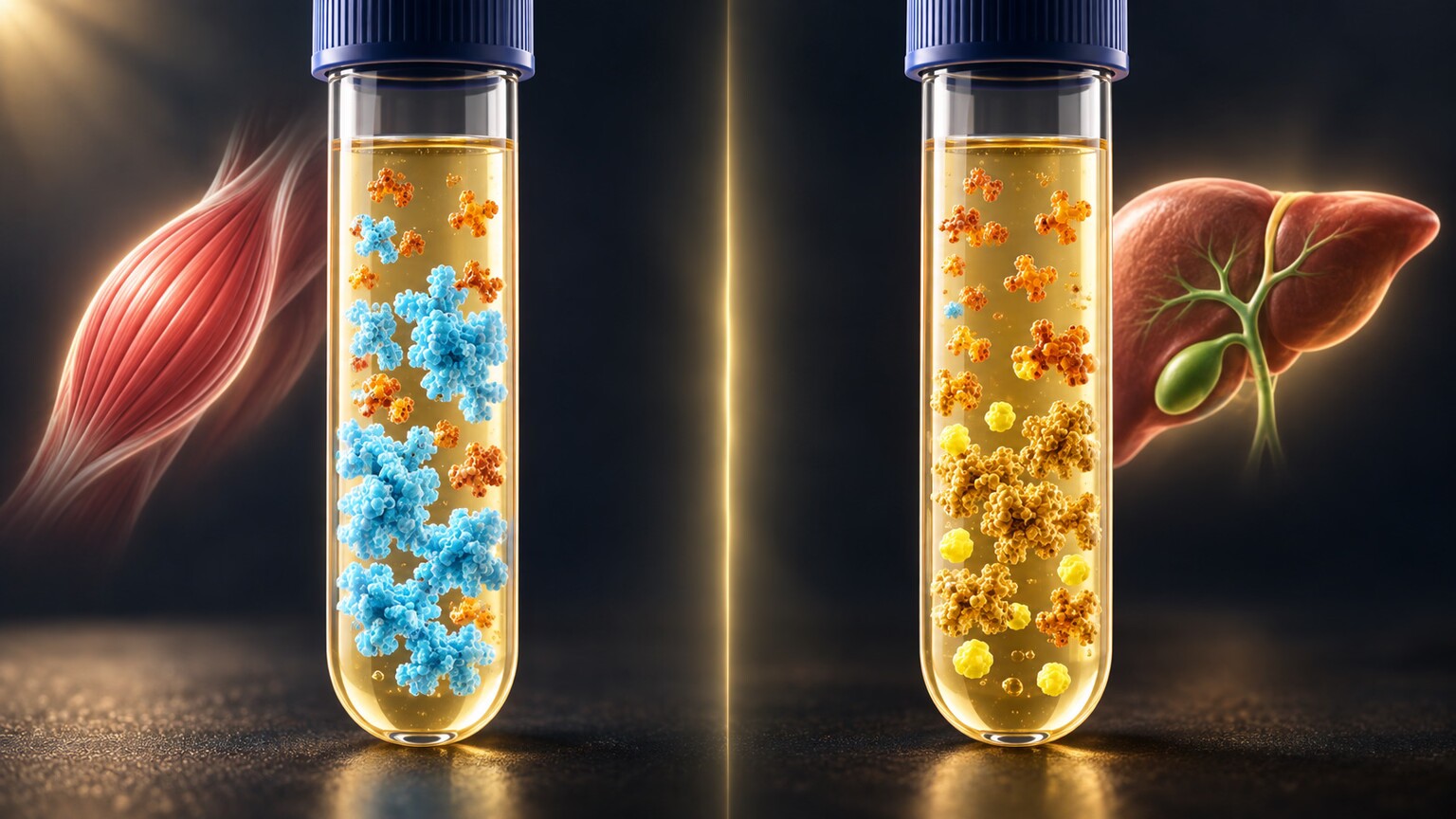
Figure 7. A muscle-source sample shows a raised AST alongside a high creatine kinase and normal GGT and bilirubin; a liver-source sample shows a raised AST alongside a high GGT and often abnormal bilirubin, with a normal creatine kinase.
Person one ran their first half-marathon on Sunday and had blood drawn Tuesday for a work physical. Their AST is three times the normal top, their ALT is only slightly up, their CK is very high, and their GGT, ALP, and bilirubin are all perfectly normal. The AST-above-ALT split, the sky-high CK, and the untouched liver-and-bile tests all say the same thing: this is muscle. A recheck two weeks later, after an easy training week, shows everything back to normal. Nothing more is needed.
Person two hasn't exercised hard in months, feels unusually tired, and noticed their urine looked darker last week. Their AST is also three times normal — but their ALT is even higher, their GGT and ALP are both up, their bilirubin is slightly raised, and their CK is completely normal. The ALT-above-AST split, the abnormal bile tests, the raised bilirubin, and the normal CK all point away from muscle and toward the liver. This person needs a liver ultrasound and a set of liver-specific blood tests, not a "come back after you rest" note.
Same headline number, opposite meaning. That's the whole reason the extra tests exist.
Why This Mix-Up Is Usually Good News
Here's a comforting way to think about it. When someone is told their "liver enzymes are high," the fear is almost always about the liver — hepatitis, cirrhosis, permanent damage. But a large share of those flagged results turn out to be muscle, not liver, and a muscle bump from exercise or a minor injury is one of the most harmless abnormal blood tests there is. The muscle heals itself in a week or two, the numbers slide back down, and there is no lasting effect on anything.
So finding out the source is your muscle is often the best possible outcome of an abnormal result. It turns a scary-sounding report into a non-event. The only mistakes to avoid are the two opposite ones: assuming it's the liver and worrying for weeks without checking, or assuming it's the muscle and skipping the recheck that would have caught a real problem. The middle path — get it confirmed, then move on — is almost always the right one.
How a Doctor Actually Works Through It
Here's the real-world sequence, step by step, when a high AST or ALT shows up and the cause isn't obvious.
Step one: ask about your life. Recent hard exercise? A fall or accident? Recent surgery? New medications, especially a statin? Any muscle aching, weakness, or dark urine? A lot of alcohol? This conversation alone solves a large share of cases.
Step two: look at the whole panel together. Is AST above ALT or below it? Are GGT, ALP, and bilirubin normal or abnormal? A muscle pattern and a liver pattern look different, as described above.
Step three: add CK. If muscle is on the table at all, a CK level is the single most useful next test. High CK strongly supports muscle; normal CK largely rules it out.
Step four: repeat the test later. If the story points to a recent one-off event — a workout, a fall — the simplest confirmation is to redraw the blood in one to two weeks, with the person avoiding hard exercise for a few days beforehand. If the numbers have dropped back to normal, the case is closed. If they haven't, the search continues.
Step five: if it really is the liver. If the pattern, the tiebreakers, and the recheck all point at the liver instead, the doctor moves on to liver-focused tests — an ultrasound scan of the liver, tests for viral hepatitis, tests for autoimmune and inherited liver conditions, and a look at metabolic causes like fatty liver. That's a whole separate path, and it starts only once muscle has been reasonably excluded.
What To Do If You Think It's Your Muscles
If you got a "liver enzymes elevated" result and you're fairly sure a workout or heavy physical work is the reason, here's the sensible approach.
Don't panic, but don't ignore it either. A workout-related bump is common and harmless. But you still want it confirmed, because "I assumed it was the gym" is exactly how a real liver or muscle problem occasionally gets missed.
Tell your doctor about the exercise. Be specific: what you did, how hard, how many days before the blood draw. This context changes how they read the result.
Ask for a recheck, done right. The recheck should be one to two weeks later, and you should avoid strenuous exercise for about three to five days before it — otherwise you might just catch a fresh bump from a new workout and confuse things all over again.
Ask whether a CK level would help. If it wasn't already drawn, adding CK to the recheck makes the muscle-versus-liver question much easier to answer.
Watch for the red flags. Severe muscle pain, muscles that feel hugely swollen and weak, or cola-colored urine mean you should be seen the same day, not at a future recheck.
Keep your usual habits for the follow-up — except the workout. You don't need to change your diet, stop your regular medicines (without asking), or cut out things that weren't the issue. The one thing to pause is intense training in the few days before the repeat blood test.
When Muscle Is Not the Answer
It's important not to swing too far the other way and wave off every abnormal result as "just my muscles." Muscle is a common explanation, but it is not the only one, and a few situations should make you and your doctor keep looking:
The enzymes stay high on a properly done recheck, weeks later, with no exercise beforehand. A one-off muscle event should have resolved by then.
ALT is higher than AST, GGT or ALP or bilirubin is also abnormal, or CK comes back normal. That combination points at the liver, not the muscle.
There are liver-related symptoms — yellowing of the eyes or skin, pain in the upper right belly, unusual tiredness, easy bruising, dark urine with pale stools (different from the dark urine of rhabdo), or swelling in the legs or abdomen.
There are risk factors for liver disease that haven't been checked out — heavy alcohol use, a lot of extra weight around the middle, diabetes, a past blood transfusion or injection drug use, a family history of liver disease, or a long list of daily medications and supplements.
In any of these cases, the answer isn't to keep assuming it's the gym. It's to do the liver workup properly.
Frequently Asked Questions
Can a single hard workout really cause "abnormal liver function" on a blood test?
Yes, and it happens often. Intense or unaccustomed exercise tears muscle fibers slightly, and they leak AST (and some ALT, and a lot of CK) into the blood for up to one to two weeks afterward. If a blood draw happens in that window, the "liver enzymes" can be flagged as abnormal even though the liver is healthy. The fix is a recheck after a few days of rest.
How long should I stop exercising before a repeat blood test?
About three to five days of avoiding strenuous exercise is usually enough for a workout-related bump to settle, and the recheck itself is typically done one to two weeks after the first test. Light walking is fine; it's heavy lifting, sprinting, long runs, and hard manual labor you want to skip in the days right before the draw.
My AST is high but my ALT is normal. What does that mean?
A high AST with a normal or barely raised ALT is a pattern that points away from most common liver problems and toward a source that's rich in AST but poor in ALT — which describes muscle, and also red blood cell breakdown. Your doctor will usually add a CK test (for muscle) and check whether your red blood cell counts are normal to sort it out.
Does the muscle in a routine intramuscular vaccine or B12 shot raise liver enzymes?
Only very slightly and very briefly, if at all. The needle causes a tiny local muscle injury that can nudge CK for a day or two, but it's rarely enough to meaningfully move AST or ALT. A recent shot is worth mentioning to your doctor as context, but it's not usually the main explanation for a clearly abnormal result.
If it's my muscles and not my liver, do I still need to do anything?
You need it confirmed, not just assumed. A properly timed recheck, ideally with a CK level, is the confirmation. If the numbers return to normal and there are no muscle symptoms, nothing further is needed. If they don't return to normal, or if there's ongoing muscle weakness or pain, the cause needs to be found — it could be a medication, a thyroid problem, or a muscle condition, all of which are treatable once identified.
Conclusion
The short version is this: AST and ALT get called "liver enzymes," but AST in particular is shared with your muscles, so muscle damage of almost any kind — a hard workout, a fall, surgery, a seizure, a statin side effect, or a muscle disease — can make those numbers look high while your liver is completely fine. The confusion is common and it's fixable. A doctor tells the two apart by asking about your recent activity and medications, by looking at whether AST is higher or lower than ALT, and above all by adding two tests: CK, which comes from muscle, and GGT, which comes from the liver. High AST with high CK and normal GGT means muscle. High AST with normal CK and abnormal GGT means liver.
If you think your result is exercise-related, the move is simple: tell your doctor exactly what you did and when, then get a recheck in one to two weeks after a few days of rest, with a CK added. Most of the time, the numbers come down and the story ends there. And if they don't come down — or if you have severe muscle pain and dark urine — that's your sign to stop guessing and get properly checked out, because a small number of muscle problems, and any real liver problem, do need to be found and treated.
Still Not Sure What Your Results Mean?
Upload your labs and get a complete, visual, plain-language interpretation of every biomarker — delivered to your inbox in under 15 minutes.
Get My ReportThis article is for educational purposes only and does not constitute medical advice. If you have severe muscle pain, muscle weakness, or dark cola-colored urine, seek medical care the same day. Always consult your healthcare provider about your specific lab results and symptoms.