
Why Is My GGT Level High?
If you just opened your lab results and landed on a line that says "GGT" with a red arrow or a "high" flag next to it, you're probably wondering what that even means, since almost nobody outside of medicine has ever heard the phrase gamma-glutamyl transferase before. Here's the short version: GGT is an enzyme, a small worker-molecule your liver uses to move a specific building block of proteins around, and when liver cells or the tiny tubes that drain bile out of the liver get irritated, injured, or overworked, GGT leaks into your bloodstream in larger amounts than usual. A high GGT is one of the most common abnormal results on a liver panel, and it has a genuinely wide range of causes — from something as ordinary as your evening glass of wine or a medication you started last month, to fatty liver, gallstones, or in rarer cases something that needs prompt medical attention. This article walks through, step by step and in plain English, exactly what GGT is, what counts as high, and the full list of things — common and uncommon — that can push it up.
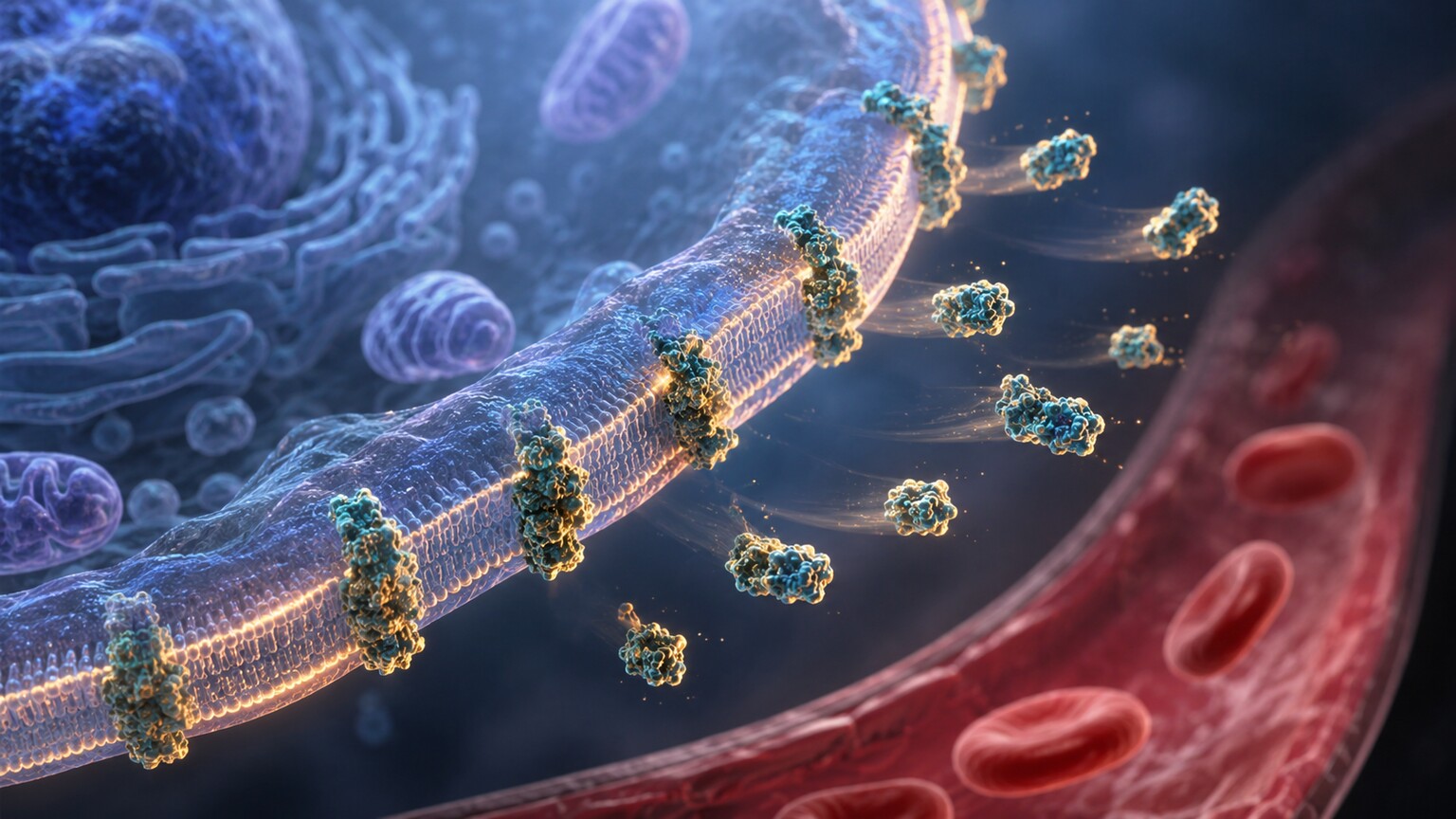
Figure 1. Gamma-glutamyl transferase sits on the outer membrane of liver cells and bile duct cells; when those cells are stressed or injured, more of the enzyme sheds into the bloodstream.
What GGT Actually Is, in Plain Terms
Every cell in your body constantly builds and rebuilds proteins, and one of the raw materials it needs for that job is a small molecule called glutathione — think of glutathione as your cells' in-house cleanup crew, an antioxidant that mops up damaging byproducts of normal metabolism before they can hurt the cell. To move glutathione's individual amino acid pieces across the outer wall of a cell so they can be reused, your body relies on an enzyme, which is really just a specialized protein whose entire job is to speed up one particular chemical reaction, the same way a pair of scissors exists to do one thing well: cut. Gamma-glutamyl transferase — GGT for short — is the enzyme that does this specific job, sitting embedded in the outer membrane of cells, most densely in the liver, the tubes that carry bile out of the liver (called bile ducts), the kidneys, and the pancreas.
Under normal, healthy conditions, a small, steady trickle of GGT is already present in your blood, because cells naturally turn over and shed a bit of their membrane machinery as part of routine maintenance. The liver, in particular, is extremely rich in GGT compared to almost every other tissue, which is exactly why doctors use this one enzyme as a stand-in indicator for what's happening inside the liver and its drainage system, even though GGT itself isn't unique to the liver. When liver cells are inflamed, when bile flow backs up, or when certain chemicals — including alcohol and a long list of medications — cause the liver to ramp up its own GGT production as part of processing those substances, more GGT than usual ends up in the bloodstream, and that's the number that shows up elevated on your lab report.
It helps to think of GGT less like a warning light for one specific disease and more like a smoke detector for the general area around your liver and bile ducts. A smoke detector going off tells you there's smoke somewhere nearby — it doesn't tell you whether that's a candle, a kitchen mishap, or an actual house fire. In the same way, an elevated GGT tells your doctor that something in that liver-and-bile-duct neighborhood is active or irritated; figuring out exactly what requires looking at the rest of the picture, which is exactly what the rest of this article walks through.
Why the Liver Relies So Heavily on This One Enzyme
To really understand why GGT behaves the way it does on a lab report, it helps to zoom out for a moment and think about what your liver is actually doing, second by second, all day long. Your liver filters roughly a liter and a half of blood every minute, pulling out toxins, leftover medication byproducts, and the natural waste products of metabolism, and converting most of them into forms your body can safely excrete. That filtering work generates a constant stream of unstable, reactive molecules as a byproduct — similar to how a factory that processes raw materials also produces exhaust and scrap that has to be managed. Glutathione is the liver's primary tool for neutralizing that reactive exhaust, and GGT is the enzyme that keeps the glutathione supply chain moving by recycling its building blocks efficiently instead of letting the liver rebuild everything from scratch each time.
Because of this role, GGT activity naturally rises and falls with how hard the liver is working at any given moment, not just when something is outright wrong. Think of it less like a fire alarm that only goes off during an emergency and more like the RPM needle on a car's dashboard — it climbs when the engine works harder, whether that's because you're speeding away from danger or simply driving up a long hill. A rising GGT tells you the liver's detox machinery has kicked into a higher gear; the rest of this article is essentially a guide to figuring out which "hill" your liver happens to be climbing.
What Counts as a High GGT Result
Reference ranges vary somewhat between laboratories because different labs use slightly different testing methods and equipment, but as a general guideline, a normal GGT for adult men typically falls somewhere between about 8 and 61 units per liter (U/L), while adult women typically run a bit lower, roughly 5 to 36 U/L — a real, well-documented biological difference tied to factors like body composition and hormones, not a lab error. Your own report will always list the specific reference range used by the lab that processed your sample, printed right next to your result, and that's the number that actually matters for interpreting your test, not a generic range pulled from the internet.
How far above that range your result sits matters quite a bit for figuring out what's going on. A GGT that's mildly elevated — say, up to two or three times the top of the normal range — is common and often traces back to everyday causes like alcohol, certain medications, or early fatty liver changes. A GGT that's five, ten, or more times the upper limit points toward something more active happening in the liver or bile ducts, such as a blocked bile duct, significant alcohol-related liver injury, or another driving condition that genuinely needs a closer look. Neither extreme gives a diagnosis on its own — GGT is a starting clue, not a final answer — but the magnitude of the elevation is one of the first things a clinician will weigh when deciding how urgently to investigate further.
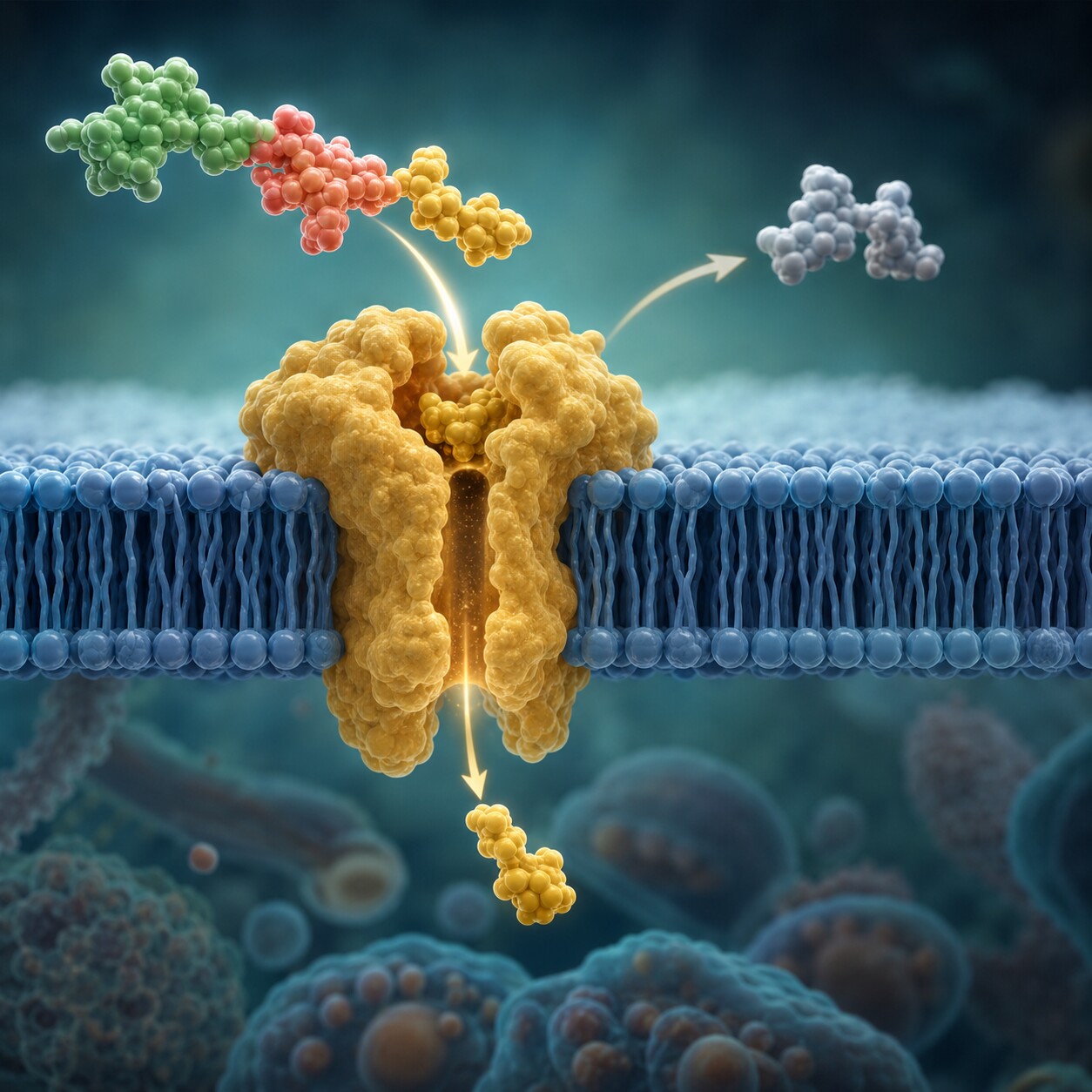
Figure 2. The gamma-glutamyl cycle: GGT shuttles amino acid fragments from glutathione across the cell membrane so they can be recycled and rebuilt inside the cell.
It's also worth knowing that GGT is one of the most sensitive liver enzymes there is — meaning it tends to rise earlier and more readily than other liver markers in response to even mild irritation, which is part of why it's so commonly flagged as abnormal even when someone feels completely fine. That sensitivity is a double-edged sword: it makes GGT excellent at catching subtle liver stress early, but it also means a single mildly elevated result, on its own, is rarely cause for alarm. GGT can bounce around from one draw to the next based on what you ate, drank, or took in the days before the blood was collected, which is exactly why doctors usually want to see a pattern — a repeat test, alongside your other liver values — before drawing firm conclusions from one number.
Because GGT rises in response to so many different triggers, on its own it can't distinguish between, say, three glasses of wine last weekend and a genuine bile duct blockage. That's why GGT is almost always interpreted as part of a full liver panel, alongside enzymes like ALT (alanine aminotransferase) and AST (aspartate aminotransferase), which live mainly inside liver cells themselves and rise when those cells are directly damaged, and alkaline phosphatase (ALP), which — like GGT — rises with bile duct problems but is also produced by bone. The pattern across all of these values together, not any single one in isolation, is what starts to narrow down the likely cause.
Alcohol: The Most Common Reason GGT Rises
For most adults with an isolated high GGT and no other symptoms, alcohol is the single most frequent explanation, and the reason is a specific, well-studied biological mechanism rather than a moral judgment about drinking habits. Alcohol is processed by the liver, and one of the pathways your liver cells use to break it down actually induces — meaning it switches on and ramps up production of — more GGT enzyme inside the cell, as part of managing the oxidative stress that alcohol metabolism creates. The more regularly and heavily someone drinks, the more consistently this pathway stays activated, and the higher GGT tends to run as a result.
This is different from the kind of dramatic, obvious liver damage many people picture when they think about alcohol and the liver. A person doesn't need to have any diagnosed liver disease, and doesn't need to drink enough to be considered to have a drinking problem in the clinical sense, for regular alcohol intake to noticeably raise GGT. Research following people's drinking habits against their lab values has found that GGT can climb into the elevated range with what many people would consider unremarkable social drinking — several drinks a week, consistently, is often enough to produce a measurable bump, especially in people whose livers are already working a little harder for other reasons, like carrying extra weight or having early fatty liver changes.

Figure 3. Consistent alcohol intake — even at levels many people consider moderate social drinking — is the single most common reason GGT shows up elevated on a routine panel.
What makes GGT particularly useful in this context is that it's noticeably more sensitive to alcohol than ALT and AST are. It's entirely possible — and common — for someone's GGT to be clearly elevated while their ALT and AST sit comfortably within the normal range, especially in the earlier stages before alcohol has caused enough direct cell injury for those other enzymes to rise as well. This is one of the reasons GGT has historically been used, alongside other markers, as one piece of evidence when evaluating patterns of alcohol use — not as a stand-alone test for it, since plenty of other things raise GGT too, but as one useful data point among several.
The encouraging side of this mechanism is that it's reversible. Because the elevation comes from an active enzyme-induction process rather than permanent structural damage, GGT levels driven by alcohol typically start coming back down within two to six weeks of meaningfully cutting back or stopping drinking, and often normalize completely if there's no underlying liver disease driving things independently. Watching GGT drop after a period of abstinence is, in fact, one of the more encouraging and motivating things people report seeing on a follow-up lab panel.
Curious what the rest of your liver panel is telling you? Upload your results and get a complete, plain-language breakdown in under 15 minutes.
Analyze My ResultsMedications and Supplements That Can Raise GGT
Alcohol gets most of the attention, but a surprisingly long list of everyday, entirely legal, commonly prescribed medications can raise GGT through a very similar mechanism: your liver's enzyme systems ramp up to process and clear the drug, and GGT production rises as part of that process, even when the medication is doing exactly what it's supposed to do and causing no meaningful harm. This category of effect even has a name — it's called enzyme induction — and it's a normal, expected pharmacological response, not a sign that something has gone wrong.
Common culprits include anti-seizure medications such as phenytoin and carbamazepine, which are well known in medical literature for reliably raising GGT in people who take them regularly. Certain cholesterol-lowering statins have also been associated with mild GGT elevation in some people, as have hormonal medications, including some oral contraceptives and hormone replacement therapy. Barbiturates, some antibiotics, and a number of psychiatric medications round out the list. Even over-the-counter and herbal supplements aren't automatically exempt — certain herbal weight-loss products and high-dose supplements that stress the liver's detoxification pathways have been reported to raise GGT as well.
If you've recently started a new prescription, switched dosages, or added a new supplement to your routine around the time your labs were drawn, that timing is genuinely worth mentioning to whoever ordered your test. In most cases, medication-related GGT elevation is mild, doesn't come with any of the other liver enzymes rising in tandem, and isn't a reason to stop a medication you actually need — but it is a reason for your doctor to know the full context so they can interpret the number correctly instead of chasing down a cause that isn't really there. Never stop or change a prescribed medication on your own because of a lab value; that decision should always go through the prescribing clinician, who can weigh the medication's benefit against this kind of incidental enzyme shift.

Figure 4. Anti-seizure drugs, some statins, and certain hormonal medications are well-documented enzyme inducers that can raise GGT without indicating liver injury.
Fatty Liver Disease: A Very Common Silent Cause
Metabolic dysfunction-associated steatotic liver disease — most people know it simply as fatty liver — has become one of the most common causes of elevated liver enzymes in the general population, closely tracking the rise in obesity, type 2 diabetes, and insulin resistance across the country. Fatty liver happens when excess fat accumulates inside liver cells rather than being stored elsewhere in the body, and that fat buildup triggers a low-grade, chronic inflammatory response inside the liver, even in people who feel completely well and have no symptoms at all.
GGT tends to be one of the earliest and most consistently elevated markers in fatty liver disease, often rising before ALT or AST show any change, which makes it a genuinely useful early clue. Studies looking at large populations have found GGT correlates closely with the amount of fat present in the liver on imaging, and it also tracks with markers of insulin resistance, meaning a high GGT in someone who's overweight or has prediabetes is frequently one of the first lab signs that fatty liver has developed, well before any imaging test would have been ordered on its own.
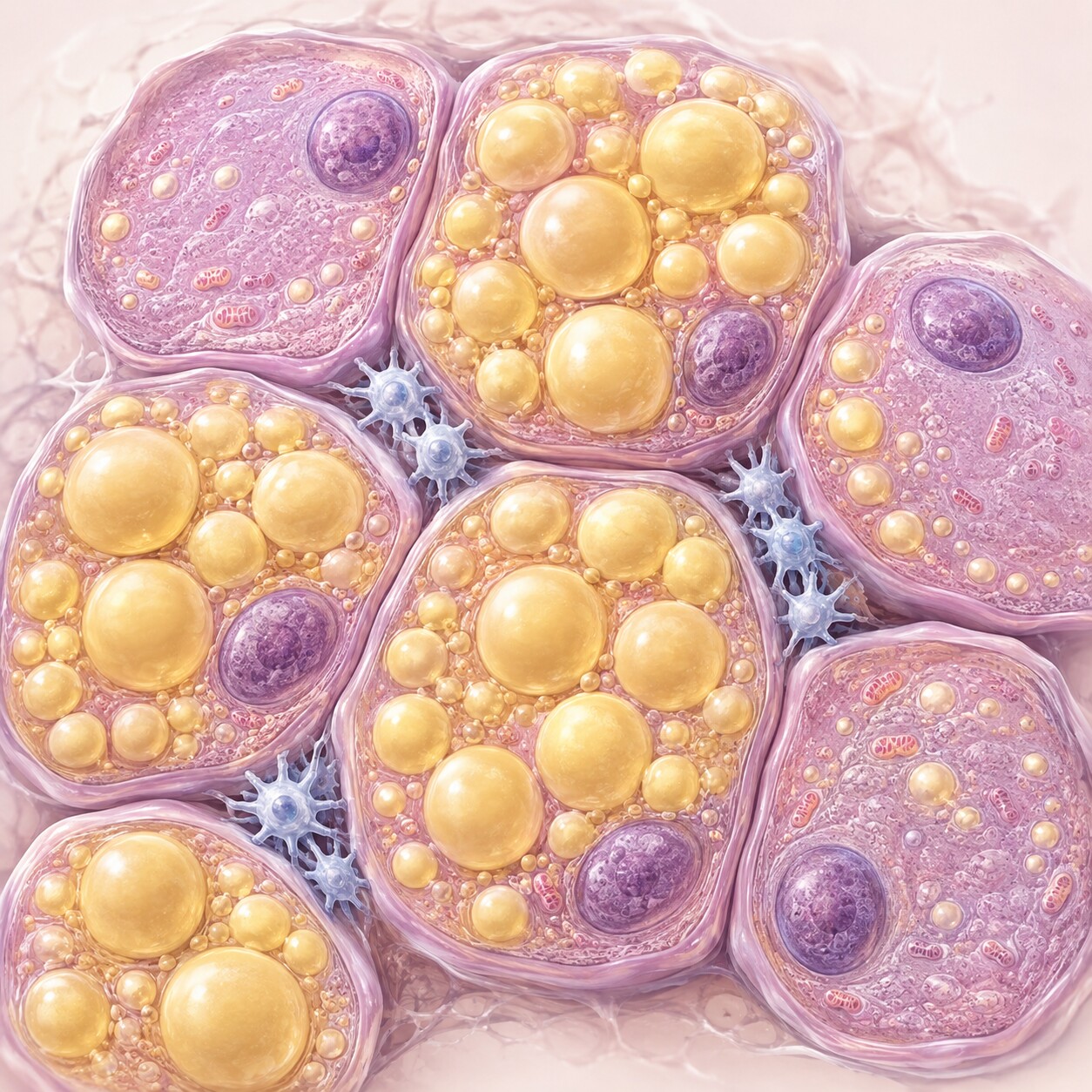
Figure 5. In fatty liver disease, fat droplets accumulate inside individual liver cells, triggering the low-grade inflammation that raises GGT before other enzymes are affected.
What makes this particular cause worth taking seriously, even though it's common and often symptom-free, is that fatty liver exists on a spectrum. In many people it stays simple and stable for years without progressing. In others, the ongoing inflammation gradually leads to scarring, a process called fibrosis, which over a long enough timeline can progress toward cirrhosis in a smaller subset of cases. There's no way to tell, just from a GGT number, which path someone is on — that requires additional evaluation, sometimes including imaging or specialized blood-based fibrosis scores. But because fatty liver is so strongly tied to weight, physical activity, and blood sugar control, it's also one of the more directly modifiable causes on this entire list: meaningful improvements in diet, weight, and exercise routinely bring GGT and the fat content of the liver back down together, which is genuinely good news for anyone whose elevated GGT traces back to this cause.
Bile Duct and Gallbladder Problems
Because GGT is so heavily concentrated in the cells lining the bile ducts — the branching network of tubes that carry digestive bile from the liver down into the small intestine — anything that blocks or backs up that flow tends to produce a particularly steep rise in GGT, often the steepest of any of the common causes on this list. This pattern is called cholestasis, medical shorthand for "bile flow has stalled."
Gallstones are the most familiar cause: a stone that forms in the gallbladder and migrates into the common bile duct can physically block the passage, causing bile to back up under pressure and leak enzymes, GGT prominent among them, into the bloodstream. This kind of blockage often — though not always — comes with noticeable symptoms: pain in the upper right abdomen, especially after eating fatty food, nausea, and sometimes a yellowish tint to the skin or eyes known as jaundice, which happens when bilirubin, a bile pigment that would normally be excreted, backs up into the blood alongside the enzymes. Other causes of bile duct blockage include scarring from prior gallbladder surgery, inflammation of the bile ducts themselves, and, less commonly, a tumor pressing on or growing within the duct.
Primary biliary cholangitis and primary sclerosing cholangitis are two less common but important autoimmune and inflammatory conditions that specifically target the bile ducts over time, gradually narrowing and scarring them rather than blocking them all at once the way a gallstone does. Because the damage builds slowly, GGT and ALP in these conditions often rise gradually over months or years rather than spiking suddenly, and the person affected may not notice symptoms until the disease has progressed further — which is part of why an unexplained, persistently elevated GGT and ALP pattern, even without dramatic symptoms, is taken seriously by clinicians rather than dismissed. Imaging of the bile ducts, usually with ultrasound or a specialized MRI technique, is typically the next step once a cholestatic pattern like this is suspected from bloodwork alone, since blood tests can point toward the bile ducts as the likely source but generally can't show the physical structure of the ducts themselves.
GGT Compared to Other Liver Enzymes
One of the most clinically useful things about GGT is what it can help rule in or rule out when it's looked at alongside alkaline phosphatase, or ALP. ALP is produced both by the liver and bile ducts and by bone tissue, which means a high ALP alone is genuinely ambiguous — it could reflect a liver or bile duct problem, or it could simply reflect normal bone growth in a teenager, healing after a fracture, or a bone-related condition entirely unrelated to the liver. GGT, by contrast, isn't meaningfully produced by bone at all. So when both ALP and GGT are elevated together, that strongly points toward the liver or bile ducts as the source. When ALP is high but GGT is normal, that's a helpful clue pointing away from the liver and toward bone as the more likely explanation instead — a distinction that can save someone from an unnecessary liver work-up entirely.
Compared to ALT and AST, which live mainly inside the liver cell itself and spike when those cells are directly injured or dying, GGT reflects something closer to enzyme activity and cellular stress response rather than outright cell death. This is why a pattern where GGT is markedly elevated but ALT and AST are only mildly raised, or even normal, often points toward causes like alcohol, medications, or early bile duct involvement rather than an acute, direct liver injury such as viral hepatitis, where ALT and AST typically dominate the picture instead. Clinicians read these enzymes together, as a pattern, precisely because each one carries a slightly different piece of the story.
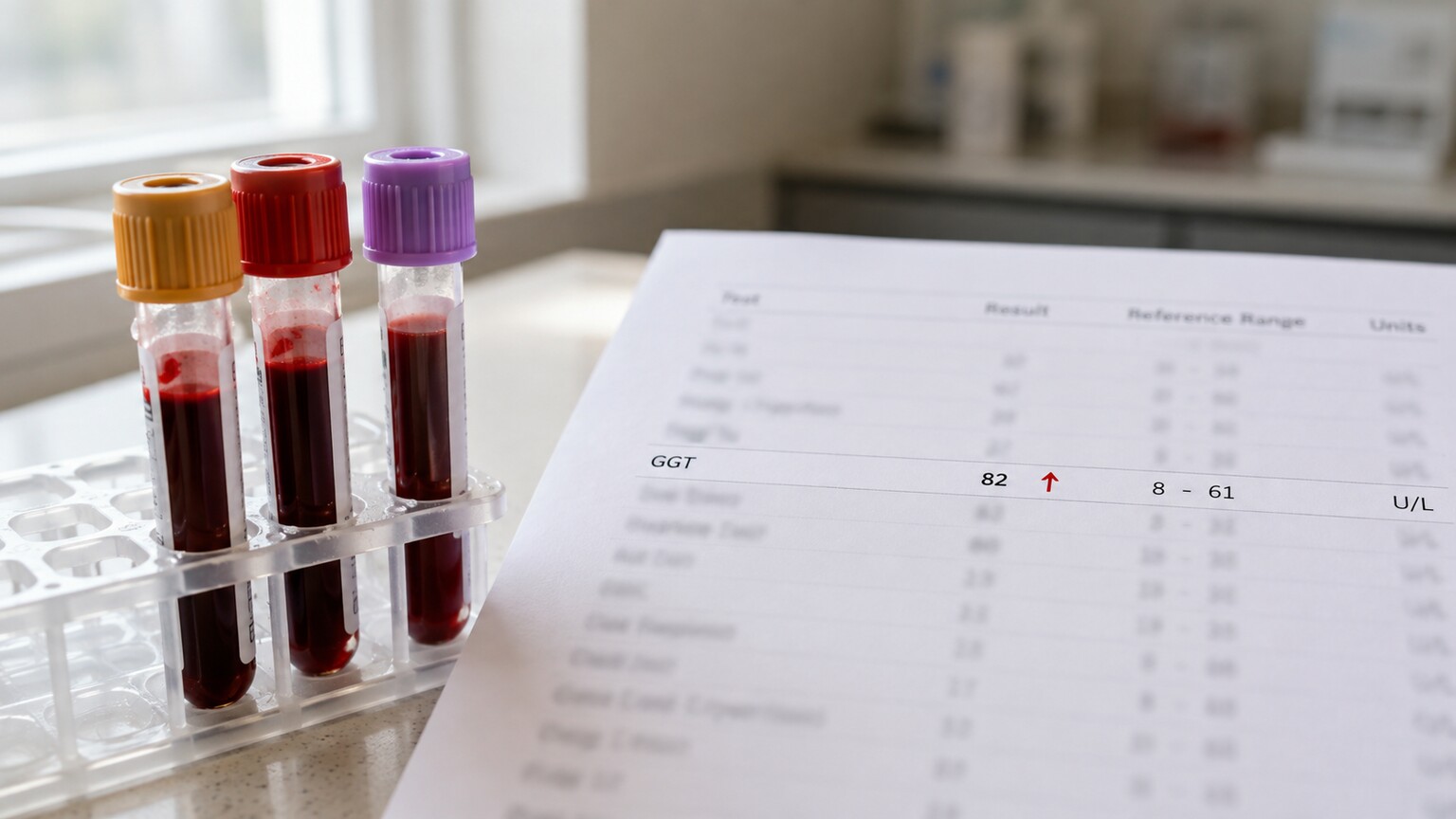
Figure 6. GGT is almost always interpreted alongside ALT, AST, and alkaline phosphatase, since the pattern across all four values together narrows down the likely cause far better than any single number alone.
Because of this, if your GGT came back high, it's genuinely worth looking at the rest of your panel rather than fixating on that one line. A GGT that's high in isolation, with every other liver value normal, tells a very different story than a GGT that's high alongside rising ALT, AST, and bilirubin — the first pattern is far more commonly benign and reversible, while the second warrants a more thorough evaluation. This is exactly the kind of context a full report interpretation is built to surface, since it looks at how your values relate to each other rather than treating each one as an isolated data point.
Less Obvious Triggers Worth Knowing About
A handful of causes fall outside the "big four" of alcohol, medications, fatty liver, and bile duct issues, and they're worth mentioning precisely because they're the ones most likely to be overlooked when someone is trying to make sense of an unexplained elevated result. Celiac disease, an autoimmune reaction to gluten that damages the lining of the small intestine, has been associated with mildly elevated liver enzymes, including GGT, in a meaningful percentage of newly diagnosed patients — in some cases, an unexplained liver enzyme abnormality is what eventually prompts the testing that leads to a celiac diagnosis in the first place. Thyroid dysfunction, both an underactive and an overactive thyroid, can also shift liver enzyme levels somewhat, since thyroid hormone influences how efficiently the liver processes and clears substances from the blood.
Rapid weight loss, including the kind that follows bariatric surgery or a very aggressive diet, can temporarily raise GGT and other liver enzymes as fat stores are mobilized and processed through the liver faster than usual — a counterintuitive finding for anyone assuming that losing weight should only ever improve their lab numbers in the short term, even though the long-term trend after stabilization is almost always favorable. And in rare cases, GGT can be genetically influenced: some people simply run a higher baseline GGT than average their whole lives, without any of the causes above being present, due to normal genetic variation in how their liver metabolizes and expresses this particular enzyme. This is one more reason a single number is best read in the context of your own personal trend over time, rather than compared only to a population-wide reference range.
Other Contributing Factors: Metabolic and Cardiac Causes
Beyond alcohol, medications, fatty liver, and bile duct issues, a handful of other conditions show up often enough to be worth knowing about. Type 2 diabetes and insulin resistance are independently associated with higher GGT, even set apart from their strong link to fatty liver, and some researchers consider GGT a general marker of metabolic stress and oxidative burden throughout the body, not just a liver-specific signal. Obesity follows a similar pattern, with GGT tending to track fairly closely with body fat percentage and waist circumference across large population studies.
Heart failure is a less obvious but well-documented cause: when the heart isn't pumping efficiently, blood can back up into the veins draining the liver, causing a congested, swollen liver that raises GGT along with other liver enzymes, a pattern sometimes referred to as congestive hepatopathy. Smoking has also been independently linked to modestly higher GGT levels in multiple studies, likely tied to the additional oxidative stress cigarette smoke places on the body's detoxification systems, including the liver. And certain acute illnesses, significant physical stress, or even a recent heart attack can transiently bump GGT as part of a broader systemic stress response, which is one more reason a single elevated result is best interpreted in context rather than in isolation.
When a High GGT Signals Something That Needs Prompt Attention
Most of the causes covered so far are common, often mild, and frequently reversible. But there are situations where a high GGT is part of a picture that genuinely warrants prompt medical evaluation, and it's worth knowing what those look like so you can recognize them rather than dismiss them. A GGT that's dramatically elevated — many times above the top of the normal range — especially when paired with a rising ALP, dark urine, pale stools, yellowing of the skin or eyes, or right-upper-abdominal pain, points toward active bile duct blockage or significant liver inflammation that should be assessed soon rather than watched from a distance.
Similarly, a GGT that's high alongside meaningfully elevated ALT and AST — rather than GGT rising alone — suggests active liver cell injury is happening, which has a broader list of possible causes including viral hepatitis, autoimmune liver disease, or more advanced fatty liver disease, and generally calls for a more complete work-up. None of this is meant to cause alarm reading a single number on a screen — the overwhelming majority of isolated, mildly elevated GGT results turn out to trace back to something ordinary and manageable, like recent alcohol intake or a medication. But knowing which patterns deserve a prompt conversation with a healthcare provider, rather than a "wait and see" approach, is exactly the kind of context that turns a confusing lab report into something actionable.
Frequently Asked Questions
Can a high GGT come back to normal on its own?
Often, yes — if the underlying trigger is something reversible, like recent alcohol intake, a medication that's since been stopped, or a short period of illness or physical stress. GGT elevated by alcohol, for example, commonly starts dropping within two to six weeks of cutting back. Whether it fully normalizes depends on whether there's an ongoing condition, like fatty liver, still driving it in the background.
Does a high GGT always mean liver damage?
No. GGT reflects enzyme activity and cellular stress more than direct injury, and it commonly rises from causes that don't involve real liver damage at all — certain medications and mild fatty liver changes being two of the most frequent examples. It becomes more concerning for actual injury when it's paired with elevated ALT, AST, or bilirubin, rather than showing up high on its own.
How long before a blood test should I stop drinking alcohol to avoid affecting my GGT result?
Because alcohol's effect on GGT builds and fades over days to weeks rather than hours, a single drink the night before a test is unlikely to meaningfully move an otherwise-normal result. Regular or heavy drinking over the preceding weeks has a much larger effect, so if your goal is an accurate baseline reading, several weeks of reduced or no alcohol intake gives the clearest picture of what your GGT looks like without that influence.
Should I ask my doctor for a GGT test even if it wasn't included in my routine panel?
It's a reasonable question to raise, particularly if you drink regularly, take a medication known to affect liver enzymes, or have risk factors for fatty liver like excess weight or insulin resistance — but GGT is best interpreted by a clinician alongside the rest of a liver panel rather than ordered and read in isolation, so it's worth framing the request around that broader context.
Can stress or a poor night's sleep temporarily raise GGT?
Significant physical or physiological stress — including acute illness, major surgery, or a heart attack — can transiently raise GGT as part of a broader systemic stress response, but ordinary day-to-day stress or a single poor night's sleep is not a well-documented cause of a meaningful GGT change. If your result is high, everyday stress is a far less likely explanation than alcohol, medications, or the metabolic factors described above.
Is GGT the same thing as a liver function test?
Not exactly. GGT is one component of what's commonly called a liver panel, but "liver function" more precisely refers to tests like albumin, bilirubin, and clotting factors, which reflect what the liver is actually producing and doing. GGT, ALT, AST, and ALP are better described as liver enzyme or liver injury markers — they signal that liver or bile duct cells are stressed or releasing their contents, which is a related but distinct concept from whether the liver's overall function is impaired.
Conclusion
A high GGT result is one of the more common flags to show up on a lab report, and in most cases it traces back to something ordinary and manageable — alcohol, a medication your liver is actively processing, or the early metabolic changes of fatty liver. In a smaller number of cases, it's an early signal of bile duct blockage or more active liver inflammation that deserves a closer look. What makes GGT genuinely useful isn't the number by itself, but how it lines up against the rest of your liver panel — ALT, AST, ALP, and bilirubin together tell a far more complete story than any single value can on its own. If your GGT came back elevated, the most productive next step isn't to guess at the cause from one line on a page, but to look at the full pattern, consider what's changed recently in your drinking habits, medications, or weight, and bring that context to a conversation with a healthcare provider who can interpret it accurately. Lab numbers are most useful as part of an ongoing story about your health, not as a single verdict delivered in isolation — and GGT, more than almost any other routine value, rewards that kind of patient, contextual reading.
Still Not Sure What Your Results Mean?
Upload your labs and get a complete, visual, plain-language interpretation of every biomarker — delivered to your inbox in under 15 minutes.
Get My ReportThis article is for educational purposes only and does not constitute medical advice. Always consult your healthcare provider regarding your specific lab results.