
Can Kidney Problems Affect Your Blood Protein Levels?
Yes — kidney problems can meaningfully change your blood protein levels, though not always in the direction you might expect. Most people think of the liver as the organ in charge of protein, since it's where albumin and most other blood proteins are actually manufactured. But your kidneys play an equally important, entirely different role: they act as a filtration barrier that's supposed to keep large proteins safely inside your bloodstream while letting waste products pass through into urine. When that barrier is damaged, protein that should stay in your blood starts leaking out into urine instead, and your total blood protein level can drop even though your liver is producing it normally. In other kidney conditions, the opposite pattern can occur, with chronic inflammation pushing certain protein levels up rather than down. This article explains how kidneys normally handle protein, what happens when that system breaks down, how a low or abnormal blood protein result connects back to kidney health, what that means across different life stages and conditions, and how doctors sort out a kidney cause from a liver or nutritional one.
What Blood Protein Tests Actually Measure
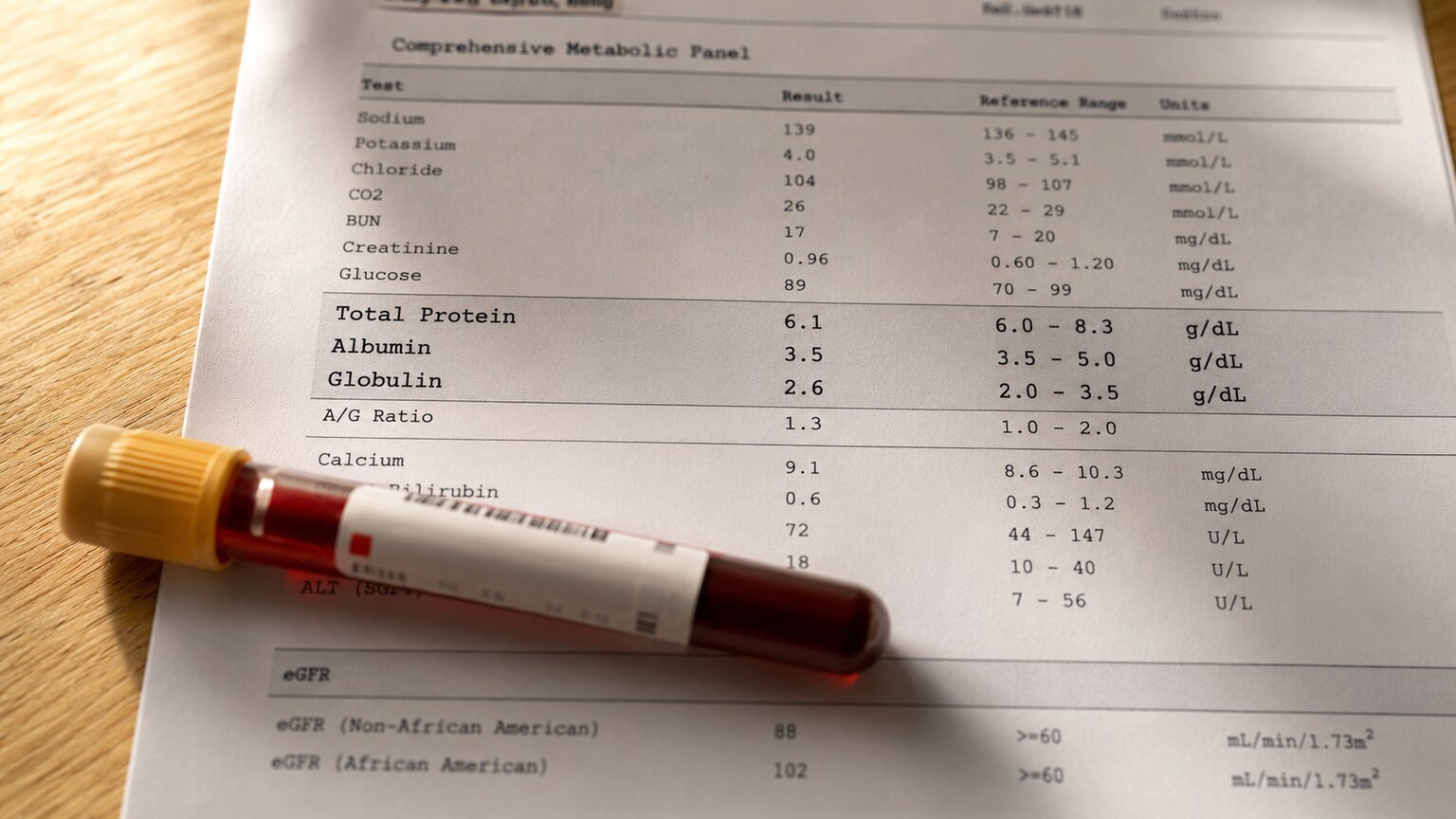
Figure 1. A total protein test measures two distinct protein groups together: albumin and globulin, each produced differently and each carrying its own diagnostic meaning.
When a lab report shows "total protein," that single number is actually the sum of two very different families of protein circulating in your blood. The first is albumin, a single, relatively small protein made exclusively by your liver, accounting for roughly 55–60% of total blood protein under normal conditions. Albumin's main job is to act like a sponge, holding water inside your blood vessels through a physical effect called oncotic pressure, and to serve as a transport vehicle, ferrying hormones, medications, and other substances through your bloodstream. The second family is globulin, a broad category covering many different proteins, including the antibodies your immune system produces to fight infection, along with various carrier and clotting-related proteins made by both the liver and immune cells called plasma cells.
A standard total protein test typically reports three numbers: total protein, albumin specifically, and globulin (usually calculated by subtracting albumin from the total, rather than measured directly). Clinicians also frequently look at the albumin-to-globulin ratio, or A/G ratio, since the relationship between these two protein families often reveals more than either number alone. A normal total protein level in adults generally falls between about 6.0 and 8.3 grams per deciliter (g/dL), though exact reference ranges vary slightly by laboratory. Understanding which of these two protein families is actually driving an abnormal result — and why — is the first and most important step in figuring out whether the kidneys, the liver, the immune system, or something else entirely is behind it. This distinction matters because albumin and globulin can move in completely opposite directions at the same time in the same person, something a single "total protein" number, viewed in isolation, would never reveal on its own.
Why Protein Loss Affects More Than Just Fluid Balance
It's worth understanding, before going further into the kidney mechanics, just how many different jobs the proteins lost through damaged kidneys are actually responsible for — because it explains why significant proteinuria produces such a wide range of downstream effects, not just swelling. Albumin doesn't only hold water inside blood vessels; it also acts as a transport carrier for hormones, vitamin D, calcium, and many medications, binding to them and ferrying them through the bloodstream to where they're needed. When albumin is chronically lost through urine, these transport functions are lost along with it, which is part of why people with significant, ongoing proteinuria can also develop vitamin D deficiency, low calcium, or altered drug levels for medications that rely on albumin binding to work correctly at their intended dose.
Globulins carry their own distinct set of essential jobs. Immunoglobulins, a major globulin subgroup, are the antibodies your immune system uses to recognize and fight off infections; when significant amounts of protein are lost through the kidneys, some of these infection-fighting antibodies are lost as well, which is a real part of why people with nephrotic syndrome face a measurably higher risk of certain infections. Other globulins carry clotting-regulating proteins, including some that normally prevent excessive clot formation — losing these can tip the balance toward a higher risk of blood clots, a recognized and clinically important complication of nephrotic syndrome, particularly affecting the veins of the legs and, less commonly, the lungs. Seeing the fuller list of what these proteins actually do makes it clear why "low protein" is never just a cosmetic lab finding — it has real, physiologically meaningful consequences that extend well past fluid retention alone.
How Healthy Kidneys Normally Handle Protein
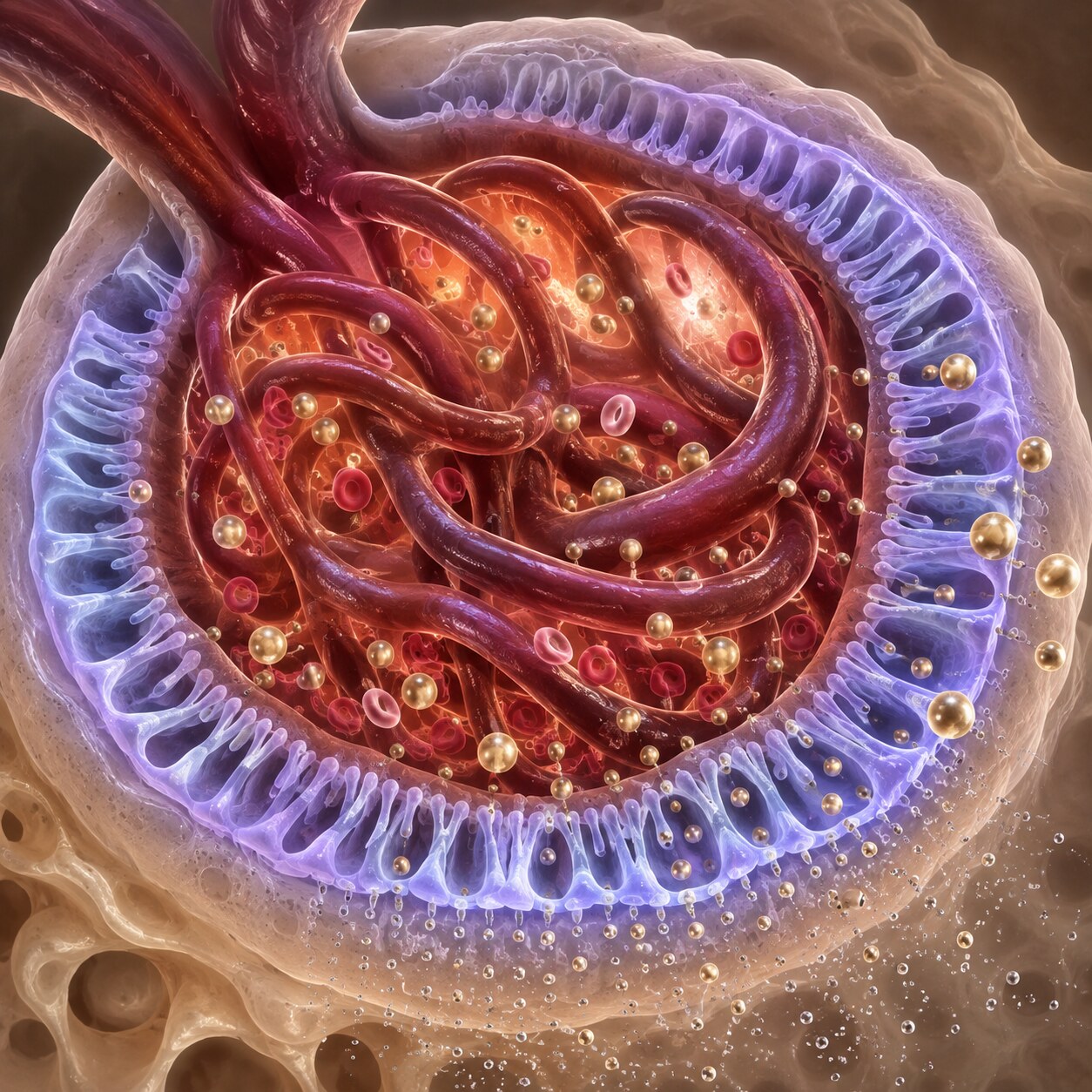
Figure 2. The glomerulus, the kidney's microscopic filtering unit, is normally too selective to let large proteins like albumin pass into urine.
Each of your kidneys contains roughly a million tiny filtering units called nephrons, and at the start of each nephron sits a structure called the glomerulus — a dense tangle of specialized capillaries wrapped inside a filtering capsule. Blood flows into the glomerulus under pressure, and this structure's job is to let water, salts, and small waste molecules pass through into the beginning of urine while holding back larger molecules, especially blood cells and most proteins. This selectivity depends on a genuinely elegant, multi-layered filtration barrier: a specialized capillary wall, a thin basement membrane, and an outer layer of cells called podocytes, whose finger-like projections interlock like laced fingers to create tiny slits that are just narrow enough to block a molecule the size of albumin.
This barrier isn't purely a matter of physical size — it's also electrically selective. Albumin carries a negative electrical charge, and the filtration barrier itself is also negatively charged, which means the barrier actively repels albumin in addition to physically blocking it, adding a second layer of protection beyond simple pore size. Under healthy conditions, this two-part system is so effective that only a trace amount of protein — normally less than about 150 milligrams per day — ends up in urine, most of it a different, smaller protein rather than albumin. Any of the small amount of protein that does slip through gets largely reabsorbed further down the nephron, in a section called the proximal tubule, before urine ever leaves the body. When kidney disease damages either the glomerulus's physical structure or its electrical charge barrier, this careful selectivity breaks down, and proteins that should have stayed in the bloodstream begin spilling into urine in meaningfully larger amounts — a condition called proteinuria. The severity of this leakage exists on a genuine spectrum rather than being an all-or-nothing state: mild, early damage might allow only a small amount of extra protein through, detectable only with a sensitive test, while more advanced or aggressive damage can allow gram-scale amounts of protein to pass into urine every single day, and it's this severity spectrum — not just the presence or absence of protein in urine — that ultimately determines how much the corresponding blood protein level actually falls.
Nephrotic Syndrome: When Kidneys Leak Protein Into Urine

Figure 3. Persistent, dense foam in urine — not just a passing bubble or two — can be a visible sign of significant protein loss through damaged kidney filters.
The most dramatic example of kidneys directly lowering blood protein is a condition called nephrotic syndrome, defined by a specific combination of findings: heavy proteinuria (typically more than 3.5 grams of protein lost in urine per day), low blood albumin, swelling (edema), and often high cholesterol as a secondary effect. Nephrotic syndrome isn't a single disease but a pattern that can result from several different underlying causes, including minimal change disease (more common in children), focal segmental glomerulosclerosis, membranous nephropathy, and diabetic kidney disease, among others — each damaging the glomerulus's filtration barrier through a different specific mechanism, but producing the same basic end result of protein escaping into urine faster than the liver can replace it in the blood.
One of the more visually recognizable early clues to significant proteinuria is foamy urine — not the light, temporary foam that can appear from a fast urine stream hitting the water, but persistent, dense, almost soap-suds-like foam that doesn't dissipate quickly. This happens because albumin, like many proteins, is a surfactant — a substance that reduces the surface tension of liquid, the same basic physical property that makes soap create bubbles. While foamy urine on its own isn't a diagnosis, it's often what first prompts someone to seek evaluation, leading to a urine protein test that confirms significant protein loss and a blood panel showing correspondingly low albumin. Because the liver can typically only produce new albumin at a limited maximum rate, once urinary protein loss exceeds what the liver can replace, blood albumin drops — sometimes dramatically, into the range of 2.0–2.5 g/dL or lower in severe cases, well beneath the normal 3.5–5.0 g/dL range.
Curious what your own total protein, albumin, and kidney function results actually mean together? Upload your results and get a complete, plain-language breakdown in under 15 minutes.
Analyze My ResultsRecognizing the Symptoms of Significant Protein Loss
Beyond the swelling and foamy urine already described, significant protein loss through the kidneys tends to produce a cluster of related symptoms that make more sense once you understand the underlying protein deficit driving them. Fatigue and a general sense of feeling unwell are common but nonspecific, often attributed to other causes until a lab test reveals the actual protein numbers. Unintentional weight gain, somewhat counterintuitively, can occur even in someone who isn't eating more, simply because the fluid retention described earlier adds real, measurable weight through accumulated water rather than fat or muscle — this is part of why sudden weight gain over just a few days, especially paired with new swelling, is taken seriously as a possible sign of fluid overload rather than dismissed as ordinary weight fluctuation.
Because immunoglobulin loss can weaken infection defenses, some people with significant, ongoing proteinuria notice they're getting sick more often or more severely than usual, particularly with bacterial infections — a pattern worth mentioning specifically to a healthcare provider rather than treating each infection as an unrelated, isolated event. Loss of appetite and muscle wasting can also develop over time in more severe or prolonged cases, partly from the underlying kidney disease itself and partly from the body's compensatory attempts to replace lost protein by breaking down its own muscle tissue. High cholesterol, one of the four classic features of nephrotic syndrome alongside heavy proteinuria, low albumin, and edema, occurs because the liver ramps up production of various proteins, including cholesterol-carrying lipoproteins, in a somewhat overcompensating response to the ongoing albumin loss — an effect that isn't fully understood but is consistently observed and is part of why a lipid panel is often included when nephrotic syndrome is suspected.
Chronic Kidney Disease and Its Different Effect on Protein Levels
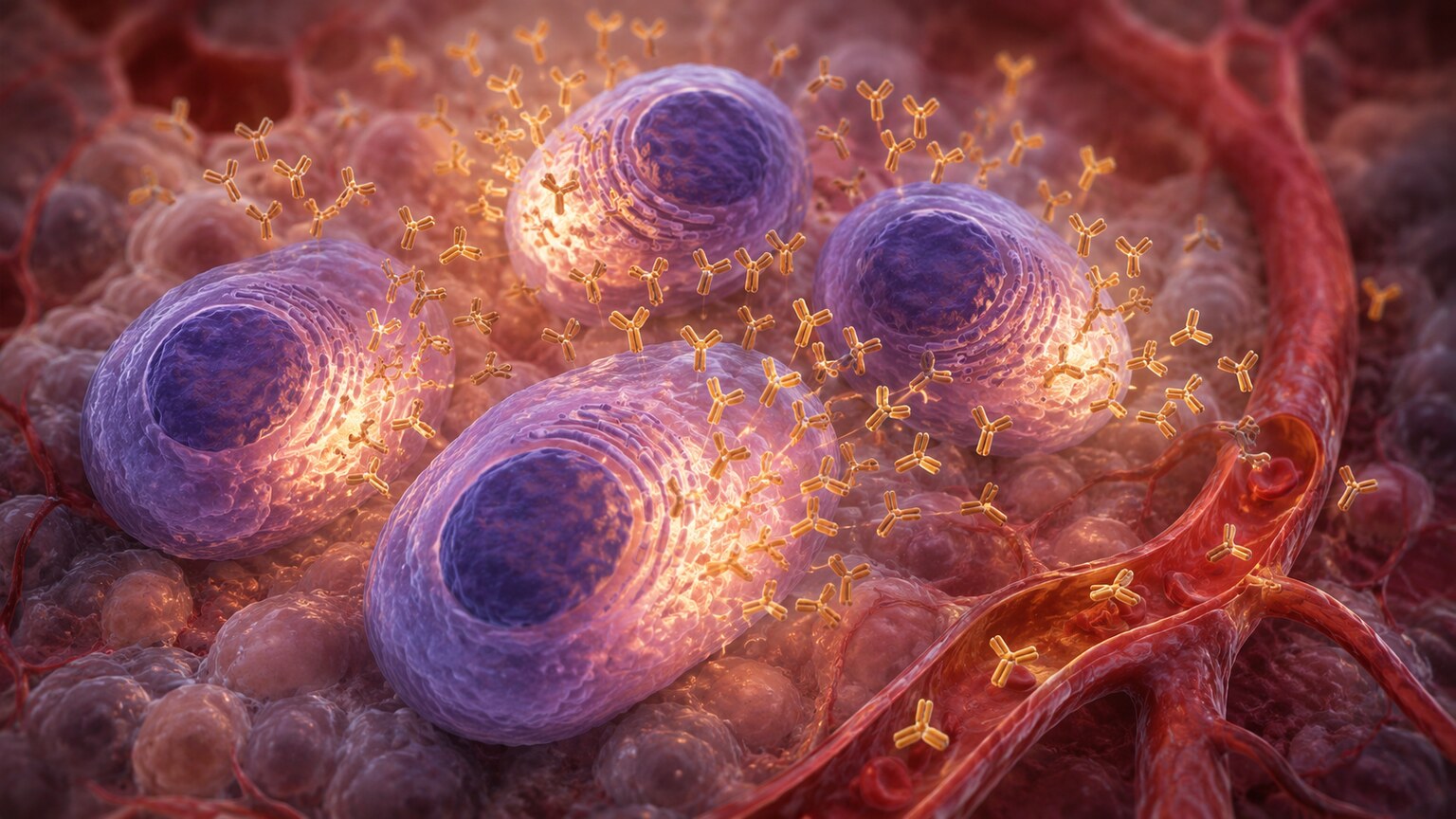
Figure 4. Chronic kidney disease often drives a low-grade, ongoing inflammatory state that can raise globulin levels even as albumin falls.
Not every form of kidney disease follows the dramatic, heavy-proteinuria pattern of nephrotic syndrome. Chronic kidney disease (CKD), the slow, progressive loss of kidney function over months or years, often produces a more complex and sometimes contradictory protein picture. Many people with CKD do have some degree of proteinuria, which lab tests can detect even at levels far below the nephrotic threshold — this "microalbuminuria" or moderately increased albuminuria is actually one of the earliest detectable signs of kidney damage in conditions like diabetes and high blood pressure, often showing up on testing well before kidney function itself has measurably declined.
At the same time, CKD is associated with a state of chronic, low-grade systemic inflammation, driven by a combination of the retained waste products the failing kidneys can no longer clear efficiently, oxidative stress, and immune system activation. This chronic inflammatory state can actually push globulin levels upward, since several of the proteins classified as globulins — including a group called acute-phase reactants — are produced in greater quantities during inflammation, regardless of whether that inflammation originated from kidney disease itself or something else entirely. The net effect in a given person with CKD depends on the balance between these two competing forces: how much albumin is being lost through urine versus how much globulin is being pushed up through inflammation, which is why the A/G ratio in CKD patients can look different from what you'd expect in a simpler, single-cause protein disorder, and why interpreting it requires the fuller clinical picture rather than a single number in isolation.
Why Low Albumin From Kidney Disease Causes Swelling

Figure 5. Low blood albumin reduces the fluid-retaining oncotic pressure inside blood vessels, allowing fluid to leak into surrounding tissue and cause visible swelling.
The swelling seen in nephrotic syndrome and other protein-losing kidney conditions isn't a separate, unrelated symptom — it's a direct physical consequence of low albumin, and understanding the mechanism makes the whole picture click into place. Blood vessels constantly leak small amounts of fluid into surrounding tissue as part of normal circulation, and albumin's job, through the oncotic pressure it generates, is to pull that fluid back into the bloodstream, keeping the overall system balanced. Think of albumin molecules as tiny magnets holding water inside your blood vessels; when there's a normal, healthy concentration of them, they exert enough pulling force to keep most fluid where it belongs.
When albumin drops significantly, that pulling force weakens substantially, and fluid that leaks out of blood vessels isn't drawn back in as effectively, allowing it to accumulate in surrounding tissue instead. This shows up first, and most visibly, in areas where gravity and tissue pressure make accumulation easiest to see: around the ankles and lower legs in someone who's been upright during the day, or around the eyes in the morning after lying flat all night. In more severe cases, fluid can accumulate in the abdominal cavity (ascites) or around the lungs (pleural effusion), producing more significant symptoms like abdominal distension or shortness of breath. This is precisely why swelling is one of the four defining features of nephrotic syndrome rather than a coincidental symptom — it's the direct, mechanical downstream result of the same low albumin visible on the blood test, which is also why treating the swelling effectively usually requires addressing the underlying protein loss, not just using diuretics to remove excess fluid in isolation. Diuretics still play a genuinely useful supporting role in managing the discomfort and complications of significant fluid buildup while the underlying cause is being addressed, but used alone, without treating the actual source of protein loss, they tend to provide only temporary relief, since the same low oncotic pressure driving fluid out of the vessels in the first place remains unchanged.
Other Kidney-Related Causes of Abnormal Protein Levels
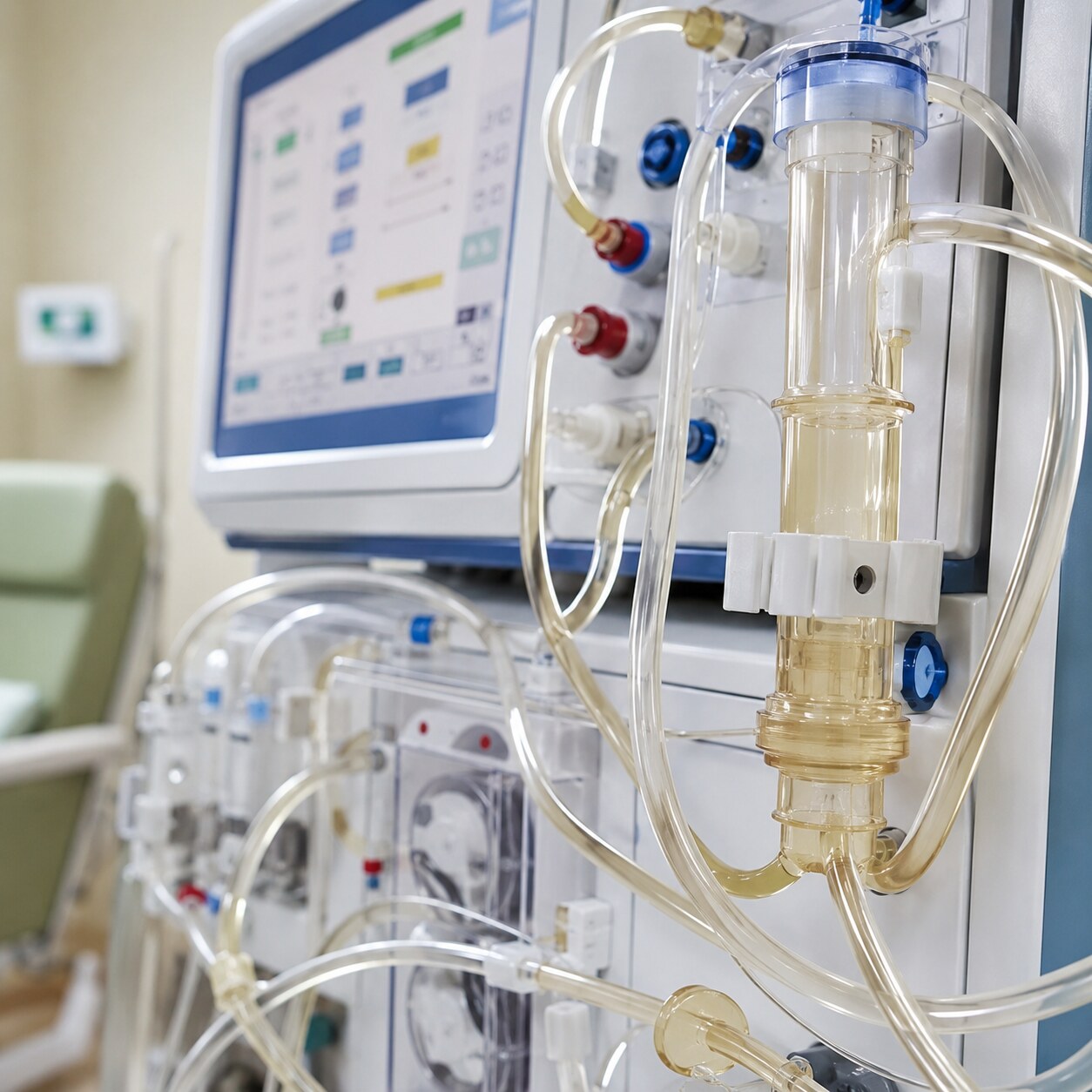
Figure 6. Dialysis, while essential for filtering waste in kidney failure, can itself cause a modest ongoing loss of blood protein through the dialysis process.
Beyond nephrotic syndrome and general CKD-related inflammation, several other kidney-related situations affect blood protein levels in their own distinct ways. Diabetic nephropathy, the kidney damage that develops from years of poorly controlled blood sugar, is currently the leading cause of kidney failure in many countries and typically follows a progressive path from mild albuminuria to, eventually, nephrotic-range protein loss as the disease advances — making it one of the more common real-world reasons a diabetic patient's routine urine or blood protein testing turns up an abnormal result. This progression follows a well-documented pattern: years of elevated blood sugar gradually thicken and damage the small blood vessels within the glomerulus, alongside changes to the same negatively charged filtration barrier described earlier, allowing progressively larger amounts of protein to escape into urine as the damage accumulates — which is precisely why blood sugar control over the years leading up to a diagnosis often correlates closely with how much kidney protection has been preserved by the time protein loss is first detected. Kidney disease caused by autoimmune conditions, such as lupus nephritis, can produce protein loss through direct immune-mediated damage to the glomerulus, often alongside other lab abnormalities that point toward the underlying autoimmune process, including specific antibody tests and a distinctive pattern of complement protein levels that helps confirm the diagnosis and distinguish it from other causes of kidney-related protein loss. High blood pressure is another significant, and often underappreciated, contributor: sustained elevated pressure within the delicate blood vessels of the glomerulus can, over years, cause the same kind of structural damage seen with diabetes, which is part of why blood pressure control is treated as seriously as blood sugar control when it comes to protecting long-term kidney and protein-filtering function.
People with kidney failure who require dialysis face a somewhat different situation: peritoneal dialysis, in particular, involves protein loss directly through the dialysis fluid itself, since the peritoneal membrane used for this form of dialysis is somewhat more permeable to protein than a healthy kidney's filtration barrier, meaning ongoing protein loss can continue even after native kidney function has essentially stopped — a factor nutritionists and nephrologists specifically account for when planning dietary protein intake for patients on this type of dialysis, often recommending a somewhat higher daily protein intake than would otherwise be typical to help offset these ongoing losses through the dialysate. Hemodialysis, the more common form of dialysis performed at a clinic using an external filtering machine, generally causes less direct protein loss than peritoneal dialysis, though the overall nutritional needs of hemodialysis patients still require careful, individualized attention given the many other ways kidney failure affects the body's protein and nutrient balance. Kidney transplant recipients require their own separate monitoring as well, since recurrent or new-onset kidney disease in the transplanted organ, along with certain anti-rejection medications, can independently affect protein levels, making regular protein and kidney function testing a standard part of long-term post-transplant care. Some anti-rejection medications, including certain calcineurin inhibitors, carry their own recognized risk of inducing proteinuria as a side effect distinct from any recurrence of the original kidney disease, which is one of several reasons transplant teams track protein levels so closely and adjust medication regimens carefully over time.
Special Considerations: Children, Pregnancy, and Diabetes
Certain groups experience kidney-related protein changes in distinctive ways worth understanding on their own terms. In children, minimal change disease is by far the most common cause of nephrotic syndrome, often appearing suddenly with dramatic swelling, sometimes starting around the eyes and face rather than the legs, which can initially be mistaken for an allergic reaction before urine testing reveals the actual cause. The encouraging news for this age group is that minimal change disease in children typically responds very well to corticosteroid treatment, with the large majority achieving remission, though relapses are common and long-term monitoring remains important.
Pregnancy introduces its own specific concern: preeclampsia, a pregnancy-related condition involving high blood pressure and new-onset proteinuria, typically appearing after 20 weeks of gestation. The exact mechanism involves abnormal placental development affecting maternal blood vessels, including the kidneys' filtration barrier, and it's part of why urine protein testing is a standard, routine part of prenatal care visits throughout pregnancy — catching new proteinuria early allows for closer monitoring and timely intervention, since untreated preeclampsia can become dangerous for both mother and baby, potentially progressing to a more severe form involving seizures if left unaddressed. Regular blood pressure and urine protein checks at every prenatal visit are precisely why this condition is so often caught early in places with consistent prenatal care access, and why any pregnant person experiencing new swelling, headaches, or visual changes in the second half of pregnancy is generally encouraged to seek prompt evaluation rather than waiting for a scheduled appointment. Diabetes deserves its own mention here as well, distinct from its coverage earlier, because diabetic kidney disease develops so gradually and predictably that structured annual screening (a simple urine test checking for microalbuminuria) is a standard recommendation for essentially everyone with diabetes, precisely because catching the earliest, most subtle stage of protein leakage — often years before any symptoms develop — is when intervention is most effective at slowing or preventing further kidney damage.
How Doctors Distinguish Kidney-Related Causes From Liver or Nutritional Ones

Figure 7. Distinguishing a kidney cause from a liver or nutritional one typically requires comparing blood protein results against a urine protein test.
Because low albumin can stem from the kidneys losing it, the liver failing to make enough of it, or the body simply not taking in enough protein or calories to begin with, the single most useful next step in sorting out the cause is usually a urine protein test — something a blood panel alone cannot answer. Significant protein in the urine points toward the kidneys as the source; a low albumin with a clean urine protein result shifts the investigation toward the liver (checking liver enzymes, synthetic liver function, and signs of chronic liver disease) or toward nutritional status (checking for malnutrition, malabsorption, or chronic illness suppressing appetite and intake). Kidney function tests themselves — creatinine, estimated glomerular filtration rate (eGFR), and blood urea nitrogen (BUN) — help establish whether overall kidney function is also declining alongside any protein loss, since it's possible to have proteinuria with preserved kidney function, particularly early in the disease course.
The A/G ratio adds another useful layer of context: a low ratio (relatively more globulin compared to albumin) can suggest either albumin loss (from kidney disease or liver disease) or globulin overproduction (from chronic inflammation, infection, or certain blood disorders affecting plasma cells), while a high ratio is less common and can suggest reduced globulin production or, less often, dehydration concentrating albumin disproportionately. When the pattern still isn't clear from these initial tests, more specific testing — such as serum protein electrophoresis, which separates and measures individual protein fractions rather than lumping them into just albumin and globulin, or a kidney biopsy in more complex or unclear cases — can pin down the exact mechanism at play. A kidney biopsy, while sounding more invasive than it typically is, involves taking a very small sample of kidney tissue with a thin needle under imaging guidance and local anesthesia, examined afterward under a microscope to directly visualize the specific pattern of damage affecting the glomerulus — information that can distinguish between the various underlying causes of nephrotic syndrome in ways blood and urine tests alone cannot, and that often directly guides which treatment approach is most likely to help. This layered, step-by-step approach is exactly why a single low protein number, without any of this surrounding context, tells a clinician relatively little on its own.
Tracking Protein and Kidney Markers Over Time
Because both proteinuria and blood protein levels can fluctuate somewhat from day to day — influenced by hydration, recent exercise, posture, and even the time of day a sample is collected — a single test result is rarely the final word in kidney-related protein monitoring. This is part of why clinicians managing known or suspected kidney disease typically rely on repeated testing over time rather than a single value, watching the trend in urine protein-to-creatinine ratio (a more precise measurement than a simple urine dipstick) alongside serum albumin, eGFR, and creatinine across successive visits. A gradually worsening trend in proteinuria over several months, even if each individual value technically remains within a broad "acceptable" range, can be an earlier and more meaningful warning sign than waiting for a single dramatically abnormal result.
For people already diagnosed with a protein-losing kidney condition, this kind of tracking becomes a central part of long-term management, since it's what allows a treatment plan to be adjusted in response to how the body is actually responding, rather than on a fixed schedule alone. A declining urine protein level alongside a rising serum albumin after starting treatment for nephrotic syndrome, for instance, is one of the most reassuring signs a clinician can see, indicating the underlying disease process is genuinely improving rather than just being masked. Conversely, protein levels that plateau or worsen despite treatment often prompt a reassessment of the diagnosis itself, sometimes including a kidney biopsy if one hasn't already been performed, to make sure the underlying cause has been correctly identified and is being treated appropriately.
What Happens After Abnormal Protein Levels Are Linked to Kidney Function
Once a kidney-related cause of abnormal protein levels is identified, treatment centers on two parallel goals: addressing the specific underlying kidney condition and managing the consequences of protein loss itself. For nephrotic syndrome, treatment depends heavily on the specific underlying diagnosis — some causes, like minimal change disease, often respond well to corticosteroids or other immune-suppressing medications, while others require different targeted approaches. Regardless of the specific cause, medications called ACE inhibitors or ARBs, more commonly known for treating high blood pressure, are frequently used because they also reduce pressure within the glomerulus itself, which helps lessen ongoing protein leakage independent of their blood-pressure-lowering effect. Dietary counseling, careful sodium restriction to help manage fluid retention, and monitoring for complications like blood clots (since certain clotting-regulating proteins are also lost through urine alongside albumin) round out typical management.
For chronic kidney disease more broadly, management focuses on slowing further kidney damage — controlling blood pressure and blood sugar, addressing the specific underlying cause where one can be identified, and adjusting protein and other dietary factors as needed based on the stage of kidney disease and whether dialysis is anticipated. In all of these situations, low albumin found incidentally on a routine panel is best treated as a signal to look further, not a number to simply treat on its own — supplementing dietary protein or infusing albumin directly rarely fixes the underlying problem if the kidneys are still actively losing it, which is why identifying and addressing the actual source is what ultimately allows blood protein levels to stabilize and, in many cases, improve significantly over time. Nephrology follow-up, sometimes alongside a dietitian familiar with kidney disease, is generally the most effective long-term path forward once a kidney-related cause has been confirmed, since ongoing adjustments to treatment, diet, and monitoring frequency are usually needed as the underlying condition evolves.
Frequently Asked Questions
If my blood albumin is low, does that automatically mean I have kidney disease?
No. Low albumin can result from kidney protein loss, but it's just as commonly caused by liver disease, malnutrition, chronic inflammation, or being critically ill in a hospital setting. A urine protein test and kidney function panel are needed to determine whether the kidneys are actually involved, rather than assuming it from the albumin number alone.
Is foamy urine always a sign of a kidney problem?
Not always. A small amount of temporary foam from a fast urine stream or a very concentrated first-morning sample is usually normal. Persistent, dense foam that doesn't dissipate after a minute or two, especially if it happens consistently, is more concerning and worth mentioning to a healthcare provider, who can order a simple urine protein test to check.
Can kidney-related protein loss be reversed?
It depends on the underlying cause. Some conditions, like minimal change disease, often respond well to treatment and can largely resolve. Others, particularly advanced chronic kidney disease or long-standing diabetic nephropathy, may be more about slowing progression than fully reversing existing damage, which is why early detection and treatment generally lead to better outcomes.
Why would globulin be high if the kidneys are the problem, rather than the immune system?
Chronic kidney disease is associated with an ongoing, low-grade inflammatory state, driven partly by retained waste products and immune activation, which can raise certain globulin proteins even without a separate immune or infectious disease. This is a distinct mechanism from albumin loss through urine, and both can occur in the same person at the same time.
Can dehydration or exercise cause a temporary abnormal protein result?
Yes. Vigorous exercise can cause a temporary, harmless increase in urine protein that resolves within a day or two, and dehydration can concentrate blood proteins enough to nudge a total protein or albumin reading slightly higher than usual. This is part of why a single unexpected result, especially around a workout or a period of poor fluid intake, is often simply repeated under more controlled conditions before further workup is pursued.
Does having protein in urine always mean kidney disease is present?
Not necessarily. Some causes of proteinuria are temporary and benign, including fever, heavy exercise, and a condition called orthostatic proteinuria, where protein appears in urine only while standing or active and disappears on tests taken after lying down, most often seen in adolescents and young adults. Persistent proteinuria found on repeated testing over time is what typically prompts a more thorough kidney evaluation.
Conclusion
Kidney problems can genuinely move your blood protein numbers, but the story behind that movement is rarely simple: heavy protein loss through damaged glomerular filters can drive albumin down dramatically, as seen in nephrotic syndrome, while chronic kidney disease can simultaneously push globulin up through ongoing inflammation, producing a more mixed picture. Distinguishing a kidney cause from a liver or nutritional one hinges on a few key additional pieces of information — most importantly, a urine protein test — that a total protein or albumin number alone simply can't provide. Bringing your full panel, including kidney function and urine testing where relevant, into a conversation with a healthcare provider is the clearest path from an unexplained protein result to a real, actionable answer — and in most cases, once that answer is identified, the path forward is well established and genuinely manageable.
Still Not Sure What Your Results Mean?
Upload your labs and get a complete, visual, plain-language interpretation of every biomarker — delivered to your inbox in under 15 minutes.
Get My ReportThis article is for educational purposes only and does not constitute medical advice. Always consult your healthcare provider regarding your specific lab results.