
Understanding How Liver Function Affects Protein Levels
Nearly every protein circulating in your bloodstream — with one major exception, discussed shortly — was manufactured somewhere inside your liver, a fact that surprises most people the first time they actually think through what a liver panel is supposed to be measuring in the first place. This single fact explains why liver disease shows up on a protein panel at all, but it also explains something far less intuitive: why protein levels are often one of the very last things to drop when the liver starts failing, well after other liver tests have already gone abnormal. Your liver doesn't just make proteins; it makes them with an enormous built-in safety margin, a reserve capacity that has to be substantially used up before the actual output — the protein numbers on your blood test — ever budges. This article walks through exactly how that manufacturing system works, why it's deliberately built with so much spare capacity in the first place, and what it actually, concretely takes before liver dysfunction ever shows up as a genuine, meaningful drop in your own protein levels on a real blood test.
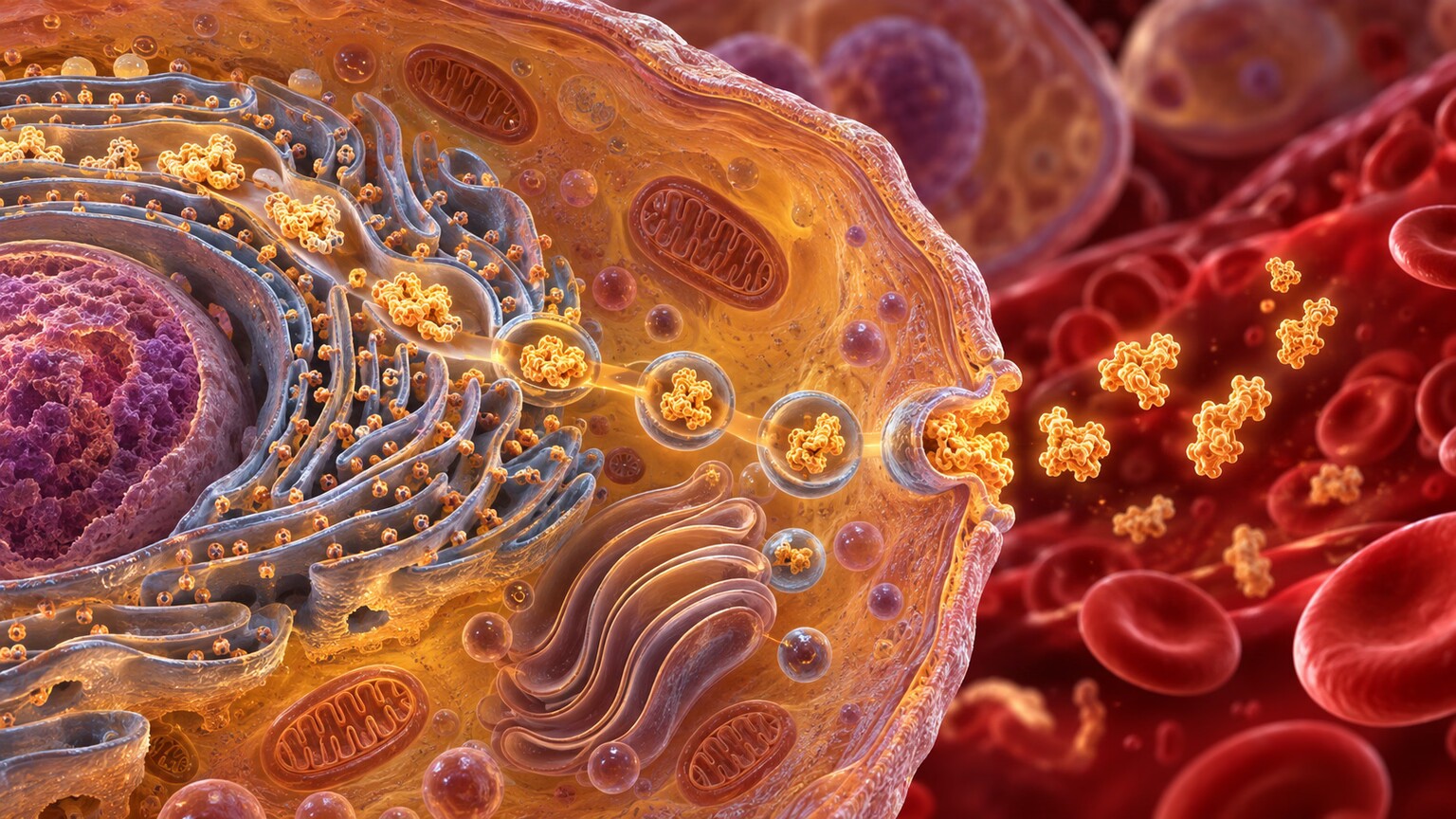
Figure 1. Hepatocytes, the liver's primary functional cells, continuously assemble and release the majority of the proteins found circulating in blood, making the liver the body's central protein-manufacturing organ.
Which Proteins Actually Come From the Liver
Albumin, the single most abundant protein circulating in blood plasma by a wide margin, is produced almost exclusively by the liver — no other organ in the body makes any meaningful backup supply of it, which is exactly why albumin ends up carrying so much diagnostic weight whenever liver function specifically is the question being asked. Most of the numbered clotting factors responsible for actually stopping bleeding once it starts are liver-made as well, along with a whole family of transport proteins that carry hormones, vitamins, and medications safely through the bloodstream, and several of the acute-phase proteins directly involved in the body's coordinated inflammatory response to injury or infection. The major exception is immunoglobulins — the antibody proteins that make up a significant share of the globulin fraction on a total protein or albumin-to-globulin panel — which come from plasma cells in the immune system, not the liver at all. This distinction is exactly why a total protein or globulin result can't be interpreted as "liver protein" as a single category; part of that number reflects liver output, and part reflects an entirely separate immune system process.
It's worth being specific about the transport proteins mentioned above, since their names sometimes appear directly on a more detailed lab report. Transferrin carries iron through the bloodstream to wherever it happens to be needed most, particularly for ongoing red blood cell production; transthyretin, sometimes called prealbumin on an older-style lab report, transports both thyroid hormone and vitamin A; and ceruloplasmin specifically carries copper safely through circulation. Each one of these specific proteins is manufactured inside the liver using essentially the same basic cellular machinery that also produces albumin itself, and each can, at least in principle, drop measurably when overall liver synthesis capacity becomes significantly impaired — though in routine practice, albumin remains the standard screening marker for this purpose, since it's cheaper, more standardized across labs, and present in far higher concentration, making it easier to measure reliably. Transthyretin specifically carries a much shorter half-life than albumin does, roughly two days rather than two to three weeks, which has led some clinicians to reach for it specifically as a faster-responding nutritional and synthetic marker in particular clinical contexts, such as tracking nutritional recovery over the course of a hospital admission, even though it still isn't part of routine outpatient testing the way albumin and total protein are.
Fibrinogen, yet another liver-made protein central to the blood clotting process, deserves a brief mention alongside the clotting factors discussed in more depth later in this article, since it happens to behave in a genuinely different, somewhat counterintuitive way compared to most of the other proteins covered here. Unlike most of the other numbered clotting factors described in this article, fibrinogen also happens to be a genuine acute-phase reactant in its own right, meaning active inflammation actually pushes its circulating level upward rather than downward — a liver simultaneously dealing with both significant synthetic impairment and an active, ongoing inflammatory process can therefore show a fibrinogen level that ends up looking deceptively reassuring on paper, masking the underlying problem rather than revealing it, another concrete example of exactly why interpreting any single liver-made protein in complete isolation, without the surrounding clinical context and the rest of the panel, genuinely risks a misleading, incomplete conclusion about what's actually happening.
Why Manufacturing Capacity, Not Simple Damage, Is the Real Variable
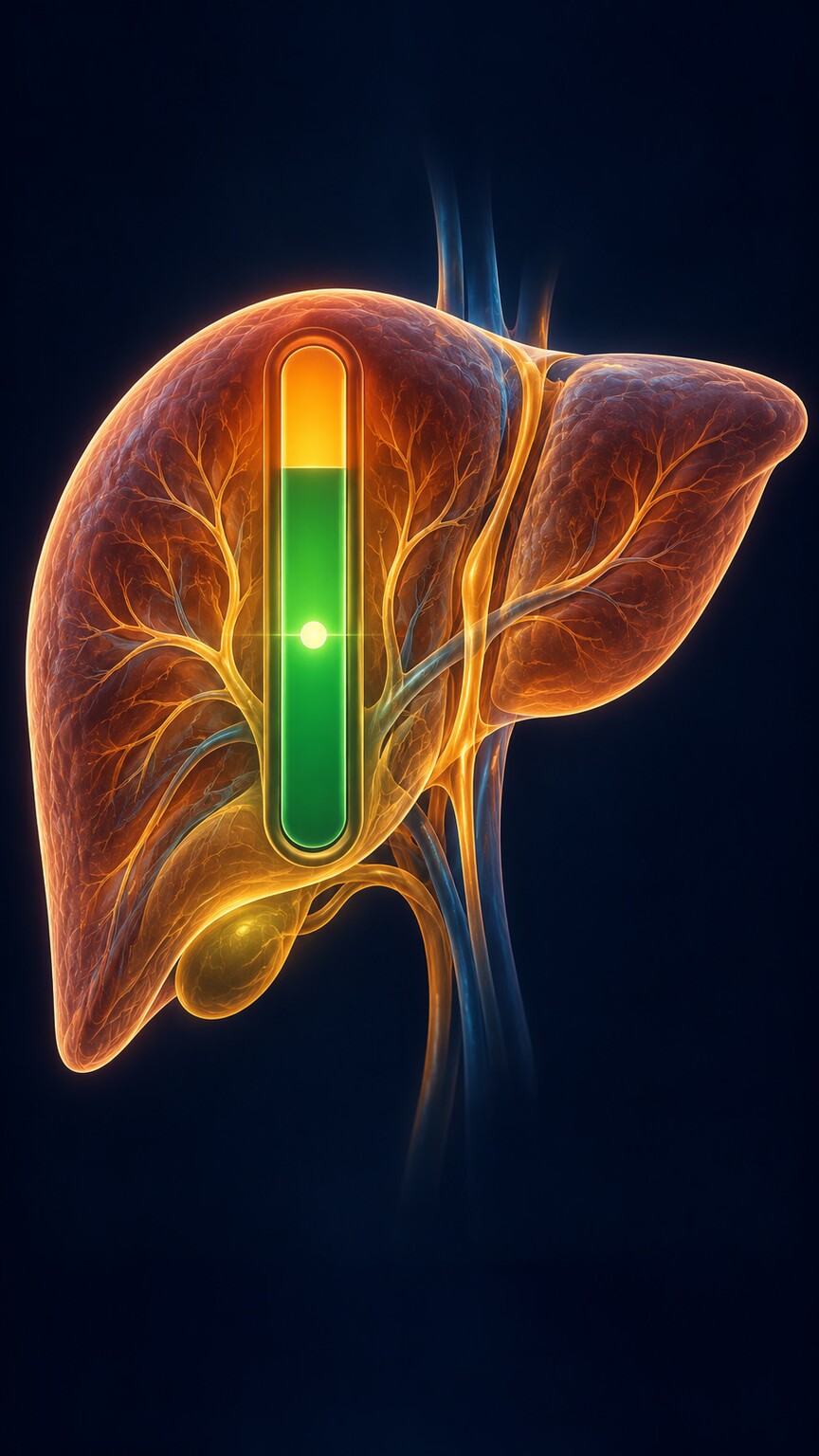
Figure 2. The liver's protein-synthesis capacity includes a substantial built-in reserve — output stays normal even as a meaningful share of functional tissue is lost, until that reserve is genuinely exhausted.
The liver is often described as having a remarkable regenerative and functional reserve, and understanding what that actually means is central to interpreting protein levels correctly. A healthy liver has far more synthesis capacity than the body needs on a day-to-day basis, which means a substantial portion of that capacity — commonly cited as up to roughly 75 to 80 percent of functional liver tissue in some contexts — can be damaged or lost before the liver's actual protein output, as measured by a blood test, drops below the normal range at all. This is fundamentally different from an organ with little to no reserve, where even mild damage produces an immediate, proportional drop in function.
This reserve capacity is closely tied to the liver's genuinely unusual regenerative ability, which is worth understanding since it directly explains why chronic and acute liver injury produce such different protein pictures. Liver tissue can regenerate substantially after a temporary insult — a case of acute viral hepatitis or a short-term medication reaction, for instance — allowing synthesis capacity to recover fully once the underlying cause resolves, with protein levels returning to normal as functional tissue is rebuilt. Chronic, ongoing injury tells a very different story: conditions like long-standing alcohol use, chronic viral hepatitis, or non-alcoholic fatty liver disease progressively replace healthy, protein-synthesizing tissue with scar tissue (fibrosis), a process that, once advanced enough, becomes cirrhosis — a state where the liver's remaining functional tissue is permanently reduced and the regenerative response itself becomes impaired. This is precisely why a low albumin in the setting of chronic, longstanding liver disease carries a different, generally less reversible prognosis than a temporarily low albumin from a self-limited acute injury, even though both might show an identical number on the same lab report.
It's also worth understanding that this reserve isn't evenly distributed or uniformly consumed — different regions of the liver's functional tissue, organized into repeating structural units called lobules, can be affected unevenly depending on the specific disease process. Conditions that primarily damage the tissue near the liver's central veins, for instance, behave differently in terms of which functions decline first compared to conditions that primarily affect tissue nearer the portal areas where blood first enters the liver. This zonal variation is part of why the specific pattern and combination of abnormal liver tests, not just the presence of abnormality itself, gives clinicians meaningful information about which disease process is actually underway.
This reserve is exactly why protein levels are considered a poor early-warning marker for liver disease but a genuinely useful marker of advanced, established liver dysfunction. Liver enzymes like ALT and AST, by contrast, are sensitive to acute cell injury and can spike within hours of a liver insult, long before synthesis capacity itself is meaningfully affected. This is the core reason a panel of liver tests, rather than any single value, is needed to build a complete picture: enzymes catch early injury, while a falling albumin or a rising INR (discussed further below) reflects that the injury has finally progressed far enough to outstrip the liver's substantial spare manufacturing capacity.
Curious what your own liver panel or protein results actually mean together? Upload your results and get a complete, plain-language breakdown in under 15 minutes.
Analyze My ResultsWhy Albumin Specifically Takes So Long to Drop
Albumin's behavior in liver disease is shaped by a second factor beyond synthesis capacity: its half-life, the time it takes for half of a given amount already circulating to be cleared from the bloodstream. Albumin's half-life is unusually long, roughly two to three weeks, meaning that even if the liver's synthesis rate drops significantly today, the existing pool of albumin already circulating continues doing its job for weeks before the reduced production rate is reflected in a noticeably lower blood level. This combination — a large reserve that has to be exhausted first, plus a slow-clearing existing supply that masks reduced output for weeks afterward — is exactly why a normal albumin level provides very limited reassurance about acute liver injury, and why a genuinely low albumin, when liver disease is the cause, generally signals a more chronic, established process rather than something that happened yesterday.
It helps to compare albumin's behavior directly against a much shorter-lived protein to make this timing concept concrete. C-reactive protein (CRP), an acute-phase protein also made by the liver but serving a completely different purpose (signaling active inflammation rather than reflecting baseline synthesis capacity), has a half-life of under a day. This means CRP can rise and fall within 24 to 48 hours of an inflammatory trigger starting or resolving, giving a near-real-time readout of current inflammatory activity. Albumin's multi-week half-life sits at the opposite extreme, and this contrast is exactly why CRP and albumin, despite being made by the same organ, serve entirely different clinical roles — one is built to respond quickly to a changing situation, the other is built to reflect a slow-moving, averaged picture of sustained synthesis capacity over the preceding weeks. Knowing which category a given liver-made protein falls into is often the single most useful piece of context for correctly interpreting how recent, or how longstanding, whatever it's reflecting actually is.
This half-life concept also explains a specific, sometimes confusing clinical scenario: someone recovering well from a liver injury, whose actual synthesis capacity has already meaningfully improved, can still show a low albumin on a blood test drawn too soon after that recovery began, simply because the existing pool of albumin hasn't yet been replaced by the improved rate of new production. In this situation, albumin's slow-to-rise nature works in the opposite direction from the slow-to-fall pattern described above — recovery is genuinely underway, but the number lags behind reality by roughly the same multi-week window it took to fall in the first place. This is exactly why clinicians tracking a patient's genuine trajectory of improvement often pay closer attention to INR's faster response, described next, rather than waiting on albumin to catch up before concluding that treatment is working.
INR and Clotting Factors: The More Sensitive Synthesis Marker
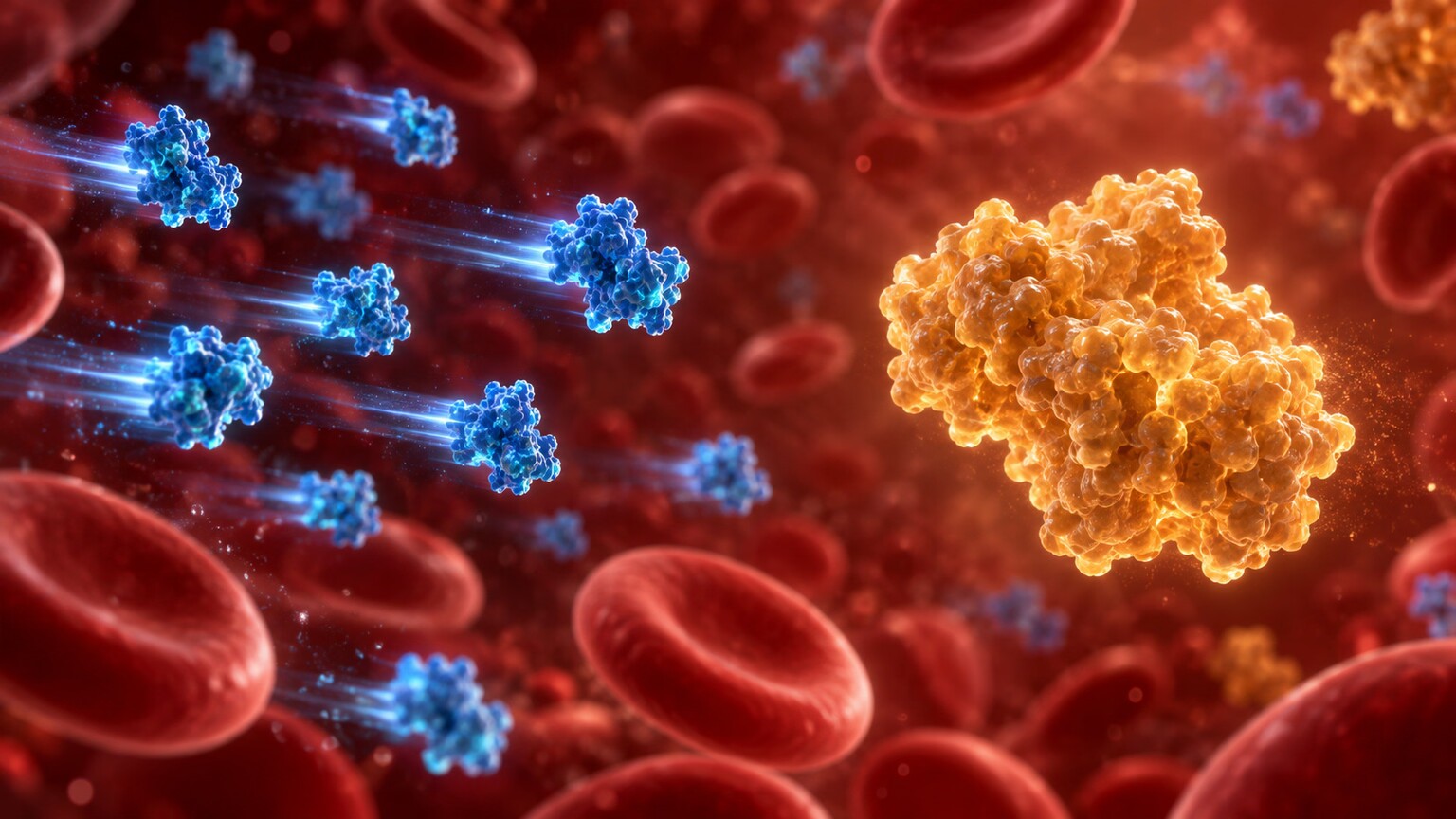
Figure 3. Clotting factors, particularly Factor VII, have a much shorter half-life than albumin, making INR — a test of how well these liver-made factors are working — a more sensitive, faster-responding marker of synthetic function.
Because albumin's slow clearance blunts its usefulness as an early signal, clinicians rely on a different, faster-responding marker to assess how well the liver is actually synthesizing proteins in real time: INR (international normalized ratio), a standardized measure of how long blood takes to clot, calculated from a test called prothrombin time. Several of the clotting factors this test depends on are made exclusively by the liver, and critically, some of them — Factor VII in particular — have a half-life measured in hours rather than weeks. This means a genuine drop in the liver's current synthesis rate shows up as a prolonged INR within a day or two, rather than the weeks-long delay albumin requires, making INR a considerably more responsive, real-time window into how the liver's protein-making machinery is functioning right now, rather than reflecting output from weeks in the past.
It's worth understanding the full clotting cascade context here, since INR specifically measures only part of a larger, more complex system. Blood clotting depends on a coordinated sequence of numbered clotting factors activating each other in turn, and the liver manufactures the majority of them, including Factors II, VII, IX, and X — a group collectively described as "vitamin K–dependent" factors, since the liver requires adequate vitamin K to complete a specific chemical modification each of these factors needs before becoming functional. This vitamin K dependency introduces a genuinely important diagnostic wrinkle: a prolonged INR doesn't automatically mean the liver's synthesis machinery itself is failing — it could instead reflect a simple vitamin K deficiency (from poor absorption, prolonged antibiotic use, or inadequate dietary intake) affecting an otherwise perfectly healthy liver's ability to complete this final activation step.
Clinicians distinguish between these two possibilities using a specific, practical test: administering vitamin K directly, then rechecking INR a day or two later. If INR substantially improves after vitamin K administration, the original prolongation reflected a vitamin deficiency problem rather than a true liver synthesis failure, since the liver's actual manufacturing machinery was working fine all along, once given the vitamin K it needed to finish the job. If INR fails to meaningfully improve despite adequate vitamin K, that non-response points specifically toward genuine hepatic synthetic dysfunction — the liver's factor-producing machinery itself, not simply a missing raw ingredient, is what's actually impaired. This single practical test is a clean, direct way to separate two very different underlying explanations that would otherwise produce an identical abnormal INR result on the initial blood draw.
This is exactly why INR, alongside albumin, forms one of the two "synthetic function" tests used together to assess liver health from a manufacturing standpoint, rather than an injury standpoint — and why a sudden, acute liver injury (from a drug overdose, for instance) can show a rapidly rising INR within a day or two while albumin, reflecting weeks of prior production, still looks completely normal on the same blood draw.
How Doctors Combine These Markers Into a Formal Severity Score
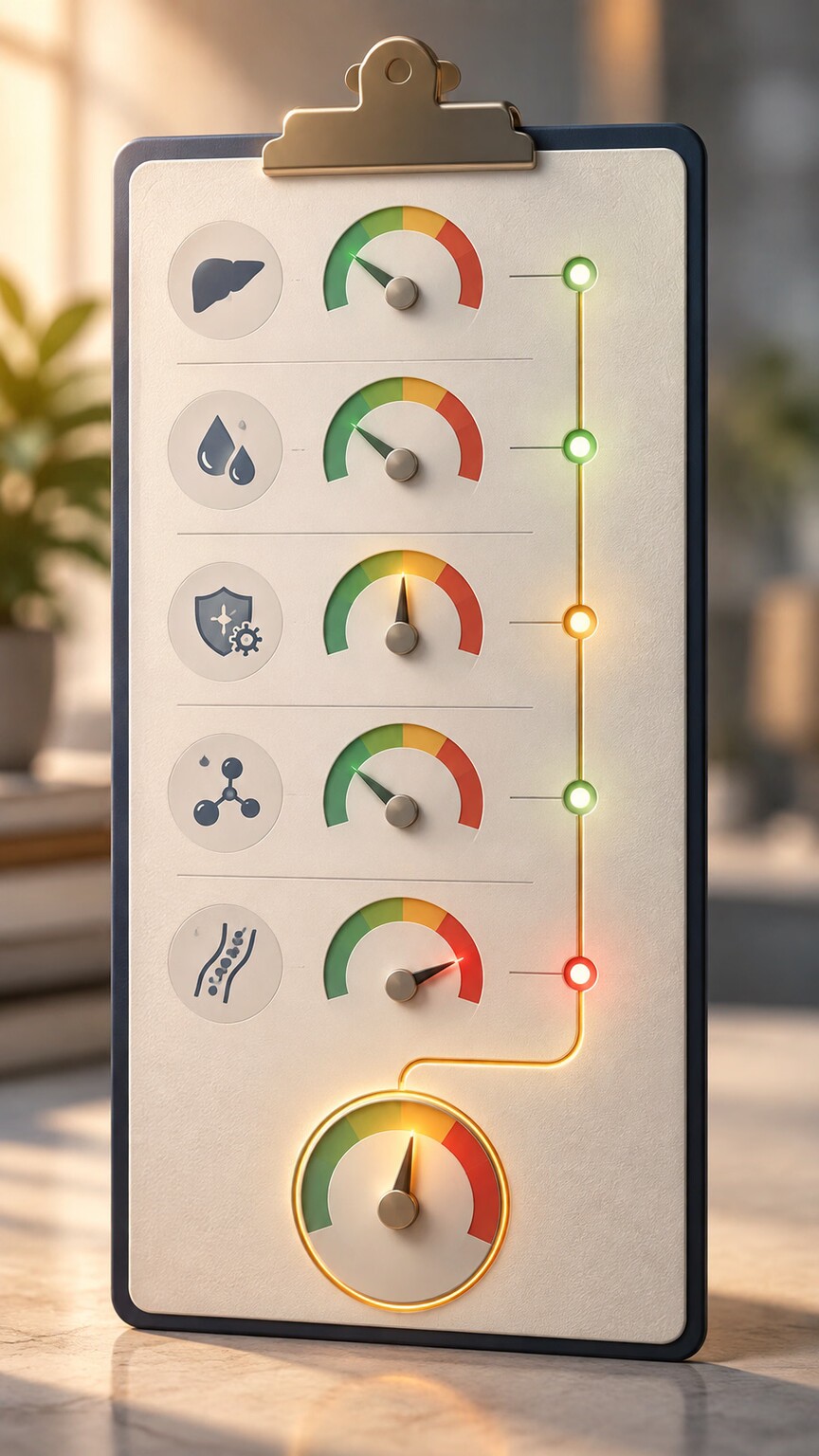
Figure 4. The Child-Pugh score formally combines albumin and INR with bilirubin and two clinical findings into a graded classification of liver disease severity, directly reflecting how far synthesis capacity has actually declined.
Albumin and INR aren't just interpreted individually — together with bilirubin and two clinical findings (the presence of fluid buildup in the abdomen, called ascites, and a brain-function change linked to liver failure called hepatic encephalopathy), they form the core of a widely used liver disease severity classification called the Child-Pugh score. Each of the five components is assigned points based on how abnormal it is, and the total determines a severity class (A, B, or C) that correlates with prognosis and helps guide major treatment decisions, including whether and how urgently someone might need a liver transplant evaluation.
What makes this scoring system a genuinely useful lens for understanding this whole topic is that two of its five components — albumin and INR — are direct measurements of synthesis capacity itself, not injury markers at all. A patient can have significantly elevated liver enzymes from an active injury process yet still score well on the synthesis-related components if their manufacturing reserve hasn't yet been meaningfully depleted; conversely, someone with relatively modest enzyme elevations but a low albumin and prolonged INR is showing that the injury, however it started, has already progressed to the point of measurably eating into that reserve capacity — a meaningfully more advanced and clinically significant stage than the enzyme numbers alone would suggest.
Understanding why exactly these five components, and not others, were chosen for the Child-Pugh score reinforces the central theme of this whole article. Bilirubin reflects the liver's ability to process and excrete a specific waste product, a related but distinct function from protein synthesis. Ascites and hepatic encephalopathy are direct clinical consequences of advanced liver dysfunction — ascites, as described above, traces mechanically back to reduced albumin's effect on oncotic pressure, while encephalopathy results from the liver's reduced capacity to clear certain nitrogen-containing waste products (particularly ammonia) that a compromised liver can no longer efficiently process, allowing them to affect brain function. Every single one of the five components, in other words, traces back to some specific, identifiable aspect of what a healthy liver is supposed to be doing, with albumin and INR specifically representing the manufacturing side of that broader picture.
The point-based scoring itself works by assigning one, two, or three points to each of the five components depending on how abnormal it is — an albumin above 3.5 g/dL scores a single point, while a value below 2.8 g/dL scores three, with a similar three-tier structure applied to INR, bilirubin, and the two clinical findings. The total score, ranging from 5 to 15 points, sorts patients into Class A (mild, generally well-compensated disease), Class B (moderate impairment), or Class C (severe, decompensated disease) — a classification system simple enough to calculate at the bedside within minutes, yet specific enough to correlate meaningfully with expected one- and two-year survival rates, which is exactly why it remains in routine clinical use today despite the additional, more mathematically complex scoring systems developed since it was first introduced.
Other Causes of Low Protein That Have Nothing to Do With Synthesis
Because low albumin or total protein can result from causes entirely unrelated to how well the liver is manufacturing them, distinguishing a true synthesis problem from these other explanations matters enormously before concluding liver disease is responsible. Malnutrition and inadequate protein intake reduce the raw building blocks available for synthesis, producing a low result even in a liver with perfectly normal manufacturing capacity, since a factory can only build with the raw materials actually available to it, regardless of how much unused capacity it otherwise has. Nephrotic syndrome and certain other kidney conditions cause damaged kidney filtering units to leak albumin directly out into urine, often faster than even a perfectly healthy, fully functioning liver could realistically replace it — a genuine loss problem occurring downstream, in other words, rather than any actual production problem back at the source. Chronic inflammation triggers the liver to deliberately redirect its overall protein-synthesis priorities away from albumin and toward the acute-phase proteins discussed elsewhere in this article instead (a phenomenon covered in considerably more depth in a related article on this site), producing a genuinely low albumin result through a completely different mechanism that has nothing to do with actual liver disease at all. And simple dilution — from intravenous fluid administration during a hospital stay, or from the natural blood volume expansion that occurs during pregnancy — can meaningfully lower the measured concentration of protein in a given blood sample without any actual change whatsoever in the liver's true total output.
Distinguishing between these possibilities in practice generally follows a logical sequence, starting with the pattern of the surrounding panel described throughout this article. If INR and bilirubin are both normal, a liver synthesis explanation becomes considerably less likely, and attention shifts toward the kidney (checking for protein in a urine sample), nutritional history, and markers of chronic inflammation like CRP or erythrocyte sedimentation rate. A full 24-hour urine protein collection, or alternatively a faster spot urine albumin-to-creatinine ratio, can directly confirm or reasonably rule out kidney-related protein loss as the actual explanation, while a careful, detailed dietary and weight-history review, sometimes alongside supporting markers like prealbumin, can further support or reasonably rule out a nutritional explanation for the observed result. Only once these several alternative pathways have each been reasonably investigated and excluded, or once INR and bilirubin themselves also turn out abnormal on the same panel, does the overall workup appropriately concentrate its remaining attention specifically on the liver as the primary underlying suspect.
Timing and trajectory also help distinguish these causes from each other in practice. A low albumin that develops rapidly, over days, in someone acutely ill in a hospital setting is far more likely to reflect the inflammation-driven redirection of synthesis priorities described briefly above, or acute fluid shifts, than a slowly progressing liver disease, given how many full weeks a genuine, liver-related decline in albumin typically takes to actually develop and become measurable, precisely because of its inherently slow-clearing nature described earlier. Conversely, a low albumin that's been present and stable for months to years, especially alongside other supporting findings, points more convincingly toward a chronic, established process — whether that turns out to be ongoing liver disease, chronic kidney protein loss, or a longstanding, poorly recognized nutritional deficit — rather than something that appeared suddenly, seemingly out of nowhere, over the span of only a few days.
A Worked Example: Tracing One Abnormal Panel Back to Its Actual Cause

Figure 5. Reviewing albumin, INR, and bilirubin together — rather than any single value in isolation — is what actually distinguishes a genuine liver synthesis problem from an unrelated cause of low protein.
Consider a 58-year-old with a decade-long history of heavy alcohol use who presents for a routine check-up. His total protein comes back mildly low, and his albumin is reduced at 2.8 g/dL. Taken alone, this could suggest several explanations — poor nutrition, kidney loss, chronic inflammation. But his panel also shows a prolonged INR of 1.6 and an elevated bilirubin, and a physical exam reveals mild abdominal swelling consistent with ascites. Taken together, this specific combination — low albumin, prolonged INR, elevated bilirubin, plus a clinical finding of ascites — points specifically toward genuine hepatic synthetic dysfunction from advanced liver disease, in this case consistent with alcohol-related cirrhosis, and calculating his Child-Pugh score directly using these exact values places him squarely in a more advanced severity class, directly shaping the urgency of his subsequent workup and referral.
Now consider a 34-year-old with a similarly low albumin, but a completely normal INR and normal bilirubin, and a 24-hour urine collection revealing significant protein loss. This pattern rules out a liver synthesis explanation entirely — a genuinely impaired liver would also show a prolonged INR, since both albumin and clotting factors would be affected by the same underlying synthesis failure, whereas here only albumin (the protein small enough to leak through damaged kidney filtration) is affected, while the liver continues producing clotting factors normally. This distinction highlights something worth restating directly: kidney filtration damage is selective by molecular size, letting albumin — a relatively small protein as far as plasma proteins go — leak through a compromised filtering membrane, while larger proteins and the liver's own clotting factor output remain completely unaffected by a kidney problem, which is exactly the mechanical reason her INR stays normal despite a meaningfully low albumin. Her workup appropriately shifts toward evaluating kidney function specifically, rather than pursuing an unnecessary, misdirected liver-focused investigation that the rest of her own panel simply doesn't actually support in the first place.
Why Albumin Also Matters for Reasons Beyond Just Being a "Liver Marker"
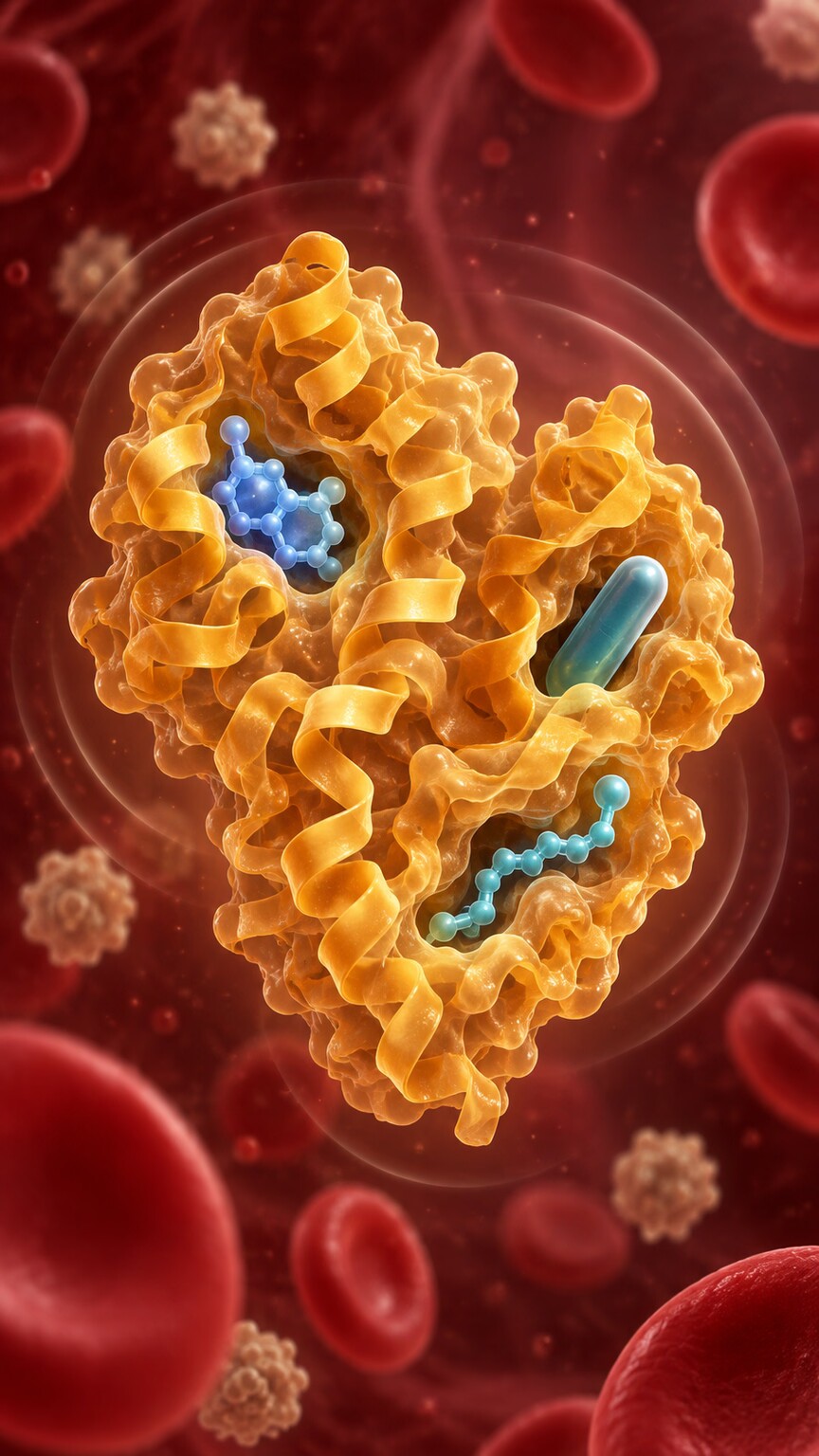
Figure 6. Beyond serving as a liver-function marker, albumin actively maintains the bloodstream's oncotic pressure and transports hormones, medications, and other molecules that don't dissolve freely in blood on their own.
It's worth understanding why a falling albumin causes actual symptoms, not just an abnormal lab value, since this explains several of the physical findings that accompany advanced liver disease. Albumin is the single largest contributor to a bloodstream property called oncotic pressure, the osmotic force that keeps fluid inside blood vessels rather than leaking out into surrounding tissue. When albumin drops significantly, that pressure weakens, and fluid begins seeping out of the vasculature into the surrounding tissue and body cavities — this is the direct mechanical explanation for both the leg swelling (edema) and the abdominal fluid buildup (ascites) commonly seen in advanced liver disease, rather than these symptoms being some separate, unrelated complication.
Albumin also functions as the bloodstream's primary transport vehicle for a wide range of molecules that don't dissolve well in blood plasma on their own, including certain hormones, fatty acids, and a significant share of many medications. This carrier role has a genuinely practical consequence worth knowing: medications that are heavily albumin-bound can behave unpredictably in someone with significantly low albumin, since a larger share of the drug ends up freely circulating and biologically active rather than safely bound and inactive, sometimes requiring dose adjustments specifically because of this altered protein-binding dynamic. This is one more reason a low albumin isn't simply a number reflecting liver health — it has direct, physical downstream consequences for both fluid balance and medication safety.
What This Means for Interpreting Your Own Results
The most useful takeaway from this entire mechanism is that a single low protein or albumin value, in isolation, should prompt a look at the surrounding panel rather than an assumption about the cause. A low albumin result found alongside a normal INR and a normal bilirubin generally points away from a genuine liver synthesis problem and toward one of the alternative explanations described above. A low albumin result appearing alongside both a prolonged INR and an elevated bilirubin instead points more strongly toward genuine hepatic synthetic dysfunction, usually reflecting a more advanced, well-established liver condition rather than something that only just started. This is exactly the kind of pattern-based interpretation that makes a full panel, reviewed together as a whole, so much more genuinely informative than any single abnormal number ever could be viewed entirely on its own.
Frequently Asked Questions
Can liver enzymes be elevated while protein levels stay completely normal?
Yes, and this is actually the more common early pattern. Enzymes reflect acute cell injury and can rise quickly, while protein synthesis capacity has a large reserve that typically isn't affected until liver damage becomes more advanced or prolonged.
Why does INR matter for people not taking blood thinners?
INR isn't just used to monitor blood-thinning medication — it's also a direct, sensitive measure of how well the liver is currently producing clotting factors, making it a key synthetic function test independent of any medication.
Can a low albumin level ever be reversed?
It depends entirely on the cause. Albumin from malnutrition or resolved inflammation often normalizes once the underlying issue is addressed, while albumin from advanced, established liver disease may only partially improve, depending on how much functional reserve remains.
Is the Child-Pugh score still used today?
Yes, though it's often used alongside a newer score called MELD (Model for End-Stage Liver Disease) for certain purposes like transplant prioritization; Child-Pugh remains widely used for its simplicity and long clinical track record.
Does immunoglobulin (antibody) production get affected by liver disease?
Not directly, since immunoglobulins are made by immune plasma cells rather than the liver. In fact, some chronic liver diseases cause globulin levels to rise, partly because immune activity increases even as liver-made albumin falls.
Why would a doctor give vitamin K before rechecking a prolonged INR?
Because a prolonged INR can result from either a genuine liver synthesis problem or a simple vitamin K deficiency. If INR improves after vitamin K, the liver's own clotting-factor machinery was working fine and just needed the missing vitamin.
Is MELD score better than Child-Pugh?
They serve somewhat different purposes. MELD uses a purely mathematical formula and is generally preferred for objectively prioritizing transplant waiting lists, while Child-Pugh remains widely used for its simplicity and long-established clinical familiarity.
Conclusion
The liver's protein-manufacturing system is built with a deliberately large safety margin, which is exactly why protein levels behave so differently from other liver tests: enzymes catch injury early, while albumin and INR only move once that substantial reserve capacity has genuinely been used up. Understanding this distinction — reserve versus injury, slow-clearing albumin versus fast-responding INR, and synthesis failure versus the several unrelated causes of low protein — turns a single abnormal number into something genuinely interpretable, and explains why doctors lean on a full panel, combined into tools like the Child-Pugh score, rather than any one protein value taken alone.
It's also worth stepping back to appreciate why this system evolved this way in the first place, from a broader physiological standpoint. A manufacturing organ responsible for producing the proteins that maintain blood volume, enable clotting, and transport essential molecules throughout the body genuinely cannot afford to have its output fluctuate with every minor, transient stressor — a large safety reserve and a slow-clearing primary output protein like albumin are, in effect, a built-in stability mechanism, buffering the rest of the body against the kind of noisy, moment-to-moment variation that would occur if protein levels tracked liver cell injury in real time the way enzymes do. The tradeoff, as this article has described throughout, is that this same stability makes protein levels a poor tool for catching liver disease early, while making them a genuinely reliable, meaningful signal once a problem has become significant enough to matter.
For anyone looking at their own results with this framework in mind, the practical habit worth adopting is straightforward: never interpret a single low protein or albumin value by itself. Look at what sits alongside it — INR, bilirubin, kidney function, nutritional history, and any relevant clinical findings — and let that fuller picture, rather than one isolated number, guide how seriously to take the result and what, if anything, needs to happen next.
Still Not Sure What Your Results Mean?
Upload your labs and get a complete, visual, plain-language interpretation of every biomarker — delivered to your inbox in under 15 minutes.
Get My ReportThis article is for educational purposes only and does not constitute medical advice. Always consult your healthcare provider regarding your specific lab results.