
What Does a High Albumin Level Suggest?
Most elevated lab values make people worry their body is producing too much of something — too much sugar, too much cholesterol, too many white blood cells. A high albumin result is genuinely different, and understanding why is the key to not worrying about it unnecessarily. Albumin is a protein made almost exclusively by your liver, and unlike inflammatory markers or hormones, your body has essentially no mechanism to manufacture significantly more of it than usual — the liver produces albumin at a fairly steady, tightly regulated pace regardless of what else is happening in your body. That means when a lab report shows albumin above the normal range, the explanation almost never involves overproduction at all; it involves the amount of fluid that same, roughly constant amount of albumin happens to be dissolved in. This article walks through what albumin actually does in your bloodstream, why "too much albumin production" essentially isn't a real medical phenomenon, the overwhelming reason albumin runs high — dehydration — and the specific mechanism behind it, how a poorly performed blood draw can create a false elevation that has nothing to do with your body at all, why albumin behaves in the opposite direction from inflammation compared to other proteins, the handful of genuinely rare causes worth knowing about, how to read a high albumin result alongside the rest of your panel, and when it's actually worth a second look rather than a glass of water.
What Albumin Actually Does in Your Bloodstream
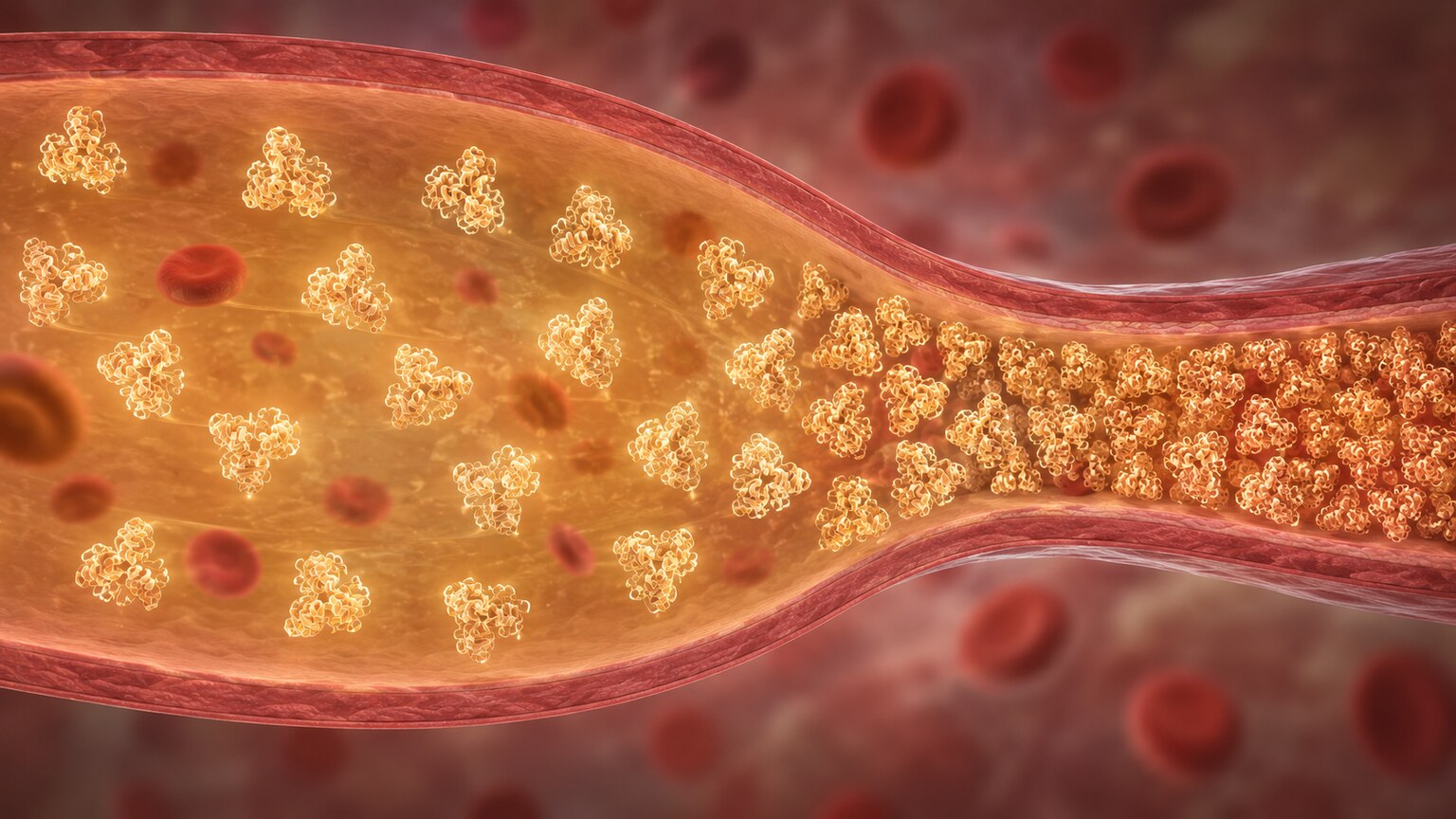
Figure 1. Albumin concentration in a blood sample reflects both how much albumin is present and how much plasma fluid it's dissolved in — a shrinking plasma volume alone can raise the reported number.
Albumin is the single most abundant protein in your blood, typically making up more than half of all the protein circulating in your plasma at any given moment. Your liver manufactures it continuously, and once released into the bloodstream, it takes on two main jobs. The first is acting as a kind of biological sponge that holds water inside your blood vessels — a property called oncotic pressure — which is what keeps fluid from leaking out of your bloodstream and pooling in your tissues as swelling. The second job is serving as a molecular delivery vehicle, binding loosely to hormones, fatty acids, certain medications, and other substances that don't dissolve well in water on their own, ferrying them safely through the bloodstream to wherever they're actually needed in the body.
Because albumin is doing this water-holding and transport job constantly, its concentration in a blood test is really a ratio: the amount of albumin protein present, divided by the amount of plasma fluid it's currently dissolved in. Most of the time, when people think about a lab value being "high," they assume the numerator — the actual amount of the substance — has gone up. With albumin, the far more common story is that the denominator, the fluid it's dissolved in, has gone down instead, which is exactly why understanding albumin requires thinking about it differently than almost any other number on a lab report.
Why "Overproduction" Essentially Isn't a Real Cause of High Albumin

Figure 2. Albumin's folded protein structure includes binding pockets that carry fatty acids, hormones, and certain medications through the bloodstream — a production rate the liver keeps remarkably steady.
This is where albumin genuinely diverges from most of the rest of a standard blood panel, and from the other proteins covered in a total protein or globulin discussion. Globulins, the other major protein category in your blood, include antibodies, and your immune system can ramp up antibody production dramatically, sometimes within days, in response to infection, inflammation, or certain immune disorders — which is exactly why elevated globulin or total protein can genuinely reflect the body making more of something in a way albumin essentially never does. Albumin doesn't work this way. There's no equivalent immune-style trigger that tells your liver to significantly ramp up albumin output beyond its normal baseline, and no well-established medical condition in which the liver simply overproduces albumin the way, say, a plasma cell disorder overproduces a specific antibody.
In fact, the liver's albumin production tends to move in only one clinically meaningful direction in response to illness or physiological stress: down, not up. During significant illness, inflammation, or liver dysfunction, the liver often temporarily reduces albumin output in favor of producing other proteins the immune system needs more urgently — which is part of why low albumin, not high albumin, is the far more commonly discussed and clinically significant abnormality for this particular protein. Once you understand that overproduction essentially isn't on the table, the entire question of what a high albumin result means becomes much narrower and much more specific, and the rest of this article is really just working through that narrowed-down list of possibilities one at a time.
Dehydration: The Overwhelming Majority Explanation

Figure 3. Fluid lost to heat, exertion, illness, or inadequate intake contracts blood plasma volume, concentrating the same amount of circulating albumin into a smaller space and raising the reported result.
With overproduction essentially ruled out, the mechanism behind a high albumin result comes down almost entirely to plasma volume contraction — in plain terms, not enough water in your bloodstream relative to how much albumin is normally dissolved in it. When you lose more fluid than you take in, whether from inadequate water intake, heat exposure, vigorous exercise, vomiting, diarrhea, fever, or simply not drinking enough during a busy day, the fluid portion of your blood shrinks first and fastest, while the actual number of albumin molecules circulating stays essentially unchanged. The same amount of protein, packed into a smaller volume of fluid, produces a mathematically higher concentration — an elevated number on the report that reflects a fluid problem, not a protein problem, in almost exactly the same way a concentrated fruit juice tastes stronger simply from having less water added, not from containing more fruit.
This is exactly why a high albumin result is, in the vast majority of cases, genuinely one of the least alarming findings a lab report can show, regardless of how the word "elevated" might sound on first glance. It typically isn't pointing toward disease at all — it's functioning almost like a built-in hydration indicator baked into an otherwise ordinary blood panel, flagging that the sample happened to be drawn during a period of relative fluid deficit. Rechecking the level after a day or two of normal, adequate fluid intake — plain water rather than caffeinated or alcoholic beverages, both of which can themselves contribute to net fluid loss — is often enough to see the number settle back down comfortably into the typical range, confirming dehydration as the explanation without needing any further workup at all.
Curious what the rest of your liver panel is actually telling you? Upload your results and get a complete, plain-language breakdown in under 15 minutes.
Analyze My ResultsWhen the Draw Itself, Not Your Body, Is the Source
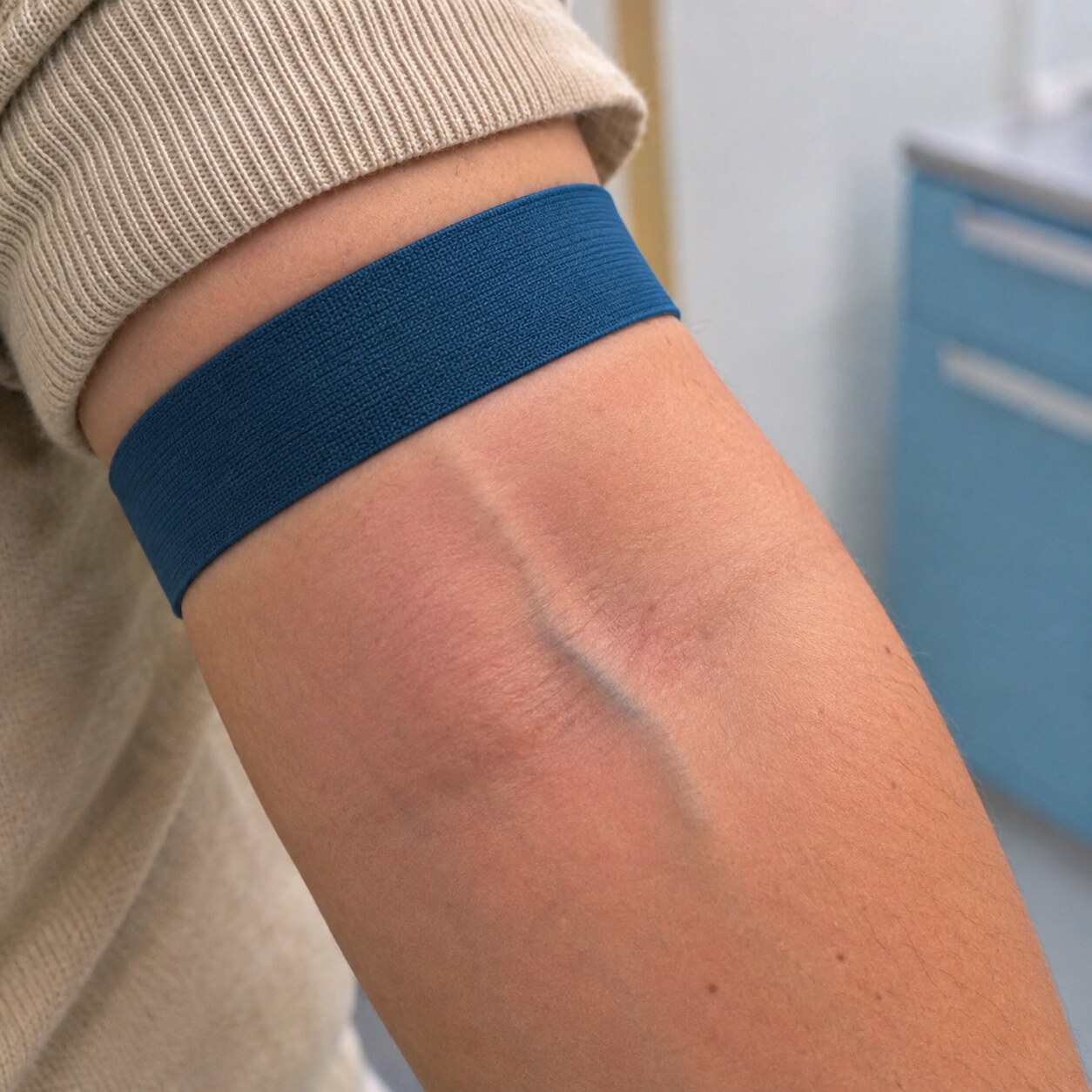
Figure 4. A tourniquet left in place too long, or a fist clenched repeatedly during a difficult draw, can locally concentrate blood in the sampled vein and produce a falsely elevated albumin reading.
A second, purely technical cause of an elevated albumin reading has nothing at all to do with your hydration status or your body more broadly — it happens instead at the exact moment of the blood draw itself. When a tourniquet is left tied around the arm for too long, or when a patient repeatedly clenches their fist to try to make a vein more visible, fluid gets locally pushed out of the blood vessels in that specific area and into the surrounding tissue, temporarily concentrating the blood that's actually collected in the sample. This is called hemoconcentration, and it can falsely raise not just albumin but several other values drawn from that same tube, including total protein, hematocrit, and certain blood cell counts, all through the same local fluid-shift mechanism rather than any change happening elsewhere in the body.
This is a well-recognized, well-documented source of lab variability, not a controversial or rare phenomenon, and it's exactly why phlebotomy training specifically emphasizes releasing the tourniquet within about a minute and avoiding repeated fist-clenching during a difficult draw. If a single elevated albumin result doesn't fit the rest of your clinical picture at all, and there's reason to suspect a longer-than-usual tourniquet time or a difficult draw, a simple repeat test under standard conditions is often the fastest way to confirm whether the original number reflected your body or just the mechanics of that particular blood draw.
Why Albumin Moves the Opposite Direction From Inflammation
One of the more counterintuitive things about albumin, and a detail that genuinely sets it apart from globulin and total protein, is how it behaves during illness and inflammation. Doctors classify blood proteins into "positive" and "negative" acute phase reactants based on how they respond when the body is fighting inflammation or infection — positive reactants like CRP rise, while negative reactants, including albumin, actually fall. This happens because the liver, during a significant inflammatory response, deliberately redirects its protein-manufacturing resources away from albumin and toward the antibodies and inflammatory proteins the immune system genuinely needs more urgently in that specific moment.
This is exactly why chronic inflammation is a well-documented cause of low albumin, never high albumin — the opposite direction from what someone might assume if they're used to thinking of inflammation as something that generally pushes lab values upward, the way it does for markers like CRP or globulin. Understanding this distinction is genuinely useful: if a high albumin result shows up alongside signs of active inflammation elsewhere in a panel, the two findings aren't telling a consistent story, and dehydration or a draw artifact becomes an even more likely explanation for the albumin number specifically, independent of whatever else is going on.
The Genuinely Rare Causes Worth Knowing About
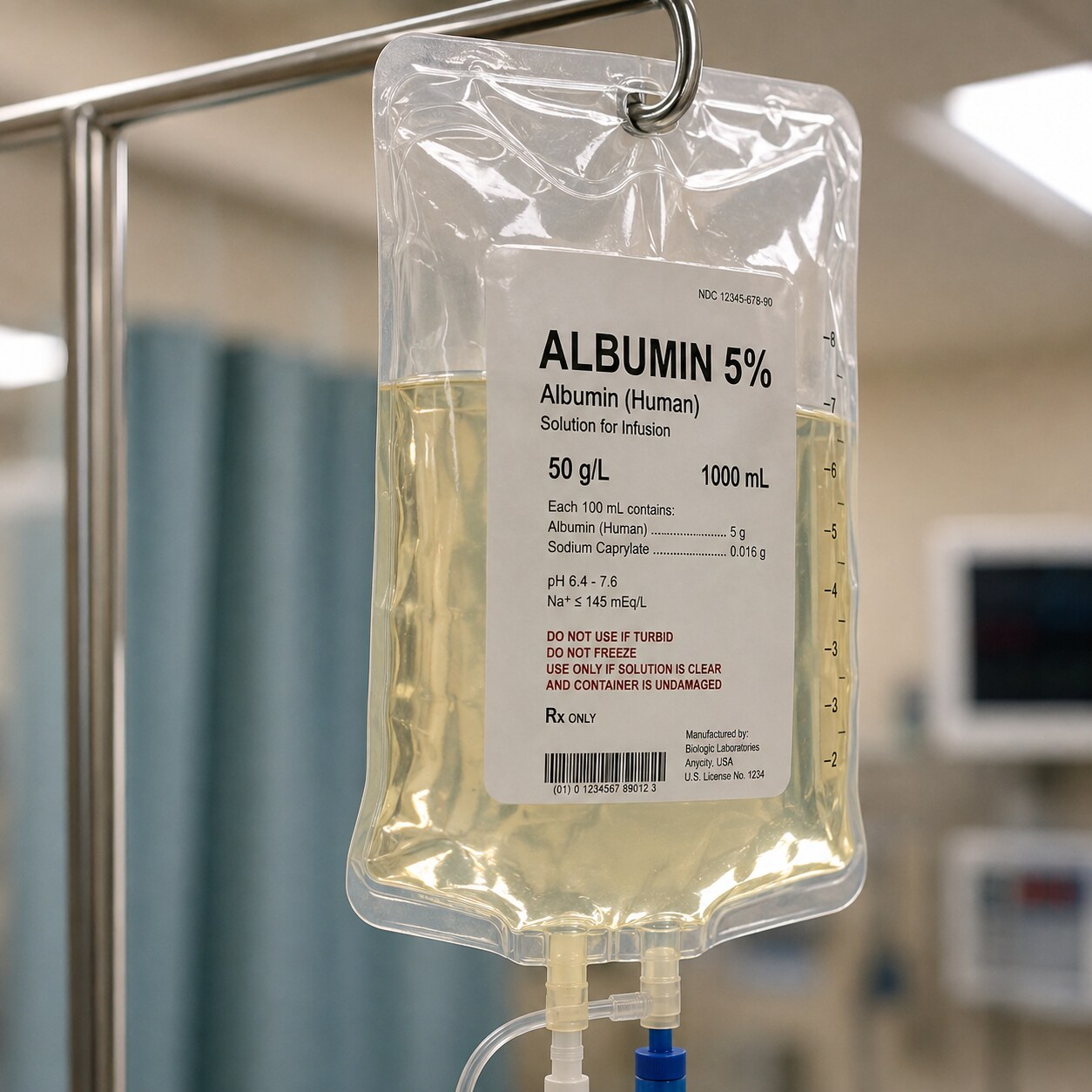
Figure 5. Intravenous albumin, given as a treatment during certain hospital admissions to restore blood volume, is one of the few situations where a high result reflects albumin added from outside the body rather than any change in production.
Beyond dehydration and draw artifacts, a small number of genuinely uncommon situations can raise albumin through other mechanisms. Intravenous albumin is itself used as a medical treatment in certain hospital settings — for people with severe burns, significant blood loss, or specific complications of advanced liver disease like ascites, where fluid has abnormally accumulated in the abdominal cavity — to help restore blood volume and oncotic pressure. Someone who has recently received this specific treatment will show an elevated albumin level that genuinely reflects albumin physically added from an outside source, not anything their own liver actually produced or any real change in their underlying health status at all.
Extreme physical exertion combined with significant fluid loss, of the kind seen in endurance athletes during long-distance events in hot conditions, can also produce a pronounced version of the same hemoconcentration effect described earlier, sometimes significant enough to be noticeable on bloodwork drawn shortly afterward, particularly when combined with limited opportunity to rehydrate adequately during the event itself. In every single one of these rarer scenarios, the underlying explanation still traces back to the same basic principle covered throughout this article — either the plasma volume has genuinely contracted, or albumin has been introduced from an outside source — and never a scenario where the liver itself has simply ramped up its own production beyond its normal, steady baseline.
Reading a High Albumin Result Alongside the Rest of Your Panel
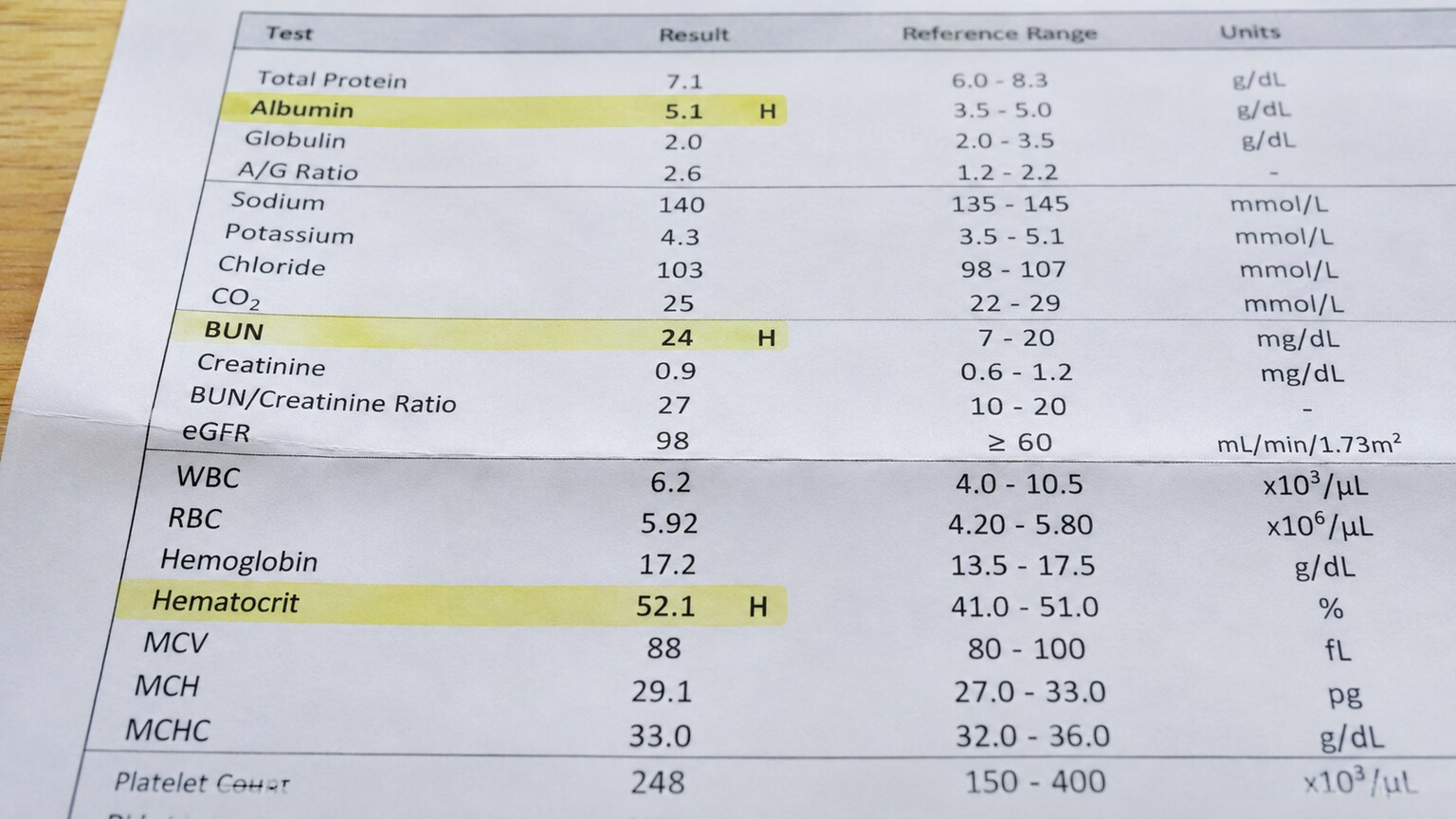
Figure 6. When albumin runs high alongside other markers sensitive to blood concentration, like BUN and hematocrit, the pattern points consistently toward dehydration rather than several unrelated problems.
Because dehydration affects blood concentration broadly, not just albumin specifically, a genuinely dehydration-driven elevation rarely shows up as an isolated finding. Other values that respond to the same plasma-volume-contraction effect, including BUN, hematocrit, and total protein, often run high on the same panel at the same time, and seeing several of these move together in the same direction is one of the clearest confirmations that dehydration, rather than something else entirely, is the shared explanation behind all of them.
This is exactly the kind of pattern-reading that makes a full panel genuinely more useful than any single flagged value viewed entirely in isolation — a high albumin sitting next to an otherwise unremarkable set of results, with no supporting elevation in these other fluid-sensitive markers, is worth a second look at how the sample was actually drawn, while a high albumin sitting alongside several other classic dehydration markers is about as reassuring and internally consistent a pattern as any lab report can realistically show.
What Happens After You Rehydrate and Retest

Figure 7. Restoring normal plasma volume through adequate fluid intake typically returns a dehydration-driven albumin elevation to the normal range within a day or two, confirming the explanation without further testing.
For the overwhelming majority of people who see a flagged high albumin result on their own report, the practical next step is refreshingly simple: drink water normally and consistently over the next day or two, avoid the same conditions that may have caused the original dehydration in the first place (intense exercise, significant heat exposure, or simply forgetting to drink enough during a busy stretch), and repeat the test under ordinary, unremarkable conditions. If the number returns to the normal range, that alone confirms dehydration was the explanation, without needing imaging, additional bloodwork, or a specialist referral.
If a repeat test performed under clearly adequate hydration still shows an elevated albumin result, that's genuinely the point where it becomes reasonable to look more closely at how both samples were actually drawn, whether a tourniquet was used consistently and released promptly each time, and whether any of the rarer causes described earlier might realistically apply to that specific situation. In practice, this more involved scenario is genuinely uncommon — for the large majority of people, a single rehydrated recheck is the entire resolution to what started out looking like an unexplained flagged value on an otherwise routine lab report.
Common Misconceptions About High Albumin
One common misconception is that a high albumin result means the liver is somehow working overtime or producing excess protein, mirroring how people often think about other elevated lab values. As covered throughout this article, that's essentially backwards — the liver's albumin output stays remarkably steady, and the number moves because of the fluid it's dissolved in, not because of a production change.
A second misconception is that high albumin and high total protein always mean the same thing. They frequently travel together because dehydration affects both, but total protein can also rise from a genuine increase in globulin production — something albumin essentially cannot do on its own — which is why a high albumin result specifically, without a proportionally high globulin number, points more clearly toward a fluid-based explanation than a protein-production one.
A third misconception is that a high albumin result needs to be treated the same way a low one does, with dietary or medical intervention. Low albumin often reflects a genuine underlying problem worth investigating, from liver disease to malnutrition to chronic inflammation, and typically prompts a more thorough workup aimed at identifying and addressing that underlying cause. A high result, by contrast, is rarely something that needs treating at all — in the great majority of cases, the appropriate response is simply drinking enough water and rechecking the level, not pursuing further workup.
How Albumin Compares to the Other Numbers on a Liver Panel
Albumin usually appears on a lab report alongside several other liver-related values — ALT, AST, bilirubin, and alkaline phosphatase among them — and it's worth understanding how it fits into that broader group. Those other markers are mostly measures of liver cell damage or bile flow: ALT and AST rise when liver cells are actively injured and leak their internal enzymes into the bloodstream, while bilirubin and alkaline phosphatase reflect how well bile is being produced and drained. Albumin measures something different entirely — not damage, but function, specifically the liver's ongoing capacity to manufacture protein.
This functional-versus-structural distinction is exactly why albumin is often described specifically as a marker of the liver's "synthetic function" rather than an injury marker, and it's part of why a low albumin result, in the context of liver disease, carries real diagnostic weight — it suggests the liver's underlying manufacturing capacity itself has been compromised, not just that individual liver cells happen to be currently inflamed. A high albumin result, by contrast, doesn't map onto this liver-function framework in any meaningful way at all, since — as covered throughout this article — the liver has no real mechanism to exceed its normal synthetic capacity in the first place. This is one more reason a high albumin result gets interpreted so differently from a high ALT or a high bilirubin, even though all four numbers might appear on the very same report.
Why Albumin Levels Naturally Differ by Age and Life Stage
Reference ranges for albumin, like most lab values on a standard panel, are built from broad population data collected across many thousands of people, and a few genuinely normal, well-understood life-stage factors shift where an individual person's own expected baseline actually sits. Newborns and infants naturally run somewhat lower albumin levels than adults, since the liver's protein-manufacturing systems are still actively maturing during the first months of life, which is exactly why pediatric reference ranges are calibrated separately by age bracket rather than simply borrowing the adult chart directly and applying it across the board. Pregnancy moves albumin in the opposite direction from everything this article has focused on so far, since the substantial, expected increase in blood plasma volume during a healthy pregnancy dilutes albumin and modestly lowers the typical result — genuinely worth mentioning here because it's essentially the mirror image of the dehydration-driven elevation this article centers on, illustrating the exact same fluid-concentration principle simply working in the opposite direction.
Older adults, too, sometimes run slightly lower baseline albumin levels than younger adults, partly reflecting normal, expected age-related changes in liver protein synthesis over the decades, partly reflecting somewhat lower average fluid intake in that specific age group, and partly reflecting the higher overall prevalence of chronic conditions that mildly affect albumin over a long period of time. None of this changes how a genuinely elevated result should be read in any individual case, but it does help explain why a lab's printed reference range represents a broad population average rather than a fixed, universal target every single person is expected to sit within regardless of their own age or life stage.
How This Differs From Elevated Albumin in a Urine Test
It's worth clarifying one specific point of potential confusion: everything covered in this article concerns albumin measured in a blood sample. Albumin also shows up in a completely different, entirely unrelated diagnostic context — a urine test — where its mere presence at all, rather than its concentration relative to a normal blood range, is the actual concerning finding a doctor is looking for. Detectable albumin in urine, a condition called albuminuria, suggests the kidney's delicate filtering units are allowing a protein that should normally stay confined to the bloodstream to leak into urine instead, and it's an entirely separate clinical situation from anything discussed here, evaluated with its own separate set of tests and its own separate diagnostic reasoning centered specifically on kidney function rather than hydration status.
The two findings — high albumin measured in blood, and any detectable albumin measured in urine — are unrelated enough that it's worth naming the distinction explicitly and clearly, precisely because both share the same word "albumin" and a reader searching online for one topic can very easily land on information meant for the other instead. If a urine test specifically flagged albumin, that's a kidney-focused conversation genuinely worth having directly with a doctor, not the hydration-focused explanation this particular article has walked through carefully from start to finish.
A Practical Summary of When Each Cause Applies
Ordinary dehydration is by far the most common explanation, typically showing up alongside other fluid-sensitive markers like BUN and hematocrit, and resolving with rehydration and a repeat test. A draw-related hemoconcentration artifact shows up as an isolated albumin elevation with no supporting pattern elsewhere on the panel, and is worth suspecting when the blood draw itself was difficult or prolonged. Recent IV albumin treatment applies only in the specific context of a recent hospital admission or infusion, and is easily confirmed just by checking recent medical history. Extreme exertion with significant fluid loss applies mainly to endurance athletes tested shortly after a long event in hot conditions, and typically normalizes quickly with rest and rehydration. Working through this short list in order, starting with the most common explanation and only moving to the rarer ones if the picture genuinely doesn't fit, mirrors almost exactly how a doctor actually approaches an unexplained high albumin result in everyday clinical practice, one plausible explanation at a time.
Frequently Asked Questions
Is a high albumin level dangerous?
Almost never on its own. Unlike many elevated lab values, a high albumin result usually reflects dehydration or a technical issue with the blood draw rather than a disease process, and typically isn't something that requires treatment beyond adequate hydration.
Can the liver actually overproduce albumin?
Essentially no. There's no well-established medical condition where the liver significantly increases albumin output beyond its normal baseline — its production stays remarkably steady, which is why an elevated result almost always reflects reduced plasma fluid rather than increased protein.
Why does inflammation lower albumin instead of raising it?
Albumin is classified as a negative acute phase reactant. During significant inflammation, the liver redirects protein-making resources toward antibodies and inflammatory proteins, temporarily reducing how much albumin it produces.
Can a tourniquet during a blood draw really cause a false high result?
Yes. A tourniquet left on too long, or repeated fist-clenching during a difficult draw, can locally concentrate blood in the sampled vein through a well-documented effect called hemoconcentration, temporarily raising albumin and several other values in that specific sample.
Should I retest if my albumin comes back high?
Often, yes, especially if it's an isolated finding with no supporting elevation in other fluid-sensitive markers like BUN or hematocrit. Rechecking after a day or two of normal hydration, under standard draw conditions, is usually enough to confirm dehydration as the explanation.
Is high albumin in blood the same thing as albumin in a urine test?
No, these are unrelated findings despite sharing a name. Albumin in blood is about concentration relative to normal; any detectable albumin in urine (albuminuria) is a separate, kidney-focused concern evaluated with entirely different testing.
Does exercise before a blood draw affect albumin the same way it affects other proteins?
Yes, similarly. Vigorous exercise can cause temporary fluid shifts that modestly concentrate blood, nudging albumin and total protein upward briefly, which is part of why avoiding intense exercise before routine bloodwork is sometimes recommended.
Can a high albumin result appear on a liver panel even if my liver is perfectly healthy?
Yes, and this is actually the typical situation. Because a high result almost always reflects hydration status or a draw artifact rather than liver function, it's entirely possible, and common, to have a completely healthy liver alongside a temporarily elevated albumin number.
Why Doctors Almost Never Order a Test Specifically to Check for High Albumin
It's worth pointing out something structural about how albumin actually gets tested in the first place: virtually no one orders a blood test specifically to look for high albumin. Albumin is almost always ordered as part of a broader panel — a comprehensive metabolic panel, a liver function panel, or a nutritional workup — where the primary concern driving the test is usually something else entirely, and albumin comes along as one line among many. This context matters quite a bit, because it means a high albumin result is, in the great majority of real-world cases, an incidental finding discovered while a doctor was actually looking for something else entirely, rather than the specific reason the blood draw happened in the first place.
This incidental nature is part of why high albumin doesn't have anywhere near the same body of dedicated clinical guidelines, follow-up protocols, or specialist referral pathways that low albumin has. Low albumin genuinely changes clinical management in conditions like liver disease, kidney disease, and malnutrition, so a substantial amount of medical literature and clinical guidance exists around interpreting and responding to it. High albumin, by contrast, mostly functions as a supporting clue that gets quietly folded into the interpretation of everything else on the panel — confirming a hydration issue that might already be suspected from history and other markers, rather than opening its own separate diagnostic pathway or its own dedicated section in a medical textbook.
How Doctors Distinguish an Isolated Curiosity From a Genuine Pattern
When a high albumin result does prompt a doctor to think twice, it's rarely because of the albumin number by itself — it's because of what surrounds it. A doctor reviewing a panel with high albumin will typically ask a short set of practical questions: was the person adequately hydrated before this draw, based on their reported fluid intake, recent activity level, and any symptoms like thirst, dry mouth, or dark urine? Do other fluid-sensitive markers on the same panel — BUN, hematocrit, sodium, and even total protein — move in the same direction, supporting a consistent, internally coherent dehydration story rather than a set of unrelated coincidences? Was the blood draw itself straightforward, or was there a difficult stick, a long tourniquet time, or repeated fist-clenching that could explain a technical artifact instead?
In the rare event that none of these questions produce a satisfying answer — hydration seems adequate, other markers look unremarkable, the draw was routine, and the elevation persists on a properly repeated test — that's genuinely the point where a slightly broader conversation becomes reasonable, mainly to rule out a recent albumin infusion the patient may not have mentioned, or to simply document the finding and monitor it over time. Even in this genuinely uncommon scenario, the conversation tends to stay brief and reassuring rather than becoming the start of an extensive, invasive workup, precisely because there simply isn't a long list of concerning conditions that present primarily as isolated high albumin the way there is for many other elevated lab values on a standard panel.
Why This Marker Rewards a Different Kind of Reading Than Most of Your Panel
Stepping back, albumin is a useful example of a broader principle worth carrying into how you read any lab report: not every number on the page works the same way, and assuming they all follow the same "higher number, more concerning" logic can lead to unnecessary worry in exactly the wrong direction. Some markers, like inflammatory proteins or certain hormones, genuinely can rise because the body is producing more of them in response to a real problem. Others, like albumin, are shaped far more by fluid balance and sample-handling mechanics than by any disease process at all, and treating a high result the same way you'd treat a high inflammatory marker misunderstands what the number is actually capable of telling you.
Recognizing which category a given marker falls into — production-driven versus concentration-driven — is a genuinely useful mental model for reading bloodwork in general, and albumin happens to be one of the clearest, most teachable, and most reassuring examples of a concentration-driven marker anywhere on a standard panel. Once that framework clicks, an elevated albumin result stops looking like a red flag and starts looking like exactly what it almost always is: a simple, easily corrected note about how hydrated you happened to be on the day of the blood draw.
Putting the Full Picture Together
Taken together, everything covered in this article traces back to one consistent idea: albumin's concentration in blood is a story about fluid far more often than it's a story about protein production, and internalizing that distinction is really the entire key to interpreting a high result correctly. Where most elevated lab values invite a search for what the body might be overproducing or fighting off, a high albumin result invites a much simpler, much less worrying question — how hydrated was I, and how carefully was this particular sample collected?
For anyone looking at a flagged high albumin result right now, the most useful next step mirrors what this article has walked through: check the rest of the panel for supporting fluid-related markers, think honestly about hydration and activity in the day or two before the draw, and consider a straightforward repeat test under normal conditions before assuming anything more complicated is going on. In the great majority of cases, that simple approach is all it takes to fully explain the number.
Conclusion
A high albumin result is one of the more reassuring findings a lab report can produce, precisely because the mechanism behind it is so limited: with genuine overproduction essentially off the table, the explanation almost always comes down to how much fluid a fairly constant amount of albumin happens to be dissolved in, whether from dehydration, a technical hemoconcentration effect at the blood draw, or, rarely, albumin introduced through medical treatment. Reading the result alongside the rest of your panel, and simply making sure you're adequately hydrated before a repeat test, is usually all it takes to turn a flagged number into a clear, unremarkable explanation.
Still Not Sure What Your Results Mean?
Upload your labs and get a complete, visual, plain-language interpretation of every biomarker — delivered to your inbox in under 15 minutes.
Get My ReportThis article is for educational purposes only and does not constitute medical advice. Always consult your healthcare provider regarding your specific lab results.