
What Is Considered a Normal Total Protein Range?
For most healthy adults, a normal total protein result falls somewhere between 6.0 and 8.3 grams per deciliter (g/dL), though the exact cutoffs printed on your specific lab report can shift slightly depending on which laboratory ran the test, what equipment they used, and factors specific to you, like your age, hydration, and even the position you were in when your blood was drawn. That range, on its own, is genuinely useful as a first-pass check — but total protein is really a combined number representing two very different protein families working together, and a value that lands comfortably "in range" can still be hiding a real problem if one of those two families is unusually high while the other is unusually low, quietly canceling each other out in the total. This article walks through exactly what total protein measures, why the normal range is a range rather than one fixed number, what commonly pushes it up or down, how it behaves differently in special situations like hospitalization or pregnancy, and why the number by itself is really just the starting point for a more complete picture rather than the whole story.
What "Total Protein" Actually Measures
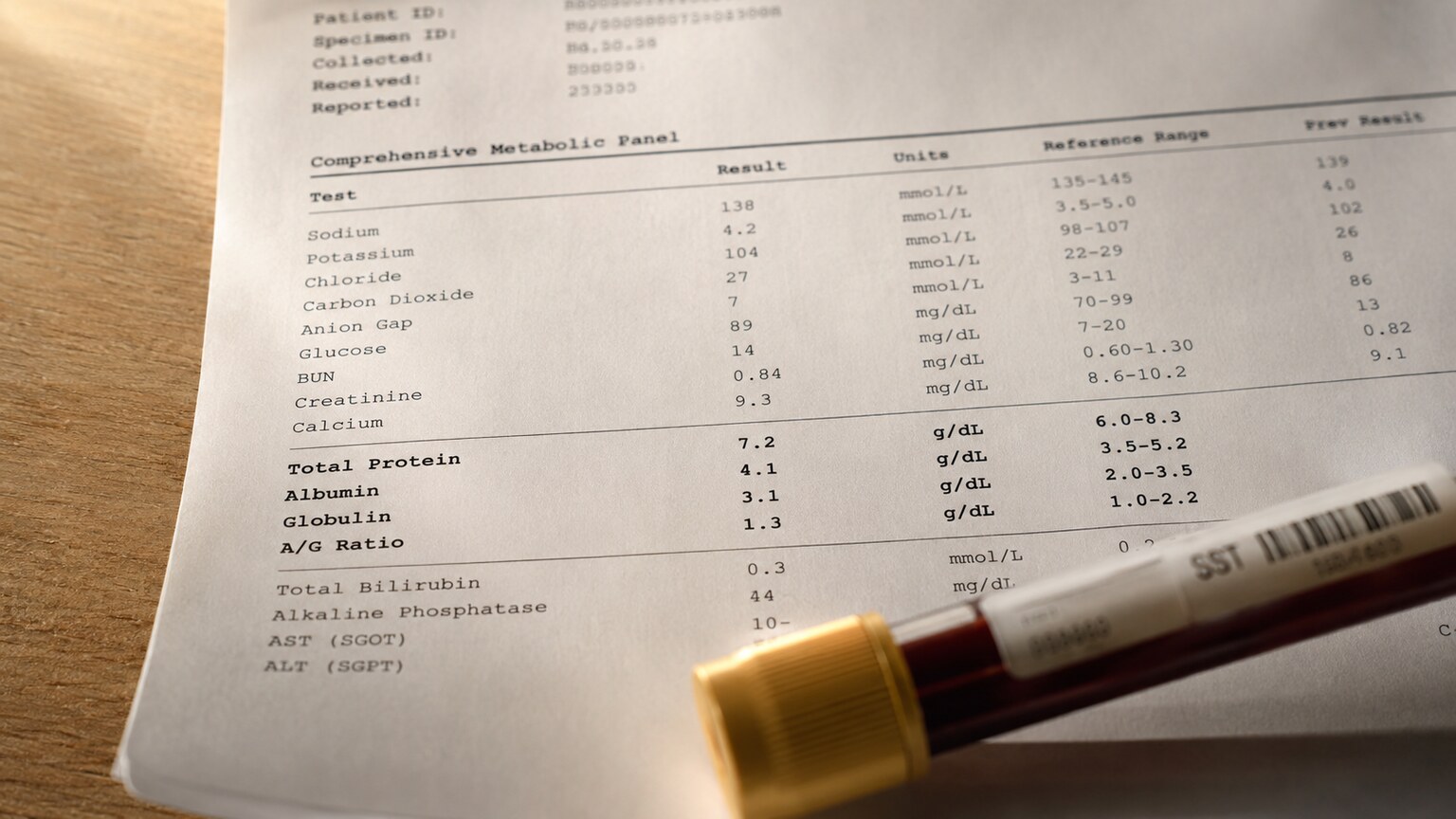
Figure 1. Total protein is the combined measurement of two distinct protein groups in blood: albumin and globulin.
When a lab measures "total protein," it isn't measuring one single substance — it's adding together two genuinely different categories of protein that circulate in your bloodstream and reporting their combined weight per volume of blood. The first is albumin, a single, relatively small protein manufactured exclusively by your liver, typically making up roughly 55 to 60% of total protein in a healthy person. Albumin's primary jobs are to hold water inside your blood vessels through a physical effect called oncotic pressure, and to act as a transport vehicle, carrying hormones, medications, and other substances through your bloodstream to where they're needed. The second category is globulin, a much broader umbrella term covering dozens of different proteins, including the antibodies your immune system produces to fight infection, along with various carrier proteins and clotting factors, made by both your liver and by immune cells called plasma cells.
Most standard lab panels report total protein alongside albumin measured directly, with globulin then calculated by simple subtraction (total protein minus albumin) rather than measured as its own separate test. This matters because it means globulin, on a typical report, is really a derived number rather than a direct measurement — accurate, but dependent on the accuracy of the other two values it's calculated from. Clinicians also frequently look at the albumin-to-globulin ratio, or A/G ratio, calculated by dividing albumin by globulin, since the relationship between these two protein families often carries more diagnostic information than either the total protein number or the individual values seen in isolation. Understanding this two-part composition — rather than treating "total protein" as if it were a single, simple, undifferentiated substance — is genuinely the foundation for understanding everything else covered in this article, since almost every cause of an abnormal total protein result traces back to a specific, identifiable change in one of these two families, not some vague, generalized shift in "protein" as a whole.
Why Your Body Bothers Maintaining Protein Levels at All
Before getting into the numbers themselves, it's worth understanding why total protein is checked in the first place and why your body works so hard to keep it within a fairly narrow window. Blood proteins aren't passive cargo floating around for no reason — they're actively performing essential jobs every moment, and a meaningful shift in their overall level reflects a real change in how well several different body systems are functioning together. Albumin's oncotic pressure effect, described earlier, keeps fluid appropriately distributed between your blood vessels and surrounding tissue; without enough of it, fluid leaks out of vessels and pools in tissue, producing visible swelling. Globulins, meanwhile, include not just antibodies but also proteins that transport iron, copper, and certain hormones through the bloodstream, along with several factors involved in blood clotting.
Because these proteins are produced by the liver and immune system, and because they're either retained or lost depending on kidney function, gut absorption, and nutritional status, total protein functions almost like a summary indicator — a single number that reflects the combined output of several different organ systems working correctly, or a signal that one or more of them isn't. This is precisely why total protein has remained a standard part of routine metabolic panels for decades despite newer, more specific tests being available: it's inexpensive, technically simple to measure accurately, and serves as a useful first screen that can prompt more targeted follow-up testing when something looks off, without requiring every patient to undergo a full battery of specialized protein tests as a matter of routine.
The Standard Normal Range and Why It's a Range, Not a Single Number
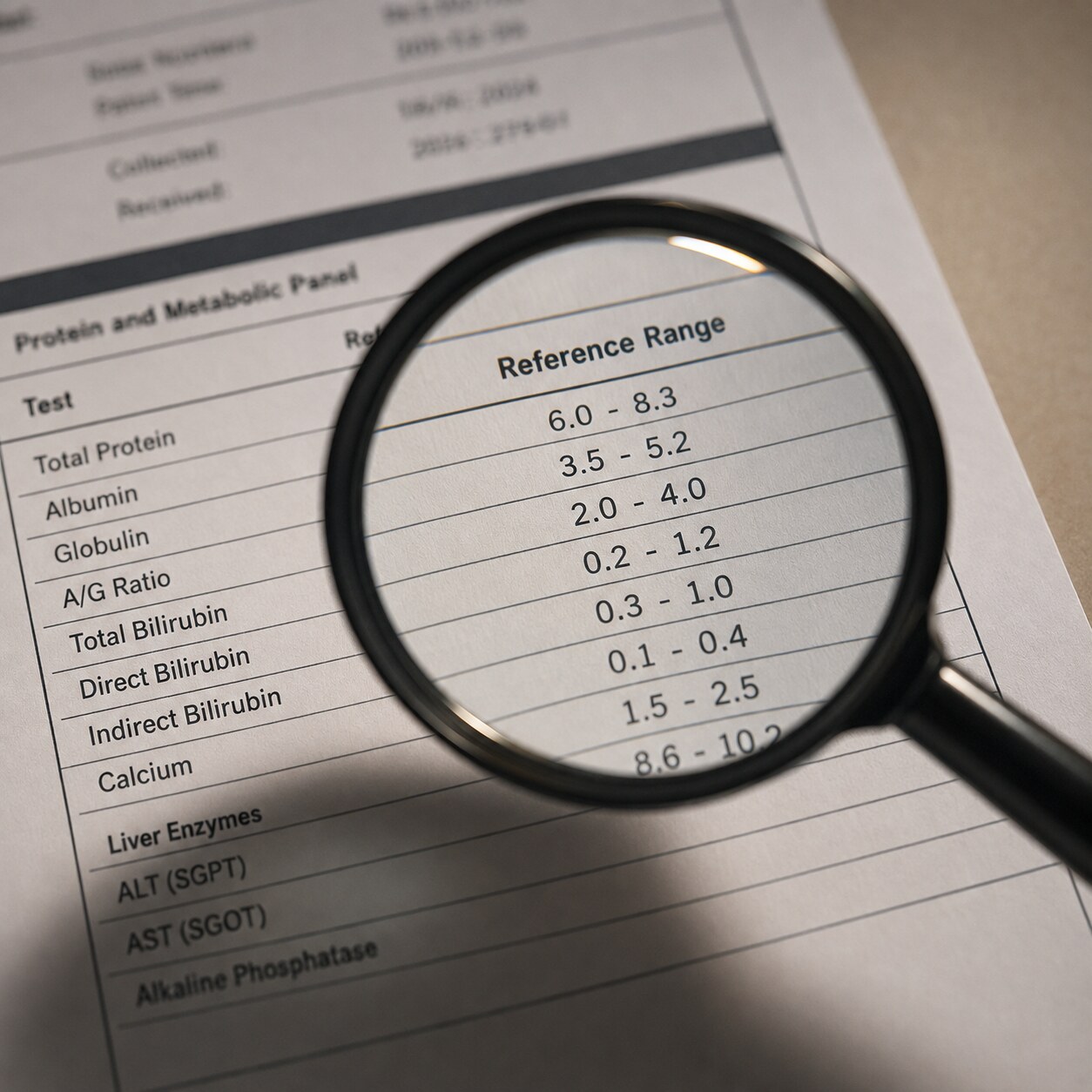
Figure 2. Reference ranges are established statistically from a large sample of healthy people, which is why the exact cutoffs can differ slightly between laboratories.
The commonly cited normal total protein range of 6.0 to 8.3 g/dL isn't an arbitrary number chosen by any single authority — it's derived statistically, using a method common to essentially every lab test with a "reference range." A laboratory (or a professional body compiling data across many labs) measures total protein in a large sample of people believed to be healthy, plots the resulting values, and then defines the "normal" range as the middle 95% of that healthy population's results, typically excluding the lowest 2.5% and highest 2.5% as statistical outliers. This method has an important, often under-appreciated consequence: by definition, roughly 1 in 20 perfectly healthy people will have a result that falls just outside the "normal" range purely by natural biological variation, not because anything is actually wrong with them.
Because different laboratories may use slightly different testing equipment, reagents, and even slightly different reference populations when establishing their own ranges, the exact upper and lower cutoffs printed on your specific lab report can vary in the second decimal place from what you might read elsewhere, even though the underlying biology being measured is identical. This is exactly why the specific reference range printed directly on your own report — not a number quoted from an article or a different lab's printout — is the number that should actually guide interpretation of your result, and why a value sitting close to either edge of a "normal" range, on its own, deserves more caution before being labeled definitively normal or abnormal without additional context from the rest of the panel and your individual health history.
Why Age, Pregnancy, and Posture Can Shift What's "Normal" for You

Figure 3. Pregnancy causes a natural, expected drop in total protein due to increased blood plasma volume diluting the same underlying amount of protein.
Beyond lab-to-lab variation, several genuinely normal physiological factors shift what counts as an expected total protein result for a specific person at a specific moment, independent of any underlying illness. Pregnancy is one of the most significant: total blood volume increases substantially, particularly the fluid (plasma) portion, diluting the same underlying amount of circulating protein across a larger volume of fluid and producing a total protein result that runs lower than the standard adult reference range, especially during the second and third trimesters — a pattern so well established that many labs provide pregnancy-specific reference ranges, and a result that would be flagged as "low" in a non-pregnant adult may be entirely expected and unremarkable in someone who is pregnant, particularly as pregnancy progresses into its later stages.
Posture at the time of blood draw is a more subtle but real factor: standing upright for a period before a blood draw causes some fluid to shift out of blood vessels into surrounding tissue due to gravity, concentrating the protein that remains in the blood and producing a total protein result that runs modestly higher than a sample drawn from the same person while lying down. This effect, called postural or orthostatic variation, is generally small — often just a few tenths of a gram per deciliter — but it's large enough that some clinical guidelines specifically recommend a consistent posture (typically seated, after a brief rest period) for any blood draws being compared meaningfully over time. Age also plays a meaningful role here: total protein tends to run slightly lower in infants and young children, gradually rising to typical adult levels through childhood and adolescence, and some studies suggest a modest further increase in globulin specifically, and therefore total protein overall, in some older adults, related to increased background inflammatory activity that becomes more common with aging even in the complete absence of any overt or diagnosable disease. None of these factors change the underlying biology of what's being measured — they simply shift where the healthy baseline actually sits for a given person in a given moment, which is part of why context always matters more than the raw number viewed entirely in isolation. Taking a careful history alongside the result — asking about recent illness, hydration habits, pregnancy status, and even how the sample was collected — is often what separates a genuinely concerning finding from one that's fully explained by one of these ordinary, everyday physiological factors.
Curious what your own total protein, albumin, and globulin results actually mean together? Upload your results and get a complete, plain-language breakdown in under 15 minutes.
Analyze My ResultsSymptoms That Might Accompany an Abnormal Total Protein Result
Because total protein reflects such a broad range of underlying causes, the symptoms that accompany an abnormal result vary considerably depending on what's actually driving it, and many people with a mildly abnormal result have no symptoms at all, which is exactly why it's so often discovered incidentally on routine bloodwork rather than because someone sought care for a specific complaint. When low total protein is significant enough to cause symptoms, swelling — particularly around the ankles, legs, or abdomen — is one of the more recognizable signs, tracing directly back to reduced albumin's diminished ability to hold fluid inside blood vessels. Fatigue, unintentional weight loss, and, in more severe cases, muscle wasting can also develop over time, especially when the underlying cause involves inadequate nutrition or a chronic illness that impairs the body's ability to maintain normal protein synthesis. Slower wound healing and a heightened susceptibility to infection can also accompany significant, prolonged protein deficiency, since adequate protein is required both for tissue repair and for the body to manufacture sufficient antibodies to mount an effective immune response.
Elevated total protein, when driven by chronic inflammation or infection rather than dehydration, may come bundled with the symptoms of whatever underlying condition is driving the globulin increase — joint pain and stiffness with certain autoimmune conditions, recurrent fevers or night sweats with some chronic infections, or bone pain and fatigue in the case of plasma cell disorders like multiple myeloma. In many of these situations, the abnormal total protein result isn't the primary complaint that brings someone to a doctor at all — it's a supporting clue, discovered as part of working up a different presenting symptom, that helps confirm, refine, or redirect an already-suspected diagnosis toward the correct underlying explanation. This is part of why total protein, on its own, is rarely the deciding factor in any diagnosis; it's one data point among several that, together, build toward a clearer clinical picture.
When Total Protein Is Too Low

Figure 4. Low total protein can stem from inadequate intake, impaired liver production, protein loss through the kidneys or gut, or a combination of these.
A total protein result below the normal range, called hypoproteinemia, can arise from several genuinely distinct mechanisms, and figuring out which one applies is really the key diagnostic task once a low value is confirmed. Inadequate protein intake or absorption is one straightforward cause — someone with a severely restricted diet, an eating disorder, or a digestive condition that impairs nutrient absorption (like celiac disease or certain inflammatory bowel conditions) simply isn't taking in or absorbing enough raw material for the liver to build normal amounts of protein, regardless of how well the liver itself is functioning. Liver disease represents a second distinct pathway: since the liver manufactures albumin and many other blood proteins, significant liver dysfunction — from cirrhosis, chronic hepatitis, or other advanced liver conditions — can directly reduce the liver's synthetic capacity, lowering albumin specifically even when globulin remains normal or, in some liver conditions, actually rises.
Kidney disease is a third major pathway, working through an entirely different mechanism: rather than reduced production, the kidneys' filtering structures can become damaged in a way that allows protein — again, predominantly albumin — to leak out into urine instead of staying in the bloodstream, a condition called proteinuria that can, in significant cases, outpace the liver's ability to keep up with replacement production. Malabsorption and protein-losing conditions affecting the gastrointestinal tract, along with severe burns (which cause substantial protein loss through damaged skin) and certain cancers affecting protein metabolism, round out the more common causes of a genuinely low total protein result. Because these different mechanisms point toward such different underlying conditions — nutritional, hepatic, renal, or gastrointestinal — a low total protein result on its own is really an invitation to look further with additional targeted testing, not a diagnosis unto itself. Distinguishing between these possibilities usually starts with a careful history and a small set of follow-up tests: liver enzymes and imaging if hepatic dysfunction is suspected, a urine protein test if kidney-related loss seems more likely, and a nutritional assessment alongside inflammatory markers if intake or absorption appears to be the primary driver, since more than one of these mechanisms can sometimes be contributing at the same time in the same person.
When Total Protein Is Too High

Figure 5. Simple dehydration, by reducing blood plasma volume, is one of the most common and most easily corrected causes of an elevated total protein result.
A total protein result above the normal range, called hyperproteinemia, is somewhat less commonly discussed than low results but has its own set of distinct explanations. The simplest and most common cause is dehydration: when a person's fluid intake is reduced relative to their fluid losses — from illness, heat, inadequate water intake, or vigorous exercise without adequate rehydration — the plasma portion of blood contracts while the actual amount of circulating protein stays roughly the same, concentrating that protein into a smaller volume of fluid and producing an elevated result that has nothing to do with any actual overproduction of protein. This is exactly the mirror image of the pregnancy-related dilution described earlier, and it's usually easily confirmed and corrected simply by rechecking the level after the person has been properly rehydrated.
Chronic inflammatory and infectious conditions represent a second, genuinely important cause of elevated total protein, working through increased globulin production rather than simple dehydration. This mechanism is fundamentally different from the fluid-concentration effect described above, since it reflects a real, sustained increase in antibody and other globulin protein production by the immune system, rather than a temporary shift in how much fluid dilutes an otherwise unchanged amount of circulating protein. Long-standing infections, autoimmune diseases like rheumatoid arthritis or lupus, and chronic liver conditions like hepatitis can all drive the immune system to produce elevated amounts of antibodies and other globulin proteins, pushing total protein upward even as albumin itself may stay normal or even trend slightly downward. A more specific and clinically important cause is a group of conditions called plasma cell disorders, including multiple myeloma, in which a single abnormal clone of plasma cells produces a massive excess of one specific type of antibody protein, sometimes called a monoclonal protein or M-protein — a pattern that can produce a total protein result well above the normal range and typically requires specialized testing, such as serum protein electrophoresis, to properly identify and characterize once suspected. This particular cause is one of the reasons an unexplained, persistently elevated total protein result in an older adult — especially one accompanied by fatigue, bone pain, or unexplained kidney dysfunction — is generally taken seriously and investigated further rather than dismissed as an incidental finding, since early identification of a plasma cell disorder can meaningfully change the course of management.
Why the Number Alone Isn't Enough: Albumin, Globulin, and the A/G Ratio
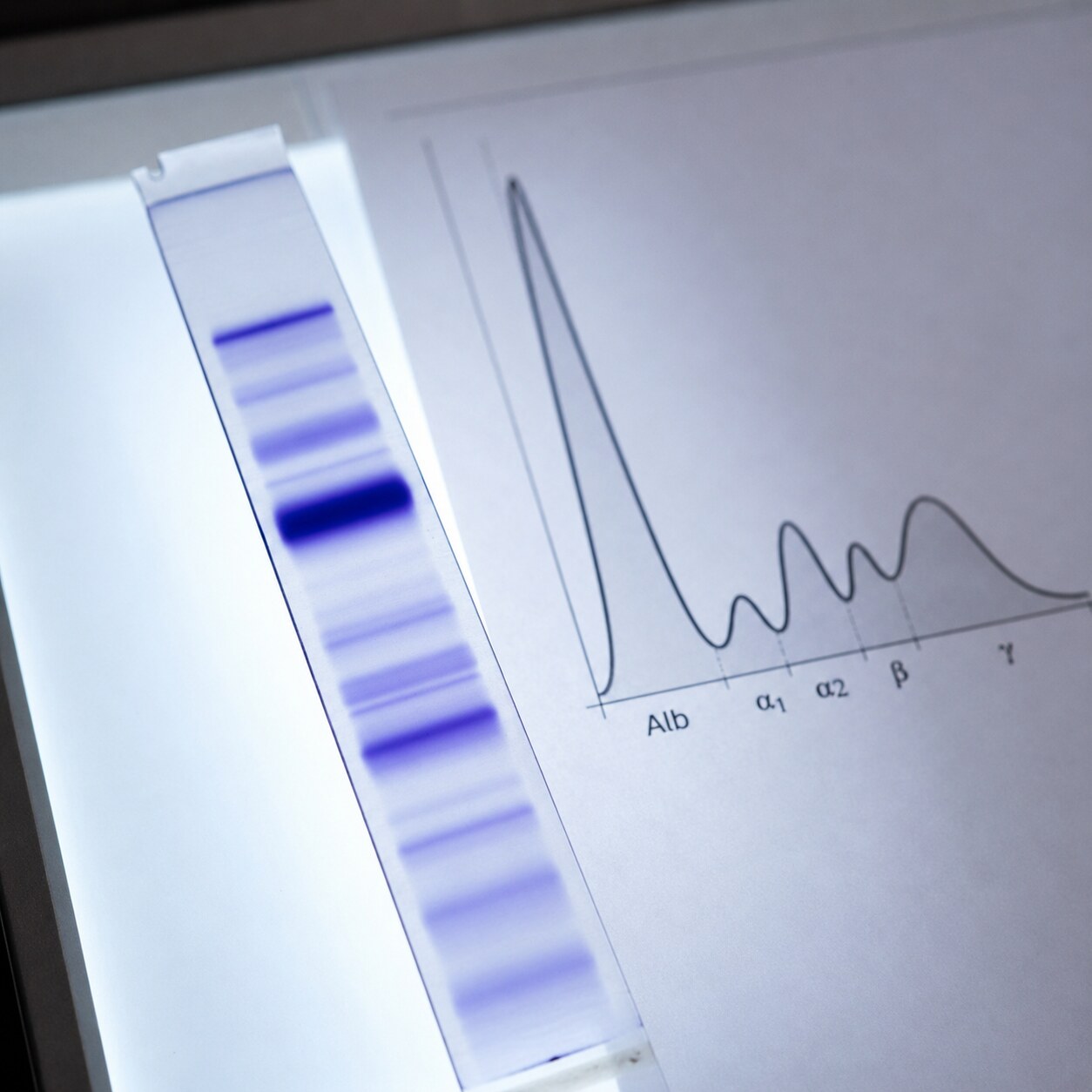
Figure 6. Because total protein combines albumin and globulin into one number, opposite shifts in each can cancel out, leaving the total looking deceptively normal.
Perhaps the single most important concept in interpreting a total protein result — and the reason this article keeps returning to it — is what happens when albumin and globulin move in opposite directions at the same time. Because the total protein value is simply the sum of these two numbers, a scenario where albumin drops (say, from early liver disease) while globulin simultaneously rises (say, from a coexisting chronic inflammatory condition) can produce a total protein result that lands squarely in the "normal" range, masking two genuinely abnormal underlying values that happen to offset each other numerically. This isn't a hypothetical edge case; it's a recognized enough pattern in clinical medicine that essentially no experienced clinician relies on total protein alone without also reviewing the albumin and globulin values individually, precisely because doing otherwise risks missing exactly the kind of masked abnormality this scenario describes.
The albumin-to-globulin (A/G) ratio exists specifically to help catch this kind of masked abnormality, typically falling between about 1.1 and 2.5 in healthy adults, though exact cutoffs vary by lab. A low A/G ratio (relatively more globulin compared to albumin) can suggest either albumin loss (from liver or kidney disease) or globulin overproduction (from chronic inflammation, infection, or a plasma cell disorder), while a high A/G ratio, less commonly encountered, can suggest reduced globulin production, sometimes seen in certain immune deficiencies, or occasionally reflects the specific laboratory method used rather than a true physiological finding. When a total protein result — whether it's abnormal or, just as importantly, oddly normal in a clinical context that doesn't quite fit — needs further clarification, the individual albumin and globulin values, the A/G ratio, and sometimes serum protein electrophoresis (which separates globulin into its finer sub-components rather than treating it as one lump value) together provide a far more complete and reliable picture than the single combined total protein number ever could on its own. Serum protein electrophoresis works by applying an electrical current to a blood sample spread across a special gel or membrane, causing different protein fractions to migrate at different speeds based on their size and electrical charge, ultimately separating them into distinct visible bands that can each be measured and evaluated individually — a far more granular view than the simple albumin-versus-globulin split that a standard total protein panel provides.
How Lab-to-Lab Differences Affect What Counts as "Normal"
Beyond the biological reference-range variation already discussed, it's worth understanding a more technical source of lab-to-lab difference: the actual laboratory method used to measure total protein. The most common method, called the biuret method, works by reacting protein in a blood sample with a copper-containing reagent, producing a color change proportional to the amount of protein present, which is then measured using light absorbance. While this method is well standardized and reliable across most modern labs, subtle differences in reagent formulation, calibration standards, and the specific analyzer instrument used can produce small, generally clinically insignificant differences in results between two different laboratories testing the exact same blood sample.
This is part of why comparing a result from one lab visit against a result from a different lab, months or years apart, requires a bit more caution than comparing two results from the same lab using the same method — a genuine trend can sometimes be partly, or occasionally entirely, explained by a change in testing lab or method rather than an actual change in your body's protein status. For anyone monitoring total protein over time, particularly for a known condition, using the same laboratory consistently when possible, and specifically flagging any lab change to the ordering clinician, helps ensure that any trend being tracked reflects a real biological change rather than a technical artifact of switching testing methods. Most laboratories participate in external quality-assurance and proficiency-testing programs specifically designed to keep these small method-related differences within an acceptably narrow margin, so the variation between two accredited labs is generally modest rather than dramatic — but it's still large enough to matter meaningfully when a result sits close to a reference-range boundary, which is exactly the situation where this kind of caution is most worth applying. This same principle explains why a single result, viewed in true isolation from your own prior history and your specific lab's reference range, should always be interpreted with a degree of humility rather than treated as an absolute, universal cutoff.
Tracking Total Protein Over Time
Because total protein can shift with hydration, posture, and other short-term factors described earlier, a single result carries less weight than a trend observed across multiple tests over time, particularly for someone with a known chronic condition affecting protein levels. Clinicians managing conditions like chronic liver disease, kidney disease, or a monitored plasma cell disorder typically track total protein, albumin, and globulin together at regular intervals, watching not just whether each value sits inside or outside the reference range, but how the overall pattern is moving — a gradually declining albumin over several visits, even if each individual result is still technically "normal," can be an earlier and more meaningful warning sign than waiting for a single dramatically abnormal value to appear.
For someone recovering from an acute illness or starting treatment for a condition that affects protein levels, this kind of tracking also provides a genuinely reassuring way to confirm that treatment is working as intended — a rising albumin and declining globulin after starting treatment for a chronic inflammatory condition, for instance, offers concrete, measurable evidence of improvement beyond how a person simply feels day to day. Consistency matters here as well: testing at a similar time of day, in a similar hydration state, and ideally through the same laboratory when tracking a trend, helps ensure that the pattern being observed reflects a genuine biological change rather than the kind of technical or physiological noise discussed earlier in this article.
What Happens After an Abnormal Total Protein Result
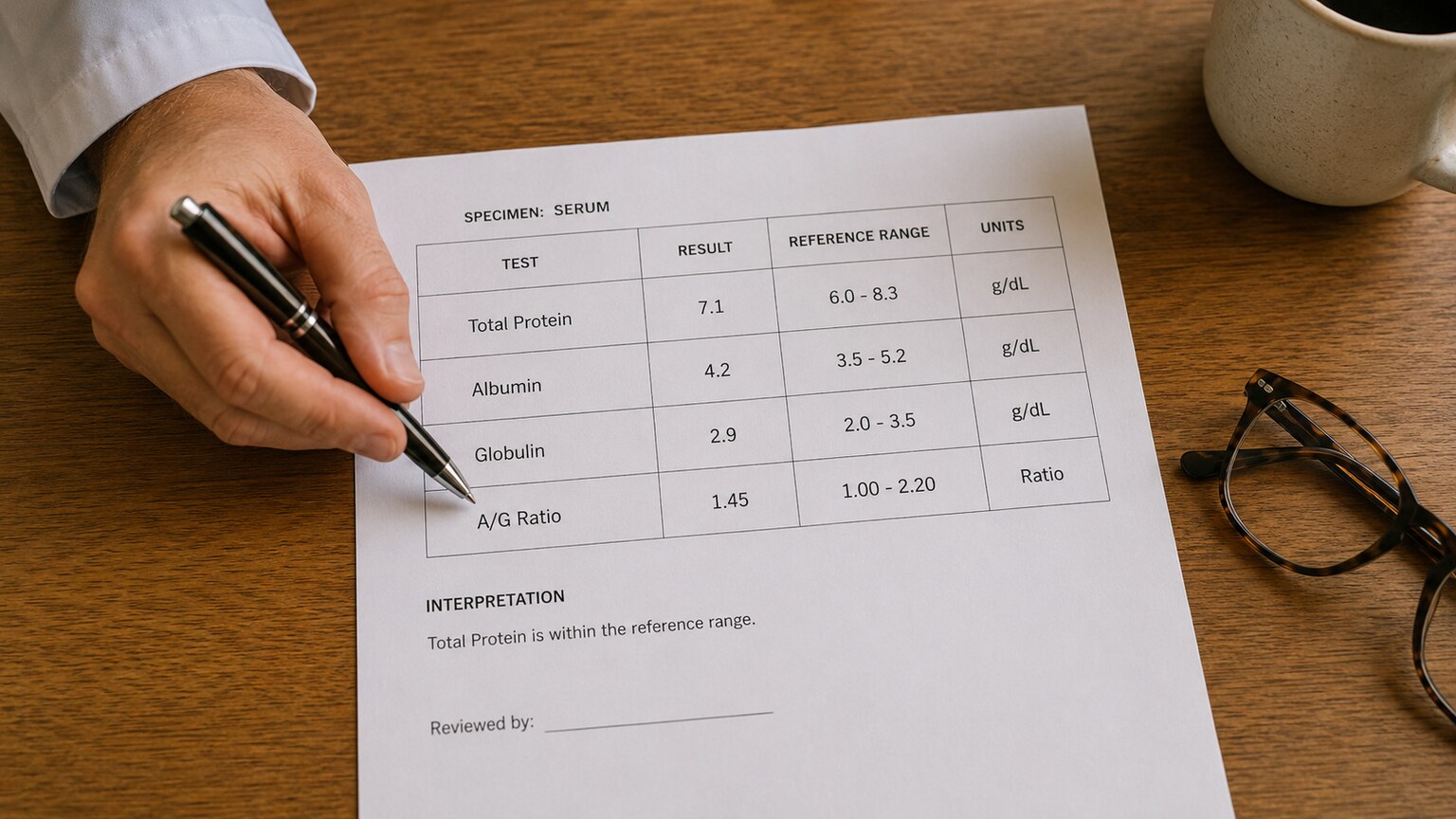
Figure 7. Following up on an abnormal total protein result typically starts with reviewing the individual albumin and globulin values before ordering any further specialized testing.
If your total protein result comes back outside the normal range, the practical next step almost always starts with something you may not even need a new blood draw for: your clinician reviewing the individual albumin and globulin values (and A/G ratio) that are typically already included on the same report, rather than looking at total protein alone. This first pass often narrows the likely explanation considerably — a low albumin with normal globulin points more toward liver, kidney, or nutritional causes, while a normal albumin with elevated globulin points more toward an inflammatory, infectious, or immune-related process. From there, targeted follow-up testing depends on which pattern emerges: liver function tests and imaging if liver disease is suspected, a urine protein test if kidney-related protein loss is suspected, inflammatory markers or specific antibody tests if an autoimmune or infectious cause seems likely, and serum protein electrophoresis if a plasma cell disorder needs to be ruled out.
It's also genuinely common, and worth saying plainly, for a mildly abnormal total protein result — particularly one just outside the range with no other concerning findings and no symptoms — to simply be repeated after ensuring proper hydration and consistent conditions (fasting status, posture, time of day), often turning out to be a normal variant or a temporary, explainable fluctuation rather than a genuine sign of underlying disease. This straightforward repeat-and-standardize approach resolves a genuinely large share of borderline total protein findings without any need for more invasive or expensive follow-up testing, and it's usually the sensible first step before pursuing a broader workup, particularly when the rest of a person's health picture is otherwise unremarkable. What ultimately matters most is not the isolated number itself, but the pattern it forms together with albumin, globulin, symptoms, and the rest of your health picture — which is exactly the kind of layered interpretation that turns a single, somewhat abstract lab value into a clear, actionable understanding of what's actually going on in your body.
Total Protein in Special Situations: Hospitalization, Surgery, and Critical Illness
Total protein interpretation becomes noticeably more complicated in hospitalized or critically ill patients, and it's worth understanding why, since this is a setting where the test is used constantly. Intravenous fluid administration, extremely common in hospital care, can dilute blood protein levels within hours, producing a low total protein result that reflects fluid management rather than any underlying protein deficiency — a pattern clinicians in these settings are well trained to recognize and account for, generally by interpreting protein levels alongside a patient's overall fluid balance rather than in isolation. Major surgery and significant trauma similarly affect protein levels, both through blood loss (which removes protein directly) and through the body's inflammatory response to injury, which shifts liver protein production away from albumin and toward acute-phase inflammatory proteins for a period of days to weeks during recovery.
Critically ill patients in intensive care settings frequently show low albumin specifically, a pattern so consistently observed that it's become a recognized marker clinicians use, alongside other measures, to help gauge illness severity and even predict outcomes in certain conditions — though it's important to understand this reflects the body's inflammatory stress response rather than a nutritional deficiency requiring aggressive protein supplementation in most cases, a distinction that has meaningfully shaped how critical care nutrition and fluid management are approached over the past several decades of clinical research and practice. This is a good illustration of a broader theme running throughout this article: the same laboratory number can mean genuinely different things depending on the clinical context surrounding it, which is exactly why total protein, like most lab values, is never meant to be interpreted the same way in every situation without considering what else is happening with the person behind the number.
Frequently Asked Questions
Is a total protein result slightly outside the reference range always a problem?
Not necessarily. Because reference ranges are statistically defined to include about 95% of a healthy population, roughly 1 in 20 healthy people will naturally fall just outside the range without anything being wrong. A result only slightly outside the range, with no other abnormal findings and no symptoms, is often simply normal individual variation rather than a sign of disease.
Can dehydration alone explain a high total protein result?
Yes, this is actually one of the most common explanations for an elevated result. Dehydration concentrates the same amount of circulating protein into a smaller volume of blood plasma, producing a higher number without any actual increase in protein production. Rechecking the level after proper rehydration often shows the value returning to normal.
Why can my total protein be normal even though my doctor is still concerned?
Because total protein combines albumin and globulin into a single number, opposite shifts in each — one dropping while the other rises — can cancel out and produce a deceptively normal total. This is exactly why clinicians look at albumin and globulin individually, not just the combined total, when something in the clinical picture doesn't quite add up.
Does the normal range differ for children compared to adults?
Yes. Total protein tends to run somewhat lower in infants and young children, gradually rising through childhood to reach adult reference ranges. Pediatric lab reports typically use age-specific reference ranges rather than the standard adult range, which is why comparing a child's result to an adult reference range printed elsewhere can be misleading.
Do I need to fast before a total protein test?
Generally no, total protein is not significantly affected by recent food intake the way glucose or triglycerides are, so fasting is not typically required specifically for this test. However, if it's being drawn alongside other tests that do require fasting, your provider's instructions for the full panel should be followed.
Can strenuous exercise before a blood draw temporarily raise total protein?
Yes, vigorous exercise can cause a temporary, modest rise in total protein, partly from fluid shifts similar to dehydration and partly from other physiological changes during exertion. This effect is usually short-lived, which is part of why avoiding intense exercise for a day before routine bloodwork is sometimes recommended when precise baseline values matter.
Conclusion
A normal total protein range of roughly 6.0 to 8.3 g/dL is a genuinely useful starting reference point, but it's only ever the first layer of a more complete picture — one shaped by your specific lab's methods, your age, hydration, posture, and, most importantly, by the individual albumin and globulin values that make up that combined total in the first place. A result outside this range, or even one that looks reassuringly normal in a context that doesn't quite fit, is best understood not as a final verdict but as one piece of information meant to be read alongside the rest of your panel and your broader health picture. Bringing the full protein panel — not just the total protein line by itself — into a conversation with a healthcare provider is what actually turns this number into something genuinely useful and actionable, rather than leaving it as an isolated figure that raises more questions than it answers.
Still Not Sure What Your Results Mean?
Upload your labs and get a complete, visual, plain-language interpretation of every biomarker — delivered to your inbox in under 15 minutes.
Get My ReportThis article is for educational purposes only and does not constitute medical advice. Always consult your healthcare provider regarding your specific lab results.