
Genetics Can Play a Bigger Role in Cholesterol Than Diet
Two people can eat nearly identical diets for decades and still end up with dramatically different cholesterol numbers, and diet alone can't explain why. The uncomfortable truth many people never hear from a quick office visit is that most of the cholesterol circulating in your blood isn't something you ate at all — it's manufactured internally by your own liver, using a genetically inherited set of instructions that varies considerably from person to person. For a meaningful share of people with stubbornly high cholesterol, the dominant driver isn't a poor diet or a lack of willpower; it's a specific set of inherited genetic variants controlling how efficiently the body produces, packages, and clears cholesterol, sometimes powerful enough to overwhelm even a genuinely excellent diet. This article walks through why diet explains less of your cholesterol number than most people assume, the specific genetic machinery your liver relies on to manage cholesterol, familial hypercholesterolemia as the clearest single-gene example, the more common polygenic pattern involving many smaller genetic effects adding together, what large-scale twin and family studies have revealed about heritability, additional genes beyond the best-known one, how to recognize when genetics is likely playing a major role in your own numbers, how genetic testing itself actually works, and what all of this actually means for how your cholesterol gets managed and monitored over the course of your life.
Why Diet Alone Doesn't Explain Most People's Cholesterol Numbers
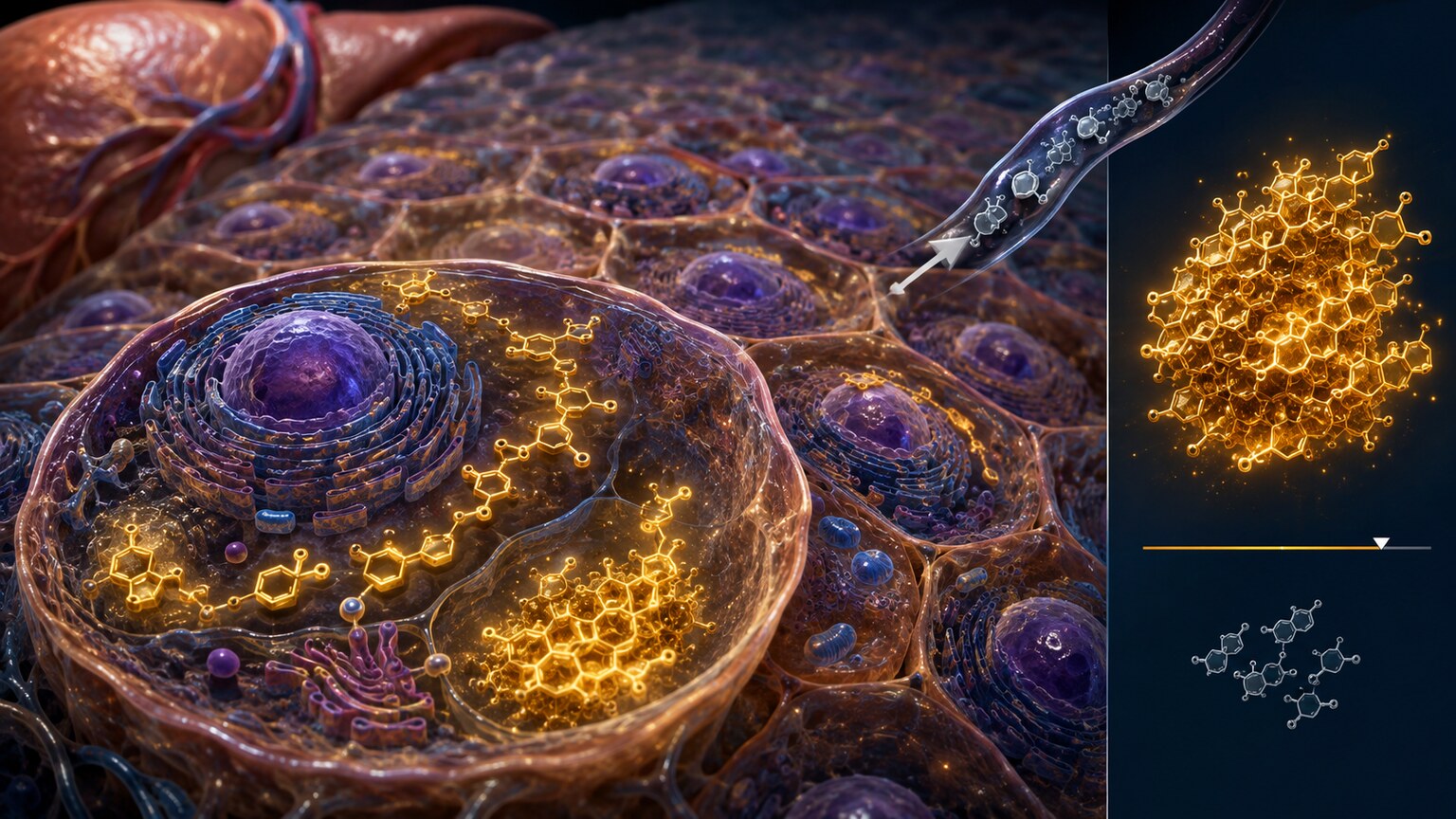
Figure 1. Your liver manufactures the majority of the cholesterol circulating in your blood internally, using genetically determined production and clearance machinery, rather than relying primarily on what you eat.
Most people picture cholesterol as something that arrives entirely through food — eggs, red meat, fried dishes — and assume a blood cholesterol number is essentially a direct scorecard of recent eating habits. The actual biology tells a considerably more complicated story. Your liver is capable of manufacturing cholesterol from scratch, using a multi-step internal production pathway, and for most people, this internal manufacturing accounts for a substantially larger share of total blood cholesterol than anything absorbed directly from food. Dietary cholesterol intake does contribute, but current nutrition science has moved well past the older assumption that eating cholesterol translates in any simple, one-to-one way into blood cholesterol levels, since the liver actively adjusts its own production rate in response to how much is coming in through diet, partially compensating for dietary changes in ways that vary considerably from person to person.
This internal production and adjustment system is where genetics enters the picture directly. The specific proteins responsible for manufacturing cholesterol, packaging it into transport particles, and later pulling it back out of the bloodstream are all built according to instructions encoded in your DNA, inherited from your parents. Small variations in the genes that code for these proteins — variations present in essentially everyone, to different degrees — can make this entire production-and-clearance system run faster or slower, more efficiently or less efficiently, entirely independent of diet. Two people eating the exact same meals every day, in other words, are running that food through liver machinery that isn't identical at all, which is precisely why diet, while genuinely important, was never capable of explaining the full picture on its own.
The LDL Receptor: The Genetic Machinery That Clears Cholesterol From Your Blood
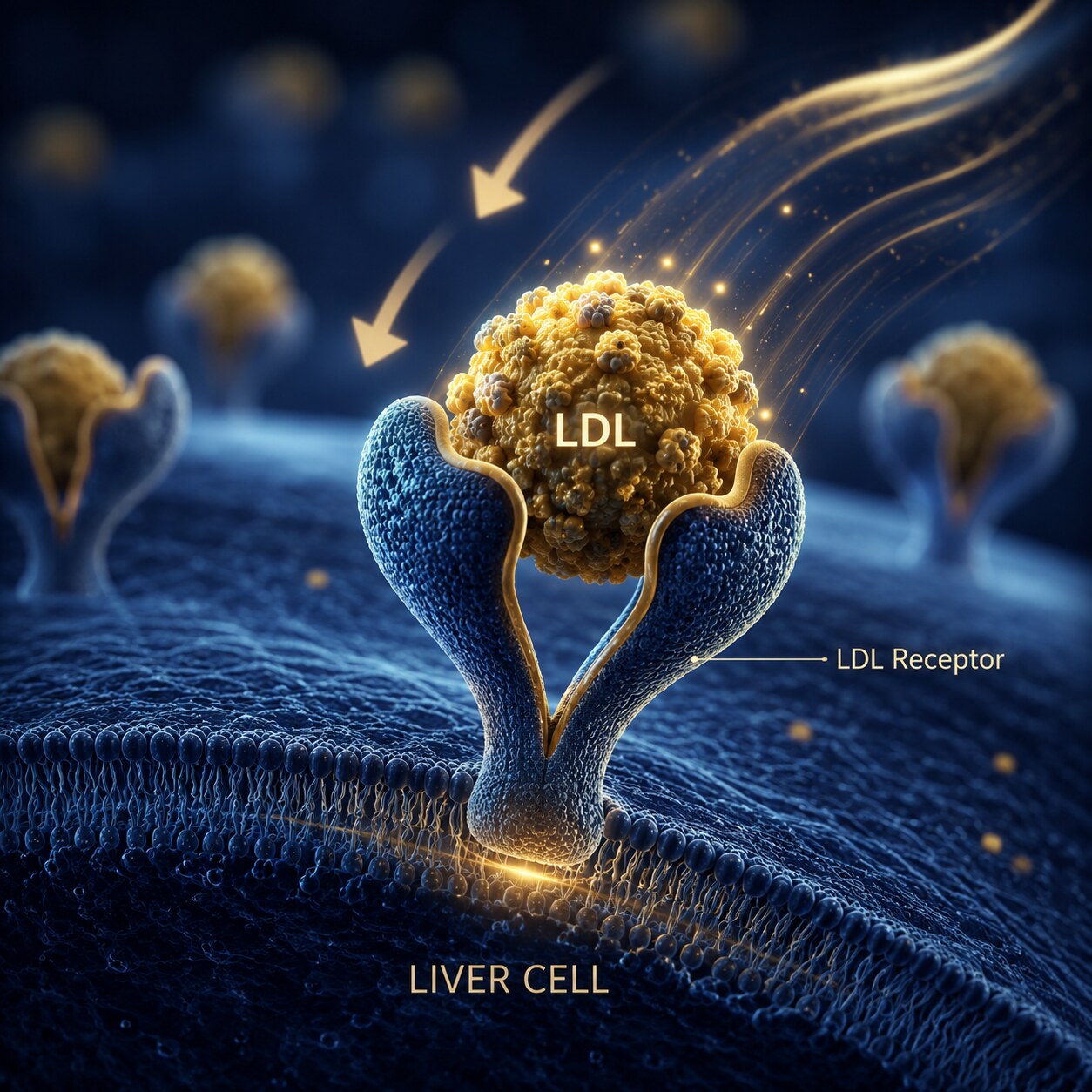
Figure 2. LDL receptors on the surface of liver cells act like docking stations that capture LDL particles from the blood and pull them out of circulation — a process directly controlled by an inherited gene.
While cholesterol production gets much of the popular attention, clearance — how efficiently your body removes cholesterol from circulation once it's there — turns out to matter just as much, and it's controlled by a specific, well-studied piece of genetic machinery called the LDL receptor. LDL receptors are proteins embedded in the surface of liver cells, functioning essentially as docking stations specifically shaped to recognize and capture LDL particles, the "bad" cholesterol-carrying particles most closely associated with cardiovascular risk, pulling them out of the bloodstream and into the liver cell to be broken down and recycled.
The gene that provides the blueprint for building this receptor, called LDLR, varies from person to person, and those variations directly determine how many functional LDL receptors a given person's liver cells actually display and how efficiently those receptors work. Someone whose genetic variant produces abundant, highly functional LDL receptors will clear LDL particles from their blood quickly and efficiently, keeping blood LDL levels lower even with a fairly typical diet. Someone whose genetic variant produces fewer receptors, or receptors that don't function quite as efficiently, will clear LDL more slowly, allowing it to accumulate in the bloodstream to a higher steady-state level — even if that person's diet and lifestyle are, by any reasonable standard, genuinely excellent. This single piece of inherited machinery is one of the clearest, most direct illustrations of how genetics can set a cholesterol "baseline" that diet then only modestly shifts up or down from.
Familial Hypercholesterolemia: The Clearest, Most Extreme Example

Figure 3. Familial hypercholesterolemia follows a clear inheritance pattern, with each child of an affected parent having roughly a fifty percent chance of inheriting the same LDL-elevating gene variant.
The single clearest, most extreme demonstration of genetics dominating cholesterol comes from a specific inherited condition called familial hypercholesterolemia, or FH. FH results from a mutation in one of a small handful of specific genes — most commonly the LDLR gene described above, though a couple of other related genes can produce a similar effect — severe enough to substantially impair the body's ability to clear LDL cholesterol from the blood. People with FH are typically born with, and carry throughout their entire lives, LDL cholesterol levels considerably higher than the general population, often two to three times higher, regardless of how carefully they eat or exercise, because the fundamental clearance machinery itself is structurally compromised at a genetic level, not something that improved dietary choices can meaningfully repair on their own.
FH follows a recognizable inheritance pattern: since one copy of the affected gene, inherited from just one parent, is generally enough to produce the condition, each child of a parent with FH has roughly a fifty percent chance of inheriting the same variant, which is why FH tends to appear clustered across multiple generations of the same family, often alongside a family history of heart attacks or other cardiovascular events occurring at unusually young ages. Despite affecting a meaningful number of people worldwide, FH is widely considered significantly underdiagnosed, in part because a high cholesterol number alone doesn't visually announce itself as genetic rather than lifestyle-related, and a person with FH who has never been specifically tested for it can spend years being counseled primarily on diet and exercise for a condition diet and exercise alone were never going to fully resolve.
Curious what your own cholesterol and lipid panel results actually mean for your specific situation? Upload your results and get a complete, plain-language breakdown in under 15 minutes.
Analyze My ResultsBeyond FH: Polygenic Cholesterol Risk — Many Small Genetic Effects Adding Up

Figure 4. For most people with elevated cholesterol, no single gene is responsible — instead, dozens or even hundreds of small genetic variants, each contributing a tiny individual effect, combine to meaningfully shift overall risk.
Familial hypercholesterolemia, while genuinely important to recognize, is actually the less common pattern of genetic influence on cholesterol. Far more people with elevated cholesterol that runs meaningfully in their family have what researchers call polygenic risk instead — rather than one single, dramatically impactful gene mutation, dozens or even hundreds of common genetic variants, each individually producing only a tiny, almost negligible effect on cholesterol levels, combine together to produce a meaningfully elevated overall risk when someone happens to inherit an unlucky combination of many of them at once.
This polygenic pattern helps explain a genuinely common real-world scenario: someone with high cholesterol whose family history shows relatives with elevated cholesterol too, but without the dramatic, sharply defined inheritance pattern and extremely high numbers characteristic of true FH. Researchers have developed tools called polygenic risk scores, which combine information across many of these small-effect genetic variants at once into a single composite score estimating someone's overall genetic predisposition toward high cholesterol, independent of any single gene dominating the picture. While not yet part of routine clinical care everywhere, these polygenic risk scores are becoming an increasingly recognized part of understanding why cholesterol tends to run high in some families without a single, identifiable FH-causing mutation ever being found on more targeted genetic testing — the elevated risk is real and genuinely genetic, it's simply distributed across many smaller genetic contributors working together rather than concentrated in one dominant gene.
What Twin and Family Studies Reveal About Heritability

Figure 5. Studies comparing identical twins, who share essentially all their DNA, to fraternal twins have consistently estimated that genetics accounts for roughly 40 to 60 percent of the variation in cholesterol levels between individuals.
Beyond identifying specific genes, researchers have taken a completely different, elegantly simple approach to measuring just how much genetics matters for cholesterol overall: comparing identical twins, who share essentially all of their DNA, against fraternal twins, who share roughly half, on average, like typical siblings. If cholesterol were driven almost entirely by shared environment and diet — since twins raised together generally eat similar meals and share a similar household environment — identical and fraternal twin pairs would be expected to resemble each other to a roughly similar degree. If genetics plays a substantial role, identical twins should consistently resemble each other in cholesterol levels considerably more closely than fraternal twins do.
This is, in fact, exactly the pattern researchers have repeatedly found across numerous studies conducted in different populations over several decades. Heritability estimates for LDL cholesterol specifically tend to fall in the range of roughly 40 to 60 percent, meaning a substantial share, often close to half or more, of the differences in LDL cholesterol observed between different individuals in a population can be statistically attributed to genetic differences rather than to diet, exercise, or other lifestyle and environmental factors. This is a genuinely large effect size by the standards of most complex human traits studied this way, and it provides some of the strongest, most rigorous scientific support available for the idea that genetics isn't a minor contributing factor to cholesterol, but frequently a dominant one, on par with or exceeding the combined influence of diet and other lifestyle factors for many individuals.
Genes Beyond the LDL Receptor: APOB, PCSK9, and Others
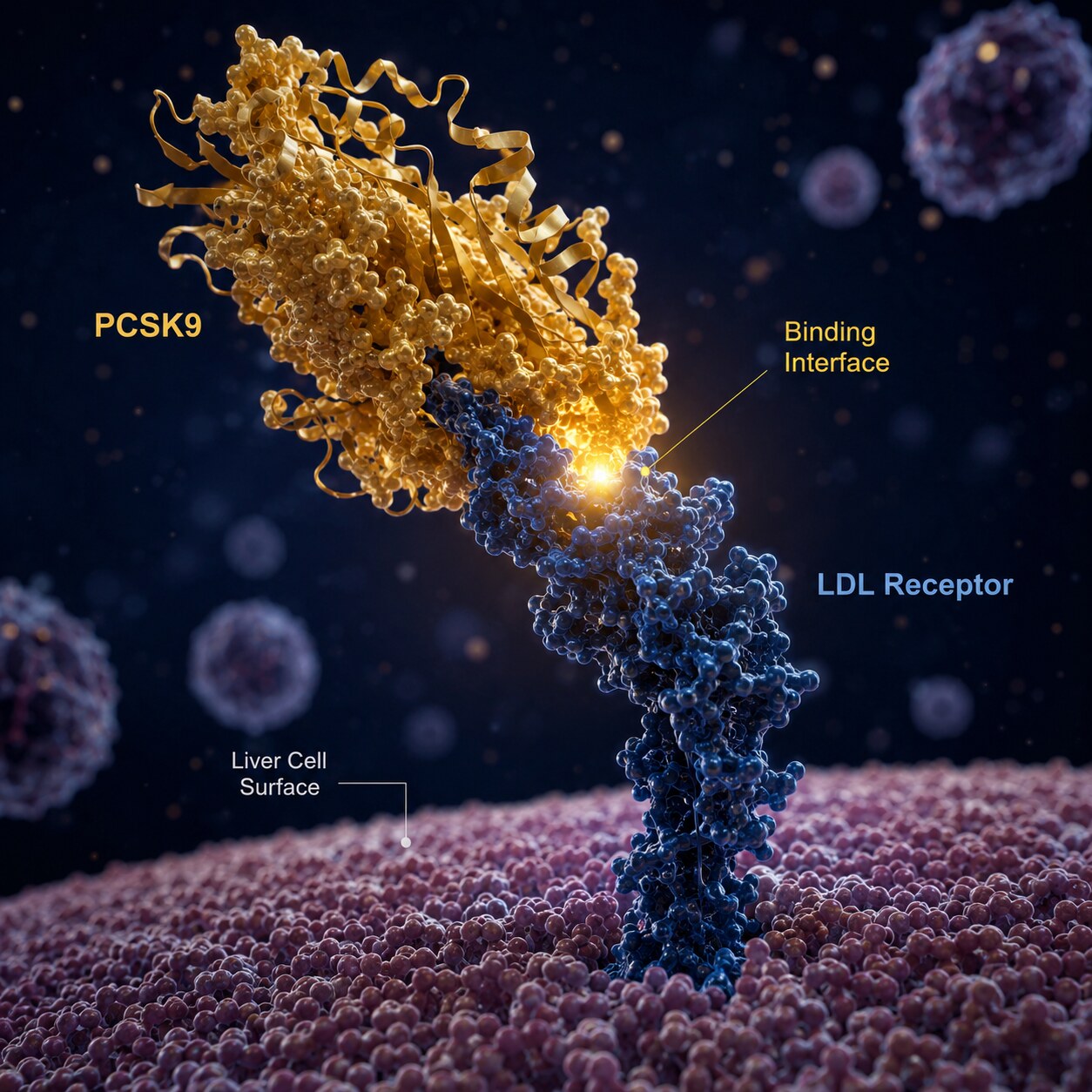
Figure 6. PCSK9, a protein encoded by its own separate gene, controls how many LDL receptors survive on the liver's surface — genetic variants here can either raise or dramatically lower cholesterol.
The LDL receptor gene, while genuinely central, is far from the only genetic player involved. Apolipoprotein B, or APOB, is a structural protein that forms an essential part of LDL particles themselves, acting as the specific "key" shape that LDL receptors recognize and grab onto during clearance. Genetic variants in the APOB gene can alter this key's shape just enough to reduce how well LDL receptors recognize and capture it, producing a pattern of elevated LDL that looks clinically very similar to LDL receptor-related FH, even though the underlying gene involved, and the precise mechanism, is genuinely different.
PCSK9 represents a particularly interesting and, in recent years, clinically important genetic player. This gene produces a protein that, under normal circumstances, binds to LDL receptors and marks them for breakdown, effectively limiting how many receptors remain active on the liver's surface at any given time — a kind of internal population control mechanism for LDL receptors themselves. Certain genetic variants can make PCSK9 more aggressive than usual at this job, breaking down LDL receptors faster and thereby raising LDL cholesterol, while other, rarer "loss of function" variants do the opposite, producing a less active PCSK9 protein that allows more LDL receptors to survive and remain functional, resulting in naturally and often dramatically lower LDL cholesterol along with a correspondingly lower lifetime cardiovascular risk. This discovery was genuinely significant for medicine broadly, since understanding this specific genetic pathway directly led to the development of an entirely new class of cholesterol-lowering medications, called PCSK9 inhibitors, designed specifically to mimic the effect of those naturally protective genetic variants in people who don't happen to carry them.
How to Tell If Genetics Is Likely Playing a Major Role in Your Own Numbers
Several practical, observable clues can suggest that genetics is a significant contributor to a person's specific cholesterol picture, even before any formal genetic testing ever enters the conversation. A strong family history is often the single most telling clue — multiple close relatives (parents, siblings, or children) with notably high cholesterol, or a family history of heart attacks, strokes, or other cardiovascular events occurring at unusually young ages, especially before age 55 in men or 65 in women, both point meaningfully toward a genetic contribution rather than a purely lifestyle-driven explanation shared only through similar household habits.
The timing and magnitude of the cholesterol elevation itself matters considerably as well. Cholesterol levels that were already significantly elevated in childhood or early adulthood, well before lifestyle factors would typically have had much chance to meaningfully accumulate their effect, suggest a genetic baseline was likely present from the start rather than one that developed gradually over years of diet and lifestyle choices. Similarly, LDL cholesterol levels that remain stubbornly, dramatically elevated — particularly values consistently above roughly 190 mg/dL — despite genuinely sustained, well-executed dietary and lifestyle changes, are statistically far more likely to reflect a significant underlying genetic contribution than levels in a more modestly elevated range that tend to respond more proportionally to lifestyle adjustments. When several of these specific clues appear together in the same person, it's a reasonable, evidence-based reason to bring up the possibility of genetic testing or referral to a lipid specialist directly with a healthcare provider.
Body composition, or the apparent lack of any obvious lifestyle risk factor, can also be a useful, if counterintuitive, clue worth paying attention to. Someone who maintains a healthy weight, exercises consistently, and eats a genuinely well-balanced diet, yet still shows persistently elevated LDL cholesterol on repeated testing, has effectively already ruled out the most common lifestyle explanations, which shifts the statistical likelihood meaningfully toward a genetic driver rather than an undiscovered lifestyle one. Tracking cholesterol values over successive lab visits, rather than relying on a single isolated reading, adds further useful information as well: a genetically elevated baseline tends to stay relatively stable and elevated across repeated tests over months or years, whereas a lifestyle-driven elevation more often fluctuates alongside identifiable changes in diet, activity, weight, or stress. Bringing a simple written timeline of past results, along with a short summary of close relatives' cholesterol history and any early cardiovascular events, into an appointment gives a provider considerably more to work with than a single number in isolation, and often speeds up the path toward the right next step, whether that's reassurance, lifestyle-focused management, or a referral for more specialized genetic evaluation.
What This Means for Managing Cholesterol When Genetics Is a Major Factor

Figure 7. Recognizing a genetic contribution to elevated cholesterol changes the management approach — from earlier, more aggressive treatment to cascade testing of close family members.
Recognizing that genetics is a major driver of someone's cholesterol doesn't mean diet and lifestyle become irrelevant — they still matter and remain a genuinely worthwhile part of any management plan — but it does meaningfully change the overall clinical approach in several concrete ways. First, it generally shifts expectations realistically: someone with a significant genetic contribution shouldn't expect diet and exercise alone to bring dramatically elevated cholesterol down into a normal range, and medication, often starting earlier and at a more assertive dose or combination than would be typical for a purely lifestyle-related elevation, becomes a standard, expected part of the management plan rather than a last resort reserved for after lifestyle changes have already failed.
Second, identifying a likely genetic cause — particularly a specific single-gene condition like FH — appropriately triggers what's called cascade testing, where close biological relatives are specifically offered testing as well, since identifying the same variant in a parent, sibling, or child while they're still relatively young and before significant cardiovascular damage has accumulated allows for earlier, more effective intervention across the whole family, not just the person who happened to be tested first. Third, understanding a genetic mechanism specifically can help guide treatment selection: someone whose elevated cholesterol traces back to reduced LDL receptor function may respond particularly well to medications like statins, which work partly by encouraging the liver to produce more LDL receptors, or, for more severe or treatment-resistant cases, to PCSK9 inhibitors, which directly address the exact protein-level mechanism responsible for elevated cholesterol in many of these genetic scenarios. In every case, understanding that genetics — not personal failure or inadequate willpower — is driving a stubborn cholesterol number is itself a genuinely meaningful, often relieving piece of information that reframes the entire conversation around management going forward.
Follow-up monitoring also tends to look somewhat different once a genetic driver is identified. Rather than spacing lab checks out broadly and waiting to see how lifestyle changes alone move the numbers, providers managing a confirmed or strongly suspected genetic cholesterol condition often recommend closer, more frequent monitoring, particularly in the period immediately after starting or adjusting medication, to confirm the treatment is producing the expected reduction and to catch any need for dose adjustment or an added second medication sooner rather than later. For younger patients identified through cascade testing, this closer monitoring frequently continues over a period of years, since the practical goal isn't simply hitting a single target number once, but sustaining that improved number consistently across an entire lifetime of elevated genetic risk that doesn't go away as the person ages.
Gene-Environment Interaction: Why Genetics and Lifestyle Aren't Actually Competing Explanations
It's tempting, once the genetic side of this picture becomes clear, to frame it as an either-or debate — either cholesterol is "genetic" or it's "lifestyle-driven" — but that framing doesn't match how these two forces actually interact in the body. A more accurate way to think about it is that genetics sets a person's baseline sensitivity, essentially determining how strongly that person's cholesterol will respond to a given change in diet, weight, or activity level, while lifestyle then determines where, within that genetically shaped range, someone's actual numbers land day to day. Two people with very different genetic baselines can start a similar diet change and see meaningfully different results purely because their underlying receptor and production machinery reacts differently to the same inputs, even though both are, in a real sense, benefiting from the change.
This interaction cuts in both directions, and it's worth understanding both. Someone with a genetically favorable cholesterol profile — highly efficient LDL receptors, low PCSK9 activity, and no significant APOB variants — can often tolerate a considerably less disciplined diet than average without their LDL climbing into concerning territory, which is part of why some people seem to "get away with" eating patterns that would meaningfully elevate cholesterol in someone else; this isn't evidence that diet doesn't matter in general, it's evidence that the same dietary input produces a different physiological result depending on the genetic machinery processing it. Conversely, someone with a genetically less favorable profile may see only a modest improvement from a substantial dietary overhaul, not because the effort wasn't worthwhile or wasn't done correctly, but because the underlying clearance and production system has less room to compensate. Recognizing this interaction is clinically useful precisely because it prevents two common, equally unhelpful conclusions: assuming a stubborn number reflects a personal failure of discipline, and assuming a favorable number reflects a diet so perfect it eliminates all future risk. Both genetics and lifestyle are doing real work at the same time, on the same system, and neither one fully explains the outcome without the other.
This layered relationship also explains why some public health messaging around cholesterol can feel frustrating or even contradictory to people living with a strong genetic predisposition. General population-level dietary guidance is, by necessity, built around what moves the average person's numbers in the average expected direction — it isn't, and was never designed to be, calibrated to any single individual's specific genetic profile. For someone whose cholesterol is being driven predominantly by a strong genetic signal, generic advice to "just eat better" can understate how much additional, often medical, intervention is genuinely needed, while for someone whose cholesterol is being driven predominantly by lifestyle factors, the same advice can be exactly right and sufficient on its own. This is precisely the gap that a fuller picture — family history, cholesterol trajectory over time, and where appropriate, genetic testing — is designed to close, replacing generic, population-level guidance with something calibrated to what's actually happening in one specific person's body.
How Genetic Cholesterol Testing Actually Works
For patients whose family history, age of onset, and stubbornly elevated numbers point toward a likely genetic cause, the next practical question is usually what genetic testing itself actually involves. In most cases, it starts with a simple blood draw, no different from a routine lab visit, sent to a specialized genetics laboratory rather than a standard clinical chemistry lab. That sample is used to sequence one or more of the specific genes already discussed in this article — most commonly LDLR, APOB, and PCSK9 — looking for known disease-causing variants as well as, increasingly, less common variants whose significance may need to be interpreted more carefully by a genetic counselor before any firm conclusion is drawn.
It's worth setting realistic expectations about what a negative result actually means. A genetic test that comes back without identifying a known FH-causing variant does not necessarily mean genetics has been ruled out entirely as a contributor to someone's cholesterol; it simply means the specific handful of well-characterized genes tested didn't turn up an identifiable single-gene cause, which is exactly the scenario in which a polygenic explanation — many small variants adding together rather than one dominant mutation — becomes the more likely underlying picture. For this reason, a negative single-gene test is generally interpreted by lipid specialists as inconclusive rather than reassuring on its own, and family history, cholesterol trajectory over time, and clinical judgment continue to matter even after formal testing has already been done. Insurance coverage and out-of-pocket cost for this kind of testing vary considerably depending on region and specific plan, so discussing cost expectations with a provider or genetic counselor before testing is generally a worthwhile part of the process, alongside a broader conversation about what a positive result would practically change about the treatment plan already being considered. Turnaround time also varies by lab, typically ranging from a couple of weeks to a couple of months, and results are usually delivered alongside a genetic counseling session rather than as a bare report, specifically so a trained professional can walk through what the finding does and doesn't mean for both the patient and their close relatives going forward, including how it should shape screening timelines, medication decisions, and conversations with other family members who may want to consider testing of their own once a clear result is on record.
Common Misconceptions That Delay a Genetic Explanation From Being Considered
A handful of persistent misconceptions tend to keep genetics out of the conversation longer than they should, and recognizing them can help patients advocate more effectively for themselves during a routine visit. One of the most common is the assumption that a healthy-looking body, a lean build, or an otherwise active lifestyle rules out a significant genetic cholesterol condition — it doesn't. Familial hypercholesterolemia in particular produces no outward physical signs in most people until fairly late in life, when visible markers like small yellowish deposits around the eyelids or thickened tendons can sometimes appear, meaning a thin, visibly fit, active person can absolutely carry an FH-causing variant and have dramatically elevated LDL cholesterol despite looking, by every outward appearance, like someone whose numbers "should" be driven mainly by lifestyle.
A second common misconception is treating "high cholesterol runs in my family" as an offhand, almost throwaway comment rather than clinically actionable information. Because so many families share broadly similar dietary habits, elevated cholesterol clustering across relatives is frequently, and sometimes too quickly, attributed entirely to shared meals and lifestyle patterns rather than shared genetics — even in families where the pattern, on closer look, actually fits a specific inheritable condition far more precisely than a shared-diet explanation reasonably could. A third misconception involves the assumption that genetic cholesterol conditions are exceedingly rare and therefore unlikely to apply to any individual patient; while true single-gene FH is uncommon relative to the general population, it is also substantially more common, and more underdiagnosed, than most people assume, and the broader category of meaningfully genetic, polygenic cholesterol elevation is considerably more common still. Clearing up these specific misconceptions is often what finally opens the door to a more targeted conversation between patient and provider about whether genetics deserves a closer, more formal look.
Frequently Asked Questions
How do I know if I should be tested for familial hypercholesterolemia?
A strong family history of high cholesterol or early cardiovascular disease, combined with your own LDL cholesterol consistently above roughly 190 mg/dL despite reasonable lifestyle efforts, are the main clinical clues that typically prompt testing. Several formal clinical scoring systems exist to help a provider decide, so bringing up your family history directly is the best first step.
If my cholesterol is genetic, is there any point in still improving my diet?
Yes, genuinely. Even with a significant genetic contribution, diet and lifestyle still meaningfully affect your overall cholesterol level and cardiovascular risk on top of whatever your genetic baseline happens to be — they simply may not be enough on their own to fully normalize a strongly genetic elevation, which is exactly why medication is often needed alongside continued healthy habits rather than instead of them.
Can genetic testing tell me exactly why my cholesterol is high?
Sometimes, but not always. Genetic testing can identify a specific single-gene cause like familial hypercholesterolemia in some people, but for many others with a polygenic pattern involving many small-effect genetic variants, no single identifiable mutation will be found even though genetics is still playing a real, meaningful role in their overall cholesterol level.
Should my children be tested if I have a genetic cholesterol condition?
This is generally worth discussing with a provider, since conditions like familial hypercholesterolemia can often be identified in childhood, and starting appropriate management early has real, long-term cardiovascular benefits. Cascade testing of close relatives, including children, is a standard part of managing a confirmed genetic cholesterol condition once it's identified in one family member.
Does a negative genetic test mean my high cholesterol isn't genetic after all?
Not necessarily. A negative result on standard FH gene testing usually just means no single dominant mutation was found in the specific genes tested — many people with a real, meaningful genetic contribution to their cholesterol still have a polygenic pattern, where dozens of smaller variants add up rather than one large one, and that pattern generally doesn't show up on a single-gene test.
Can someone with a genetic cholesterol condition still look and feel completely healthy?
Yes, and this is one of the most important things to understand about conditions like familial hypercholesterolemia. Most people with a significant genetic cholesterol condition have no outward physical symptoms at all for years or decades, which is exactly why family history and lab testing, rather than appearance or how someone feels, are what actually reveal the underlying risk.
Conclusion
Cholesterol has long been framed almost entirely as a diet-and-willpower issue, but the actual underlying biology tells a more nuanced story: your liver's own genetically inherited production and clearance machinery, not just what's on your plate, sets much of the baseline your diet then only modestly adjusts. From the dramatic, single-gene effect of familial hypercholesterolemia to the more common polygenic pattern of many small genetic variants adding together, and the roughly 40 to 60 percent heritability twin studies have consistently found, genetics deserves to be taken seriously as a major, sometimes dominant factor rather than an afterthought. Recognizing when your own numbers likely reflect a significant genetic contribution — through family history, timing, and how your levels respond to lifestyle changes — is what allows a conversation with a healthcare provider to move from generic dietary advice toward a management plan genuinely suited to what's actually driving your specific results.
None of this diminishes the value of a genuinely healthy diet and an active lifestyle — those choices remain worthwhile for cardiovascular health, and for overall wellbeing, regardless of what any individual's genetic profile happens to look like. What shifts, once genetics is properly factored into the picture, is the framing around outcomes that don't match the effort put in. A stubborn cholesterol number in someone who has genuinely tried to eat well and stay active isn't evidence of a hidden failure somewhere in that effort; it's frequently evidence of a genetic baseline that diet was only ever going to modestly move, and that medical treatment, informed by an understanding of the specific mechanism involved, is what closes the remaining gap. Reframing a stubborn lab result this way — as biology to be understood and managed rather than a verdict on personal discipline — is often the single most useful shift a person can make in how they approach their own long-term cardiovascular health.
Still Not Sure What Your Results Mean?
Upload your labs and get a complete, visual, plain-language interpretation of every biomarker — delivered to your inbox in under 15 minutes.
Get My ReportThis article is for educational purposes only and does not constitute medical advice. Always consult your healthcare provider regarding your specific lab results.