
What Does a High LDL Cholesterol Level Mean?
A high LDL cholesterol level means there are more low-density lipoprotein particles circulating in your blood than is considered ideal for long-term artery health — and these are specifically the particles capable of slipping into your artery walls and seeding the fatty buildup called atherosclerosis. LDL itself isn't a toxin; it's a normal transport particle your liver makes to deliver cholesterol, a molecule your cells genuinely need, throughout your body. The problem is one of excess: too many LDL particles in circulation dramatically increases the odds that some of them will get trapped inside your artery walls, where they trigger a slow, decades-long inflammatory process that can eventually narrow or block blood flow to your heart or brain. A high LDL result can come from diet, from genetics, from an underactive thyroid or another underlying medical condition, or simply from the fact that LDL tends to climb with age — and figuring out which of these applies to you is what actually determines what happens next. This article walks through what LDL is doing in your body, exactly how it damages arteries, what causes it to run high, and how doctors decide what your own number really means.
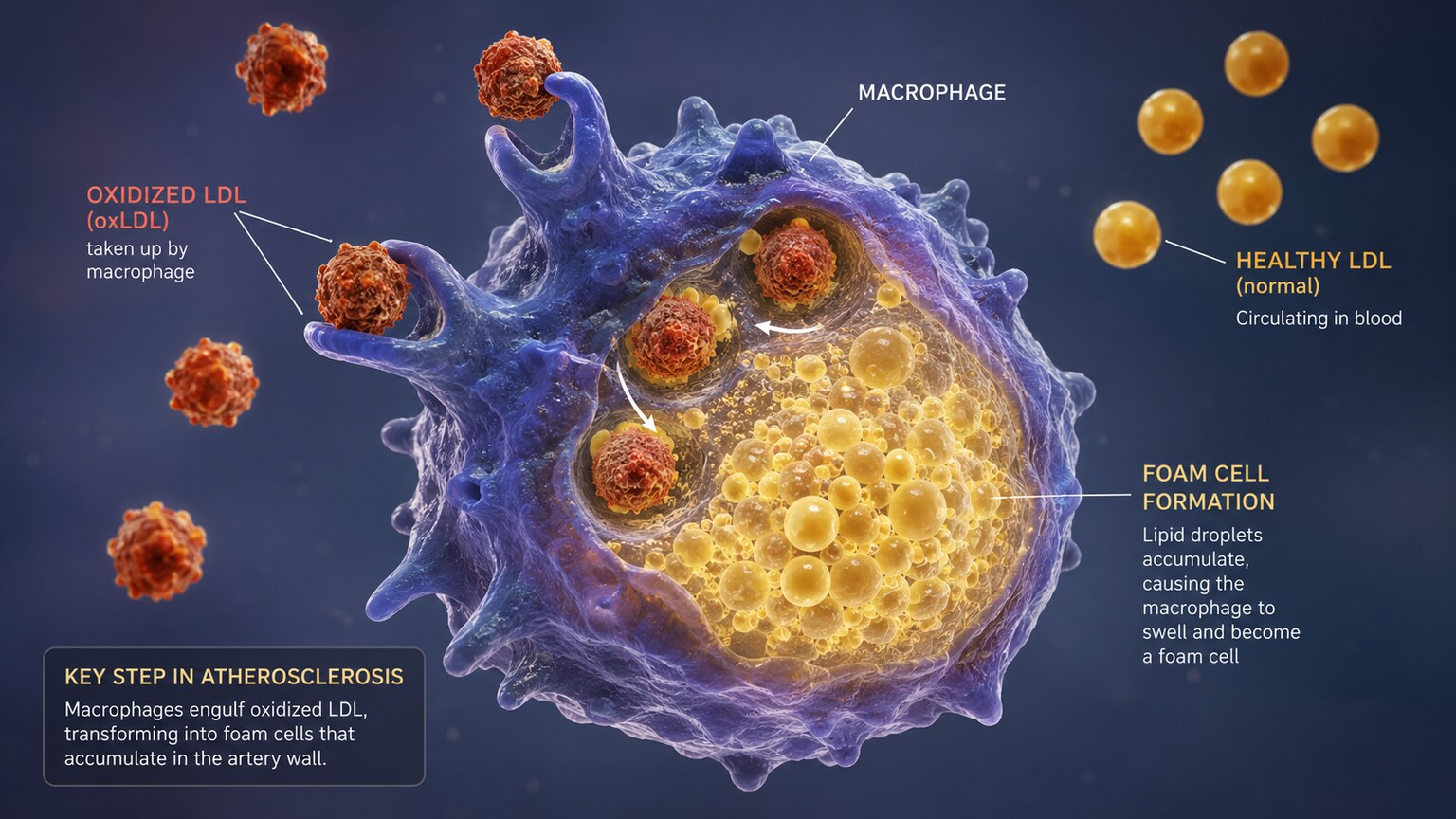
Figure 1. Once trapped LDL becomes oxidized inside the artery wall, immune cells called macrophages engulf it and swell into foam cells, the earliest visible building block of atherosclerotic plaque.
What LDL Actually Is — and Why Your Body Makes It in the First Place
Cholesterol is a waxy, fat-like molecule your body needs for genuinely important jobs: building the outer membrane of every cell you have, manufacturing steroid hormones like estrogen, testosterone, and cortisol, producing vitamin D, and making the bile acids your gut uses to digest fat. Because cholesterol doesn't dissolve in blood (which is mostly water) any more than oil dissolves in water, your body can't just release it loose into the bloodstream — it has to package it inside specialized carrier particles called lipoproteins, which have a water-friendly outer shell wrapped around a cholesterol-and-fat-filled core. LDL, or low-density lipoprotein, is the specific carrier your liver uses to ship cholesterol out to the rest of your body, delivering it to cells that need it to build membranes or make hormones.
In a well-functioning system, cells that have enough cholesterol display fewer LDL receptors on their surface, and the liver itself senses circulating cholesterol levels and adjusts how much new LDL it releases in response — a feedback loop that, under normal circumstances, keeps LDL levels within a reasonably narrow range. "High LDL" happens when something disrupts this balance: too much LDL is being produced, too little is being cleared from the blood by LDL receptors, or both at once, leaving more LDL particles circulating for longer than the system was designed to tolerate.
It helps to picture the LDL receptor system as a fleet of delivery trucks working in reverse — instead of dropping packages off, LDL receptors are constantly picking LDL particles back up off the road (the bloodstream) and returning them to the depot (the liver) for recycling. Each receptor can be used repeatedly: once it grabs an LDL particle and pulls it inside the liver cell, the particle is broken down for its cholesterol content while the receptor itself gets recycled back to the cell surface to grab another. When something reduces the number of these trucks on the road, or slows down how efficiently they cycle, LDL particles simply accumulate in traffic — which is, in a very literal biochemical sense, exactly what a high LDL blood test is measuring.
Already have an LDL number from a recent test, but not sure if it's actually good or bad for you? Just plug it in and see instantly.
🧮 Try the Free CalculatorHow Excess LDL Actually Damages Your Arteries
Understanding why LDL matters requires looking at what actually happens at the level of your artery wall, and the process is more mechanical and specific than "cholesterol clogs pipes," the oversimplified version most people picture. Your artery walls are lined with a single, thin layer of cells called the endothelium, which normally acts as a selective barrier. When LDL particle numbers in the blood are high, or when the endothelium is already stressed or damaged (by high blood pressure, smoking, high blood sugar, or simply the wear of turbulent blood flow at artery branch points), LDL particles can slip through this lining into the space just beneath it, called the subendothelial space.
Once trapped there, LDL particles bind to structural fibers called proteoglycans, which physically anchor them in place — they can't simply float back out into the bloodstream the way they came in. This retention is the critical first step, and it's why this whole process is sometimes called the "response-to-retention" model of atherosclerosis: the disease doesn't begin with cholesterol sludge building up passively, it begins with individual LDL particles getting stuck and staying stuck. Trapped LDL is then chemically modified, most importantly through oxidation, transforming it into oxidized LDL, a form your immune system recognizes as dangerous and foreign rather than a normal, harmless particle.
Why This Triggers Decades of Silent Inflammation
Your immune system responds to oxidized LDL the way it would respond to any perceived threat: it recruits monocytes (a type of white blood cell) from the bloodstream into the artery wall, where they mature into macrophages and begin engulfing the oxidized LDL particles in an attempt to clear them away. Under normal circumstances, this kind of cleanup response resolves cleanly. But when LDL keeps arriving and getting trapped faster than it can be cleared, the macrophages doing the engulfing become progressively overloaded with absorbed fat and cholesterol, swelling into what are called foam cells — the visual hallmark of the very earliest stage of atherosclerosis, sometimes visible as a "fatty streak" long before any symptoms exist.
This isn't a one-time event; it's a self-perpetuating cycle. Foam cells release inflammatory signaling molecules that recruit even more immune cells into the artery wall, smooth muscle cells migrate in and begin forming a fibrous cap over the growing collection of trapped fat and dying foam cells, and over years to decades, this builds into a genuine atherosclerotic plaque — a physical bulge narrowing the artery's internal channel. The most dangerous moment in this entire process often isn't gradual narrowing itself, but plaque rupture: if the fibrous cap covering a plaque tears, the material underneath is highly attractive to blood clotting factors, and a clot can form rapidly enough to abruptly block the artery altogether, which is the direct mechanism behind most heart attacks and many strokes.
One of the more sobering aspects of this process is how little of it a person can actually feel while it's happening. Fatty streaks can begin forming in the artery walls of some people as early as their teenage years or twenties, decades before any symptom, abnormal stress test, or diagnosis would ever flag a problem. Plaques generally have to narrow an artery quite substantially — often by 70% or more of its internal diameter — before they produce the kind of exertional chest pain or other classic symptoms that typically prompt someone to see a doctor for a heart-related concern in the first place. This long, symptom-free runway is precisely why LDL is checked proactively through routine bloodwork rather than only after symptoms appear, and why a high LDL result, even in someone who feels completely healthy, is taken seriously as a genuine, measurable risk factor rather than dismissed for the simple reason that nothing hurts yet.
Cause 1: Diet — Saturated Fat's Effect on LDL Receptors
Figure 2. Saturated fat raises LDL primarily by reducing how many LDL-clearing receptors the liver displays, slowing removal of LDL from the bloodstream rather than simply adding cholesterol directly to it.
Diet influences LDL through a more indirect mechanism than most people expect. Saturated fat, found concentrated in fatty red meat, butter, full-fat dairy, and many processed baked goods, doesn't raise LDL primarily by being cholesterol itself — it raises LDL largely by suppressing the liver's production of LDL receptors, the very structures responsible for pulling LDL particles back out of the bloodstream. With fewer receptors available, LDL particles simply linger in circulation longer, and the measured blood level climbs even without any change in how much LDL the liver is actually producing. Trans fat, found in some partially hydrogenated processed and fried foods, has an even more pronounced version of this same LDL-raising effect and is now heavily restricted in the food supply in many countries specifically because of it.
Dietary cholesterol itself — cholesterol you actually eat, from foods like eggs and shellfish — turns out to have a smaller effect on blood LDL for most people than researchers once believed, since the liver compensates by adjusting its own cholesterol production. However, a meaningful minority of people, sometimes called "hyper-responders," do show a more significant LDL rise in response to dietary cholesterol specifically, which is part of why individual response to diet changes can vary noticeably between two people eating similar meals.
Refined carbohydrates and added sugars deserve mention alongside fat, since their effect on the overall lipid picture is often underappreciated. Diets heavy in refined starches and sugar tend to raise triglycerides and can shift LDL particles toward the smaller, denser pattern discussed later in this article, even when total LDL cholesterol doesn't rise dramatically — meaning a diet swap from saturated fat toward heavily refined carbohydrates doesn't automatically translate into a lower-risk lipid profile the way it might appear to on the surface. On the protective side, soluble fiber (found in oats, beans, lentils, and certain fruits) binds cholesterol-containing bile acids in the gut, prompting the liver to pull more LDL out of the blood to manufacture replacement bile acids, giving fiber intake a genuine, if modest, LDL-lowering effect on its own.
Cause 2: Genetics — Familial Hypercholesterolemia

Figure 3. Familial hypercholesterolemia is inherited in an autosomal dominant pattern, meaning a child of an affected parent has roughly a 50% chance of carrying the same LDL-raising mutation.
For a meaningful subset of people with very high LDL, the explanation isn't diet or lifestyle at all — it's a specific inherited condition called familial hypercholesterolemia, or FH. FH is most commonly caused by a mutation in the gene coding for the LDL receptor itself, meaning the liver simply can't clear LDL from the blood efficiently no matter how well someone eats or exercises; other, less common causes involve mutations affecting apoB (the protein LDL uses to dock onto its receptor) or PCSK9 (a protein that regulates how many LDL receptors survive on the liver's surface). FH is inherited in an autosomal dominant pattern, meaning a single copy of the mutated gene from one parent is enough to cause it, and it's estimated to affect roughly 1 in 250 people, making it one of the more common inherited conditions in medicine, even though most people who have it don't know it.
What distinguishes FH clinically is both how high LDL runs — often well above 190 mg/dL, sometimes dramatically higher, from a young age — and how early it leads to cardiovascular disease, since the arteries in someone with FH have been exposed to elevated LDL since childhood rather than developing high LDL later in adult life. This is exactly why a personal or family history of very early heart attacks (in a parent or sibling before age 55 for men, or 65 for women) is one of the most important pieces of history a doctor will ask about when evaluating a high LDL result, and why cascade testing — checking the close relatives of someone diagnosed with FH — is considered good practice once one family member is identified, since each first-degree relative has roughly even odds of carrying the same mutation.
Physical exam findings can sometimes offer additional clues toward an FH diagnosis, though their absence never rules it out. Cholesterol deposits can occasionally accumulate visibly in tendons, most classically the Achilles tendon, producing a firm thickening, or around the eyes as small yellowish deposits called xanthelasma, or as a pale ring around the edge of the cornea called arcus (which is a much less specific finding when it appears in older adults, but more suggestive of an underlying lipid disorder when seen in someone under 45). Genetic testing to confirm a specific FH-causing mutation is available and increasingly used, particularly once a family's mutation has been identified in one member, since it allows other relatives to be tested definitively with a single targeted genetic test rather than relying on cholesterol levels and clinical criteria alone.
Cause 3: Hypothyroidism and Other Medical Conditions
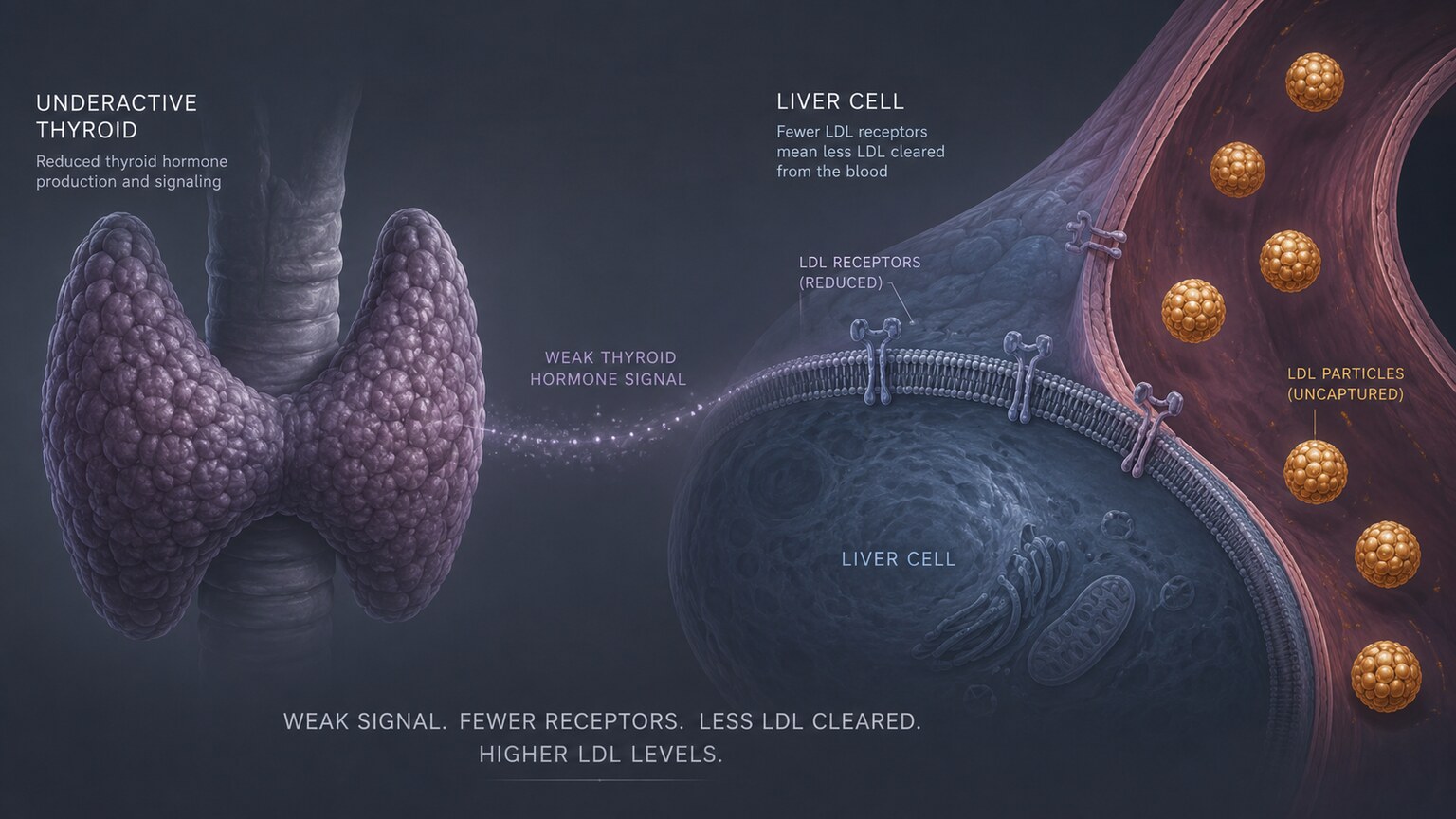
Figure 4. Thyroid hormone normally helps regulate how many LDL receptors the liver expresses, which is why an underactive thyroid gland can produce a secondary, correctable rise in LDL cholesterol.
Thyroid hormone plays a direct, well-established role in regulating LDL receptor activity in the liver, and an underactive thyroid gland (hypothyroidism) is one of the most common medical causes of a secondary rise in LDL — meaning a rise in LDL caused by another underlying condition rather than diet, lifestyle, or inherited genetics. When thyroid hormone is low, the liver reduces its LDL receptor activity, slowing clearance of LDL particles from the blood in a way that can meaningfully raise a lipid panel result. This connection matters practically because treating the underlying hypothyroidism with thyroid hormone replacement often brings LDL back down substantially on its own, without necessarily needing separate cholesterol-lowering treatment — which is exactly why many clinical guidelines recommend checking thyroid function as a standard part of the workup for a newly elevated LDL result, particularly when the rise is unexplained by diet or family history.
Other medical conditions capable of secondarily raising LDL include nephrotic syndrome (a kidney condition that alters how the body processes fat and protein), certain forms of chronic liver disease that affect bile flow and cholesterol metabolism, and a number of medications, including some diuretics, certain corticosteroids used for chronic inflammatory conditions, some antipsychotic medications, and certain medications used to treat HIV. Because these secondary causes are often identifiable and sometimes reversible, ruling them out is a meaningful part of a thorough evaluation, particularly for someone whose LDL rose noticeably compared to a previous, normal result rather than someone whose LDL has been consistently elevated for years.
This is exactly why a basic thyroid panel, kidney function tests, and liver function tests are commonly bundled alongside a first significantly abnormal lipid panel — not because a lipid problem is expected to be caused by these organs in most people, but because when it is, correcting the underlying condition often does more for the LDL number than starting a cholesterol medication ever could on its own. A person whose LDL normalizes once their thyroid hormone replacement is properly dosed, for instance, has effectively resolved the problem at its actual source, rather than simply masking a persistently elevated number with an additional medication layered on top of the real, untreated cause.
Cause 4: Age, Menopause, and Lifestyle Factors
LDL cholesterol tends to rise gradually with age in both men and women, reflecting a combination of factors including a natural decline in LDL receptor efficiency over time and the cumulative effect of decades of dietary and lifestyle exposures. Women experience a distinct additional shift around menopause: estrogen has a favorable effect on LDL receptor activity, and as estrogen levels decline during the menopausal transition, LDL levels in women commonly rise, often converging with or even surpassing typical male LDL levels in the years following menopause — a pattern that's part of why cardiovascular risk in women tends to climb more steeply after menopause than before it.
Body weight, physical activity, and smoking round out the major modifiable lifestyle contributors. Excess body fat, particularly visceral fat around the abdomen, is associated with reduced LDL receptor activity and a shift toward smaller, denser LDL particles (discussed further below), while regular aerobic exercise is more consistently linked to raising protective HDL cholesterol than to dramatically lowering LDL on its own — though exercise still contributes to overall cardiovascular risk reduction through multiple pathways beyond LDL alone. Smoking doesn't necessarily raise LDL cholesterol dramatically by itself, but it damages the endothelial lining of arteries and increases oxidative stress, meaning any given LDL level does more relative damage in a smoker's arteries than it would in a non-smoker's — a reminder that LDL's danger depends partly on the condition of the artery wall it's interacting with, not the LDL number in isolation.
Pregnancy is a temporary but genuinely significant contributor worth mentioning specifically for that reason: LDL cholesterol rises substantially during pregnancy, often by 30 to 50% or more by the third trimester, as part of the normal physiological changes supporting fetal development, and this rise is not typically treated as a cardiovascular concern in an otherwise healthy pregnancy, since levels generally return toward baseline within a few months after delivery. A lipid panel drawn during pregnancy, or shortly after, should generally be interpreted with this expected physiological shift in mind rather than compared directly against standard non-pregnant reference ranges.
Why Particle Number Can Matter as Much as the LDL Number Itself
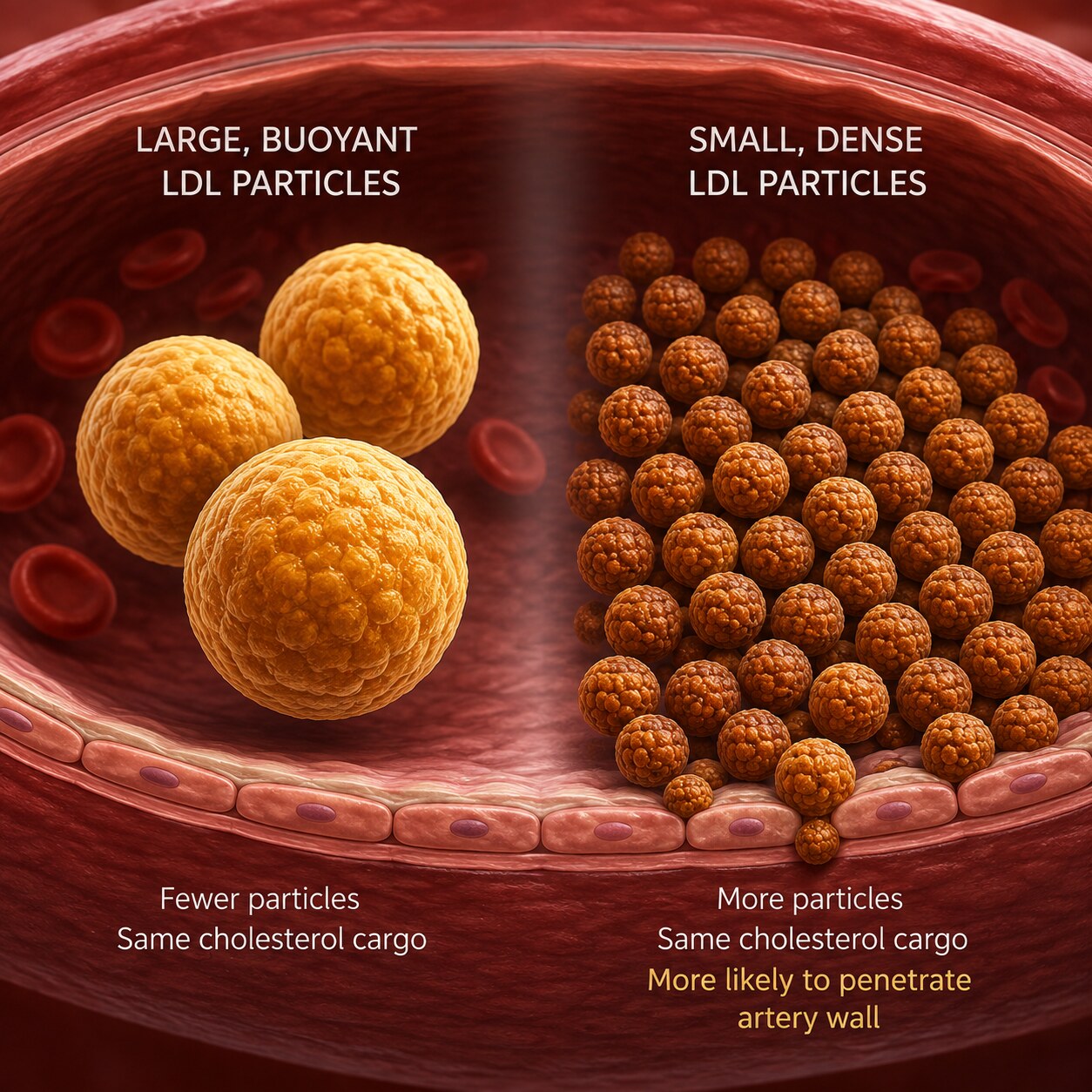
Figure 5. Small, dense LDL particles carry less cholesterol individually than large, buoyant particles but penetrate artery walls more readily and resist antioxidant defenses less effectively, making particle type a meaningful add-on to the standard LDL number.
The standard LDL cholesterol number reported on a routine lipid panel measures the total amount of cholesterol carried by all your LDL particles combined — it doesn't directly tell you how many individual particles are doing the carrying. This distinction matters because two people can have an identical LDL cholesterol number while having a meaningfully different number of actual LDL particles, depending on whether their cholesterol is spread across fewer large, cholesterol-rich particles or crowded into many smaller, cholesterol-poor ones. Since each individual LDL particle is what actually penetrates the artery wall — not the cholesterol content in the abstract — particle number can be a more direct predictor of cardiovascular risk than the cholesterol concentration alone, particularly in people with insulin resistance, type 2 diabetes, or metabolic syndrome, where a "small, dense LDL" pattern is especially common.
Small, dense LDL particles are considered particularly concerning for a few specific reasons: their smaller size lets them slip into the artery wall more easily, they bind less avidly to LDL receptors and so linger longer in circulation, and they're more susceptible to oxidation, the very step that triggers the immune inflammatory cascade described earlier. For most people, the standard LDL cholesterol number remains a reasonably good general indicator, but for those with risk factors that specifically favor a small, dense particle pattern, doctors sometimes add a more specific test — commonly apolipoprotein B (apoB), which directly counts the number of LDL and related particles — to get a more complete picture than LDL cholesterol alone provides.
A useful way to picture the difference is comparing two delivery trucks carrying the same total amount of cargo. One scenario uses a smaller number of large trucks, each fully loaded; the other uses a much larger number of small trucks, each carrying comparatively little. Both fleets might deliver the same total tonnage (the LDL cholesterol number), but far more individual trucks are on the road at once in the second scenario (the particle number), and it's each individual truck — not the aggregate tonnage — that has to squeeze through a gap in the artery wall to cause damage. This is the essence of why two people can share an identical LDL cholesterol result on a standard panel while carrying meaningfully different actual cardiovascular risk, and why particle-based testing has become an increasingly common add-on for people whose risk doesn't seem to be fully explained by their standard lipid numbers alone.
Understanding the Reference Ranges — and Why "Normal" Depends on Overall Risk
A standard lipid panel typically classifies LDL cholesterol into broad categories: optimal is generally below 100 mg/dL, near-optimal falls between 100 and 129, borderline high spans 130 to 159, high covers 160 to 189, and very high describes anything at or above 190 mg/dL. These categories are useful as a general reference, but modern cardiovascular guidelines have moved away from treating them as fixed targets that apply identically to everyone, in favor of a risk-based approach that weighs LDL alongside your overall cardiovascular risk profile — including blood pressure, diabetes status, smoking history, family history, and sometimes imaging findings like a coronary artery calcium score.
Under this approach, what counts as an appropriately controlled LDL level for someone with no other risk factors and no history of cardiovascular disease is meaningfully higher than the target recommended for someone who has already had a heart attack or stroke, or who has diabetes alongside other risk factors — for those higher-risk groups, guidelines often recommend driving LDL down to considerably lower targets specifically because their arteries are working with a smaller margin for error. This is exactly why two people with the identical LDL number can receive very different treatment recommendations from their doctors, and why a "high" LDL result is always most accurately interpreted alongside the rest of your personal cardiovascular risk picture rather than in isolation.
Doctors commonly use structured risk calculators that combine LDL with age, sex, blood pressure, smoking status, and diabetes history to estimate a person's approximate 10-year risk of a cardiovascular event, translating an abstract cholesterol number into a more concrete, personally meaningful figure. For people whose estimated risk falls into an ambiguous middle range — not clearly low enough to simply monitor, not clearly high enough to obviously warrant medication — additional tools like a coronary artery calcium score, a specialized CT scan that directly measures existing calcified plaque in the heart's arteries, can help settle the decision by showing whether meaningful atherosclerosis is already present, shifting the conversation from statistical risk to direct anatomical evidence.
How LDL Is Actually Measured
Most routine lipid panels don't measure LDL cholesterol directly — instead, a lab measures total cholesterol, HDL cholesterol, and triglycerides directly, then calculates LDL using a formula, most classically the Friedewald equation (LDL equals total cholesterol minus HDL minus triglycerides divided by five). This calculation works reasonably well under normal conditions but becomes progressively less accurate as triglyceride levels rise, and it's considered unreliable above a triglyceride level of roughly 400 mg/dL, sometimes underestimating LDL significantly in that range. Because of this limitation, some labs now use a newer, more accurate calculation called the Martin/Hopkins equation, which adjusts its math based on each person's actual triglyceride and cholesterol levels rather than using one fixed divisor for everyone, or, for people with very high triglycerides, a lab may run a direct LDL measurement that doesn't rely on calculation from the other values at all.
Fasting was traditionally required before a lipid panel, but current guidelines from many major health organizations now consider a non-fasting lipid panel acceptable for most routine screening purposes, since total cholesterol and HDL don't change meaningfully with recent food intake. The exception worth knowing about is triglycerides, which can rise substantially after a meal — and because calculated LDL depends on the triglyceride value, a significantly elevated post-meal triglyceride reading can, in turn, make a calculated LDL result somewhat less precise. If your triglycerides are known to run high, or if a very precise LDL number specifically matters for a treatment decision, your doctor may still recommend fasting before your next lipid panel for the most accurate result.
How High LDL Is Actually Treated

Figure 6. Statins remain the first-line medication for lowering LDL, working by blocking cholesterol production in the liver, which prompts liver cells to display more LDL receptors and pull additional LDL out of the bloodstream.
Lifestyle changes are the recommended starting point for most people with elevated LDL, particularly reducing saturated and trans fat intake, increasing soluble fiber (found in oats, beans, and certain fruits, which binds cholesterol in the gut and helps carry it out of the body), maintaining a healthy body weight, staying physically active, and quitting smoking. For many people, particularly those with mild to moderately elevated LDL and few other risk factors, these changes alone can produce a meaningful improvement.
When medication is needed, statins remain the best-studied and most widely prescribed first-line option. Statins work by blocking HMG-CoA reductase, the rate-limiting enzyme the liver uses to manufacture cholesterol; with less cholesterol being produced internally, the liver responds by displaying more LDL receptors on its surface, pulling additional LDL out of the bloodstream to compensate — meaning statins lower LDL as much through improved clearance as through reduced production. For people who need additional LDL lowering beyond what a statin achieves alone, or who can't tolerate statins, other options include ezetimibe, which reduces cholesterol absorption in the intestine, and PCSK9 inhibitors, a newer class of injectable medications that dramatically increase LDL receptor availability and can lower LDL substantially, often reserved for very high-risk patients or those with familial hypercholesterolemia who need more aggressive treatment than oral medication alone provides. For the most severe cases of FH that don't respond adequately to medication, a procedure called LDL apheresis — a dialysis-like process that filters LDL particles directly out of the blood — remains an option.
Concerns about statin side effects are common and worth addressing directly, since they're a frequent reason people hesitate to start or stay on treatment. Muscle aches are the most commonly reported complaint, though research examining this carefully has found that a substantial portion of reported muscle symptoms while on a statin turn out not to be caused by the medication itself when tested directly against a placebo — a phenomenon sometimes attributed partly to the nocebo effect, where expecting a side effect makes it more likely to be perceived. That said, genuine statin-related muscle symptoms and, rarely, more significant muscle or liver effects do occur in some people, which is why routine follow-up and open communication with a prescribing doctor about any new symptoms remains an important part of statin therapy rather than something to dismiss reflexively in either direction.
Frequently Asked Questions
Is LDL cholesterol really "bad" cholesterol, or is that an oversimplification?
It's a useful shorthand but an oversimplification. LDL itself is a necessary particle that delivers cholesterol your cells need. The "bad" part refers specifically to the risk created by having too many LDL particles in circulation for too long, which increases the chance some will become trapped in artery walls and contribute to plaque formation — not that the particle serves no legitimate purpose.
Can high LDL be entirely genetic, even with a healthy diet and lifestyle?
Yes. Familial hypercholesterolemia is a specific inherited condition, affecting roughly 1 in 250 people, that causes significantly elevated LDL from a young age regardless of diet or exercise, because the underlying issue is a genetic problem with how the liver clears LDL from the blood, not a lifestyle factor.
If my LDL is high, does that automatically mean I need to start a statin?
Not automatically. The decision depends on your overall cardiovascular risk profile, not your LDL number alone — factors like age, blood pressure, diabetes status, smoking history, and family history all factor in. Someone with mildly elevated LDL and no other risk factors may be managed with lifestyle changes first, while someone with additional risk factors may be offered medication sooner.
Do I need to fast before an LDL cholesterol test?
Not necessarily. Many current guidelines consider non-fasting lipid panels acceptable for routine screening, since total cholesterol and HDL don't change much with recent food intake. However, because calculated LDL depends partly on triglycerides, which do rise after eating, your doctor may still recommend fasting if a very precise LDL value is needed or if your triglycerides tend to run high.
Conclusion
A high LDL cholesterol level reflects too many of the specific particles capable of infiltrating and damaging your artery walls circulating in your blood — a risk that builds silently over years through a well-understood process of retention, oxidation, and inflammation, long before any symptoms appear. What's driving that number matters as much as the number itself: diet, genetics, an underactive thyroid, age-related changes, and lifestyle factors can all contribute, sometimes in combination, and each points toward a different next step. If your own LDL came back elevated, the most useful next conversation with your doctor isn't just about the number, but about which of these contributing factors apply to you and how your LDL fits into your broader cardiovascular risk picture — since that combination, not the isolated number, is what actually determines the right path forward.
Because the underlying disease process unfolds so gradually and so silently, LDL is one of the relatively rare situations in medicine where a single lab value, checked years or even decades before any symptom could possibly appear, genuinely gives you a meaningful window to change the outcome. Whether that means adjusting diet, treating an underlying thyroid condition, starting a statin, or simply understanding a family history that now makes more sense, acting on that information while your arteries still have the most capacity to benefit is precisely the advantage a routine lipid panel is designed to offer.
Still Not Sure What Your Results Mean?
Upload your labs and get a complete, visual, plain-language interpretation of every biomarker — delivered to your inbox in under 15 minutes.
Get My ReportThis article is for educational purposes only and does not constitute medical advice. Always consult your healthcare provider regarding your specific lab results.