
How Your Liver's Feedback Loop Actually Controls Blood Cholesterol
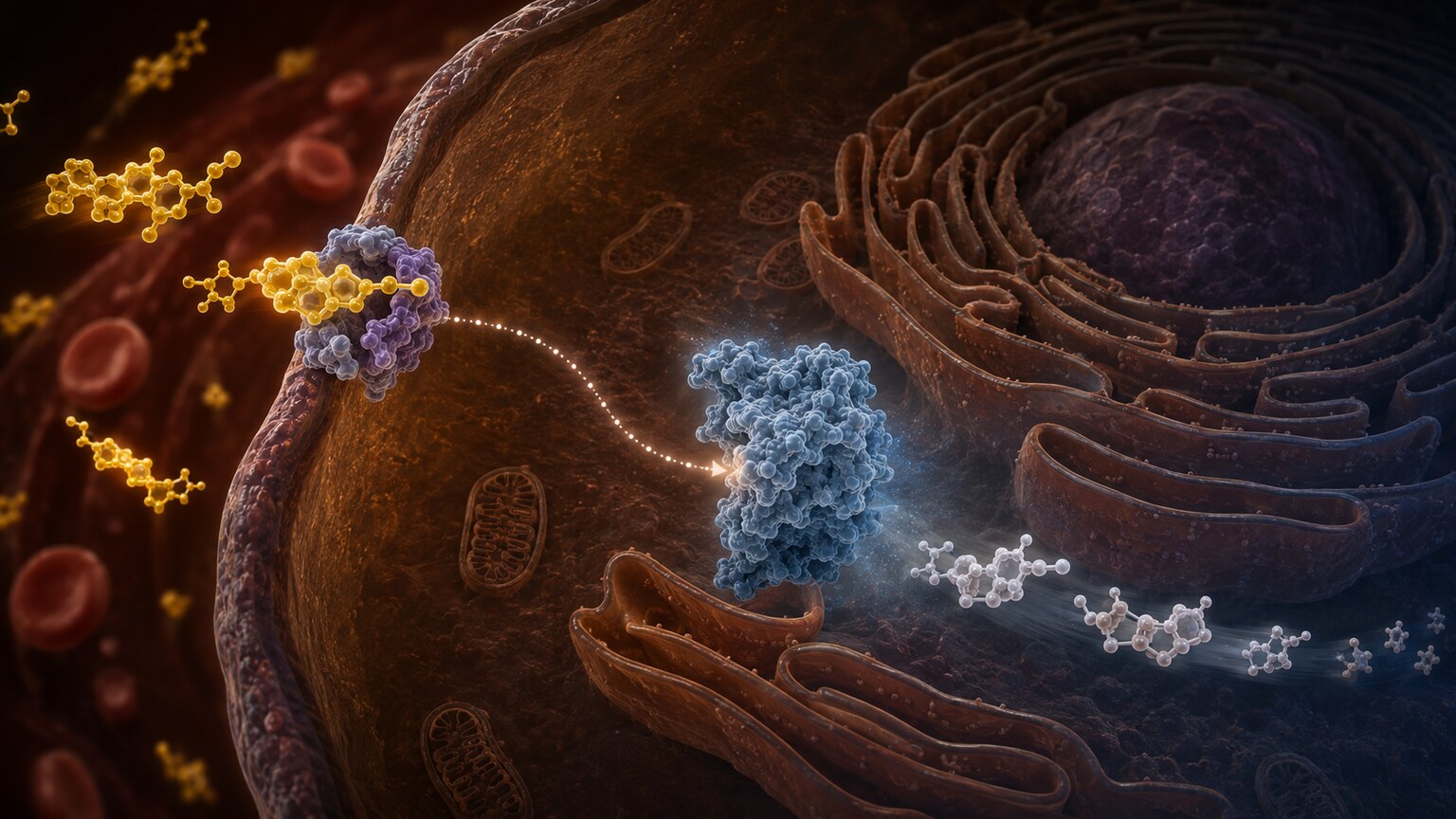
Your liver runs a self-adjusting factory, not a simple pass-through pipe, and that distinction is the entire reason a bowl of shrimp barely moves your lipid panel while other dietary choices matter far more than most people expect. This article is about that factory specifically — the sensor-and-throttle system centered on an enzyme called HMG-CoA reductase, the same enzyme statins are built to target, that constantly measures how much cholesterol is already circulating and dials the liver's own production up or down in response. It's a genuinely different story from the old "eat less cholesterol, blood cholesterol goes down" advice, and understanding the actual mechanism is what makes sense of results that otherwise seem to defy that old, oversimplified rule.
What Dietary Cholesterol Actually Is
Dietary cholesterol refers specifically to the cholesterol present in the food you eat, and it comes exclusively from animal sources — eggs, particularly the yolk, shellfish like shrimp, organ meats such as liver, and, in smaller amounts, dairy and other meats. Plant foods, no matter how rich or fatty, genuinely contain zero cholesterol; avocados, nuts, and olive oil don't have any, a fact that surprises people who associate "cholesterol" loosely with "fatty foods" in general. Cholesterol is a waxy, fat-like substance, and animals, including humans, manufacture and store it in their own tissues to build cell membranes and produce hormones, which is exactly why it shows up in animal-derived foods and not in plants, which use entirely different molecules for those same structural roles.
This is also why food labels that say "cholesterol-free" on plant-based products, like a bottle of vegetable oil or a bag of potato chips, are technically accurate but can be genuinely misleading marketing — the product was never going to contain cholesterol in the first place, regardless of how it was processed or what else was added to it, since it doesn't come from an animal source at all. A product can be entirely cholesterol-free and still be high in saturated fat, which, as this article explains further below, tends to matter considerably more for blood cholesterol outcomes than the cholesterol-free label alone would suggest. Understanding that distinction between "contains no cholesterol" and "won't affect your cholesterol" is a genuinely useful piece of label literacy on its own.
What Blood Cholesterol Actually Is, and Where Most of It Comes From
Blood cholesterol, the number that actually shows up on a lipid panel, is a measure of how much cholesterol is circulating through your bloodstream at any given moment, packaged inside lipoproteins like LDL and HDL for transport, since cholesterol itself doesn't dissolve in the watery part of blood. Here's the detail that surprises most people: your liver manufactures the large majority of the cholesterol circulating in your blood on its own, synthesizing it from scratch using other raw materials, regardless of whether you eat any cholesterol-containing food at all. For most people, dietary intake contributes a genuinely modest fraction of total blood cholesterol, while the liver's own internal production supplies the rest — your body is fundamentally self-sufficient when it comes to cholesterol, since it's such a structurally essential molecule for building cell membranes throughout the entire body that evolution built in a reliable internal supply chain rather than leaving something this important entirely up to diet.
Curious what the rest of your lipid panel is telling you? Upload your results and get a complete, plain-language breakdown in under 15 minutes.
Analyze My ResultsThe Feedback Loop That Actually Connects the Two
The mechanism linking dietary and blood cholesterol is a genuinely elegant piece of internal regulation, centered on an enzyme called HMG-CoA reductase, which controls the rate-limiting step of your liver's own cholesterol-manufacturing process — it's the same enzyme that statin medications work by blocking, which is a useful clue to how central it is to this entire story. When you eat a meal containing dietary cholesterol, some of it gets absorbed through your intestines and delivered to your liver. Your liver cells sense that incoming supply and respond by dialing back their own HMG-CoA reductase activity, reducing internal cholesterol production to compensate for what just arrived from your diet. This is a genuine, active feedback loop, not a passive one — your liver is constantly adjusting its own output based on what's coming in from your last meal, aiming to keep your total circulating cholesterol relatively stable rather than letting it spike directly in proportion to whatever you just ate. For most people, this compensation is remarkably effective, which is exactly why eating a cholesterol-rich meal produces a far smaller rise in blood cholesterol than the amount of cholesterol on the plate would naively suggest.
Why Some People Respond More Than Others: Hyper-Responders
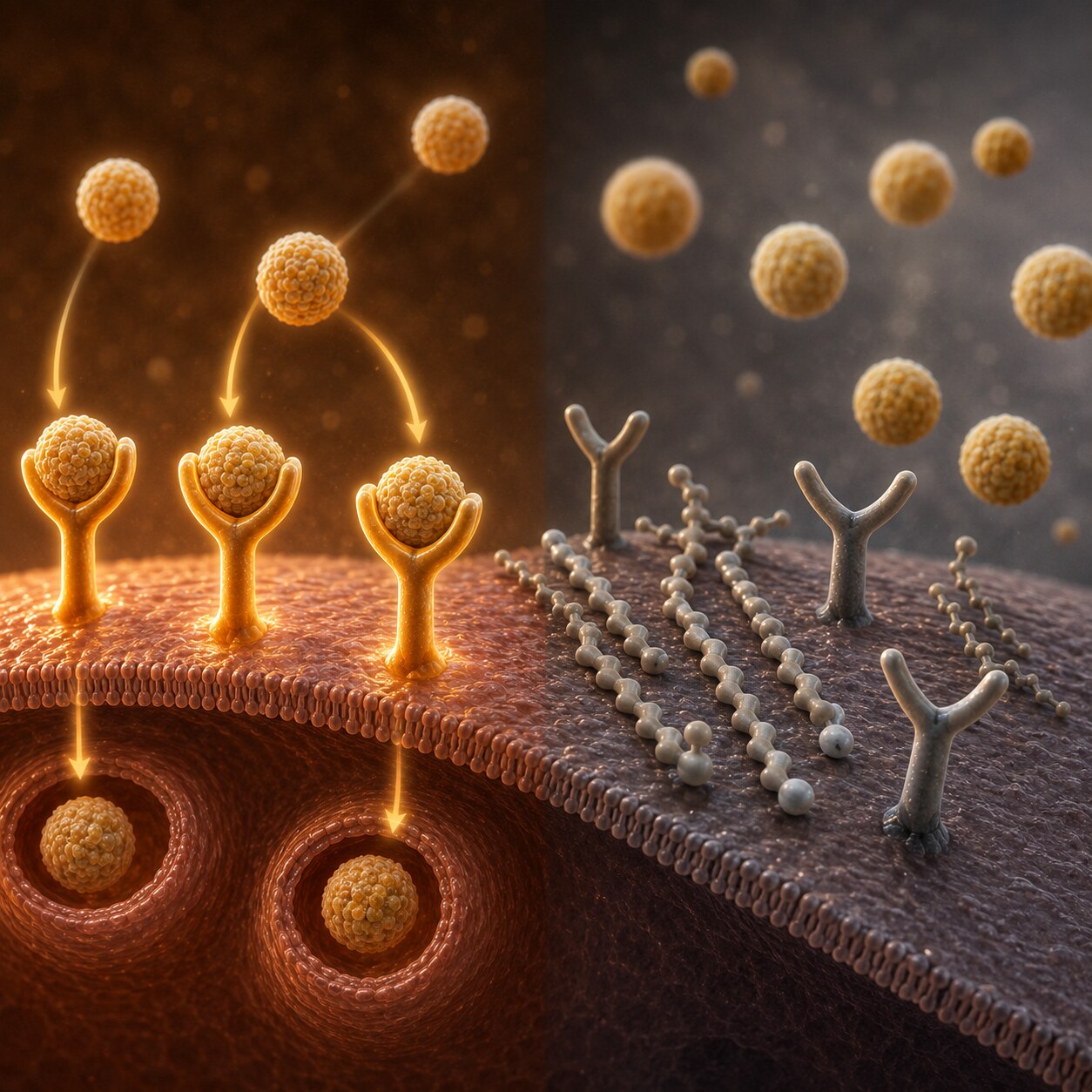
That feedback loop isn't equally strong in everyone, and this is where real individual variation enters the picture. Research has identified a subset of the population, often called hyper-responders, whose liver compensation mechanism is genuinely less efficient, meaning their blood cholesterol rises more noticeably in response to dietary cholesterol intake than the average person's does. This appears to be substantially influenced by genetics, including variation in a gene called APOE, which affects how cholesterol-carrying particles are processed and cleared from the bloodstream. Estimates suggest roughly a quarter to a third of the general population may fall into this hyper-responder category to some degree, meaning it's a genuinely common variation rather than a rare exception, even though most people never have a reason to specifically find out which category they fall into. Being a hyper-responder doesn't necessarily mean dietary cholesterol is dangerous for that person specifically — research has generally found that hyper-responders tend to see both their LDL and their HDL rise together in response to dietary cholesterol, which appears to leave the overall ratio between the two, a meaningful marker of cardiovascular risk, relatively unchanged for many people in this category. Still, this individual variation is a genuine, documented phenomenon, and it's part of why blanket advice about dietary cholesterol has always been messier in practice than a single universal rule could capture — some people's blood cholesterol genuinely tracks their diet more closely than others.
The Bigger Dietary Driver: Saturated and Trans Fat, Not Cholesterol Itself
If dietary cholesterol itself has a comparatively modest, buffered effect on blood cholesterol for most people, what actually moves the number more reliably? The nutrition research community has increasingly converged on saturated fat and trans fat as the more significant dietary levers, and the mechanism is genuinely distinct from the cholesterol-intake story above. Saturated fat doesn't add cholesterol directly to your bloodstream — instead, it interferes with how efficiently your liver clears LDL cholesterol particles out of circulation, specifically by reducing the number and activity of LDL receptors on the surface of liver cells, the docking stations responsible for pulling LDL particles out of the blood and breaking them down. With fewer functioning receptors available, LDL particles linger in the bloodstream longer, and blood LDL levels climb as a result — a clearance problem rather than a raw supply problem. Trans fats, largely eliminated from the food supply in recent years due to their outsized cardiovascular risk, work through a related but even more pronounced disruption of this same clearance system, which is part of why they were considered such a clear public health target once the research became conclusive. This distinction — cholesterol intake affecting supply, saturated fat affecting clearance — is exactly why a food that's genuinely high in dietary cholesterol but low in saturated fat, like shrimp, behaves very differently on a lipid panel than a food that's high in saturated fat, regardless of its cholesterol content.

Why the Guidelines Changed: The Case of Eggs
Eggs are probably the single most useful case study for understanding this entire topic, since they were, for decades, treated as something close to a dietary villain specifically because of their cholesterol content — a single large egg yolk contains roughly 185 milligrams of cholesterol, a genuinely substantial amount relative to old daily limits that used to cap total dietary cholesterol at around 300 milligrams a day. As research accumulated showing that dietary cholesterol's effect on blood cholesterol was smaller and more buffered than previously assumed for most people, and that eggs themselves didn't show a strong, consistent association with heart disease risk in large population studies, official guidance shifted. The 2015–2020 U.S. Dietary Guidelines for Americans formally dropped the specific numeric daily limit on dietary cholesterol that had appeared in every prior edition, a genuinely significant change that reflected the accumulated weight of this research rather than a sudden reversal. This doesn't mean eggs are universally risk-free for every single person — someone who is a hyper-responder, or who has diabetes, a condition that appears to modify how eggs specifically affect cardiovascular risk in some studies, may still reasonably be advised to moderate intake as part of an individualized conversation with their doctor. Some research in people with type 2 diabetes specifically has found a modest association between higher egg consumption and cardiovascular risk that doesn't appear as clearly in the general population, a difference researchers suspect may relate to how diabetes independently affects lipid metabolism and vascular health in ways that could interact with dietary cholesterol differently than in someone without the condition — an active area of ongoing research rather than a fully settled question. But for the general population, the blanket cholesterol-count fear that once surrounded eggs specifically has been substantially walked back based on exactly the mechanism described throughout this article.
How Genetics Sets Your Cholesterol Clearance Baseline
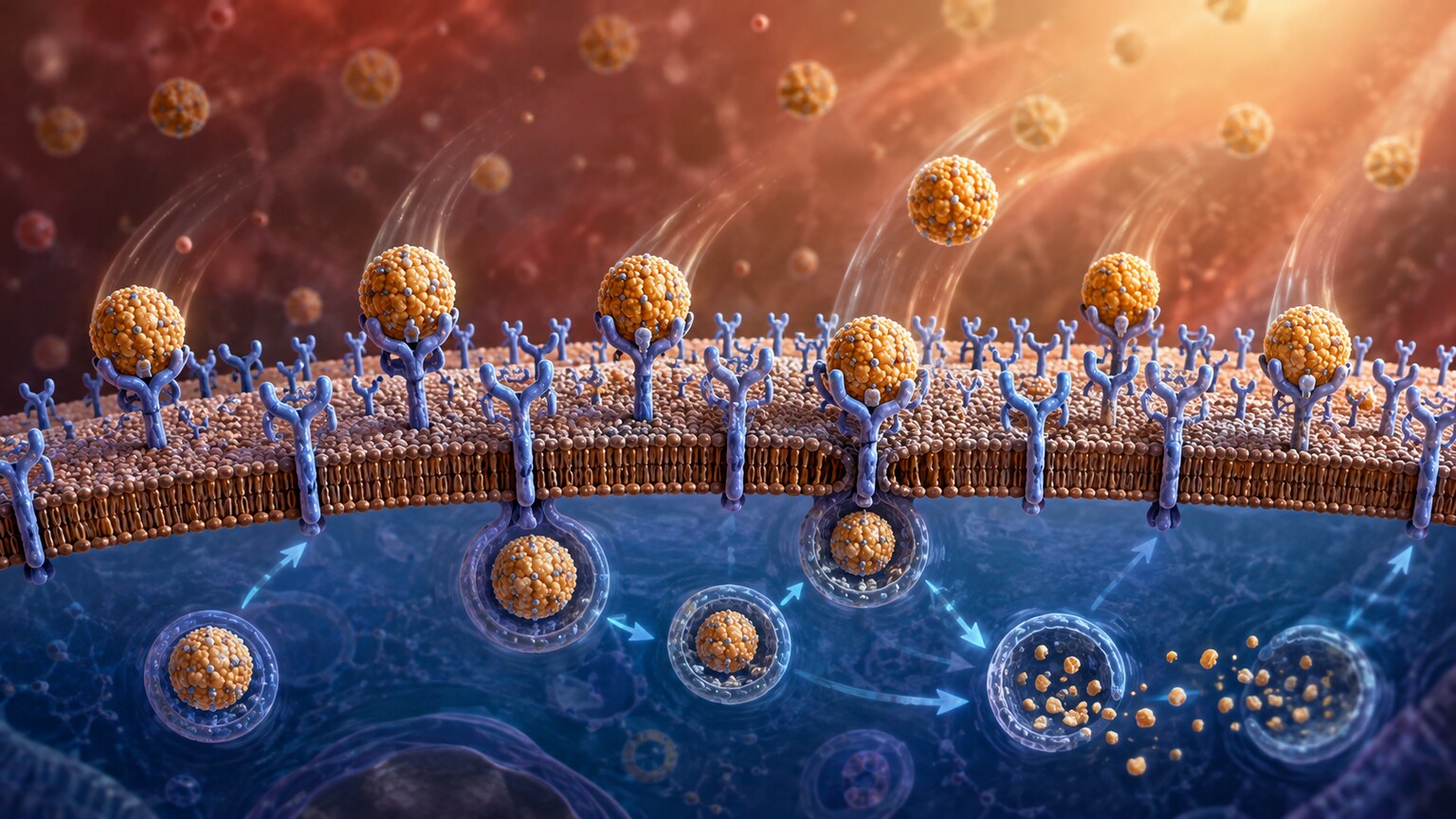
The clearest illustration of how much genetics governs this entire system, independent of diet altogether, is a condition called familial hypercholesterolemia, an inherited disorder affecting the LDL receptor gene itself. People with this condition are born with LDL receptors that don't function properly, regardless of what they eat, which means their liver can't efficiently pull LDL particles out of the bloodstream even on an otherwise ideal, low-saturated-fat diet. As a direct result, they typically have dramatically elevated LDL cholesterol from a young age and a substantially increased lifetime risk of early cardiovascular disease, a pattern driven almost entirely by an inherited receptor malfunction rather than dietary choices. Familial hypercholesterolemia is also far more common than most people realize, affecting roughly 1 in 250 people in its heterozygous form, meaning a substantial number of people walking around with significantly elevated LDL have an underlying genetic cause that no amount of dietary modification alone will fully correct — a detail that's part of why doctors take a strong family history of early heart attacks or very high LDL seriously enough to consider genetic testing or a specialist referral rather than assuming diet and lifestyle changes will eventually bring the number down on their own. This condition is a genuinely useful extreme example precisely because it isolates the clearance side of the system so clearly — it demonstrates that how efficiently your body removes cholesterol from circulation can matter just as much as, or more than, how much cholesterol goes in through either diet or your liver's own production, and that this clearance efficiency is substantially set by genetics before diet ever enters the picture at all.
What Else Actually Moves Your Blood Cholesterol Number
Because your liver's own production and your body's clearance efficiency play such a large role, several factors beyond diet meaningfully influence a blood cholesterol result. Thyroid function is a significant one: an underactive thyroid slows down LDL clearance by reducing LDL receptor activity, similar in effect to the saturated fat mechanism described earlier, which is why a thyroid-stimulating hormone (TSH) test is a standard part of investigating an unexpectedly elevated lipid panel. Body weight and physical activity both influence cholesterol metabolism through several overlapping pathways, including effects on insulin sensitivity and liver fat content. Age plays a role too, since cholesterol metabolism tends to shift gradually over the decades, and hormonal changes, including menopause, are associated with measurable changes in lipid levels independent of any dietary change at all. Certain medications, including some steroids, diuretics, and beta-blockers, can nudge cholesterol levels as a secondary effect unrelated to diet. Taken together, this is exactly why two people eating nearly identical diets can walk away with meaningfully different lipid panel results — diet is one genuine input into a system with several other equally real inputs, not the sole determinant of the final number.
Liver disease itself deserves specific mention here too, precisely because the organ responsible for regulating this entire system can, when it's not functioning well, produce genuinely unpredictable cholesterol results in either direction. Fatty liver disease and early-stage liver dysfunction are sometimes associated with elevated cholesterol as part of broader metabolic disruption, while more advanced liver failure can actually cause cholesterol levels to drop, since a severely damaged liver eventually loses the synthetic capacity to manufacture cholesterol at all, alongside its other essential functions. This is exactly why unexpected changes in a lipid panel, in either direction, sometimes prompt a doctor to check liver enzymes and overall liver function as part of the broader workup, rather than assuming any unusual result must trace back to diet or genetics alone.
Reading Your Own Lipid Panel With This in Mind
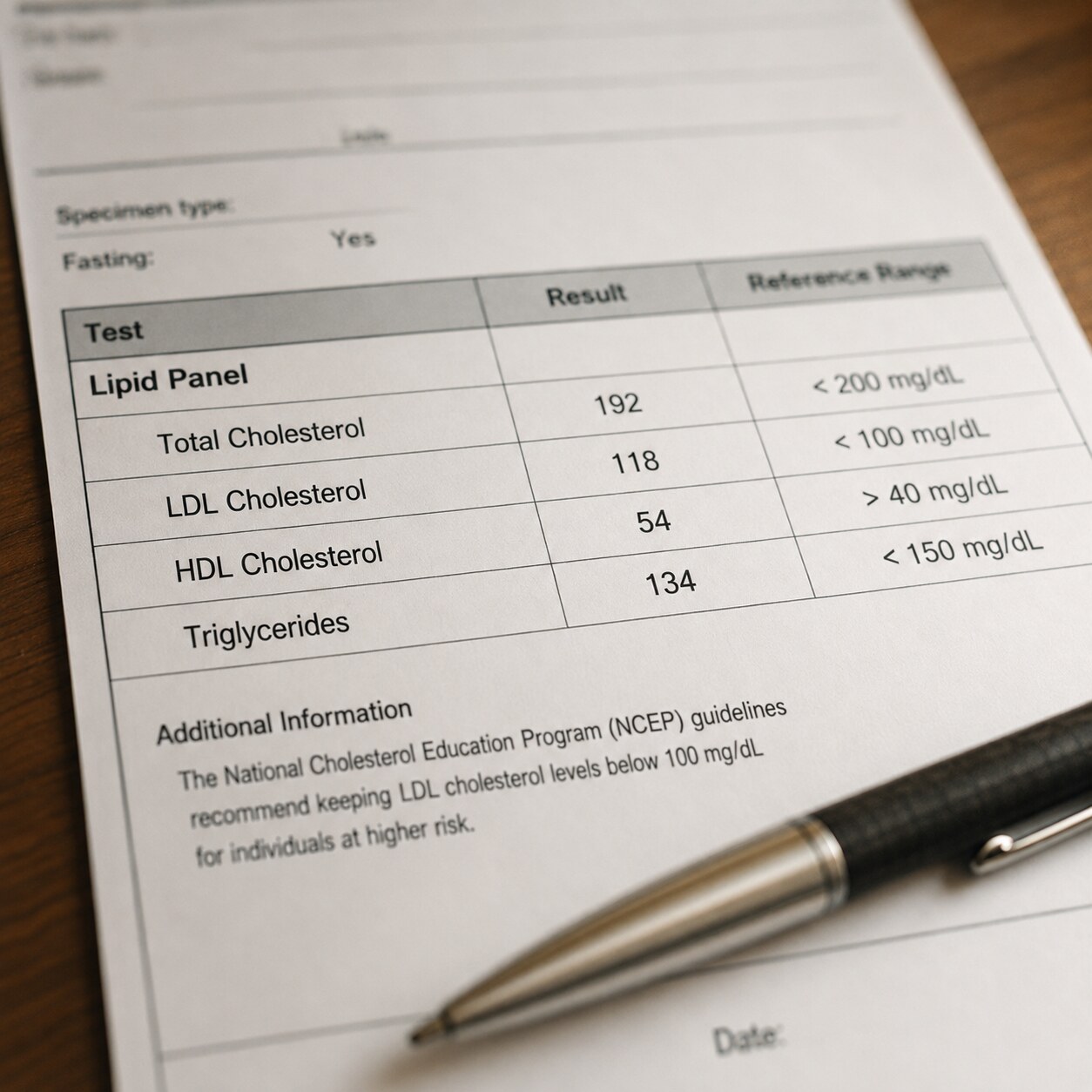
Understanding this full system changes how it's worth reading your own results. An elevated LDL on a lipid panel isn't automatically a verdict on how many eggs or how much shrimp you've been eating recently — it's much more informative to think about it as a reflection of the balance between your liver's own production, your genetic clearance efficiency, your overall dietary pattern's saturated fat content, and any of the other contributing factors described above, all working together. This is exactly why a doctor investigating an unexpectedly high LDL doesn't simply ask "how much cholesterol did you eat" — they're more likely to ask about family history of early heart disease, review your overall dietary pattern rather than a single food, check thyroid function, and consider whether the pattern looks more consistent with an inherited clearance issue than a purely dietary one. None of this means diet is irrelevant — a dietary pattern genuinely low in saturated fat, with adequate fiber, has a real, well-documented effect on LDL cholesterol through the clearance mechanism described earlier — but it does mean the old, oversimplified "cholesterol in equals cholesterol out" framework was never quite telling the full story.
It's also worth reading beyond the total cholesterol and LDL numbers alone when thinking through what your panel is actually telling you. The ratio between LDL and HDL, and increasingly, more detailed particle-based measurements some labs now offer, can provide a fuller picture of cardiovascular risk than either raw number considered in isolation, since two people with an identical LDL value can have meaningfully different risk profiles depending on their HDL, triglycerides, and other accompanying factors. This is part of why a single elevated LDL result, especially a mild or borderline one, is rarely treated as an isolated emergency requiring immediate dietary overhaul — it's one data point that a doctor weighs against the fuller panel, your personal and family history, and the mechanisms described throughout this article before recommending any specific next step.
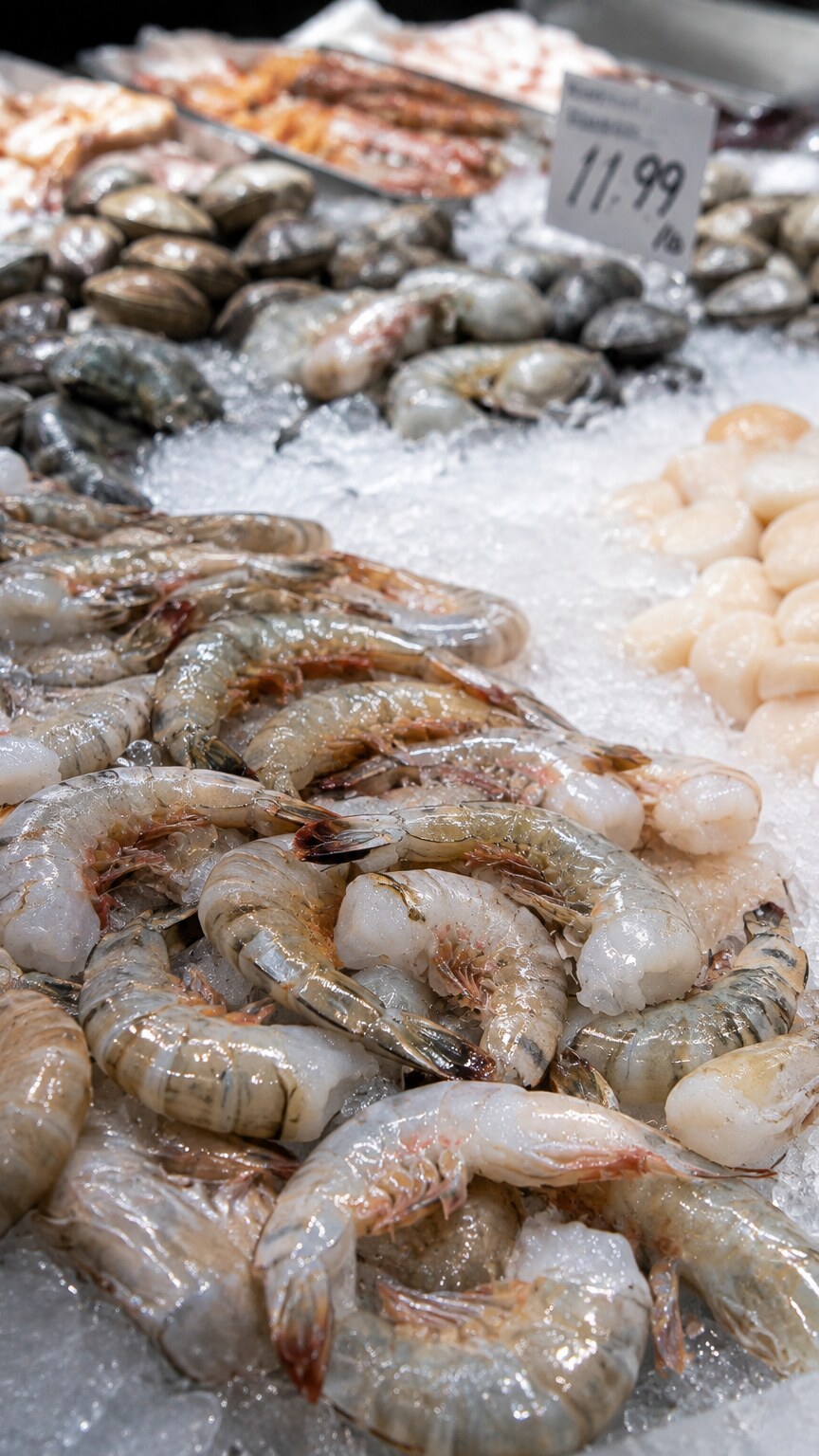
Shrimp offers a genuinely instructive second example alongside eggs, precisely because it sits at an unusual intersection: it's relatively high in dietary cholesterol but very low in saturated fat, which makes it a useful test of whether cholesterol intake or saturated fat content is really driving outcomes in nutrition research. Multiple controlled studies feeding people substantial daily amounts of shrimp have found that, while total and LDL cholesterol sometimes rose modestly, HDL cholesterol tended to rise as well, and triglycerides often fell, producing a lipid profile that researchers generally characterized as neutral to favorable overall despite the meaningful cholesterol content involved. This pattern lines up precisely with the distinction this article has walked through — a food genuinely high in cholesterol but low in the saturated fat that impairs LDL clearance tends to produce a far less concerning overall lipid picture than the cholesterol number alone would predict, reinforcing that the clearance mechanism, not the raw dietary cholesterol count, is doing most of the real work in determining outcomes.
Organ meats, particularly liver, sit at something closer to the opposite end of the spectrum from shrimp and are worth mentioning as a genuine exception to the broader reassurance in this article. Liver is exceptionally high in dietary cholesterol, often several times higher per serving than an egg yolk, and unlike shrimp, it also carries a more substantial saturated fat content, meaning it engages both mechanisms discussed throughout this article simultaneously rather than isolating one from the other. This doesn't mean liver needs to be avoided entirely, but it's a genuinely reasonable food to eat in moderation rather than as a regular dietary staple, particularly for anyone who already knows they're a hyper-responder or who has other elevated cardiovascular risk factors. The broader lesson holds either way: it's the combination of cholesterol content and saturated fat content together, not either one considered in isolation, that determines how a specific food is likely to behave on an individual's lipid panel.
Where Statins Fit Into This Same Story
Statin medications, among the most widely prescribed drugs in the world for lowering LDL cholesterol, work through exactly the same biological machinery this article has been describing, which is genuinely useful for tying the whole picture together. Statins directly inhibit HMG-CoA reductase, the same rate-limiting enzyme your liver naturally dials down in response to dietary cholesterol intake, effectively forcing that internal production line to slow down pharmacologically rather than waiting on the body's own feedback loop to do it. With less cholesterol being manufactured internally, liver cells respond by increasing the number of LDL receptors on their surface, pulling more LDL out of the bloodstream to make up for the reduced internal supply — the exact clearance mechanism discussed earlier in the context of saturated fat, just running in the opposite, favorable direction. This is precisely why statins are so effective at lowering LDL regardless of what a person eats: they intervene directly in the production-and-clearance system itself, rather than trying to influence it indirectly through diet alone. Understanding this also explains why doctors don't consider diet and statin therapy as competing or redundant strategies — they act on genuinely different points of the same overall system, which is part of why both are frequently recommended together for someone with significantly elevated cardiovascular risk.
How This Plays Out Across a Full Day of Eating
It's worth picturing what actually happens over the course of an ordinary day to make this whole system feel less abstract. A breakfast containing eggs delivers a modest, temporary rise in circulating dietary cholesterol, which your liver senses within hours and responds to by throttling back its own internal production for a stretch of time. If that same day's meals are also relatively high in saturated fat — a fatty cut of meat at lunch, a rich, buttery dessert at dinner — the LDL-receptor-suppressing effect described earlier is working in the background too, somewhat independently of the cholesterol-specific feedback loop, gradually nudging the clearance side of the equation in the other direction. Over weeks and months, it's this cumulative dietary pattern, not any single meal or single food, that meaningfully shapes where your blood cholesterol eventually settles, which is exactly why nutrition research increasingly emphasizes overall dietary pattern — how much saturated fat, fiber, and overall food quality across an entire week or month — rather than fixating on the cholesterol content of any one dish eaten on any one day.
Frequently Asked Questions
Does eating cholesterol directly raise my blood cholesterol?
For most people, only modestly. Your liver compensates for incoming dietary cholesterol by reducing its own production, a feedback loop that buffers much of the effect, though this compensation is less efficient in a subset of people called hyper-responders.
If dietary cholesterol matters less than expected, what actually raises LDL through diet?
Saturated fat and trans fat appear to be more significant dietary drivers, primarily by reducing the liver's LDL receptor activity, which slows how efficiently LDL particles are cleared from the bloodstream, rather than by adding cholesterol directly.
Why did dietary guidelines stop setting a daily cholesterol limit?
Accumulated research showed dietary cholesterol's effect on blood cholesterol was smaller and more buffered than previously assumed for most people, leading the 2015–2020 U.S. Dietary Guidelines to drop the specific numeric limit that had appeared in prior editions.
Can genetics affect blood cholesterol independent of diet?
Yes, significantly. Familial hypercholesterolemia, an inherited LDL receptor disorder, causes dramatically elevated LDL cholesterol regardless of diet, illustrating how much genetic clearance efficiency can matter alongside or beyond dietary intake.
Should I still be cautious about eating a lot of high-cholesterol foods?
It depends on individual factors like whether you're a hyper-responder, have diabetes, or have a family history of early heart disease. For most people, overall dietary pattern and saturated fat intake matter more than a single food's cholesterol content, but individualized guidance from a doctor is reasonable if you have specific risk factors.
Fiber's Role in the Clearance Side of the Equation
Soluble fiber deserves specific mention because it works through yet another distinct mechanism worth understanding alongside the saturated fat and dietary cholesterol stories already covered. Soluble fiber, found in foods like oats, beans, and apples, binds to bile acids inside the digestive tract — bile acids being cholesterol-derived compounds your liver makes and releases into the gut specifically to help digest fat. Normally, most of these bile acids get reabsorbed further down the digestive tract and recycled back to the liver for reuse. Soluble fiber interferes with that reabsorption, causing more bile acids to be excreted rather than recycled, which forces the liver to manufacture new bile acids to replace them — and since bile acids are made from cholesterol, that increased manufacturing draws down the liver's existing cholesterol supply, prompting it to pull more LDL out of the bloodstream via LDL receptors to replenish that supply. It's a genuinely elegant example of how a food component with no cholesterol or saturated fat content of its own can still meaningfully lower blood cholesterol, simply by influencing an entirely different part of this same interconnected system, and it's a significant part of why dietary recommendations for cholesterol management consistently emphasize increasing fiber intake rather than focusing solely on what to avoid.
Conclusion
Dietary and blood cholesterol are related, but not in the direct, one-to-one way older guidance suggested — your liver runs an active feedback system that buffers most of the connection for most people, while genetics, saturated fat intake, thyroid function, and several other factors do much of the real work in determining your final blood cholesterol number. That's not a reason to ignore diet altogether; it's a reason to focus on the parts of it that actually move the needle, particularly saturated fat, rather than fixating narrowly on the cholesterol count of any single food. Understanding this system is what finally makes sense of why guidelines changed, why eggs and shrimp turned out to be far less concerning than once believed, and why your next lipid panel deserves a broader conversation than simply counting how many yolks you ate that week.
Still Not Sure What Your Results Mean?
Upload your labs and get a complete, visual, plain-language interpretation of every biomarker — delivered to your inbox in under 15 minutes.
Get My ReportThis article is for educational purposes only and does not constitute medical advice. Always consult your healthcare provider regarding your specific lab results.