
Why Is My HDL Cholesterol Low?
A low HDL cholesterol level almost always reflects a cluster of everyday, largely modifiable factors — smoking, physical inactivity, excess weight, and insulin resistance chief among them — rather than any single dramatic cause, and it matters because HDL isn't just "the good cholesterol" in some vague, feel-good sense. HDL particles perform a specific, essential job: pulling excess cholesterol out of your artery walls and other tissues and carrying it back to the liver for disposal, a process called reverse cholesterol transport. When HDL runs low, that cleanup process slows down, and research has repeatedly shown that low HDL raises cardiovascular risk independently of LDL, meaning someone with a perfectly normal LDL level can still carry meaningfully elevated heart disease risk if their HDL is low. This article explains what HDL actually does, what the numbers mean, the full range of things that can drive HDL down — including genetics and specific medical conditions many people don't expect — and, importantly, which strategies actually have solid, rigorously tested evidence behind them for raising it back up, versus which approaches have looked promising on paper but ultimately failed to deliver real cardiovascular benefit once put to the test.
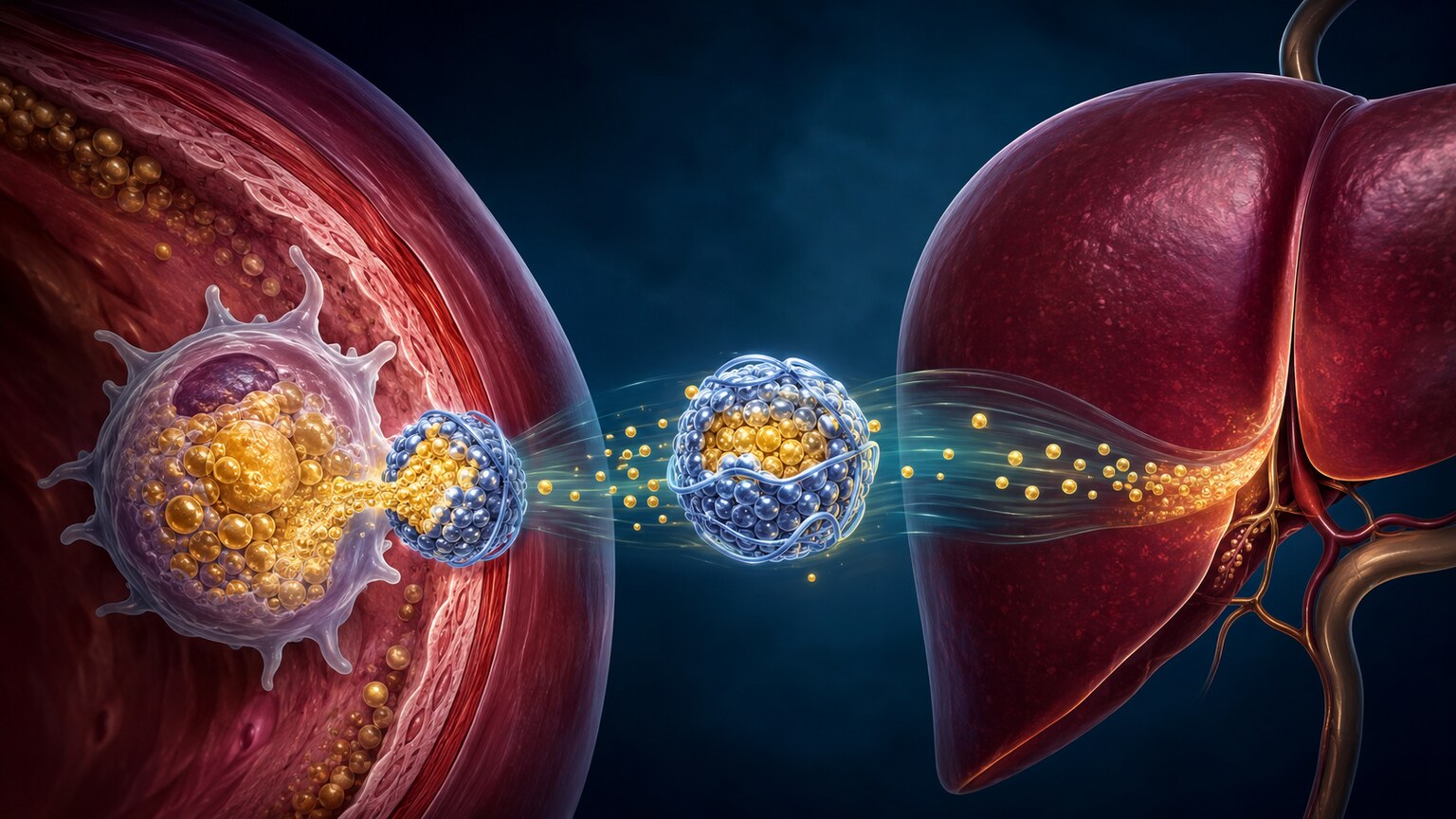
Figure 1. HDL particles dock onto cholesterol-laden cells in the artery wall, extract the excess cholesterol, and ferry it through the bloodstream back to the liver for elimination — a process called reverse cholesterol transport.
What HDL Actually Does — Reverse Cholesterol Transport Explained
High-density lipoprotein, or HDL, earns its "good cholesterol" nickname because of the direction it moves cholesterol in your body, which is essentially the opposite of what LDL does. LDL particles carry cholesterol from the liver out to tissues throughout the body, including, problematically, into the walls of arteries, where excess cholesterol can accumulate inside immune cells called macrophages, contributing to the fatty buildup known as atherosclerotic plaque. HDL particles work in reverse: they circulate through the bloodstream, pick up excess cholesterol from these cholesterol-laden cells and from artery walls directly, and transport it back to the liver, where it can be repackaged into bile and eventually eliminated from the body through the digestive tract.
This reverse cholesterol transport process is genuinely protective, and it's the biological reason low HDL is treated as a meaningful independent risk factor rather than simply the flip side of high LDL. Beyond this cleanup function, HDL particles also carry a range of enzymes and proteins that have additional beneficial effects, including antioxidant properties that help prevent LDL cholesterol from becoming oxidized — a chemically altered form of LDL that's particularly good at triggering the inflammatory processes underlying artery wall plaque buildup — along with anti-inflammatory and mild anti-clotting effects. When HDL is low, the body isn't just losing a cleanup crew; it's losing several layers of protective activity at once, which is part of why low HDL correlates with cardiovascular risk even in people whose other lipid numbers look reasonably favorable.
It also helps to understand that HDL isn't a single, uniform particle type — it's actually a whole family of particles that vary in size, density, and protein composition, and they're not all equally effective at the reverse cholesterol transport job described above. Smaller, denser HDL particles, sometimes called HDL3, are thought to be particularly efficient at initially picking up cholesterol from tissues, while larger, more mature HDL particles, called HDL2, are generally better at the later stages of delivering that cholesterol back to the liver. A standard lipid panel reports a single HDL cholesterol number that reflects the total cholesterol carried across this entire population of particles, without distinguishing between these subtypes — which is part of why some researchers have explored more specialized testing that looks at HDL particle number and size rather than total HDL cholesterol content alone, on the theory that particle quality and functional capacity may ultimately matter more for cardiovascular protection than the simple total quantity a standard test reports.
What Counts as Low — Understanding the Numbers
HDL cholesterol is typically considered low when it falls below 40 mg/dL in men and below 50 mg/dL in women, a difference in threshold that reflects the fact that women naturally tend to run somewhat higher HDL levels than men on average, largely due to hormonal effects. An HDL of 60 mg/dL or above is generally considered protective and associated with lower cardiovascular risk, which is why many standard cardiovascular risk calculators treat a high HDL as a factor that meaningfully offsets some of the risk contributed by other numbers on a lipid panel, including LDL.
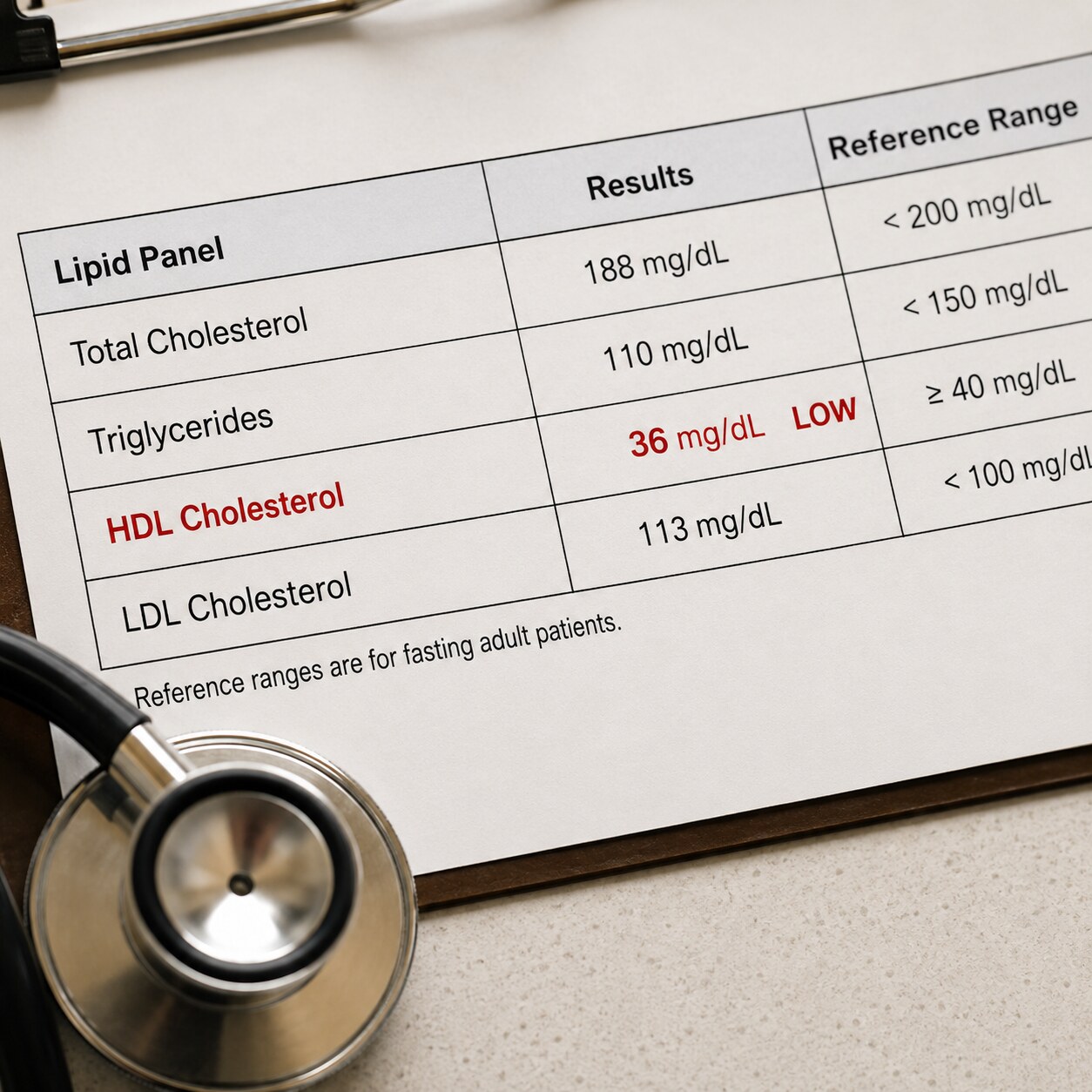
Figure 2. HDL results below roughly 40 mg/dL in men or 50 mg/dL in women are typically flagged as low on a standard lipid panel report.
It's worth being clear, though, that the relationship between HDL and cardiovascular risk isn't a simple, endless "the higher the better" curve, a nuance that surprised even researchers as more sophisticated studies accumulated over time. While low HDL is reliably associated with higher risk, some more recent large studies have found that extremely high HDL levels — well above what naturally occurs through healthy lifestyle habits, sometimes above 90 to 100 mg/dL — don't continue offering additional protection and, in certain populations, have even been associated with somewhat higher risk in ways researchers are still working to fully understand. This doesn't change the practical takeaway for the vast majority of people with low or borderline HDL: raising a genuinely low HDL toward a healthy range through legitimate means remains a reasonable and evidence-supported goal, but it's a useful reminder that HDL's relationship with health is more nuanced than a single number climbing indefinitely upward being automatically better.
HDL is also rarely interpreted as a completely standalone number in modern cardiovascular risk assessment. Most current risk calculators, including the widely used pooled cohort equations and similar tools, incorporate HDL alongside total cholesterol, blood pressure, age, sex, and smoking status to estimate an individual's overall ten-year cardiovascular risk, rather than applying a fixed penalty purely based on whether HDL falls above or below a specific cutoff. This means the practical significance of a given HDL number can shift somewhat depending on everything else going on in a person's broader risk profile — a moderately low HDL in someone who is otherwise young, nonsmoking, and has excellent blood pressure and LDL numbers carries a different practical weight than the identical HDL result in someone who also smokes and has elevated blood pressure, even though the lab report itself would flag the same "low" HDL value in both cases.
The Most Common Lifestyle Drivers — Smoking, Inactivity, and Excess Weight
Among all the modifiable factors that influence HDL, cigarette smoking stands out as one of the most consistently documented and most directly reversible. Chemicals in cigarette smoke interfere with the enzymes responsible for HDL production and also accelerate the breakdown of existing HDL particles, and the effect is significant enough that smokers, on average, have measurably lower HDL than nonsmokers with otherwise similar lifestyles — an effect that begins reversing within weeks of quitting.

Figure 3. Cigarette smoking is one of the most consistently documented, and most reversible, drivers of low HDL — levels typically begin rising within weeks of quitting.
Physical inactivity is another major contributor, and the relationship works in a fairly direct, dose-dependent way: regular aerobic exercise reliably raises HDL, meaning a sedentary lifestyle, by omission, tends to leave HDL lower than it would otherwise be. Excess body weight, particularly excess fat carried around the abdomen, is independently associated with lower HDL as well, through a combination of mechanisms including increased inflammation and altered activity of the enzymes and transport proteins responsible for HDL production and metabolism. These three factors — smoking, inactivity, and excess weight — frequently overlap in the same person, which is part of why addressing any one of them often produces a modest HDL improvement, while addressing more than one at once tends to produce a considerably larger combined effect than any single change alone.
The exercise-HDL relationship deserves a slightly closer look, since the underlying mechanism helps explain why consistency matters more than any single intense workout. Regular aerobic activity increases the activity of an enzyme called lipoprotein lipase, the same enzyme discussed elsewhere in the context of triglyceride clearance, which plays a role in generating the raw material HDL particles use during their maturation process. Exercise also appears to increase the activity of another enzyme, lecithin-cholesterol acyltransferase, that's directly involved in HDL particle maturation itself. Because these adaptations build up gradually with sustained training rather than appearing after a single session, research generally shows the clearest HDL benefits in people who maintain a consistent aerobic exercise habit over a period of several months, rather than in people who exercise occasionally or in short bursts — one more reason sustainable, repeatable activity tends to outperform sporadic, intense effort when the specific goal is improving HDL.
Already have an HDL number from a recent test, but not sure if it's actually good or bad for you? Just plug it in and see instantly.
🧮 Try the Free CalculatorMetabolic Syndrome and Insulin Resistance — Why Low HDL Often Travels With High Triglycerides
Low HDL rarely shows up in isolation on a lipid panel — it's frequently found alongside elevated triglycerides, and this pairing isn't a coincidence. Both are core components of metabolic syndrome, a cluster of related conditions that also typically includes abdominal obesity, elevated blood pressure, and insulin resistance or early type 2 diabetes. The connection between insulin resistance and low HDL runs through the liver: when cells throughout the body don't respond normally to insulin, the liver often ends up producing larger quantities of triglyceride-rich VLDL particles, and through a series of exchange reactions in the bloodstream involving a protein called CETP (cholesteryl ester transfer protein), that excess triglyceride burden actually reshapes HDL particles themselves, making them smaller, less stable, and more rapidly cleared from circulation.
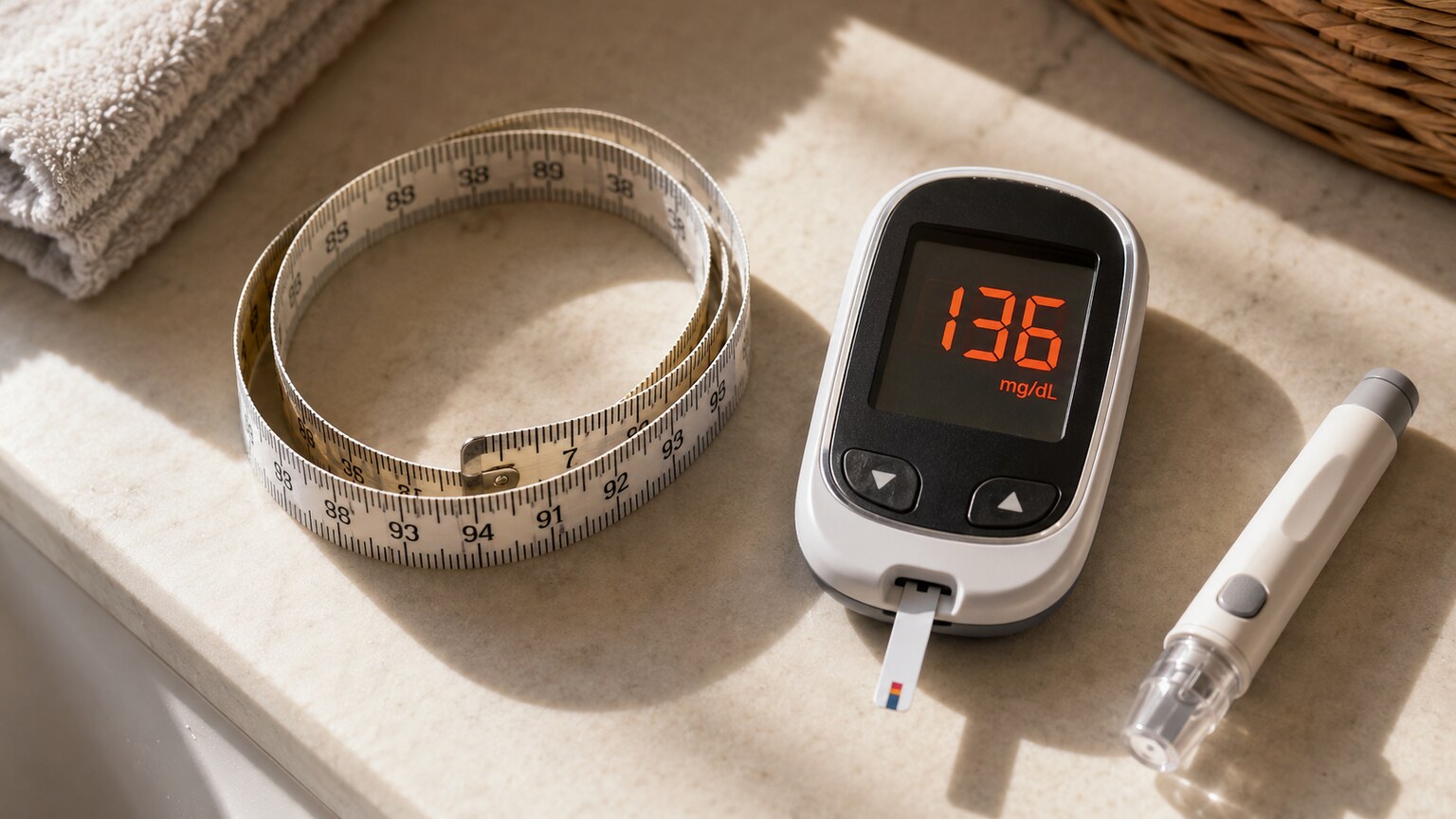
Figure 4. Abdominal obesity and insulin resistance — visible here through waist circumference and elevated glucose — frequently accompany low HDL as part of the broader metabolic syndrome pattern.
This is exactly why a low HDL result is often treated as a prompt to look at the broader metabolic picture rather than an isolated finding to address on its own. Someone with low HDL, elevated triglycerides, a larger waist circumference, and borderline blood sugar is showing a recognizable pattern that carries meaningfully higher cardiovascular and diabetes risk than any single one of those findings would suggest in isolation, and addressing the underlying insulin resistance — through weight management, physical activity, and dietary changes — tends to improve all of these related markers together rather than requiring a separate, isolated fix for each one.
Metabolic syndrome is formally diagnosed when someone meets at least three of five specific criteria: abdominal obesity (measured by waist circumference), elevated triglycerides, low HDL, elevated blood pressure, and elevated fasting glucose. The reason clinicians look for this specific combination, rather than treating each finding as an isolated concern, is that the cluster as a whole predicts cardiovascular and diabetes risk considerably better than any single component does on its own — someone meeting three or more of these criteria carries meaningfully higher risk than the simple sum of each individual risk factor might suggest, since the underlying insulin resistance driving the whole pattern appears to have compounding effects across the cardiovascular system. This is one of the more important reasons a low HDL result, discovered on a routine lipid panel, often prompts a clinician to specifically check waist circumference, blood pressure, and fasting glucose during the same visit, even if the original reason for testing had nothing to do with any of those other measurements.
It's worth noting that HDL's specific role within this five-part criteria set is a little different from the other four, since it's the one measurement in the group representing a protective factor running low rather than a harmful factor running high. This distinction matters practically: while lowering elevated blood pressure or elevated glucose involves counteracting something actively working against the body, raising a low HDL is more a matter of restoring or rebuilding a protective system that's been under-supported, which is part of why the same broad lifestyle prescription — more movement, less smoking, a better-quality diet, meaningful weight loss where relevant — tends to work in the same direction across every single component of the syndrome at once, rather than requiring five separate, individually tailored interventions pulling in different directions.
Genetics — When Low HDL Runs in the Family
For some people, low HDL isn't primarily explained by lifestyle at all — it's inherited. Several genetic conditions directly affect how HDL particles are produced, matured, or cleared from the bloodstream, and these conditions can produce persistently low HDL even in people who exercise regularly, maintain a healthy weight, and have never smoked. Familial hypoalphalipoproteinemia, one of the more commonly recognized inherited patterns, involves variants in genes responsible for HDL particle formation and metabolism, and it often runs recognizably through families, with multiple relatives across generations showing similarly low HDL despite otherwise healthy lifestyles.
Recognizing a genetic contribution matters for how a low HDL result gets interpreted and managed. Someone with a strong family history of low HDL, particularly if it appears alongside a family history of early heart disease, may benefit from a more detailed evaluation and potentially more aggressive management of other cardiovascular risk factors, since the low HDL itself may prove more resistant to the lifestyle interventions that work well for people whose low HDL is primarily driven by modifiable factors. This doesn't mean lifestyle changes aren't worth pursuing in someone with a genetic contribution — they generally still help to some degree — but it does mean expectations and the overall management plan may reasonably look different.
A useful practical clue that can help distinguish a genetic pattern from a lifestyle-driven one is simply how well the low HDL responds to sustained, genuine lifestyle change. Someone whose low HDL is primarily driven by smoking, inactivity, and excess weight will typically see a measurable, meaningful rise in HDL after several months of consistently addressing those factors — quitting smoking, exercising regularly, and losing weight. Someone with a significant genetic contribution, by contrast, may make the exact same sustained changes and see comparatively little movement in their HDL number, even while every other marker of their cardiovascular health genuinely improves. This pattern — real, verified lifestyle change without the expected HDL response — is itself a meaningful clinical clue that prompts consideration of a stronger genetic or inherited component, and it's a good example of why low HDL is best evaluated over time with repeat testing rather than judged from a single snapshot.
Medical Conditions and Medications That Can Lower HDL
Beyond lifestyle and genetics, a number of medical conditions and medications are well-documented to lower HDL as a secondary effect. Poorly controlled diabetes and uncontrolled hypothyroidism can both independently reduce HDL, generally through the same broad metabolic disruption that affects several aspects of lipid processing at once, and HDL levels often improve once these underlying conditions are brought under better control. Chronic kidney disease and certain chronic liver conditions can also affect HDL production and metabolism, since the liver plays a central role in manufacturing HDL particles in the first place.
Chronic inflammatory conditions more broadly — including inflammatory bowel disease, rheumatoid arthritis, and other persistent autoimmune or inflammatory states — have also been associated with lower HDL, likely because sustained systemic inflammation interferes with several of the same enzymes and transport proteins responsible for normal HDL production and maturation. This connection is part of a broader pattern researchers have observed: inflammation and HDL metabolism appear to be closely intertwined in both directions, with low HDL contributing to inflammatory processes in artery walls while ongoing inflammation elsewhere in the body simultaneously suppresses HDL production, creating a self-reinforcing cycle that's part of why managing an underlying inflammatory condition well can sometimes produce a modest HDL improvement as a secondary benefit, even when HDL itself was never the primary treatment target.

Figure 5. Certain medications, including some beta-blockers and anabolic steroids, are well-documented to lower HDL as a secondary effect, worth reviewing with a prescribing provider if a low result is unexpected.
Several categories of medication are also known to lower HDL as a side effect. Older-generation beta-blockers, still commonly prescribed for blood pressure and certain heart conditions, can modestly reduce HDL in some people, though newer beta-blockers tend to have a smaller effect. Anabolic steroids, whether used medically or otherwise, have a well-documented and often quite pronounced HDL-lowering effect, sometimes dramatic enough to produce dangerously low readings. Certain progestin-containing hormonal medications, including some forms of hormonal birth control, can lower HDL as well, an effect that varies depending on the specific formulation used. None of this means these medications should automatically be stopped — the conditions they treat are often serious in their own right — but it's genuinely useful information to bring up with a prescribing provider if a low HDL result coincides with starting a new medication, since alternative options within the same drug class sometimes carry a more favorable lipid profile.
The anabolic steroid effect is worth understanding in a bit more mechanistic detail, given how pronounced and clinically significant it can be. Anabolic steroids, being synthetic derivatives of testosterone, directly increase the activity of an enzyme called hepatic lipase in the liver, which accelerates the breakdown and clearance of HDL particles from circulation considerably faster than normal. This effect is dose-dependent and can be severe enough with sustained, higher-dose use — the kind sometimes seen with non-medical performance or physique-related use rather than typical medically supervised testosterone therapy — to drive HDL down to levels associated with meaningfully elevated cardiovascular risk, even in people who are otherwise young, fit, and free of the other common risk factors discussed elsewhere in this article. This is one of the less-publicized but genuinely serious cardiovascular risks associated with anabolic steroid use, and it's a relevant detail for a clinician to know about when interpreting an unexpectedly low HDL result in someone whose overall lifestyle otherwise looks protective rather than risky.
Why Raising HDL With Medication Hasn't Worked the Way Scientists Hoped
Given how protective naturally high HDL appears to be, it might seem logical that a medication designed specifically to raise HDL pharmacologically would meaningfully reduce cardiovascular events — and this was, in fact, a major area of drug development for years. A class of medications called CETP inhibitors was developed specifically to block the protein responsible for reshaping and depleting HDL particles, and in clinical trials, these drugs succeeded dramatically at their stated goal, raising HDL levels by 30 to 100 percent or more in study participants.
The surprising and genuinely important finding, though, was that this large pharmacological increase in HDL didn't reliably translate into the reduction in heart attacks and cardiovascular deaths researchers expected — several major CETP inhibitor trials were stopped early or showed disappointing results, with at least one showing an actual increase in cardiovascular events and mortality despite successfully raising HDL. This outcome reshaped how researchers think about HDL: rather than treating the number itself as the therapeutic target, growing evidence suggests that HDL's protective quality — how well it actually performs reverse cholesterol transport and its other beneficial functions — matters more than the raw quantity circulating in the blood, and pharmacologically forcing the number up doesn't necessarily improve that functional quality. This is a genuinely important, still-evolving area of cardiovascular research, and it's part of why current medical guidance emphasizes lifestyle approaches to raising HDL rather than pursuing a specific target number through medication designed solely for that purpose.
Niacin, an older medication also capable of substantially raising HDL, tells a similar cautionary story. For years, niacin was prescribed specifically to raise HDL based on strong observational associations between higher HDL and lower cardiovascular risk, and it does reliably raise the number. But when niacin was tested in large, well-designed clinical trials on top of already-effective statin therapy, it failed to provide additional cardiovascular benefit and was associated with a meaningful rate of side effects, leading most major cardiology guidelines to move away from recommending it as a routine HDL-raising strategy. Taken together, the CETP inhibitor and niacin experiences represent one of the more instructive examples in modern cardiovascular medicine of a strong observational association — low HDL correlates with higher risk — not automatically translating into a successful treatment strategy once tested rigorously, a distinction that matters far beyond just this one biomarker and is part of why current guidelines lean so heavily on interventions, like the ones discussed next, that have actually been tested and shown to reduce cardiovascular events directly, not just move a single number in the desired direction.
What Actually Raises HDL — The Lifestyle Changes With Real Evidence
Given that pharmacological HDL-raising hasn't panned out as a cardiovascular strategy, the interventions with the most consistent evidence behind them remain the lifestyle changes discussed throughout this article, and it's worth being specific about what actually works. Regular aerobic exercise is among the most reliably effective — consistent activity like brisk walking, running, cycling, or swimming, sustained over months, has been shown repeatedly to raise HDL, with more vigorous and more frequent exercise generally producing a larger effect, though even moderate, regular activity produces a measurable benefit for most people.
Resistance training, while studied less extensively than aerobic exercise specifically for its HDL effect, appears to offer a complementary benefit rather than a competing one, particularly when combined with aerobic activity rather than used as a complete substitute for it. Building and maintaining lean muscle mass improves overall insulin sensitivity, which, as covered earlier, ties directly back into healthier HDL metabolism through the same insulin-resistance pathway responsible for much of the low-HDL-high-triglyceride pattern seen in metabolic syndrome. Most current exercise guidance for cardiovascular and metabolic health recommends a combination of both aerobic and resistance training each week rather than relying on either form of exercise exclusively, and this combined approach appears to be the most well-rounded strategy for someone specifically working to improve a low HDL result through physical activity.

Figure 6. Regular aerobic exercise, sustained over months, remains one of the most reliably effective evidence-backed ways to raise HDL cholesterol.
Quitting smoking produces a genuinely fast, measurable HDL improvement, often within weeks, making it one of the highest-leverage single changes available to a current smoker with low HDL. Weight loss, particularly loss of abdominal fat, tends to improve HDL alongside the other components of metabolic syndrome, and even modest weight loss in the range of 5 to 10 percent of body weight can produce a meaningful benefit. Dietary patterns matter as well: replacing trans fats and excess refined carbohydrates with unsaturated fats — the kind found in olive oil, nuts, avocados, and fatty fish — is associated with healthier HDL levels, broadly in line with a Mediterranean-style eating pattern that has strong evidence behind it for cardiovascular health more generally. Moderate alcohol consumption has historically been associated with somewhat higher HDL in observational studies, but this relationship comes with an important caveat: alcohol carries its own significant health risks even at moderate intake, and no major health organization recommends starting to drink, or increasing alcohol intake, specifically to raise HDL — any modest lipid benefit doesn't outweigh alcohol's broader risks, which is why this particular association is generally treated as an interesting research finding rather than a genuine treatment recommendation.
Trans fats deserve a bit more specific attention, since they represent one of the clearest, most directly harmful dietary contributors to low HDL rather than a milder or more debatable risk factor. Unlike naturally occurring saturated fats, which have a more mixed and nuanced relationship with cardiovascular risk, industrially produced trans fats — historically found in many margarines, packaged baked goods, and fried fast foods before regulatory bans and reformulations sharply reduced their presence in the food supply — have been shown fairly consistently to both raise LDL and lower HDL at the same time, a genuinely unfavorable combination working in both directions simultaneously. This is part of why trans fat restriction has been treated as one of the more clear-cut, non-controversial dietary recommendations in cardiovascular medicine even as debates continue over other aspects of dietary fat, and it's a straightforward, checkable detail worth reviewing on ingredient labels for anyone specifically working to improve a low HDL result through diet.
Sleep and chronic stress management, while less frequently discussed than diet and exercise, have also been studied in relation to HDL, with poor sleep quality and chronic, unmanaged stress showing associations with lower HDL in several observational studies, likely mediated at least partly through their broader effects on inflammation and insulin sensitivity. While the evidence here is less robust than for exercise, smoking cessation, or weight loss, addressing sleep and stress fits naturally alongside the other evidence-based strategies already discussed, particularly since poor sleep and chronic stress also tend to make sustaining the higher-impact changes — regular exercise, dietary improvement, staying smoke-free — measurably harder to maintain over the long run.
Frequently Asked Questions
Can HDL be too high?
For most people working to raise a genuinely low HDL, this isn't a practical concern. But some research has found that extremely high HDL levels, well above what's typically achieved through healthy lifestyle habits, don't offer additional protection and have been associated with somewhat higher risk in certain populations, an area researchers are still working to fully understand.
How quickly can HDL improve with lifestyle changes?
It genuinely varies quite a bit depending on which specific intervention is involved. Quitting smoking can produce measurable improvement within just a few weeks, while exercise-related increases typically take a couple of full months of consistent, sustained activity before becoming clearly apparent on a repeat lab draw. Weight loss and broader dietary changes tend to show their benefits more gradually over a similar overall timeframe, generally becoming most noticeable only after several months of genuinely sustained change.
Is low HDL as important as high LDL for heart disease risk?
Both genuinely matter, and research has consistently shown they contribute independently to overall cardiovascular risk, rather than one simply serving as a rough proxy for the other. Someone with a perfectly normal LDL result but a low HDL result can still carry meaningfully elevated cardiovascular risk, which is exactly why a complete lipid panel, rather than any single value examined in isolation, gives the most accurate overall picture of a person's true risk.
Should I take a supplement or medication specifically to raise my HDL?
Medications developed specifically to raise HDL, like CETP inhibitors, haven't shown the cardiovascular benefit researchers expected despite successfully raising the number, and current guidance emphasizes proven lifestyle strategies instead. If low HDL appears alongside other risk factors, a healthcare provider may still recommend medication, but typically one aimed at overall cardiovascular risk reduction rather than raising HDL as a standalone target.
Can low HDL be genetic even without a known family history of heart disease?
Yes. Genetic variants affecting HDL production and metabolism can produce persistently low HDL even without an obvious family pattern of heart disease, particularly if other family members haven't had their own lipid panels checked. A strong, sustained lifestyle effort that doesn't meaningfully move HDL over several months is one practical clue that a genetic contribution may be involved, even without a documented family history.
Does having low HDL alongside high triglycerides mean something different than low HDL alone?
Often, yes. This specific combination frequently points toward underlying insulin resistance or broader metabolic syndrome rather than an isolated lipid issue on its own, and it's usually worth evaluating alongside waist circumference, blood pressure, and fasting blood sugar together. Addressing the underlying insulin resistance through consistent weight management and regular exercise tends to improve both related markers together over time, rather than requiring a separate, individually tailored treatment for each one.
Conclusion
A low HDL cholesterol level is best understood not as an isolated number to chase upward, but as a signal worth investigating in context — most often reflecting some combination of smoking, inactivity, excess weight, and insulin resistance, occasionally shaped by genetics or an underlying medical condition or medication. What makes HDL genuinely important is the protective work it performs, clearing excess cholesterol from artery walls and supporting several other cardiovascular-protective processes along the way, which is why low HDL carries real, independent risk even when other lipid numbers look reassuring. The evidence is clear that pharmacologically forcing the number higher hasn't delivered the cardiovascular benefit once hoped for, but the lifestyle changes that have stood up to scrutiny — regular exercise, quitting smoking, weight management, and a diet built around healthy fats — remain genuinely effective, giving anyone with a low HDL result a clear, evidence-backed set of next steps rather than a number to simply worry about.
Perhaps the most reassuring part of this whole picture is how consistently the same small set of interventions shows up as effective, regardless of which specific underlying driver is most responsible for a given person's low HDL. Someone whose low HDL traces mainly to smoking benefits enormously from quitting; someone whose pattern is driven more by insulin resistance benefits from the same weight management and exercise habits that also improve their blood sugar and triglycerides; and even someone with a meaningful genetic contribution generally sees some benefit from the same changes, even if the ultimate ceiling looks somewhat different. That overlap means the practical starting point rarely requires waiting for a perfect diagnosis of exactly which factor is most responsible — the same evidence-based habits are worth pursuing regardless, while a healthcare provider works through the specifics in parallel.
Still Not Sure What Your Results Mean?
Upload your labs and get a complete, visual, plain-language interpretation of every biomarker — delivered to your inbox in under 15 minutes.
Get My ReportThis article is for educational purposes only and does not constitute medical advice. Always consult your healthcare provider regarding your specific lab results.