
Understanding Postprandial Glucose and What It Reveals
Postprandial glucose simply and quite literally means blood sugar measured at some point after eating — "postprandial" is itself a medical term that translates directly to "after a meal," describing exactly the specific timing window this particular type of glucose test is concerned with. While fasting glucose captures only a single, quiet baseline snapshot taken before your body has had any real food to process at all, postprandial glucose instead captures something fasting glucose could never realistically show on its own: how efficiently your body actually responds to a genuine glucose load, measured in real time, under the exact same everyday circumstances your metabolism has to successfully navigate multiple times over the course of every single day. This particular distinction matters considerably more than it might first appear, because a genuinely meaningful number of people with real, actively developing metabolic problems can continue showing a completely normal fasting glucose reading for years on end while their underlying postprandial response is already quietly, measurably abnormal — meaning this specific, timing-dependent form of testing can reveal a real developing problem long before the far more familiar fasting glucose test ever realistically would.

Figure 1. A healthy postprandial response shows blood glucose rising modestly after a meal and returning to baseline within a couple of hours, while an impaired response shows a higher, slower, more prolonged elevation.
Already have a glucose number from a recent test, but not sure if it's actually good or bad for you? Just plug it in and see instantly.
🧮 Try the Free CalculatorWhat Happens to Glucose After a Normal Meal
To understand what a postprandial glucose test is actually measuring, it helps to walk through what's supposed to happen in a healthy metabolism after eating. As food is digested, carbohydrates break down into glucose, which enters the bloodstream and causes blood sugar to rise — this rise is completely normal and expected, not a sign of dysfunction on its own. In someone with healthy insulin function, the pancreas detects this rising glucose within minutes and releases insulin in response, and that insulin signals cells throughout the body, particularly in muscle and liver tissue, to begin absorbing glucose from the bloodstream and either using it for immediate energy or storing it for later use.
In a healthy person, this entire process — glucose rising, insulin responding, cells absorbing glucose, blood sugar returning to baseline — typically plays out within roughly one to two hours after a meal, with blood glucose usually peaking somewhere between 30 and 90 minutes after eating begins and then declining back toward pre-meal levels. The height of that peak and how quickly it comes back down are exactly what a postprandial glucose test is designed to capture, since both details reveal information about how well the underlying insulin-signaling system is actually working.

Figure 2. Digested carbohydrates release glucose molecules that pass through the intestinal lining into the bloodstream, triggering the postprandial rise a glucose test performed after eating is designed to capture.
Why does this window matter clinically? Because the size and duration of this postprandial glucose excursion is a direct, functional readout of how well the pancreas and the body's cells are coordinating together in real time — a form of metabolic stress test that a single fasting number, taken in a completely quiet, unchallenged state, simply cannot replicate.
The Physiological Chain Reaction Behind a Normal Response
It's worth walking through the coordinated sequence of events a healthy postprandial response actually involves, since understanding each step helps clarify exactly where things can go wrong when the response becomes abnormal. The process begins within minutes of the first bite of food, even before significant glucose absorption has occurred, through a phenomenon called the incretin effect: certain hormones released by the gut in response to food intake, most notably GLP-1 and GIP, travel to the pancreas and prime it to release insulin more readily than blood glucose levels alone would trigger. This anticipatory signaling is part of why oral glucose (eaten or drunk) produces a stronger insulin response than the same amount of glucose delivered directly into a vein, a well-documented physiological difference researchers use to help distinguish gut-hormone-related insulin problems from purely pancreatic ones.
As glucose actually begins entering the bloodstream from the digesting meal, the pancreas's beta cells respond with a rapid, so-called "first-phase" insulin release, drawing on insulin already pre-formed and stored within the cells, ready for immediate release. This is followed by a more sustained "second-phase" response, as beta cells continue actively producing and releasing additional insulin for as long as glucose remains elevated. A blunted or delayed first-phase insulin response is one of the earliest detectable abnormalities in developing insulin resistance, often measurable in research settings well before fasting glucose or even standard 2-hour postprandial values show any abnormality — another example of how granular, timing-specific measurement can reveal problems a single, later checkpoint would miss entirely.
Why Fasting Glucose Alone Can Miss Real Problems
Fasting glucose remains an extremely valuable, widely used test, but it has a specific, well-documented blind spot that postprandial testing directly addresses. Insulin resistance — the gradual reduction in how effectively cells respond to insulin's signal — often develops in stages, and one of its earliest, most common patterns is a body that can still manage fasting glucose reasonably well through elevated baseline insulin output, but struggles specifically with the more demanding task of clearing a large glucose load quickly after a substantial meal.
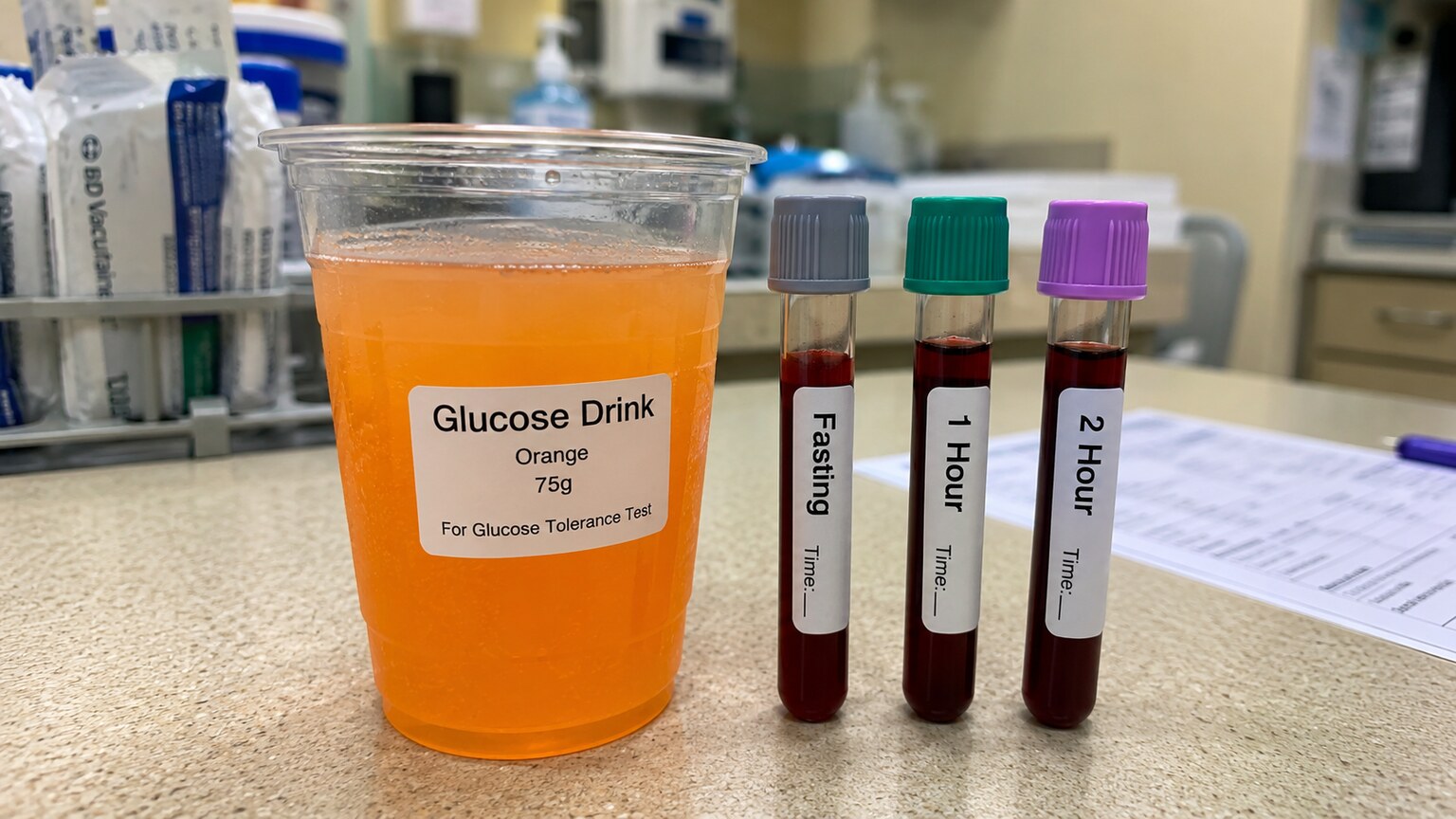
Figure 3. The oral glucose tolerance test administers a standardized glucose drink and measures blood sugar at set time points afterward, providing a controlled, reproducible version of a real postprandial response.
This means someone can genuinely have prediabetes or even early type 2 diabetes developing while their fasting glucose still reads comfortably in the normal range, simply because the specific metabolic weakness hasn't yet progressed to the point of affecting the fasting state. Postprandial testing, by deliberately challenging the system with an actual glucose load and measuring the response, is specifically designed to catch this exact pattern — which is precisely why it plays a central, sometimes primary role in several important diabetes-related screening and diagnostic scenarios discussed below.
Where Postprandial Glucose Fits Alongside A1c
Because A1c — a blood test reflecting average blood sugar over roughly the preceding two to three months — is such a commonly used, familiar diabetes screening tool, it's worth clarifying exactly how postprandial glucose relates to it, since the two measurements capture genuinely different information despite both being glucose-related. A1c reflects an average across the entire day, every day, over an extended period, meaning it can't distinguish between someone with mildly elevated glucose spread evenly throughout the day and someone with a completely normal baseline punctuated by sharp, significant postprandial spikes after meals — two very different underlying glucose patterns that could, in principle, average out to a similar A1c value despite representing meaningfully different physiology and potentially different health implications.
Research examining this specific distinction has found that postprandial glucose excursions can contribute substantially to overall A1c, particularly in people whose A1c sits closer to the normal-to-prediabetic boundary, meaning postprandial-specific patterns can be a meaningful, sometimes underappreciated driver of an A1c trending upward even when fasting glucose looks entirely unremarkable. This relationship is part of why some clinicians specifically recommend postprandial monitoring for people whose A1c is borderline but whose fasting glucose alone doesn't fully explain it — using postprandial testing to identify the specific piece of the average that fasting glucose and A1c together can't fully account for on their own.
The Two Ways Postprandial Glucose Actually Gets Measured
In practice, "postprandial glucose" testing takes one of two general forms, and understanding the distinction matters for interpreting a result correctly. The first is a real-world postprandial check: measuring blood glucose a set time (commonly 1 or 2 hours) after eating an actual, ordinary meal, something increasingly common among people using home glucose monitors or continuous glucose monitors to understand their own everyday metabolic response to specific foods. This version reflects real-life variability, since meal composition, size, and timing all genuinely affect the result from one test to the next.
The second, more standardized form is the oral glucose tolerance test (OGTT), performed in a controlled clinical or lab setting: after an initial fasting blood draw, a person drinks a precisely measured glucose solution (typically containing 75 grams of glucose for standard adult testing), and blood is drawn again at set intervals afterward, most commonly at 1 hour and 2 hours. Because the glucose dose and timing are standardized rather than depending on whatever a person happened to eat, the OGTT produces a far more reproducible, comparable result than a random real-meal postprandial check, which is exactly why it remains the gold-standard method used for formal diagnostic purposes, including diagnosing gestational diabetes and confirming borderline glucose tolerance findings.
Why the 1-Hour and 2-Hour Marks Specifically

Figure 4. Pregnant women are routinely screened for gestational diabetes using a glucose tolerance test, since pregnancy hormones can meaningfully reduce insulin sensitivity, sometimes unmasking a postprandial glucose problem that wasn't previously present.
The specific 1-hour and 2-hour checkpoints used in postprandial testing weren't chosen arbitrarily — they correspond to well-studied points in the normal glucose response curve where a healthy body should already be well on its way back toward baseline. By 1 hour after eating, blood glucose in a healthy person has typically already peaked or is very close to it; by 2 hours, glucose should have declined substantially, often back into a range not far from pre-meal levels. A result that remains elevated at either of these checkpoints, particularly at 2 hours, suggests the glucose-clearing process is taking meaningfully longer than it should, which is exactly the pattern associated with insulin resistance and impaired glucose tolerance.
General clinical reference points commonly used for a 2-hour postprandial glucose (whether from a standard meal or the 75-gram OGTT) consider a result under 140 mg/dL as normal, a result between 140 and 199 mg/dL as suggestive of impaired glucose tolerance (a prediabetes-range finding), and a result of 200 mg/dL or higher as consistent with diabetes, provided the finding is confirmed on repeat testing or paired with other diagnostic criteria, since a single isolated result is rarely used to establish a diagnosis on its own.
The History Behind the Oral Glucose Tolerance Test
The oral glucose tolerance test has a genuinely long history in clinical medicine, with roots tracing back over a century to early clinical observations that people with diabetes showed a characteristically different, prolonged glucose response after consuming a sugar solution compared to people without the condition. Standardization of the test — settling on a specific glucose dose, specific timing intervals, and specific diagnostic thresholds — evolved gradually over subsequent decades as diabetes research matured, with major professional bodies periodically revising and refining the exact protocol as evidence accumulated about which specific measurements and cutoffs best predicted meaningful clinical outcomes.
Despite the OGTT's long history and its continued status as a gold-standard diagnostic tool, particularly for gestational diabetes, it has genuine practical drawbacks that have kept researchers and clinicians interested in potential alternatives over the years: the test takes two to three hours to complete, requires drinking a notably sweet, sometimes nausea-inducing glucose solution, and demands that a person remain seated and relatively inactive throughout the testing period for results to be considered valid and comparable to established reference standards. These practical burdens are part of why A1c and fasting glucose have become more commonly used for general diabetes screening in non-pregnant adults, with the OGTT reserved more selectively for situations, like gestational diabetes screening or confirming an ambiguous result, where its specific diagnostic strength justifies the added inconvenience.
How Postprandial Patterns Differ Across Different Types of Diabetes
Postprandial glucose behavior isn't identical across every type of diabetes, and understanding some of these distinctions adds useful depth to how the measurement gets used clinically. In type 2 diabetes, the postprandial pattern typically reflects the gradually developing insulin resistance and progressively inadequate compensatory insulin response already described throughout this article — a pattern that tends to worsen slowly over years as the underlying insulin resistance and pancreatic compensation both continue to shift.
Type 1 diabetes, an autoimmune condition involving the destruction of the pancreas's insulin-producing beta cells, produces a meaningfully different postprandial pattern, since the core problem is an absolute or near-absolute lack of endogenous insulin production rather than resistance to insulin's effects at the cellular level. Postprandial glucose monitoring remains just as important in type 1 diabetes, but its purpose shifts somewhat: rather than screening for developing insulin resistance, it becomes a tool for fine-tuning externally administered insulin dosing to match the timing and size of a person's actual postprandial glucose excursions as closely as possible, since getting this timing wrong in either direction can produce either dangerously low blood sugar or a prolonged, unnecessary postprandial spike.
What a Postprandial Result Doesn't Tell You
Just as it's useful to understand what postprandial glucose reveals, it's equally useful to understand its boundaries — what a single result, or even a full OGTT, genuinely cannot tell you on its own. A postprandial glucose result doesn't identify the specific underlying cause of an abnormal finding; an elevated result is consistent with insulin resistance, but it can't by itself distinguish insulin resistance from other, rarer causes of glucose intolerance, including certain medications, specific endocrine conditions affecting hormones like cortisol or growth hormone, or, in the case of a single unusually high reading, simply an unusually large or carbohydrate-dense meal that doesn't reflect someone's typical eating pattern at all.
A postprandial result also doesn't capture everything relevant to long-term metabolic health on its own — it's a snapshot of glucose handling specifically, not a complete picture of overall cardiovascular or metabolic risk, which is why, as covered throughout this article, it's most meaningfully interpreted alongside other markers rather than treated as a single, standalone verdict on someone's health. Understanding both what a test reveals and what it doesn't is part of what separates a genuinely informed reading of a lab result from an overreaction to, or dismissal of, a single number taken entirely out of its proper context.
Why Postprandial Testing Matters So Much in Pregnancy
Pregnancy represents one of the most common, high-stakes contexts in which postprandial-style glucose testing plays a central diagnostic role. Placental hormones produced during pregnancy, particularly in the second and third trimesters, naturally reduce insulin sensitivity to some degree, an adaptation that helps ensure the developing fetus has adequate access to glucose. In the great majority of pregnancies, the pancreas simply and successfully increases its own insulin production accordingly to compensate, and overall glucose tolerance remains genuinely normal throughout. In some pregnancies, this compensation isn't fully sufficient, resulting in gestational diabetes — a condition specifically diagnosed using a glucose tolerance test, since fasting glucose alone often fails to reveal the postprandial-specific pattern gestational diabetes typically produces.
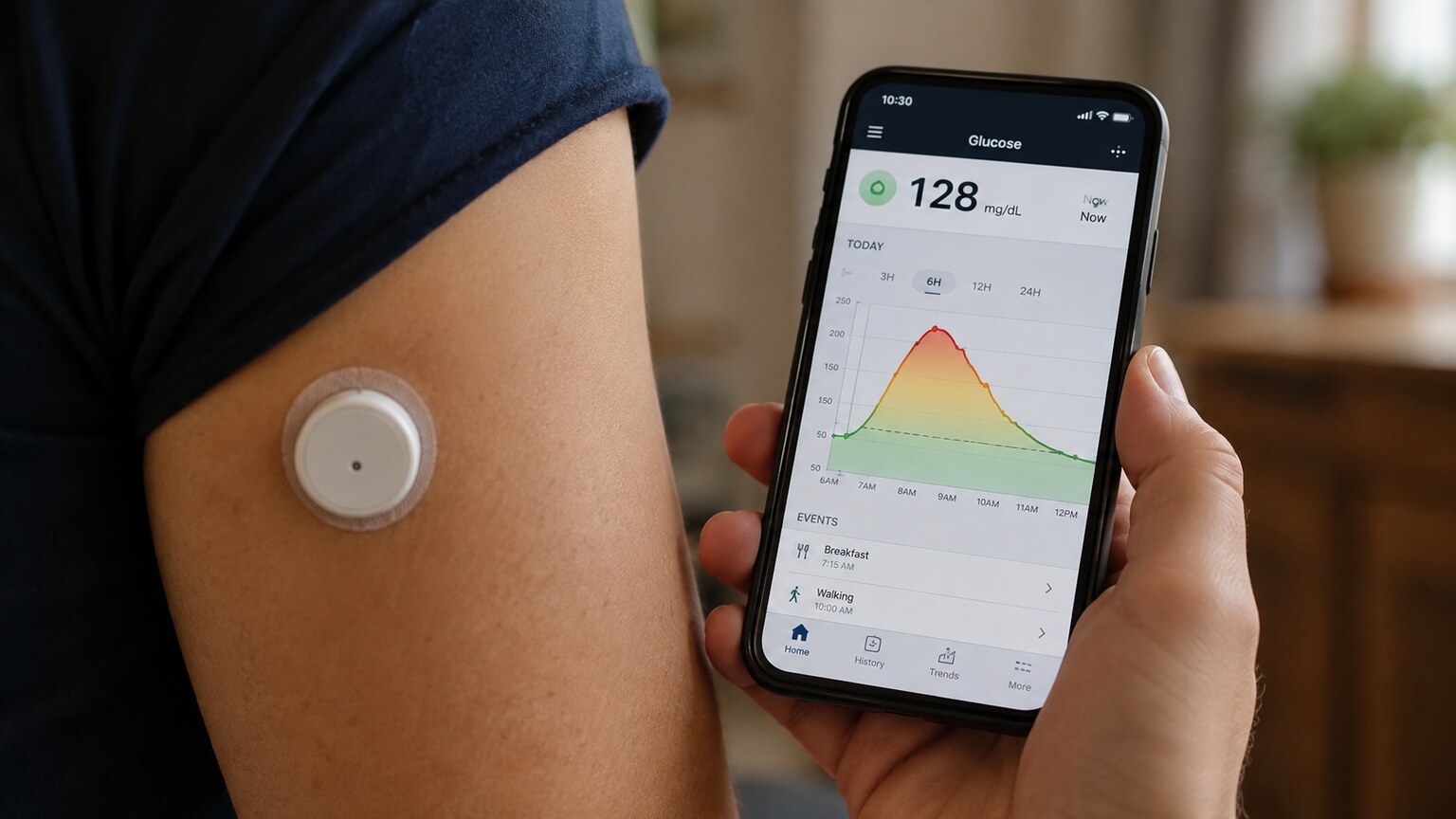
Figure 5. Continuous glucose monitors allow people managing diabetes to track their real-time postprandial response to individual meals, revealing patterns a single lab draw could never capture.
This is exactly why nearly all pregnant women are routinely screened for gestational diabetes using some version of a glucose tolerance test, typically between 24 and 28 weeks of pregnancy, rather than relying on fasting glucose alone — a screening protocol built specifically around postprandial testing's proven strength in catching this particular, pregnancy-specific pattern of glucose intolerance.
Why Standardization Matters So Much for Comparing Results Over Time
Given how many everyday factors can influence a real-meal postprandial result, it's worth explaining why comparing results over time meaningfully requires paying close attention to consistency in how each measurement was actually taken. A postprandial glucose check after a light breakfast on one occasion and after a large, carbohydrate-heavy dinner on another isn't a genuinely fair comparison, even if both were technically measured at the 2-hour mark, since the underlying glucose challenge each meal represented was fundamentally different. For this reason, people using home postprandial checks to track their own trends over time are often encouraged to try to standardize, as much as practically possible, the general size and composition of the meal being tested against, or at minimum to record what was eaten alongside each reading so genuine trends can be distinguished from simple meal-to-meal variability.
This same principle is exactly why the standardized OGTT remains so clinically valuable despite its inconvenience: because the glucose dose is fixed and identical for every single person tested, results can be meaningfully compared not just across repeat testing for the same individual, but across entirely different people and even across different research studies conducted in different countries and time periods, an apples-to-apples comparison that a real-meal postprandial check, by its very nature, simply cannot offer to the same degree.
Postprandial Glucose Monitoring for People Already Managing Diabetes
Beyond diagnosis, postprandial glucose checks play an ongoing, practical role for people already managing diagnosed diabetes. Rather than a single formal test, this typically means checking blood glucose with a home glucose meter, or reviewing data from a continuous glucose monitor, roughly 1 to 2 hours after meals as part of routine self-management. This kind of regular postprandial monitoring helps someone with diabetes understand how specific foods and meal patterns affect their own individual glucose response, information that's often far more actionable day to day than a single fasting number checked once each morning.
For many people managing diabetes, postprandial targets are set somewhat individually by a treating clinician based on overall diabetes management goals, but general guidance commonly cited by diabetes professional organizations suggests a 1-to-2-hour post-meal target under roughly 180 mg/dL for many adults with diabetes, adjusted based on individual health status, pregnancy, age, and other factors that shift what target range is genuinely appropriate for a given person.
Postprandial Glucose and Cardiovascular Risk Research
Beyond its diagnostic role in diabetes and gestational diabetes, postprandial glucose has drawn substantial research interest specifically for its relationship to cardiovascular health, an area distinct from its more familiar role in diabetes screening. Several large observational studies have found that postprandial glucose elevations, and specifically the sharp glucose spikes that can occur even in people who don't meet formal diabetes criteria, correlate with markers of vascular stress and, in some research, increased cardiovascular risk over time — a relationship thought to involve the sharp glucose swings themselves triggering oxidative stress and inflammation within blood vessel walls, distinct from and potentially somewhat independent of the risk captured by fasting glucose or A1c alone.
This research has led some researchers and clinicians to argue that postprandial glucose control deserves more direct attention in cardiovascular risk assessment than it traditionally receives, particularly for people whose fasting glucose and A1c look reassuring but who may still experience significant, repeated postprandial spikes throughout an ordinary day. This remains an active area of ongoing research rather than fully settled clinical practice, but it's a useful illustration of how postprandial glucose's relevance extends beyond diabetes diagnosis alone into broader questions about long-term metabolic and cardiovascular health.
How Continuous Glucose Monitors Changed What's Possible to Observe
The growing availability of continuous glucose monitors (CGMs) — small wearable sensors that measure glucose in the interstitial fluid just beneath the skin roughly every few minutes, without requiring repeated finger-prick blood draws — has meaningfully expanded what's practically possible to observe about postprandial glucose behavior, both in research and in everyday personal use. Where a traditional lab-based postprandial test captures only one or two isolated points along the glucose curve, a CGM captures the entire curve continuously, revealing details a spot check could never show: exactly when a peak occurs, how steep the initial rise is, whether glucose fully returns to baseline before the next meal, and how different specific foods compare against each other for the exact same individual.
This has enabled a wave of research into highly individualized glucose responses, since studies using CGM data have consistently found that different people can show meaningfully different postprandial responses to the exact same standardized meal, influenced by factors including gut microbiome composition, sleep quality the night before, stress levels, and the order in which different food components are eaten within a meal. While CGM use remains most clinically established for people actively managing diagnosed diabetes, growing interest in using this same technology for broader personal metabolic insight has made postprandial glucose curves — once a relatively obscure research and clinical concept — considerably more visible and tangible to everyday people than they were even a decade ago.
Impaired Glucose Tolerance: The Formal Category Postprandial Testing Identifies
It's worth clarifying the specific formal diagnostic category that an abnormal postprandial or OGTT result points toward, since "impaired glucose tolerance" is a distinct, named condition in its own right, related to but not identical with prediabetes as it's more commonly discussed based on fasting glucose or A1c. Impaired glucose tolerance is specifically defined by an elevated 2-hour glucose value on a standard 75-gram OGTT — commonly the 140 to 199 mg/dL range referenced earlier in this article — reflecting a postprandial-specific pattern of glucose intolerance that can exist with a completely normal fasting glucose.
Research has found that impaired glucose tolerance identified this way carries genuine, independent clinical significance: people with this specific pattern face an elevated risk of progressing to type 2 diabetes over subsequent years, and some studies have found this postprandial-specific abnormality is itself associated with elevated cardiovascular risk, adding to the broader research interest in postprandial glucose beyond diabetes diagnosis alone discussed above. This is exactly why isolated impaired glucose tolerance, even in someone with a perfectly normal fasting glucose and A1c, is generally taken seriously as a genuine early warning sign warranting lifestyle intervention and ongoing monitoring, not dismissed simply because the more commonly checked fasting-based markers still look reassuring.
Practical Factors That Affect a Postprandial Result
Because postprandial glucose is inherently a response to what was actually eaten, several everyday factors can meaningfully shift a real-meal postprandial result in ways that don't apply to fasting glucose. Meal composition matters considerably: a meal high in rapidly absorbed refined carbohydrates tends to produce a sharper, faster glucose rise than a meal with a similar total carbohydrate content but more fiber, protein, or fat mixed in, since these other components slow gastric emptying and glucose absorption. Meal size similarly affects the magnitude of the response, and physical activity shortly before or after eating can lower the resulting glucose excursion by increasing how quickly muscle tissue absorbs glucose from the bloodstream.
This real-world variability is exactly why the standardized OGTT, using a fixed glucose dose under controlled conditions, remains the preferred method for formal diagnostic purposes, while a home postprandial check after an ordinary meal is better understood as a practical, personalized management tool — genuinely useful for everyday insight, but not intended to be compared directly against the same numeric cutoffs used for a standardized diagnostic test.
What Happens Inside the Liver During the Postprandial Window
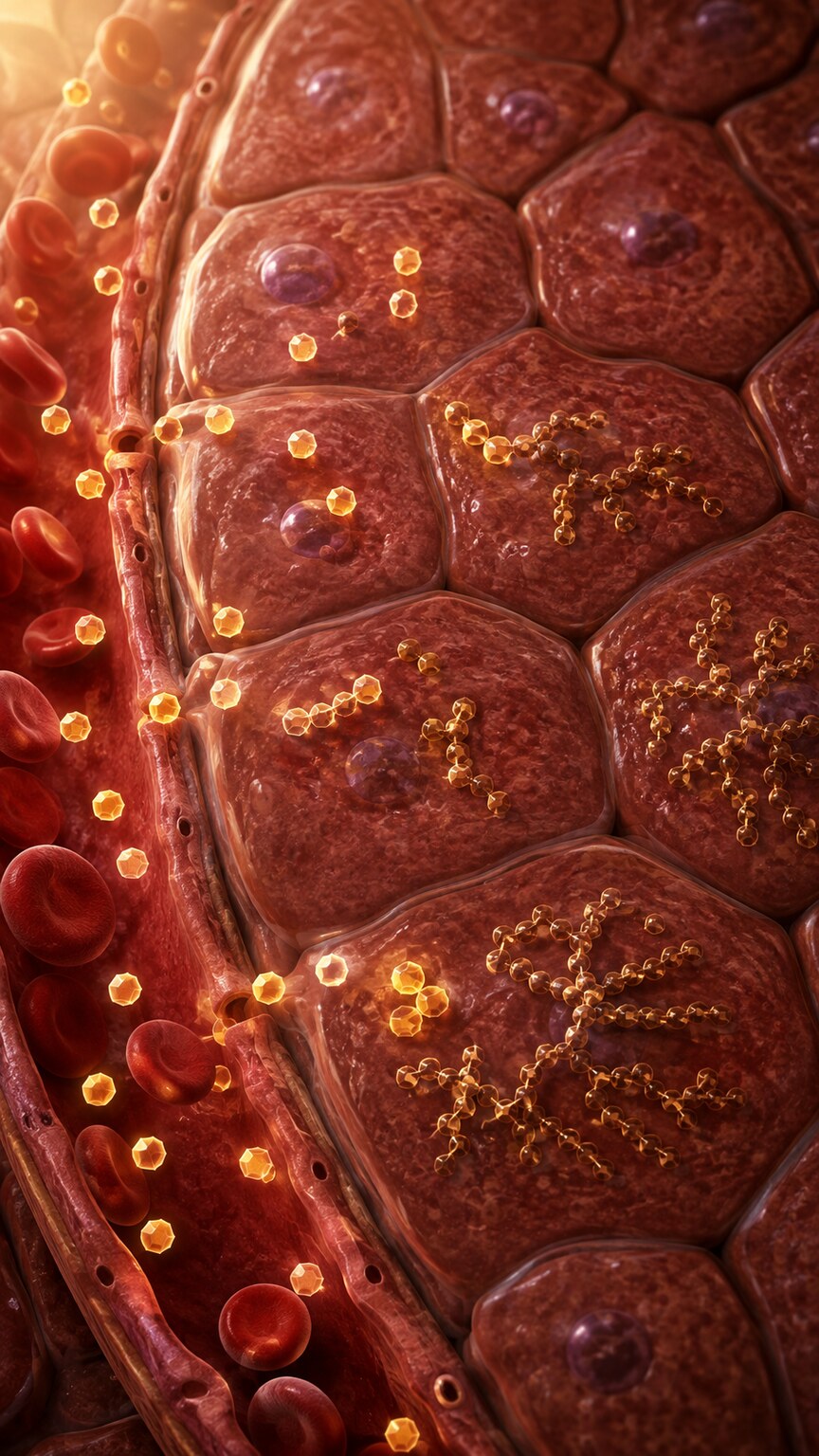
Figure 6. The liver absorbs a substantial share of postprandial glucose and converts it into glycogen for storage, playing a central role in how quickly blood sugar returns to baseline after eating.
The pancreas and peripheral cells like muscle tissue get most of the attention when postprandial glucose regulation is discussed, but the liver plays an equally central, sometimes underappreciated role in this same process. In the postprandial state, insulin doesn't just tell muscle and fat cells to absorb glucose — it also signals the liver to switch from releasing glucose (its job during fasting, when it taps stored reserves to keep the brain and other organs supplied) to absorbing and storing glucose instead, converting it into a storage molecule called glycogen for later use. A healthy liver responds to this insulin signal quickly and substantially, absorbing a significant share of the glucose load from a meal within the first hour or two.
In insulin-resistant states, the liver's response to this signal becomes blunted in much the same way peripheral tissue does, meaning less of the postprandial glucose load gets efficiently absorbed and stored, contributing directly to the higher, more prolonged glucose elevation seen on a postprandial test. Some research has even suggested that liver-specific insulin resistance can be an early, sometimes leading contributor to the broader postprandial glucose abnormalities eventually detected on standard testing, making the liver a genuinely important, if less visible, part of the same physiological story a postprandial glucose result is ultimately reflecting.
How to Talk to a Healthcare Provider About a Postprandial Result
If a postprandial glucose or OGTT result comes back elevated, the most useful information to bring into a follow-up conversation with a healthcare provider is the surrounding context: whether the test was a standardized OGTT or a real-meal check, what was actually eaten beforehand if it was the latter, whether the elevation was confirmed on repeat testing, and how the result compares to fasting glucose and A1c from the same general timeframe. This context helps a clinician distinguish a genuinely meaningful, reproducible pattern from a single result that might reflect an unusually large meal, recent illness, or another temporary, non-representative factor.
It's also worth asking directly whether the specific result meets formal criteria for impaired glucose tolerance or gestational diabetes, depending on the clinical situation, since these are named, well-defined categories with established management pathways, rather than vague, informal impressions based on a single number. Understanding exactly which formal category, if any, a result falls into helps set realistic expectations for what kind of follow-up, monitoring, or lifestyle guidance is likely to be recommended next.
Frequently Asked Questions
Can postprandial glucose be abnormal even if my fasting glucose is completely normal?
Yes, and this is actually one of the main reasons postprandial testing exists. Insulin resistance often affects postprandial glucose clearance before it affects fasting glucose, meaning postprandial testing can reveal an early metabolic problem that fasting glucose alone would miss.
Why does my doctor sometimes ask about what I ate before a postprandial test?
Because meal composition and size genuinely affect the resulting glucose response. Knowing what was eaten helps put a real-meal postprandial result in proper context, which is different from a standardized oral glucose tolerance test using a fixed glucose dose.
Is a 1-hour or 2-hour postprandial check more accurate?
Neither is inherently more accurate — they capture different points in the glucose response curve. The 1-hour mark often captures the peak, while the 2-hour mark reflects how well glucose has been cleared. Clinical protocols, including gestational diabetes screening, often use both together.
Should I use a home glucose meter to check my own postprandial glucose even without diabetes?
This is a personal and sometimes clinical decision best discussed with a healthcare provider, particularly for people with risk factors for diabetes or specific health goals. Occasional postprandial checks can offer useful insight, though interpreting results without professional guidance has real limitations.
Does the order I eat food in actually affect my postprandial glucose?
Some research has found that eating vegetables, protein, and fat before carbohydrates within the same meal can produce a lower, more gradual postprandial glucose response compared to eating the same foods in the reverse order, likely related to how food order affects gastric emptying and glucose absorption speed.
Can medications affect postprandial glucose results?
Yes. Several medication classes, including certain diabetes medications specifically designed to blunt postprandial glucose spikes, as well as some steroids and other drugs that can raise blood sugar, can meaningfully affect a postprandial result independent of underlying insulin sensitivity.
What Research Continues to Refine About This Measurement
Postprandial glucose remains an area of active, ongoing research rather than a fully settled, static topic, and it's worth appreciating a few directions this research continues to explore. Researchers continue working to better standardize how postprandial responses to real, mixed meals (rather than a pure glucose solution) should be measured and interpreted, since real food, with its combination of carbohydrates, protein, fat, and fiber, produces a genuinely more complex response than the simplified OGTT beverage, and translating OGTT-based diagnostic thresholds cleanly onto real-meal postprandial data remains an imperfect, evolving science.
Personalized nutrition research, accelerated significantly by the wider availability of continuous glucose monitoring discussed earlier, continues to investigate just how much individual variation in postprandial response actually matters for long-term health outcomes, and whether tailoring dietary recommendations to an individual's own measured glucose response, rather than relying on generic nutritional guidelines, produces meaningfully better results. This remains a genuinely evolving area, and as with much of nutrition and metabolic science, definitive answers continue to be refined as more data accumulates — a reminder that even a measurement as conceptually simple as "blood sugar after eating" continues to reveal new layers of complexity the more closely it's studied.
Conclusion
Postprandial glucose testing exists because a body at rest and a body actively processing a meal are, metabolically speaking, two genuinely different situations — and a test that only looks at the resting state can miss real, developing problems that only show up when the system is actually put to work. Whether it's measured through a fully standardized oral glucose tolerance test, a routine home glucose meter check after an ordinary meal, or continuous monitoring throughout an entire day, postprandial glucose captures the body's real, functional, in-the-moment response to actual food in a way fasting glucose measured alone simply cannot ever fully replicate. Understanding exactly what this specific, timing-dependent measurement genuinely reveals, and why the precise timing behind it matters so considerably, is ultimately what turns an unfamiliar clinical term into a genuinely useful, actionable window into how well the body is actually managing blood sugar on a real, everyday, meal-by-meal basis.
Still Not Sure What Your Results Mean?
Upload your labs and get a complete, visual, plain-language interpretation of every biomarker — delivered to your inbox in under 15 minutes.
Get My ReportThis article is for educational purposes only and does not constitute medical advice. Always consult your healthcare provider regarding your specific lab results.