
Why Is My Blood Sugar Low After Eating?
It sounds backwards — you just ate, so shouldn't your blood sugar be going up, not crashing? But for a real subset of people, roughly one to three hours after a meal, especially one heavy in refined carbohydrates, blood sugar doesn't just come back down to normal — it overshoots downward, dropping below the level it started at before the meal ever happened. Doctors call this reactive hypoglycemia, or postprandial hypoglycemia, and it happens because the body's insulin response to that meal was too large, too fast, or too poorly timed relative to how quickly the sugar from the food was actually being absorbed. The result is a very specific, very recognizable crash: shakiness, a racing heart, sudden intense hunger, sweating, irritability, and a foggy, can't-think-straight feeling that shows up almost exactly when you'd expect a meal to be keeping you steady, not knocking you down. It's uncomfortable, it's confusing, and — importantly — it's also usually explainable once you understand the mechanics of what your pancreas and liver are actually doing behind the scenes in the hours after you eat. This guide walks through exactly what's happening in your bloodstream during that window, the handful of distinct patterns that produce it, how it actually gets diagnosed, and the specific, evidence-based changes that tend to help the most.
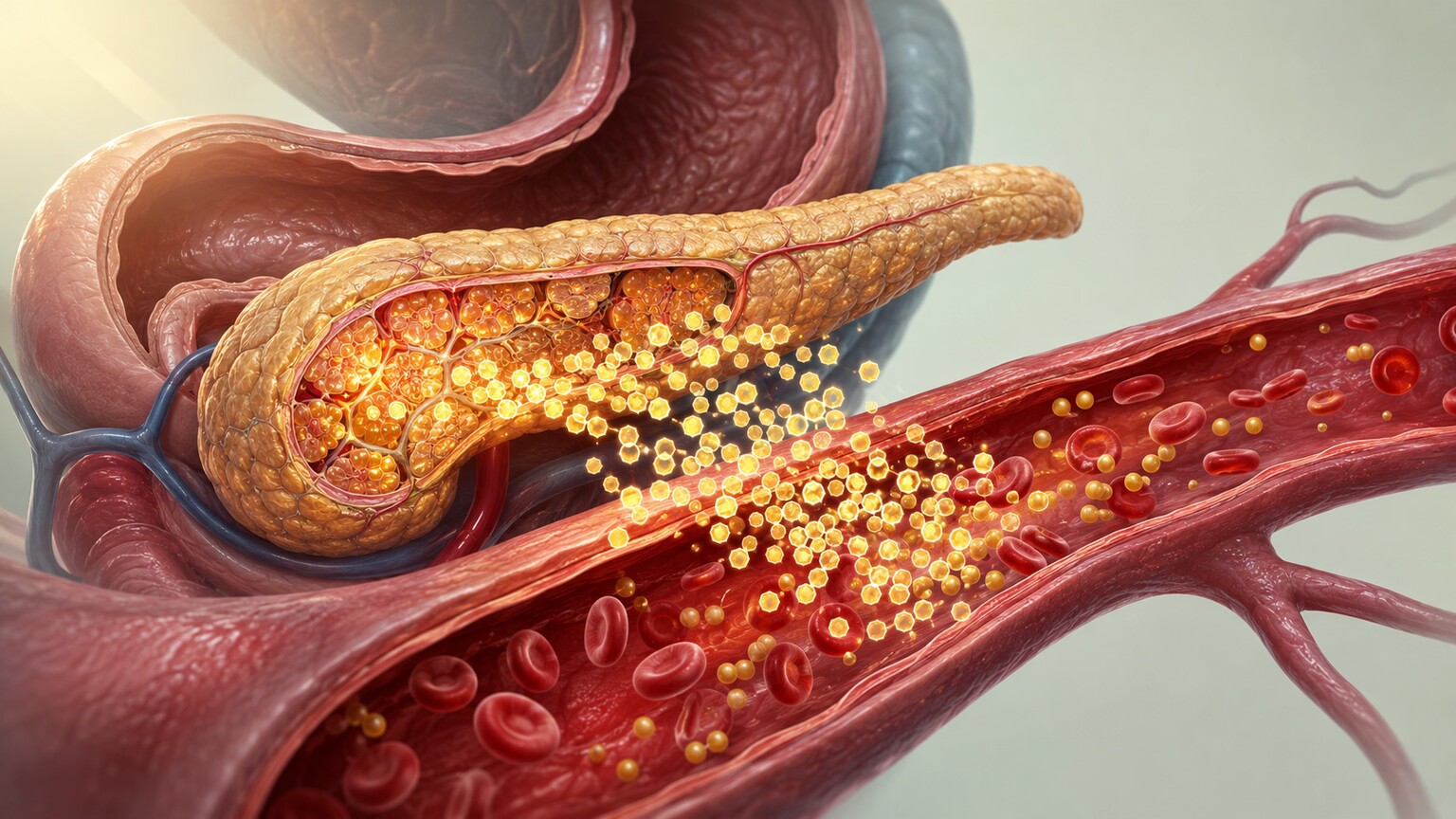
Figure 1. An exaggerated insulin surge from the pancreas can pull glucose out of the blood faster than the body can compensate, driving levels below where they started.
What "Low Blood Sugar After Eating" Actually Means
To understand why this happens, it helps to picture blood sugar — glucose, the sugar your bloodstream carries to every cell in your body for fuel — as water in a tank that's constantly being filled and drained at the same time. Eating a meal, especially one with carbohydrates, is like turning on the tap: glucose from digested food pours into your bloodstream, and your tank level (your blood sugar) rises. In a typical, well-regulated system, your pancreas notices the rising tank level and releases insulin, a hormone whose job is to open the drain — insulin acts like a key that unlocks your cells so they can pull glucose out of the blood and either burn it for energy or store it for later. The tap slows as digestion finishes, the drain closes as insulin tapers off, and the tank settles back to a steady, comfortable level, usually within two to three hours.
Reactive hypoglycemia happens when that drain opens too far, too fast, or stays open too long relative to how much water is actually still coming in through the tap. Instead of insulin gently guiding your blood sugar back down to baseline, it overshoots — pulling glucose out of the bloodstream faster than the tap can keep up, so the tank level keeps falling past where it started. Clinically, this usually means blood glucose drops below 70 mg/dL, though what matters most isn't just the number itself but the timing: it happens specifically in the window after eating, typically between one and three hours later, which is what separates it from other causes of low blood sugar that can strike at any time, meal or no meal.
It's worth drawing a clear line here between reactive hypoglycemia and the much more common, much more benign experience of simply feeling sleepy or sluggish after a big meal. Ordinary post-meal drowsiness comes on within the first thirty to forty minutes of eating, as blood flow shifts toward digestion and certain brain chemicals tied to relaxation rise — it's uncomfortable but it isn't a true drop in blood glucose, and it tends to fade on its own with a short rest rather than requiring food to fix it. Reactive hypoglycemia, by contrast, arrives later, carries the unmistakable physical signature of an adrenaline surge — a real, visible tremor, a heartbeat you can feel, sweating that doesn't match the room — and reliably resolves within ten to fifteen minutes of eating something, because eating is directly correcting the actual problem rather than just waiting out a lull.
The Insulin Overshoot: Why Your Body Overcorrects
The single biggest driver of reactive hypoglycemia is a mismatch in timing between how fast glucose enters your blood and how fast — and how much — insulin gets released to handle it. Foods that are high in refined, quickly digested carbohydrates — white bread, sugary cereal, pastries, fruit juice, candy, soda — get broken down and absorbed into the bloodstream very quickly, causing a sharp, steep spike in blood glucose within twenty to thirty minutes of eating. Your pancreas, sensing that sharp spike, responds the way it's designed to: it releases a correspondingly large burst of insulin to bring that spike back down. The problem is that insulin's action doesn't stop the instant blood sugar returns to normal — it keeps working in the bloodstream for a while after release, continuing to usher glucose into cells even as the food-derived sugar supply is already running out. That mismatch — a big insulin dose still active in the blood after the sugar it was meant to counter has already been cleared — is exactly what pulls glucose down past baseline and into hypoglycemic territory.
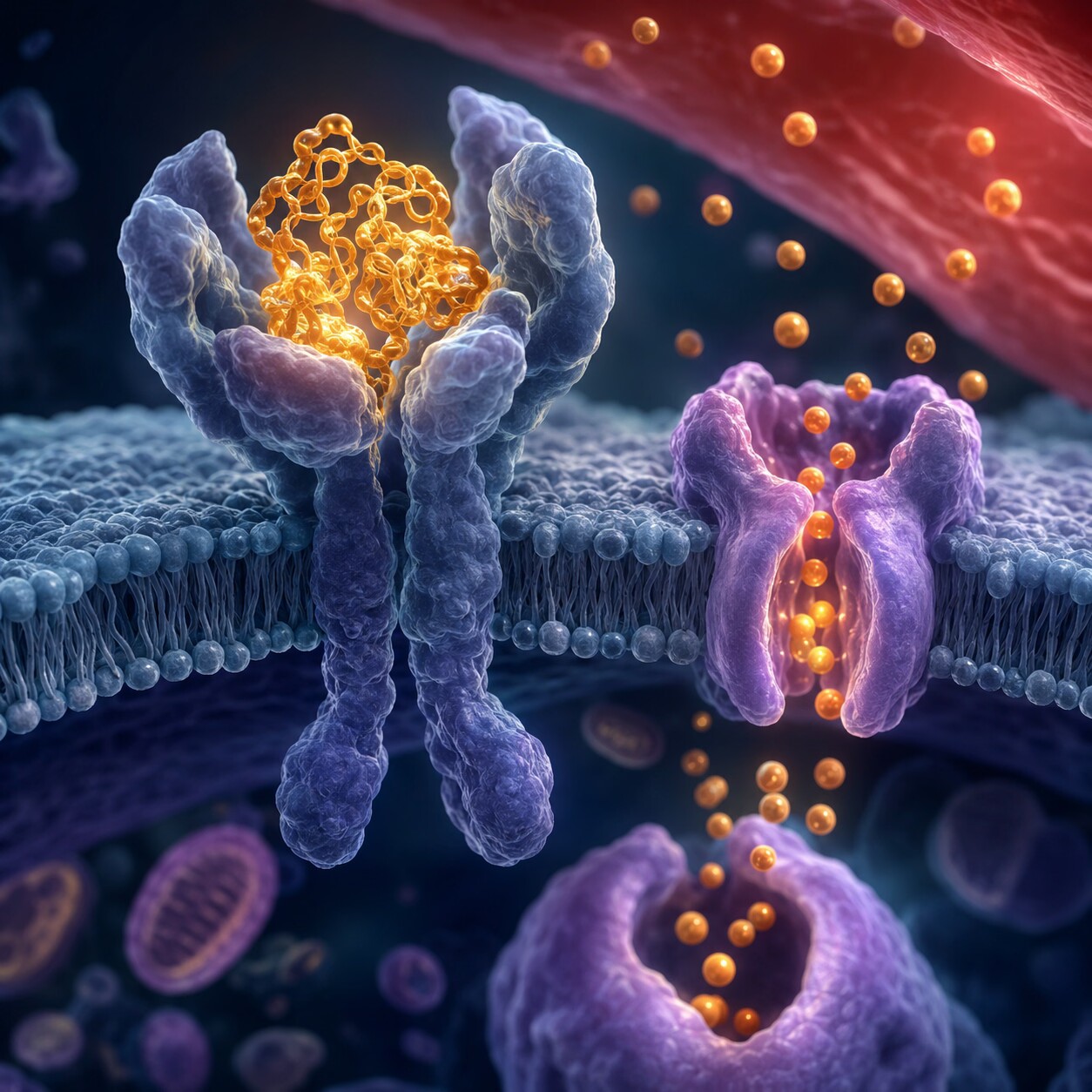
Figure 2. Insulin binds to receptors on the cell surface, triggering GLUT4 transporters to move to the membrane and pull glucose out of the blood and into the cell.
At the cellular level, this is happening through a specific molecular handshake. Insulin circulating in your blood binds to insulin receptors sitting on the surface of muscle, fat, and liver cells. That binding sets off a chain reaction inside the cell that causes GLUT4 transporters — think of them as tiny doors — to move up to the cell's outer membrane and swing open, letting glucose flow in from the bloodstream. The more insulin that's circulating, and the longer it stays elevated, the more of these doors stay open, and the more aggressively glucose keeps getting pulled out of the blood, even after the meal's glucose "deposit" has already been used up. Meanwhile, your liver is supposed to step in and release stored glucose (from a reserve called glycogen) to stabilize things once blood sugar starts dropping — but if insulin is still circulating at a high level, it actively suppresses that liver release, since insulin's job is to tell the liver "sugar is plentiful, don't release more." That combination — cells still pulling glucose in, and the liver being told to hold its reserves back — is what turns a normal post-meal dip into a genuine hypoglycemic crash.
Insulin isn't acting alone in this story, though — it just happens to be the hormone that starts the chain reaction. Once glucose falls low enough to register as a real problem, the body calls in a whole team of counter-regulatory hormones to correct course, which is a process worth walking through in its own right, since it explains why the symptoms of a crash so often feel bigger than the number on a glucose meter would suggest.
Three Patterns of Reactive Hypoglycemia
Not everyone who experiences this crash has the same underlying cause. Clinicians generally group reactive hypoglycemia into three broad patterns, and figuring out which one applies matters for how it should be managed.
Alimentary Hypoglycemia — After Stomach or Bariatric Surgery
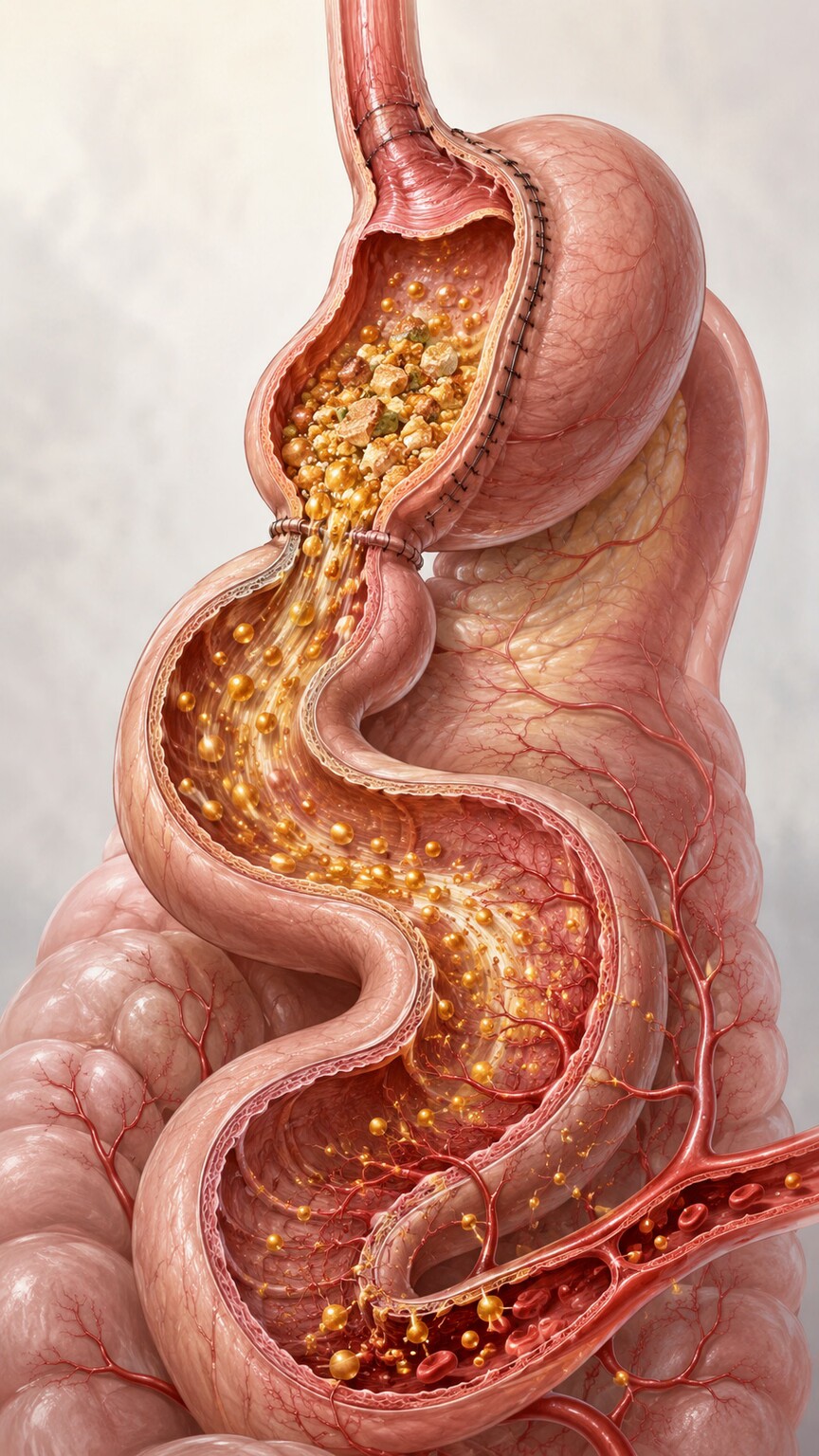
Figure 3. After gastric bypass or sleeve surgery, food can empty from the smaller stomach into the small intestine unusually fast, flooding the bloodstream with glucose all at once.
This is the most mechanically direct version of the condition, and it's the one doctors see most reliably and can explain with the most confidence. After procedures like gastric bypass or sleeve gastrectomy, the stomach's capacity to hold and slowly release food is dramatically reduced or altered. Food — particularly sugar and simple carbohydrates — can empty out of the smaller stomach pouch and into the small intestine far faster than the digestive system was ever designed to handle, a phenomenon known as "dumping syndrome." That flood of rapidly absorbed sugar produces an unusually steep, unusually large glucose spike, which in turn triggers an oversized insulin response, which then drives blood sugar down hard and fast, typically one to three hours after eating. This pattern is common enough after bariatric surgery that patients are routinely counseled in advance about eating smaller, protein-and-fiber-forward meals specifically to blunt it.
People who haven't had stomach surgery can occasionally experience a milder version of the same mechanism if they have naturally very rapid gastric emptying, sometimes seen with certain gut motility conditions, though this is far less common than the post-surgical form and typically requires specific testing to confirm.
Idiopathic Postprandial Syndrome
This is, honestly, the most common — and most frustrating — category, because it describes people who experience every hallmark symptom of reactive hypoglycemia but whose blood glucose, when actually measured with a finger stick or lab draw during a symptomatic episode, doesn't drop low enough to meet the strict clinical definition of hypoglycemia. Researchers believe this can happen for a few overlapping reasons: some people are simply more sensitive to normal, moderate swings in blood sugar and adrenaline than others, meaning a drop that wouldn't bother most people still triggers a genuine stress-hormone response and real symptoms in them. In other cases, the timing of symptom-triggering hormones like adrenaline and cortisol doesn't line up perfectly with the glucose nadir, so by the time a measurement is taken, the number has already started to recover even though the symptoms are still in full swing. This category is labeled "idiopathic" — meaning the cause isn't fully pinned down — precisely because it sits in a gray zone between a real metabolic event and a heightened physiological response to a fairly ordinary post-meal dip.
Prediabetes and Early Insulin Resistance
Somewhat counterintuitively, reactive hypoglycemia can be an early warning sign of prediabetes or the very earliest stages of type 2 diabetes, before fasting glucose or A1c have moved out of the normal range. In early insulin resistance, cells don't respond to insulin as efficiently as they should, so the pancreas compensates by releasing more insulin than usual to get the same job done — a state doctors call hyperinsulinemia. Early on, this compensation is delayed rather than absent, meaning the big insulin surge shows up a little late relative to the glucose spike from a meal. The glucose has already been partly cleared by the time that oversized, delayed insulin wave hits, and the result is an overcorrection — a real hypoglycemic dip layered on top of what is, underneath it all, a developing insulin resistance problem. This is one of the more important reasons reactive hypoglycemia shouldn't be dismissed as a harmless quirk without at least a conversation with a healthcare provider, since it can be the first visible clue of a metabolic shift that's otherwise still hiding behind normal-looking fasting labs.
Already have a glucose number from a recent test, but not sure if it's actually good or bad for you? Just plug it in and see instantly.
🧮 Try the Free CalculatorThe Hormones Behind the Crash — It's Not Just Insulin
Insulin gets most of the attention because it's the hormone that starts the overshoot, but the crash itself, and especially how it feels, is really the work of a whole team of hormones responding to falling glucose. Once blood sugar drops low enough, the body treats it as a genuine emergency — glucose is the brain's primary fuel, and unlike muscle, the brain can't easily switch to burning fat instead, so a falling supply triggers a fast, coordinated counter-attack. The first responder is usually glucagon, a hormone released by different cells in the same pancreas that makes insulin, whose entire job is the opposite of insulin's: it signals the liver to break down stored glycogen and release glucose back into the blood. In a healthy system, glucagon should rise the moment glucose starts dropping, but during a reactive hypoglycemic episode, the still-elevated insulin in the bloodstream actively blunts how strongly glucagon can respond, which is part of why the drop can go further than it should before the body manages to correct it.
When glucagon alone isn't enough, or isn't rising fast enough, the adrenal glands step in with epinephrine — adrenaline — which is really the hormone responsible for most of the dramatic, unmistakable symptoms people describe: the racing heart, the sudden sweating, the trembling hands, the wave of anxiety that seems to come out of nowhere. Adrenaline does double duty, both prompting the liver to release more glucose and signaling fat and muscle tissue to slow down how much glucose they're pulling in, buying the brain more of what's left in circulation. Cortisol, the body's slower-acting stress hormone, joins a bit later to help sustain blood sugar over the following hour or two if the episode drags on. This is also exactly why reactive hypoglycemia can feel disproportionately alarming relative to how far glucose actually dropped — a lot of what a person feels isn't the low sugar itself, it's this cascade of stress hormones reacting to it, which is a survival mechanism working exactly as designed, just triggered by a meal instead of a real emergency.
Common Triggers You Might Not Suspect
The most obvious trigger is a meal that's heavy in refined carbohydrates with very little protein, fat, or fiber to slow things down — a stack of pancakes with syrup, a bagel with jam, a large glass of orange juice on an empty stomach. But several other, less obvious factors can push an ordinary meal into crash territory. Alcohol, particularly on an empty stomach or combined with sugary mixers, both spikes blood sugar quickly and directly interferes with the liver's ability to release glucose afterward, making the eventual crash worse. Exercising vigorously shortly after eating draws additional glucose into working muscles on top of what insulin is already pulling in, compounding the drop. Skipping meals earlier in the day and then eating a large, carbohydrate-heavy meal when you finally do sit down to eat tends to provoke a larger insulin response than the same meal eaten on a more regular schedule, because the body reacts more forcefully to a bigger, more unexpected glucose load after a longer stretch of fasting.

Figure 4. A high-glycemic breakfast of refined carbohydrates alone produces a sharper glucose spike than the same calories paired with protein, fat, and fiber.
Caffeine on an empty stomach can also amplify symptoms, since it independently triggers adrenaline release, and adrenaline itself produces shakiness, a racing heart, and anxiety that can feel identical to — and stack on top of — a genuine glucose drop, making the whole episode feel more severe than the blood sugar number alone would predict. And for some people, the specific type of sugar matters: a large amount of fructose (concentrated fruit juice, regular soda) is metabolized differently by the liver than glucose from starchy foods, and in susceptible individuals appears to provoke a more exaggerated insulin response than an equivalent amount of sugar from a mixed, whole-food source.
Portion size interacts with all of these factors in a way that's easy to overlook. A large bowl of pasta with a light sauce delivers a much bigger, faster carbohydrate load than a smaller portion of the same dish, and the pancreas doesn't titrate its insulin release with perfect precision — it tends to respond to the size and speed of the spike it sees, which means doubling the carbohydrate content of a meal doesn't just double the glucose spike, it can also disproportionately increase how large the resulting insulin overshoot ends up being. This is one reason two people can eat what looks like a similar meal and have very different experiences afterward: differences in portion size, in how quickly each person eats, in what else was on the plate, and in each person's individual insulin sensitivity all shift where a given meal lands on the spectrum between "fine" and "crash two hours later."
The Symptom Timeline — What Happens Hour by Hour
Reactive hypoglycemia has a fairly predictable rhythm once you know to look for it. In the first thirty to sixty minutes after a carbohydrate-heavy meal, blood sugar rises normally, sometimes even feeling like a small energy boost. Somewhere between sixty and ninety minutes in, as the insulin surge peaks and glucose starts falling past baseline, the first symptoms usually appear: a subtle shakiness in the hands, a faint sense of unease, or an unexpected wave of hunger despite having just eaten a full meal. Between ninety minutes and two hours, if the drop continues, symptoms tend to intensify — sweating, a pounding or racing heartbeat, irritability or sudden anxiety, difficulty concentrating, and a distinct mental fog that many people describe as feeling almost drunk or disconnected. Some people also notice a headache building during this window.

Figure 5. The peak of a reactive hypoglycemic episode, roughly ninety minutes to two hours after eating, is when adrenaline-driven symptoms like sweating and a racing heart are strongest.
By around two to three hours, if nothing is eaten to interrupt the episode, the body's own counter-regulatory system usually kicks in — the liver, no longer suppressed as heavily by insulin, releases stored glucose, and stress hormones like adrenaline and cortisol help push blood sugar back up, which is often what finally resolves the episode, sometimes accompanied by a rebound feeling of jitteriness as those stress hormones clear. Many people find that eating even a small amount of food, particularly something with protein or complex carbohydrates, brings noticeably faster relief than waiting it out, since it gives the system something stable to work with instead of relying entirely on emergency glucose release. Keeping a simple log of what was eaten, when symptoms started, and how long they lasted for a week or two is one of the most useful things a person can hand to a healthcare provider, since the pattern itself is often more diagnostically useful than any single measurement.
How Reactive Hypoglycemia Is Diagnosed
Diagnosing this condition properly requires catching it in the act, which is trickier than it sounds, since by the time most people get to a lab, hours may have passed and their blood sugar has already normalized. The gold-standard approach is what's sometimes called a mixed-meal tolerance test, or an extended oral glucose tolerance test (OGTT) that runs for four to five hours instead of the standard two, with blood drawn at intervals — fasting, then at thirty minutes, one hour, two hours, three hours, four hours, and sometimes five — specifically to capture the late-window drop that a standard two-hour test would miss entirely. A result showing blood glucose falling to 70 mg/dL or below, especially alongside symptoms occurring at that same draw, is considered strong evidence for the diagnosis.
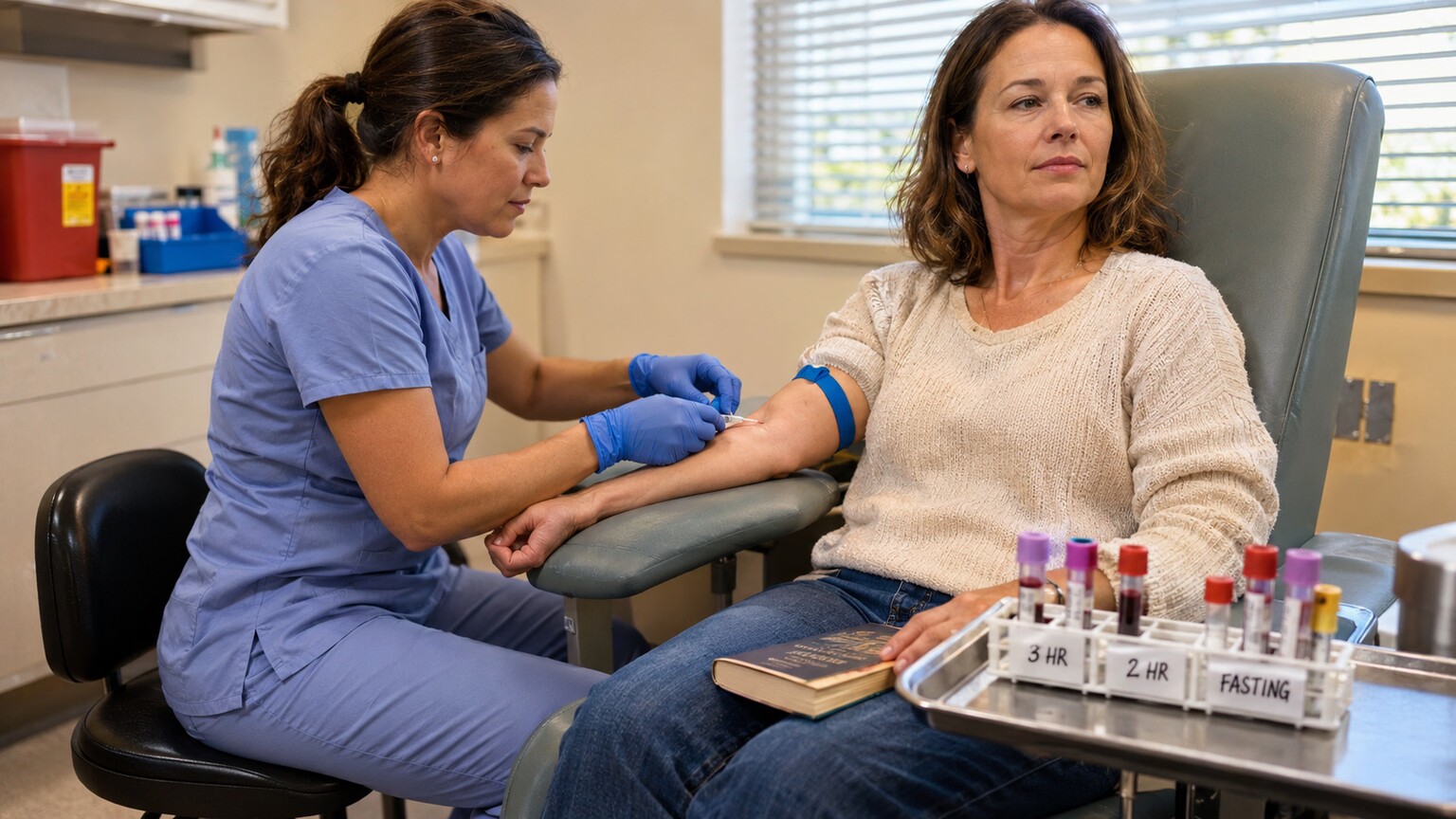
Figure 6. An extended, four-to-five-hour oral glucose tolerance test captures the delayed glucose drop that a standard two-hour test is too short to detect.
Increasingly, clinicians and patients are also turning to continuous glucose monitors (CGMs) — small sensors worn on the arm or abdomen that track glucose every few minutes over a period of one to two weeks — as a more real-world alternative to the extended OGTT. Because a CGM captures glucose continuously during actual, everyday meals rather than a single standardized test drink, it can reveal patterns tied to specific foods, specific meal timing, or specific combinations (like alcohol plus a carbohydrate-heavy dinner) that a lab-based test would never catch. Whichever method is used, it's worth knowing that Whipple's triad — the classic diagnostic framework for confirming any form of hypoglycemia — requires three things to line up together: a documented low glucose reading, symptoms occurring at the same time as that low reading, and resolution of those symptoms once glucose is brought back up. Meeting all three is what separates a confirmed diagnosis from a coincidental overlap of a normal post-meal dip and an unrelated feeling of tiredness or stress.
Blood tests aren't the only piece of the diagnostic picture, either. A thorough evaluation usually includes a detailed conversation about diet — what a typical day of eating looks like, how much refined sugar and how much protein and fiber tend to be on the plate — along with a review of any surgical history, medications (some drugs, including certain blood pressure medications and antibiotics, can independently affect blood sugar regulation), and family history of diabetes. If episodes are severe, frequent, or don't fit the classic after-carbs pattern, a provider may also order additional labs, such as an insulin and C-peptide level drawn during a spontaneous low, specifically to look for the kind of inappropriately high insulin secretion that would point toward a rarer cause like an insulinoma rather than ordinary reactive hypoglycemia.
When Low Blood Sugar After Eating Is a Red Flag
In the overwhelming majority of cases, reactive hypoglycemia is uncomfortable but not dangerous, and it's manageable through fairly straightforward dietary changes. That said, there are situations where it deserves a more urgent medical evaluation rather than a wait-and-see approach. Episodes that are severe enough to cause confusion, slurred speech, loss of coordination, or fainting go beyond the typical shaky-and-hungry presentation and should be evaluated promptly, since they suggest the brain — which depends on a steady glucose supply more than almost any other organ — is being meaningfully deprived of fuel. Symptoms that occur even when meals are small, low in sugar, or skipped altogether, rather than specifically after carbohydrate-heavy eating, raise the possibility of a different and rarer cause, such as an insulinoma, a small insulin-secreting tumor of the pancreas that causes inappropriate insulin release independent of meal timing.
A personal or family history of stomach or bariatric surgery, new or unexplained weight loss alongside the episodes, or symptoms that are progressively worsening rather than staying stable over time are all reasons to bring this pattern to a healthcare provider sooner rather than later, ideally with a symptom log and, if possible, an actual glucose reading captured during an episode using a home glucose meter or CGM. None of this is meant to cause alarm — the vast majority of people experiencing shakiness and hunger an hour or two after breakfast have a benign, diet-responsive pattern — but knowing the handful of features that shift the picture from "annoying but ordinary" to "worth a closer look" is genuinely useful.
A few groups deserve a slightly lower threshold for seeking evaluation. Children who experience recurrent post-meal shakiness or fainting warrant prompt attention, since their smaller glucose reserves make them more vulnerable to a steep drop, and a pediatrician can help distinguish reactive hypoglycemia from rarer inherited metabolic conditions that also show up around mealtimes. People who are pregnant and notice this pattern should mention it at a prenatal visit as well, since glucose regulation shifts meaningfully during pregnancy and warrants its own monitoring rather than being managed the same way as in a non-pregnant adult. And anyone taking medications that affect blood sugar — including insulin or other diabetes drugs, even if prescribed for a different reason — should treat a new pattern of post-meal lows as something to flag right away, since it may mean a dose needs adjusting rather than reflecting the ordinary reactive hypoglycemia mechanism described throughout this article.
What Actually Helps — Practical Strategies
The single most effective change most people can make is restructuring meals around protein, fat, and fiber rather than refined carbohydrates eaten alone. Protein and fat slow gastric emptying and blunt how quickly glucose enters the bloodstream, which in turn keeps the insulin response proportional instead of provoking an exaggerated surge. Fiber does something similar by physically slowing digestion and creating a gel-like barrier in the gut that softens the speed of sugar absorption. In practice, this often looks like pairing carbohydrates with a protein or fat source at every meal — fruit with nut butter instead of fruit juice alone, whole grains with eggs instead of a plain bagel, and skipping sugary drinks on an empty stomach in favor of water or unsweetened options.

Figure 7. Pairing carbohydrates with protein, fat, and fiber — like eggs, nuts, and yogurt alongside fruit — slows glucose absorption and blunts the insulin overshoot that drives a crash.
Eating smaller, more frequent meals rather than three large ones can also help by preventing the kind of oversized glucose load that provokes an oversized insulin response in the first place, and it keeps the liver's glycogen reserves from being called on as heavily to correct a steep drop. Limiting alcohol on an empty stomach, avoiding vigorous exercise immediately after eating, and cutting back on caffeine before meals — especially for people who notice their symptoms are worse on high-caffeine mornings — round out the most consistently effective, evidence-backed adjustments. For people whose pattern is tied to insulin resistance or early prediabetes, these same dietary strategies double as the same first-line approach used to address the underlying metabolic shift, which is part of why getting an accurate glucose picture matters well beyond just stopping the shakiness.
The order in which food is eaten within a meal also has a measurable effect, something several small clinical studies have looked at directly: eating vegetables and protein first, and saving starchy or sugary components for last, has been shown to produce a noticeably flatter glucose curve than eating the same foods in the opposite order or all mixed together. The theory is that protein and fiber arriving in the stomach first slow how quickly the carbohydrates that follow can be digested and absorbed, softening the spike before it has a chance to build. Something as simple as a short walk in the fifteen to thirty minutes after a meal — not vigorous exercise, just gentle movement — has also been shown to help muscles take up some glucose through a pathway that doesn't rely on insulin at all, which can blunt both the initial spike and, by extension, the size of the insulin response that follows it.
For people who continue to have frequent, disruptive episodes despite these dietary changes, a healthcare provider may explore additional options depending on what's driving the pattern. This can include structured guidance from a registered dietitian to fine-tune meal composition and timing, closer monitoring with a CGM to identify individual trigger foods that wouldn't be obvious otherwise, or, in cases tied to post-bariatric dumping syndrome that don't respond to diet alone, medications that slow gastric emptying or blunt the insulin response. What almost never helps, and often makes things worse, is reaching for more sugar or juice the moment symptoms start — that approach can produce a second spike-and-crash cycle right on top of the first one, extending the episode rather than resolving it. A small amount of protein or a balanced snack, rather than pure sugar, tends to settle the crash more durably.
Frequently Asked Questions
Is reactive hypoglycemia the same thing as diabetes?
No, they're not the same, though they can be related. Diabetes involves blood sugar that runs too high, while reactive hypoglycemia involves an overcorrection that drives blood sugar too low after eating. That said, reactive hypoglycemia can sometimes be an early sign of developing insulin resistance, which is why persistent episodes are worth discussing with a provider even when fasting glucose looks normal.
How soon after eating do symptoms usually start?
Most people notice symptoms beginning between one and three hours after a meal, with the peak intensity typically falling around ninety minutes to two hours in. This delayed timing — rather than symptoms during digestion itself — is one of the key features that distinguishes reactive hypoglycemia from other causes of feeling unwell after eating.
Can I confirm this at home without a lab test?
A home glucose meter or a continuous glucose monitor can capture a reading during an actual episode, which is genuinely useful information to bring to a provider. However, a formal diagnosis usually still relies on a supervised extended glucose tolerance test or a documented pattern meeting Whipple's triad — a low reading, matching symptoms, and relief once glucose is corrected — since home readings alone don't rule out other causes.
Does eating sugar or juice help stop an episode faster?
It can bring relief in the short term, but it often sets up a second overshoot, since a fast sugar hit provokes another insulin surge on top of the one already in progress. A small amount of protein, or a balanced snack rather than pure sugar, tends to resolve symptoms more smoothly and helps avoid the repeat spike-and-crash cycle that plain sugar or juice can trigger.
Conclusion
Feeling shaky, foggy, or ravenously hungry an hour or two after eating isn't in your head, and it isn't a sign that something is broken beyond repair — it's usually a fairly mechanical mismatch between how fast a meal's sugar entered your blood and how forcefully your pancreas responded to it. For most people, the fix starts at the plate: pairing carbohydrates with protein, fat, and fiber, eating more consistently throughout the day, and paying attention to specific triggers like alcohol or exercise timing. But because reactive hypoglycemia can occasionally point to something that deserves a closer look — from post-surgical dumping syndrome to early insulin resistance to, rarely, a pancreatic condition — a documented pattern and an honest conversation with a healthcare provider are worth the effort, especially if episodes are frequent, severe, or don't seem to follow the usual after-carbs script.
Still Not Sure What Your Results Mean?
Upload your labs and get a complete, visual, plain-language interpretation of every biomarker — delivered to your inbox in under 15 minutes.
Get My ReportThis article is for educational purposes only and does not constitute medical advice. Always consult your healthcare provider regarding your specific lab results.