
What Is the Connection Between High Insulin and Weight Gain?
High insulin doesn't just tag along with weight gain — for many people, it's actively driving it. Insulin is the hormone your pancreas releases to move sugar out of your blood and into your cells, but it has a second job that gets far less attention: it tells your fat cells to store energy and, just as importantly, tells them to stop releasing it. When insulin levels stay elevated for years — a state doctors call chronic hyperinsulinemia, which simply means "too much insulin, too often" — your body spends most of its time in fat-storage mode and very little time in fat-burning mode, no matter how hard you're trying to diet or exercise your way out of it. This isn't a fringe theory; it's basic, well-established endocrinology, and it explains why some people can eat carefully and still watch the scale barely move until the underlying insulin problem itself is addressed.
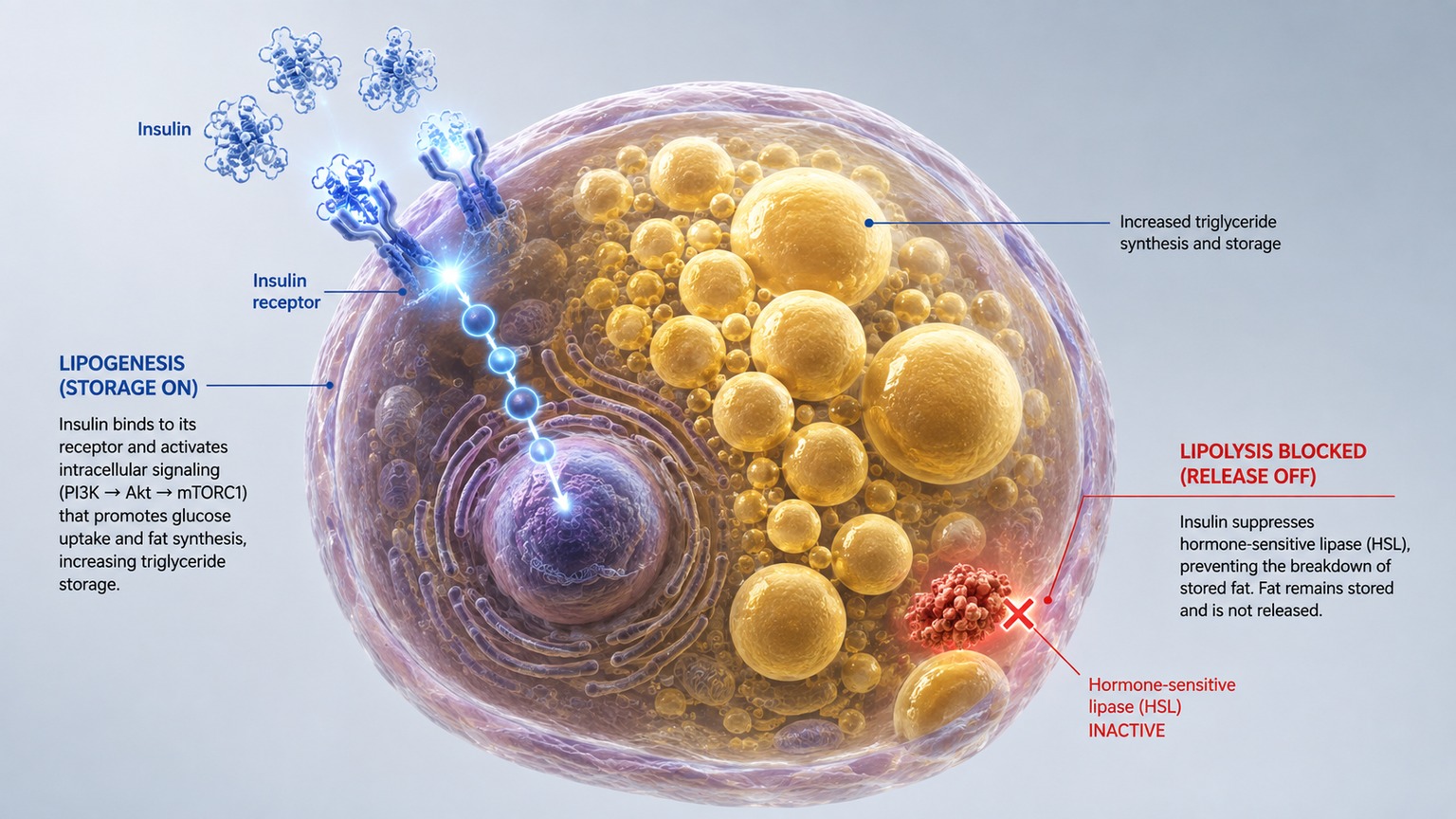
Figure 1. Insulin binding to receptors on a fat cell simultaneously activates fat storage and suppresses the enzyme responsible for releasing stored fat.
Curious what your own fasting insulin or glucose numbers are actually telling you? Upload your results and get a complete, plain-language breakdown in under 15 minutes.
Analyze My ResultsWhat Insulin Actually Does Inside a Fat Cell
To understand why insulin and weight gain are so tightly linked, it helps to picture what insulin is doing at the level of a single fat cell, known scientifically as an adipocyte. Every fat cell has insulin receptors on its surface, like docking stations waiting for insulin molecules to arrive. When insulin binds to one of these receptors, it sets off a chain reaction inside the cell that does two things at once. First, it switches on an enzyme pathway that converts extra blood sugar into fat and packs it away inside the cell — this process is called lipogenesis, which literally means "fat creation." Second, and just as importantly, insulin shuts down an enzyme called hormone-sensitive lipase, which is the enzyme responsible for breaking stored fat back down so it can be burned for energy. Think of hormone-sensitive lipase as the "release valve" on a fat cell's storage tank — insulin's job, in part, is to keep that valve firmly closed. So whenever insulin is circulating in your blood at a meaningfully elevated level, your fat cells are being told, simultaneously, to keep taking fuel in and to stop letting any fuel out. That combination — storage switched on, release switched off — is the single biggest reason high insulin makes losing weight so much harder than it should be, even when calorie intake looks reasonable on paper.
Insulin also activates a second enzyme worth naming specifically: lipoprotein lipase, or LPL, which sits on the outer surface of fat cells and acts like a gatekeeper, pulling circulating fat particles out of the bloodstream and ushering them directly into the fat cell for storage. Insulin doesn't just tell the fat cell to build new fat from sugar — it also actively increases how much fat gets pulled in from outside, from whatever fat was in the meal itself. At the same time, insulin is doing a third job elsewhere in the body: it opens a separate channel called GLUT4 in muscle cells, letting glucose move out of the blood and into muscle to be used or stored as glycogen. In a person with healthy insulin sensitivity, a good share of dietary glucose gets shuttled into muscle this way. But when muscle cells become resistant to insulin's signal — which frequently happens alongside fat-cell insulin resistance — less glucose goes into muscle, and by simple mass balance, more of the body's insulin-driven storage work gets pushed onto fat tissue instead. This is part of why building and maintaining muscle mass is one of the most effective long-term levers against high insulin: more responsive muscle tissue means less glucose and fat get diverted toward long-term fat storage in the first place.
Why Insulin Levels Climb in the First Place: Insulin Resistance
Most people with chronically high insulin don't get there because their pancreas is simply overactive for no reason — they get there because their cells have become resistant to insulin's signal, a condition called insulin resistance. Under normal circumstances, a modest amount of insulin is enough to usher glucose out of the blood and into muscle, liver, and fat cells. But when cells are repeatedly exposed to high glucose and high insulin — often from a combination of genetics, excess visceral fat, physical inactivity, chronic stress, and a diet heavy in refined carbohydrates and sugar — those cells start to respond less efficiently to insulin's knock on the door. Glucose doesn't get let in as easily, so blood sugar starts to creep up. The pancreas, sensing that blood sugar isn't coming down fast enough, responds the only way it knows how: it produces even more insulin to force the message through. For a while, this compensatory strategy works — blood glucose can stay in a technically normal range for years specifically because insulin output has quietly doubled or tripled to compensate. This is precisely why a person can have completely normal fasting glucose and still have significantly elevated fasting insulin; the glucose number looks fine only because the insulin number is doing overtime to keep it that way.
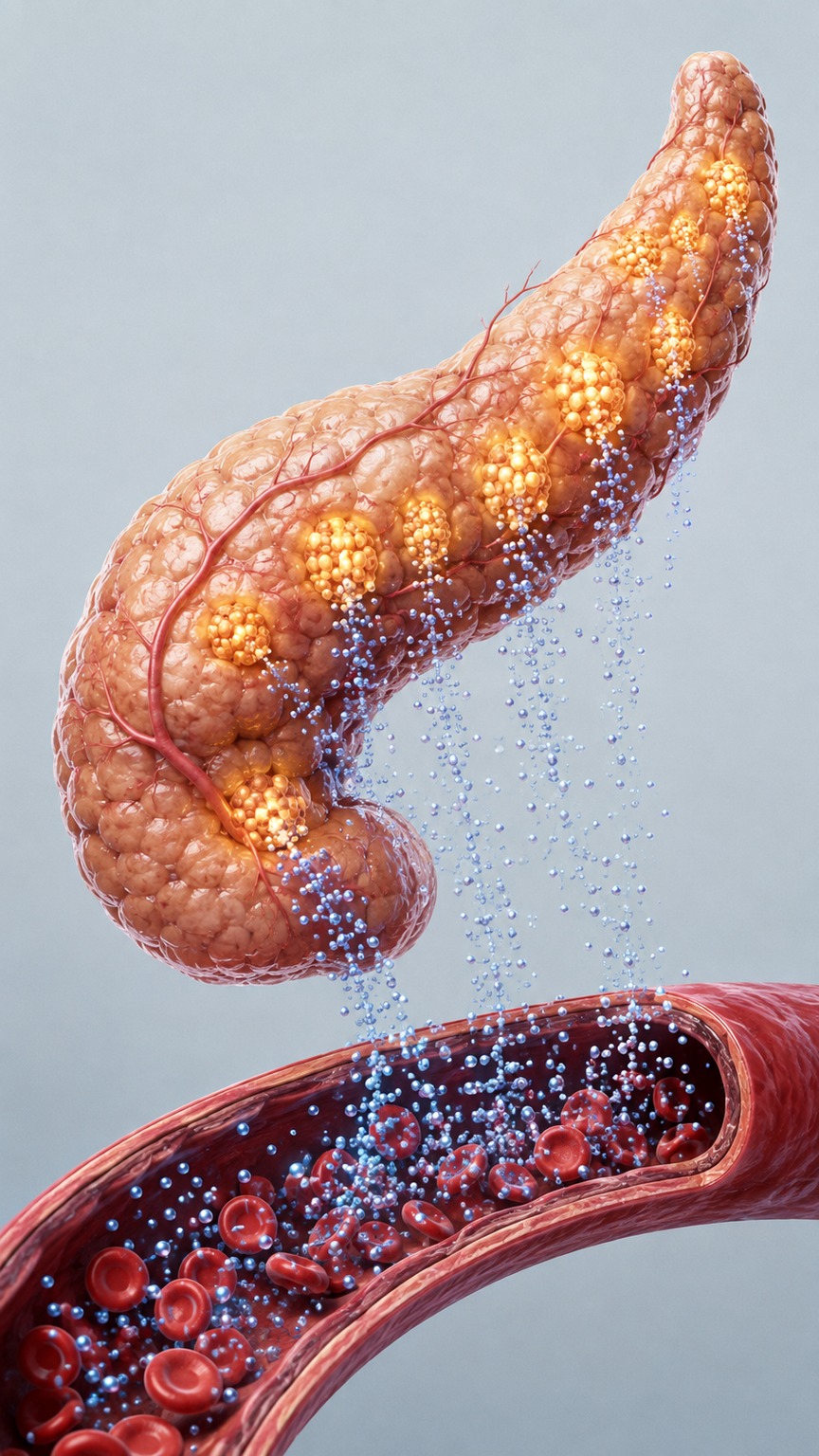
Figure 2. As cells become resistant to insulin's signal, the pancreas compensates by secreting progressively larger amounts to keep blood glucose in range.
This compensatory over-production is exactly what chronic hyperinsulinemia is: not necessarily high blood sugar, but a pancreas working overtime, flooding the bloodstream with insulin around the clock just to hold glucose steady. And because that flood of insulin is constantly telling fat cells to store and never release, the fat-storage signal described earlier isn't an occasional nudge — it becomes the default, near-permanent instruction your body is operating under, all day, every day, whether or not you've just eaten. Over months and years, this steady-state instruction is what tips the scale toward slow, stubborn, difficult-to-reverse weight gain, concentrated disproportionately around the abdomen.
What makes this especially frustrating for the person living it is that the cycle feeds itself. More insulin resistance means the pancreas has to produce more insulin. More circulating insulin means more fat storage and more suppression of fat burning. More stored fat — particularly around the abdomen — actually worsens insulin resistance further, because visceral fat (the fat packed around internal organs, as opposed to the fat just under the skin) is metabolically active tissue that releases inflammatory signals and fatty acids that interfere with insulin's ability to work properly elsewhere in the body. It becomes a genuine feedback loop, which is part of why "just eat less and move more" advice, while not wrong in principle, often fails to produce results for someone stuck in this particular loop until the insulin resistance driving it is specifically identified and addressed.
It's also worth being clear that insulin resistance isn't a single, uniform condition that shows up the same way in everyone — genetics play a substantial role in how quickly and how severely it develops. Some people can carry significant excess weight for decades with relatively preserved insulin sensitivity, while others develop meaningful insulin resistance at a much lower body weight, often tied to family history of type 2 diabetes, certain ethnic backgrounds with well-documented higher genetic susceptibility, or a pattern of fat distribution that favors the abdomen even at a lean overall weight. Chronic psychological stress compounds this further, since the stress hormone cortisol independently raises blood glucose and can worsen insulin resistance over time, meaning two people eating identical diets can end up with very different insulin trajectories depending on their stress load, sleep, genetics, and activity level. None of this is meant to place blame on any single factor — it's meant to explain why the same dietary advice can produce such different results from one person to the next, and why "high insulin" is best understood as the product of several compounding inputs rather than one isolated cause.
Why Insulin Also Makes You Hungrier: The Leptin Connection
One of the most under-discussed parts of this whole picture is that high insulin doesn't just change how the body stores fat — it can also change how hungry you feel, which makes sticking to any weight-management plan considerably harder from a purely biological standpoint, not a willpower one. Fat cells produce a separate hormone called leptin, whose job is essentially to tell the brain "enough energy is stored, you can stop feeling hungry." In a person with healthy insulin and leptin signaling, rising fat stores lead to rising leptin, which suppresses appetite — a sensible feedback system. But chronically high insulin appears to interfere with the brain's ability to properly hear leptin's signal, a phenomenon researchers call leptin resistance. The result is a strange and counterintuitive situation: a person can have plenty of stored fat, and therefore plenty of leptin circulating, while their brain behaves as though it's being told the opposite — that energy stores are low and more food is urgently needed.
This matters enormously in daily life, because it means the hunger and cravings someone with high insulin experiences are not a character flaw or a lack of discipline — they are a hormonal signal misfiring in a very specific, well-documented way. It also helps explain a pattern many people recognize personally: a carbohydrate-heavy meal that produces a sharp insulin spike is often followed, a few hours later, by an intense energy crash and a strong craving for another quick source of sugar or refined carbohydrate. That crash is frequently the tail end of the insulin spike pulling blood glucose down quickly (sometimes called reactive or postprandial hypoglycemia), and the craving that follows is the brain, still not hearing leptin's "stop" signal clearly, pushing hard for another rapid glucose source. Breaking this specific cycle — the spike, the crash, the craving, the next spike — is one of the more practical, immediate reasons addressing insulin directly tends to make day-to-day eating feel easier, rather than requiring more willpower to fight through the same hormonal current.
This is also why so many people report that their appetite genuinely changes, sometimes within just a couple of weeks, once they reduce refined carbohydrate intake or otherwise start lowering their insulin levels — not because they're exercising more willpower, but because the underlying hormonal noise driving those cravings has quieted down. Recognizing this distinction matters clinically: a person who has spent years being told to simply "eat less" for a hunger signal that was, in a very real sense, being amplified by their own biology deserves to understand that the hunger itself was a legitimate physiological signal, not a personal failing, and that it can change substantially once the insulin driving it is brought back into a healthier range.
The Belly Fat Connection: Why This Weight Gain Concentrates Around the Middle
One of the more specific and clinically consistent patterns associated with high insulin is that the resulting weight gain doesn't distribute evenly across the body — it tends to accumulate preferentially as visceral fat, the fat that surrounds organs like the liver, stomach, and intestines deep in the abdominal cavity, rather than as fat just beneath the skin on the arms, hips, or thighs. Visceral fat cells appear to be especially responsive to insulin's fat-storage signal, and the abdominal region also has a rich blood supply that puts it in close, constant contact with whatever insulin level is circulating at any given moment. This is a large part of why high insulin and insulin resistance are so strongly associated with an expanding waistline specifically, even in people whose overall body weight hasn't changed dramatically — the fat is being redistributed toward the abdomen, not just added on top of what was already there. Clinically, this pattern matters beyond appearance: visceral fat is more metabolically active and more strongly linked to cardiovascular risk than fat stored elsewhere, which is one reason waist circumference is sometimes tracked by clinicians as a more informative number than body weight alone when insulin resistance is suspected. Cortisol, the stress hormone mentioned earlier, adds another layer here: abdominal fat cells have a particularly high density of cortisol receptors compared to fat elsewhere in the body, so periods of chronic stress tend to direct even more fat specifically toward the visceral compartment, compounding whatever redistribution insulin is already driving. This is part of why waist size can climb noticeably during a stressful stretch of life even when body weight itself barely moves.
Hidden Contributors: PCOS, Certain Medications, and Sleep
Chronic high insulin isn't always simply a matter of diet and activity level — several specific, well-documented conditions and circumstances can drive it independently, and recognizing them matters because the weight gain that follows can otherwise seem to appear "for no reason." Polycystic ovary syndrome (PCOS), one of the most common hormonal conditions affecting women of reproductive age, is very frequently accompanied by significant insulin resistance as a core feature of the condition itself, not a side effect of it — up to 70% of women with PCOS have measurable insulin resistance, and the resulting high insulin levels are thought to directly worsen other PCOS symptoms, including excess androgen production, irregular cycles, and weight gain that concentrates around the abdomen in the same visceral pattern described above. In PCOS specifically, the relationship runs in both directions: high insulin stimulates the ovaries to produce more testosterone than they otherwise would, and that excess androgen, in turn, appears to worsen insulin resistance further, which is why treating the insulin side of PCOS (through diet, activity, or medication) often improves cycle regularity and androgen-related symptoms as well, not just weight.
Certain medications are also well-known contributors, and it's worth naming them specifically because the connection is so easy to miss when a new symptom appears unrelated to a medication started months earlier. Second-generation antipsychotics such as olanzapine and clozapine carry some of the strongest documented associations with weight gain and insulin resistance of any medication class. Corticosteroids like prednisone, commonly prescribed for autoimmune conditions, asthma flares, or inflammation, raise blood glucose and insulin directly as a known pharmacological effect, and the impact tends to scale with both dose and duration of use. Some medications for mood disorders and certain anti-seizure medications carry a similar, if generally smaller, effect. None of this means these medications should be stopped without medical guidance — many treat conditions where the medication's benefit clearly outweighs this particular side effect — but it does mean the connection is worth raising directly with the prescribing provider rather than assuming unexplained weight gain must be behavioral.
Poor sleep quality and short sleep duration are another significant, often-overlooked driver — even a few consecutive nights of inadequate sleep have been shown in controlled studies to measurably reduce insulin sensitivity in otherwise healthy people, which is one reason sleep is increasingly treated as a legitimate, evidence-based lever in managing insulin resistance rather than a wellness afterthought. Sleep apnea deserves particular mention here, since the repeated overnight drops in blood oxygen it causes have been independently linked to worsened insulin resistance, and it's a condition that itself becomes more likely as abdominal weight increases — creating yet another feedback loop layered on top of the ones already described.

Figure 3. Even short-term sleep restriction has been shown to measurably reduce insulin sensitivity, independent of diet.
These hidden contributors matter clinically because they change what "fixing" the problem actually looks like. A person with PCOS-driven insulin resistance may need a fundamentally different treatment conversation than someone whose insulin resistance is primarily diet-related, and someone whose insulin levels are being pushed up by a medication they take for an unrelated condition needs that connection made explicit by their prescribing doctor, not guessed at on their own. This is one of the clearest reasons unexplained weight gain, especially around the abdomen, is worth bringing to a healthcare provider as a specific, named concern — "I think my insulin might be involved" — rather than assuming it's simply a matter of willpower.
Why the Scale Won't Move Even With "Doing Everything Right"
This is often the most emotionally difficult part of the whole picture, and it's worth naming directly: a person can genuinely eat a reasonable diet, exercise consistently, and still see very little movement on the scale if their underlying insulin levels remain high, because the body is, at a hormonal level, actively working against the calorie deficit they're creating. Every time insulin rises after a meal — a normal and necessary response — it's not just moving glucose into cells; in someone with elevated baseline insulin, that same rise is also more strongly suppressing fat breakdown and more strongly promoting fat storage than it would in someone with normal insulin sensitivity. Between meals, when fat-burning should have its best opportunity to happen, insulin in an insulin-resistant person often doesn't fall as low or as quickly as it should, meaning that "fat-burning window" between meals is shorter and less effective than it looks on paper. The net result is a body that's biochemically tilted toward storage for more hours of the day than a metabolically healthy person's body would be — which is precisely why the same diet and the same workout routine can produce very different results in two different people, depending on what their insulin is doing in the background the whole time.
This also explains a pattern many people describe with real frustration: initial weight loss that comes reasonably easily, followed by a stall that seems to defy further effort. Early weight loss often comes disproportionately from water and glycogen (the stored form of glucose in muscle and liver, which holds onto water as part of its structure), which can shift quickly with almost any change in diet. Losing the next layer — actual stored fat, particularly stubborn visceral fat — requires the fat-storage/fat-release balance described earlier to genuinely tip in the other direction, and if baseline insulin is still elevated, that balance simply may not tip far enough, no matter how disciplined the calorie counting is. This is exactly why some people describe feeling like their body is "protecting" a certain amount of stored fat — in a very real physiological sense, elevated insulin is doing precisely that, and until it comes down, the body has a genuine hormonal reason to resist further fat loss, not merely a psychological one.
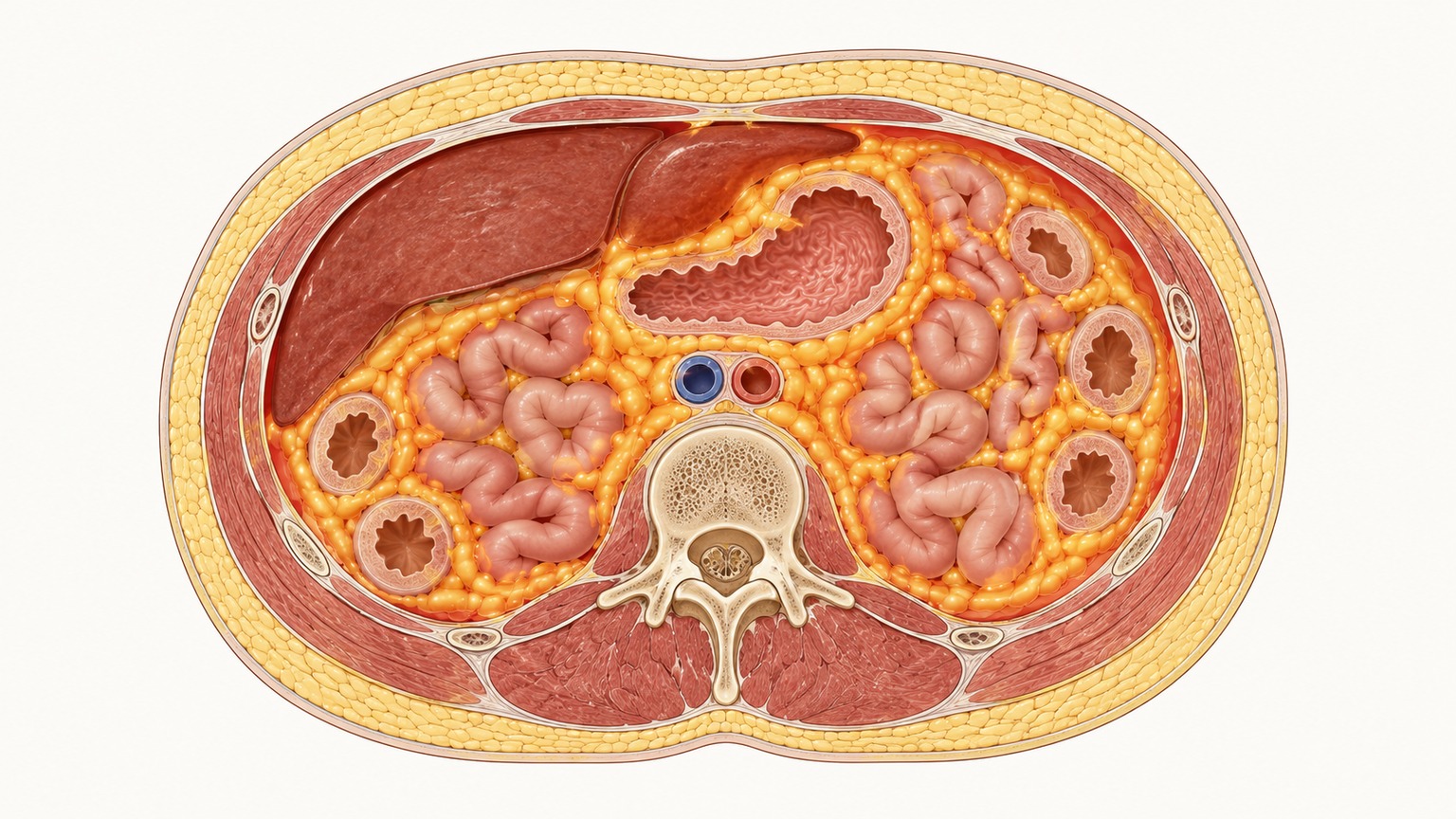
Figure 4. Visceral fat, packed around the abdominal organs, is more metabolically active and more insulin-responsive than fat stored just beneath the skin.
How This Is Different From Type 2 Diabetes
It's worth drawing a clear line between chronic hyperinsulinemia and type 2 diabetes, because the two are closely related but not the same thing, and confusing them can lead to a false sense of reassurance. Type 2 diabetes is diagnosed based on blood glucose (via fasting glucose or hemoglobin A1c) crossing specific, defined thresholds — it represents the point at which the pancreas can no longer produce enough insulin to fully compensate for insulin resistance, and glucose finally starts climbing into clearly abnormal territory. Chronic high insulin, by contrast, is very often the years-to-decades-long phase that comes before that point, when the pancreas is still successfully compensating and glucose numbers still look normal. This means a person can be told, accurately, that they "don't have diabetes" and take real comfort in that fact, while still having significant insulin resistance driving weight gain and quietly increasing their future diabetes risk in the background. Some clinicians and researchers describe this earlier phase as being on the "insulin resistance spectrum," and increasingly argue that catching and addressing it here — before glucose itself becomes abnormal — offers a meaningfully better window for reversing the underlying problem than waiting until a diabetes diagnosis forces the issue.
How Doctors Actually Test for This
Because standard checkups so often stop at fasting glucose or hemoglobin A1c — both of which can look perfectly normal for years while insulin quietly climbs to compensate — identifying high insulin as a specific driver of weight gain usually requires asking for the right test by name. A fasting insulin test measures the actual amount of insulin circulating in the blood after roughly eight hours without food, and it's one of the most direct ways to catch hyperinsulinemia before glucose numbers have started to drift. Many clinicians pair this with fasting glucose to calculate a value called HOMA-IR (Homeostatic Model Assessment of Insulin Resistance), a simple formula that estimates how hard the pancreas is working relative to the blood sugar it's managing — a higher HOMA-IR score points toward more significant insulin resistance, even when both individual numbers look unremarkable on their own. Some providers also use an oral glucose tolerance test with insulin levels drawn at multiple time points, which can reveal a pattern of insulin staying elevated for much longer than expected after a meal. None of these tests are exotic or hard to obtain — they're standard labs available through most primary care providers — but they're simply not part of a routine annual panel by default, which means a person usually has to specifically ask.
To make the HOMA-IR calculation concrete: the formula is fasting insulin (in microunits per milliliter) multiplied by fasting glucose (in milligrams per deciliter), divided by 405. A commonly used rough guide considers a HOMA-IR below 1.0 to reflect good insulin sensitivity, with scores climbing above roughly 2.0 to 2.5 generally interpreted as suggestive of insulin resistance, though exact cutoffs vary between labs and research studies, and the number is best interpreted by a clinician alongside the rest of the clinical picture rather than compared against a single hard rule. Fasting insulin reference ranges themselves also vary by laboratory, but many commonly cite roughly 2 to 20 microunits per milliliter as a standard "normal" range — the important nuance, echoed from the discussion above, is that a result of 16 or 18 might still be flagged as technically normal on a report while sitting meaningfully higher than what's considered optimal for long-term metabolic health, which is exactly the kind of gap a knowledgeable clinician can help interpret in context.
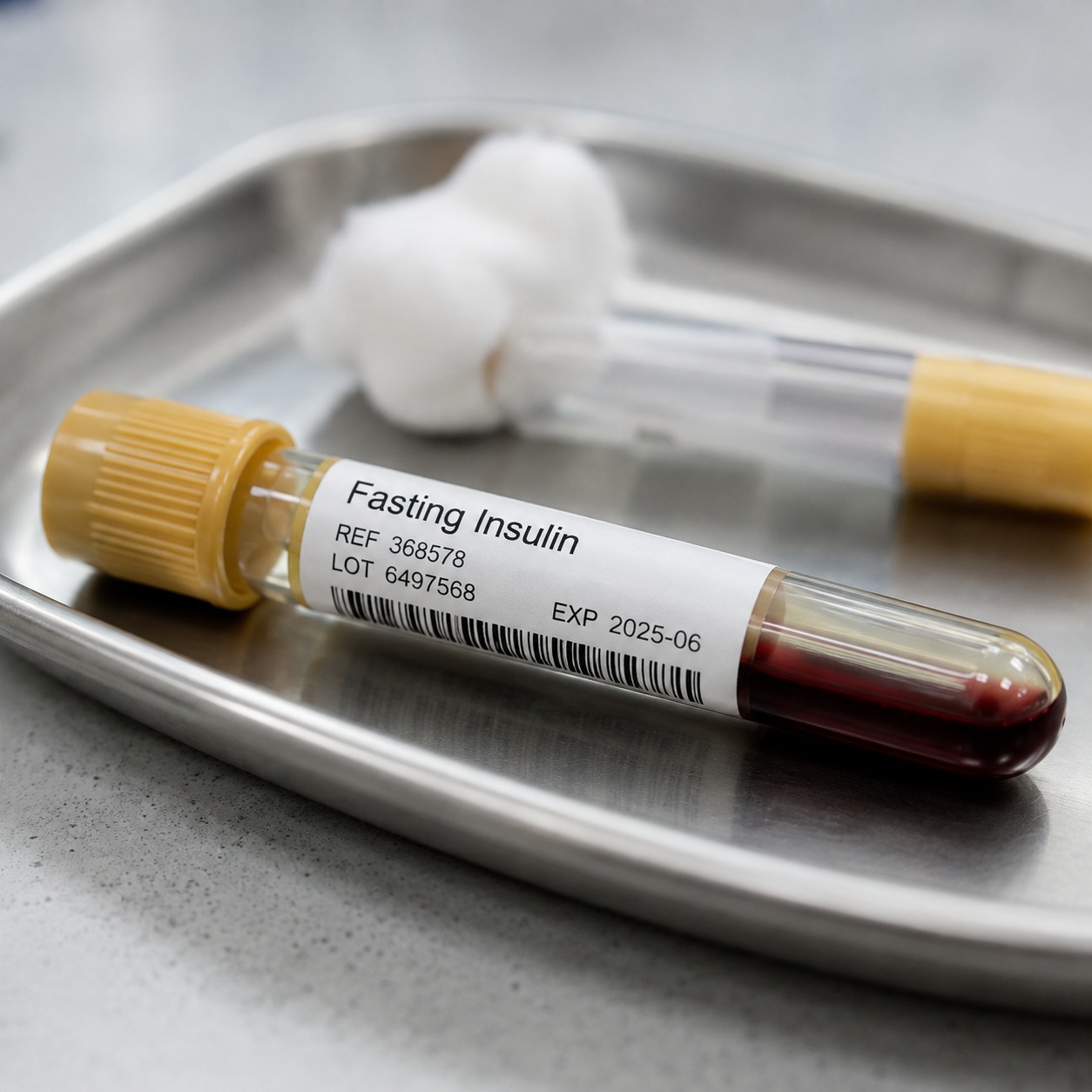
Figure 5. A fasting insulin blood draw, paired with fasting glucose, allows a HOMA-IR score to be calculated as an estimate of insulin resistance.
Reference ranges for fasting insulin can vary somewhat between labs, but a fasting insulin level that sits in the upper portion of a lab's "normal" range — while not flagged as abnormal on the report itself — can still represent meaningful, early insulin resistance that's worth discussing with a provider, particularly if it's paired with a rising waist circumference, difficulty losing weight despite consistent effort, or a family history of type 2 diabetes. This is one of the more common gaps between what a lab report technically flags and what's actually clinically relevant, and it's exactly the kind of nuance worth reviewing with a professional rather than reading in isolation.
It's reasonable to ask a provider about fasting insulin and HOMA-IR specifically if any of the following apply: a strong family history of type 2 diabetes, a personal or family history of PCOS, a waistline that has grown noticeably even without significant overall weight change, skin changes such as dark, velvety patches at the neck or armpits (a sign called acanthosis nigricans that's specifically associated with high insulin), persistent afternoon energy crashes and carbohydrate cravings, or simply a pattern of struggling to lose weight despite consistent, reasonable effort at diet and exercise. None of these signs alone confirms high insulin, and only a lab result can do that — but they're useful, concrete reasons to bring the conversation to a provider rather than wondering privately whether something metabolic might be at play.
What Actually Helps Break the Cycle
The encouraging part of this picture is that insulin resistance and chronically high insulin are, for the large majority of people, genuinely modifiable — this isn't a permanent, fixed state. Reducing intake of refined carbohydrates and added sugars lowers the frequency and size of the insulin spikes the pancreas has to respond to throughout the day, giving cells more opportunity to become resensitized to insulin's signal over time. This doesn't necessarily mean eliminating carbohydrates altogether; many clinicians focus first on swapping refined, rapidly digested sources — white bread, sugary drinks, highly processed snacks — for slower-digesting sources like vegetables, legumes, and whole grains, and on pairing carbohydrates with protein, fat, or fiber, which blunts how sharply blood glucose (and therefore insulin) rises after eating.
Resistance training and regular movement both increase how efficiently muscle tissue takes up glucose, which directly reduces how much insulin the pancreas needs to secrete to do the same job — muscle is, in a very literal sense, one of the body's best tools for lowering circulating insulin. Interestingly, a single session of resistance or aerobic exercise measurably improves insulin sensitivity for roughly 24 to 48 hours afterward, independent of any change in body weight, which is part of why consistent, frequent movement tends to matter more for this specific problem than occasional intense workouts. Prioritizing consistent, adequate sleep addresses one of the hidden contributors described earlier directly, and for people who suspect sleep apnea specifically, evaluating and treating it can meaningfully improve insulin sensitivity independent of any other change. Some people also find that spacing meals further apart, or adopting a structured approach like time-restricted eating, gives insulin more sustained low periods between meals in which fat-burning has a genuine opportunity to occur — though this approach isn't necessary or appropriate for everyone, and is worth discussing with a provider rather than adopting purely from general wellness advice.
On the medical side, for some people — particularly those with PCOS or more advanced insulin resistance — a healthcare provider may recommend medication such as metformin, which improves how the body responds to its own insulin rather than adding more of it, lowering the amount the pancreas needs to secrete. More recently, GLP-1 receptor agonists, a newer class of medication originally developed for type 2 diabetes, have also been shown to meaningfully improve insulin sensitivity and support weight loss in appropriate candidates, and are increasingly part of the conversation for people whose insulin resistance and weight gain haven't responded sufficiently to lifestyle changes alone. None of these interventions work as an overnight fix, and the timeline for improvement varies significantly from person to person — but because the underlying biology is well understood and consistently reproducible, this is a genuinely addressable problem, not a life sentence.
Frequently Asked Questions
Can you have high insulin with completely normal blood sugar?
Yes, and it's actually a very common early pattern. The pancreas can compensate for developing insulin resistance by producing significantly more insulin, which keeps glucose in the normal range for years even as insulin itself climbs. This is exactly why a fasting insulin test can catch a problem that a standard glucose or A1c test would miss entirely.
Does high insulin cause weight gain, or does weight gain cause high insulin?
Both directions are real, and that's part of why the cycle is so hard to break. Excess weight, especially visceral fat, worsens insulin resistance and pushes insulin higher; in turn, high insulin promotes further fat storage and suppresses fat burning. It's a genuine feedback loop rather than a simple one-way cause and effect.
Is losing weight the only way to lower high insulin?
No. Reducing refined carbohydrate and sugar intake, building muscle through resistance training, improving sleep, and managing stress can all lower insulin levels independently, and in many cases these changes are what make meaningful weight loss possible in the first place, rather than being a result of it.
Can high insulin cause weight gain even without eating much sugar?
Yes. While refined carbohydrates and added sugar are common triggers, insulin resistance driven by genetics, PCOS, certain medications, poor sleep, or chronic stress can raise baseline insulin levels independent of sugar intake. Someone eating a relatively modest diet can still have elevated insulin if one or more of these other drivers is present.
How long does it take to lower insulin levels once you start addressing it?
Some improvement in insulin sensitivity can begin within days to weeks of consistent changes — a single bout of exercise improves it for roughly a day or two on its own — but meaningfully lowering baseline fasting insulin and reversing established insulin resistance typically takes several months of sustained effort, and sometimes longer for people with more advanced resistance or underlying conditions like PCOS.
Conclusion
High insulin and weight gain are connected through a specific, well-documented biological mechanism, not a vague association: elevated insulin simultaneously switches on fat storage and switches off fat burning at the level of the fat cell itself, and when insulin stays elevated for years due to insulin resistance, that instruction becomes the body's default state rather than an occasional one. This is why weight gain tied to high insulin often concentrates around the abdomen, why it can persist despite genuinely consistent diet and exercise effort, why it can come with hunger and cravings that feel disproportionate to actual energy needs, and why identifying it usually requires asking for a specific test — fasting insulin, paired with HOMA-IR — rather than relying on a standard glucose panel alone. It's also worth remembering that this pattern often develops years before glucose itself ever becomes abnormal, which means normal glucose results shouldn't be read as automatic reassurance that insulin isn't part of the picture. The good news is that this is a well-understood and modifiable process: the same behaviors that lower circulating insulin, from resistance training to better sleep to reduced refined-carbohydrate intake to, when appropriate, targeted medication, are within most people's reach, and identifying the pattern early gives both patients and their doctors a real, specific target to work with instead of a frustrating mystery.
Still Not Sure What Your Results Mean?
Upload your labs and get a complete, visual, plain-language interpretation of every biomarker — delivered to your inbox in under 15 minutes.
Get My ReportThis article is for educational purposes only and does not constitute medical advice. Always consult your healthcare provider regarding your specific lab results.