
Alcohol and Sugar Intake Can Silently Raise Triglycerides
If your triglyceride number came back higher than expected and you don't eat a lot of fatty food, the culprit might not be fat at all — it might be your last glass of wine or the soda you had with lunch. Triglycerides are a type of fat your body carries in the blood, and while most people assume they only come from eating fat, your liver is fully capable of manufacturing them out of alcohol and sugar too. In fact, for a lot of people, that's exactly where the problem is coming from. Alcohol and added sugar both get processed through the same organ — your liver — and both can push it into overproducing fat particles that end up circulating in your bloodstream as triglycerides. This happens quietly, with no pain, no obvious symptom, and often no change in body weight, which is exactly why it tends to surprise people when it shows up on a lab report. Someone who exercises regularly, maintains a stable weight, and considers their diet reasonably healthy can still open a lab portal and see a triglyceride number sitting well above where they expected — and the explanation, more often than most people realize, traces back to what they drink rather than what they eat. This article walks through exactly how that happens at the level of your liver's own chemistry, what the numbers on your triglyceride test actually mean once you have them in hand, and what you can realistically do about it without upending your entire life.
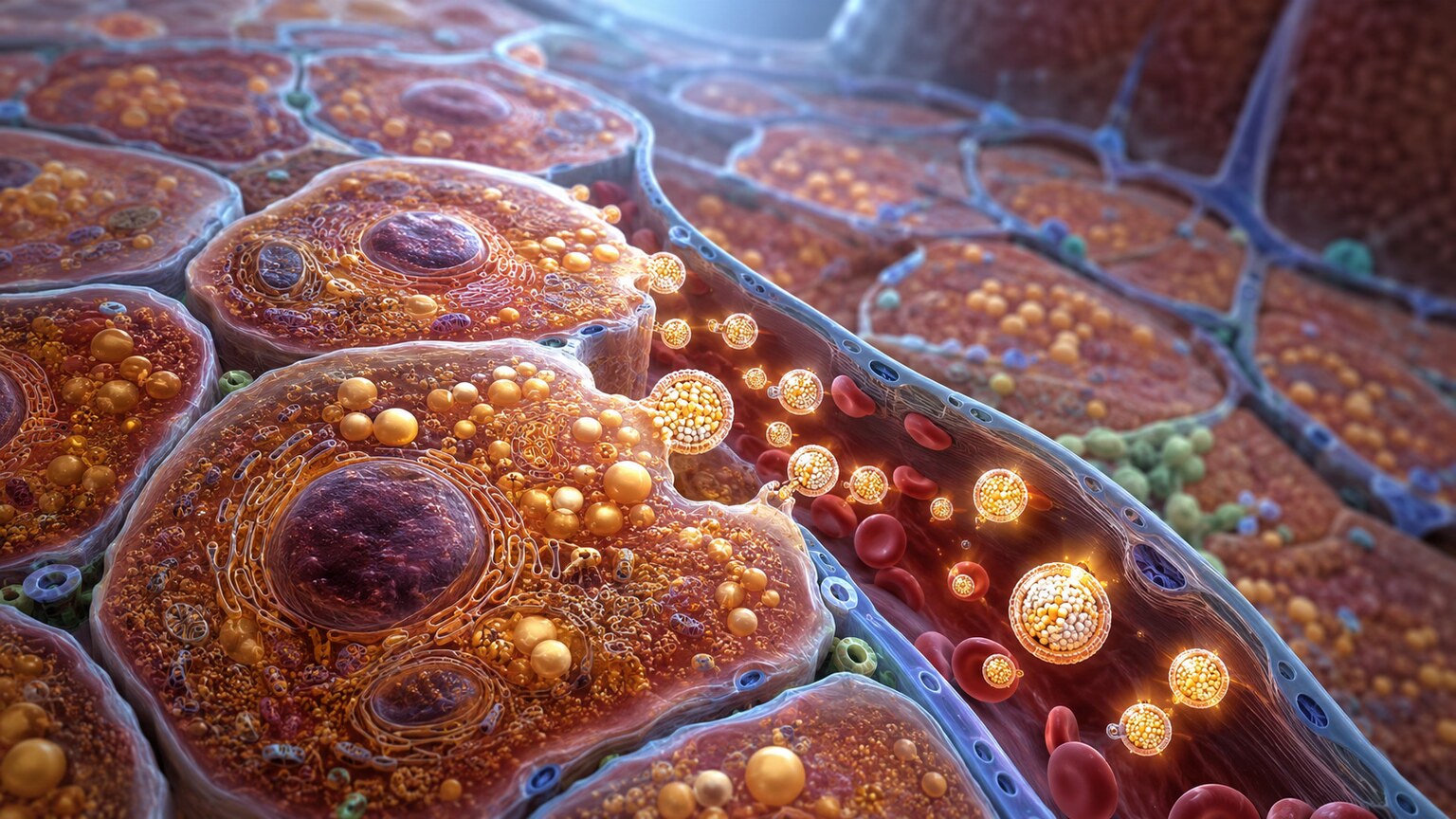
Figure 1. The liver packages newly made triglycerides into VLDL particles and releases them directly into the bloodstream.
What Triglycerides Actually Are — and Why Your Liver Makes Them
Before getting into alcohol and sugar specifically, it helps to understand what a triglyceride actually is, because most people have heard the word for years without ever getting a plain explanation. A triglyceride is simply a storage form of fat — three fatty acid chains (that's the "tri" part) attached to a small backbone molecule called glycerol. Think of it like a shipping pallet: your body doesn't move loose fatty acids around individually if it can help it, because that's inefficient. Instead, it bundles them onto a glycerol pallet, three at a time, and ships them off as a single compact package. That package is a triglyceride, and it's the main form in which your body both stores energy in fat tissue and transports fat through the bloodstream.
Every cell in your body needs energy, and fat is an extremely dense energy source — gram for gram, it holds more than double the usable energy of sugar or protein. Your body treats fat almost like a savings account it can draw from between meals, overnight, or during exercise. Triglycerides are how that "savings" gets both deposited into fat cells and withdrawn back out when needed. The problem isn't that your body makes triglycerides — it's supposed to. The problem is when it makes far more than it needs, faster than it can clear them out of circulation, which is what chronic high alcohol or sugar intake can trigger.
Here's the detail that surprises most people: your liver doesn't need to eat fat to make triglycerides. It has a built-in manufacturing pathway called de novo lipogenesis — a Latin-rooted phrase that literally means "new fat creation from scratch." Through this pathway, the liver can take carbon building blocks from carbohydrates or from alcohol and stitch them together into brand-new fatty acid chains, which then get packaged into triglycerides just like fat from food would. This is the biological bridge that connects a food group most people don't think of as "fatty" — sugar and alcohol — to a lab number that everyone assumes is about dietary fat.
It also helps to understand where triglycerides fit relative to the other numbers on a standard cholesterol panel, since the terms tend to blur together for most readers. Cholesterol and triglycerides are both types of fat-related molecules, but they serve different jobs and travel through the blood in different kinds of carrier particles. LDL, commonly called "bad cholesterol," and HDL, the "good cholesterol," are named for the density of the particle carrying them — low-density and high-density, respectively — and their main cargo is cholesterol itself, a building-block molecule used to make cell membranes and hormones. Triglycerides, by contrast, travel primarily inside VLDL particles, whose main job is fuel delivery rather than structural building material. The two systems aren't separate, though — as you'll see further down, VLDL particles actually convert into LDL particles once they've delivered much of their triglyceride cargo, which is one reason a triglyceride problem rarely stays isolated from the rest of your lipid panel for very long.
How Alcohol Gets Converted Into Fat Inside Your Liver
Figure 2. Alcohol and added sugar are metabolized through overlapping liver pathways that both favor triglyceride production.
When you drink alcohol, your liver treats it as a priority problem to solve — alcohol is mildly toxic, and your body wants it broken down and cleared out before it deals with much else. An enzyme called alcohol dehydrogenase converts alcohol (ethanol) into a compound called acetaldehyde, which is then converted again into acetate. This sequence sounds technical, but the important part is simpler: this whole process floods your liver cells with an abundance of a molecule called NADH, which is essentially a chemical signal that tells the cell "we have plenty of energy-building material available right now." That signal happens to be exactly the same one that switches on the machinery for building new fatty acids.
At the same time, processing alcohol also slows down a separate pathway your liver normally uses to burn fat for fuel, called fatty acid oxidation. So you end up with a kind of double effect: alcohol tells the liver to build more fat while simultaneously telling it to burn less of the fat it already has. The net result is that liver cells start accumulating fat droplets internally, and to avoid getting overloaded, they package that fat up as triglycerides riding inside particles called VLDL — short for "very low-density lipoprotein" — and export them straight into your bloodstream. VLDL particles are essentially delivery trucks: their entire job is to carry triglycerides from the liver out to fat tissue and muscle for storage or use. The more your liver is nudged toward fat production by alcohol, the more VLDL trucks it sends out, and the higher your blood triglyceride level climbs as a direct, measurable consequence.
This isn't a rare, worst-case reaction — it's a normal, dose-related response that happens in essentially everyone who drinks, scaled to how much and how often. A single evening of heavier drinking can raise triglycerides measurably the next morning. Regular, moderate drinking sustained over months can shift your baseline triglyceride level upward even if nothing else about your diet or weight has changed. And in people who already run on the higher side, alcohol can act almost like pouring fuel on a fire — sometimes producing triglyceride spikes into the thousands, a range associated with a real risk of pancreatitis, which is a genuinely dangerous inflammation of the pancreas.
It's worth being clear about what "moderate" drinking means in this context, since the triglyceride effect scales with dose in a fairly predictable way. Public health guidelines generally define moderate drinking as up to one standard drink per day for women and up to two for men, where a standard drink is roughly 12 ounces of regular beer, 5 ounces of wine, or 1.5 ounces of distilled spirits. Staying within that range doesn't eliminate the triglyceride-raising effect of alcohol, but it substantially limits how large the swing tends to be compared to heavier or binge-pattern drinking, where several drinks are consumed in a short window. Binge drinking in particular appears to provoke a disproportionately large triglyceride response relative to the same total amount of alcohol spread across a longer period, which is part of why someone who drinks the same weekly total but concentrates it into one or two heavy nights may see a larger effect on their lab result than someone who spreads a similar amount more evenly, even though the weekly total looks identical on paper.
How Sugar — Especially Fructose — Becomes Triglycerides
Sugar takes a different route to the same destination. When you eat carbohydrates, especially refined sugar, your digestive system breaks them down into simple sugar molecules — mainly glucose and fructose — that get absorbed into your bloodstream. Glucose is used relatively efficiently throughout the body: muscles, the brain, and other tissues can pull it straight out of circulation and burn it for immediate energy. Fructose is different. Nearly all of the fructose you eat gets funneled specifically to the liver, because unlike glucose, most other tissues in the body aren't well equipped to use it directly.
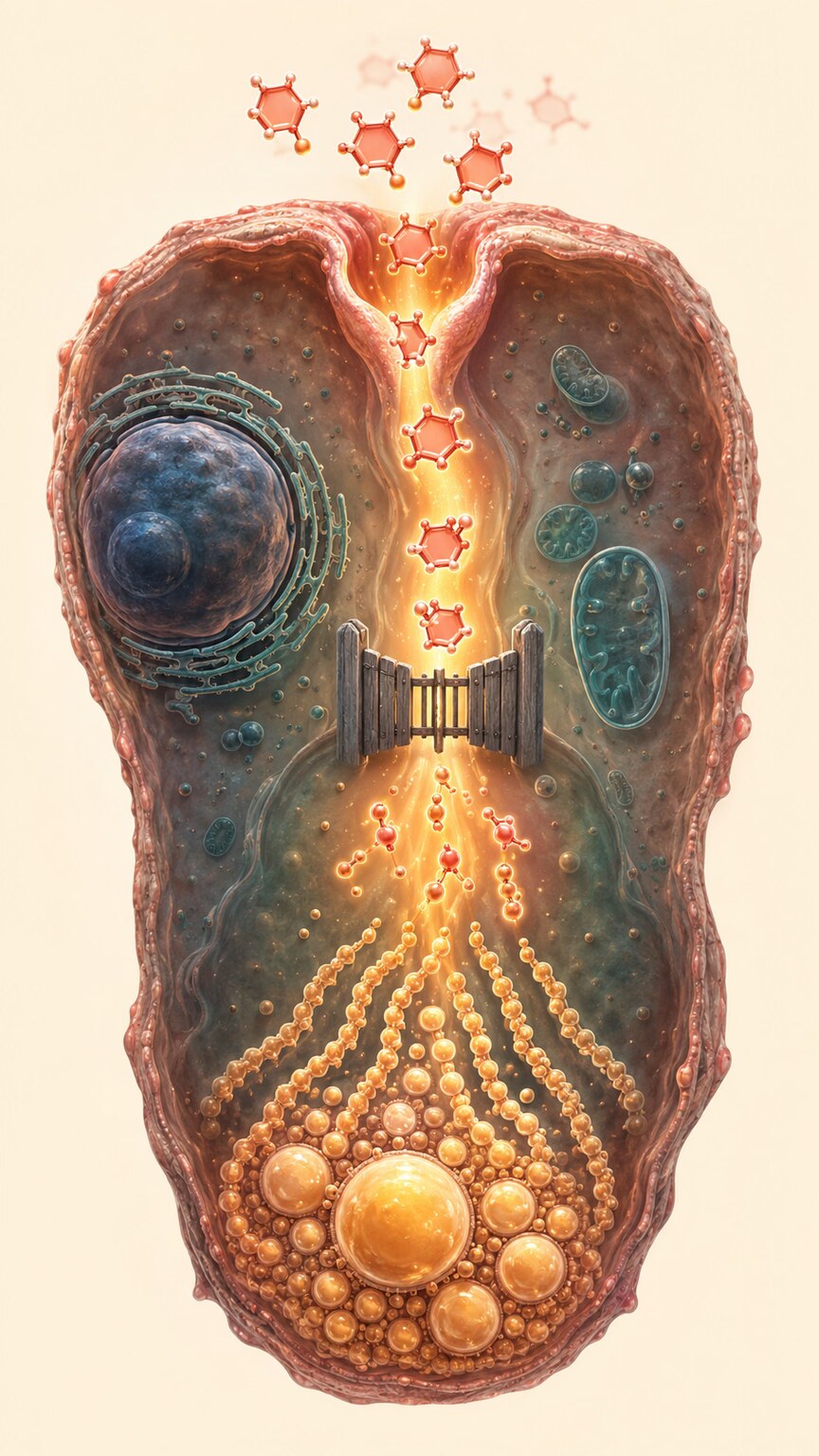
Figure 3. Inside the liver, fructose is rapidly converted into fatty acid building blocks through the de novo lipogenesis pathway.
Here's the piece that matters most: fructose enters liver metabolism at a point that essentially bypasses the normal "off switch" that regulates how much new fat the liver builds. Glucose metabolism is tightly controlled by a checkpoint enzyme that slows things down once the cell has enough energy on board. Fructose metabolism skips right past that checkpoint. Practically speaking, this means the liver has almost no built-in brake on how much fructose it converts into new fatty acids — the more fructose that arrives, the more raw material gets funneled directly into fat-building machinery, with very little regulation standing in the way.
This matters enormously in the context of the modern diet, because fructose isn't just in fruit — where it comes bundled with fiber and water that slow absorption — it's the dominant sugar in high-fructose corn syrup, table sugar (which is half fructose, half glucose), and sweetened beverages of every kind: soda, sweetened iced tea, energy drinks, flavored coffee drinks, and fruit juice concentrates. A single 20-ounce soda can deliver well over 30 grams of sugar, roughly half of it fructose, arriving in the liver all at once in a form with no fiber to slow it down. Research tracking people who significantly increase their intake of sugar-sweetened beverages has consistently found triglyceride increases within just weeks, independent of whether total calorie intake or body weight changed at all. This is part of why some people who "eat clean" in terms of avoiding dietary fat, but drink sugary beverages regularly, are still surprised by elevated triglyceride results — the fat isn't coming from their fork, it's being built from scratch by their liver out of the sugar in their cup.
Why Triglycerides Spike After You Eat — and Why That Matters
Triglycerides aren't a flat, unchanging number throughout the day — they rise and fall dramatically depending on when you last ate, which is exactly why a fasting triglyceride test exists in the first place. After any meal, especially one containing fat, sugar, or alcohol, your triglyceride level climbs as your intestines and liver both push newly absorbed and newly manufactured fat particles into the bloodstream. This normal rise-and-fall pattern is called postprandial lipemia — "postprandial" simply means "after a meal," and "lipemia" refers to fat circulating visibly in the blood. In a healthy metabolism, this post-meal rise peaks a few hours after eating and then clears back down to baseline as tissues absorb the fat and enzymes break the triglyceride particles apart.
The trouble starts when this rise-and-clear cycle doesn't fully reset before the next meal arrives — which is common with the modern pattern of frequent snacking, sugary drinks throughout the day, and regular alcohol in the evening. Each new wave of triglycerides stacks on top of a baseline that hasn't fully come back down, so the average level circulating in your blood over the course of a day and week trends upward over time. This is also exactly why your triglyceride test result is so sensitive to what you ate and drank in roughly the 24 hours beforehand — a single high-fat, high-sugar, or alcohol-containing evening the night before a fasting blood draw can meaningfully distort the number, which is why a 9- to 12-hour fast (water only) is standard practice before this specific test, even though it isn't always required for a full cholesterol panel anymore under updated guidelines.
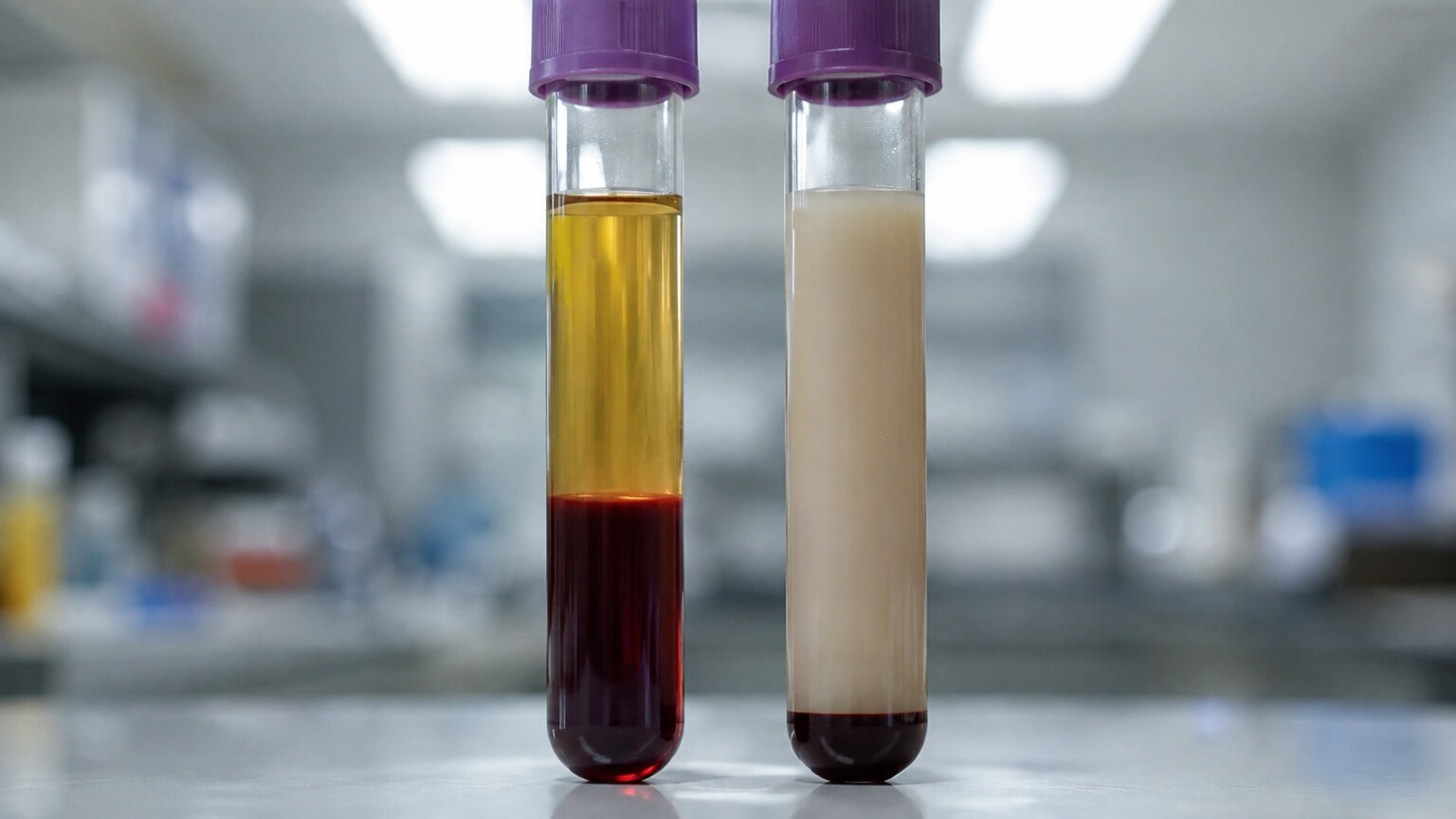
Figure 4. Very high triglyceride levels can make blood plasma visibly cloudy — a condition called lipemia — because of the sheer volume of fat particles suspended in it.
The Insulin Resistance Feedback Loop
Sugar and alcohol don't just raise triglycerides through direct liver overproduction — they also interact with a second mechanism that compounds the effect over time: insulin resistance. Insulin is the hormone your pancreas releases after eating to help move sugar out of the blood and into cells. When cells become "resistant" to insulin's signal — a gradual process driven heavily by chronic excess sugar intake and, separately, by heavy or frequent alcohol use — the pancreas responds by producing even more insulin to try to force the message through. This state of chronically elevated insulin has a specific, well-documented effect on the liver: it further activates the same de novo lipogenesis pathway already being pushed by sugar and alcohol directly, essentially adding a second accelerator pedal to fat production. At the same time, insulin resistance impairs an enzyme called lipoprotein lipase, which is normally responsible for pulling triglycerides out of the VLDL particles and clearing them from the bloodstream into tissue. So the liver is making more triglycerides and the bloodstream is clearing them out more slowly — both problems pointing the same direction. This is precisely why elevated triglycerides are considered one of the earliest and most reliable warning signs of developing insulin resistance, often showing up on a lab report years before a fasting glucose or hemoglobin A1c result becomes abnormal.
Who Tends to Be Most Affected — Genetics, Weight, and Existing Risk
Not everyone who drinks the same amount of alcohol or eats the same amount of sugar ends up with the same triglyceride result, and that variation isn't random — it reflects real differences in underlying biology. Genetics play a measurable role: certain inherited variations affect how efficiently the liver clears triglycerides from the blood and how aggressively it responds to alcohol and fructose in the first place, which is part of why some people can drink moderately for years with only a mild triglyceride bump while others see a much larger swing from what looks like a similar amount of alcohol. Body weight and where that weight is carried matters too — visceral fat, the fat stored around abdominal organs rather than just under the skin, is metabolically active tissue that tends to worsen insulin resistance and further compounds the liver's tendency toward excess fat production, meaning someone carrying more visceral fat may see alcohol and sugar move their triglycerides further than someone without it, even at similar intake levels. People who already have prediabetes, type 2 diabetes, metabolic syndrome, or a family history of high triglycerides are generally more sensitive to both triggers discussed in this article, since their baseline insulin resistance is already pushing the same fat-production pathway in the same direction before alcohol or sugar ever enters the picture. This doesn't mean people without these risk factors are immune — plenty of lean, otherwise healthy people see real triglyceride increases from regular drinking or sugary beverages — but it does explain why two people with seemingly similar habits can walk away from the same lab draw with very different numbers.
Certain medications and health conditions can also shift the picture, sometimes in ways that make alcohol and sugar's contribution harder to isolate on their own. Estrogen-containing birth control and hormone therapy, certain blood pressure medications, corticosteroids, and some medications used for HIV or autoimmune conditions are all known to raise triglycerides independently. An underactive thyroid (hypothyroidism) and poorly controlled diabetes can do the same. None of this cancels out the alcohol and sugar mechanisms described here — those pathways operate the same way regardless of what else is going on — but it's a useful reminder that if your triglycerides are elevated and you don't drink much or eat much added sugar, it's worth discussing the full picture, including medications and other health conditions, with a healthcare provider rather than assuming diet is the only possible explanation.
Curious what the rest of your lipid panel and metabolic markers are really telling you? Upload your results and get a complete, plain-language breakdown in under 15 minutes.
Analyze My ResultsWhy High Triglycerides Matter for Your Heart
Triglycerides don't just sit passively in your bloodstream — elevated levels are independently associated with a higher risk of cardiovascular disease, including heart attack and stroke, even after accounting for cholesterol numbers separately. Part of the reason is that the VLDL particles carrying excess triglycerides don't travel alone through your circulation forever — enzymes gradually strip triglycerides out of them, converting VLDL into smaller, denser remnant particles and eventually into LDL, often called "bad cholesterol." When triglycerides run consistently high, this process tends to favor the production of small, dense LDL particles specifically, which are considered more likely than larger, fluffier LDL particles to work their way into artery walls and contribute to plaque buildup. High triglycerides are also frequently found together with low HDL ("good") cholesterol, a pairing sometimes called an atherogenic lipid profile — "atherogenic" simply meaning "prone to promoting artery plaque." None of this means a single elevated triglyceride reading is an emergency, but a pattern of chronically high levels is a genuine signal worth addressing, not a number to dismiss because you feel fine.
There's also a lesser-known but clinically important connection between triglycerides and fatty liver disease that deserves mention here, since it ties directly back to the same organ doing all the work described throughout this article. When the liver is repeatedly pushed to manufacture more triglycerides than it can export as fast as it makes them, some of that fat accumulates inside liver cells themselves rather than leaving in a VLDL particle. Over time, this buildup can progress into a condition called metabolic dysfunction-associated steatotic liver disease, previously known as non-alcoholic fatty liver disease, and — in people whose fat accumulation is driven mainly by drinking rather than metabolic factors — into alcohol-related fatty liver disease specifically. Both conditions are, in a very real sense, downstream consequences of the exact same overproduction process responsible for elevated blood triglycerides, which is why an elevated triglyceride result is sometimes one of the earliest lab clues that a liver ultrasound or additional liver testing might be worth discussing, even before any liver enzyme numbers on a standard panel become abnormal.
What a Fasting Triglyceride Test Involves — and What the Numbers Mean
A triglyceride measurement is almost always included as part of a standard lipid panel, the same blood draw used to check total cholesterol, LDL, and HDL. It requires nothing more invasive than a routine blood draw from a vein, typically in your arm, and the sample is then analyzed in a lab to measure how many milligrams of triglyceride fat are present per deciliter of blood — written as mg/dL on your results. Because triglycerides respond so strongly and so quickly to recent food and drink, as covered above, you'll usually be asked to fast for 9 to 12 hours beforehand, water permitted, with no food and — importantly for this article's topic — no alcohol the evening before.
The standard reference ranges used to interpret a fasting triglyceride result are:
Normal: below 150 mg/dL. Borderline-high: 150 to 199 mg/dL. High: 200 to 499 mg/dL. Very high: 500 mg/dL or above, a range where the immediate concern shifts from long-term cardiovascular risk toward the more urgent risk of acute pancreatitis, since extremely high triglyceride levels can directly injure the pancreas.
It's worth understanding that these numbers describe a spectrum, not a light switch — someone at 155 mg/dL and someone at 495 mg/dL are both technically "not normal," but they represent very different levels of concern and warrant very different conversations with a healthcare provider. It's also worth remembering that a single test result is a snapshot, not a verdict: what you ate and drank in the day or two before your blood draw genuinely moves this specific number more than almost any other item on a standard lab panel, which is exactly why understanding the alcohol and sugar mechanisms above matters so much for interpreting your own results honestly.
When Alcohol and Sugar Combine, the Effect Compounds
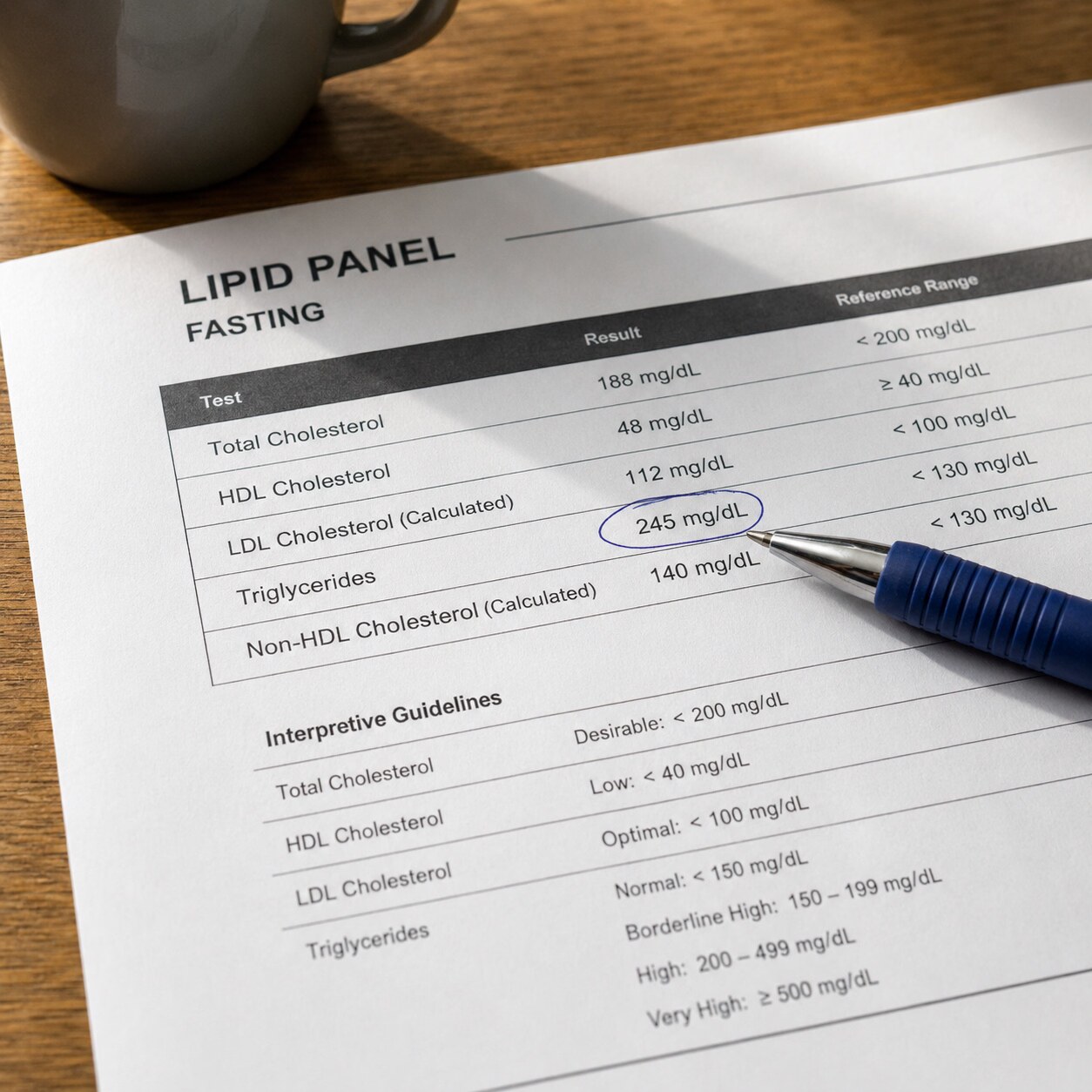
Figure 5. A fasting lipid panel reports the triglyceride value against a fixed reference range, which is only accurate if fasting instructions were followed.
Alcohol and sugar don't act as two separate, additive problems in the liver — they overlap on the same machinery, which means the combination tends to be worse than either one alone. A sweetened cocktail, a sugary mixer with liquor, dessert wine, or beer — which itself contains carbohydrate from the fermentation process — delivers both triggers to the liver simultaneously: the NADH-driven fat-building signal from alcohol metabolism, and the unregulated fructose or glucose load from the sugar riding alongside it. Someone who drinks a sugary cocktail is, metabolically speaking, asking their liver to run two different fat-production triggers at once, using the same shared pathway, at the same time. This is one reason clinicians sometimes see particularly dramatic triglyceride spikes in people whose alcohol intake leans toward sweet mixed drinks, dessert wines, or regular beer, compared to someone drinking the same volume of alcohol in a drier, lower-sugar form. It doesn't mean any one drink type is automatically "safe" — alcohol itself raises triglycerides regardless of what's mixed with it — but it does mean the sugar riding along with the alcohol isn't a neutral bystander, either.
Frequency matters just as much as any single occasion. A liver that gets a genuine break between episodes of alcohol or high sugar intake has time to clear accumulated fat and let triglyceride production settle back toward baseline. A liver facing alcohol most evenings, sugary beverages most days, or both together in a near-constant pattern rarely gets that reset window, which is a large part of why chronic daily habits tend to move a baseline triglyceride number far more than occasional indulgence does — even when the total weekly amount consumed looks similar on paper.
What Actually Helps Bring Triglycerides Down
The encouraging side of this biology is that triglycerides tend to respond faster to lifestyle changes than most other lab values — often within just a few weeks, because the liver's fat-production machinery isn't a fixed, permanent state, it's a dial that moves up and down based on ongoing inputs. Reducing alcohol intake, even without stopping entirely, reliably lowers triglycerides in people whose levels were being driven up by drinking, and the effect can show up within days for the acute post-drinking spike and within weeks for the sustained baseline shift. Cutting back on added sugar and refined carbohydrates — particularly sugar-sweetened beverages, which deliver a concentrated fructose load with none of the fiber that would normally slow it down — has a similarly fast, measurable effect. Regular physical activity helps on a separate front: exercising muscle burns through circulating triglycerides directly for fuel and improves how efficiently lipoprotein lipase, the clearing enzyme mentioned earlier, pulls fat out of the bloodstream. Omega-3 fatty acids from fatty fish or, when appropriate, prescription-strength omega-3 formulations, have also been shown to meaningfully lower triglycerides, working through a different pathway than the alcohol/sugar mechanism but complementing it well. None of this requires an extreme or all-or-nothing approach — even a modest reduction in sugary drinks and drinking frequency tends to produce a measurable improvement on the next test.
It helps to think about sequencing rather than trying to change everything simultaneously, since the goal is a habit that actually sticks rather than a short burst of willpower that fades after a few weeks. For most people whose triglycerides are being driven primarily by drinking, the single highest-leverage change is reducing the frequency of alcohol intake rather than fixating only on the amount per occasion — a liver that gets several genuine alcohol-free days each week has meaningfully more time to clear accumulated fat than a liver facing even modest amounts every single evening. For sugar, the highest-leverage change is almost always liquid sugar specifically: sodas, sweetened coffee and tea drinks, energy drinks, and juice, since these deliver a concentrated fructose dose with none of the fiber or protein that would otherwise slow absorption and blunt the liver's fat-building response. Swapping sweetened beverages for water, unsweetened coffee or tea, or sparkling water tends to move the needle on triglycerides more than almost any other single dietary change available. Beyond these two levers, increasing fiber intake — from vegetables, legumes, and whole grains — slows carbohydrate absorption broadly and modestly reduces the fructose and glucose surge from any given meal, while replacing some refined carbohydrates with healthy fats like olive oil, nuts, and avocado tends to lower triglycerides rather than raise them, despite containing fat, because they don't feed the same de novo lipogenesis pathway that alcohol and sugar do. For people whose levels remain high despite these changes, or who are in the very-high range associated with pancreatitis risk, a healthcare provider may also recommend prescription medication — most commonly fibrates or high-dose prescription omega-3 formulations — specifically targeted at lowering triglycerides, used alongside rather than instead of these lifestyle changes.
Frequently Asked Questions
Can one night of drinking really affect a triglyceride test the next morning?
Yes. Alcohol can measurably raise triglycerides within hours of drinking, and that effect can still be present the following morning, especially after heavier drinking or a late night. This is exactly why fasting instructions before a lipid panel typically include avoiding alcohol the evening before, not just avoiding food — a single celebratory dinner with several drinks the night before a routine physical can genuinely push an otherwise normal triglyceride result into borderline or high territory, which is worth keeping in mind if a result looks unexpectedly elevated and doesn't match how you'd describe your typical week.
If I don't eat much dietary fat, why would my triglycerides still be high?
Because your liver can manufacture triglycerides from scratch out of alcohol and sugar through a pathway called de novo lipogenesis — it doesn't need dietary fat as the raw material. Someone eating a low-fat diet but drinking regularly or consuming a lot of sugary beverages can still see elevated triglycerides purely from that internal fat-production process, which is one of the more counterintuitive findings in nutrition science and a common source of confusion when people compare their diet to their lab results.
Is fruit as much of a concern as soda for triglycerides?
Not typically to the same degree. Whole fruit contains fructose, but it arrives bundled with fiber and water that slow digestion and absorption, blunting the rapid fructose surge to the liver that concentrated sources like soda, juice, and added sugar deliver. The concern discussed in this article centers mainly on concentrated, unbound sugar sources — sweetened beverages, desserts, and added sugar in processed food — rather than whole fruit eaten in ordinary amounts as part of a normal diet.
How high do triglycerides need to be before it's a medical emergency?
Levels at or above 500 mg/dL are considered very high and raise real concern for acute pancreatitis, a genuinely dangerous inflammation of the pancreas, and generally warrant prompt medical attention. Levels in the 200 to 499 mg/dL range are high and worth addressing but are not typically an emergency on their own, though they're still a meaningful signal to bring up with a healthcare provider rather than something to wait out silently.
How long after cutting back on alcohol or sugar will my triglycerides improve?
Often faster than people expect. The acute post-drinking spike can begin resolving within a day or two of stopping, while the sustained baseline improvement from consistently reducing alcohol and sugary beverages typically shows up within two to six weeks — well within the timeframe of a routine follow-up lab draw, which is one of the more encouraging aspects of this particular number compared to many other lab values that shift much more slowly.
Conclusion
Triglycerides sit at an interesting crossroads in lab testing — a number most people assume reflects only how much fat they eat, but one that's often shaped just as much, or more, by alcohol and added sugar working through the liver's own fat-manufacturing pathway. Alcohol metabolism floods the liver with signals that favor building new fat while simultaneously slowing the liver's ability to burn fat it already has. Sugar, particularly fructose from sweetened beverages, enters metabolism at a point that largely bypasses the body's normal brakes on fat production. Together, and especially when combined in the same drink or the same day, these two inputs can quietly push a triglyceride number upward for months before it ever shows up as a symptom you'd notice. The good news is that this particular lab value tends to respond quickly to change — reducing alcohol, cutting back on sugary drinks, moving more, and giving your liver regular breaks between episodes of either one can bring triglycerides down measurably within weeks. If your own results came back elevated, it's a genuinely useful, actionable signal — not a verdict, and not something you have to sit with confused about what it means.
What makes triglycerides worth paying attention to, more than almost any other number on a routine panel, is exactly this combination of sensitivity and responsiveness: sensitive enough to reflect real changes in how you're eating and drinking within days, and responsive enough to reward the changes you make within a few short weeks. That combination turns a single confusing lab result into something genuinely useful — a number you can watch move in the right direction as evidence that the changes you're making are actually working, rather than an abstract target with no clear feedback loop.
Still Not Sure What Your Results Mean?
Upload your labs and get a complete, visual, plain-language interpretation of every biomarker — delivered to your inbox in under 15 minutes.
Get My ReportThis article is for educational purposes only and does not constitute medical advice. Always consult your healthcare provider regarding your specific lab results.